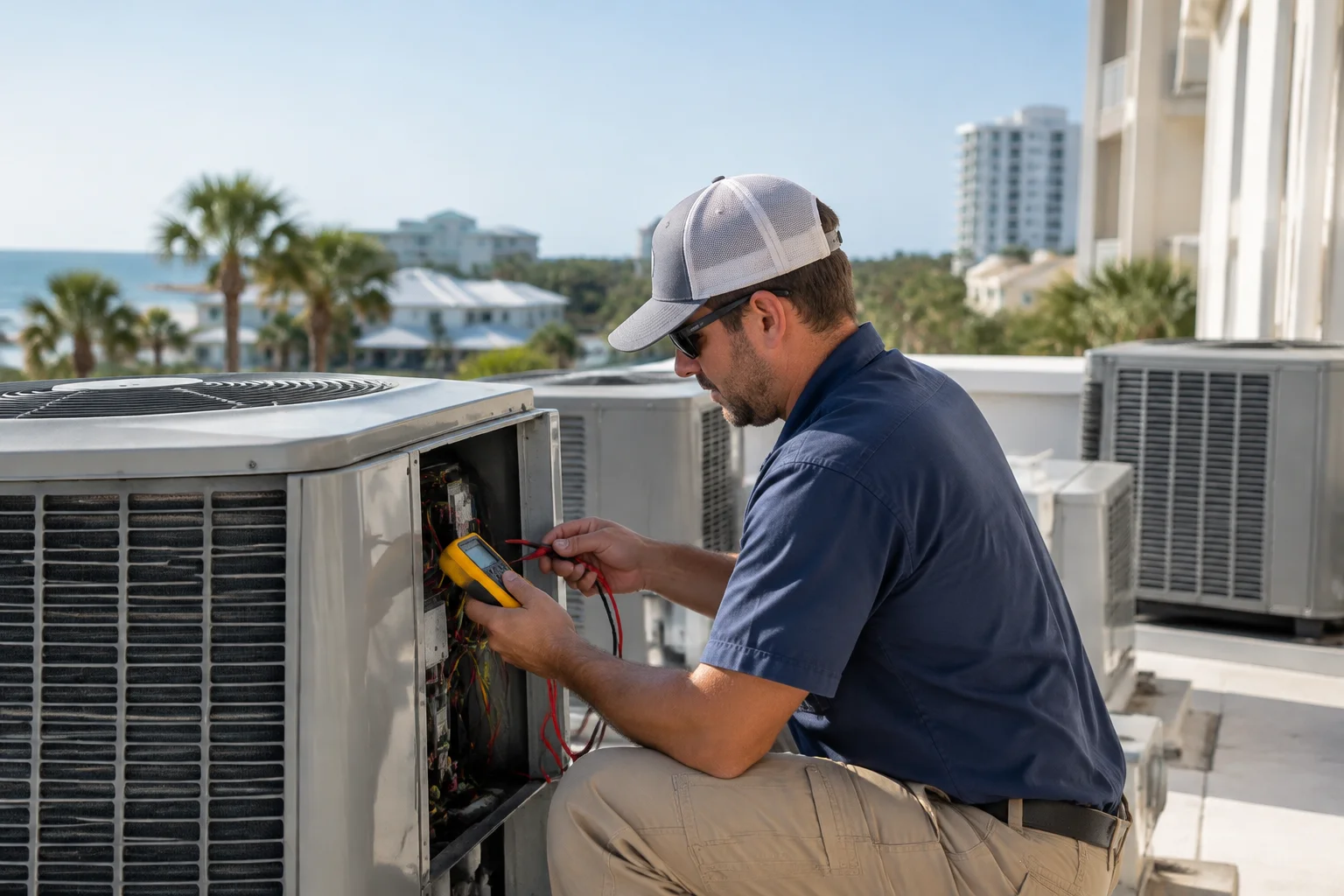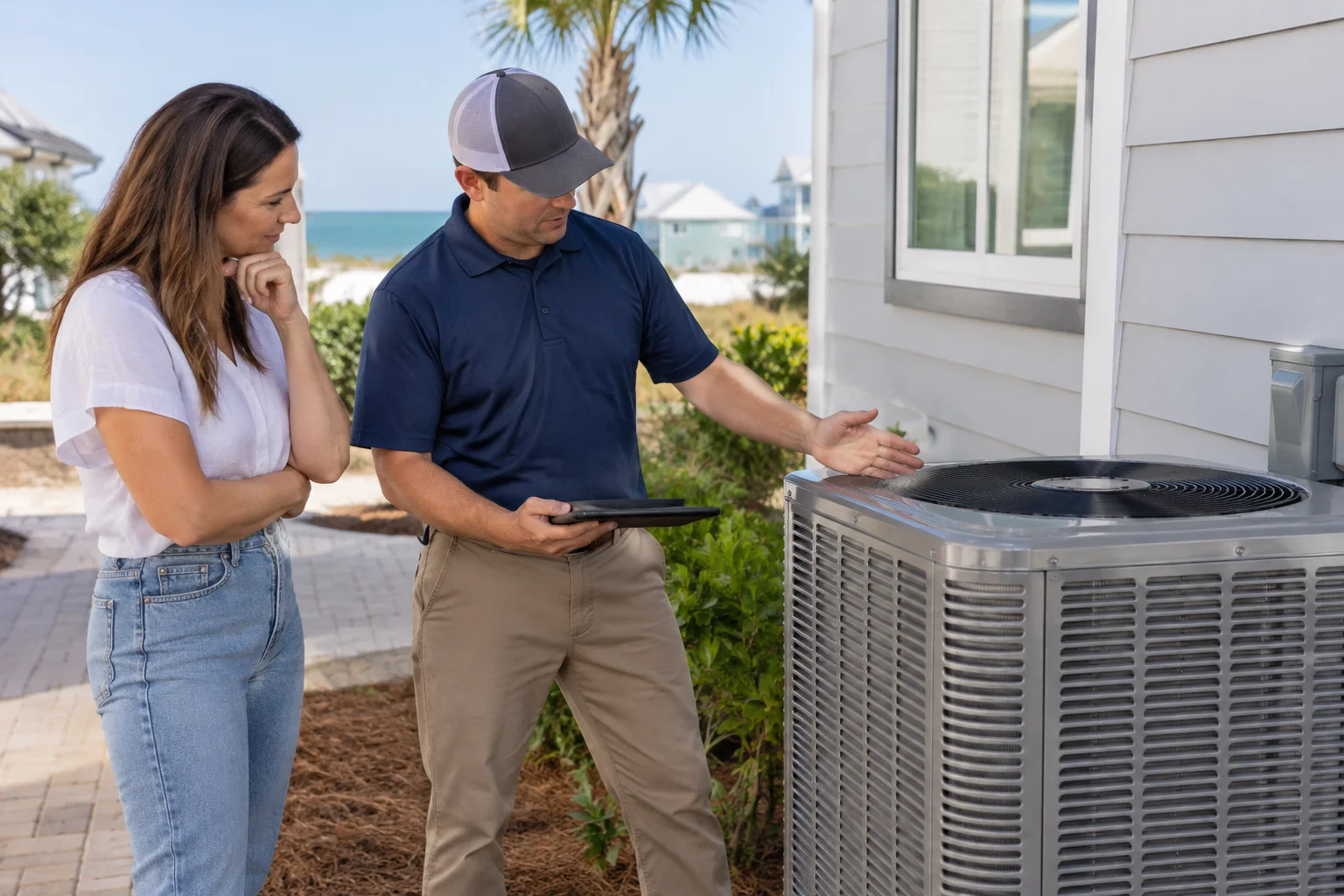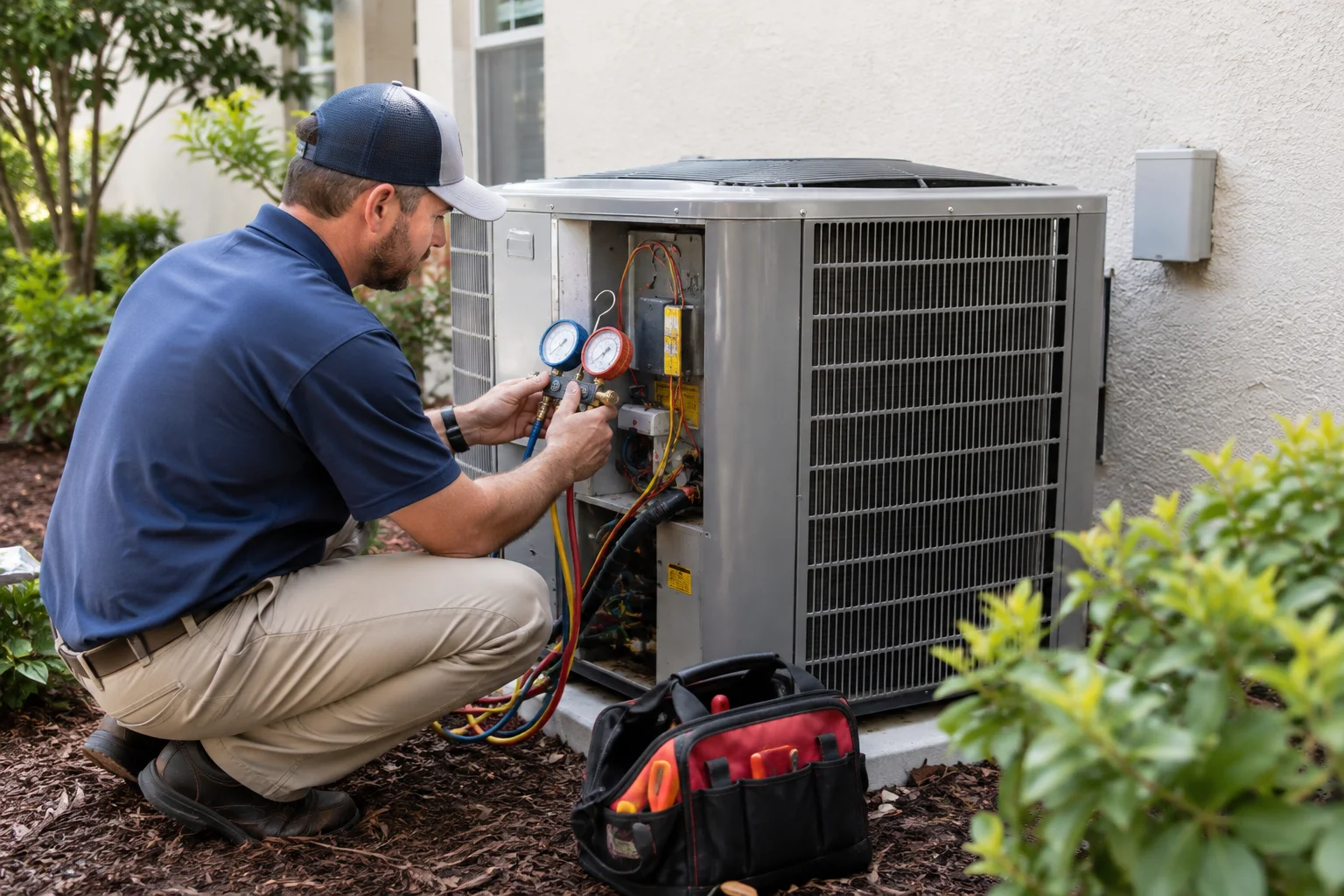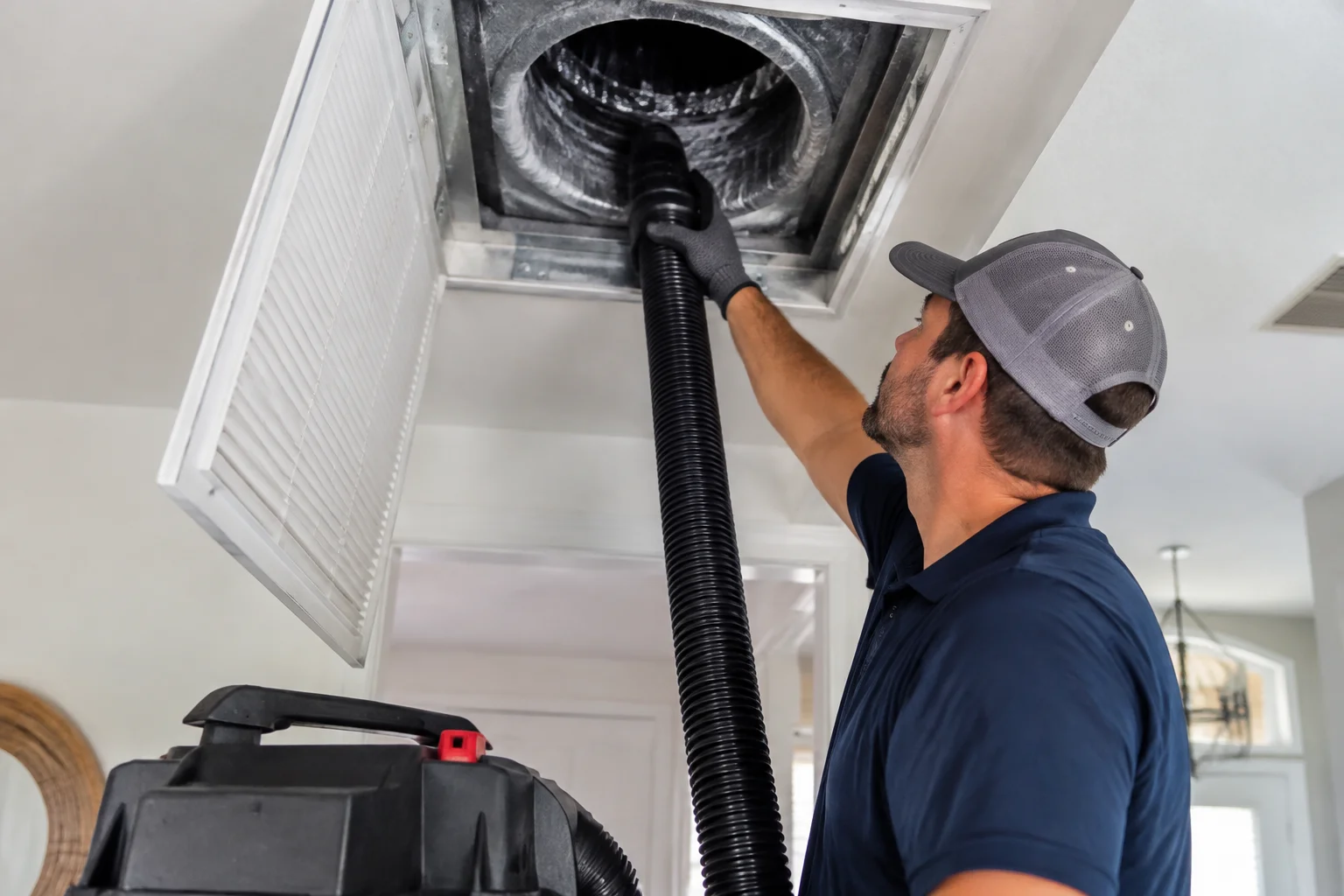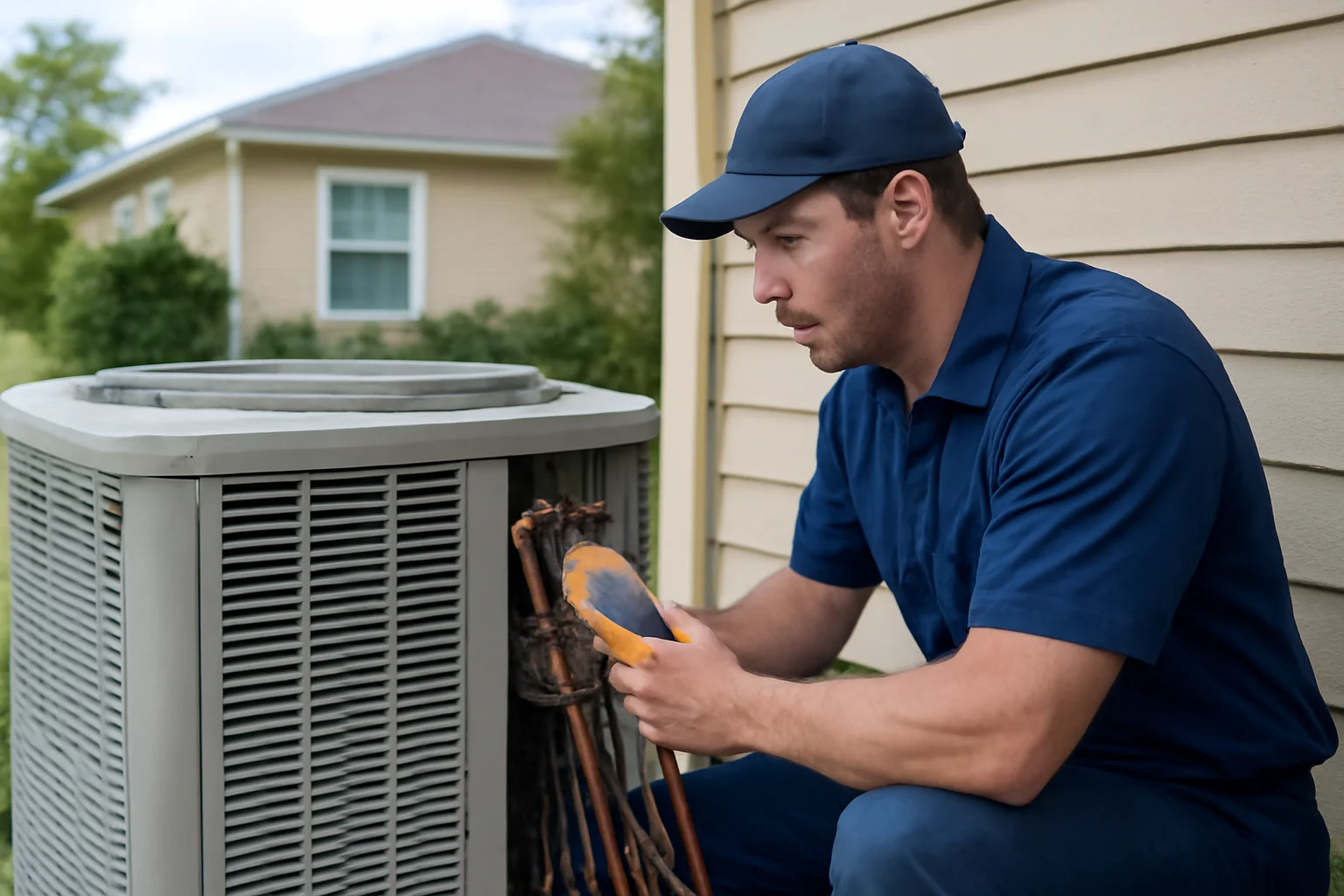
Parker, FL homes feel the difference between “the system is running” and “the system is controlling comfort.” Heating control systems are the part of your HVAC setup that tells your equipment how to respond to temperature, airflow, humidity, and indoor air quality needs. When they are set up correctly and maintained regularly, they can help your home stay comfortable through Florida heat, improve energy use, and reduce the chance of emergency cooling concerns during the hottest stretches of the year.
If you are searching for an HVAC company near me or comparing options for heating control systems, this guide explains what local homeowners in Parker should know. It focuses on how controls impact cooling, airflow, humidity, condensate drainage, and overall system health in Bay County.
Why heating control systems matter in Parker’s climate
Parker sits in a part of Florida where summer is not just hot, it is humid. That humidity changes how your air conditioner or heat pump handles comfort. It also affects how your ductwork distributes air, how your indoor coils remove moisture, and how your system manages condensate drainage.
Heating control systems include the thermostat and the control logic that coordinates your HVAC equipment. In real homes, those controls influence:
- Cooling behavior during high humidity and peak load days
- Airflow across rooms through fan speed control, staging, and airflow targets
- Humidity control through dehumidification strategies and run time management
- System protection that prevents short cycling and reduces stress on refrigerant systems
- Energy use by matching output to actual conditions rather than running at the wrong time or speed
In addition, Parker homes often deal with factors that can complicate HVAC performance, such as duct leakage, uneven insulation, and the effects of salt air in coastal areas. Over time, those conditions can make your thermostat settings and control sequences less effective, even if the equipment itself is still in good shape.
Cooling comfort starts with correct control settings
Many homeowners assume cooling problems are “an AC problem” or “a refrigerant problem.” Often, the issue is that the controls are not coordinating the system the way the home needs. A thermostat that is set correctly for temperature may still allow humidity to climb if the control strategy does not manage airflow and run time.
Common control-related cooling issues in Parker include:
- Short cycling where the system turns on and off rapidly, which can reduce dehumidification and increase wear on components
- Air that feels cool but not comfortable, especially when humidity is high and the air feels clammy
- Uneven room temperatures that suggest the airflow targets or zoning behavior are not matching the home’s ductwork
- Thermostat overshoot where the system keeps chasing the setpoint instead of stabilizing comfort
Professional air conditioning service and control checks can help confirm whether the thermostat, settings, and control sequences are actually supporting good cooling performance. If you are dealing with air conditioning repair near me searches because comfort is inconsistent, it is worth including the controls in the conversation, not just the equipment.
Airflow control: the bridge between the thermostat and the rooms
Airflow is one of the biggest “invisible” factors in HVAC comfort. Heating control systems use fan control and staging to move conditioned air through your ductwork. If airflow is restricted or mismanaged, the system can struggle to cool and dehumidify properly.
In Parker homes, airflow problems often show up as:
- Hot rooms that never seem to catch up during the day
- Cold drafts or rooms that feel too cool while others stay warm
- Weak airflow from vents even when the system is running
- Frequent filter changes because the system pulls harder than it should
Controls that manage airflow can only do so much if your ductwork is leaking, under-sized, or poorly balanced. That is why airflow checks and duct inspection go hand in hand with thermostat and control settings. If you are considering ductwork improvements, you may also find it helpful to read Planning Duct Sealing and Aeroseal Work Before Parker Heat and Humidity Push Your HVAC Harder to understand how duct sealing can change airflow behavior.
Humidity control and why it is not just “temperature”
Humidity in Parker can make your home feel warmer than the thermostat says. Heating control systems can influence humidity outcomes by adjusting how long the system runs, how it stages cooling, and how it manages indoor fan operation.
When humidity control is not aligned with the home, you may notice:
- Clammy indoor air even when the temperature is set to a comfortable number
- Condensation on windows during humid periods
- Musty odors that suggest moisture is lingering
- Excess moisture around vents or on nearby surfaces
Humidity management also connects to condensate drainage. During cooling and dehumidifying, evaporator coils produce condensate that needs to drain safely. If drainage is restricted or the system is not operating in a way that matches the home’s airflow and humidity needs, water can back up or fail to drain properly. That is a comfort issue and an indoor air quality issue.
For homeowners focusing on indoor air quality, it is smart to consider Indoor Air Quality Testing when humidity feels out of control. Controls can help, but they should be matched to real conditions inside the home.
Thermostats and automation: what “smart” should actually do
Smart thermostats and HVAC automation can be helpful, but only when installed and configured correctly for your specific system and home layout. The thermostat should communicate properly with your HVAC equipment and follow control logic that supports comfort and equipment protection.
Homeowners in Parker often ask whether a thermostat upgrade is needed before other repairs. The most useful approach is to evaluate:
- Compatibility with your existing furnace, heat pump, air handler, or air conditioner
- Sensor placement, since temperature and humidity sensors can read differently depending on where the thermostat is installed
- Fan and staging settings, which can affect dehumidification and airflow
- Zoning settings, if your home has dampers or a zoning control system
- Schedule behavior, especially when you want comfort during the hours you are home
If you are searching for thermostat installation near me or thermostat setup help, choose a licensed HVAC contractor who can verify system communication, airflow assumptions, and comfort goals. A Superior Mechanical focuses on heating control systems designed for reliable HVAC performance in Parker homes and businesses.
Zoning and airflow balance for Parker homes
Many Parker households deal with uneven comfort, where some rooms run warmer or cooler than others. Zoning solutions can help by directing conditioned air only where it is needed. But zoning changes how airflow behaves, and that makes control settings even more important.
When zoning is working well, you should see:
- More stable temperatures across occupied rooms
- Reduced hot or cold spots from duct imbalance
- Better humidity management because the system is not constantly over-conditioning the entire home
When zoning is not configured correctly, you may notice issues like system cycling, airflow complaints, or rooms that never reach setpoint. These problems can be related to control logic, damper behavior, or ductwork restrictions. A professional HVAC contractor can evaluate how your zoning setup interacts with your ductwork and airflow targets.
Refrigerant systems and controls: how they influence each other
Heating control systems coordinate comfort goals by controlling compressor operation and fan behavior in a refrigerant system. While controls are not the same as refrigerant, they can change how the refrigerant system operates under different conditions.
In a humid Florida summer, the system must manage both cooling and dehumidification demands. If controls cause improper staging, airflow mismatch, or short cycling, the refrigerant system can experience stress. That can lead to performance issues and, in some cases, component wear.
It is important to be careful with assumptions. Homeowners should not attempt to diagnose refrigerant or make equipment replacement decisions based on thermostat behavior alone. A licensed HVAC contractor should evaluate the system in person, including airflow and drainage, before making conclusions about refrigerant-related causes.
Condensate drainage and moisture prevention
In Parker, moisture management is part of preventive HVAC maintenance. During cooling, condensate drainage removes water created on the evaporator coil. If that drainage path is restricted, the system may not remove moisture as intended.
Control problems can sometimes mask drainage issues. For example, if a thermostat setting or fan control prevents the system from running long enough to dehumidify, humidity may stay elevated. On the other hand, if the system runs in a way that increases coil condensation but drainage is failing, you might see water-related symptoms.
Signs that condensate drainage and moisture prevention need attention include:
- Water near the air handler or drain pan
- Noticeable musty smells
- Frequent blower operation without comfortable humidity reduction
- Visible condensation around indoor units
A Superior Mechanical can help homeowners understand how heating control systems, airflow, and drainage work together to protect comfort and indoor air quality.
Energy use: controls that avoid waste
Energy use is not only about the size of your equipment. It is also about how your controls operate the system. In Parker, where long cooling seasons are common, small control errors can add up. For example, if your thermostat schedule keeps the system running during times when the home does not need full output, you may see higher utility bills and more humidity cycling.
Good control strategies can support:
- Match between output and demand rather than constant high output
- Stable temperatures that reduce overshoot and reheat cycles
- Better dehumidification so you feel comfortable without overcooling
If you are comparing comfort and cost, it is worth pairing heating control checks with an indoor air quality and airflow approach. When airflow and humidity are managed well, the system does less unnecessary work.
Preventive HVAC maintenance that keeps controls and comfort aligned
Heating control systems perform best when the equipment they control is maintained. Preventive HVAC maintenance helps keep airflow, refrigerant system performance, and condensate drainage functioning as intended. It also helps prevent small control issues from turning into major comfort problems.
For Parker homeowners, preventive maintenance typically includes:
- Thermostat and control sequence review to confirm settings match the home
- Air filter checks and recommendations based on airflow needs
- Airflow inspection to verify vents and returns are not restricted
- Coil and drainage inspection to support moisture removal and prevent water issues
- System calibration checks so the thermostat behavior matches actual indoor conditions
If you want guidance on keeping the cooling side of your HVAC system efficient through Bay County humidity, see Keeping Parker Homes Cooler, Longer: Smart Ways to Manage Air Conditioning Service in Bay County.
For homeowners who want to understand how reliability improves when controls and equipment stay aligned, you may also like Keeping Heating Control Systems Reliable for Parker, FL Property Owners.
Common thermostat and control mistakes that cause real comfort complaints
Sometimes the fix is not a new thermostat or a major repair. It is a correction to how the system is being used or configured. Common mistakes include:
- Changing temperature setpoints too frequently, which can increase cycling and reduce humidity control
- Using the wrong fan mode for humidity conditions, which can prevent proper coil operation
- Placing the thermostat near heat sources like direct sun, appliances, or drafts from leaky ductwork
- Ignoring uneven comfort and relying only on temperature changes instead of addressing airflow balance
- Overlooking condensate drainage symptoms because the system still blows air
These issues can be addressed with a combination of homeowner adjustments and professional HVAC maintenance. When you contact an HVAC contractor near me, ask whether they can evaluate the control setup alongside airflow and humidity performance. That holistic approach is often what makes the biggest difference.
When to call an HVAC professional for heating control system help
Knowing when to call can prevent comfort problems from escalating during Florida’s hottest weeks. Call a licensed HVAC contractor for heating control system service if you notice:
- Humidity that keeps rising even when temperature seems controlled
- Airflow complaints such as weak vent output or persistent hot and cold spots
- Frequent short cycling or unusual system behavior
- Condensate drainage concerns such as water around the indoor unit or musty odors
- Thermostat errors or repeated loss of communication with the HVAC system
Also consider professional help if you are preparing for system upgrades. If you are exploring heat pump installation near me or considering how a new system will integrate with your thermostat and ductwork, the control plan should be part of the conversation from the start.
If you are facing emergency cooling concerns because the system is failing to cool properly, it is appropriate to seek emergency AC repair near me. A Superior Mechanical can help evaluate the situation and respond with the right next steps based on what is happening in your home.
Professional local service matters in Bay County
Parker homes have real-world conditions that affect HVAC controls and performance: humidity loads, airflow constraints, ductwork leakage potential, and the corrosion and wear challenges that can come with salt air exposure in the region. A heating control system that works perfectly in a different climate may not deliver the same results here.
That is why it helps to work with a local team that understands Parker’s comfort challenges and can connect controls to the physical performance of the HVAC system. If you are looking for a reliable Parker HVAC service area contractor, A Superior Mechanical is built for homeowners and businesses who want dependable comfort, better indoor air quality, and smarter HVAC maintenance planning.
If your home needs more than controls, the right team can coordinate related services. Depending on what your system needs, you may also consider Duct Cleaning, especially when airflow and indoor air quality are part of the comfort problem. For larger comfort needs or property types, you can also review Commercial HVAC Services and how controls can be managed for consistent performance.
Linking controls to the full HVAC picture
Heating control systems are the “brain” of your HVAC comfort routine. But comfort depends on the whole system working together: thermostats, ductwork, airflow, condensate drainage, and refrigerant system operation all have to align. When they do, your Parker home is more likely to stay comfortable during Florida heat and humidity without unnecessary cycling or lingering moisture.
For homeowners ready to improve how their HVAC system manages cooling, humidity, and airflow, start by reviewing the local service options on heating control systems in Parker and exploring the broader Bay County HVAC service area coverage.
Find Heating Control Systems in Parker, FL
If you need Heating Control Systems in Parker, FL, visit our local service page or contact A Superior Mechanical today.
Map of Parker, FL
Frequently Asked Questions
How do heating control systems affect my air conditioner’s ability to dehumidify in Parker, FL?
Heating control systems influence dehumidification by coordinating thermostat behavior, cooling staging, and indoor fan operation. If airflow and run time are not aligned with humidity conditions, your home can feel clammy even when temperature is close to the setpoint.
Can airflow problems make my thermostat settings seem “wrong”?
Yes. If ductwork leaks or restrictions reduce airflow, the system may not move enough conditioned air to match the thermostat’s expectations. That can cause uneven comfort and humidity issues, even with correct temperature settings.
What signs point to a control or humidity issue rather than a refrigerant issue?
Look for patterns like short cycling, inconsistent room temperatures, humidity staying high despite cooling, or unusual system behavior tied to thermostat schedules and fan settings. A technician should evaluate the system in person before concluding whether refrigerant is involved.
When should I contact a professional for thermostat installation or thermostat setup?
Contact a professional if you are upgrading to a smart thermostat, installing zoning, troubleshooting comfort problems, or noticing thermostat errors or communication issues. Proper installation and configuration help ensure the controls work with your specific HVAC setup.
Do heating control systems help prevent emergency cooling problems?
They can help reduce the chance of comfort breakdowns by improving how the system responds to temperature, humidity, and airflow needs. Preventive HVAC maintenance also helps catch issues like airflow restrictions or condensate drainage problems before they become urgent.
Related Articles
- Keeping Heating Control Systems Reliable for Parker, FL Property Owners
- Planning Duct Sealing and Aeroseal Work Before Parker Heat and Humidity Push Your HVAC Harder
- Keeping Parker Homes Cooler, Longer: Smart Ways to Manage Air Conditioning Service in Bay County
- Keeping Commercial HVAC Problems Small in Parker, FL
Photo Gallery