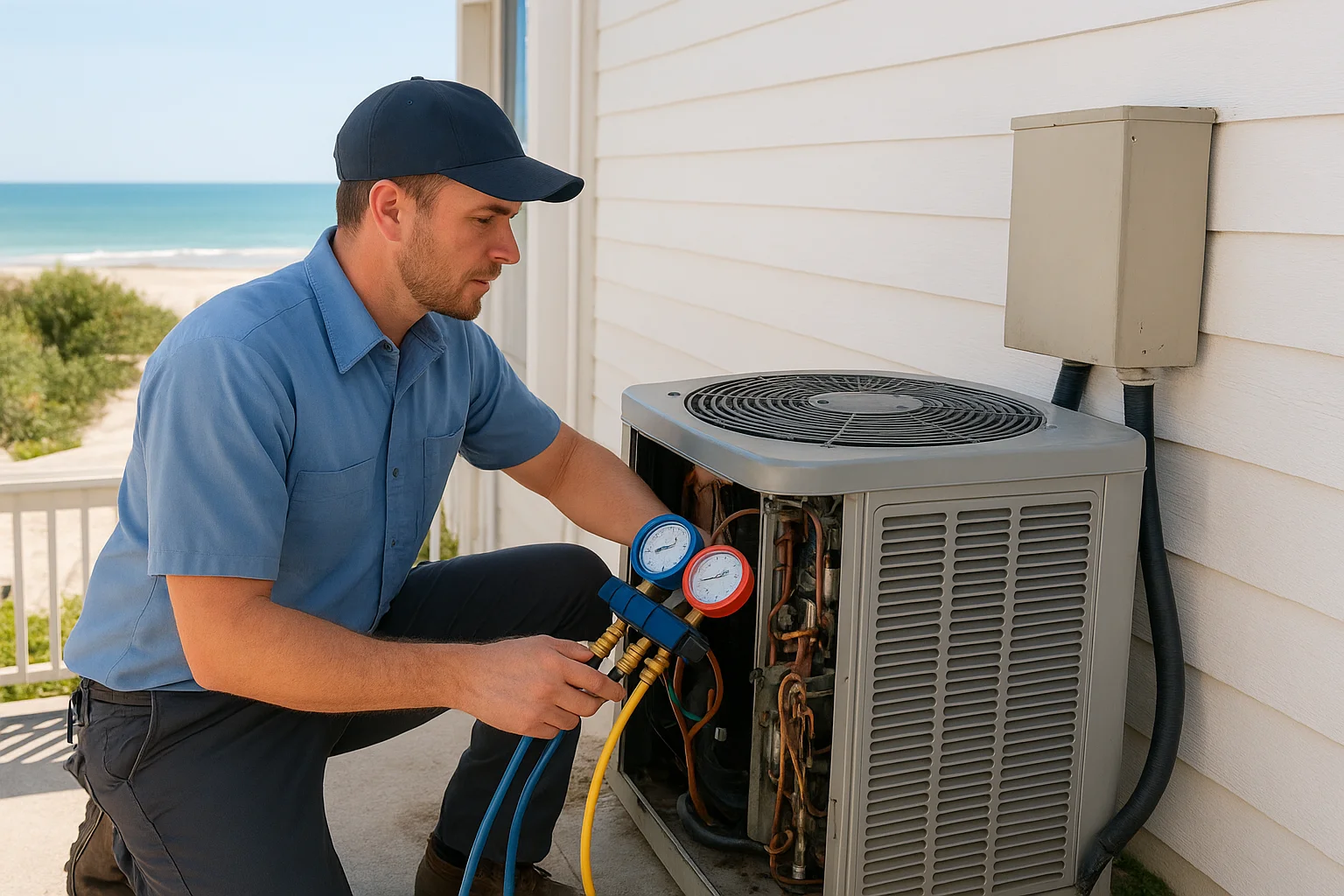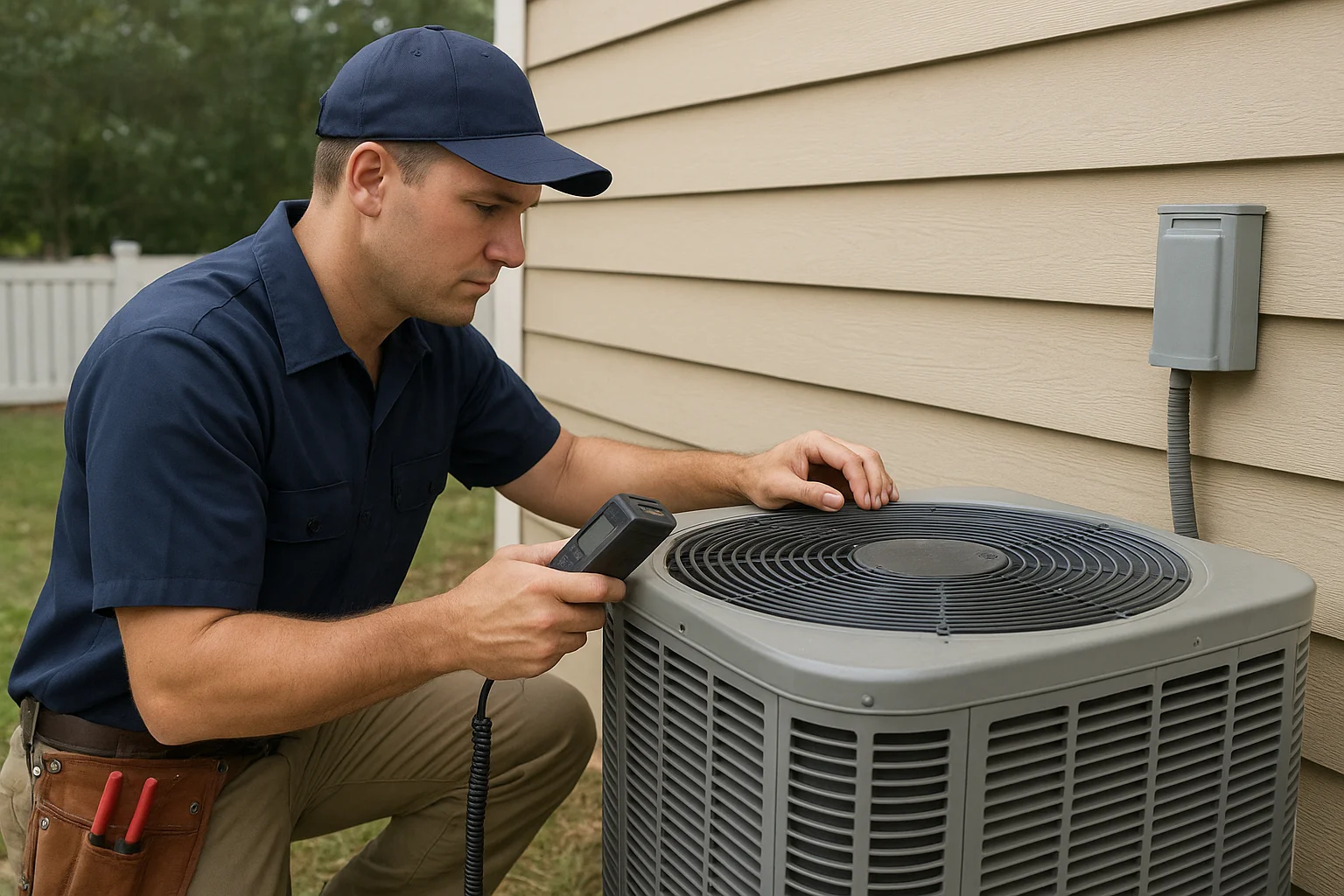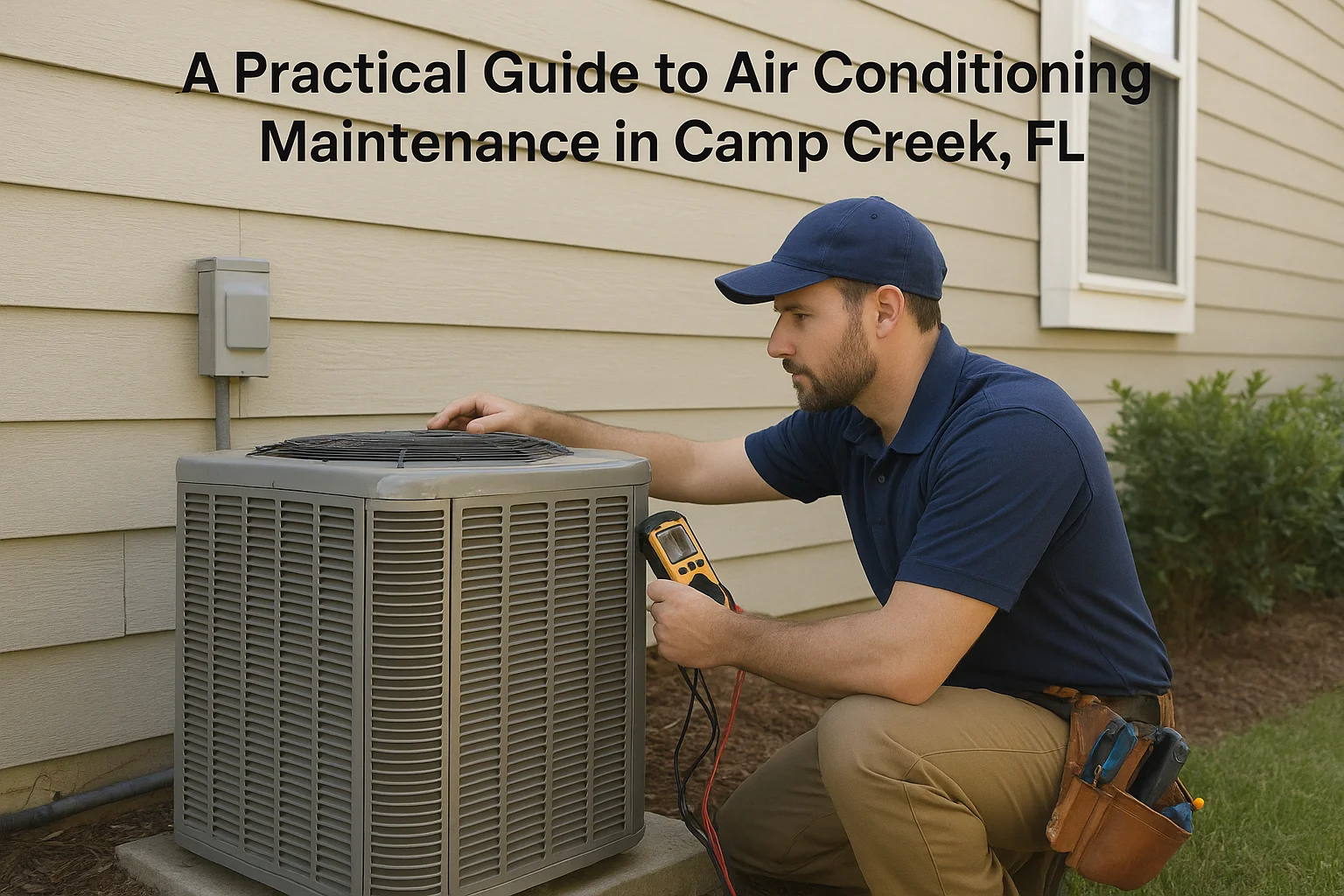
30A homes sit in a unique HVAC environment. Florida heat and humidity can push comfort systems hard, and salt air around the coast can accelerate wear on sensitive components. For homeowners, the heating control system is the “brain” of reliable climate management. When controls drift out of calibration, sensors get dirty, or airflow is restricted, even a newer heat pump or furnace can behave like it is failing.
This guide focuses on heating control systems for both older and newer homes in 30A, FL. You will learn practical prevention steps that reduce breakdowns, protect indoor air quality, and lower the odds of emergency cooling concerns when weather swings fast.
Why heating control systems matter in 30A humidity and salt air
Heating control systems include thermostats, zoning controls, sensor inputs, and the way your HVAC equipment responds to temperature and humidity conditions. In 30A’s climate, the control system has to manage more than “warm or cool.” It needs to coordinate with:
- Airflow across coils and through ductwork, which affects heating and cooling performance.
- Humidity and comfort balance, especially when Florida air is muggy.
- Refrigerant systems and cycle behavior in heat pumps, where control inputs influence how the system stages and runs.
- Condensate drainage when cooling is running alongside heating needs or during shoulder-season weather.
When controls are not aligned with real conditions, homeowners often notice symptoms first: uneven temperatures room to room, short cycling, unexpected fan behavior, or a thermostat that never seems to reach the set point. Those symptoms can also connect to airflow restrictions, ductwork issues, or failing components. That is why preventive HVAC maintenance and periodic control checks matter.
Common heating control problems homeowners run into on 30A
Thermostat settings that fight the equipment
Many comfort issues begin with thermostat programming. Vacation rentals and beach homes often have schedules that do not match occupancy. If the system is set to aggressive temperature swings, it may run longer than needed, increasing energy use and stressing the HVAC cycle.
Also, some thermostats allow multiple modes that can conflict. For example, a homeowner may select heating while the system is trying to manage humidity or airflow targets. The result is a control system that “feels” wrong even if the equipment is operating normally.
Sensors that drift or get covered
Older homes sometimes have thermostats mounted near doors, windows, or supply vents. Newer smart thermostats may be installed in the same spot without realizing that direct sunlight or heat from nearby electronics can bias the sensor reading. In humid conditions, moisture and dust can also affect sensor accuracy over time.
When the thermostat reads a temperature that is not representative of the home, the system may cycle too frequently or run continuously, which can worsen indoor air quality and increase wear.
Zoning controls that do not match airflow
Homes with zoning solutions rely on dampers and zone sensors. If dampers stick, ductwork balancing is off, or return air paths are restricted, zones may not heat evenly. Homeowners may feel like the thermostat is “broken,” but the control system is responding correctly to conditions while the airflow is failing to deliver comfort where it is needed.
Dirty filters and restricted airflow
Airflow problems can masquerade as control problems. A clogged filter, blocked supply registers, or ductwork that has accumulated debris can reduce airflow across coils. When airflow is low, heating and cooling performance drops, and the system may behave unpredictably. That can show up as:
- Long run times to reach set points
- Frequent cycling on and off
- Hot or cold rooms that never stabilize
- Increased humidity issues when cooling is operating
Restricted airflow also affects condensate drainage during cooling operation. If condensate drainage is impaired, water problems and indoor air quality concerns can follow.
Prevention habits for older homes with older thermostats and control wiring
Older 30A homes may have mechanical thermostats, older wiring runs, or control boards that have been updated at different times. Many of these systems still work, but they need thoughtful care because small control changes can create big comfort swings.
Use a “comfort baseline” before changing settings
Before adjusting schedules or switching modes, note how the home behaves on a normal day. Track:
- How long the system runs to reach the temperature you actually feel comfortable at
- Any rooms that consistently lag behind
- Whether you notice unusual fan behavior
This helps you spot whether the issue is control related or airflow related. If you are troubleshooting, it is also helpful to review your thermostat installation location and whether it is exposed to direct sun or drafts.
Confirm thermostat placement away from heat sources
For older homes, thermostat placement is often the simplest fix. Keep the thermostat away from:
- Direct sunlight through windows
- Supply air from nearby vents
- Exterior doors and drafty hallways
- Appliances or heat-producing equipment
If you suspect placement is causing inaccurate readings, ask a local HVAC contractor to check it during an HVAC maintenance visit. Many homeowners search for thermostat installation near me when they realize the location is working against comfort.
Don’t ignore condensate drainage during shoulder-season humidity
Even if you think you are “only heating,” Florida weather often flips. When cooling runs briefly, condensate drainage can become an issue if drain lines, pans, or traps are restricted. A control system that prompts a run cycle at the wrong time can increase moisture inside the system area.
For prevention, keep up with routine maintenance and filter changes, and pay attention to signs like musty odors near the air handler or water around indoor equipment.
Prevention habits for newer homes with smart thermostats, heat pumps, and zoning
Newer homes in 30A may include smart thermostats, heat pump installation, and zoning solutions. These systems can improve comfort and help manage energy use, but they still need correct setup and airflow alignment.
Verify that thermostat modes match your equipment
Some modern systems have multiple stages or different behavior in heating versus cooling. Smart thermostats can be configured with settings that affect staging and fan operation. If the configuration does not match your actual HVAC setup, you may see symptoms like:
- Short cycling during mild weather
- Unexpected fan delays
- Comfort that swings instead of stabilizing
This is one reason homeowners searching for an HVAC company near me often benefit from a professional walkthrough of thermostat configuration rather than relying only on app defaults.
Use schedules that reflect occupancy and Florida weather swings
For vacation rentals and second homes, the control system should match real usage patterns. When the schedule is too aggressive, the equipment may work harder than it needs to. That can increase energy use and contribute to wear on refrigerant systems and airflow components.
Instead of trying to “preheat to perfection” every time, aim for stable settings that keep comfort within a reasonable range. If you have zoning, consider whether all zones need the same schedule. Some rooms may only require occasional conditioning.
Keep ductwork and returns ready for consistent airflow
Newer homes can still have ductwork issues. Construction changes, settling, and poorly routed returns can lead to airflow imbalances. If dampers or registers are closed too often, zones may starve for air and the heating control system will compensate by running longer.
If you suspect uneven heating, a duct inspection near me check can help confirm airflow paths, damper operation, and whether ductwork is supporting the control strategy.
Airflow checks that prevent control system “false alarms”
Homeowners often think the thermostat is failing when the real problem is airflow. Prevention starts with simple inspections you can do and a professional evaluation you can schedule.
Watch for airflow symptoms in vents and registers
Look for:
- Vents that blow weakly or intermittently
- Registers that feel hot when the system should be heating gently
- Rooms that feel stale compared with others
Also check that furniture or curtains are not blocking registers. In coastal homes, salt residue and dust can also build up around grilles, which can restrict airflow over time.
Plan duct cleaning near me only when it is appropriate
Duct cleaning is not always the right first step for comfort issues. If you are dealing with airflow limits, indoor air quality concerns, or visible debris, ask an HVAC professional to evaluate the ducts and system condition before cleaning. A targeted approach helps avoid unnecessary work and supports better indoor air quality.
If you are also working on indoor air quality, consider pairing ductwork evaluation with Air Filtration and Purifiers so the system can maintain cleaner air without overburdening airflow.
Humidity, indoor air quality, and the control system connection
Heating control systems influence comfort indirectly by how they coordinate with cooling operation, fan behavior, and cycle timing. In 30A’s humidity, indoor air quality depends on more than temperature.
Why humidity control shows up during heating calls
When the home is humid, the HVAC system may need to remove moisture during cooling or during fan-assisted operation. If the thermostat or zoning controls do not allow appropriate fan cycles, the home can feel clammy even when the temperature seems right. That often leads homeowners to change settings repeatedly, which can increase energy use.
Professional air conditioning service and HVAC maintenance near me can include checks that help the system manage humidity more consistently, which supports healthier indoor air quality.
Filters and airflow are part of indoor air quality prevention
Dirty filters reduce airflow and can push indoor air quality problems. They also increase the chance of coil icing or poor heat transfer in some conditions. If you have allergies or musty odors, a combined plan that includes filtration and system maintenance can be more effective than changing thermostat settings alone.
For homes where filtration is a priority, explore Air Filtration and Purifiers for guidance on what may fit your system and airflow needs.
Refrigerant systems and why control settings matter
In heat pump operation, the control system influences staging and how the equipment responds to demand. While homeowners should not attempt refrigerant diagnosis, it is important to understand the relationship between controls and refrigerant systems.
If airflow is restricted, if sensors are reading incorrectly, or if the system is cycling too often, refrigerant performance can suffer. That can create comfort complaints that appear “electrical” or “thermostat” related. A professional HVAC contractor can evaluate the system in person and determine whether the issue is control behavior, airflow, or another component.
Because refrigerant systems require proper handling, do not assume a refrigerant problem is present based on temperature alone. Use professional evaluation when symptoms point to refrigerant or heat pump performance issues.
Condensate drainage and emergency cooling concerns
Florida weather can change quickly. A heating control system problem might not look urgent until you need cooling. That is why prevention should include moisture management and system readiness.
Watch for early moisture and drainage clues
Be alert to:
- Water around indoor air handlers
- Gurgling noises near drainage lines
- Musty smells that return after the system runs
These can indicate condensate drainage issues. When drainage is impaired, cooling performance and indoor air quality can be affected, and the system may struggle during hot Florida stretches.
Seasonal stress is real on 30A
During peak seasonal swings, heating and cooling demands can overlap. Homeowners dealing with vacation schedules also tend to adjust thermostats frequently. A system under stress needs accurate controls and clean airflow pathways to avoid emergency cooling concerns.
If your home tends to feel unreliable during high-demand weeks, review this helpful read: How 30A Homes Can Stay Ahead of HVAC Emergencies During Seasonal Stress.
Preventive HVAC maintenance that protects heating control performance
Preventive HVAC maintenance is not only about cleaning and tune-ups. It is also about verifying that the heating control system is behaving correctly with your specific home layout, ductwork, and humidity conditions.
What a good maintenance visit often includes
While each home differs, homeowners can expect a professional HVAC service visit to focus on:
- Confirming thermostat operation and sensor behavior
- Reviewing thermostat settings and mode behavior for comfort and efficiency
- Checking airflow paths, filters, and return conditions
- Assessing ductwork performance when comfort is uneven
- Evaluating condensate drainage during cooling-related operation
If you are trying to reduce the chance of AC repair near me becoming an emergency, consistent maintenance helps catch problems early. This is especially relevant in Walton County where coastal humidity can accelerate wear.
Choose local service that understands 30A homes
Local HVAC contractors know what to look for in 30A: salt air effects, common ductwork layouts, and how humidity interacts with comfort. If you are searching for HVAC service near me or HVAC contractor near me, prioritize companies that routinely service homes in Walton County and can explain what they find in plain language.
For homeowners who want to focus on system upkeep, you can also review Why Preventive HVAC Service Pays Off for Air Conditioning Repair in 30A, FL.
When to call a professional for heating control system issues
You do not have to wait for a full breakdown. Call a local HVAC contractor if you notice repeated symptoms that point to control behavior, airflow problems, or moisture concerns.
Call for help if you see these patterns
- The thermostat set point changes but the temperature never stabilizes.
- Rooms are consistently uneven, especially with zoning.
- The system runs longer than usual or cycles frequently.
- You notice musty odors, signs of moisture, or drainage concerns.
- Cooling becomes unreliable after a heating season or during fast weather swings.
If you suspect electrical or control component issues, do not attempt DIY diagnosis. A professional evaluation is the right approach to avoid missteps. For urgent comfort needs, homeowners searching for emergency AC repair near me should still expect that the technician will assess controls, airflow, and system performance before recommending any repair steps.
Extra steps for homeowners with heat pumps, zoning, or multi-zone comfort
Some 30A homes use advanced distribution strategies that require careful control and airflow coordination. If you have a heat pump system or multi-zone setup, your heating control system has to manage demand across multiple areas.
For homeowners with more complex setups, it can be helpful to review how multi-zone systems are managed. See VRF Multi-Zone Systems for additional context on control and comfort coordination.
Keep comfort upgrades aligned with control performance
Some homeowners consider new AC installation near me or heat pump installation near me when comfort is frustrating. Upgrades can help, but the heating control strategy should match the home and how it uses air distribution and humidity management.
If you are planning upgrades, it helps to think about the full system: thermostat placement, ductwork performance, filtration, and zoning. A coordinated approach can reduce callbacks and improve day-to-day comfort. If you are also managing commercial properties in the area, you may find value in Commercial HVAC Repair for how control issues show up differently in larger spaces.
For a targeted service option that matches this topic, explore heating control systems in 30A, FL and how A Superior Mechanical can help homeowners and property managers build a more reliable comfort strategy. If you are looking for broader local coverage, visit our 30A service page and Walton County HVAC service areas.
If you are balancing comfort and budget, you may also want to read Keeping HVAC Financing on Track in 30A, FL Homes so maintenance and repairs stay planned instead of rushed.
For air distribution support, consider pairing control care with Air Conditioning Maintenance so the system that delivers comfort can stay ready through the hottest and most humid weeks of the year.
Find Heating Control Systems in 30A, FL
If you need Heating Control Systems in 30A, FL, visit our local service page or contact A Superior Mechanical today.
Map of 30A, FL
Frequently Asked Questions
How can I tell whether my thermostat is the problem or my ductwork is the problem?
Start by checking for uneven airflow. If one or two rooms are consistently off, thermostat placement or zoning settings may be involved, but ductwork restrictions and return airflow issues are also common. A professional duct inspection near me can confirm airflow performance while a technician verifies thermostat operation and sensor behavior.
What heating control habits help reduce energy waste in 30A homes?
Use realistic schedules based on actual occupancy, avoid extreme temperature swings, and make sure heating and cooling modes match your equipment. In humid Florida weather, stable control settings often reduce unnecessary cycling and help maintain comfort without constantly triggering long runs.
Can humidity cause heating control system problems?
Humidity usually does not “damage” controls directly, but it can change how the system behaves. If airflow is restricted or fan operation is not coordinated correctly, the home may feel clammy even when the temperature looks correct. That can lead to repeated thermostat adjustments and increased wear.
Should I try to diagnose refrigerant or drainage issues myself based on thermostat behavior?
No. Temperature complaints can be caused by airflow, sensor accuracy, or control configuration, but refrigerant systems and condensate drainage require in-person evaluation. A local HVAC contractor can inspect the system safely and determine the actual cause.
When is it worth upgrading to new heating control systems or a new thermostat in 30A?
Upgrade can be worth it when the current setup cannot maintain comfort reliably, when zoning is not working as expected, or when the thermostat placement and configuration are no longer a good fit for how the home is used. A Superior Mechanical can evaluate your current system and recommend a control approach suited to your home.
Related Articles
Photo Gallery