30A homes live hard lives when it comes to HVAC. Summer brings intense Florida heat, sticky humidity, and frequent coastal salt air. Add beachside breezes that move through vents, older ductwork in some properties, and the reality that vacation rentals often run on tight schedules, and it is easy for a system to slip from “working fine” to “not cooling” faster than homeowners expect.
This guide focuses on emergency HVAC services in 30A, FL and how to prevent the kind of failures that lead to emergency calls. You will also learn what to watch for, what maintenance helps most in the local climate, and how to prepare so an emergency cooling situation is less disruptive.
Why emergencies happen faster in 30A’s humid, coastal climate
When homeowners think about HVAC emergencies, they often picture a single moment of failure. In reality, many emergencies build over time. In 30A, several local conditions can stress air conditioning systems:
- Heat load that spikes quickly: Long stretches of high outdoor temperatures can push an air conditioner or heat pump beyond comfortable operating conditions, especially if airflow is restricted.
- Humidity that forces the system to work harder: High moisture levels increase the system’s workload for cooling and dehumidification. When humidity control slips, indoor comfort deteriorates fast.
- Salt air and corrosion risk: Coastal environments can accelerate corrosion on outdoor units and components exposed to the elements.
- Airflow issues from ductwork: Duct leaks, poor duct sealing, blocked returns, or imbalanced airflow can cause the system to run longer and cycle more often. That wear adds up.
- Condensate drainage problems: In humid weather, condensate drainage becomes critical. If drainage is slow or blocked, water can back up and create new failures.
These factors do not mean you cannot prevent emergencies. They mean you need maintenance habits and inspections that match the way 30A homes operate.
The most common “near-emergency” signs homeowners should not ignore
Emergency cooling concerns are often preceded by patterns. Catching them early can reduce the likelihood that you need emergency HVAC services in 30A, FL.
1) Airflow that feels weak or uneven
If some rooms stay warm while others cool, or if airflow suddenly feels weaker, the system may be dealing with clogged filters, restricted ductwork, or a problem in the air path. Weak airflow can also cause the system to run longer, raising the chance of a shutdown.
Homeowners searching for HVAC repair near me often first notice comfort issues like this. A professional air conditioning inspection near me can help identify whether the issue is airflow, ductwork, or something deeper in the refrigerant system.
2) Humidity that will not come down
In 30A’s humidity, your air conditioner should remove moisture as it cools. If indoor air feels damp, windows fog, or you notice musty smells, the system may not be dehumidifying effectively. That can be caused by airflow problems, condensate drainage issues, or other component concerns.
3) Strange sounds or frequent cycling
Short cycling, rattling, grinding, or repeated start-stop behavior can indicate a system struggling to maintain stable operation. Short cycling can increase wear on components and can lead to shutdowns during peak heat.
4) Thermostat behavior that seems “off”
Sometimes the thermostat is not the root cause, but thermostat problems can trigger comfort issues and unnecessary system stress. If temperature readings seem inaccurate, schedules do not match reality, or the system does not respond as expected, consider professional evaluation. Homeowners often look for thermostat installation near me when they want better control and fewer surprises during busy seasonal weeks.
5) Condensate drainage warnings
If you notice water where it should not be, recurring dampness near the indoor unit, or a sign of slow drainage, address it quickly. In humid weather, condensate drainage problems can become a cause of emergency failures.
Preventive HVAC maintenance that matters most for 30A households
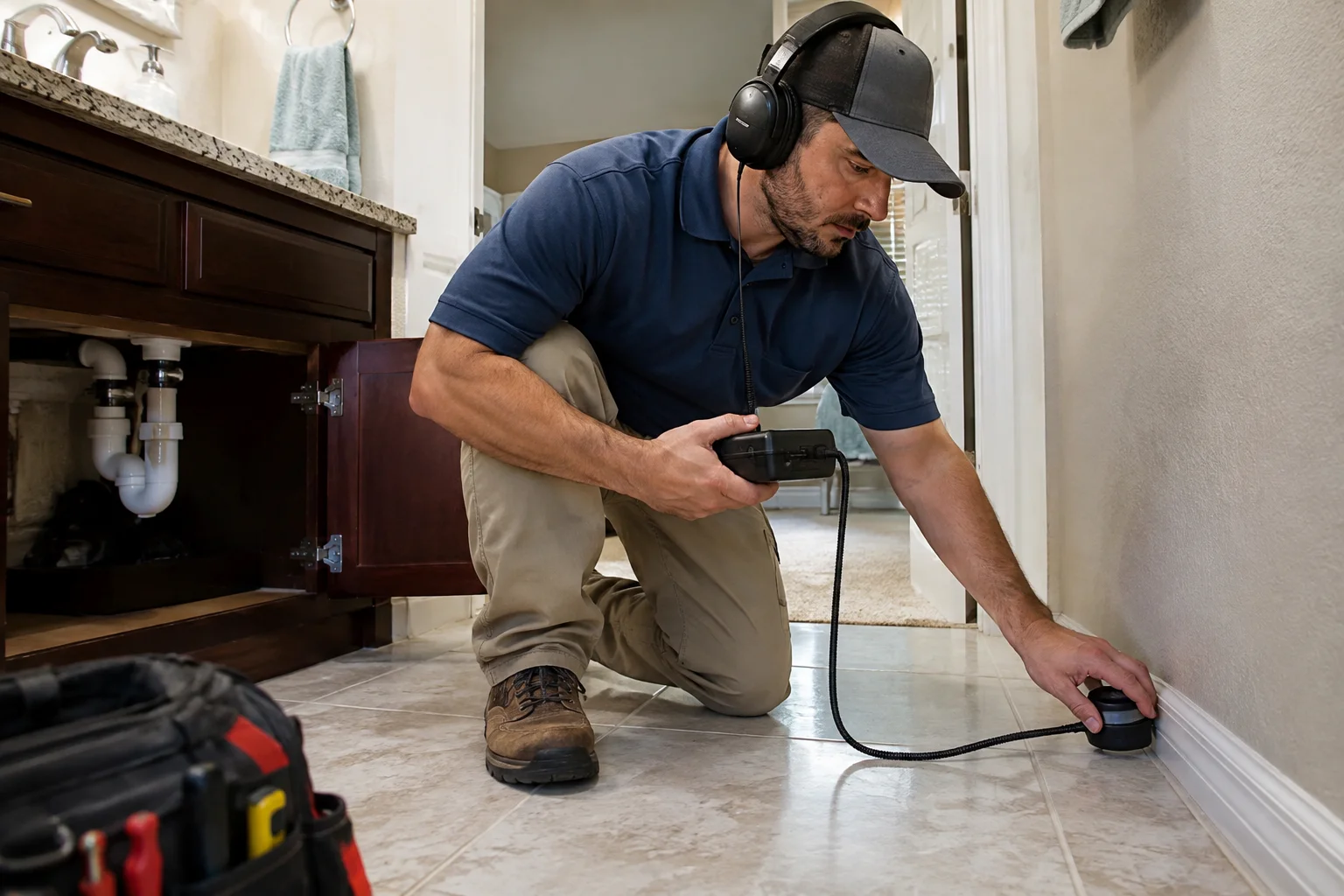
Preventive maintenance is not just about avoiding breakdowns. It is about keeping indoor comfort stable during the moments when you need your system the most. When an HVAC maintenance near me search is used for routine checkups, it can prevent a mid-summer breakdown and reduce the chance of emergency cooling concerns.
Seasonal tune-ups for consistent cooling performance
A solid maintenance visit typically focuses on:
- Checking airflow and the condition of filters and returns
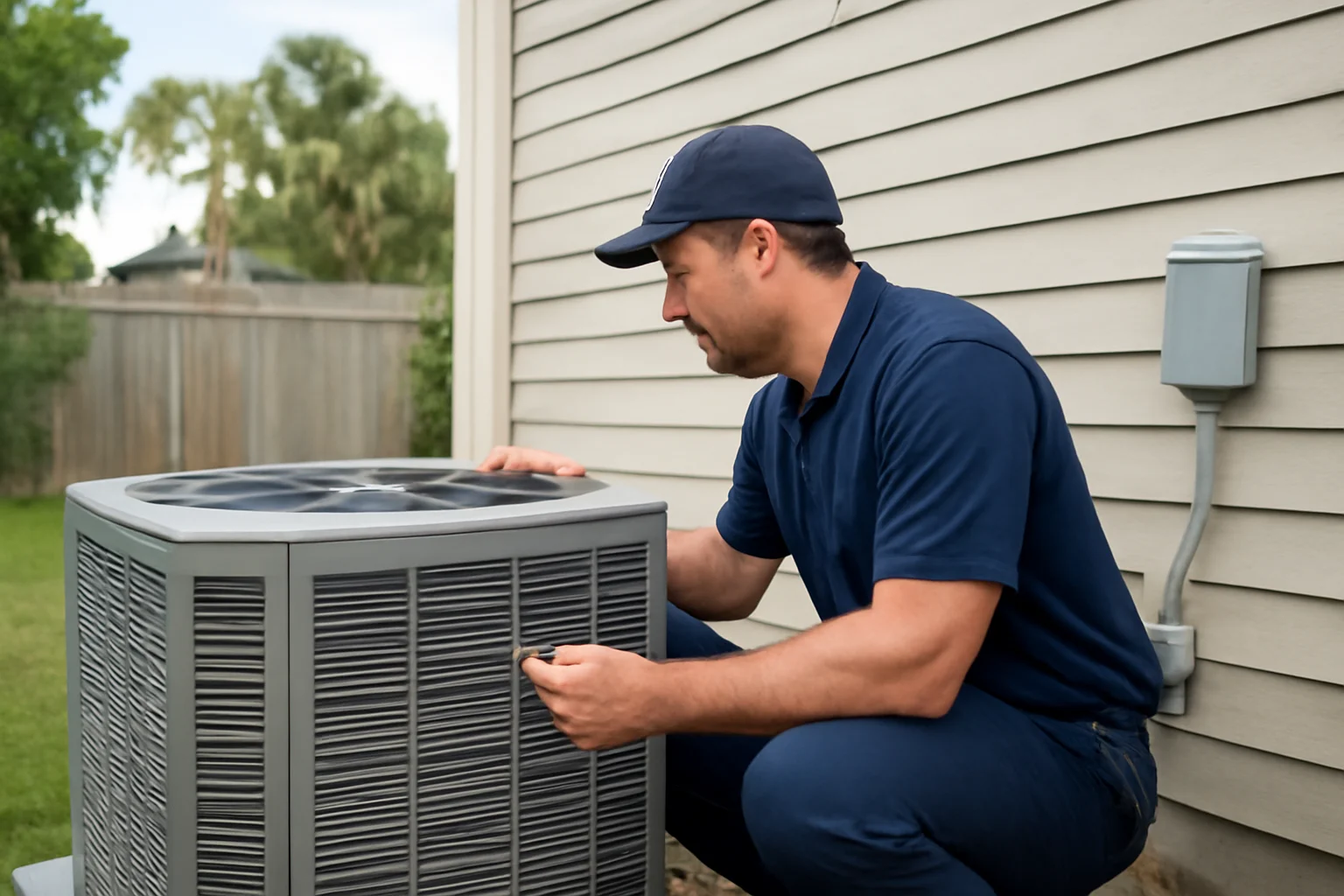
- Inspecting indoor and outdoor unit operation
- Reviewing condensate drainage performance
- Looking for signs of corrosion or wear related to salt air exposure
- Verifying thermostat operation and system control
For homeowners, the goal is simple: maintain steady performance when outdoor conditions are at their worst.
Ductwork inspection and duct repair planning
In many Florida homes, ductwork is older or not sealed as well as it could be. Air leaks and poor airflow can cause a system to run longer, struggle to dehumidify, and feel like it is “almost working” right before it fails.
If you suspect ductwork issues, ask about duct inspection near me and whether duct repair near me is needed to improve airflow. Ductwork is also a key factor for indoor air quality, especially during pollen seasons and high humidity stretches.
Indoor air quality checks to reduce strain on comfort
Indoor air quality is not separate from HVAC performance. When humidity is high or airflow is compromised, indoor air can feel stale. If allergies or odors are an ongoing issue, consider indoor air quality testing in 30A. Better air management can also support healthier comfort while your system runs.
Refrigerant system focus without DIY guessing
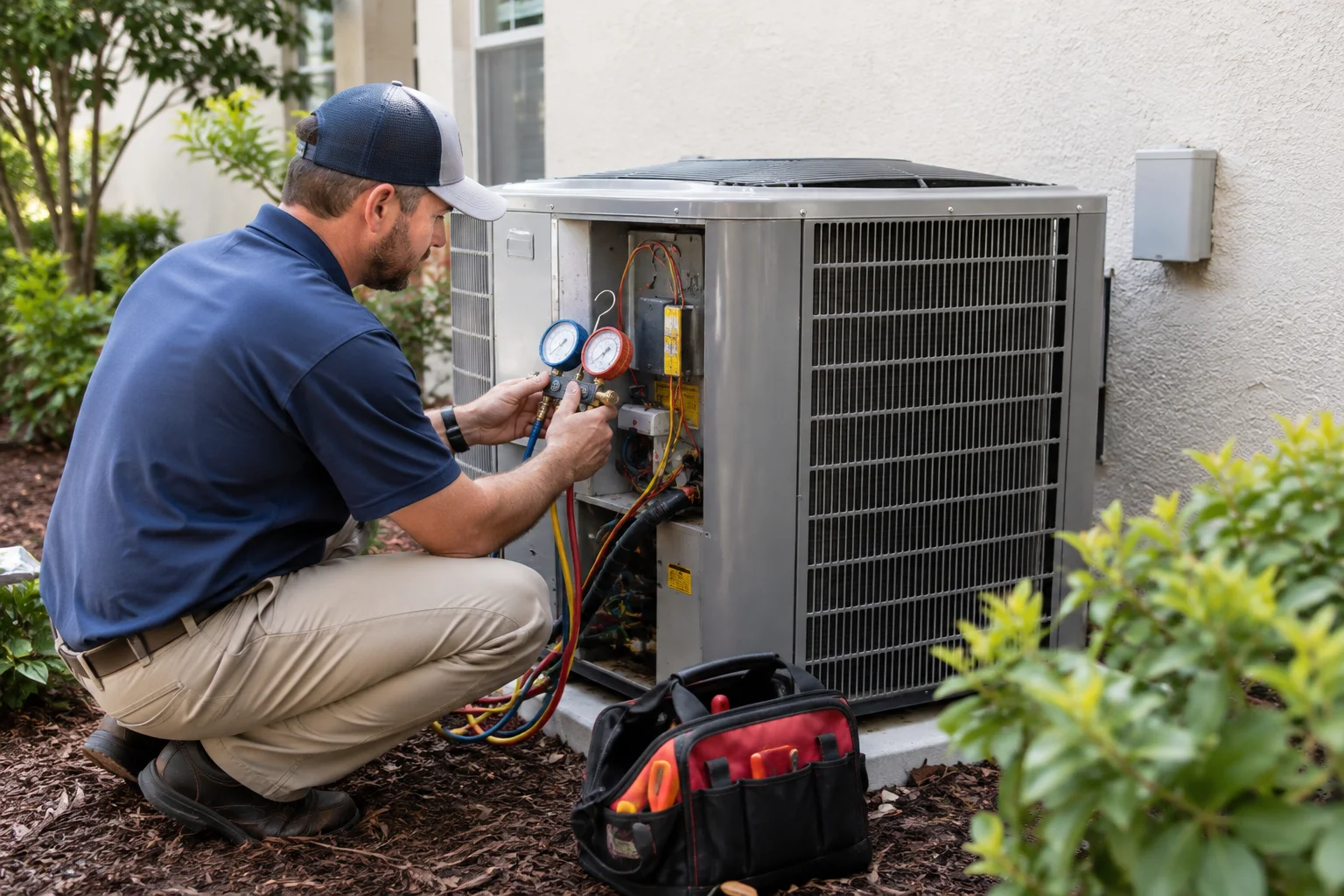
Air conditioners and heat pumps rely on a properly functioning refrigerant system. Low refrigerant or refrigerant-related problems are not homeowner DIY projects, and it is not appropriate to diagnose the refrigerant system without an in-person professional evaluation.
During maintenance, a qualified technician can inspect system operation and look for signs of refrigerant system problems. That helps reduce the likelihood of an emergency shutdown later.
Small habits that reduce emergency risk at home
Even with professional maintenance, homeowners can help their systems last longer and run more efficiently.
Keep airflow pathways open
Do not block supply vents or returns with furniture, rugs, or storage. In 30A homes where space and airflow layouts vary, blocked airflow can force the system to work harder.
Replace filters consistently
Dirty filters restrict airflow and can increase strain on the system. Replace filters on schedule and choose the right filter type for your system as recommended by your HVAC professional.
Use thermostat settings that support stability
During peak heat, frequent large temperature swings can increase cycling and discomfort. Using stable settings and proper scheduling helps your system maintain comfort without constant restart behavior.
Watch for condensate drainage issues early
If you have a drain pan, condensate line, or indoor unit that seems to collect moisture, address it promptly. Waiting until the problem becomes visible or disruptive can turn a manageable issue into an emergency.
How to prepare before the emergency happens
Preparation does not prevent every failure, but it reduces chaos and helps you respond faster when you do need emergency HVAC repair.
Know your system type and basic details
Whether you have an AC system, a heat pump, or a hybrid setup, knowing the basics helps. Keep the model and serial information in a safe place. If you are in a vacation rental, document thermostat settings and any known comfort issues so staff can communicate clearly.
Keep vents, returns, and outdoor unit areas accessible
Make sure landscaping, patio furniture, or seasonal decorations do not block airflow around the outdoor unit. Coastal wind and sand can also contribute to buildup. Keeping the area accessible allows technicians to inspect and service components properly.
Choose a local HVAC partner you can reach 24/7
When homeowners need emergency AC repair near me during a heat wave, they want a contractor that understands local conditions, common 30A system stressors, and the realities of residential, rental, and commercial cooling needs. A Superior Mechanical provides 24/7 emergency HVAC services in 30A, FL with coverage across Walton County.
If you manage a business, consider whether you need commercial HVAC repair rather than residential service. For commercial properties, indoor humidity and airflow control can directly affect comfort and operations.
Preventive maintenance is also an energy and comfort strategy
In 30A’s summer heat, HVAC systems are constantly balancing cooling and dehumidification. When airflow is restricted or the system is operating inefficiently, it often runs longer to maintain temperature. That impacts energy use and can accelerate wear.
Routine inspections and fixes to airflow, ductwork, and system operation help your system work smarter. If you are also planning for larger improvements, you can explore air conditioning services for guidance on repair versus long-term planning, including HVAC replacement near me discussions when systems reach the point where replacement becomes the more practical path.
When “it can wait” becomes an emergency
Homeowners often try to ride out minor issues. In Florida heat and humidity, delays can escalate. If your system stops cooling, cannot maintain temperature, or indoor humidity rises quickly, treat it as an urgent comfort and safety issue.
Also consider urgency if:
- Multiple rooms are warming rapidly
- The system repeatedly shuts down during operation
- You see signs of condensate drainage problems that are worsening
- Airflow is severely reduced or inconsistent
- Indoor air quality symptoms spike alongside comfort problems
These situations are where emergency cooling concerns become real. A professional team can evaluate the system and determine the correct next steps based on what they see in person. Avoid guessing about refrigerant or electrical causes. Refrigerant diagnosis and other technical checks require proper training and tools.
Local resources that support smarter HVAC decisions
Preventing emergencies is not only about maintenance. It is also about understanding how local conditions affect HVAC performance and how to plan for seasonal stress.
- Why Preventive HVAC Service Pays Off for Air Conditioning Repair in 30A, FL
- How 30A Homes Can Stay Ahead of HVAC Emergencies During Seasonal Stress
- Keeping HVAC Financing on Track in 30A, FL Homes
- Keeping 30A Commercial Spaces Comfortable Before HVAC Trouble Spreads
If you are searching for HVAC repair near me or air conditioner repair near me because comfort is slipping, these articles can help you think through maintenance priorities before a crisis.
What to ask during an HVAC inspection after a near-miss
If you have had a close call, a follow-up inspection can help prevent the next one. Consider asking your technician:
- Which airflow measurements or observations suggest the system is struggling?
- Whether ductwork or returns could be limiting performance and comfort.
- How condensate drainage is performing and what to watch for.
- Whether indoor air quality services could improve comfort and reduce humidity-related symptoms.
- What thermostat settings and control behaviors are healthiest for the system.
- Whether the refrigerant system shows signs of concern that need in-person evaluation.
This helps homeowners get clear next steps without relying on guesswork. If emergency service is ever needed, you will already have a better understanding of what your system needs to stay reliable.
Emergency HVAC services in 30A are part of a bigger maintenance plan
Even with the best preventive care, emergencies can happen. The difference is whether you have been maintaining airflow, humidity control, ductwork performance, condensate drainage, and thermostat settings before the system is under peak stress.
If you need fast help, you can review emergency HVAC services in 30A, FL from A Superior Mechanical. For broader coverage across the region, visit the 30A service area page and Walton County HVAC service area.
That combination of proactive maintenance and ready emergency support is what helps 30A homeowners stay comfortable through the hottest, most humid stretches of the year.
Find Emergency HVAC Services in 30A, FL
If you need Emergency HVAC Services in 30A, FL, visit our local service page or contact A Superior Mechanical today.
Map of 30A, FL
Frequently Asked Questions
What are the most common causes of AC emergencies in 30A, FL?
In 30A, emergencies often follow problems with airflow, ductwork restrictions, high humidity operation, condensate drainage issues, or component wear that is accelerated by heat, moisture, and coastal salt air. A professional inspection is needed to confirm the cause.
How can I tell if my HVAC issue is urgent enough for emergency AC repair?
If your system stops cooling, cannot maintain temperature, cycles repeatedly, or you notice worsening humidity and condensate drainage concerns, it is time to treat it as urgent. Florida heat and humidity can make comfort and indoor air conditions deteriorate quickly.
Can I prevent emergency breakdowns with routine HVAC maintenance?
Yes. Preventive maintenance helps keep airflow steady, supports humidity control, checks condensate drainage, and identifies wear or performance issues before they lead to shutdowns. It also reduces the odds of the system failing during peak summer conditions.
Should I call emergency service if I suspect a refrigerant problem?
Do not try to diagnose or refill refrigerant yourself. If cooling is failing or you notice unusual performance, schedule an in-person evaluation. Emergency service may be appropriate if your home is not staying cool during extreme heat.
How do ductwork and indoor air quality affect emergency HVAC problems?
Leaky or restricted ductwork can reduce airflow, making the system run longer and struggle with humidity removal. That can increase wear and contribute to comfort failures. If humidity or odors are persistent, indoor air quality testing can help guide next steps.
Related Articles
Photo Gallery