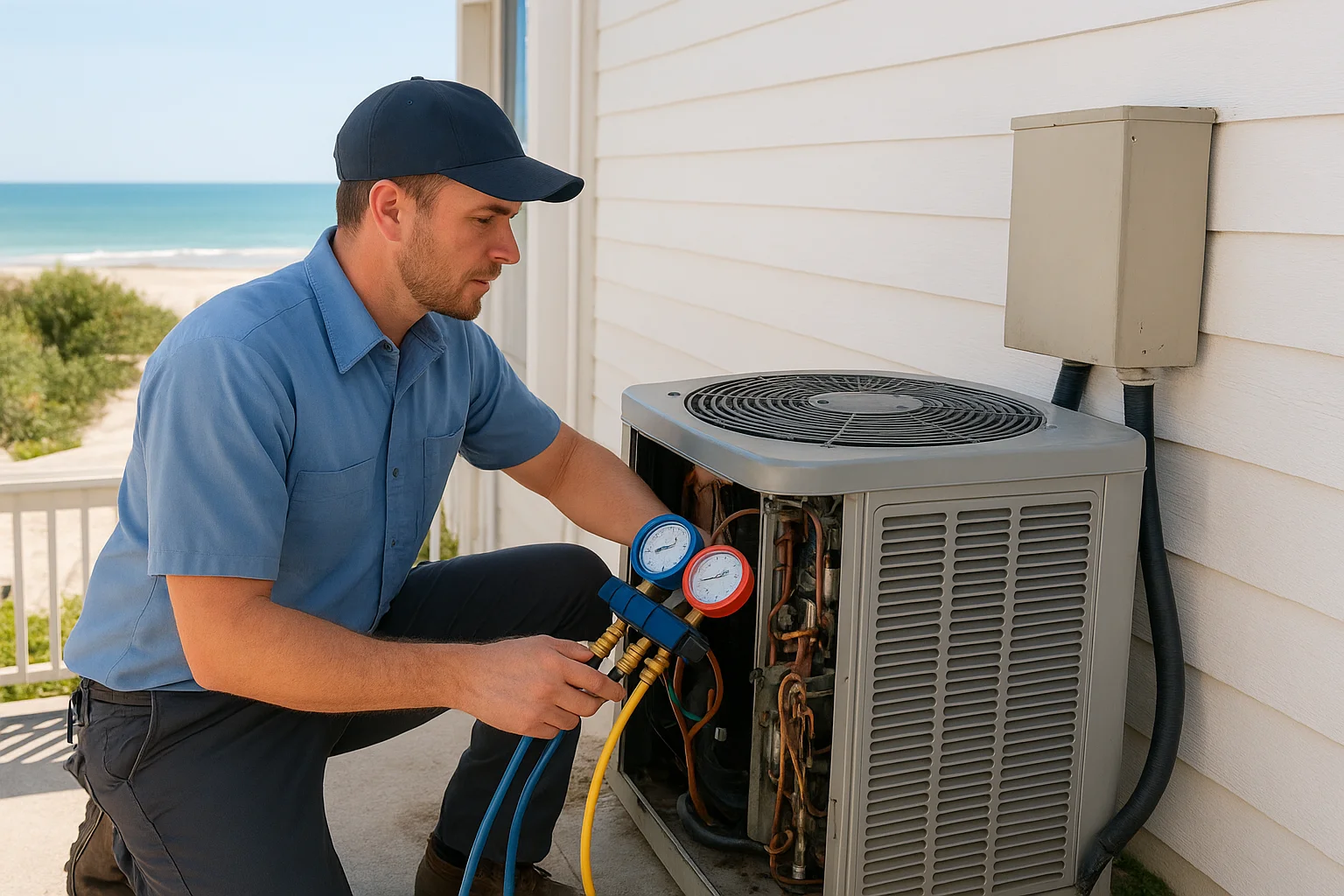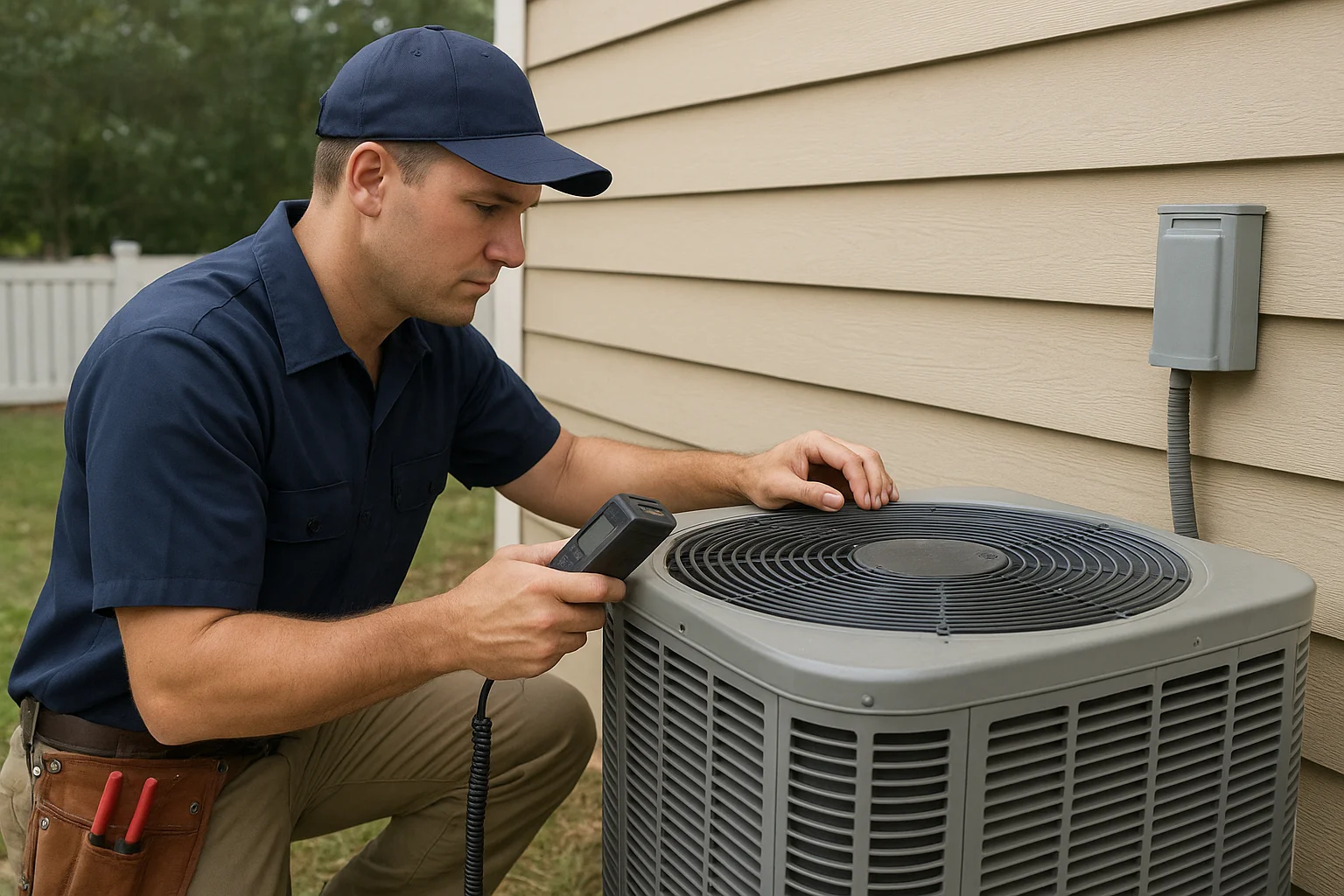
Bluewater Bay, FL businesses depend on steady comfort, even when the weather feels relentless. In Okaloosa County, the cooling season often stretches longer than many property managers expect. That means your commercial HVAC system runs more hours, handles more humidity, and works through more cycling than it was designed for. Over time, that pressure can show up as uneven temperatures, higher energy use, and repairs that seem to arrive right when you need cooling the most.
This guide explains how the local climate affects commercial HVAC repair, what homeowners and property managers should look for, and why professional service matters for reliability, indoor air quality, and airflow performance. If you are searching for commercial HVAC repair near Bluewater Bay, FL, the details below will help you ask better questions and spot issues early.
Why Bluewater Bay’s cooling season is harder on commercial HVAC equipment
Commercial air conditioning is not just about lowering temperatures. In South Walton and Okaloosa County coastal areas, the system also manages moisture. Florida air can stay humid for long stretches, and that humidity increases the load on cooling equipment, especially when buildings are occupied, doors open often, or outdoor air infiltration is high.
When cooling demand runs for months, several strain factors build up:
- More run time and more cycling: The system cycles more frequently and operates for longer periods, which accelerates wear on fans, motors, contactors, and control components.
- Higher humidity management demand: Cooling removes moisture, which increases condensate production. That makes condensate drainage and coil cleanliness more important.
- Airflow penalties: Filters load up, supply and return paths get obstructed, and ductwork can develop leaks. Reduced airflow makes the system work harder to reach the setpoint.
- Refrigerant system stress: Refrigerant systems rely on correct airflow and stable operating conditions. When airflow is restricted or coils are dirty, heat transfer efficiency drops, and components can experience higher operating pressures and temperatures.
Coastal environments add their own challenge. Salt air and airborne contaminants can contribute to corrosion and buildup on outdoor components. Even if your building is not directly on the shoreline, coastal weather patterns can still affect how quickly surfaces collect debris and how long equipment stays clean.
Common symptoms that show up after months of humid cooling
Many commercial problems develop gradually, then become obvious during peak summer heat. Here are issues property managers and homeowners often notice in Bluewater Bay buildings after extended cooling seasons.
1) Hot and cold spots that do not match the thermostat
When temperatures vary room to room, the issue is often not the thermostat itself. It is commonly related to airflow and distribution: supply air may be bypassing, ductwork may be leaking, dampers may not be operating correctly, or return air paths may be restricted. In multi-zone or larger commercial setups, that can be amplified by zoning controls and duct balancing needs.
2) Rising humidity, sticky indoor air, and musty odors
If the indoor air feels damp or smells stale, the cooling system may not be removing moisture effectively. That can happen when coils are dirty, airflow is off, or condensate drainage is not carrying water away properly. Humidity problems also affect indoor air quality by encouraging microbial growth on surfaces that stay wet longer than they should.
3) Short cycling or systems that never seem to reach steady conditions
Short cycling can be a sign of control issues, airflow problems, or other operating constraints. In commercial systems, frequent cycling can increase energy use and accelerate component wear. A properly functioning thermostat and controls strategy also matter, especially if schedules and setpoints are not aligned with occupancy patterns.
4) Increased energy use without a clear comfort improvement
Energy spikes can be a clue that your HVAC system is struggling. Dirty coils, clogged filters, restricted ductwork, and reduced airflow all reduce heat transfer efficiency. When refrigerant systems cannot exchange heat effectively, the system can run longer and harder. Even if you have a modern air conditioner or heat pump, poor airflow and dirty components can still reduce performance.
5) Condensate drainage concerns
Condensate drainage is a frequent pain point in humid Florida conditions. If a condensate line is partially blocked, sloped incorrectly, or not draining as intended, water can back up and affect coil performance. Drainage issues can also lead to water intrusion risks around air handlers and may trigger safety controls that shut down equipment.
How airflow and ductwork problems lead to bigger repair needs
Airflow is the link between comfort and equipment longevity. When airflow is restricted, the system cannot move heat out of the building efficiently. That can stress the refrigerant system, increase fan motor workload, and contribute to coil icing or poor dehumidification performance depending on the configuration.
In commercial spaces, ductwork issues can come from several sources:
- Accumulated dust on supply and return surfaces
- Filters that are not sized for the system or that are replaced too late
- Loose duct joints that leak conditioned air
- Blocked returns or furniture and ceiling obstructions that reduce airflow
- Improper duct repairs that were done without balancing
Some owners search for duct cleaning near me when they see dust or smell issues. Duct cleaning can be part of improving indoor air quality when done properly, but airflow and duct repair usually come first when the system is already struggling. That is why an air conditioning inspection near me should include airflow checks, return evaluation, and a review of how the ductwork supports the equipment.
Refrigerant systems and why “it might be low” is not enough
Refrigerant systems are designed to run under specific conditions. In Florida’s heat and humidity, the system needs clean coils and correct airflow to transfer heat effectively. If airflow is restricted or coils are dirty, the refrigerant system can operate outside ideal ranges.
It is tempting to assume a refrigerant issue when cooling performance drops. However, refrigerant diagnosis requires proper measurement and testing. A professional should evaluate airflow, coil conditions, temperature and pressure readings, and airflow across components. Without an in-person assessment, it is not appropriate to claim a refrigerant diagnosis or recommend refrigerant work. That is also important for safety and for protecting the integrity of the system.
Thermostats, schedules, and controls that wear out comfort
Commercial thermostats and controls are part of how your system handles the long cooling season. If schedules are off, setpoints are unrealistic for occupancy, or sensors are inaccurate, the HVAC system may run longer than needed or fail to dehumidify properly.
Common thermostat and control complications include:
- Sensor placement issues that cause false readings
- Programming that does not match business hours
- Control sequences that do not prioritize humidity removal
- Zone control problems that lead to simultaneous heating and cooling requests
A licensed HVAC contractor near me can help review how your thermostat settings and control strategy align with humidity and occupancy. This can reduce unnecessary wear and help the system deliver dependable comfort.
Condensate drainage and indoor air quality in humid Florida
In Bluewater Bay, moisture management is not optional. When condensate drainage is restricted or when coils are not staying clean, water can remain on surfaces longer than it should. That can reduce cooling efficiency and contribute to indoor air quality concerns.
Indoor air quality is also affected by:
- How well the system filters particles
- Whether air is properly circulated and not short-cycling
- Whether the system keeps coils dry enough after cooling cycles
- Whether ductwork leaks are pulling in unconditioned air
If you are dealing with recurring musty odors, persistent humidity, or occupant complaints, it is worth prioritizing an air conditioning inspection near me that focuses on moisture control and airflow, not just temperature.
Preventive HVAC maintenance that actually helps during peak months
Preventive HVAC maintenance near me is often marketed as a checklist, but for long cooling seasons, the most valuable maintenance targets the problems that build up over time. For commercial HVAC repair in Bluewater Bay, a strong maintenance approach typically includes:
- Coil care: Cleaning and inspection of evaporator and condenser coils to support heat transfer
- Air filter review: Ensuring filters match the system needs and are replaced on schedule
- Airflow verification: Checking fan operation and airflow balance so the refrigerant system performs as intended
- Condensate drainage inspection: Confirming condensate lines drain properly and are not restricted
- Controls and thermostat checks: Verifying sensor performance and schedule alignment
- Electrical and mechanical inspection: Reviewing connections, fan components, and control operation for early wear
Maintenance helps reduce the likelihood that a small problem becomes a mid-summer breakdown. It can also improve energy efficiency by keeping the system operating close to its intended conditions. Even modest airflow losses and dirty coils can increase energy use over months.
Emergency cooling concerns: what to do when the system fails
Commercial buildings cannot always pause operations during a Florida heat wave. Emergency cooling concerns often include complete shutdown, rapid temperature rise, or systems that run but fail to cool effectively. In those moments, having a plan matters.
If your building has critical comfort needs, consider the following:
- Document thermostat settings and operating mode before calling
- Note whether the system powers on, whether fans run, and whether cooling is present at vents
- Share recent maintenance history, filter changes, and any recent changes to schedules or occupancy
- Keep access clear to indoor units and outdoor condensers for safe service
For many Bluewater Bay property owners, the next step is contacting a team that handles emergency AC repair near me with commercial experience. If you want more local context, read Why Bluewater Bay Homes Rely on Fast Emergency HVAC Service to understand how timing affects comfort and equipment outcomes.
Choosing the right commercial HVAC service for Bluewater Bay properties
Commercial systems are not the same as residential setups. They may include rooftop units, air handlers, heat pumps, ducted distribution, and sometimes multi-zone configurations. They also often have occupancy schedules and humidity control needs that differ from a typical home.
That is why professional local HVAC service matters. A qualified technician can evaluate system performance in context: airflow, ductwork, condensate drainage, thermostat controls, and refrigerant system operation. They can also help you decide whether repair is the best path or whether system replacement is the more responsible option based on condition and performance.
If your building is managed by a property management company, you may also want to look at Property Management HVAC Services for processes that reduce downtime and support consistent maintenance coverage.
When repair is not the only conversation: planning for replacement and upgrades
Long cooling seasons can reveal how well your equipment has aged. Sometimes repairs restore comfort and stability. Other times, repeated issues suggest the system is reaching the point where replacement planning makes more sense.
It is important to avoid guessing. A professional evaluation should consider operating performance, airflow, moisture control, and how the refrigerant system is behaving under real conditions. If replacement is discussed, it should be based on what the equipment can reliably deliver in your building, not just on age.
For businesses evaluating upgrades, you can explore Air Conditioning Replacement and new system options for different building types. If your property uses more complex zoning, the right approach may involve VRF Multi-Zone Systems.
Related local reading that connects weather and repair needs
Weather patterns shape repair priorities in every part of the panhandle. If you manage multiple properties or compare performance across nearby cities, these posts can help you connect the dots:
- How Local Weather Affects Commercial HVAC Repair in Destin, FL
- Commercial HVAC Repair in Fort Walton Beach: What Property Owners Should Pay Attention To Before Small Problems Grow
- Why Commercial HVAC Repair Matters to Home Comfort in Miramar Beach
If you are located in Bluewater Bay or nearby, you can also browse the service area details on this Bluewater Bay page and the broader Okaloosa County service area.
What to ask during a commercial HVAC repair visit
When you schedule commercial HVAC service, a good conversation helps you confirm that the repair plan addresses the real cause, not just the symptom. Consider asking:
- How is airflow across the system, and could ductwork or filters be limiting performance?
- Is condensate drainage functioning correctly and is the coil staying clean enough to dehumidify?
- Are thermostat settings and control schedules aligned with occupancy and humidity needs?
- What steps will be taken to improve indoor air quality, not just temperature?
- What preventive HVAC maintenance near me tasks should be prioritized before the next peak period?
If you are looking for a commercial air conditioning contractor near me, choose a company that can explain findings in plain language and that understands how Florida heat, humidity, airflow, and refrigerant system performance intersect. For Bluewater Bay businesses, the right partner can help you protect comfort, manage energy use, and reduce emergency cooling surprises during the long cooling season.
For commercial HVAC repair in Bluewater Bay, you can start with A Superior Mechanical’s commercial HVAC repair service area page and discuss your building’s needs with a local technician.
Find Commercial HVAC Repair in Bluewater Bay, FL
If you need Commercial HVAC Repair in Bluewater Bay, FL, visit our local service page or contact A Superior Mechanical today.
Map of Bluewater Bay, FL
Frequently Asked Questions
Why does my commercial AC struggle more in Bluewater Bay than I expected?
In Bluewater Bay, the long cooling season plus high humidity increases moisture removal demands. If airflow is limited by filters, ductwork issues, or dirty coils, the refrigerant system has to work harder, which can lead to uneven temperatures, higher energy use, and more frequent repairs.
Can a bad thermostat cause humidity problems?
Yes. If thermostat sensors read inaccurately or schedules and setpoints do not match occupancy, the system may run longer without dehumidifying effectively. A professional can review thermostat and control settings along with coil and airflow performance.
What does condensate drainage have to do with indoor air quality?
When condensate drainage is restricted, moisture can remain on or near equipment. That can reduce cooling performance and contribute to musty odors or microbial growth. Addressing drainage and coil cleanliness supports better indoor air quality.
Should I call for commercial AC repair if the unit runs but the building is not cooling?
Yes. Cooling that is not effective can point to airflow restrictions, dirty coils, control issues, or refrigerant system problems. An in-person evaluation is needed to determine the cause and the safest repair approach.
How does preventive HVAC maintenance reduce mid-summer breakdown risk?
Routine service targets the issues that build up over months, such as coil dirt, airflow limits from filters, condensate drainage concerns, and control or thermostat performance. Maintaining these factors helps the system keep dehumidifying and cooling reliably during peak heat.
Related Articles
- Why Bluewater Bay Homes Rely on Fast Emergency HVAC Service
- Why Commercial HVAC Repair Matters to Home Comfort in Miramar Beach
- Commercial HVAC Repair in Fort Walton Beach: What Property Owners Should Pay Attention To Before Small Problems Grow
- How Local Weather Affects Commercial HVAC Repair in Destin, FL
Photo Gallery