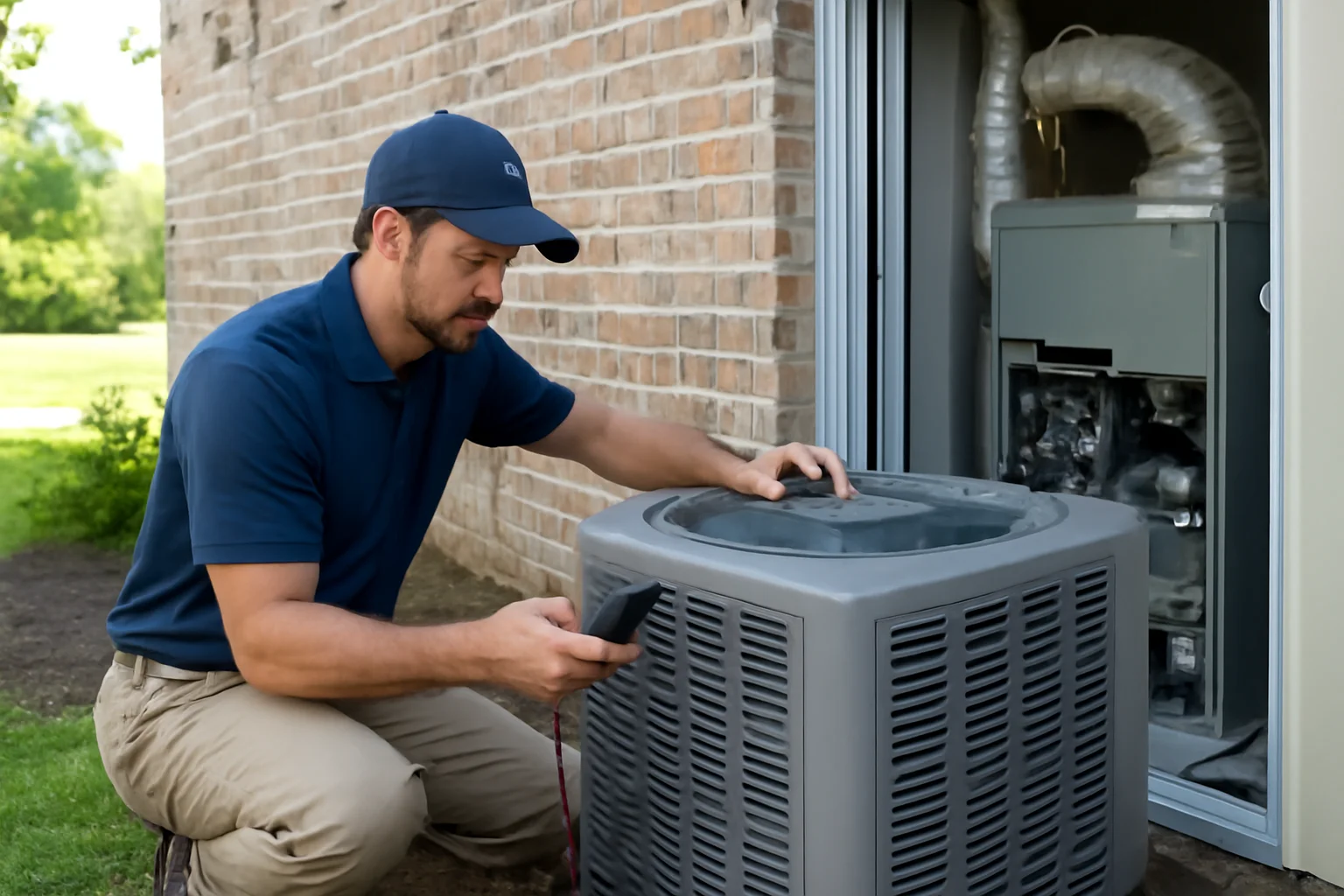
Camp Creek, FL businesses count on steady comfort year-round, but the cooling season does not really “take a break” here. Long stretches of heat and humidity mean commercial air conditioning systems run hard, often for months longer than property owners expect. Over time, that steady workload can turn small issues into bigger repair needs that disrupt comfort, increase energy use, and create emergency cooling concerns.
A Superior Mechanical helps local property managers and business owners with commercial HVAC repair in Camp Creek, FL. Below are smart, repair-focused HVAC tips aimed at better cooling performance, improved indoor air quality, and fewer mid-season breakdowns.
Why Camp Creek’s cooling season is tougher on commercial HVAC than many people realize
Florida summers bring more than just high temperatures. Humidity is often the bigger stressor. When the air is humid, cooling systems must remove moisture while also meeting the building’s cooling load. That means the refrigerant system, airflow components, and condensate drainage all work together more intensely.
In Camp Creek and nearby Walton County communities, commercial properties may also face coastal influences and salt air exposure depending on location and building envelope. Salt air can contribute to corrosion on outdoor components and accelerate wear on certain parts. Add in frequent operation, and commercial HVAC equipment can experience performance drift even if it still “cools” most of the time.
Common outcomes of a long cooling season include:
- Airflow problems that make rooms feel uneven or warmer than expected
- Humidity control that slips, leading to clammy comfort and possible indoor air quality issues
- Higher energy use because the system runs longer to reach setpoints
- More frequent refrigerant-related symptoms that require careful, in-person evaluation
- Condensate drainage issues that can cause water-related damage or system shutdowns
Airflow is the foundation of cooling performance, and it’s where many problems start
Commercial cooling depends on moving the right amount of air across coils and through ductwork. When airflow is restricted, the system has to work harder to move heat and moisture. That extra workload can strain components and worsen humidity control.
Look for practical airflow red flags:
- Hot spots near supply vents or return areas that feel weak
- Rooms that are consistently warmer, especially on the same side or floor
- Supply air that feels cooler at first and then gradually warms
- Registers that look dusty or partially blocked
- Long run times to maintain thermostat settings
Airflow issues are often connected to ductwork condition, filter loading, blocked returns, fan performance, or balancing problems. If your building uses more than one air handler or zone, imbalances can be even more noticeable. For businesses focused on air quality, airflow also affects how well filtration and air cleaning equipment can work.
If you are considering HVAC improvements that support comfort and indoor air quality, you may find this helpful: Smart HVAC Planning for Cleaner Indoor Air in Camp Creek.
Humidity control matters as much as temperature in Florida
In Camp Creek’s humid climate, an air conditioner that only targets temperature can still leave occupants uncomfortable. When humidity removal is weak, you may see a “cool but sticky” feeling. That can also increase the risk of musty odors and can worsen comfort for people with allergies or respiratory sensitivities.
Humidity control is tied to:
- Coil performance and cleaning
- Proper condensate drainage
- Refrigerant system operation, which must be evaluated by a professional
- Airflow across the cooling coil
- Thermostat settings and control strategies
When cooling seasons run long, coils can collect dust and debris. That buildup reduces heat transfer and can reduce moisture removal. A Superior Mechanical can assess system performance and recommend appropriate service steps based on what’s found on site, including cleaning needs and airflow corrections.
Condensate drainage problems can quietly damage equipment and the building
As air conditioning removes humidity, condensate drainage becomes critical. If condensate drainage is restricted, overflowing condensate can lead to water damage, corrosion, and operational problems. Some commercial systems may also experience safety trips that interrupt cooling.
Signs of condensate drainage concerns include:
- Water pooling near indoor units or along drain lines
- Musty odors near air handlers or ceilings
- Unexpected shutdowns or fault codes
- Visible moisture around drain connections
- Recurring “wet coil” symptoms where cooling seems less effective
Because condensate drainage interacts with airflow and coil performance, troubleshooting usually requires a technician’s hands-on inspection. Homeowners and property managers should not rely on guesswork, especially when water and refrigerant systems are involved.
Thermostats and controls: comfort complaints often start with settings and scheduling
Commercial buildings typically use programmable thermostats, zone controls, or building management systems. During long cooling seasons, occupancy schedules can change, and staff may override setpoints for comfort. Over time, that can lead to patterns that cause extra wear and higher energy use.
Thermostat and control issues can show up as:
- Systems that run longer than expected even when spaces are empty
- Temperature swings that make occupants adjust controls repeatedly
- Confusion about which thermostat controls which zone
- Setpoints that are inconsistent with humidity control needs
Smart control improvements can help, but the right approach depends on your specific system configuration. If you are exploring thermostat installation or control updates, start with a professional assessment so the controls match the equipment and ductwork layout.
Refrigerant system stress shows up as performance drift, not just “no cooling”
It’s tempting to assume that if a unit is blowing cold air, the refrigerant system is fine. In reality, refrigerant systems can show early warning signs through subtle performance changes. However, refrigerant diagnosis requires proper tools and an in-person evaluation. A homeowner or property manager should not attempt refrigerant “fixes” without professional service.
Performance drift that can be related to refrigerant system operation may include:
- Cooling that feels weaker compared to earlier in the season
- Short cycling or unusual run patterns
- Frequent callbacks for temperature complaints
- Inconsistent humidity removal
If you suspect refrigerant-related issues, contact a licensed HVAC contractor for commercial HVAC service near me style support. The goal is to identify the actual cause and restore stable cooling performance safely.
Salt air and corrosion: why outdoor units need attention in Walton County
Depending on property location, outdoor components can be exposed to salt air and coastal moisture. That environment can accelerate corrosion on coil surfaces, fan assemblies, and electrical enclosures. Corrosion does not always cause immediate failure, but it can reduce efficiency and shorten component life.
During the cooling season, corrosion can also make it harder to maintain airflow and coil performance. Routine inspection of outdoor units helps catch issues before they become emergency cooling concerns.
To understand how commercial HVAC repair protects day-to-day comfort, see Why Commercial HVAC Repair Matters to Home Comfort in Miramar Beach. While that post focuses on a nearby area, the underlying factors of humidity and long run times are similar across the region.
Prevention that actually reduces breakdown risk: maintenance that targets cooling performance
Preventive HVAC maintenance is more than “check the thermostat.” For commercial systems in humid Florida conditions, maintenance should focus on cooling performance, airflow, moisture management, and control stability.
Ask your commercial HVAC contractor about maintenance priorities such as:
- Air filter condition and correct airflow for the system design
- Coil inspection and cleaning needs based on actual buildup
- Condensate drainage checks to prevent water and shutdown problems
- Outdoor unit condition and corrosion-related inspection
- Thermostat and control verification for proper scheduling and zone behavior
- Electrical component inspection focused on HVAC-safe operation
- Airflow and system performance verification after service
If you are managing a property with multiple units or frequent tenant turnover, maintenance planning can also reduce comfort complaints. For property management specific support, explore Property Management HVAC Services.
Ductwork and ventilation: comfort problems can be hiding in the air path
Even when the air conditioner and heat pump service components are working, ductwork problems can still create uneven cooling, humidity issues, and indoor air quality concerns. Over time, duct systems can accumulate dust, experience leaks, or have sections that do not deliver air as intended.
When businesses notice persistent comfort complaints, ductwork may be part of the story. Signs include:
- Rooms that never reach setpoint even after repairs
- Inconsistent airflow between zones
- Dust buildup around vents
- Odor complaints that seem tied to airflow changes
For businesses looking for duct-related solutions, you can review Duct Cleaning. Duct cleaning is not always the right first step, but it can help when it matches your building’s needs and indoor air quality goals.
Indoor air quality and dehumidification: better comfort can mean better health
Florida humidity affects more than comfort. High moisture can contribute to conditions that make indoor air feel stale. It can also affect how well filtration and air cleaning systems perform.
Some buildings benefit from additional indoor air quality services, especially when humidity control is inconsistent. If your property experiences “cool but damp” conditions, you might consider solutions that support moisture management and air cleaning.
For humidity-focused options, explore Whole Home Dehumidifiers. For air cleaning support, consider Indoor Air Quality Air Scrubbers.
You may also want to review Smart HVAC Planning for Camp Creek Homes: Comfort, Humidity, and Better AC Installations to see how system design choices influence long-term performance.
Spotting “small” cooling problems before they become emergency cooling concerns
Commercial HVAC issues often start as minor symptoms that staff learn to tolerate. That can be costly. A cooling system that is struggling in humid conditions can fail more abruptly when components are already stressed.
Common early warning signs that deserve attention from a licensed HVAC contractor include:
- Cooling that is slower to reach setpoint than it used to be
- Frequent thermostat adjustments by occupants
- Rising humidity complaints even when temperature seems acceptable
- Unusual noises from air handlers or outdoor units
- Condensate drainage issues or water staining
- Airflow that feels weaker in certain areas
If you are searching for air conditioning repair near me for a commercial property, use that search to find local expertise, but also look for technicians who focus on system performance, not just quick fixes. This is especially important in Walton County where humidity and long cooling runs can magnify the impact of small defects.
How to plan for repairs and replacement without guessing
Some property owners start planning for an HVAC replacement near me search when the system “feels old.” Age matters, but performance and condition matter more. A commercial HVAC contractor should evaluate the system on site, including airflow, coil condition, condensate drainage, and how controls and refrigerant systems are operating.
Professional evaluation helps you avoid unnecessary actions. For example, refrigerant diagnosis and equipment replacement are not decisions you should make based on symptoms alone. The right next step depends on what the technician finds during inspection and testing.
When your business needs commercial HVAC replacement planning or repair strategy, it can also help to review how small issues can grow. See Commercial HVAC Repair in Fort Walton Beach: What Property Owners Should Pay Attention To Before Small Problems Grow for a broader look at prevention.
Local service matters in Camp Creek because cooling performance depends on the details
Commercial HVAC repair is not one-size-fits-all. In Camp Creek and Walton County, long cooling seasons, humidity loads, and outdoor exposure shape how systems age. Local knowledge also helps contractors understand what to look for in the field, including airflow patterns, condensate drainage behavior, and common comfort complaint patterns.
If you want to explore more about service options in the area, visit the Camp Creek service area page and consider how ongoing maintenance and targeted repair can protect cooling performance through the hottest months.
Quick checklist for better cooling performance this season
- Confirm filters are clean and correctly sized for the system
- Check for weak airflow in specific areas and document which zones are affected
- Watch condensate drainage locations for moisture or overflow
- Review thermostat schedules and ensure they match occupancy
- Track humidity complaints, not just temperature
- Schedule AC tune up near me style maintenance with a commercial HVAC contractor before the busiest stretch
For businesses that need reliable cooling with minimal downtime, A Superior Mechanical’s commercial HVAC repair service is designed to address cooling performance issues early, when they are easier to correct.
Find Commercial HVAC Repair in Camp Creek, FL
If you need Commercial HVAC Repair in Camp Creek, FL, visit our local service page or contact A Superior Mechanical today.
Map of Camp Creek, FL
Frequently Asked Questions
How long does the cooling season stress HVAC equipment in Camp Creek, FL?
In Camp Creek, cooling demand often stays high for much of the year because heat and humidity persist. That extended run time increases wear on airflow components, coils, and condensate drainage, which is why preventive HVAC maintenance matters even when the system still seems to be working.
What are the most common commercial HVAC issues during Florida humidity?
Common issues include airflow restrictions, reduced coil performance, condensate drainage problems, and control or scheduling mismatches that lead to comfort complaints. Refrigerant-related symptoms can also appear as performance drift, but refrigerant diagnosis should be done by a professional on site.
Can ductwork or indoor air quality affect how well our air conditioner cools?
Yes. If ductwork delivers uneven airflow or ventilation is not balanced, some areas may feel warmer and humidity removal can suffer. Indoor air quality services can also be part of the comfort picture, especially when moisture makes the building feel stale or uncomfortable.
Should we try to fix cooling problems ourselves to avoid downtime?
For safety and accuracy, avoid DIY refrigerant work or guessing at equipment replacement. You can handle basic tasks like checking visible filters and noting symptoms, but a licensed HVAC contractor should inspect coils, condensate drainage, airflow paths, thermostats, and refrigerant system operation.
Related Articles
- Smart HVAC Planning for Cleaner Indoor Air in Camp Creek
- Smart HVAC Planning for Camp Creek Homes: Comfort, Humidity, and Better AC Installations
- Why Commercial HVAC Repair Matters to Home Comfort in Miramar Beach
- Commercial HVAC Repair in Fort Walton Beach: What Property Owners Should Pay Attention To Before Small Problems Grow
Photo Gallery