Seaside homes spend a lot of time on the water. Salt air, coastal humidity, and everyday household routines all add up. But there is another factor that quietly affects how your plumbing, fixtures, and appliances perform: hard water. When water contains high levels of calcium and magnesium, it leaves mineral scale behind, clogs internal parts over time, and can even change how water feels on your skin and hair.
This practical guide explains what can shorten the life of plumbing fixtures and appliances in Seaside, FL, and how water softening services help. If you are searching for water treatment near me, or you are comparing options like AO Smith water filtration, reverse osmosis, and whole home water filtration, this will help you connect the dots between what you see at home and what is happening inside your pipes.
What hard water looks like in a Seaside home
Many homeowners first notice hard water through everyday clues. You might see them in the bathroom after a shower, in the kitchen after washing dishes, or on glass doors and faucets that never seem to stay spotless.
Hard water spots on glass, dishes, and fixtures
Hard water spots on glass often show up as cloudy film or streaks on shower doors, mirrors, and windows. Hard water spots on dishes can appear as dull surfaces, spots that do not wipe away easily, or a “chalky” look after the dishwasher runs. Around plumbing, scale buildup tends to collect at the most visible places, like faucet aerators, showerheads, and the edges of sink drains.
Scale buildup around faucets and showerheads
Scale does not just look bad. It restricts flow. If your showerhead pressure feels weaker or your faucet streams unevenly, mineral deposits may be partially blocking passages. Over time, scale can also interfere with valves, reduce efficiency, and increase the time it takes for hot water to deliver the temperature you want.
Dry skin or dull hair after bathing
Hard water can make it harder for soap to work the way it should. When minerals bind with soap, you may notice that it does not lather as easily and does not rinse well. That can leave residue that contributes to dry skin from hard water and dull hair after bathing, even if you are using quality shampoo and body wash.
Soap does not lather or rinse well
If you feel like you are using extra soap just to get the same clean, or if towels feel stiff after laundry, mineral content is often part of the story. Soap does not lather or rinse well in hard water because the minerals reduce how effective detergents and surfactants are at lifting oils and dirt.
Metallic, chlorinated, or unpleasant taste and odor concerns
Some water issues go beyond minerals. Homeowners sometimes describe chlorine taste in water, metallic notes, or an unpleasant odor. Even when disinfection practices are doing their job, taste and odor can still vary by season and local conditions. If you are also dealing with visible scale, the combination can be especially frustrating because you are not only fighting buildup, you are trying to make drinking water and cooking water taste better.
Cloudy ice cubes and poor tasting coffee and cooking water
Cloudy ice cubes can be a sign that water quality is not as clear as you expect, or that dissolved minerals and other compounds are affecting how water freezes. In the kitchen, poor tasting coffee and cooking water can happen when minerals and taste-related compounds change flavor. If you have ever brewed a cup you did not enjoy, or noticed a different taste in soups and sauces, water treatment may be part of the solution.
Appliances wearing out faster
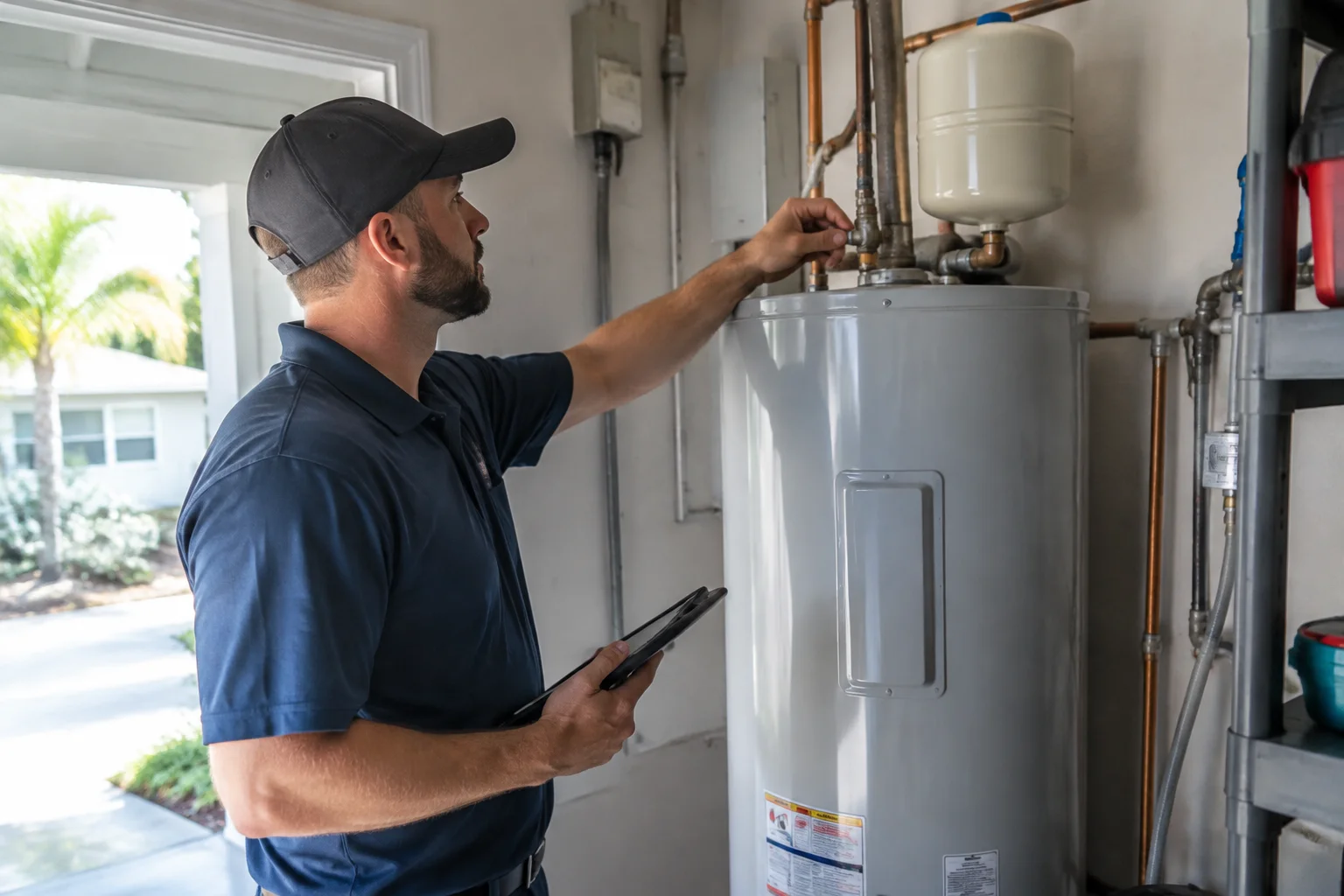
Perhaps the most expensive clue is what happens inside appliances. Water heaters, dishwashers, and washing machines can accumulate scale on heating elements and internal components. That buildup reduces efficiency, increases energy use, and shortens service life. When appliances wear out faster, homeowners often assume the units are “just aging,” but mineral scale can accelerate the timeline.
Why hard water shortens plumbing fixture and appliance life
To protect fixtures and appliances, it helps to understand what scale does. Hard water minerals are dissolved in water. When heated or exposed to changing conditions, they can precipitate and form deposits. Over time, those deposits act like insulation, reduce flow, and create rough surfaces where more buildup can gather.
Scale reduces heat transfer and raises energy costs
In water heaters and other hot water appliances, mineral scale interferes with how efficiently heat moves through the system. That means the unit has to work harder to achieve the same temperature. The result is more wear on components and higher operating costs.
Scale narrows flow paths and stresses valves
In faucets, showerheads, and supply lines, scale buildup narrows pathways. That can cause uneven spray patterns, reduced flow, and increased stress on valves and cartridges. Even small restrictions can become bigger problems as deposits grow.
Mineral residue affects cleaning and laundry performance
When minerals react with soap and detergents, you may need more product to get the same results. Residue can remain on fabrics and surfaces, which can make towels feel rough and make it harder to keep glass and fixtures looking clean.
Seaside, FL water conditions and why local treatment matters
Seaside is a coastal community in Walton County, FL, with homes that often combine salt air exposure and heavy everyday water use. Coastal climates can also influence how water behaves inside plumbing systems, especially when seasonal changes affect water chemistry and how minerals are deposited. Even when the source water is treated, the mineral content and taste or odor characteristics can still show up at the tap.
That is why homeowners in Seaside looking for water softener service near me benefit from a local water treatment approach. A system sized to your household and tuned to your water chemistry can reduce scale, improve cleaning results, and help appliances run closer to their intended performance.
If you are comparing options, it can help to review your service area and local coverage. You can explore more about our work in Seaside and the broader Walton County region.
Water softening services in Seaside: what they do and who they help
Water softening is designed to address the minerals that cause hard water scale. For many households, that means fewer hard water spots on glass, better cleaning results, improved feel during bathing, and longer-lasting plumbing components.
What a water softener actually removes
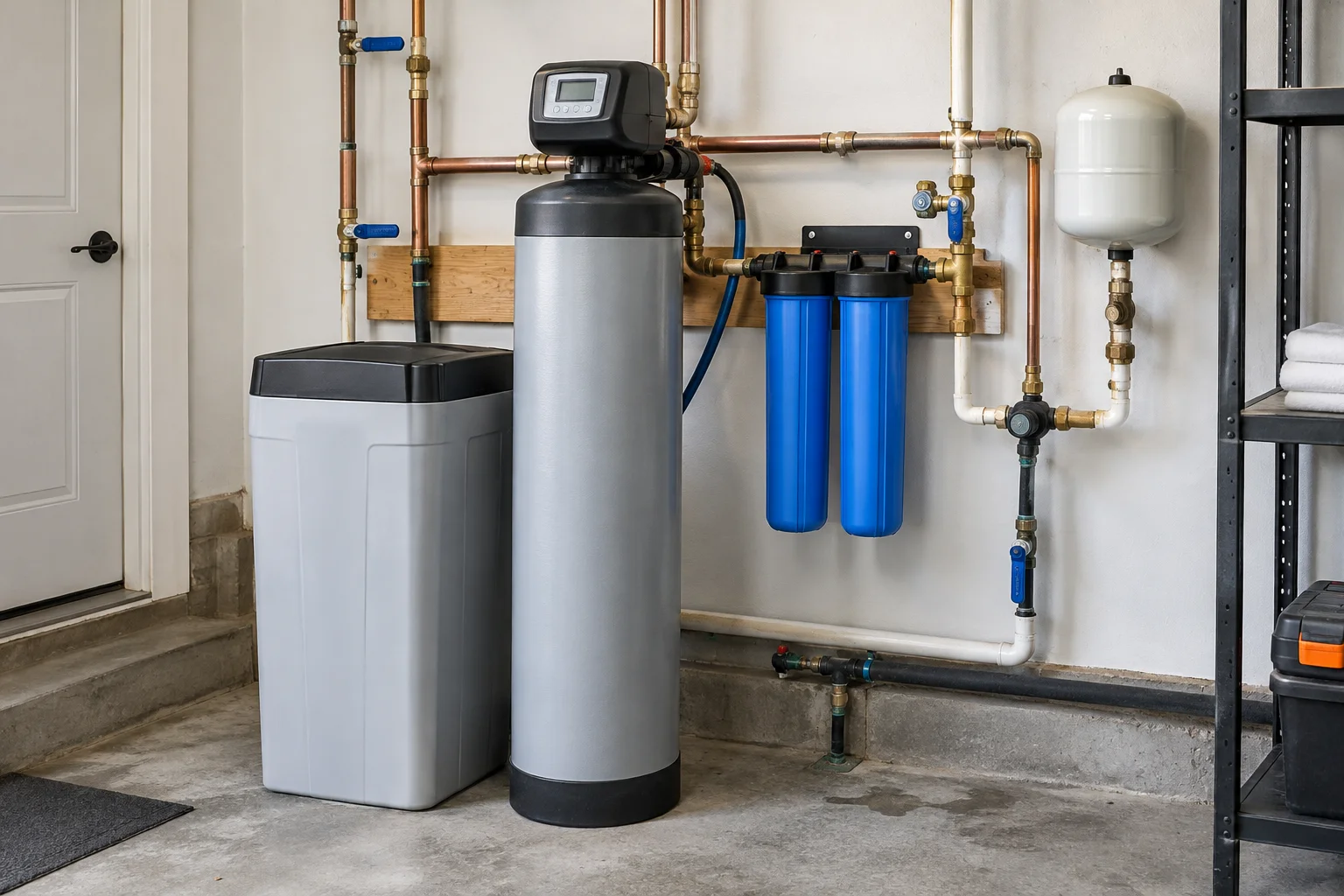
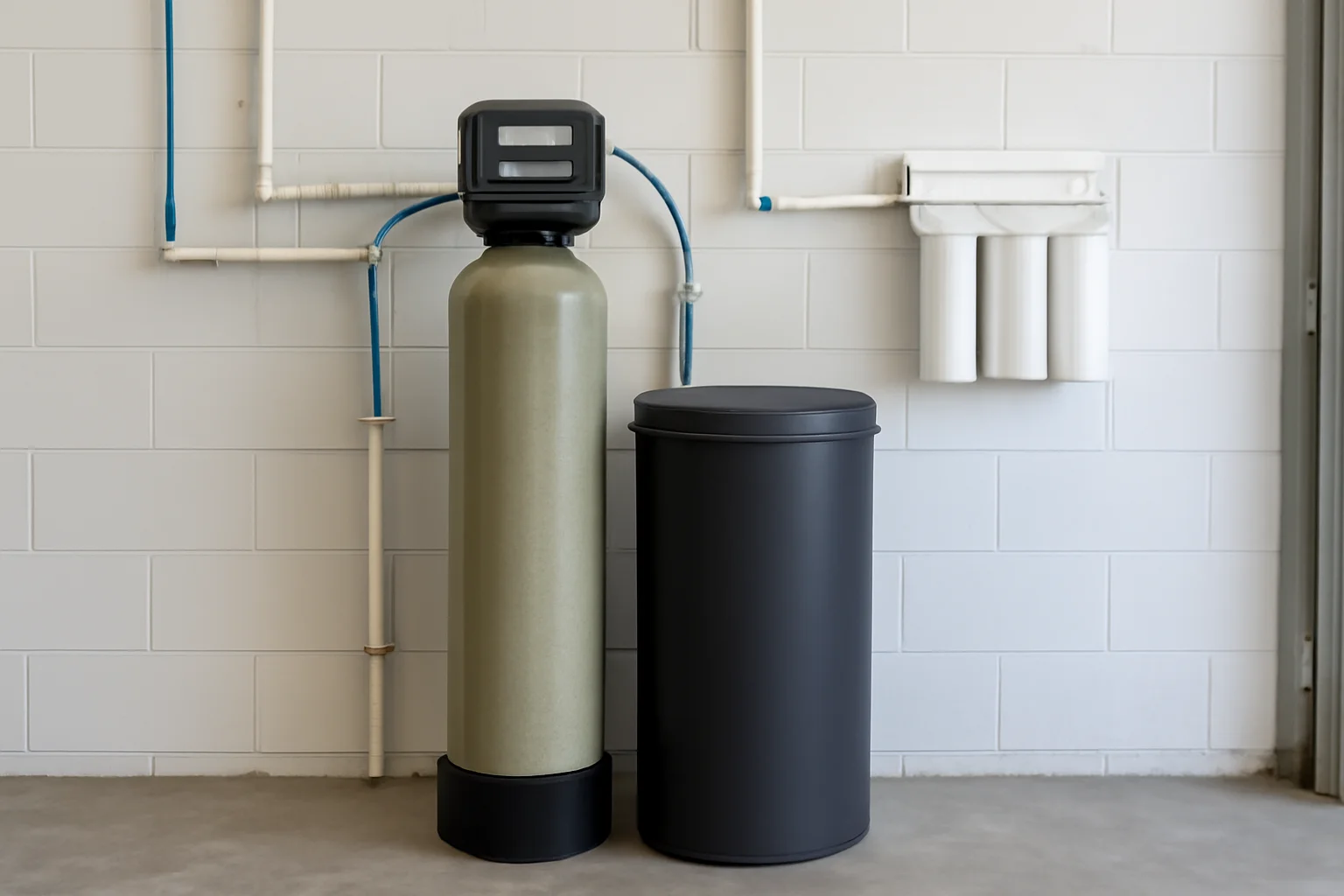
Water softeners reduce hardness minerals by exchanging calcium and magnesium for other ions. The practical outcome is water that is gentler on fixtures, less likely to form scale buildup around faucets and showerheads, and more effective for soap and detergent performance.
Benefits you notice quickly
Many homeowners notice improvements within days to weeks after proper installation and setup. Common changes include:
- Better lathering and easier rinsing, so soap does not feel like it leaves residue behind
- Fewer hard water spots on dishes and glass
- Less visible scale around showerheads and faucet aerators
- A noticeable improvement in how skin and hair feel after bathing, especially when dry skin from hard water has been an issue
Long-term protection for appliances
When scale formation is reduced, appliances can run cleaner and more efficiently. That can mean fewer service calls, less premature wear on heating elements, and better overall performance from units such as water heaters and laundry equipment.
Where water filtration fits in: improving taste, odor, and drinking water
Hardness and taste issues do not always come from the same cause. Softening focuses on scale-forming minerals, while water filtration targets other concerns like sediment, chlorine taste in water, and unpleasant odor. Many Seaside households choose a combined approach so they get both scale protection and cleaner tasting water.
Whole home water filtration for cleaner water systems near me
Whole home water filtration can help reduce sediment and improve water quality across multiple faucets and appliances. If you are searching for clean water systems near me, whole home options often make sense when you want consistent improvements throughout the house.
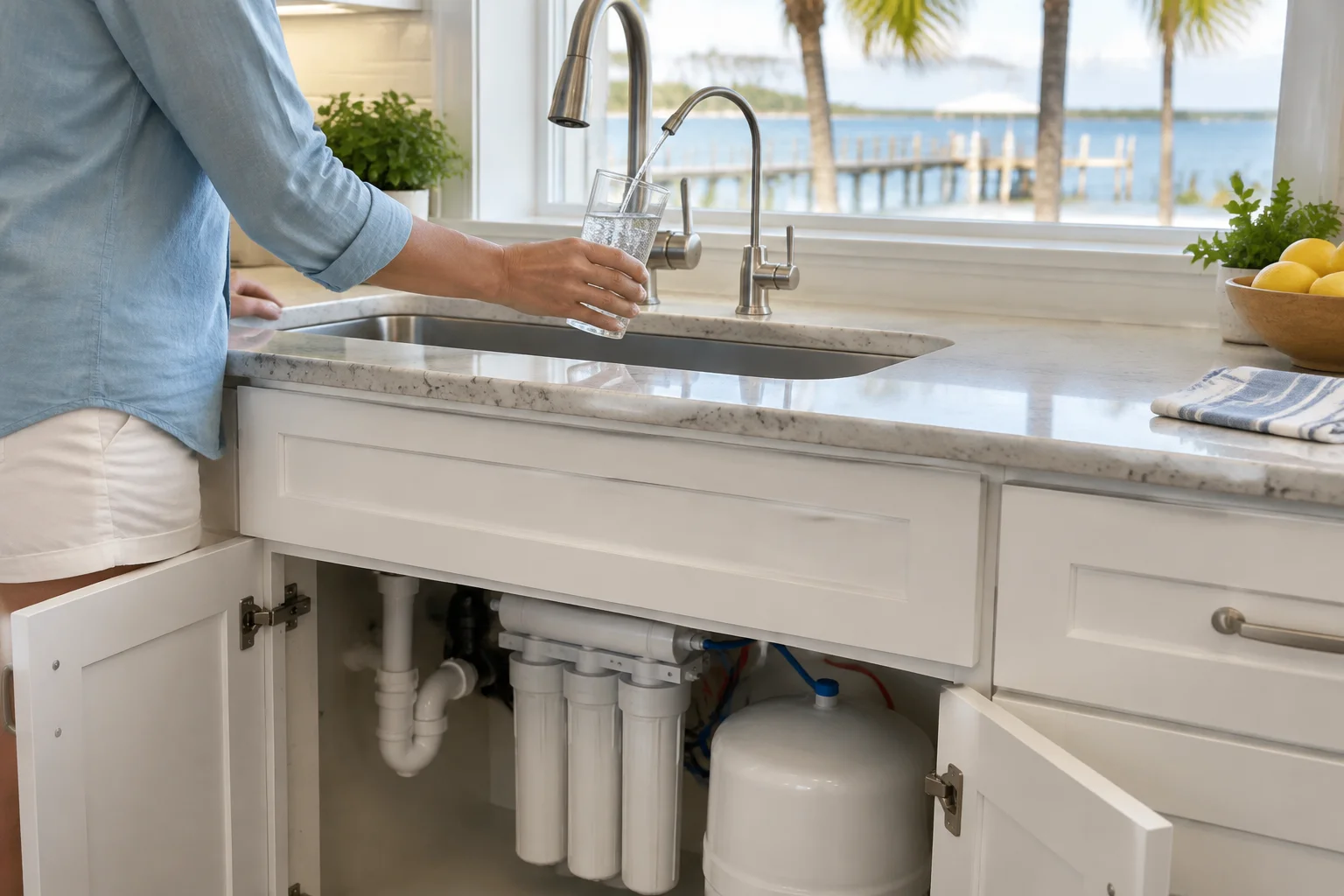
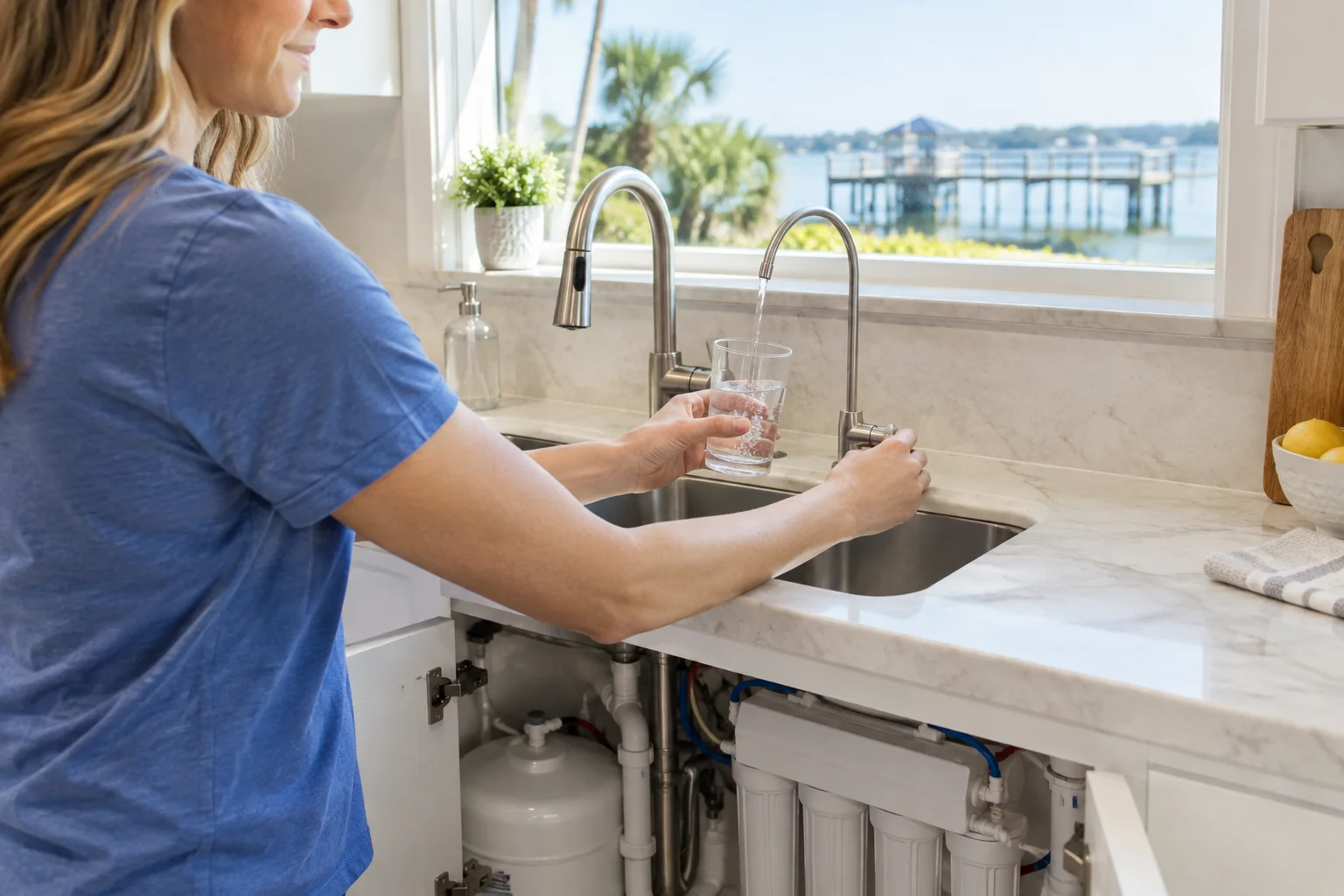
Reverse osmosis for drinking and cooking water
For drinking water and cooking water, reverse osmosis installation near me is a common choice because it can provide a high level of purification at the point of use. Homeowners who deal with cloudy ice cubes or poor tasting coffee and cooking water often prefer reverse osmosis for the kitchen sink and refrigerator line.
AO Smith water filtration and system combinations
AO Smith water filtration is frequently selected by homeowners who want reliable filtration performance with a whole home perspective. Depending on your needs, a setup may include whole home filtration plus targeted treatment for drinking water. If you are considering AO Smith water filtration, it is worth discussing how it pairs with water softening so you do not over-treat or under-treat different water issues.
If you want to explore water softening and filtration options, you can review our main service page at /water-filtration-ro-water-softeners.
Common problems that look like “just a dirty faucet” but are actually water treatment issues
Coastal households sometimes tackle these issues with extra scrubbing and stronger cleaners. Those can help appearance, but they do not address the source of mineral buildup. Here are a few examples that often point to a water treatment problem.
Shower glass that never stays clear
If you wipe it down and it still looks cloudy the next day, scale is likely building quickly. That can be driven by hardness minerals and can be reduced through water softening. When the water is softened, soap and cleaning residues also rinse more cleanly, which helps glass stay clearer.
Dull dishes and lingering residue
If your dishwasher runs but dishes still come out with spots, film, or a dull finish, the mineral content may be interfering with detergent performance. Softened water can reduce the mineral deposition that causes those hard water spots on dishes.
Stiff laundry and soap that feels “stuck”
When towels and clothes feel rough or do not rinse well, it can be tied to hardness. A water softener service in Seaside can help laundry feel better and reduce the need for extra detergent.
Hot water appliances that seem to lose efficiency early
If your water heater recovers slowly or seems to run longer than expected, scale buildup may be reducing efficiency. Addressing hardness can help protect the internal surfaces that handle heat transfer.
Practical maintenance tips to slow scale while you plan treatment
Even with the right system, routine care helps you get the best results. These tips can reduce buildup and extend the time between deep cleanings.
- Check faucet aerators and showerheads. Remove and inspect them for scale buildup. If they clog quickly, it is a sign you need effective hard water treatment.
- Use vinegar carefully for spot cleaning. Vinegar can dissolve mineral deposits on showerheads and faucet parts. Avoid using harsh abrasives that can damage finishes.
- Pay attention to laundry feel. If towels become rough again soon after washing, soap and mineral interactions may be back.
- Watch for cloudy ice cubes. If ice looks cloudy consistently, consider testing water quality and discussing filtration or reverse osmosis for the kitchen.
Maintenance helps, but it does not replace treatment. If scale is already forming, the most effective step is addressing the water chemistry at the source.
Choosing the right system: softening, filtration, and reverse osmosis together
Homeowners often ask whether they need a water softener, filtration, reverse osmosis, or all three. The right answer depends on what you are experiencing.
When water softening is the priority
If your main issues are scale buildup around faucets and showerheads, hard water spots on glass and dishes, dry skin from hard water, and soap that does not lather or rinse well, water softening should be a central part of your plan.
When whole home filtration helps more than point treatments
If you notice sediment, discoloration, or odor concerns coming from multiple taps, whole home water filtration can provide consistent improvements. That can also support better performance for appliances and reduce the burden on other devices.
When reverse osmosis is worth it for the kitchen
If you are focused on better drinking water, better tasting coffee, and clear ice cubes, reverse osmosis installation near me can provide targeted purification for drinking and cooking needs.
Many families in Seaside do this in a simple way: soften the water to protect fixtures and appliances, then filter or treat drinking water to improve taste and odor. That way, your kitchen scenes look and taste the way you expect, whether you are making morning coffee, filling a pot for pasta, or packing lunch water for the kids.
What to expect from professional water softening service in Seaside
Professional water treatment is not just about installing equipment. It is about matching the system to your water chemistry and your household needs, then setting it up so it performs correctly over time.
Start with water testing and real household symptoms
A good service visit considers both test results and what you see at home. If you are noticing visible sediment, discoloration, and odor concerns, or if you are seeing scale buildup around plumbing fixtures, those observations help guide the right treatment plan.
Size and configuration matter
A system that is undersized may not keep up with your household demand. An oversized system can be inefficient. Proper sizing also affects how often maintenance is needed and how well the system protects plumbing over the long term.
Installation and tuning for dependable performance
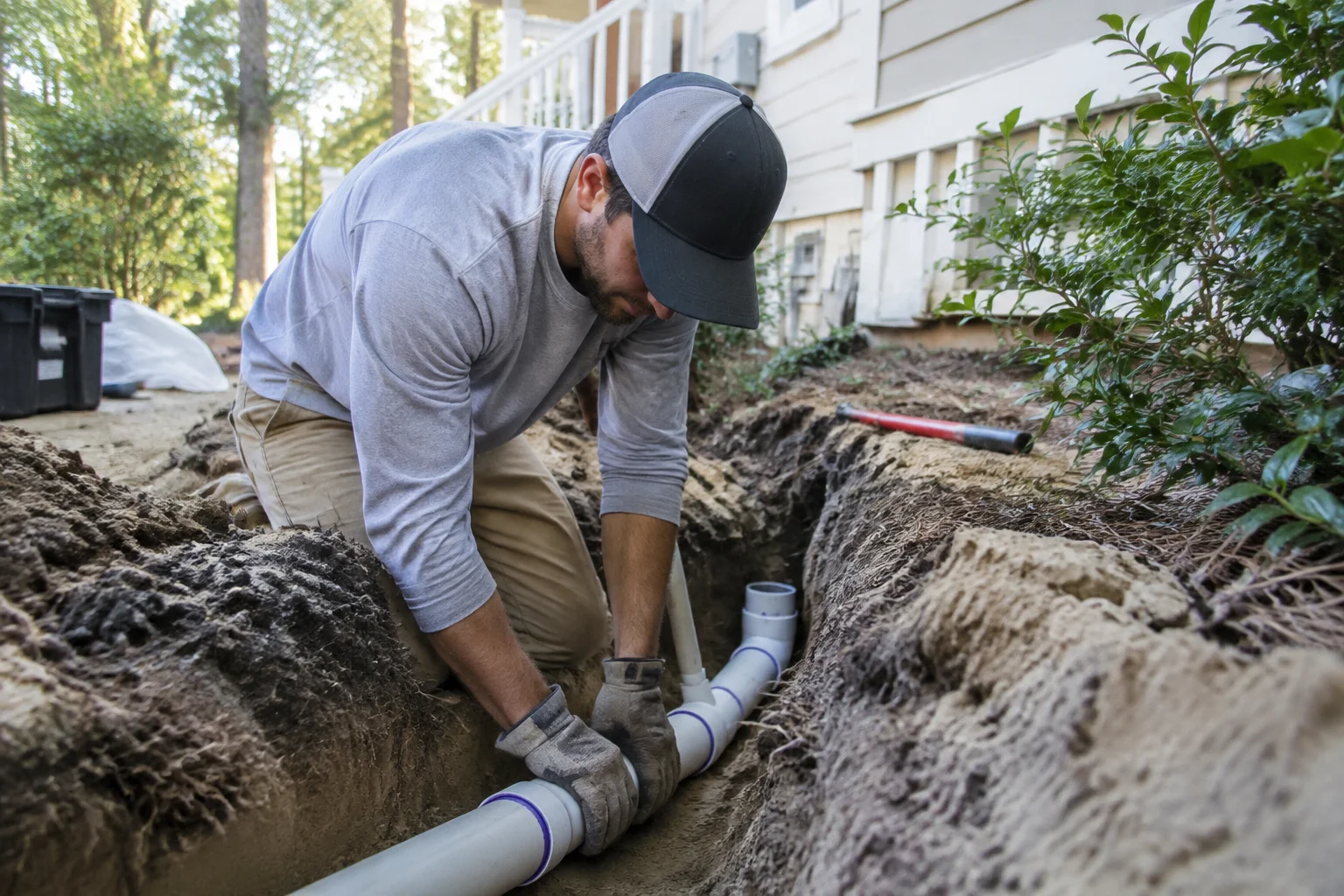
After installation, proper setup is key. That includes configuration and performance checks so softened water is delivered where you need it, and any filtration or reverse osmosis components operate as intended.
If you want to schedule service, you can review our Seaside-specific water softening page here: /service-areas/walton-county/seaside/water-softening-services-ssfl. For a broader look at our approach to water filtration and softeners, see /water-filtration-ro-water-softeners.
Signs it is time to call A Superior Mechanical
If you recognize several of the issues below, it is a strong sign that water treatment becomes part of protecting fixtures and appliances in Seaside.
- Hard water spots on glass, hard water spots on dishes, or persistent cloudy buildup on fixtures
- Scale buildup around faucets, showerheads, and plumbing connections
- Dry skin or dull hair after bathing, along with soap that does not lather or rinse well
- Chlorinated or unpleasant taste, metallic taste, or odor concerns
- Cloudy ice cubes, poor tasting coffee, or off flavor in cooking water
- Visible sediment or discoloration at the tap
- Appliances wearing out faster than expected, especially water heaters and laundry equipment
How better water changes everyday life in Seaside
Water treatment can feel like a small upgrade until you notice how much it touches daily routines. Picture a family morning where the shower glass stays clearer longer, your hair feels softer after rinsing, and towels do not come out stiff. In the kitchen, the coffee tastes more consistent, and ice cubes freeze clear instead of cloudy. For laundry day, soap rinses away more completely, and the fabric feels better.
Better water also supports the bigger goal: protecting what you rely on. When scale is reduced, fixtures stay cleaner, appliances run more efficiently, and plumbing systems face less stress from mineral buildup.
If you want more Seaside-focused reading, these guides can help you connect water quality to the health of your home’s systems:
- Cleaner Water, Clearer Living in Seaside: How Better Treatment Helps With Spots, Scale, Taste, and Odor
- Keeping Seaside Homes Running Smoothly with Better Waterline Care
- Practical Plumbing Advice for Seaside Homeowners Living Near the Coast
FAQ-style guidance for homeowners comparing options
Many homeowners start with a question like, “Do I need a water softener or reverse osmosis?” If your top issues are scale and soap performance, water softening is usually the foundation. If your focus is drinking water, taste, and cloudy ice cubes, reverse osmosis can be the targeted solution. Whole home water filtration can bridge the gap when you have sediment, odor, or concerns that show up across multiple taps.
When you combine the right treatments, you protect fixtures and appliances while also improving everyday water use, from bathing to cooking to laundry. That is the goal of professional water softening services in Seaside, FL.
If you are exploring water treatment near me and want a plan that fits your household, start with the service page for local coverage and system recommendations: /service-areas/walton-county/seaside/water-softening-services-ssfl.
Find Water Softening Services in Seaside, FL
If you need Water Softening Services in Seaside, FL, visit our local service page or contact A Superior Mechanical today.
For a broader look at whole-home water filtration, reverse osmosis, and water softener options, visit our water filtration, RO, and water softener page.
Map of Seaside, FL
Frequently Asked Questions
Will a water softener stop hard water spots on glass and dishes in Seaside?
A water softener can significantly reduce hard water spots by lowering scale-forming minerals. Homeowners typically see fewer hard water spots on glass and hard water spots on dishes, plus less buildup around faucets and showerheads once the system is properly sized and set up.
Do I need reverse osmosis if I already have water softening?
Often, yes for drinking water goals, but it depends on your symptoms. Softening mainly targets hardness and scale. Reverse osmosis focuses on taste, odor, and dissolved impurities for drinking and cooking. Many Seaside families soften water for the home and use reverse osmosis for the kitchen.
What are the most common signs that hard water is shortening appliance life?
Look for reduced efficiency, scale buildup around plumbing connections, and appliances that seem to wear out faster than expected. Water heaters, dishwashers, and laundry equipment can accumulate mineral deposits that reduce heat transfer and increase strain on components.
Is AO Smith water filtration a good option for whole home water quality?
AO Smith water filtration can be a strong choice for improving whole home water quality, especially when paired with a treatment plan that addresses your hardness and taste or odor concerns. A professional water treatment assessment helps match the right mix of softening, filtration, and reverse osmosis to your needs.
Related Articles
- Practical Plumbing Advice for Seaside Homeowners Living Near the Coast
- Cleaner Water, Clearer Living in Seaside: How Better Treatment Helps With Spots, Scale, Taste, and Odor
- Keeping Seaside Homes Running Smoothly with Better Waterline Care
- Reading the Warning Clues in Seaside Homes Before a Panel Upgrade Becomes Urgent
Photo Gallery