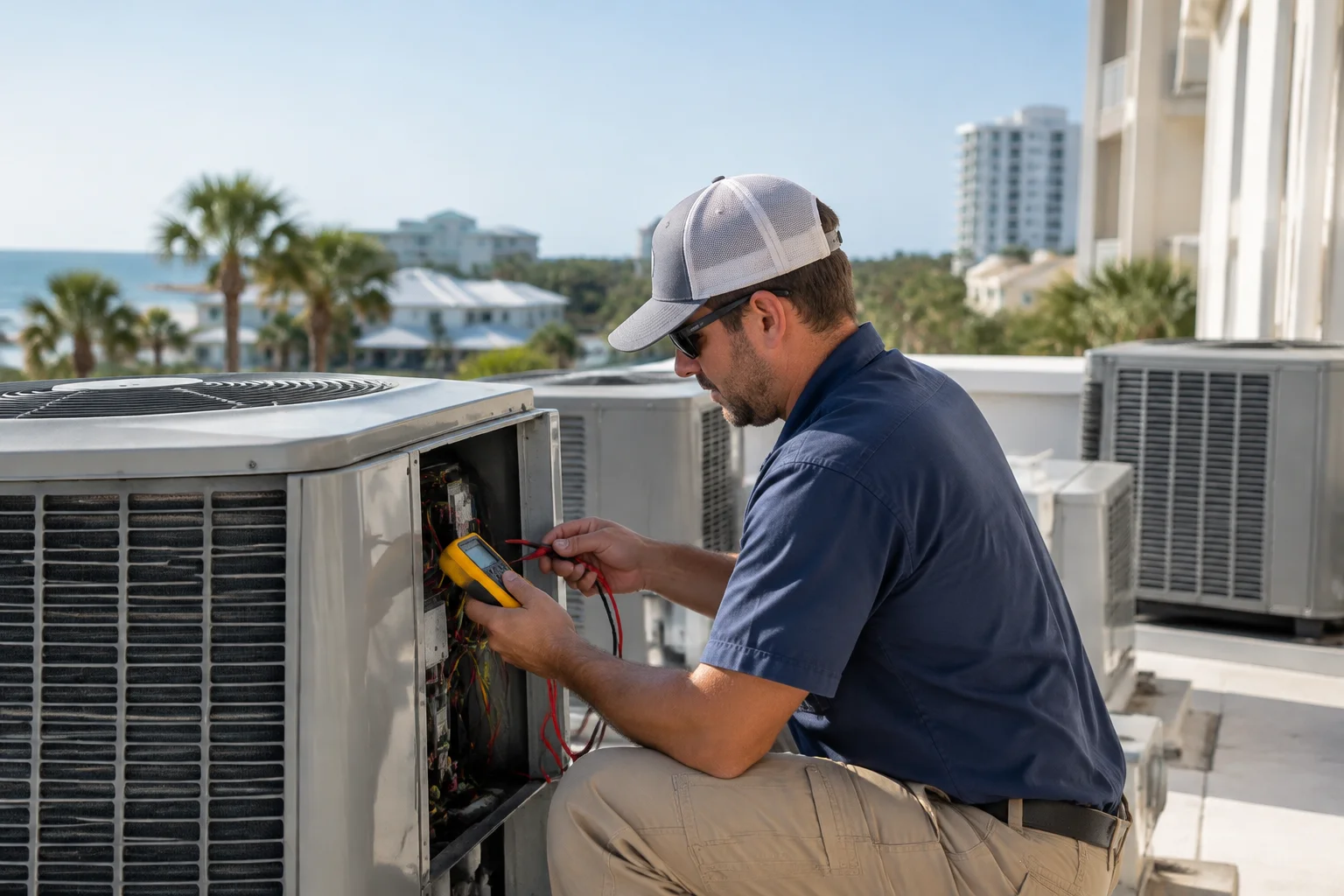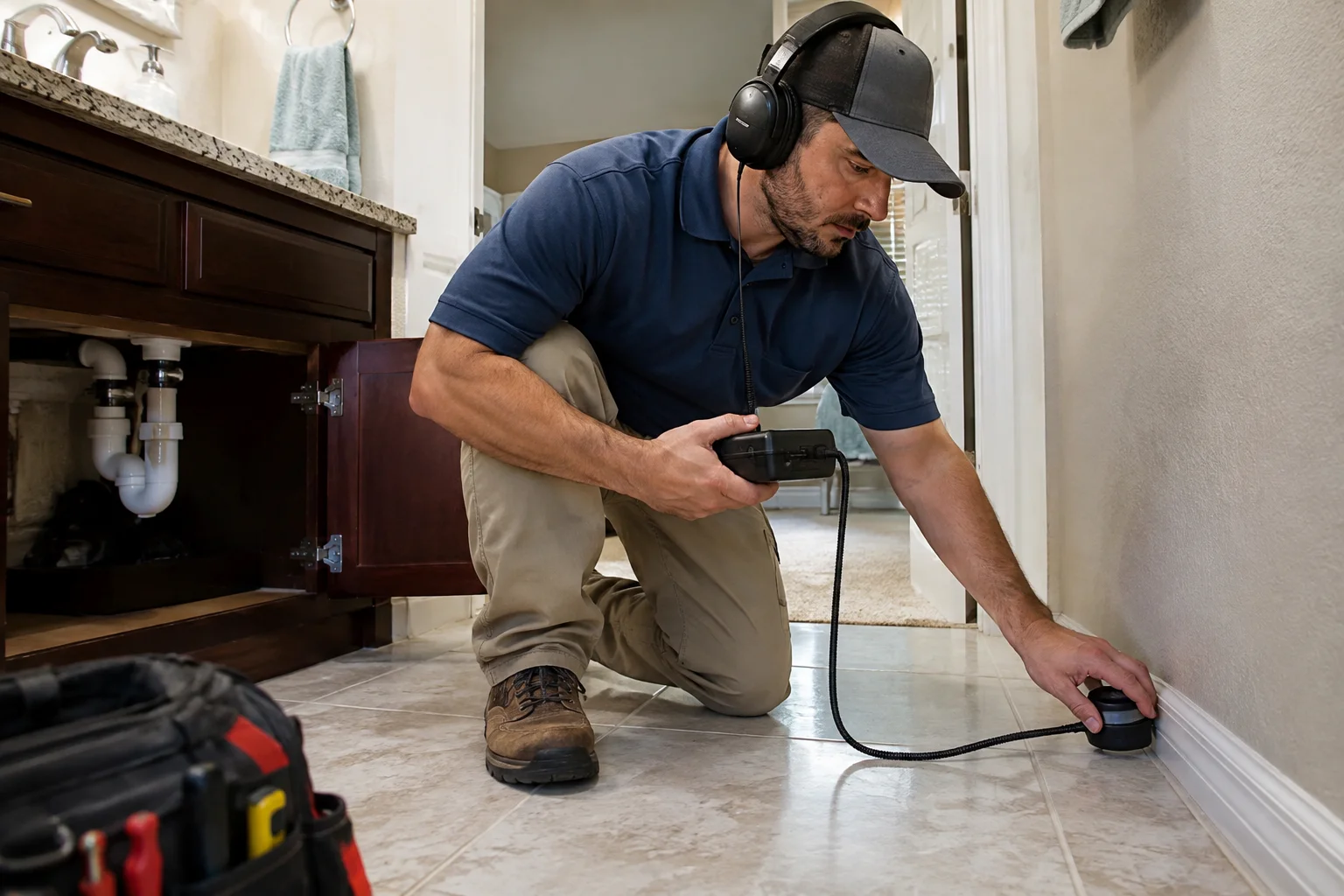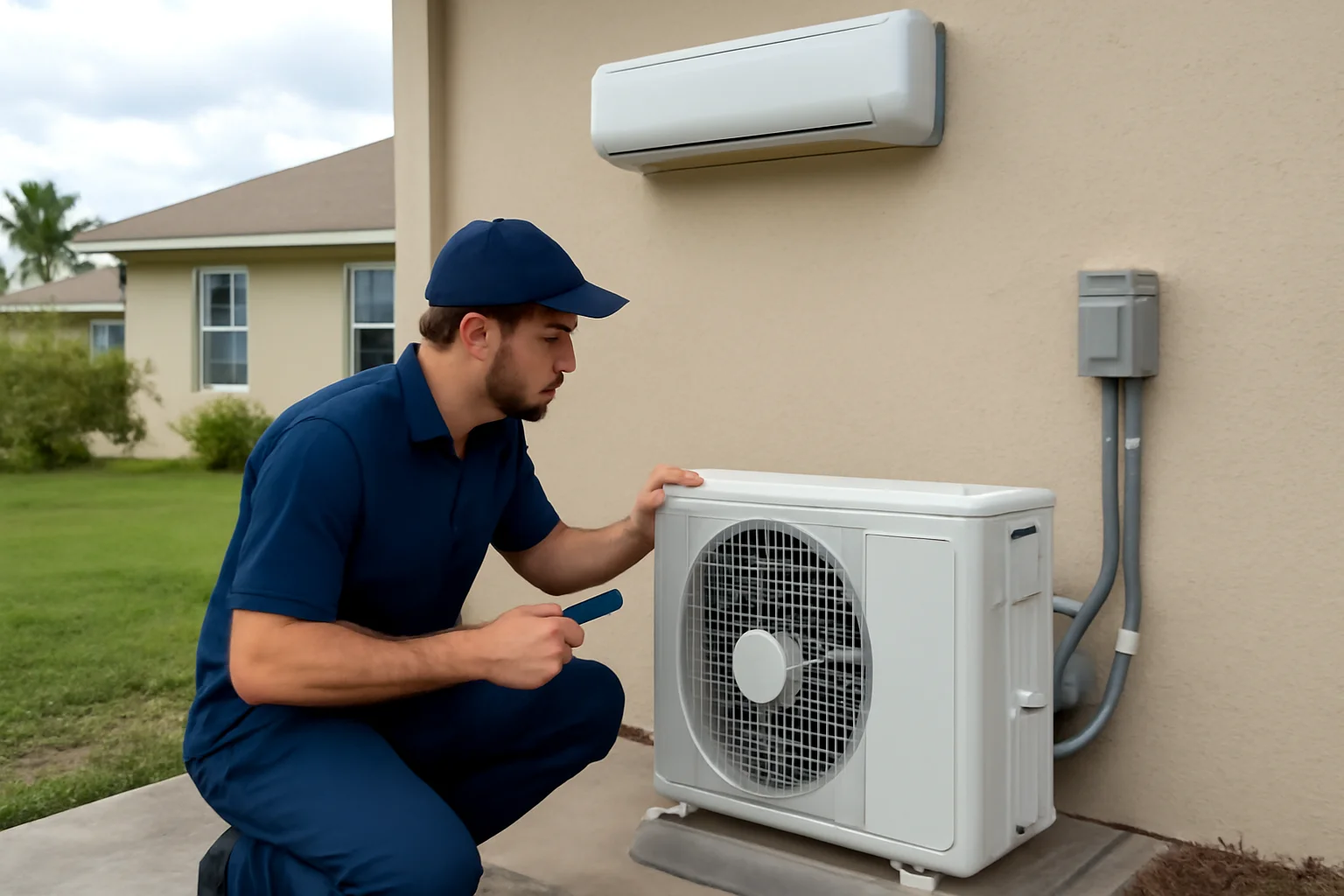
Bid-A-Wee homeowners often choose ductless mini-splits for zoned comfort, flexible room control, and efficient cooling during Florida’s long, humid summers. When they work well, you get steady temperatures without forcing air through ductwork that may be poorly sealed or oversized for the home. When they do not, comfort problems can pop up fast, especially in older houses or newer builds that still have airflow and humidity challenges.
This guide walks through what can cause problems with ductless mini-splits in Bid-A-Wee, FL, whether your system is newer or older. You will also find practical steps for repair planning, plus the kinds of checks A Superior Mechanical may perform during AC repair, mini split repair, and heat pump service in Bay County.
Why Bid-A-Wee’s climate stresses ductless mini-splits
Florida weather is not just hot. It is hot and humid, often for months at a time. In coastal and near-coastal Bay County areas, salt air and airborne particulates can also ride in on breezes. That matters for ductless systems because they rely on consistent airflow, clean heat exchanger surfaces, and stable refrigerant system performance.
In a ductless setup, you typically have:
- An indoor air handler mounted on a wall for each zone
- An outdoor condensing unit that handles the refrigerant cycle
- Refrigerant lines that connect the indoor and outdoor components
- Condensate drainage from the indoor unit during cooling
- A thermostat or remote control that coordinates setpoints and fan behavior
When humidity is high, cooling mode has to remove moisture continuously. If airflow is restricted, filters are neglected, the drain line is partially blocked, or the outdoor unit is coated with debris, the system may struggle to keep indoor air comfortable. That can show up as musty odors, uneven temperatures, or AC that runs but does not feel “cold enough.”
Comfort problems that show up in older homes
Older Bid-A-Wee homes can have ductless mini-splits installed as a retrofit, or they may have been built with a ductless design from the start. Either way, older buildings often bring factors that affect airflow, humidity control, and system cycling.
1) Leaky or mismatched airflow paths
Even with ductless zoning, airflow still depends on how air moves from room to room and how return air is handled. Older homes may have:
- Closed doors that trap humidity in one area
- Ceiling fans or vents that disrupt air mixing
- Wall or window coverings that block indoor unit discharge
- Rooms that are oversized or under-insulated compared to the rest of the home
Result: the mini-split may run longer to reach set temperature, while indoor air quality can suffer if moisture removal and filtration are not effectively managed.
2) Condensate drainage issues
During cooling and dehumidifying cycles, ductless indoor units produce condensate. In older homes, drainage can be affected by:
- Drain lines that were routed in a way that collects debris over time
- Sloped runs that have settled
- Biofilm or algae buildup in humid conditions
Signs include water on the wall or near the unit, intermittent dripping, or a persistent damp smell. If condensate drainage is not working correctly, the system may also experience operational issues that affect comfort.
3) Thermostat or control behavior that does not match the room
Older installations sometimes use older thermostat settings, remotes, or control schedules that were programmed for a different comfort pattern. For example, a system set to maintain a temperature but not manage humidity properly can feel “cold but sticky.”
Because ductless mini-splits use refrigerant systems to remove moisture, control settings and fan operation matter. A professional HVAC contractor can help you review how your thermostat is being used and whether the system is operating in the right modes for Bid-A-Wee’s humidity.
What can go wrong with newer ductless mini-splits
Newer ductless systems can still face problems, especially if installation details do not hold up under Florida conditions or if maintenance is delayed. “New” does not automatically mean “problem-free.”
1) Airflow and cleanliness from day one
Mini-split indoor units rely on clean filters and unobstructed air intake and discharge. In humid climates, dust and moisture can combine into a residue that reduces airflow. That can cause:
- Higher energy use because the system works harder to maintain setpoints
- Reduced dehumidification performance
- More dust and particulates circulating, which impacts indoor air quality
Even if your unit is only a few years old, a dirty indoor coil or clogged filter can create comfort complaints quickly during peak summer.
2) Refrigerant system sensitivity to installation and operation
Ductless mini-splits run through a refrigerant cycle that must be properly balanced. Refrigerant performance depends on correct installation practices, stable operation, and consistent airflow across the coils.
Homeowners should be cautious with DIY “refrigerant fixes.” Refrigerant diagnosis and adjustments require in-person evaluation and proper tools. If you notice cooling performance has changed, the cause could be airflow related, drainage related, or something else within the refrigerant system. A Superior Mechanical can inspect the system and determine what is actually happening before recommending any repair planning.
3) Outdoor unit exposure to salt air and debris
Outdoor units in Bay County can be exposed to salt air, pollen, yard debris, and coastal particulates. Over time, that can coat surfaces and reduce heat transfer. When the outdoor coil cannot reject heat effectively, the system may:
- Cycle more frequently
- Run longer to reach comfort targets
- Feel weaker during the hottest parts of the day
Routine cleaning and maintenance matter, but the outdoor unit must be handled correctly to avoid damaging components.
Common ductless mini-split causes of “it runs but it does not cool”
Comfort complaints are often described in plain language: “It turns on, but it is not cold,” “It cools one room and not another,” or “It feels cold but the humidity is still high.” These are the most common categories of causes in Bid-A-Wee.
Restricted airflow over indoor or outdoor coils
Dirty filters, blocked intake grilles, closed vents around the indoor head area, or heavy dust on coil surfaces can reduce airflow. Reduced airflow can lower cooling capacity and dehumidification. It can also raise energy use because the system compensates by running longer.
For homeowners searching for AC repair near me or mini split repair near me, the first step is usually confirming airflow and cleanliness. That is also why AC tune up near me searches often lead to maintenance checks that address performance before comfort complaints get worse.
Condensate drainage problems
Clogged or poorly draining condensate lines can lead to water issues and can interfere with normal operation. In Florida humidity, standing moisture can also contribute to odors and indoor air quality concerns.
Control settings and zoning realities
Ductless zoning is a strength, but it can create confusion. If one zone stays closed off, the system’s ability to manage humidity in that area may change. If the thermostat schedule is set for a different occupancy pattern, the system may short-cycle or run at times that do not match actual cooling needs.
Refrigerant system performance concerns
If cooling is significantly weaker than before, or if the system behaves abnormally, refrigerant system performance may be involved. However, refrigerant diagnosis is not something homeowners should attempt based on feel or guesswork. A proper evaluation can determine whether the issue is truly refrigerant related or instead tied to airflow, drainage, or controls.
Indoor air quality and ductless mini-splits in Bay County
Bid-A-Wee residents often notice indoor air quality problems during the rainy season and during periods of heavy pollen. Ductless mini-splits can help with comfort, but they also move air through filtration and coil surfaces. If filters are neglected or coils are dirty, you may see:
- More dust on surfaces
- Musty or stale odors
- Allergy-like symptoms that flare during cooling
Preventive maintenance plays a big role. If you are looking for indoor air quality services near me, consider pairing ductless maintenance with whole-home filtration and humidity management strategies. For more on how maintenance supports cleaner air, read How Preventive HVAC Service Supports Cleaner Indoor Air in Bid-A-Wee.
Airflow, ductwork, and why ductless still connects to the whole home
Ductless mini-splits do not use traditional ductwork for the air supply to each zone, but the home still has air pathways. Many Bid-A-Wee households also have existing ductwork from central air conditioning, attic returns, or other HVAC components. This affects:
- How air circulates between rooms
- How humidity redistributes during cooling
- Whether the mini-split zone feels balanced or uneven
If you have older ductwork, poor sealing, or imbalanced airflow, humidity and temperature can shift. Some homeowners end up blaming the mini-split when the real issue is homewide airflow and pressure differences. A professional HVAC company can evaluate the system and the home together rather than treating the mini-split like an isolated device.
If your comfort issue involves multiple zones or uneven rooms, this related read may help: Camp Creek Homes and the Case for Ductless Mini-Splits That Handle Heat, Humidity, and Uneven Rooms.
Energy use and “short cycling” during humid Florida summers
When ductless mini-splits do not dehumidify well, indoor humidity can remain high. Homeowners may feel the system is not performing even if the temperature setpoint is reached. In that situation, the system may cycle in a way that does not fully remove moisture.
Common comfort and performance complaints tied to cycling and energy use include:
- Frequent starts and stops
- Periods of cooling that feel inconsistent
- Higher monthly energy bills during peak summer
Because ductless systems rely on airflow and refrigerant cycle performance, these symptoms can be caused by multiple factors. That is why a professional inspection matters. A Superior Mechanical can review operating behavior, inspect key components, and help you plan the right repair steps.
Condensate drainage and emergency cooling concerns
Florida storms and power fluctuations can happen, and during heat waves, homeowners worry about emergency cooling concerns. While mini-splits are not typically “emergency-only” equipment, a comfort failure can feel urgent when the humidity climbs.
If you have a ductless mini-split and you notice water leaks, repeated error codes, or a pattern of cooling that fails during the hottest hours, treat it as a priority. Condensate drainage problems can worsen quickly in humid weather. Delaying service can lead to secondary issues like odor buildup and water damage to nearby surfaces.
For comfort-focused repair planning, it also helps to understand how timely service protects performance. See Comfort That Holds Up in Bid-A-Wee Starts With Timely AC Repair.
Preventive maintenance that actually reduces ductless issues
Preventive HVAC maintenance is one of the best ways to avoid mid-summer breakdowns. In Bid-A-Wee, maintenance is especially important because humidity and salt air accelerate wear on surfaces and increase the chance of coil buildup and drainage problems.
A practical maintenance plan for ductless mini-splits typically includes:
- Checking and cleaning indoor unit filters and blower components as needed
- Inspecting condensate drainage paths to reduce overflow and odor issues
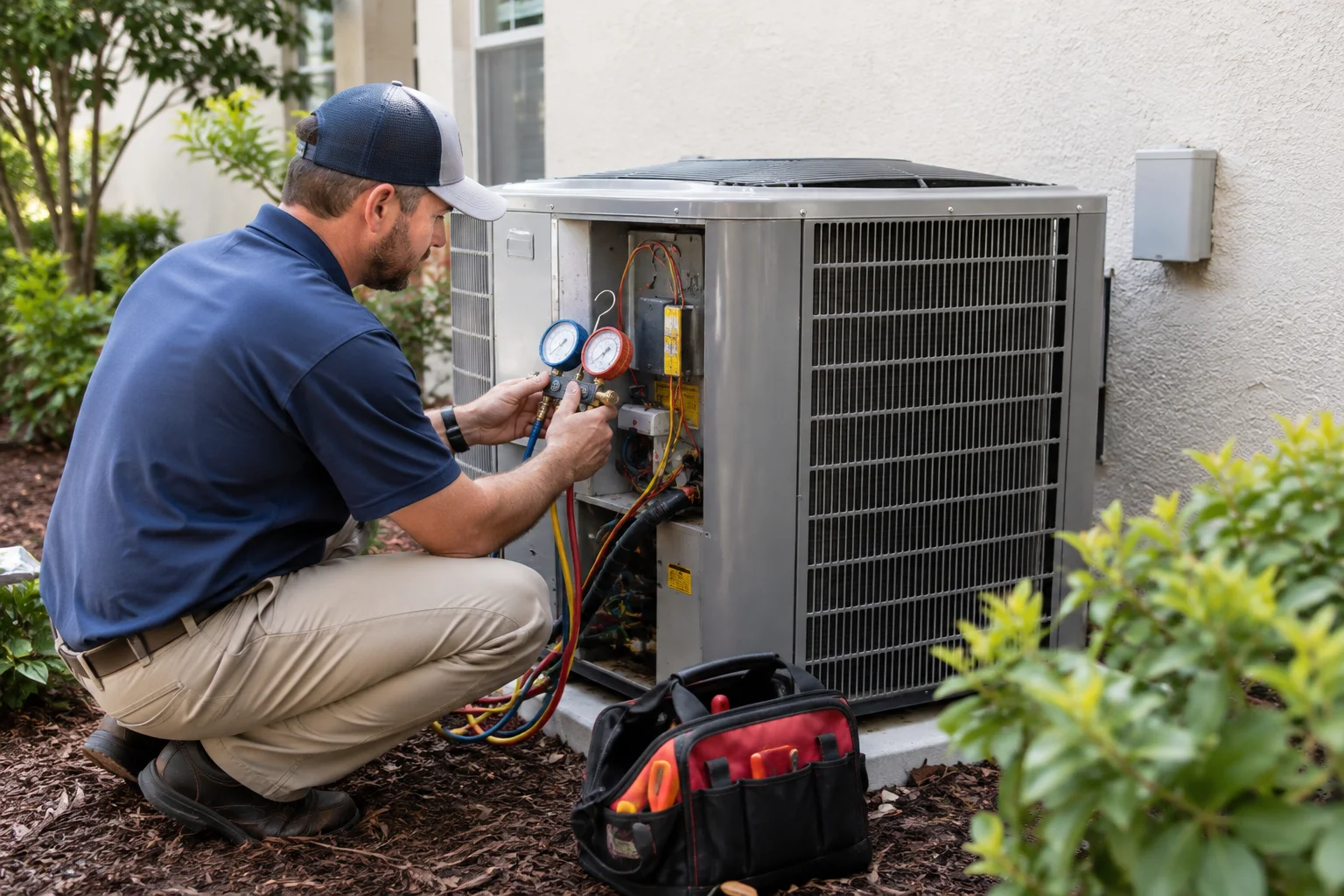
- Inspecting indoor and outdoor coil condition and airflow paths
- Verifying thermostat settings and operating modes match how you live
- Reviewing system performance trends so small comfort issues do not become emergencies
If you are comparing ductless options for a new home or upgrading an older setup, you can also explore how performance holds up in Bay County heat in Ductless Mini-Splits in Upper Grand Lagoon: Efficiency That Holds Up in Bay County Heat.
Repair planning: what homeowners can do before service arrives
When you suspect a ductless mini-split problem, there are a few homeowner steps that make the first visit more productive. These steps do not replace professional evaluation, but they help technicians narrow down the most likely causes.
Track the comfort pattern
Write down when the problem happens. For example:
- Only during the afternoon heat?
- Only in one zone?
- When humidity is highest after rain?
- After the system runs for a while?
Note airflow and drainage observations
Look for changes you can describe:
- Is the air coming from the indoor head weaker than usual?
- Do you see water collecting near the indoor unit?
- Any new odors when the system starts?
Check thermostat settings and mode selection
Confirm the system is in the expected mode for cooling and that fan settings are not stuck in a way that reduces moisture removal. If your mini-split uses a remote, confirm the schedule and setpoints reflect your actual occupancy.
Avoid DIY refrigerant or electrical troubleshooting
Do not attempt refrigerant diagnosis or adjustment on your own. Refrigerant work requires proper training and tools. Also avoid electrical troubleshooting beyond simple, safe steps like ensuring the system’s power is on and the thermostat is calling for cooling. For anything beyond that, rely on a qualified HVAC contractor.
Choosing the right local HVAC contractor for ductless mini-split service
Homeowners searching for a HVAC company near me in Bid-A-Wee want more than a quick reset. Ductless systems involve a refrigerant system, airflow management, condensate drainage, and controls. A good local HVAC contractor should be able to inspect the indoor unit, outdoor unit, drainage and airflow pathways, and review how the system is operating in your home.
If you need ductless mini-split installation and service in the area, you can explore the service details here: ductless mini-splits in Bid-A-Wee. You can also view the broader service area coverage on the Bid-A-Wee page and Bay County service area to understand where A Superior Mechanical supports homeowners and businesses.
Is it time for ductless mini-split replacement planning?
Some ductless mini-split comfort problems are repairable, while others may signal that the system is nearing the end of its useful life or that the installation no longer fits the home. Replacement planning is best approached after an in-person evaluation.
Homeowners often search for mini split replacement near me or HVAC replacement near me when they notice repeated failures, worsening comfort, or persistent humidity control issues. A professional can help compare repair versus replacement options based on system condition and the home’s comfort needs.
If you are evaluating broader options, you may also want to review related services in the area, such as heat pump services or air conditioning replacement. Some homeowners also compare long-term alternatives like geothermal energy systems. If financing is part of your planning, consider HVAC financing.
Practical checklist: when to schedule mini split repair or heat pump service
Schedule service if you notice any of the following:
- The system runs but comfort does not improve during Florida heat
- Humidity feels higher than usual even though cooling is on
- Water leaks, damp spots, or recurring condensate drainage concerns
- Musty odors when the system starts
- Airflow feels weaker at the indoor head
- Repeated error codes or unusual cycling patterns
These issues can affect indoor air quality, energy use, and emergency cooling readiness during hot spells. When comfort matters, timely service is the difference between a manageable repair and a bigger problem.
Find Ductless Mini-Splits in Bid-A-Wee, FL
If you need Ductless Mini-Splits in Bid-A-Wee, FL, visit our local service page or contact A Superior Mechanical today.
Map of Bid-A-Wee, FL
Frequently Asked Questions
Why does my ductless mini-split feel cold but the room still feels humid in Bid-A-Wee?
Humidity complaints can happen when the system is not removing moisture effectively. Common causes include restricted airflow from dirty filters or coils, condensate drainage issues, or control settings that are not matching your cooling needs. A Superior Mechanical can inspect the indoor unit airflow and drainage and verify proper operation during an in-person evaluation.
What condensate drainage problems should Bid-A-Wee homeowners watch for?
Look for water collecting near the indoor unit, damp drywall, recurring musty odors, or signs that the unit is not draining consistently. In Florida humidity, small drainage blockages can worsen quickly. Scheduling mini split repair helps prevent water damage and comfort failures.
Can I add refrigerant myself if my ductless mini-split seems to be losing cooling?
No. Refrigerant work requires proper tools and training, and the cause of weak cooling may not be refrigerant related. Homeowners should avoid DIY refrigerant diagnosis or adjustments and instead request an in-person inspection by a qualified HVAC contractor.
How often should ductless mini-splits be maintained in Bay County’s humid conditions?
Many homeowners benefit from annual preventive maintenance, with additional attention during peak cooling season when pollen, humidity, and debris buildup are highest. A technician can recommend a schedule based on your usage, system age, and local exposure to salt air and yard debris.
Is ductless mini-split service different for older homes versus newer homes?
The inspection focuses on the same core elements, but older homes often bring extra comfort variables like uneven insulation, room pressure differences, and drainage routing that may have settled over time. Newer systems can still need airflow and cleanliness checks to maintain humidity control and indoor air quality.
Related Articles
- How Preventive HVAC Service Supports Cleaner Indoor Air in Bid-A-Wee
- Ductless Mini-Splits in Upper Grand Lagoon: Efficiency That Holds Up in Bay County Heat
- Comfort That Holds Up in Bid-A-Wee Starts With Timely AC Repair
- Camp Creek Homes and the Case for Ductless Mini-Splits That Handle Heat, Humidity, and Uneven Rooms
Photo Gallery