WaterColor homes are built for coastal living, but the local climate is demanding on HVAC systems. Florida heat rises quickly, humidity lingers indoors, and the salt air in the region can add stress to cooling equipment. When your air conditioner starts acting “off,” the most helpful next step is not guessing. A professional air conditioning inspection in WaterColor, FL can connect the warning signs you notice to the underlying causes that affect comfort, indoor air quality, and repair planning.
This guide explains common HVAC warning signs homeowners experience and how they relate to what a technician checks during an air conditioning inspection. You will also find practical steps for managing heat and humidity, improving airflow, and preventing emergency cooling concerns during Florida’s long humid season.
Why WaterColor AC problems often show up as comfort issues
In WaterColor, the goal is not only “cool air,” but consistent temperature control and manageable humidity. Air conditioners remove moisture as they cool, and they also rely on proper airflow through ductwork and registers. When airflow is restricted, refrigerant systems do not operate as intended, condensate drainage is compromised, or thermostats are misreading conditions, you can feel it immediately.
That is why HVAC warning signs are often symptoms of a broader system issue. An inspection helps separate “feels warm” from “is humid,” “runs but does not cool,” or “cools unevenly room to room.” Those distinctions matter for planning AC repair, ductwork adjustments, indoor air quality improvements, and, if necessary, system replacement decisions.
Warning sign #1: The house feels hot even when the AC runs
If the system runs continuously but the temperature does not stabilize, homeowners often assume it is a simple AC repair issue. During an inspection, a technician will look for cooling performance problems tied to airflow, refrigerant system operation, and thermostat behavior.
What the inspection may uncover
- Airflow restrictions in ductwork: Dirty or blocked ducts, poorly sealed joints, or undersized returns can prevent the system from moving conditioned air through the home.
- Register and supply imbalance: Closed vents, blocked grilles, or duct restrictions can create hot rooms and cold rooms at the same time.
- Thermostat issues: A thermostat that is out of calibration, poorly placed, or reading the wrong environment can cause the system to cycle incorrectly.
- Refrigerant system performance concerns: The inspection may identify conditions that suggest the refrigerant system is not performing as expected. A technician will confirm this in person rather than speculate.
For homeowners searching for AC repair near me, this is the moment to switch from “more troubleshooting” to professional inspection. The fastest path to repair planning is understanding whether the comfort problem is airflow, temperature control, or cooling system performance.
Warning sign #2: Humidity stays high or the air feels sticky
In WaterColor, humidity is not a nuisance. It is a comfort driver and an indoor air quality factor. When moisture removal is not happening effectively, you may notice dampness, lingering odors, condensation on surfaces, or that “cool but clammy” feeling.
Inspection checks tied to humidity control
- Condensate drainage and moisture removal: If the condensate drain line is partially blocked or the drain pan is not draining properly, moisture can back up and lead to poor dehumidification or water-related concerns.
- Airflow across the cooling coil: The air conditioner has to move the right amount of air across the coil to remove moisture. Low airflow can reduce dehumidification even if the temperature drops.
- System runtime and cycling: Short cycling or incorrect thermostat control can reduce moisture removal time.
- Whole-home humidity strategy: Some homes need additional humidity control measures. If the system is struggling, the inspection can help determine whether options like whole home dehumidifiers are appropriate for your layout and comfort goals.
Humidity issues can also contribute to comfort complaints and can affect how your home feels during coastal storms when the air outside stays saturated. If you are searching for indoor air quality services near me, ask whether your inspection includes humidity and moisture management, not just temperature readings.
Warning sign #3: Musty smells or “wet” odors when the AC starts
Odors can be an early clue that moisture is not being handled correctly. In coastal Florida, the combination of humidity and airflow problems can make it easier for microbial growth to develop on surfaces where moisture lingers.
What a technician will consider
- Condensate drainage performance: Standing water or slow drainage can create persistent odors.
- Coil condition: A coil that is not getting cleaned or is experiencing airflow problems can trap moisture longer than it should.
- Ductwork contamination and airflow patterns: Dust and debris can build up over time. If airflow is restricted, contaminants may become more noticeable.
If odors are part of your comfort complaints, it helps to pair your inspection with a plan for ductwork and air distribution. Homeowners sometimes benefit from duct cleaning when the inspection supports it, especially if the system has been struggling with airflow for a while.
Warning sign #4: Uneven cooling, hot spots, or rooms that never feel right
Uneven comfort is common in WaterColor homes because of layout, insulation differences, and duct routing. But uneven cooling is also a sign that airflow and ductwork performance may not be balanced.
How inspections connect uneven comfort to real causes
- Ductwork sealing and leakage: Leaky duct joints can reduce airflow and increase energy use by sending conditioned air where it does not belong.
- Supply and return balance: When returns are blocked or too small, the system has to work harder to pull air through the home.
- System sizing and airflow distribution: If the system was not matched well to the home’s needs, comfort problems can appear during peak humidity.
If you suspect ductwork issues, you can also explore how duct sealing improvements help. Many WaterColor homeowners ask about better duct sealing and Aeroseal care, especially when the home feels inconsistent across rooms.
Warning sign #5: The AC cycles too often or does not cycle enough
Short cycling can reduce the time the system has to cool and dehumidify. Long runtimes can suggest the system is not meeting cooling demand. Either way, it can increase energy use and wear components faster.
What an air conditioning inspection looks for
- Thermostat behavior and control settings: A thermostat that is not configured correctly or is sensing temperature poorly can trigger wrong cycle timing.
- Airflow conditions that affect coil performance: When airflow is off, the system may protect itself by cycling more than intended.
- Condensate drainage and coil moisture handling: If moisture drainage is inconsistent, performance can degrade.
Homeowners who notice frequent cycling often search for HVAC repair near me, but an inspection can reveal whether the cycle pattern is tied to airflow, humidity needs, or thermostat control. That helps you plan repairs rather than repeat “fixes” that do not address the root cause.
Warning sign #6: Higher energy bills when the system feels “struggly”
In the WaterColor area, electricity costs can feel unpredictable when the system is not operating efficiently. If your bills rise while comfort declines, it can point to airflow restrictions, thermostat issues, or refrigerant system performance problems.
How efficiency issues connect to inspection findings
- Restricted airflow: The system may run longer to achieve the same temperature.
- Leaky ductwork: Conditioned air escaping into attics or crawl spaces reduces comfort and increases energy use.
- Incorrect system operation: Refrigerant system performance issues can cause inefficient cooling. A technician will evaluate conditions in person rather than guess.
If you are comparing energy use to past seasons, mention it during your inspection. That context helps technicians focus on likely causes tied to airflow, humidity management, and cooling performance.
Warning sign #7: Strange noises, vibration, or repeated system alerts
Odd sounds can signal airflow problems, loose components, or issues with moving parts. In coastal environments, salt air can accelerate corrosion on exposed components, and that can change how the system sounds or behaves over time.
What to do with noise concerns
- Note when the noise happens (startup, cooling only, or after the system cycles off).
- Check whether the sound is tied to airflow changes, like when vents are closed or when humidity is highest.
- Schedule an inspection so the technician can check for causes in the air handler, duct connections, and airflow path.
Do not ignore repeated alerts or persistent unusual noises. Even if the system seems to cool “enough,” noise can be an indicator that airflow or component performance is not stable.
Warning sign #8: Condensate drainage problems or water around the unit
Condensate drainage is a key part of AC comfort and humidity control. When drainage is slow or blocked, you may see water at the indoor unit, dampness near the air handler, or signs of moisture where it should not be.
Inspection priorities for drainage and moisture
- Drain line and condensate path: Technicians check the condensate drainage route to confirm proper removal.
- Drain pan condition and safety: A safe, functional condensate setup protects the home and supports dehumidification.
- Airflow and coil moisture: Moisture removal is linked to how air moves through the system.
Because condensate issues can lead to water damage and indoor air quality concerns, they should be addressed promptly. This is also a strong reason to schedule AC inspection services before Florida’s hottest weeks reach peak intensity.
How inspections help with repair planning, not just troubleshooting
Homeowners often want a straightforward answer, but HVAC systems are interconnected. A single comfort complaint can come from multiple causes: ductwork airflow, thermostat control, condensate drainage, or refrigerant system operation. A real inspection connects the dots.
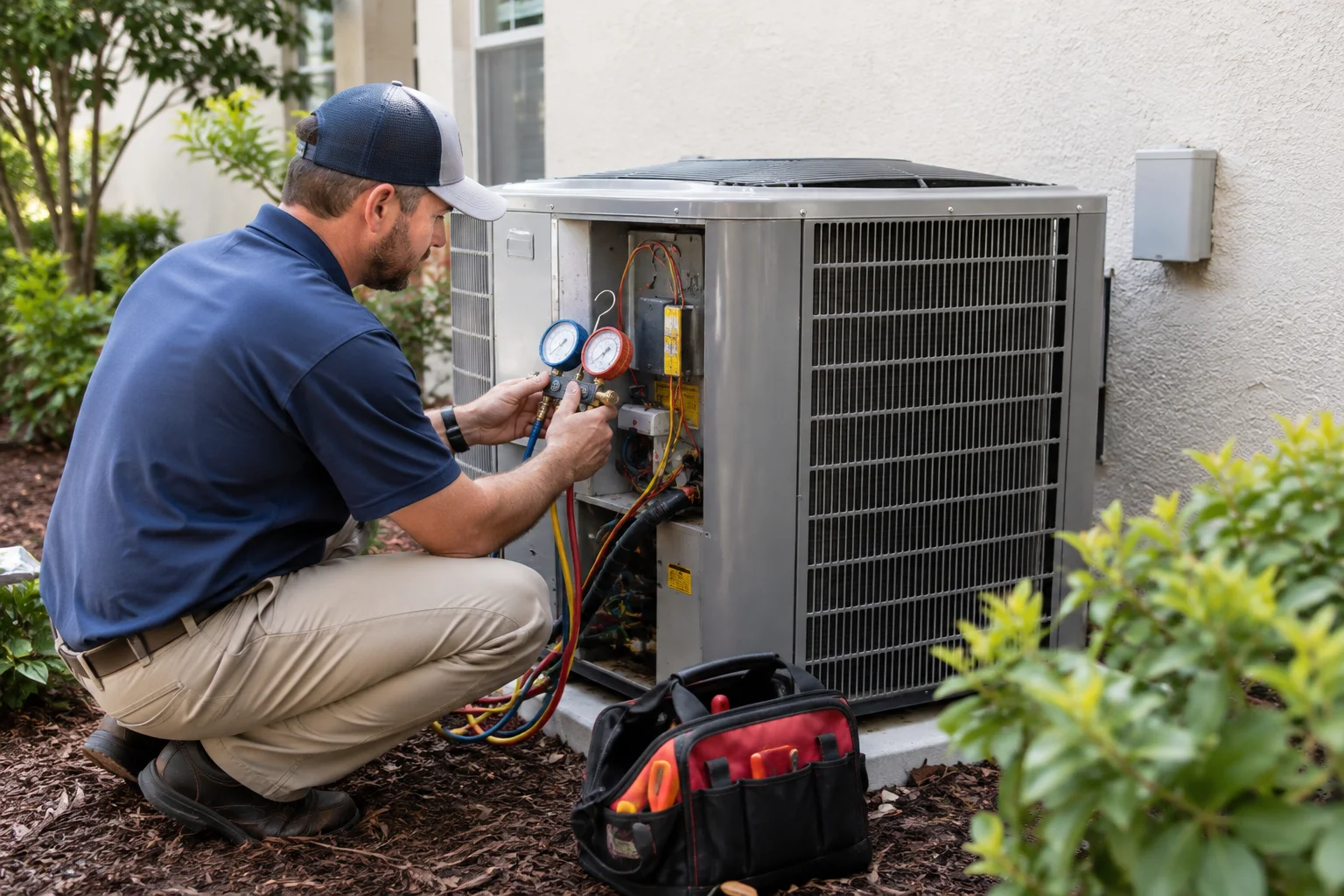
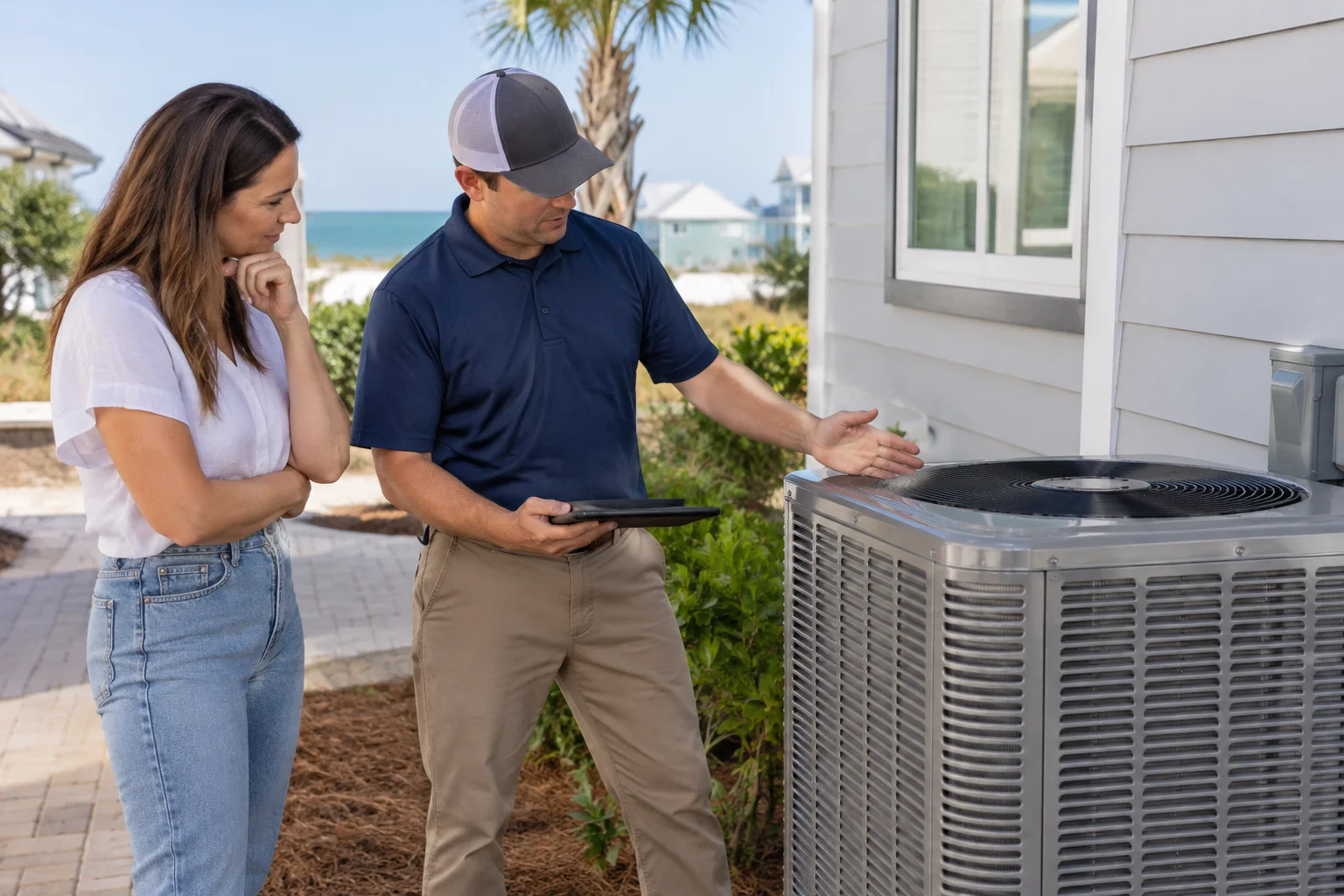
During a professional air conditioning inspection in WaterColor, a licensed HVAC contractor can help you:
- Identify which comfort issues are tied to humidity, temperature, or airflow.
- Understand whether ductwork performance is a contributing factor.
- Develop an AC repair plan that addresses the most relevant issues first.
- Consider whether your current approach to humidity control is sufficient for coastal conditions.
- Discuss longer-term options if the system is nearing the point where replacement may be worth evaluating.
If you are searching for licensed HVAC contractor near me, choose a team that treats the inspection as a diagnostic process. That mindset matters for planning, especially when you are trying to avoid a mid-summer breakdown.
Preventive maintenance that matches WaterColor’s climate
Preventive HVAC maintenance is not a generic checklist. In WaterColor, it should account for heat, humidity, and the way salt air can affect system components. Regular maintenance can help keep airflow steady, moisture removal consistent, and energy use more predictable.
Maintenance areas homeowners should ask about
- Airflow and filtration: Correct airflow supports both cooling comfort and humidity control.
- Condensate drainage: Keeping the drainage path clear helps manage moisture and indoor air quality.
- Coil and system cleanliness: Coastal conditions can increase buildup and strain performance.
- Thermostat checks: Verifying proper operation helps prevent incorrect cycling patterns.
- Ductwork condition: Seals and airflow pathways affect efficiency and comfort.
If you want a maintenance approach that reduces the chance of needing an emergency call, review Keeping WaterColor Homes Comfortable Without the Emergency Call. It aligns with how inspections and maintenance work together to keep cooling stable during peak humidity.
Special note for ductless and multi-zone systems
Some WaterColor homes use ductless mini split installation for zoning flexibility. Others use multi-zone systems. These setups can be efficient when installed and maintained correctly, but they still depend on proper airflow, correct thermostat control, and consistent moisture management.
If you have a ductless system or a multi-zone setup, include it in your inspection request. Homeowners searching for ductless mini split installation near me often also need ongoing inspection and maintenance to keep comfort and humidity stable. And if your home uses multi-zone technology, you can explore VRF multi-zone systems for a better understanding of how these systems are evaluated.
When to call for an inspection instead of waiting
Waiting can be tempting when the system still cools “somewhat.” But heat and humidity can turn small issues into larger problems. Call for an inspection when you notice any of the following:
- Humidity feels worse even though the temperature setting is unchanged.
- Hot spots appear or spread room to room.
- The system cycles rapidly or runs unusually long.
- Musty odors show up when cooling starts.
- You see water where it should not be near the indoor unit.
- Energy use rises while comfort declines.
- Strange noises or repeated system alerts persist.
For homeowners who are comparing options for air conditioner service near me or HVAC maintenance near me, an inspection is the practical middle step between “watch and wait” and “assume the worst.” It helps you plan AC repair and decide what to address now versus later.
How A Superior Mechanical connects warning signs to the right inspection
A Superior Mechanical provides professional air conditioning inspection services in WaterColor, FL for reliable cooling, better efficiency, and fewer breakdowns. Because WaterColor homes face a unique mix of heat, humidity, and coastal conditions, inspections should focus on the system’s ability to move air, remove moisture, and maintain comfort across the home.
If you are dealing with heat and humidity comfort problems, start with a detailed inspection. You can schedule through this WaterColor air conditioning inspection service page, or browse the broader service area options on the WaterColor page and Walton County coverage.
If your home is showing early cooling clues, you may also find helpful comfort and inspection context in Seagrove Beach Comfort Clues That Point to a Better Air Conditioning Inspection, which covers similar coastal comfort patterns.
When Florida’s humidity is high, comfort should not depend on luck. A connected, professional inspection helps you manage heat and humidity, plan the right repairs, and keep your cooling system ready for the season.
Find Air Conditioning Inspection in WaterColor, FL
If you need Air Conditioning Inspection in WaterColor, FL, visit our local service page or contact A Superior Mechanical today.
Map of WaterColor, FL
Frequently Asked Questions
What does an air conditioning inspection in WaterColor usually focus on?
An inspection typically focuses on cooling performance, airflow, humidity control, thermostat operation, and condensate drainage. The goal is to connect comfort complaints like warm rooms or sticky air to the system conditions that cause them.
Can high humidity be caused by something other than the air conditioner?
Yes. Ductwork airflow issues, thermostat control problems, and restricted returns can reduce moisture removal even if the system runs. Your inspection should also consider how air moves through your home and whether ventilation and air distribution are supporting comfort.
Should I run the AC differently while I wait for an inspection?
It is usually best to keep settings consistent and avoid drastic temperature swings. If you notice water near the unit, strong musty odors, or the system is failing to cool, do not delay. Schedule the inspection so the technician can evaluate conditions in person.
Will an inspection diagnose refrigerant or electrical problems?
A professional inspection can evaluate system performance and identify likely causes, but any refrigerant or electrical-related concerns should be confirmed on site. A technician will not assume the cause without checking the system and its operating conditions.
How does ductwork affect comfort and humidity?
Ductwork affects both airflow and how effectively the system can cool and dehumidify. Leaks, restrictions, or poor sealing can lead to uneven temperatures, longer run times, and less moisture removal, which makes the air feel sticky.
Related Articles
- Why Commercial HVAC Systems Struggle in WaterColor Homes and How to Stay Ahead of It
- Why WaterColor Homes Benefit from Better Duct Sealing and Aeroseal Care
- Keeping WaterColor Homes Comfortable Without the Emergency Call
- Seagrove Beach Comfort Clues That Point to a Better Air Conditioning Inspection
Photo Gallery