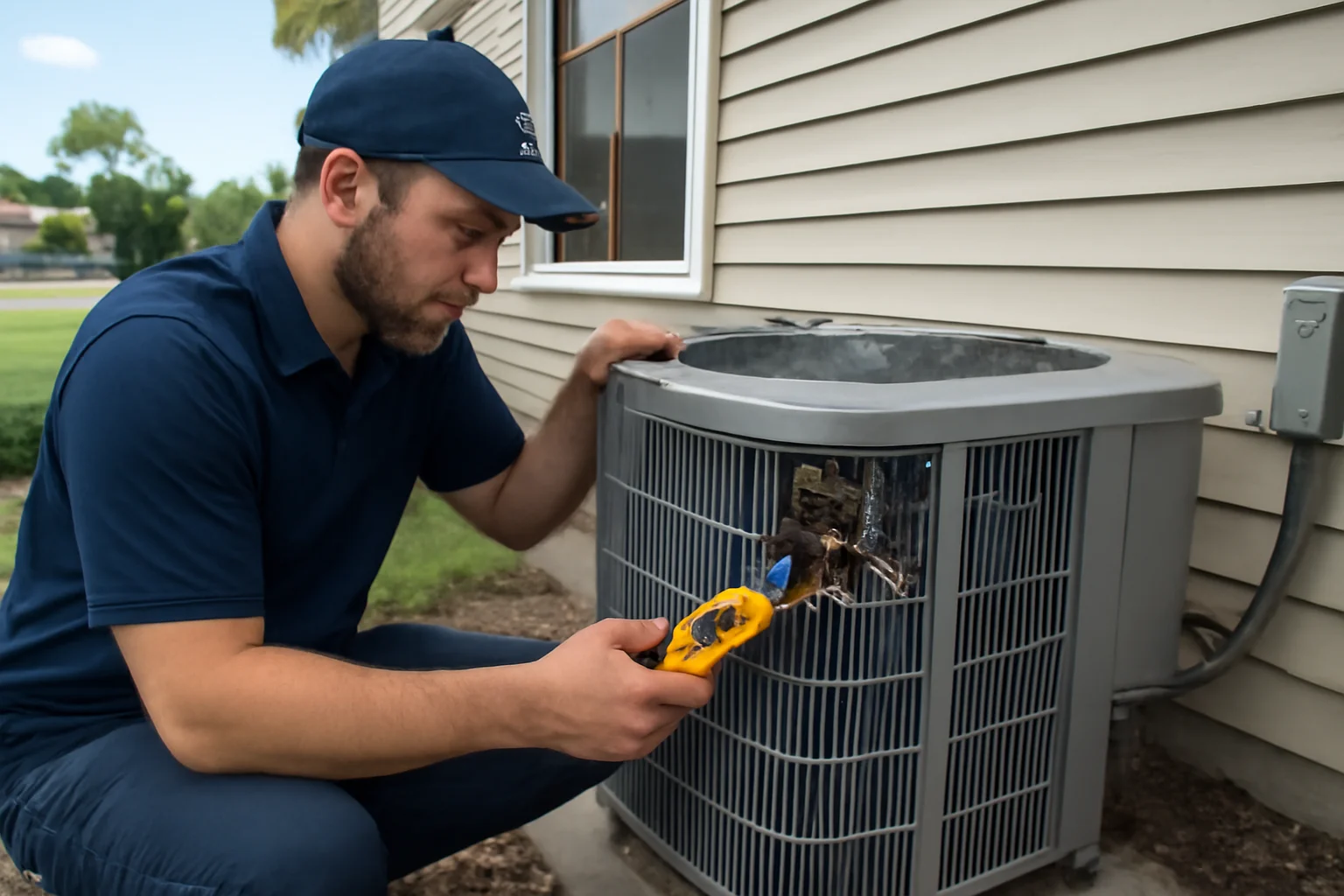
Lower Grand Lagoon, FL is a place where comfort depends on more than temperature. With Florida heat, high humidity, and salt air from the coast, geothermal systems rely on steady HVAC performance to move heat where it belongs. When the HVAC side of a geothermal setup starts to wear, the system can still run, but it often works harder, struggles with humidity, and uses more energy than homeowners expect.
This post connects HVAC wear and tear to geothermal energy performance for homeowners in Lower Grand Lagoon. You will also see practical signs, common causes, and preventive steps that support efficient comfort during summer and shoulder-season conditions.
Why geothermal in Lower Grand Lagoon depends on the HVAC system
Geothermal comfort is not only about underground loops. In most geothermal home comfort setups, the HVAC components inside your house determine how effectively energy is delivered. That includes the heat pump unit, refrigerant system performance, blower operation, ductwork airflow, thermostat control, and condensate drainage.
In Lower Grand Lagoon, the HVAC workload is amplified by coastal climate realities. Warm, humid air increases the need for dehumidification. Salt air can accelerate corrosion on exposed components. Meanwhile, Florida summers and frequent humidity swings make airflow and control accuracy critical.
If HVAC components degrade, the geothermal system may not be able to transfer heat efficiently, even if the ground loop is functioning. The result can be higher energy use, uneven temperatures, and indoor air quality problems that feel like “the geothermal system is broken,” when the real issue is wear in the HVAC chain.
HVAC wear and tear that affects geothermal energy use
1) Restricted airflow from dirty filters or failing blowers
Airflow problems are one of the most common causes of geothermal performance issues in humid Florida climates. When filters clog, return air pathways get blocked, or the blower motor loses efficiency, the system has to work longer to reach setpoints.
With geothermal heat pump systems, airflow influences both comfort and energy use because it determines how heat is moved across the indoor coil. Poor airflow can also reduce latent moisture removal, leading to higher indoor humidity. In a coastal Bay County home, that can mean sticky rooms, more condensation risk, and a higher chance of musty odors.
Homeowners often notice:
- Warm spots that linger even after the thermostat calls for cooling
- Weak airflow from vents
- Rooms that feel muggy even when the temperature seems “okay”
- Increased cycling or longer run times
These are good reasons to schedule air conditioning service or a broader HVAC contractor near me inspection that includes ductwork and airflow checks.
2) Ductwork leakage and poor sealing
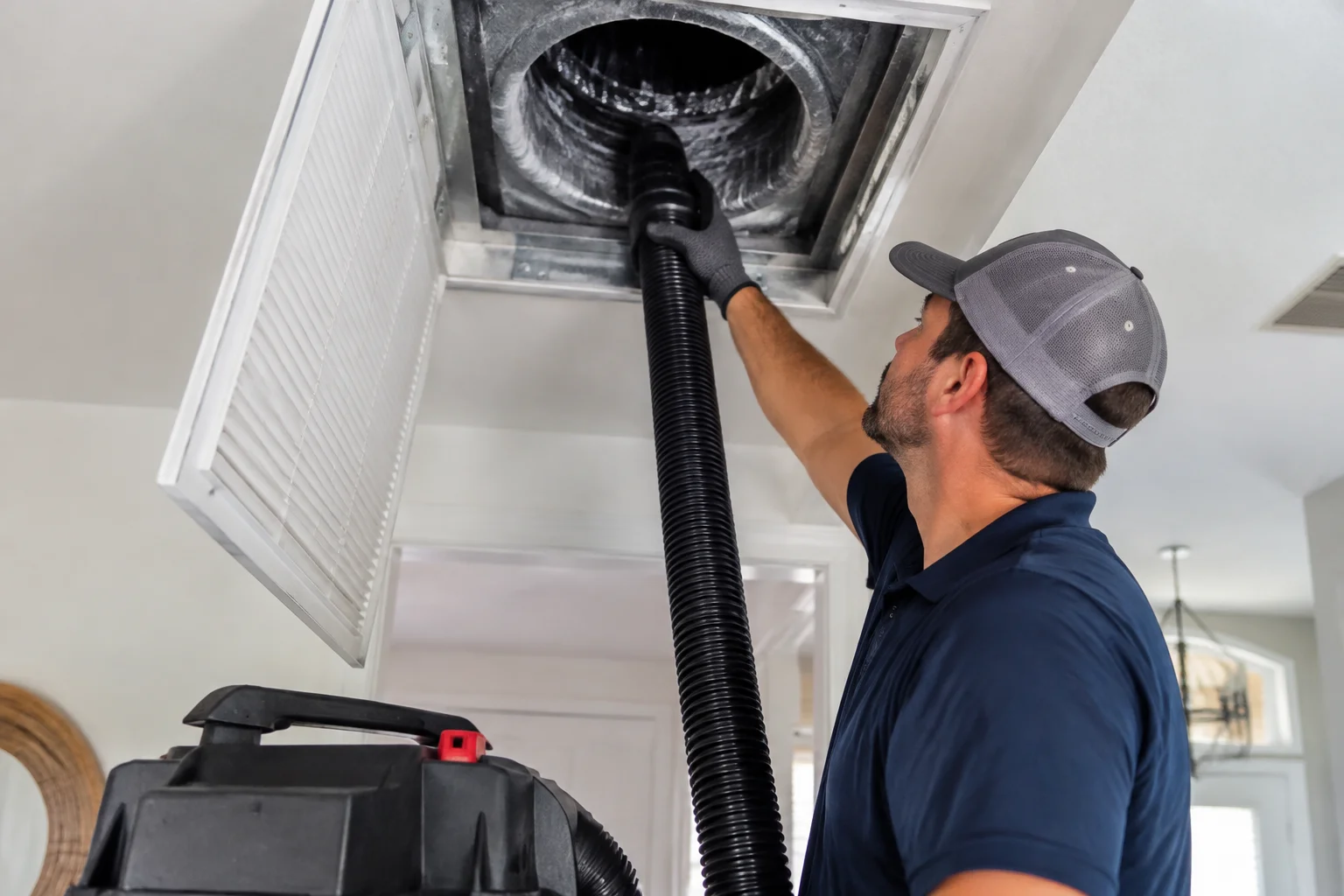
Even when geothermal equipment operates correctly, ductwork problems can steal the benefits of efficient energy transfer. Leaky ducts, disconnected sections, or poorly sealed joints can cause conditioned air to escape before it reaches rooms.
In Lower Grand Lagoon, where humidity control matters, leaky ductwork can also move moisture-laden air through unintended pathways. That can affect indoor air quality and increase the load on the cooling side of the system.
If you have uneven comfort, you may benefit from duct inspection near me services that look at airflow balance and duct sealing. For related guidance, see How Lower Grand Lagoon Homes Stay Comfortable with Better Duct Sealing and Aeroseal.
3) Condensate drainage issues and moisture buildup
Cooling in Florida is as much about removing moisture as it is about lowering the thermostat number. Geothermal heat pumps still produce condensate during cooling and sometimes in shoulder-season humidity conditions. If condensate drainage is slow, partially blocked, or the drain pan is not draining properly, moisture can accumulate around the indoor coil and in nearby areas.
Wear and tear can show up as:
- Water pooling near the unit or in the drain pan area
- Musty smells that appear during humid weeks
- Higher indoor humidity and clammy comfort
- Signs of dampness near supply registers or nearby ceilings
Condensate drainage problems can also contribute to indoor air quality concerns by supporting microbial growth. A professional HVAC technician can inspect condensate lines, verify proper drainage, and evaluate how airflow and humidity control are working together.
4) Refrigerant system wear symptoms homeowners can feel, not diagnose
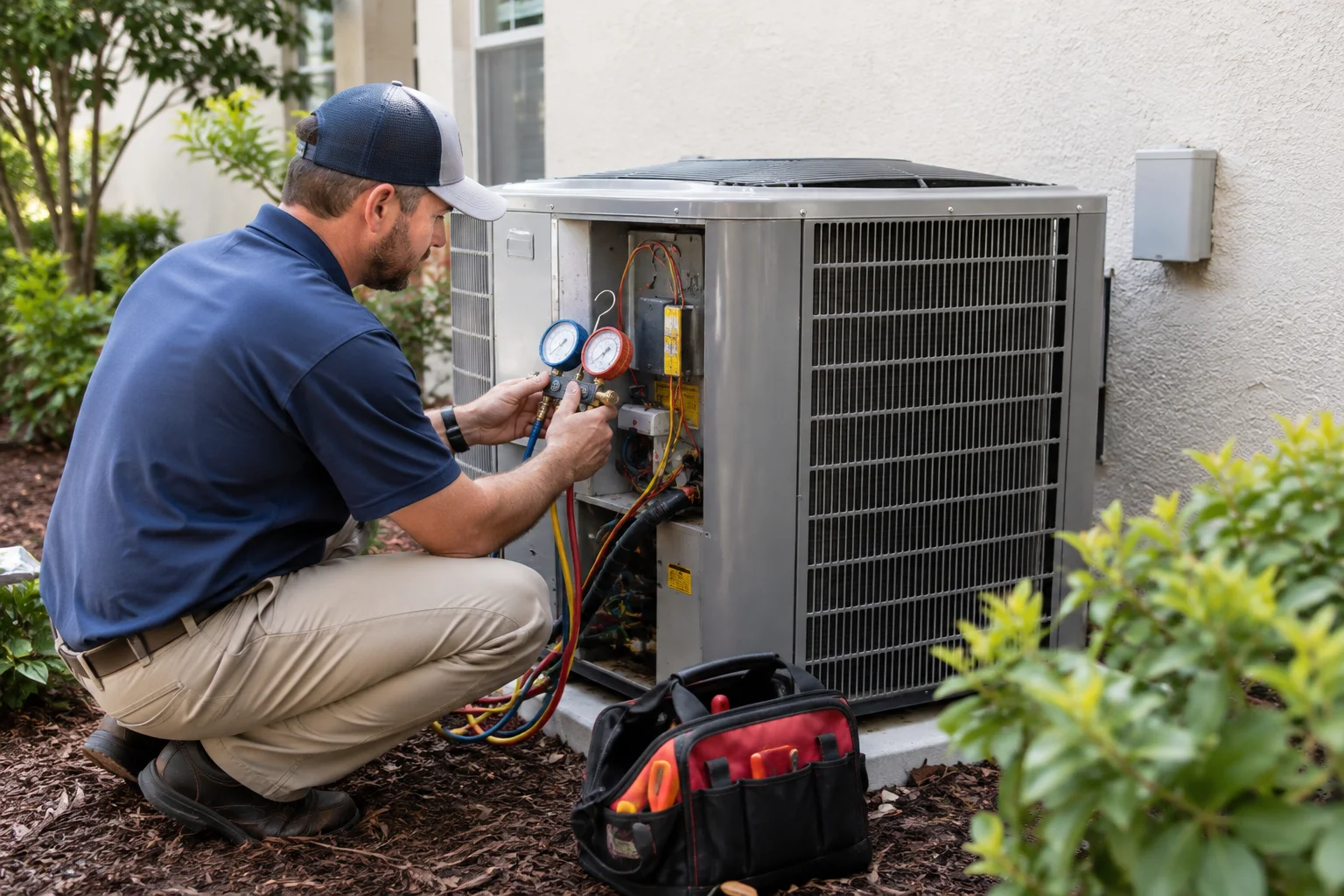
Geothermal systems use a refrigerant system to move heat between the indoor unit and the ground loop. Over time, components can wear, seals can age, and system performance can drift. Homeowners should be cautious here: it is not appropriate to diagnose refrigerant issues from home observations alone, and it is not safe to attempt refrigerant adjustments without an in-person professional evaluation.
Still, wear-related refrigerant performance issues can present as:
- Cooling that feels weak or inconsistent
- Indoor coil icing or frost patterns (when airflow and controls do not match)
- Frequent short cycling
- Unusual noises from the unit
If you notice these symptoms, contact an air conditioner service near me or HVAC repair near me professional for a full system inspection. A technician can check airflow, thermostat operation, coil conditions, and refrigerant system performance as part of a complete evaluation.
5) Thermostat drift and control problems
Thermostats do more than turn the system on and off. In geothermal comfort, control accuracy affects run time, staging behavior (when applicable), and humidity management. A worn thermostat, loose wiring, incorrect sensor location, or outdated settings can cause the HVAC system to run longer than needed or not run long enough to manage humidity.
Common signs include:
- Temperature setpoints that do not match actual comfort
- Frequent on-off cycling
- Comfort issues that do not improve after basic filter changes
- Humidity that stays high despite cooling calls
If you are considering upgrades, ask about heating control systems and thermostat installation near me options. Proper control settings can help geothermal energy transfer work as intended.
6) Salt air corrosion and outdoor component wear
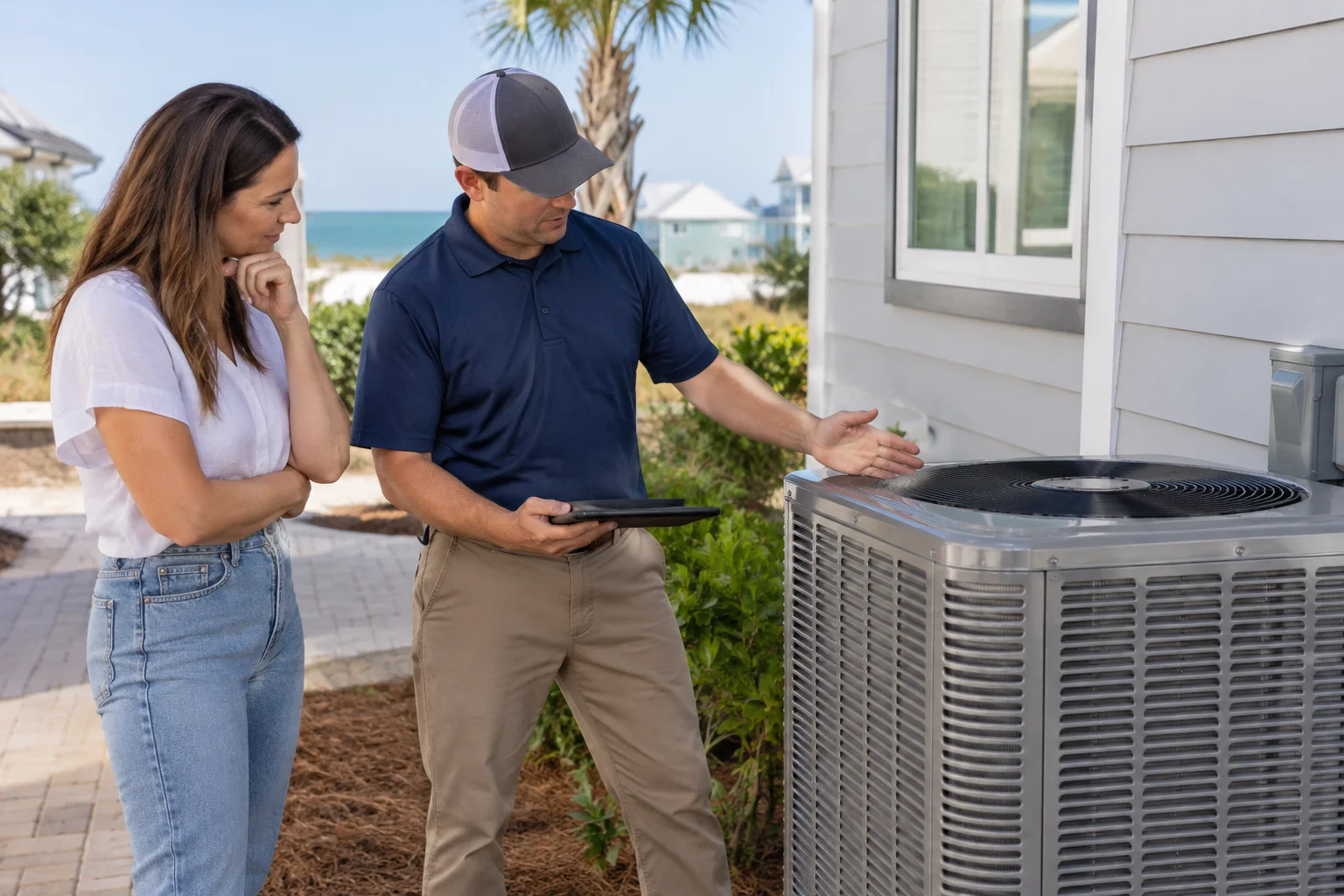
Lower Grand Lagoon homes can be affected by coastal conditions. Salt air can accelerate corrosion on certain HVAC components, especially where metal surfaces are exposed to humid, salty air. Even if your geothermal system is primarily indoor, parts of the system may still be influenced by outdoor conditions, airflow paths, and condensate handling.
Corrosion can lead to:
- Reduced efficiency and increased resistance in airflow paths
- Higher likelihood of component failures over time
- Unreliable operation during humid summer weeks
That is why preventive HVAC maintenance matters in coastal Florida. Scheduled inspections can catch early deterioration before it becomes a comfort emergency.
How wear shows up in real homeowner symptoms
Geothermal systems are designed for efficiency, but wear in HVAC components can cause symptoms that feel like “the energy part stopped working.” Homeowners in Lower Grand Lagoon typically report a few patterns.
Uneven temperatures across rooms
Uneven comfort often points to airflow restrictions, ductwork leakage, or thermostat placement issues. When the system cannot distribute conditioned air effectively, the geothermal heat pump may run longer, increasing energy use.
Humidity that stays high even with cooling
In Florida heat and humidity, geothermal performance depends heavily on proper airflow across the indoor coil and effective condensate drainage. If humidity remains high, the system may not be removing moisture as well as it should. This can also affect indoor air quality by increasing the conditions that support odors and allergens.
Higher energy bills during summer
Wear and tear can turn efficient comfort into constant effort. When airflow is restricted, controls drift, or coils are not transferring heat properly, the system may run longer to achieve the same comfort. Homeowners sometimes interpret this as a geothermal energy problem, but it can originate from the HVAC side.
Strange noises, repeated cycling, or weak airflow
These symptoms suggest that the system is not operating smoothly. They can be caused by multiple issues, including blower wear, control problems, or refrigerant system performance challenges. A thorough HVAC inspection is the safest path to the right fix.
Preventive HVAC maintenance that protects geothermal efficiency
Preventive maintenance is where homeowners can most directly influence how well geothermal energy translates into comfortable, efficient indoor conditions. In Lower Grand Lagoon, a maintenance plan should address both comfort performance and humidity control.
Replace filters and verify airflow pathways
Dirty filters are a simple wear factor with outsized impact. Homeowners can check and replace filters regularly, but a professional can also verify whether airflow is actually meeting the system’s needs. If airflow is low, the system may struggle with both temperature control and dehumidification.
Inspect ductwork and consider duct sealing when needed
Duct inspection near me services can identify leaks, poor balancing, or areas where airflow is not reaching intended rooms. Better distribution supports geothermal efficiency and improves indoor air quality by reducing the chance that humid air is pulled into unintended spaces.
Check condensate drainage and drain pan condition
During humid Florida stretches, condensate drainage needs to be clear and operating correctly. Preventive checks help reduce moisture buildup and the indoor air quality problems that come with it.
Review thermostat operation and sensor placement
Thermostat settings and sensor placement can influence humidity control and comfort consistency. A professional HVAC technician can help confirm that thermostat installation and operation match your home’s airflow and usage patterns.
Inspect refrigerant system performance as part of a full evaluation
Because geothermal performance depends on the refrigerant system, technicians should evaluate the system during maintenance visits. Homeowners should not attempt refrigerant diagnosis or adjustments themselves. An in-person assessment can help determine whether the issue is related to airflow, controls, coil conditions, condensate drainage, or refrigerant system performance.
When to call A Superior Mechanical in Lower Grand Lagoon
Geothermal comfort is not something to “wait out,” especially during Florida heat and humidity. If your HVAC system is showing persistent symptoms, professional evaluation can prevent small wear issues from escalating into major comfort and energy concerns.
Call for HVAC repair near me or a geothermal-focused inspection if you notice:
- Cooling that is weak or inconsistent
- Humidity that does not improve during cooling cycles
- Water leaks, dampness, or musty odors
- Repeated short cycling or unusual noises
- Sudden comfort changes after seasonal transitions
For urgent comfort issues, use Emergency HVAC Services. In humid coastal weather, emergency cooling concerns can become serious quickly for people, pets, and indoor possessions.
Geothermal energy support you can plan around
Homeowners often want geothermal energy benefits that feel predictable. HVAC wear and tear can interrupt that predictability, but a maintenance rhythm helps. If you are planning upgrades or managing comfort across seasons, it can also help to understand how HVAC decisions affect energy use and humidity.
If you are thinking about system planning, comfort control, or budgeting for HVAC work, you may find this helpful: A Local Homeowner’s Guide to HVAC Financing in Lower Grand Lagoon, FL: Comfort, Airflow, Humidity, and Prevention.
If your home’s comfort challenges seem tied to moisture, whole-home dehumidification and HVAC maintenance can also matter. See Why Better HVAC Maintenance Matters for Whole Home Dehumidifiers in Sandestin for additional humidity-focused context.
Professional geothermal HVAC service matters in Bay County
Geothermal systems are efficient when every part of the HVAC chain performs correctly: airflow must be right, condensate drainage must be clear, thermostats must control accurately, and the refrigerant system must function as intended. Wear and tear can disrupt any link, and the symptoms can overlap, which is why troubleshooting without an in-person inspection can be misleading.
A Superior Mechanical provides geothermal HVAC services in Lower Grand Lagoon, FL. You can explore our geothermal energy service details here: /service-areas/bay-county/lower-grand-lagoon/geothermal-energy-lglbc. For broader service coverage in the area, visit /service-areas/bay-county/lower-grand-lagoon and, when relevant, /service-areas/bay-county.
Lower Grand Lagoon homeowners deserve comfort that holds steady through Florida heat, humidity, and salt air. With preventive HVAC maintenance, timely air conditioning service, and proper geothermal HVAC troubleshooting, you can protect both comfort and the energy value geothermal was chosen for.
If you are comparing options for improving comfort, you might also review Air Conditioning Installation alongside geothermal planning, especially when your home needs a system update to support airflow and indoor air quality goals.
Find Geothermal Energy in Lower Grand Lagoon, FL
If you need Geothermal Energy in Lower Grand Lagoon, FL, visit our local service page or contact A Superior Mechanical today.
Map of Lower Grand Lagoon, FL
Frequently Asked Questions
Can HVAC wear and tear make my geothermal system use more energy?
Yes. Problems like restricted airflow, ductwork leakage, control drift, or condensate drainage issues can cause the geothermal heat pump to run longer to reach comfort goals, increasing energy use.
What are early signs that airflow or ductwork is affecting geothermal comfort in Lower Grand Lagoon?
Look for weak airflow at vents, uneven temperatures, rooms that stay muggy during cooling, and comfort that does not improve after basic filter changes. A duct inspection can confirm whether airflow distribution is the issue.
Is it safe for homeowners to check or adjust refrigerant for geothermal performance?
No. Refrigerant diagnosis and adjustments require an in-person evaluation by a qualified HVAC technician. Homeowners should focus on observable symptoms and schedule service rather than attempting refrigerant work.
How does humidity control connect to geothermal HVAC maintenance?
Humidity control depends on proper airflow across the indoor coil, accurate thermostat operation, and clear condensate drainage. Preventive HVAC maintenance helps keep these parts working together for drier, more comfortable indoor air.
When should I call for emergency cooling help in Bay County?
If your geothermal system fails to cool during extreme Florida heat, you notice water leaks, or you have repeated cycling or unusual operation that leaves your home uncomfortable, contact emergency HVAC services so the issue can be evaluated promptly.
Related Articles
- A Local Homeowner’s Guide to HVAC Financing in Lower Grand Lagoon, FL: Comfort, Airflow, Humidity, and Prevention
- How Lower Grand Lagoon Homes Stay Comfortable with Better Duct Sealing and Aeroseal
- Smart HVAC Planning for Rosemary Beach Homes: Comfort, Airflow, and Coastal Protection
- Why Better HVAC Maintenance Matters for Whole Home Dehumidifiers in Sandestin
Photo Gallery