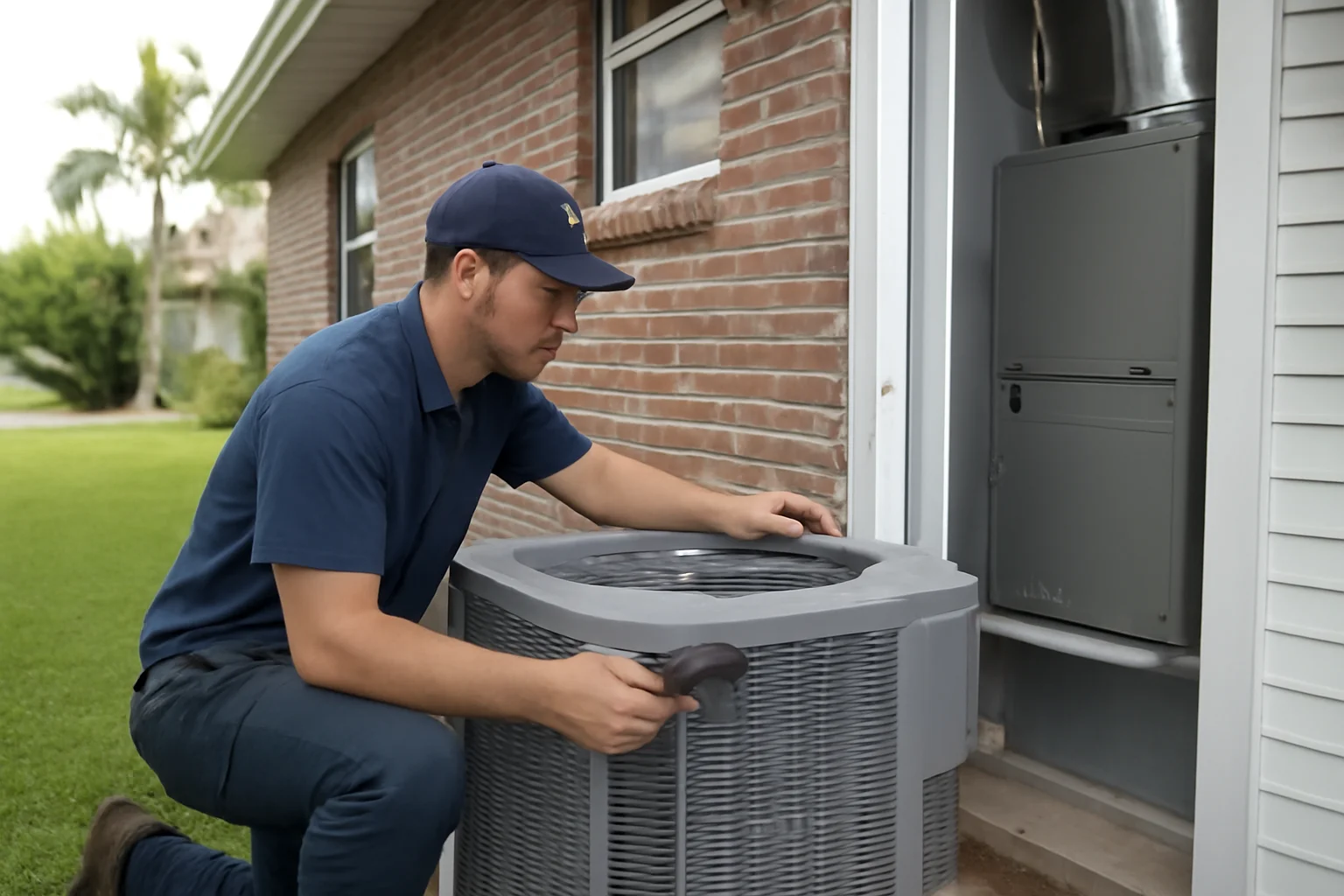
Callaway, FL businesses rely on steady comfort and dependable cooling, especially when Florida heat and humidity peak. But commercial HVAC performance is not just about picking equipment and turning it on. Over time, HVAC wear and tear changes how systems behave, how well they install, and how consistently they can deliver airflow, humidity control, and indoor air quality.
If you are planning commercial HVAC installation in Callaway, understanding how wear impacts the job can help you avoid common installation pitfalls and set up your new system for long-term stability. This guide explains what typically wears out, how it affects installation outcomes, and how preventive HVAC maintenance supports smarter system performance in Bay County.
Wear and tear is not one problem, it is a chain reaction
Commercial HVAC systems often run for long hours, cycle through seasonal demand, and face constant indoor and outdoor stress. In Callaway, the environment adds its own workload. Humidity pushes the system to manage moisture, while salt air exposure near the coast can accelerate corrosion on certain metal components. Dust and pollen can accumulate in ductwork and on filters. When these factors combine with age and heavy use, the system’s performance can drift.
That drift matters during installation because a new refrigerant system, thermostat control, and ductwork design all depend on the starting conditions. If existing airflow restrictions, condensate drainage issues, or duct leaks are ignored, the new system may work harder than intended. The result can be higher energy use, uneven temperatures, comfort complaints, and more frequent service calls.
How Florida heat and humidity affect commercial HVAC installation
Florida summers are not just hot, they are humid. That humidity increases latent load, meaning the system must remove moisture from indoor air while also cooling it. As wear and tear accumulates, moisture handling can weaken. During installation, that can change how contractors size and balance the system, and how they test performance.
Common humidity-related wear patterns include:
Coil fouling and reduced heat transfer. Dust and biofilm can build up on coils. Even a well-designed install can struggle if coils cannot transfer heat effectively.
Damper and control drift. Older controls may not respond as accurately. That can lead to improper airflow and inconsistent humidity control.
Condensate drainage stress. When condensate drainage pathways are partially blocked or sloped incorrectly, moisture can back up. Wear can make small problems worse.
If you are comparing HVAC installation near me options, ask how the contractor accounts for humidity control during system design and commissioning. A strong commercial HVAC service process should include airflow verification, moisture management checks, and indoor air quality considerations.
Airflow problems often start before the “new install” begins
One of the biggest ways wear and tear impacts commercial HVAC installation is through airflow. Airflow is the link between the outdoor unit, the indoor equipment, and the ductwork. When airflow is restricted, the system can cool less effectively, run longer, and cycle in ways that increase wear.
In Callaway businesses, airflow issues commonly show up as:
Uneven temperatures between offices, retail spaces, and restaurant areas.
Hot spots near supply vents and weak delivery in other zones.
Increased dust or smell complaints tied to poor air distribution and filtration.
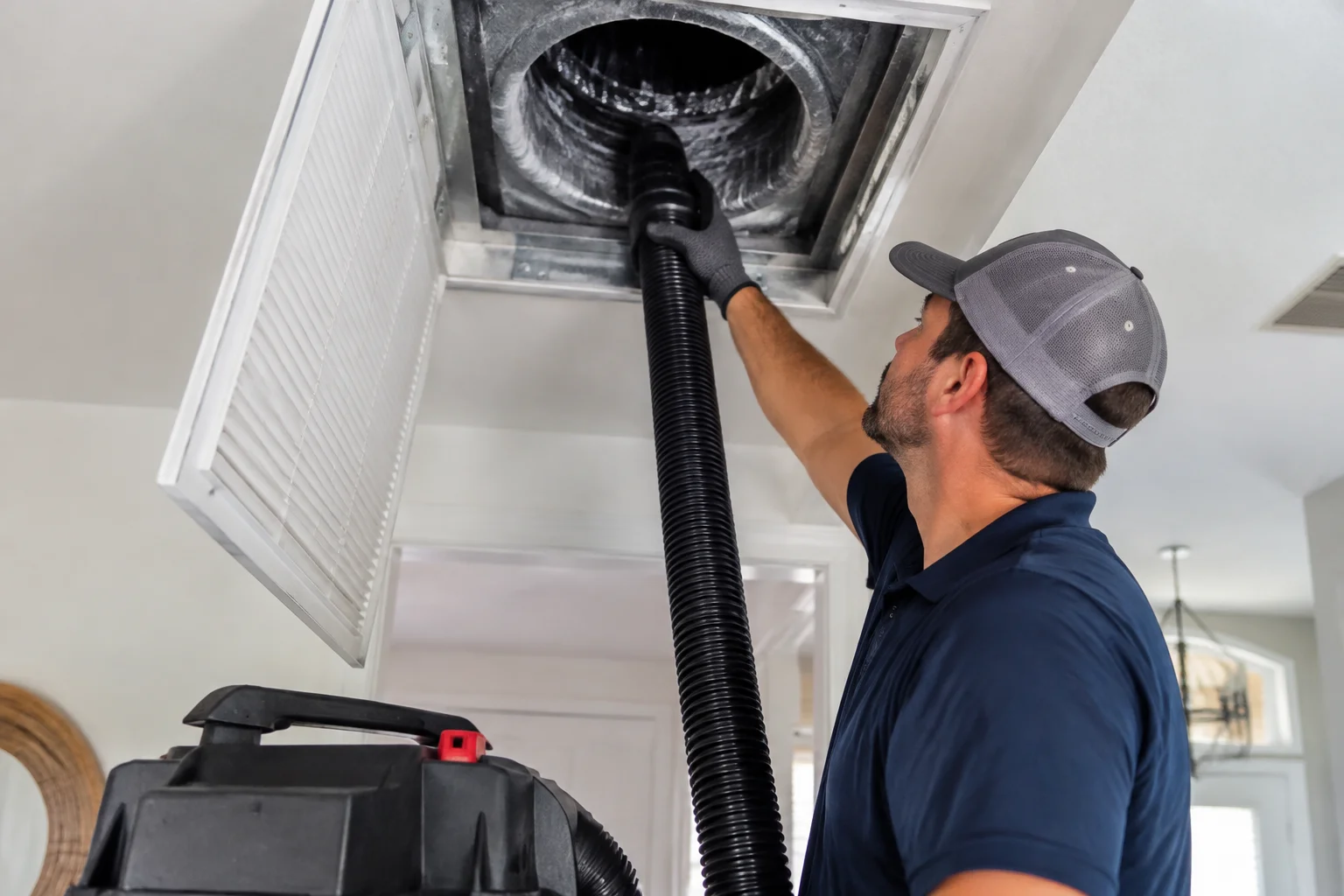
Wear and tear can contribute through clogged filters, duct leakage, damaged duct sections, and imbalanced dampers. That is why ductwork evaluation matters. If your team is searching for duct cleaning near me or considering duct sealing, it helps to address duct health as part of the installation planning, not as an afterthought.
For a deeper look at how ductwork stress shows up locally, see Why Duct Inspection Matters More in Callaway Homes Facing Seasonal HVAC Stress. While that article focuses on residential systems, the same airflow principles apply to commercial comfort.
Condensate drainage and moisture control can make or break performance
During cooling, condensate forms when moisture in indoor air contacts cold coil surfaces. Condensate drainage is designed to remove that water safely and consistently. Wear and tear can compromise drainage pathways over time, such as when:
Drain lines become partially blocked from algae, scale, or debris.
Improper pitch develops or is revealed during renovation and equipment changes.
Drain pan issues lead to slow draining or overflow risk.
When drainage is not functioning correctly, moisture can affect indoor air quality and create conditions for microbial growth. Even if the new system cools, it may not provide the humidity control your business needs. During installation, contractors should inspect condensate drainage components and verify proper operation as part of commissioning. This is also where indoor air quality and comfort overlap.
Refrigerant systems are sensitive to installation conditions
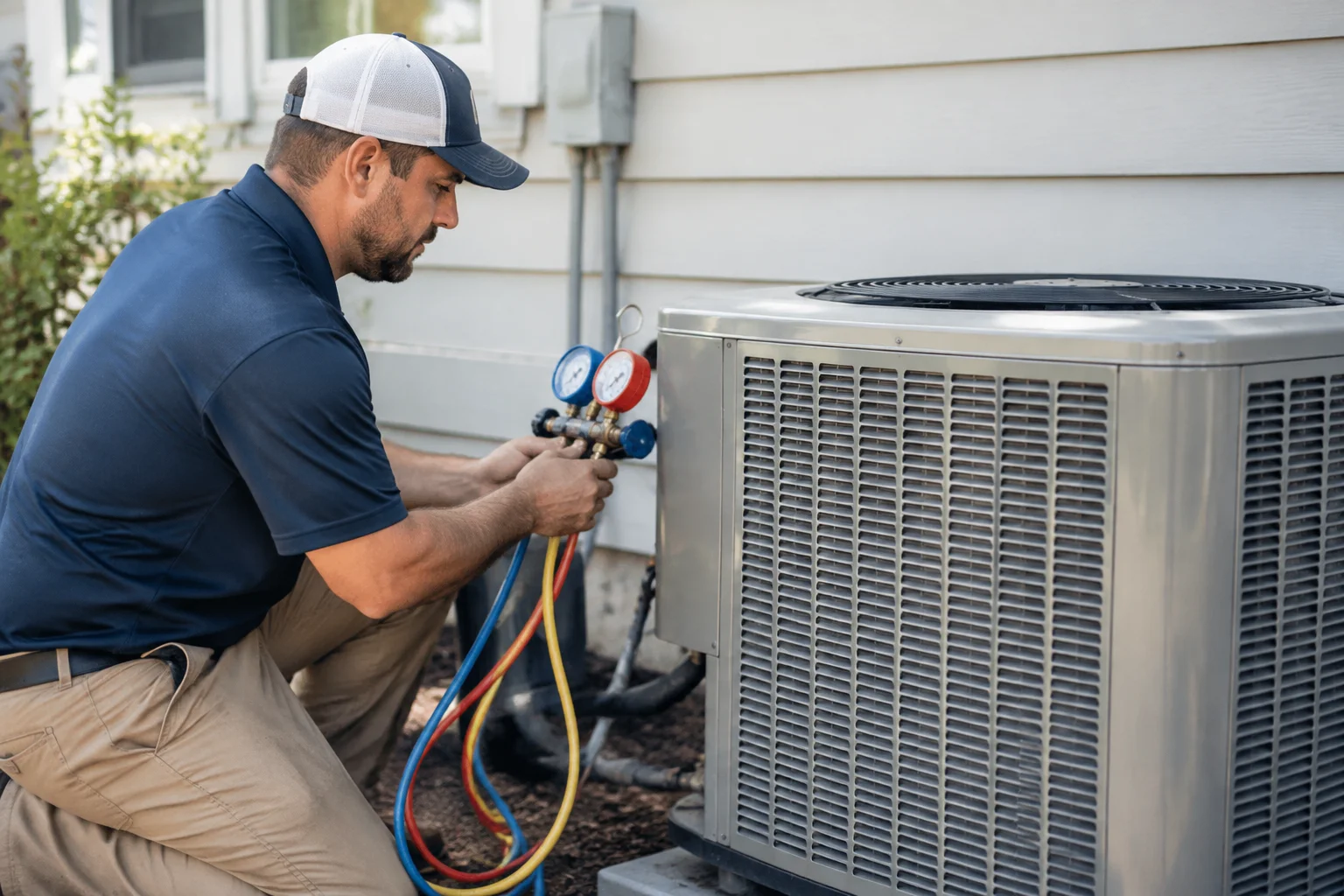
Commercial refrigerant systems depend on correct airflow, proper component matching, and correct system setup. Wear and tear in the existing system can leave behind issues that affect installation performance, including contamination, restricted airflow paths, and inconsistent operation patterns.
It is important to note: refrigerant system diagnosis and adjustments should be handled by an in-person professional. Homeowners and business managers should not attempt DIY checks. If you are dealing with symptoms such as persistent cooling problems, unusual noises, or repeated shutdowns, the right approach is a professional assessment before and during installation planning.
A Superior Mechanical focuses on commercial HVAC installation in Callaway with custom system design and expert equipment selection. That process should include reviewing existing conditions and confirming that the installation supports the refrigerant system’s operating needs, rather than assuming the new equipment alone will “fix everything.”
Thermostats and controls: wear can change how the system actually runs
Thermostats and building controls can wear out or become less responsive over time. In commercial settings, that can mean:
Schedules that no longer match occupancy patterns.
Temperature sensors drifting out of calibration.
Control sequences that do not coordinate with humidity needs.
During new installation, control integration matters. If your building uses zoning, variable comfort needs, or specific operating schedules, the thermostat and control strategy should be designed to support consistent comfort and energy use. A well-installed thermostat setup can help reduce unnecessary run time during low occupancy. On the other hand, poor control setup can cause short cycling and uneven temperatures, which can increase wear on compressors and fans.
Ductwork wear affects comfort, energy use, and indoor air quality
Ductwork is often treated as “existing infrastructure,” but in humid Florida conditions, duct performance can drift. Leaks can allow conditioned air to escape before it reaches the space, while poor insulation can reduce the ability to maintain desired supply temperatures. Dust buildup can also reduce airflow and affect indoor air quality.
Wear and tear related duct issues that commonly impact installation outcomes include:
Cracks or loose connections that develop over time.
Accumulated debris that reduces airflow and increases strain on the system.
Airflow imbalance caused by aging dampers or duct routing changes.
If you are considering duct improvements, you may also want to explore Duct Sealing & Aeroseal Services. Duct sealing can help address leakage, which supports stable airflow and more reliable comfort after installation. For businesses focused on air quality, it is also wise to discuss filtration and air cleaning options with your HVAC company.
Corrosion from salt air and moisture can shorten component life
Callaway is in Bay County, and many businesses deal with coastal influences. Salt air and persistent moisture can accelerate corrosion on outdoor components and metal fittings. Over time, that corrosion can contribute to:
Rougher operation of fans and motors
Degraded connections and mounting hardware
Faster wear on certain coil and cabinet components
During installation, corrosion history matters because it can affect how components fit, how securely they mount, and how well they perform under local conditions. A professional commercial HVAC installation contractor should consider site conditions and help you plan for long-term operation in a humid, coastal-influenced climate.
Signs wear and tear may affect your commercial HVAC installation
Homeowners are often familiar with residential AC problems, but commercial comfort issues can show up differently depending on occupancy, zoning, and building layout. Here are practical signs that wear and tear may be affecting your installation readiness.
Comfort and airflow symptoms
Rooms that never reach the set temperature, even when the system is running
Strong temperature swings between different parts of the building
Airflow that feels weaker from vents than expected
Moisture and indoor air quality concerns
Musty odors during humid weather
Visible condensation around indoor equipment or near ducts
Frequent complaints about dry eyes, throat irritation, or lingering odors
Operational and energy use red flags
Higher-than-normal energy use during peak cooling months
Frequent cycling on and off
Unusual noises from the indoor unit, outdoor unit, or duct system
If you are searching for air conditioner service near me or AC repair near me because comfort is inconsistent, ask the technician whether the root cause appears to be airflow, duct performance, moisture control, or control settings. That perspective helps you decide whether a system replacement is needed and what should be addressed in the installation plan.
Solutions that support smarter installation and smoother maintenance
Wear and tear changes the starting point. The best commercial HVAC installation approach accounts for those conditions so the new system can operate as intended.
Start with a full site and system assessment
A professional evaluation should look at the building layout, airflow paths, ductwork condition, thermostat and control setup, and condensate drainage. For businesses, it also helps to review occupancy patterns and how different spaces are used. This is the foundation for selecting an HVAC configuration that fits the building, not just the equipment catalog.
Address ductwork and airflow before commissioning
If ductwork is leaking or airflow is restricted, the new system can be forced to compensate. That can increase energy use and shorten equipment life. Duct inspection and, when appropriate, duct sealing or ductwork repairs can help stabilize airflow. For businesses facing seasonal HVAC stress, the same concept applies year after year.
You can also review How Callaway Homes Put HVAC Systems to the Test Over Time to understand how local weather and usage patterns contribute to performance drift. The details differ for commercial buildings, but the wear-and-tear story is similar.
Plan for indoor air quality and moisture control
Indoor air quality is not only about filters. Humidity control, airflow distribution, and condensate management all influence how comfortable and healthy the space feels. During installation, ask how the system design supports dehumidification and steady air movement. If your business requires specific air quality goals, discuss filtration and air cleaning options with your HVAC contractor.
Choose maintenance that matches commercial schedules
Preventive HVAC maintenance is one of the most effective ways to slow wear and tear. Regular service helps catch early issues with airflow, coil cleanliness, drainage, and control performance. It also reduces the chance that a small problem becomes an emergency cooling concern during peak heat.
For commercial customers, there is a dedicated option here: Commercial HVAC Maintenance.
When wear and tear turns into emergency cooling concerns
In Callaway, downtime can quickly become a business problem. When a system fails during peak conditions, it is not just uncomfortable. It can affect product storage, customer experience, and staff productivity.
Wear and tear can contribute to sudden failures through clogged components, failing controls, drainage issues, and airflow restrictions. If you see repeated performance problems, do not wait for a complete breakdown. Addressing the underlying cause is more reliable than reacting after the system stops.
For businesses preparing for replacement or upgrades, it can also help to review how financing decisions affect maintenance planning. See Understanding HVAC Financing in Callaway, which includes practical guidance that translates well to commercial planning as well.
How to decide between repair, upgrade, and new commercial HVAC installation
Not every problem requires a full replacement. Sometimes wear and tear can be managed through repairs, preventive maintenance, or targeted ductwork improvements. Other times, replacement is the better long-term path because the system’s performance has drifted beyond what maintenance can realistically restore.
For a safe and accurate decision, an in-person professional evaluation is key. A contractor should review operational history, comfort complaints, indoor air quality concerns, and the condition of the ductwork and condensate drainage pathways. If you are comparing quotes for HVAC replacement near me or AC replacement estimate near me, be sure the scope includes more than equipment. The installation plan should address airflow, ductwork, controls, and moisture management.
Related installation options: heat pumps and ductless systems for some buildings
Some commercial spaces in Bay County may benefit from heat pump solutions or ductless mini split installation, especially where zoning and targeted comfort are important. If your building’s layout makes duct distribution difficult, discussing Heat Pump Services or ductless mini split installation near me options can be part of the conversation.
Even then, wear and tear lessons still apply. The indoor air handling, airflow delivery, and moisture control needs remain central. A good contractor will assess how the system will manage humidity and how the installation will support consistent comfort across occupied spaces.
Why local commercial HVAC service matters in Callaway
Commercial HVAC installation is not a one-size-fits-all task. Callaway businesses operate in a climate that stresses systems through humidity, heavy cooling demand, and coastal-influenced conditions. Local experience helps contractors anticipate common wear patterns, choose appropriate equipment, and design installations that support stable airflow and indoor air quality.
To explore options for new projects and upgrades, review commercial HVAC installation in Callaway. For broader service coverage across the area, visit Callaway HVAC services and Bay County service areas. If your business is also considering equipment upgrades, you can also compare Air Conditioning Installation based on your comfort needs.
Preventive maintenance keeps wear and tear from accelerating
Wear and tear is inevitable, but its impact is manageable. When preventive HVAC maintenance is scheduled, technicians can inspect airflow paths, check condensate drainage performance, evaluate thermostat and control behavior, and confirm that the system is operating efficiently. That reduces the likelihood of energy spikes, uneven comfort, and emergency cooling concerns during peak Florida heat.
In a humid climate like Callaway, a maintenance plan is not just about avoiding breakdowns. It helps protect indoor air quality, supports consistent humidity control, and keeps your commercial HVAC installation performing the way it was designed to perform.
Find Commercial HVAC Installation in Callaway, FL
If you need Commercial HVAC Installation in Callaway, FL, visit our local service page or contact A Superior Mechanical today.
Map of Callaway, FL
Frequently Asked Questions
How does HVAC wear and tear affect a new commercial HVAC installation in Callaway?
Wear and tear can change airflow, moisture control, and control behavior. If ducts are leaking, condensate drainage is partially blocked, or airflow is restricted, the new refrigerant system may not perform as intended. A professional assessment helps identify these starting conditions before installation.
What commercial HVAC problems are most common in Callaway’s humidity?
Humidity-related issues often involve inconsistent dehumidification, coil fouling, condensate drainage problems, and comfort complaints like hot spots or lingering odors. These symptoms can also point to airflow restrictions or control drift.
Should we do ductwork repairs before installing new equipment?
Often, yes. If duct inspection shows leakage, damage, or airflow imbalance, addressing ductwork supports stable airflow and more reliable comfort. The right scope depends on an in-person evaluation of your building layout and current duct condition.
When does a commercial HVAC issue become an emergency cooling concern?
Consider it urgent if the system fails to cool during peak conditions, if there is visible moisture around indoor equipment, or if repeated cycling and unusual operation continues. Prompt professional service helps reduce downtime and protects indoor comfort.
Can homeowners or business managers diagnose refrigerant or electrical problems?
No. Refrigerant diagnosis and electrical troubleshooting should be handled by a licensed professional. If you suspect a refrigerant system issue or electrical malfunction, schedule an in-person inspection to determine the cause safely.
Related Articles
- Understanding HVAC Financing in Callaway: Homeowners Should Not Overlook These Costly Warning Signs
- Keeping Commercial HVAC Systems steady in Callaway’s heat and humidity
- How Callaway Homes Put HVAC Systems to the Test Over Time
- Why Duct Inspection Matters More in Callaway Homes Facing Seasonal HVAC Stress
Photo Gallery