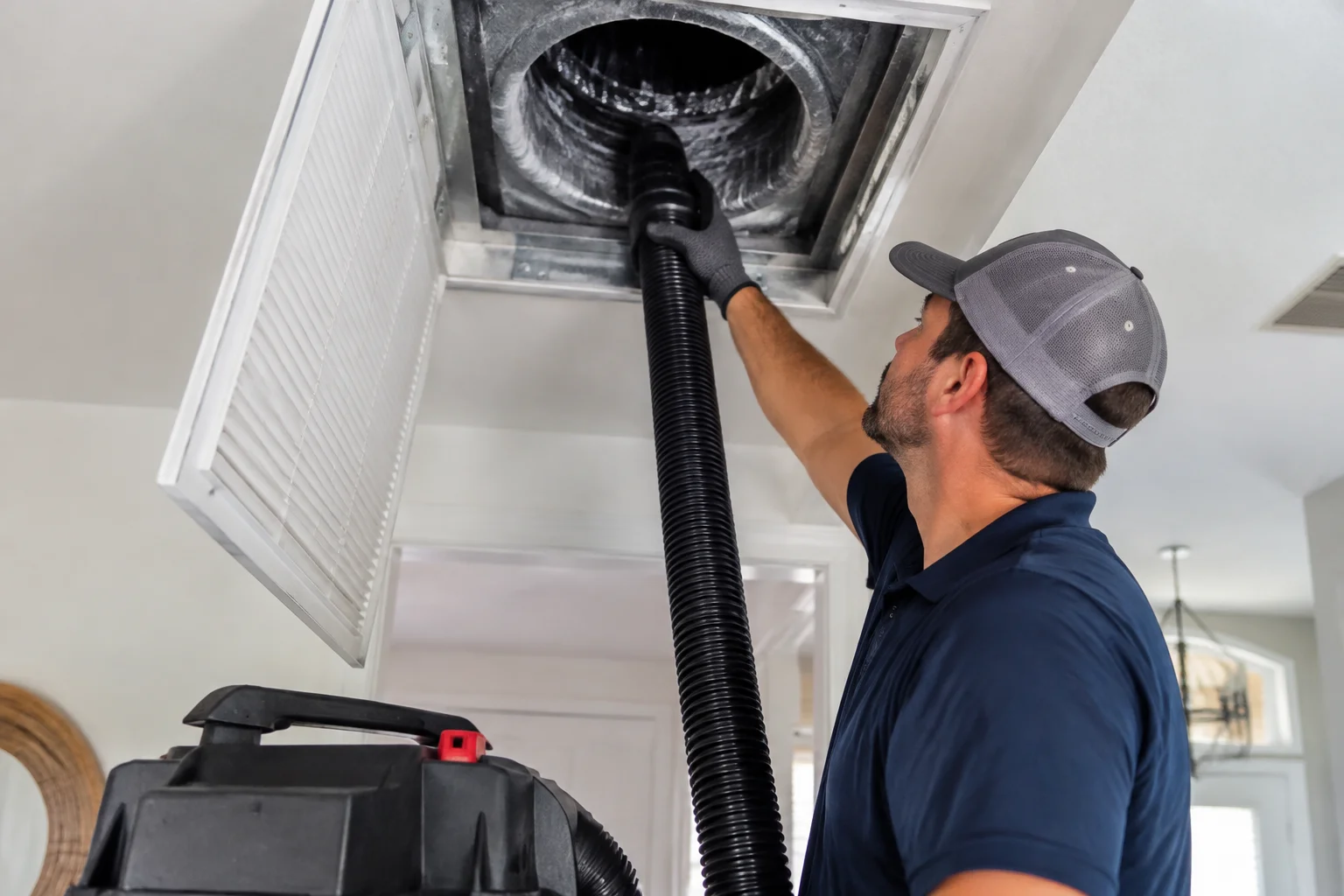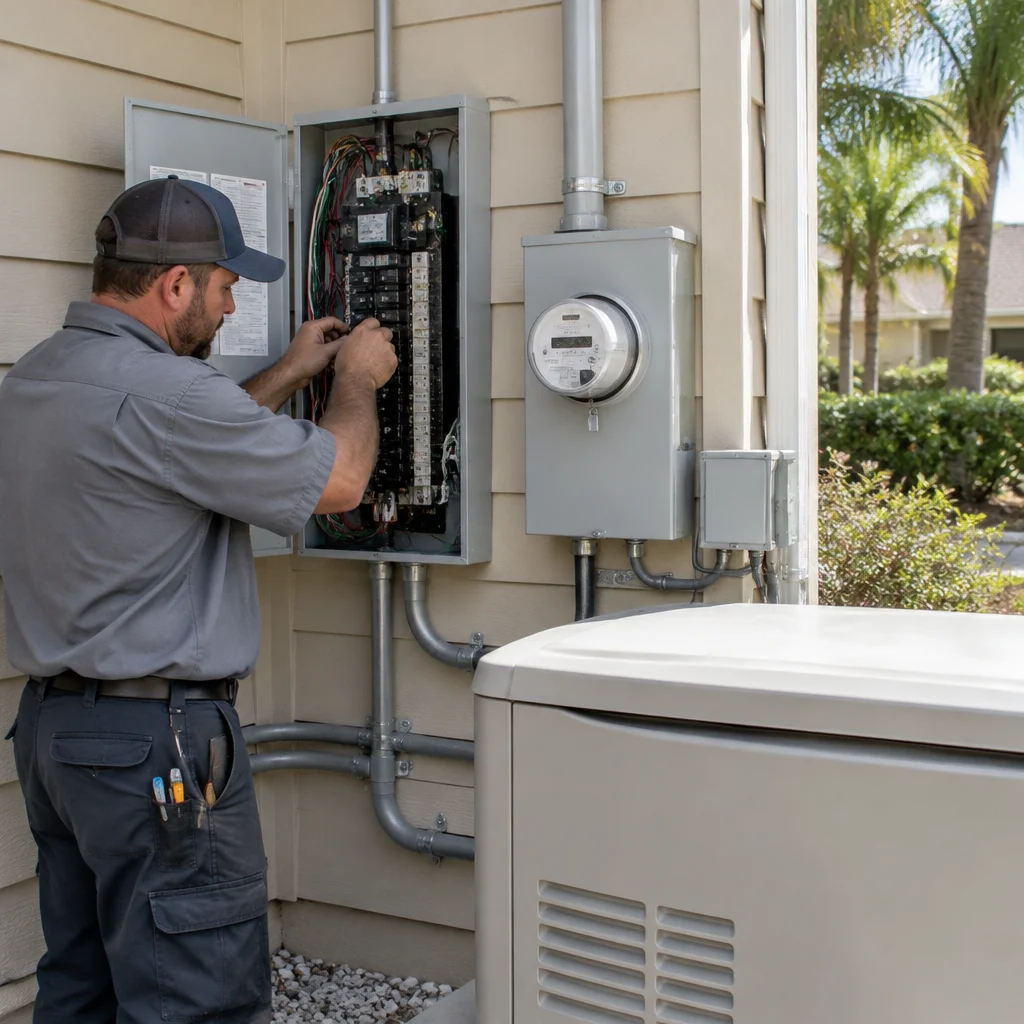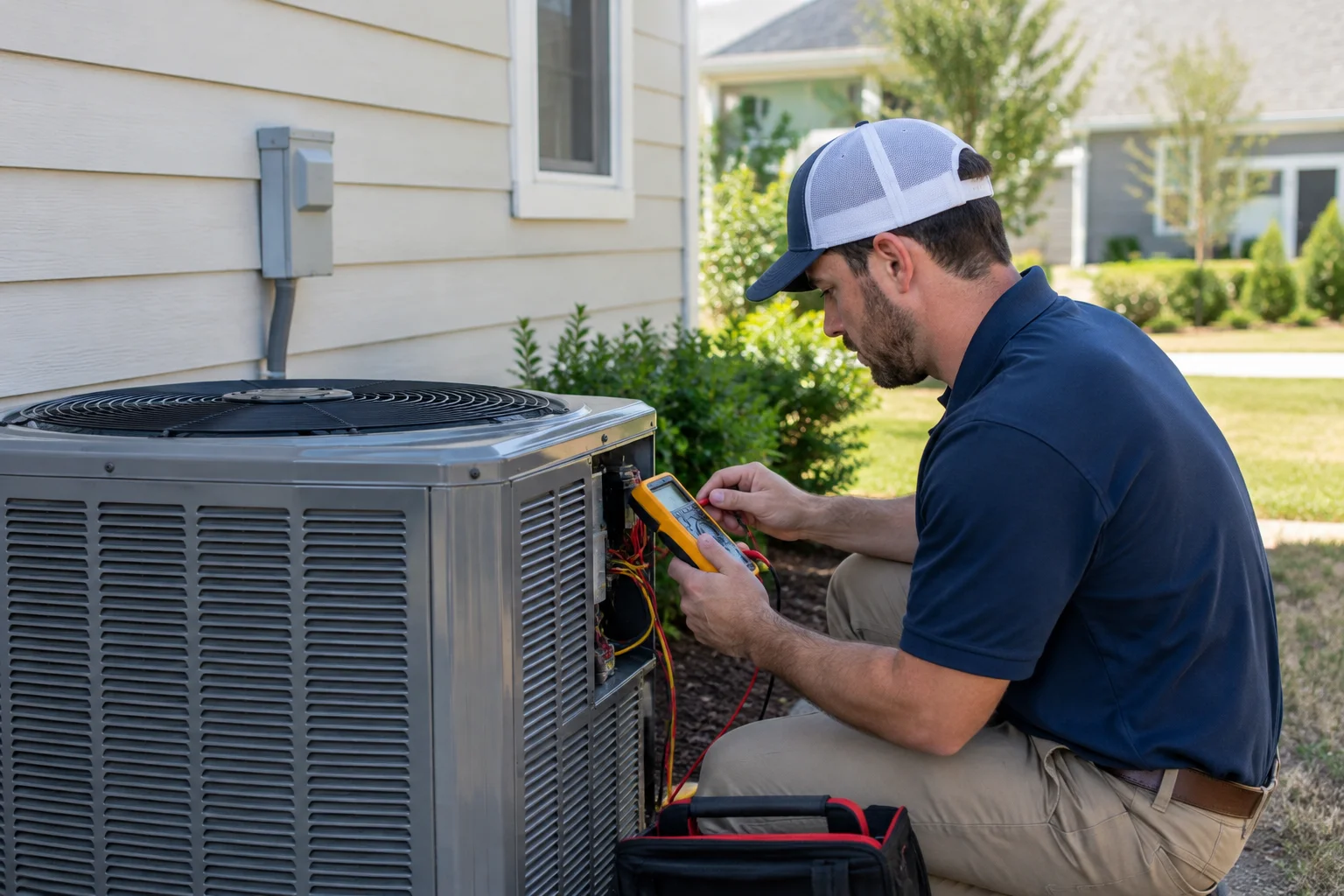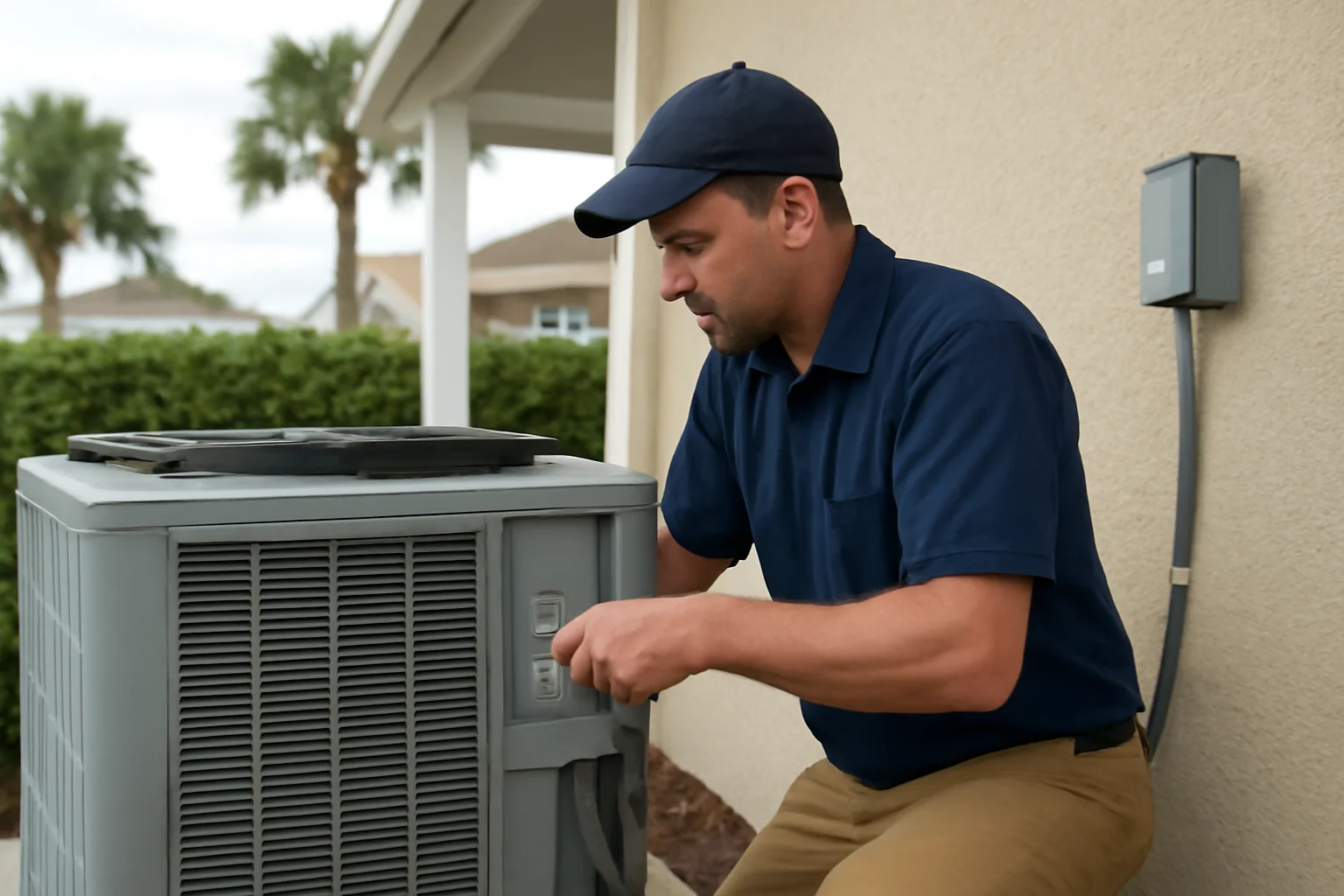
Inlet Beach homes work hard for their comfort. Between Florida heat, high humidity, and the salt air that moves inland, your HVAC system cycles often and pulls a lot of air through ductwork. Over time, that wear and tear changes how dust, moisture, and debris build up inside the system. It also changes how duct cleaning should be approached so you get better airflow and indoor air quality without creating new problems.
If you are researching duct cleaning in Inlet Beach, FL, this guide explains what homeowners should watch for, why duct cleaning is not one-size-fits-all in Walton County, and how A Superior Mechanical helps you plan ductwork cleaning around the realities of everyday AC and heat pump operation.
Why duct cleaning is different when HVAC parts are already worn
Duct cleaning aims to remove dust, debris, and buildup inside supply and return pathways. But what gets trapped in ducts is influenced by the condition of the HVAC system that moves air through them.
When an air handler, blower motor, filter, or duct connections are aging or slightly out of balance, the system often compensates. That can increase the amount of dust that circulates, shift where particulates collect, and create pockets where debris builds faster. In a coastal area like Inlet Beach, where humidity is consistently high and air can carry salt particles, those deposits can be sticky and harder to remove.
HVAC wear can also affect airflow. And airflow is the foundation of both comfort and duct cleaning effectiveness. If airflow is weak because of restricted returns, failing components, or ductwork leakage, cleaning alone may not restore the performance you expect.
Florida heat and humidity: how moisture changes duct buildup
Inlet Beach summers are not just hot, they are humid. Your air conditioner and heat pump dehumidify as they cool, and that process depends on the condensate drainage system working correctly. When condensate drainage is slow or partially blocked, moisture can linger where it should not.
Moisture in and around the air handler and duct connections can contribute to:
- Dust clumping that makes buildup heavier and more difficult to remove.
- Odors that get pulled through the system when the blower runs.
- Increased risk of microbial growth in areas that stay damp.
Wear and tear can also affect how well the system controls humidity. For example, a thermostat that is not reading accurately, or an older unit whose cooling cycles do not run as intended, can leave parts of the system operating in a way that increases moisture exposure. That does not automatically mean the thermostat or refrigerant system is the cause of every issue, but it does mean duct cleaning decisions should be based on what the system is doing in your home.
Salt air and coastal dust: deposits that show up in ductwork
Coastal air can carry fine particles that settle into filters and ductwork. Over months, that can create a mix of dust, outdoor debris, and indoor fibers. If your system is already experiencing wear and reduced filtration efficiency, more of that material can move deeper into ductwork.
Homeowners often notice the symptoms first, such as:
- More visible dust on furniture after the HVAC runs.
- Musty smells that appear during cooling season.
- Rooms that feel stuffy even though the thermostat is set correctly.
- Higher energy use because the system has to work longer to maintain temperature.
Duct cleaning can help when buildup is the issue. But when wear and tear is also present, the cleaning plan should include attention to duct sealing, airflow pathways, and the parts that influence how air and moisture move through the system.
Wear and tear can reduce airflow, and duct cleaning depends on airflow
Even the most thorough duct cleaning cannot fully compensate for poor airflow caused by worn HVAC components or ductwork problems. Inlet Beach homes may have duct layouts that are sensitive to changes in blower speed, filter condition, and return air pathways.
Common wear-related contributors to weak airflow include:
- Dirty or failing air filters that allow more debris to circulate.
- Blower motor wear that reduces the volume of air the system moves.
- Leaky duct connections that pull unconditioned air into the system.
- Restricted returns that limit how quickly air can be pulled back to the air handler.
When airflow is restricted, duct cleaning can stir up more dust than you expect without improving comfort. That is why homeowners searching for a practical duct cleaning plan often find that the best results come from combining duct cleaning with attention to the system condition that governs airflow.
Refrigerant system changes can affect cleaning needs, too
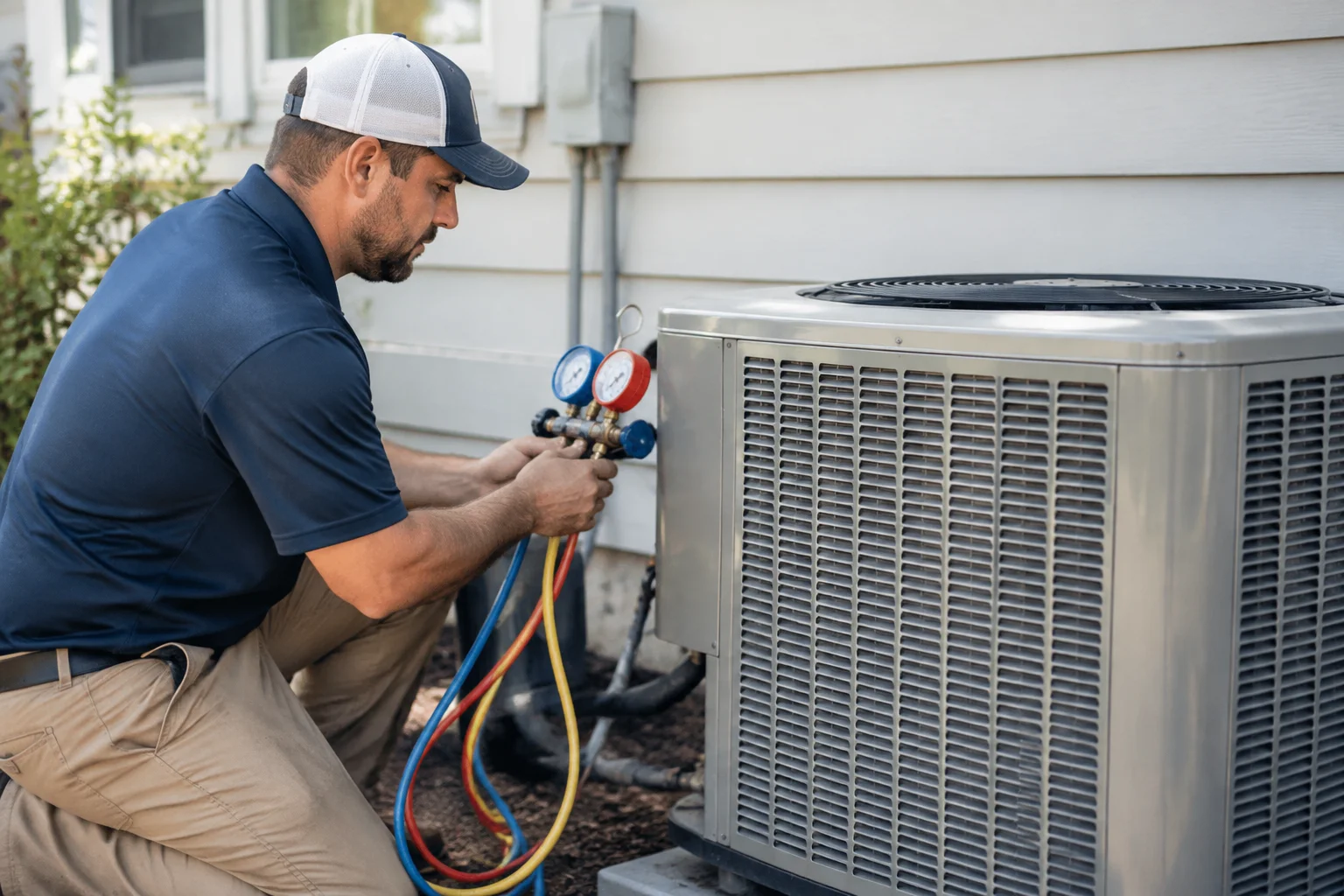
Your refrigerant system is part of how the air conditioner or heat pump cools and dehumidifies. If the system is not operating as it should, the cooling process can run differently. That can influence how often the blower runs, how much moisture is removed, and how quickly the indoor air returns to a comfortable humidity level.
It is important not to jump to conclusions. A refrigerant issue is not something homeowners can diagnose from symptoms alone. But from a duct cleaning perspective, it matters that HVAC wear and refrigerant system performance can change the pattern of condensation, dust movement, and overall air handling.
If you are seeing repeated cooling problems, duct cleaning should not be treated as the only fix. An air conditioning inspection near me can help confirm what is actually driving the comfort issues before work is scheduled.
Condensate drainage problems can create “hidden” cleaning challenges
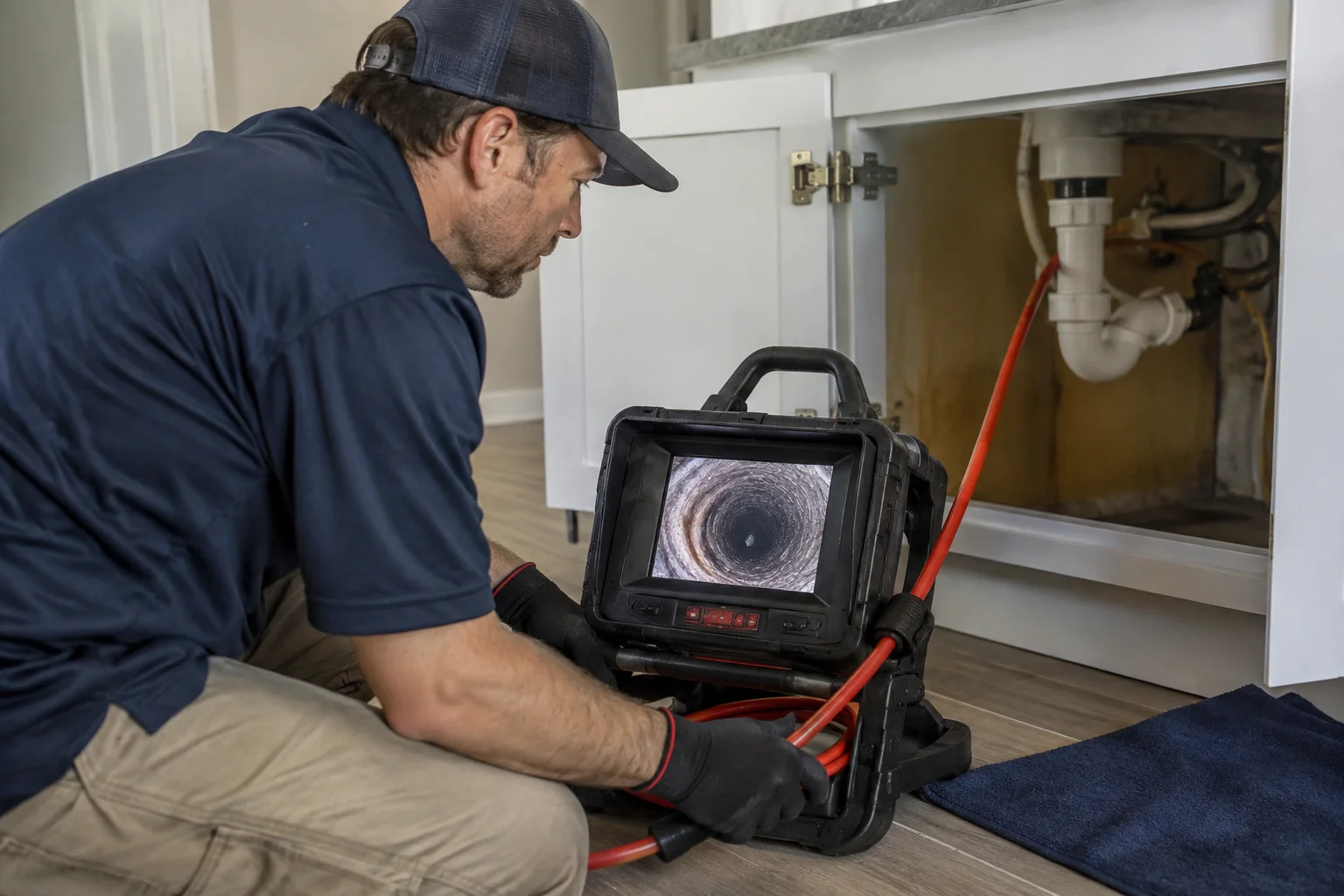
Condensate drainage is often overlooked until it fails. In humid areas, small drainage issues can turn into recurring moisture exposure. Wear and tear can make drainage systems less reliable over time, especially when debris builds up or when the system cycles frequently.
Moisture near the air handler can affect ductwork cleaning because it changes what you find and how it behaves. For example, debris that would normally be dry can become tacky, and damp areas can hold onto odors. That is one reason why duct cleaning is closely tied to the broader HVAC system condition, not just the visible duct surfaces.
If you are dealing with water-related symptoms, it is smart to pair duct cleaning planning with a professional review of the air handler operation, condensate drainage performance, and airflow behavior.
Thermostat issues can make duct buildup worse by changing run cycles
Thermostats control when the system runs and how it maintains temperature. In homes with older thermostats or sensors that are not calibrated well, the HVAC may cycle longer or run in ways that increase humidity exposure. That can affect how dust is moved and where it settles.
Homeowners sometimes interpret thermostat problems as “the ducts need cleaning.” Duct cleaning can still be helpful, but if the thermostat is driving inefficient cycling, you may not get the comfort improvements you want.
If you are considering upgrades, a smart thermostat installation may help improve control, especially when paired with proper HVAC maintenance. Any thermostat decision should be based on an in-person assessment of your system and airflow.
Ductwork wear creates new leakage points over time
Ductwork is not a static system. Over years, joints can loosen, insulation can degrade, and sections can shift. In coastal climates, temperature swings and humidity can also affect duct materials and connections.
When ductwork develops leaks, you can get:
- Conditioned air escaping before it reaches rooms.
- Unconditioned air being pulled in, which can increase humidity load.
- More dust being drawn into the system from crawl spaces or attic areas.
This is where duct sealing and ductwork assessment become part of a reliable plan. If duct sealing near me is on your mind, it is worth considering that duct cleaning is most effective when the system is not constantly pulling in new debris through leaks.
What homeowners may notice when duct buildup is tied to system wear
Wear and tear does not always show up as a single “duct problem.” It often looks like a pattern of comfort and air quality issues. In Inlet Beach, where HVAC run time can be high, these are common clues:
- Inconsistent airflow between rooms, especially during peak afternoon cooling.
- More dust settling on surfaces shortly after the HVAC runs.
- Air that feels colder or warmer than expected, even when the thermostat is set.
- Odors that change with seasons, often worse during humid months.
- Higher energy use as the system struggles to maintain indoor temperatures.
If you are searching for how HVAC wear and tear changes duct cleaning, these symptoms help explain why duct cleaning plans should account for airflow and moisture control, not just visible debris.
How professional duct cleaning fits into everyday HVAC maintenance
Think of duct cleaning as one step in a broader preventive HVAC maintenance approach. Inlet Beach homeowners benefit from a routine that includes filter management, system inspection, and attention to airflow and indoor air quality services.
A Superior Mechanical typically focuses on aligning duct cleaning with the way your system operates, which may include:
- Reviewing airflow paths and return air performance.
- Discussing how humidity and condensate drainage may be affecting the system.
- Inspecting ductwork for areas where buildup is more likely to accumulate.
- Planning work that supports better airflow after cleaning, rather than cleaning in isolation.
This mindset matters for reliability. When duct cleaning is done without considering HVAC wear and airflow, homeowners can end up repeating the process because the system continues to distribute dust and moisture.
When duct cleaning is especially important in Inlet Beach homes
Duct cleaning deserves extra attention when you have a combination of factors common in Walton County. Consider professional duct cleaning if:
- Your home has long periods of AC or heat pump operation during humid months.
- You notice persistent dust, musty odors, or allergy flare-ups that seem tied to HVAC run time.
- You recently moved into a home with unknown maintenance history.
- Renovations or attic work stirred debris that now circulates through the system.
- Your system has had repeated comfort issues that suggest airflow or ductwork buildup is part of the cause.
For homeowners comparing options, it helps to read about local strategies like how DeFuniak Springs homeowners can reduce duct cleaning problems. While the area is different, the underlying climate pressures are similar across the region.
Signs you should pair duct cleaning with AC repair or heat pump service
Duct cleaning can improve indoor air quality and airflow, but it is not a substitute for HVAC repair. It is smart to schedule additional service if you have:
- Cooling that is weak or uneven, especially if it started after a period of high humidity.
- Short cycling or frequent on-off behavior that affects comfort.
- Unusual noises from the air handler or blower area.
- Thermostat behavior that does not match what the system is doing.
- Condensate drainage concerns, including signs of moisture around the air handler.
If you are searching for emergency HVAC services because you need cooling fast, it is still worth thinking about duct cleaning after the comfort issue is stabilized. Inlet Beach summers can create emergency cooling concerns when systems fail during peak heat.
Preventive steps homeowners can take between duct cleanings
You can reduce how quickly buildup forms and how hard your system has to work. These steps support ductwork cleanliness and overall HVAC reliability:
1) Keep filters fresh and correctly installed
Dirty filters restrict airflow and increase dust circulation. Make sure the filter fits properly and is replaced on a schedule that matches your household needs and system runtime.
2) Watch humidity and comfort, not just temperature
Because humidity is a major factor in Inlet Beach, comfort includes how the home feels, not only the thermostat number. If the home stays clammy or odors return, it can point to moisture and airflow issues that duct cleaning alone cannot solve.
3) Use your thermostat settings thoughtfully
A stable schedule and appropriate fan settings can help reduce unnecessary cycling. If you are considering upgrading controls, explore smart thermostats and ask how they can support consistent cooling and better indoor air quality.
4) Address airflow complaints promptly
If you have rooms that never feel right, do not assume duct cleaning will fix it. Airflow problems can be tied to ductwork leakage, blower performance, return restrictions, or other system wear.
5) Plan ductwork work as part of an HVAC maintenance routine
Homeowners searching for air duct service near me often get the best results when duct cleaning is scheduled around a broader inspection. That helps prevent “cleaning the symptom” while the underlying wear continues.
Why local HVAC service matters in Inlet Beach
Inlet Beach is shaped by coastal weather patterns, frequent humidity swings, and homes that may be sensitive to duct leakage and moisture exposure. Local HVAC contractors understand how these conditions affect airflow, indoor air quality, and system reliability.
Working with a local HVAC contractor near me can also make it easier to coordinate duct cleaning with related services like air conditioning inspection, heat pump repair, duct sealing, and thermostat installation. That coordination matters because HVAC systems are connected systems. When you change one part, the rest responds.
If you are trying to decide between duct cleaning and other HVAC services, it helps to start with a professional evaluation of your current system condition. That is the safest way to avoid unnecessary work and to protect emergency cooling reliability during peak summer conditions.
How A Superior Mechanical helps you plan duct cleaning around real system wear
Duct cleaning is most useful when it is matched to your home’s ductwork condition, airflow needs, and the way your air conditioner or heat pump is operating in Florida’s humidity and salt air environment. A Superior Mechanical helps Inlet Beach homeowners and businesses connect duct cleaning with the practical realities of HVAC wear and tear, so your indoor air quality improvements support everyday comfort.
To learn more, visit duct cleaning in Inlet Beach, FL and explore related services on the same area page at /service-areas/walton-county/inlet-beach. For additional context across Walton County, you can also browse /service-areas/walton-county.
If you want to pair cleaning with performance upgrades, read Practical HVAC Upgrades Built Around Duct Cleaning in Mary Esther, FL for ideas that focus on airflow and reliability.
FAQ: HVAC wear and duct cleaning in Inlet Beach
Homeowners often have the same questions about duct cleaning, airflow, and indoor air quality. The answers below reflect how wear and tear can influence the cleaning process, and why an in-person review is important for accurate next steps.
Find Duct Cleaning in Inlet Beach, FL
If you need Duct Cleaning in Inlet Beach, FL, visit our local service page or contact A Superior Mechanical today.
Map of Inlet Beach, FL
Frequently Asked Questions
Can HVAC wear and tear make duct cleaning less effective?
Yes. If airflow is weak due to blower performance, dirty filters, return restrictions, or duct leaks, debris can keep circulating after cleaning. In humid Inlet Beach conditions, moisture-related buildup can also reappear faster if condensate drainage or system cycling is not operating correctly.
Should I clean my ducts before I repair my AC or heat pump?
Often, it is best to repair comfort and airflow issues first or at least schedule an inspection before cleaning. Duct cleaning can improve indoor air quality, but it should not replace HVAC repair when the root cause is system wear, thermostat control, condensate drainage, or refrigerant system performance.
How do humidity and salt air in Inlet Beach affect duct buildup?
High humidity can make dust clump and can contribute to damp areas around the air handler and duct connections. Salt air can add fine coastal particles to the mix, increasing the amount of residue that accumulates in filters and ductwork over time.
What symptoms suggest duct cleaning is needed for indoor air quality?
Common signs include visible dust after HVAC runs, musty odors during humid months, allergy-like symptoms that seem tied to system operation, and uneven airflow between rooms. If these symptoms are paired with cooling problems, worn HVAC components may also be involved.
Do I need emergency AC repair if I smell something or notice dust?
Not always. Smells and dust can relate to duct buildup, but they can also be linked to moisture or HVAC performance issues. If cooling is failing during Florida heat and humidity, treat it as an emergency and call for emergency AC repair near me. For non-emergency concerns, schedule an air conditioning inspection near me so the right work is done first.
Related Articles
- Practical HVAC Upgrades Built Around Duct Cleaning in Mary Esther, FL
- How HVAC Wear and Tear Changes the Way Duct Cleaning Works in Panama City Beach Homes
- How DeFuniak Springs Homeowners Can Reduce Duct Cleaning Problems and Keep HVAC Systems Running Better
- A Practical Duct Cleaning Plan for Lower HVAC Repair Risk in Panama City
Photo Gallery