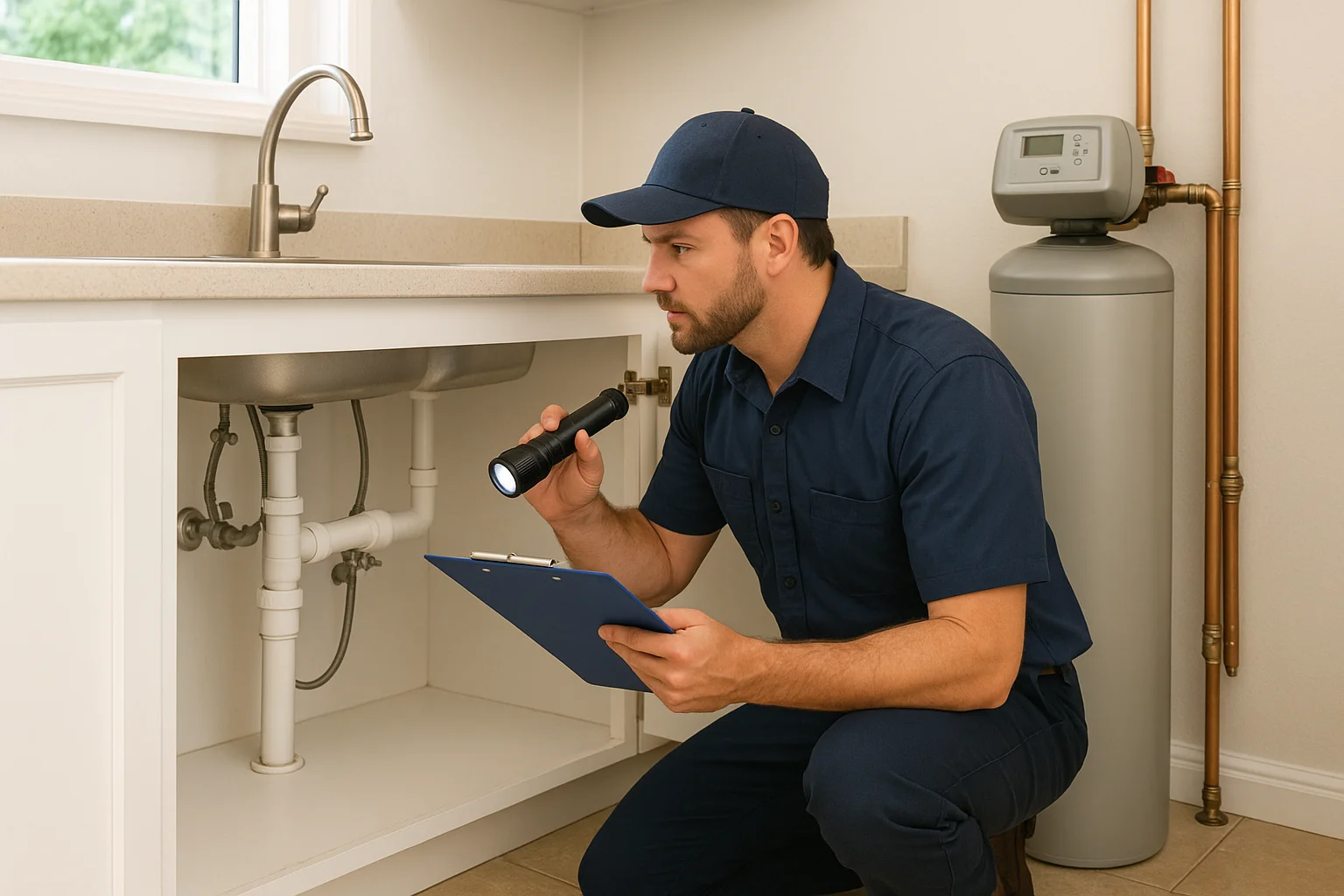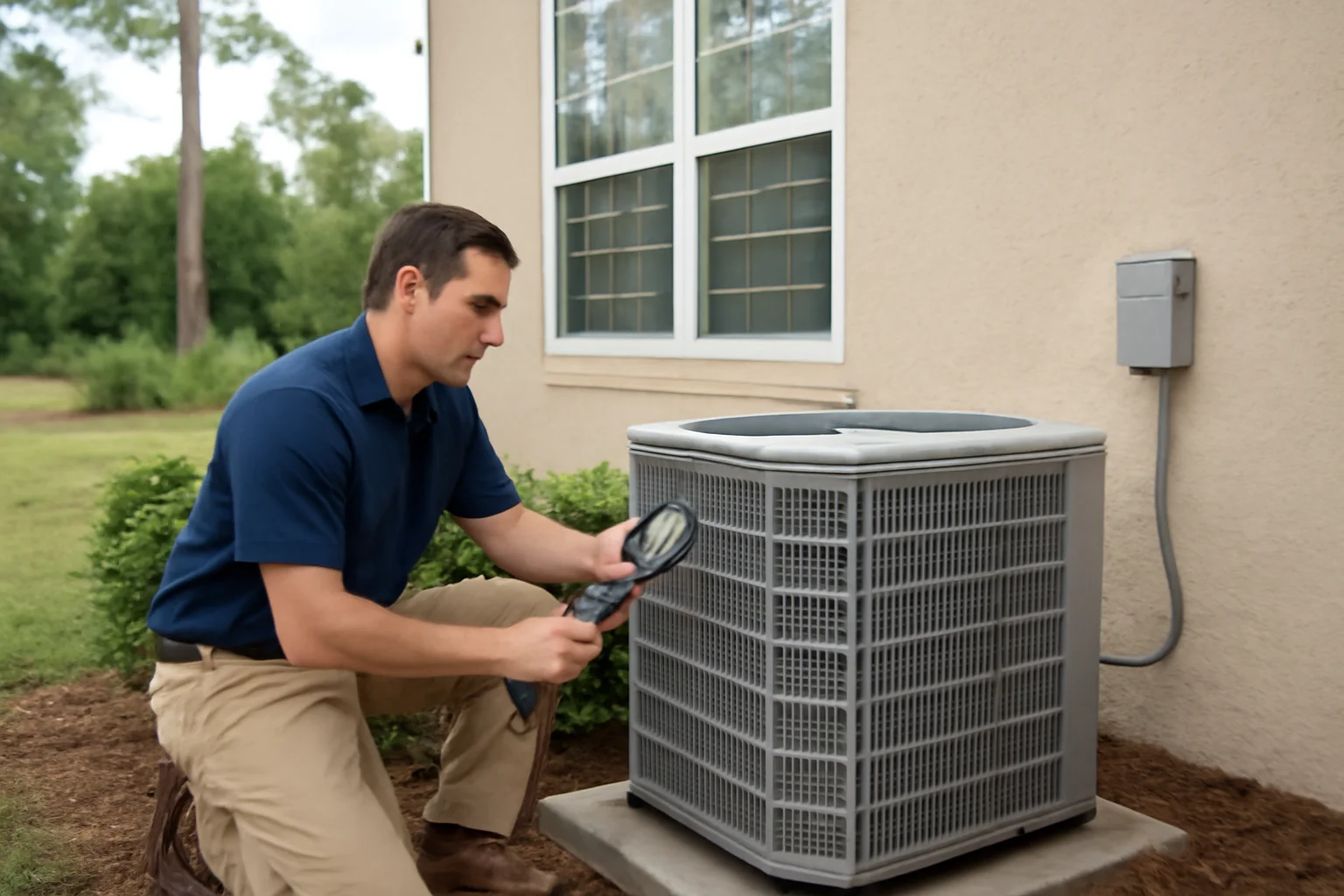
Parker, FL homes run their HVAC hard. Between Florida humidity, salt air from the coast, and long stretches of warm weather, indoor air quality (IAQ) can quietly drift out of balance. When that happens, your heating and cooling system often works longer, moves air less efficiently, and experiences more stress inside its refrigerant and condensate drainage pathways.
This guide focuses on smart indoor air quality testing in Parker, FL and how the results can point to conditions that shorten HVAC system life. It also covers practical prevention steps homeowners can take before a minor issue turns into costly AC repair or emergency cooling concerns.
Why indoor air quality problems shorten HVAC life in Parker
Most homeowners think of HVAC wear as a mechanical issue only. In reality, IAQ and system performance are tightly linked. When indoor air is too humid, too contaminated, or not moving through ductwork correctly, the HVAC system spends more time compensating. That increased runtime and added strain can accelerate breakdowns.
In Parker’s Bay County climate, the biggest IAQ drivers usually include:
- High indoor humidity that makes cooling less effective and increases condensation risk
- Airflow restrictions caused by ductwork issues, closed vents, or poor balancing
- Contaminants such as mold, allergens, and VOCs that build up when ventilation is inadequate
- Condensate drainage problems that can contribute to moisture around the indoor coil area
When these conditions persist, they can affect key parts of your HVAC system, including the refrigerant system’s ability to remove heat efficiently and the condensate drainage path’s ability to keep moisture under control.
Humidity is the most common IAQ issue that stresses air conditioners and heat pumps
Florida humidity is not just an indoor comfort problem. It changes how your air conditioner or heat pump behaves. If your system cannot pull moisture out of the air effectively, several things can happen:
- The indoor space feels clammy even when the thermostat is set correctly
- The system cycles differently and may run longer to reach a temperature target
- Condensation can form where it should not, increasing the risk of moisture buildup
- Coils and nearby surfaces can become more prone to microbial growth if moisture is not managed
Smart indoor air quality testing helps confirm whether humidity is actually elevated and whether the HVAC system is maintaining proper humidity control. A test should also consider ventilation and airflow, because humidity often stays high when conditioned air is not distributed correctly through ducts.
What IAQ testing can reveal about moisture and comfort
Depending on the home, indoor air quality testing may include measurements that help identify:
- Indoor humidity levels and patterns across rooms
- Ventilation effectiveness and whether outdoor air is being managed properly
- Conditions that support mold and allergen growth
These findings matter for HVAC longevity because they connect indoor conditions to system workload. For homeowners asking about AC repair near me or air conditioner service near me, the goal is not just fixing a symptom. It is reducing the underlying conditions that cause repeated strain.
Airflow and ductwork issues can look like an IAQ problem but act like an HVAC wear problem
Ductwork is where IAQ and HVAC performance meet. If air cannot move through the system as intended, the indoor coil may not operate efficiently, the system may run longer, and contaminants can accumulate in areas where airflow is weak.
In Parker, some common duct-related contributors include:
- Duct leaks that pull in unconditioned air and humidity
- Disconnected or poorly sealed duct sections
- Blocked or undersized duct runs that reduce airflow
- Registers that are closed or blocked by furniture, rugs, or storage
If you are searching for duct inspection near me, consider pairing it with an IAQ approach. Testing can show whether the air in your living spaces is being diluted and refreshed properly. Duct inspection and airflow evaluation can then explain why the results look the way they do.
If you want a deeper look at how duct sealing decisions affect comfort and system stress, read Planning Duct Sealing and Aeroseal Work Before Parker Heat and Humidity Push Your HVAC Harder.
Contaminants like mold, allergens, and VOCs can increase HVAC runtime
Indoor air quality testing is often requested because of health concerns, odor, or visible moisture. But even when the main problem feels “indoor,” the HVAC system is usually part of the pathway.
For example:
- Mold and microbial growth can be supported by moisture, and the HVAC system can distribute spores and allergens throughout the home.
- VOC levels can rise from everyday sources like cleaning products, paints, and building materials. Without adequate ventilation and filtration, the HVAC system can circulate contaminants repeatedly.
- Allergens can build up in ductwork, on filters, and in areas where airflow is low.
These conditions do not always mean the HVAC system is “broken,” but they can increase how often the system runs and how hard it works to maintain comfort. Over time, higher runtime and more frequent filter changes can contribute to wear, especially if airflow is restricted.
Air scrubber and filtration choices should start with testing
Some homeowners explore solutions like air scrubber installation near me. Testing can help you understand what you are trying to address. If the main issue is humidity and moisture control, filtration alone may not solve the root cause. If the issue is ventilation, you may need different strategies than simply adding more media.
A Superior Mechanical can help connect IAQ test findings to practical HVAC-focused actions, including filtration and airflow improvements that support both healthier air and more stable system operation.
Condensate drainage issues can create hidden moisture that shortens system life
In a cooling season, air conditioners and many heat pumps remove moisture as the indoor coil cools the air. That moisture must drain correctly through condensate drainage components. When condensate drainage is slow, blocked, or poorly routed, moisture can linger where it should not.
Moisture problems can lead to:
- Musty odors and increased allergen exposure
- Microbial growth near the indoor air handling components
- More frequent calls for HVAC repair because symptoms keep returning
Indoor air quality testing can sometimes support the diagnosis by confirming that humidity or other IAQ indicators do not match the thermostat settings or outdoor conditions. However, any condensate drainage evaluation should be done in person by a licensed HVAC contractor. Testing points to conditions, but it does not replace physical inspection.
Thermostats and control settings can worsen IAQ and energy use
Thermostats do more than turn equipment on and off. They influence how long the system runs, how it cycles, and how it manages comfort. In Parker, where humidity can be high, control strategies matter.
Common thermostat-related contributors include:
- Settings that prioritize temperature but do not support humidity control
- Incorrect scheduling that leaves the system running when indoor humidity is already high
- Inconsistent readings because the thermostat is placed in a spot affected by direct sun or airflow limitations
If you are considering thermostat installation near me or thermostat replacement, ask your HVAC contractor to discuss how the control strategy aligns with indoor humidity management. A poorly tuned setup can increase energy use and contribute to extra wear by increasing runtime.
Salt air and Florida heat can accelerate corrosion and stress airflow pathways
Bay County homes near coastal influences can experience salt air effects. Salt deposits can contribute to corrosion over time, especially on outdoor components. Florida heat also increases the thermal stress on refrigerant systems and fans.
Even though IAQ testing focuses on indoor air, it can still help homeowners understand how outdoor conditions translate into indoor comfort problems. If humidity and airflow are not stable, the system may run longer, and that increased runtime can compound outdoor stress.
That is another reason why preventive HVAC maintenance matters. Regular inspections help keep refrigerant system components operating as expected and help ensure condensate drainage and airflow pathways are clear.
How to use IAQ testing results to drive HVAC-focused improvements
The best indoor air quality testing is not just a report. It is a conversation that connects test findings to HVAC system behavior. Homeowners should look for a testing plan that considers:
- Room-to-room differences so you do not treat the whole house as one uniform environment
- HVAC operation patterns including how often the system runs during hot, humid days
- Filtration and airflow to confirm whether the system can move clean, conditioned air effectively
- Moisture management to reduce conditions that support mold and allergens
After testing, a licensed HVAC contractor should recommend HVAC repair or HVAC replacement only when appropriate. Testing can suggest what to inspect, but it should not replace an in-person evaluation of airflow, refrigerant system performance, and condensate drainage.
When testing suggests duct inspection, act early
If IAQ results point to uneven humidity or uneven air quality, ductwork may be the missing link. Duct sealing and balancing can improve comfort and reduce the need for the system to run longer. If you are planning improvements, it helps to schedule work before peak heat and humidity push your HVAC hard.
For more about that planning, see Planning Duct Sealing and Aeroseal Work Before Parker Heat and Humidity Push Your HVAC Harder.
Common IAQ symptoms that often lead to HVAC repair calls
Homeowners often notice IAQ issues before they realize the HVAC system is under strain. Here are practical signs that are worth discussing with an HVAC professional, especially when they persist across multiple days or seasons:
- Persistent musty smells that return after filters are changed
- Rooms that feel wetter or warmer than others even with the thermostat set consistently
- Visible dust buildup on vents or around registers
- Frequent filter clogging that suggests airflow or filtration mismatch
- Allergy flare-ups that correlate with HVAC operation
- Condensate drainage concerns such as water near the indoor unit or recurring overflow issues
If you are searching for HVAC repair near me or AC repair near me, ask whether indoor air quality testing could help identify the conditions driving the symptoms. In many cases, a deeper look at airflow, humidity control, and ductwork can prevent repeat repairs.
Preventive HVAC maintenance that supports indoor air quality
Preventive HVAC maintenance is one of the most direct ways to protect both IAQ and system life. In Parker’s climate, maintenance is not a “nice to have.” It is how you avoid humidity and airflow problems that lead to additional wear.
Maintenance items that support indoor air quality include:
- Air filter checks to ensure the filter matches the system and the home’s needs
- Airflow evaluation so the system can move air through ductwork effectively
- Indoor coil inspection with attention to moisture and cleanliness
- Condensate drainage inspection to confirm water removal is working properly
- Thermostat and control review to align operation with humidity and comfort goals
If you want a maintenance-focused approach for Parker homes, explore Air Conditioning Maintenance.
Heat pump and ductless systems still need IAQ testing and airflow checks
Some Parker homeowners use heat pumps, and others rely on ductless mini split installation. These systems can be effective, but they still depend on correct airflow and moisture control.
For ductless systems, IAQ issues can show up as room imbalance, uneven humidity, or contaminants that circulate differently than in ducted systems. For heat pumps, the indoor coil and condensate management still matter during humid periods.
If you are exploring ductless mini split installation near me, consider whether your home has ductwork-related concerns or moisture patterns. IAQ testing can help you plan the right strategy for the spaces you actually use most.
Commercial and property management concerns in Parker
Indoor air quality matters in offices, rentals, and multi-tenant buildings. Property managers often deal with frequent tenant turnover, varied thermostat settings, and different ventilation habits. Those factors can create IAQ swings that strain HVAC systems.
If you manage rental properties or commercial spaces in Parker, Bay County, it helps to coordinate IAQ testing with maintenance scheduling. For property management priorities, see Property Management HVAC Services. For commercial-focused HVAC problem prevention, review Keeping Commercial HVAC Problems Small in Parker, FL.
When you should call a professional for IAQ and HVAC concerns
Some homeowners try to handle IAQ issues through DIY filter changes or temporary fixes. That can help short term, but it does not address airflow restrictions, moisture pathways, or refrigerant system performance questions without inspection.
You should call a licensed HVAC contractor when you notice:
- IAQ symptoms that persist despite routine filter changes
- Uneven comfort that suggests airflow or ductwork problems
- Moisture or drainage concerns around indoor units
- Any HVAC performance issue that could lead to emergency cooling concerns during peak heat
For homeowners searching for indoor air quality testing in Parker, FL, the best next step is to start with a targeted IAQ assessment and an HVAC performance review together. A Superior Mechanical offers indoor air quality testing designed for Bay County homes and businesses. You can also explore more about services across the area on our Parker, FL service area page and Bay County HVAC services.
Energy use and system replacement decisions should be informed by IAQ and performance
When HVAC systems age, energy use often rises and comfort becomes harder to maintain. Indoor air quality testing can support the decision-making process by clarifying whether the problem is primarily indoor conditions, airflow, or moisture. That said, system replacement should be based on an in-person assessment of the HVAC equipment and its refrigerant system operation, not on IAQ test results alone.
If you suspect your system is struggling, it can help to compare options with an HVAC professional. For air conditioning system needs, see Air Conditioning Systems. For homeowners focused on long-term care, Air Conditioning Maintenance can help you reduce repeat issues.
For practical guidance on keeping HVAC performance stable during the hottest stretches, read Keeping Parker Homes Cooler, Longer: Smart Ways to Manage Air Conditioning Service in Bay County.
Emergency cooling concerns: don’t wait for the hottest day
Florida heat can turn a small issue into a big one quickly. If you are dealing with persistent humidity problems, drainage concerns, or airflow that seems weaker than usual, addressing it before peak conditions reduces the risk of being stuck waiting during emergency AC repair near me situations.
Testing and preventive maintenance are the safer path. They help identify the conditions that make HVAC systems work harder and fail sooner.
Find Indoor Air Quality Testing in Parker, FL
If you need Indoor Air Quality Testing in Parker, FL, visit our local service page or contact A Superior Mechanical today.
Map of Parker, FL
Frequently Asked Questions
What does indoor air quality testing in Parker, FL actually measure?
Indoor air quality testing typically focuses on conditions that affect comfort and health, such as humidity levels, indicators related to mold or allergens, and other factors that can contribute to stale air. The exact measurements depend on the home and the symptoms you are noticing.
Can high humidity really damage my HVAC system?
High humidity usually does not “damage” a system instantly, but it can increase runtime and stress. It can also create moisture around indoor components. Over time, that workload and moisture exposure can contribute to more repairs, especially if airflow or condensate drainage is not functioning well.
If my AC is cooling, do I still need indoor air quality testing?
Cooling that feels adequate does not always mean the air is healthy. Testing can uncover problems like excessive humidity, ventilation gaps, or contaminant buildup that may not be obvious from temperature alone.
Will indoor air quality testing replace AC repair or ductwork inspection?
No. IAQ testing helps identify indoor conditions, but it does not replace in-person inspection of ductwork, airflow, condensate drainage, or refrigerant system performance. A professional evaluation is needed to determine the correct HVAC repair steps.
How often should I schedule indoor air quality testing?
Homeowners often start with testing when symptoms appear, after water intrusion, or when comfort and humidity issues persist. Your HVAC contractor can recommend a schedule based on your results and your maintenance routine.
Related Articles
- Protecting Parker Homes Starts With Better Indoor Air Quality Testing
- Planning Duct Sealing and Aeroseal Work Before Parker Heat and Humidity Push Your HVAC Harder
- Keeping Parker Homes Cooler, Longer: Smart Ways to Manage Air Conditioning Service in Bay County
- Keeping Commercial HVAC Problems Small in Parker, FL
Photo Gallery