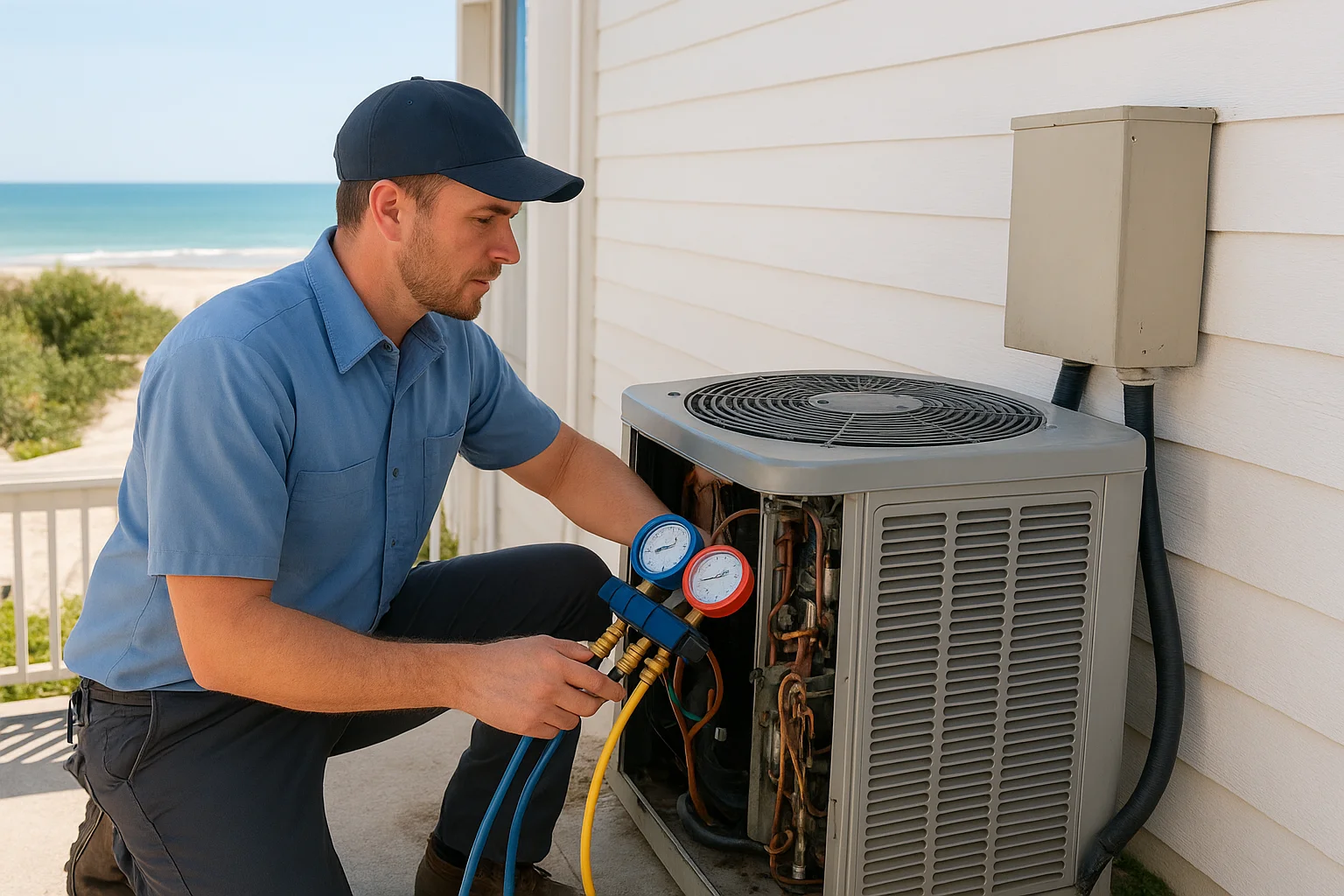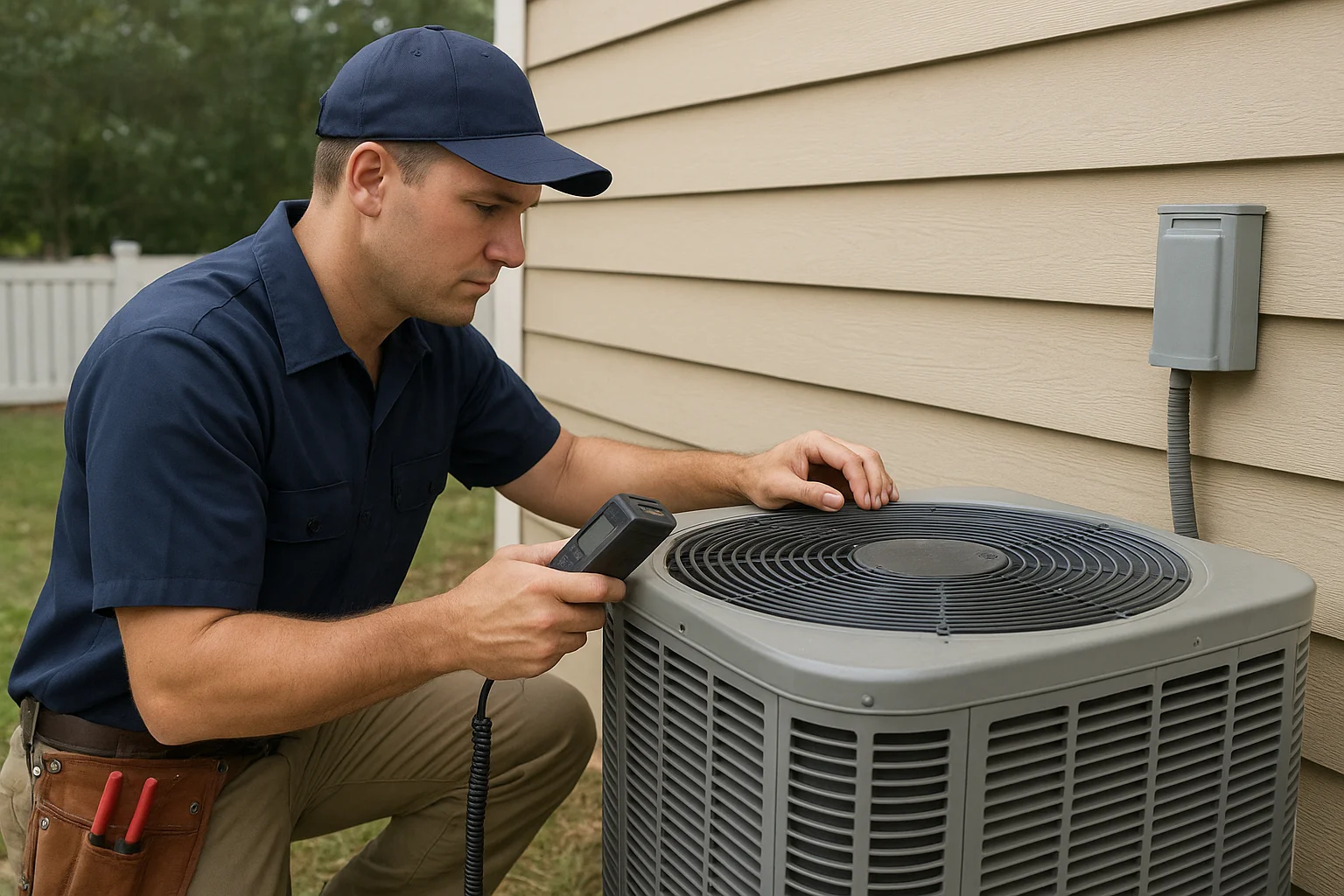
Inlet Beach, FL summers can feel like they never really end. For homeowners with geothermal HVAC systems, the steady demand for cooling and dehumidification does more than keep your house comfortable. It also creates long-term stress on the components that move air, manage refrigerant systems, and control moisture.
This guide breaks down what can cause problems with geothermal HVAC systems in Inlet Beach, why long cooling seasons matter, and which preventive steps can reduce breakdown risk. If you are searching for an HVAC company near me for geothermal help, this article will help you know what to ask and what issues to watch for.
Why geothermal HVAC systems feel the strain during Inlet Beach summers
Geothermal HVAC systems are designed to use stable ground temperatures to support heating and cooling. That can improve comfort consistency, but it does not remove the reality of Florida weather. Inlet Beach is known for hot temperatures, high humidity, and frequent coastal moisture exposure. Those conditions increase how often and how hard your cooling system runs.
Even if the ground loop helps with efficiency, your indoor system still has to:
- Move enough air through ductwork or indoor air handlers to maintain temperature and airflow
- Run refrigerant-related cooling processes that remove heat and humidity
- Manage condensate drainage when humidity condenses on cooling coils
- Coordinate with thermostats and controls so the system cycles at the right times
When the cooling season stretches, small issues can become big ones. A minor airflow restriction, a partially clogged condensate drain line, or a thermostat setting that does not match your home’s comfort needs can lead to more run time, higher humidity levels, and extra wear on system parts.
Common causes of geothermal HVAC problems in Inlet Beach homes
Geothermal systems combine indoor air handling components with outdoor and ground loop elements. Most homeowner complaints show up indoors, because that is where airflow, humidity, and comfort are felt first.
1) Airflow problems that make cooling run longer
One of the most common causes of discomfort during a long cooling season is reduced airflow. Inlet Beach homes often have ductwork that was installed decades ago, modified over time, or affected by humidity and building settling. When supply air cannot move freely, the system compensates by running longer.
Symptoms you may notice include:
- Rooms that feel warmer than others
- Weak airflow from vents, especially in bedrooms or additions
- Inconsistent temperatures that make homeowners adjust thermostats repeatedly
- Higher humidity indoors, even when the thermostat is set for cooling
Airflow issues can also contribute to indoor air quality problems. When air is not moving as expected, dust and moisture can linger, and filtration performance may drop. If you are considering air conditioning services or looking for duct help, ask whether your technician will check airflow, filter condition, and duct performance. For homeowners searching for duct inspection near me or duct cleaning near me, the best starting point is usually an inspection that explains whether ductwork restrictions are actually driving comfort issues.
2) Condensate drainage that cannot keep up with humidity
Humidity removal is a core job of cooling systems. When cooling coils get cold enough, condensation forms and drains through a condensate drainage system. In coastal climates, humidity loads can be high and steady, which means condensate production can be frequent.
Problems can develop when condensate drainage is partially blocked, sloped incorrectly, or impacted by algae and debris. Over time, standing water and slow drainage can increase the risk of:
- Water overflow and moisture buildup around the air handler
- Musty odors that affect indoor air quality
- Corrosion or microbial growth in the drain area
- System safety interruptions that shut cooling down unexpectedly
If you have ever noticed water near a unit, damp drywall, or a recurring smell during humid weeks, it is worth discussing condensate drainage during your next HVAC service visit. This is also a reason preventive HVAC maintenance matters for homes across Walton County, not just during the hottest weeks.
3) Refrigerant system stress from long run time and dirty heat transfer surfaces
Geothermal HVAC systems rely on refrigerant systems to transfer heat between indoor air and the geothermal loop. Over a long cooling season, the system can accumulate stress due to dust and debris on heat transfer surfaces, airflow restrictions, or coil contamination.
Dirty coils and reduced airflow can reduce heat transfer, which can lead to higher system workload and abnormal cycling patterns. Homeowners sometimes interpret these changes as “the system is failing,” but the root cause is often a comfort and airflow issue that makes the refrigerant process work harder.
It is important to note that refrigerant issues require in-person evaluation. A homeowner can look for symptoms, but nobody should attempt to diagnose refrigerant problems from afar. If you suspect refrigerant system trouble, schedule heat pump repair near me or geothermal-focused HVAC repair with a qualified technician who can inspect the system safely and determine what is actually happening.
4) Thermostat settings, sensor placement, and control mismatches
Thermostats do not just “turn the system on.” They influence how often the system runs, how it handles humidity, and when it transitions between heating and cooling modes. In Florida, many homeowners use schedules that were designed for milder climates or do not account for the way coastal humidity affects indoor comfort.
Common thermostat-related problems include:
- Overcooling or short cycling because the thermostat is reading a warm or drafty spot
- Schedules that keep the system running longer than needed
- Humidity comfort settings that do not match the system’s dehumidification capability
- Sensor drift or inaccurate readings over time
If you are looking for smart thermostats or troubleshooting thermostat behavior, ask for an inspection that includes sensor placement and system control checks. When an HVAC maintenance near me search can prevent a mid-summer breakdown, thermostat tuning and system control verification are often overlooked parts of the conversation.
5) Ductwork leaks and moisture infiltration
Inlet Beach homes can experience humidity infiltration through crawl spaces, attics, and older duct runs. If ductwork is leaking, cooled air can escape before it reaches living areas, and humid air can enter the system path.
That can lead to:
- Higher energy use because the system runs longer to maintain temperature
- Reduced dehumidification because the system is cooling air that should not be in the duct system
- Comfort complaints that persist even when the thermostat is set correctly
Homeowners sometimes try to solve these issues with bigger temperature swings. That usually increases run time and wear. Instead, consider duct evaluation as part of your geothermal service plan. If you are researching duct cleaning near me, make sure the conversation includes duct leakage and airflow performance, not just surface cleaning.
6) Coastal salt air effects on system components and materials
Salt air is a real factor along the Gulf Coast. While geothermal systems are typically not as directly exposed as some outdoor-only units, components can still be affected by corrosion, airborne residue, and moisture. Over time, corrosion can contribute to poor connections, sensor issues, and performance changes.
This is one reason local expertise matters. A technician familiar with Inlet Beach and Walton County knows what to inspect more closely and how coastal conditions can influence maintenance planning.
How long cooling seasons stress geothermal equipment, step by step
To understand why problems show up after months of continuous demand, it helps to think about the system’s workload. During extended cooling seasons, the equipment may:
Run more hours than it did in spring
Even efficient systems experience wear from run time. Filters load with dust, coils collect residue, and moving parts accumulate operating cycles. The goal of preventive maintenance is to reduce friction points and restore performance before discomfort becomes an emergency.
Cycle differently when airflow and humidity loads change
When airflow is reduced or humidity is higher than expected, the system may cycle more often or run longer to reach comfort targets. That can increase stress on components tied to refrigerant circulation, indoor airflow management, and condensate drainage.
Develop small failures that become safety issues
Many HVAC systems have protections that shut the system down to prevent damage. If condensate drainage is backing up, airflow is blocked, or controls detect an abnormal condition, the system may stop cooling. For homeowners, that can feel like sudden failure even if the underlying cause developed gradually.
Because Inlet Beach summers can be relentless, it is also worth planning for emergency cooling concerns. If cooling stops during a heat spike, you may need emergency AC repair near me. The best way to reduce the chances of needing emergency service is consistent maintenance before the peak humidity weeks.
Maintenance steps that protect geothermal comfort and indoor air quality
Preventive HVAC maintenance is where homeowners get the most leverage. It does not eliminate every risk, but it reduces the likelihood that small problems grow into major repairs.
Schedule seasonal tune ups focused on airflow, coils, and drainage
An AC tune up near me should include more than a quick check. Ask your technician to inspect and service components that affect comfort in humid climates:
- Filters and airflow paths
- Supply and return air performance
- Cooling coil cleanliness and heat transfer surfaces
- Condensate drainage operation and safe discharge
- Thermostat settings and control behavior
Protect ductwork performance and humidity control
If you suspect duct leaks or uneven temperatures, request an evaluation of ductwork and airflow balancing. Inlet Beach homes can benefit from targeted ductwork improvements that support better humidity control and more consistent comfort.
If you are exploring options for airflow and humidity, you may also find helpful ideas in related articles like Ductless Mini-Splits in Inlet Beach Homes: Comfort, Airflow, and Coastal Humidity, especially if you are comparing comfort strategies in specific rooms.
Keep indoor air quality in mind during cooling season
Geothermal cooling is not only about temperature. It also impacts indoor air quality because moisture levels affect how comfortable and how healthy the air feels. When humidity remains high, mold growth risk increases and air can feel stale.
Consider pairing geothermal HVAC maintenance with indoor air quality services. If you want to learn more, read Indoor Air Quality Testing That Helps Inlet Beach Homes Stay Comfortable Longer. Those checks can help identify whether comfort problems are tied to humidity, airflow, or other factors.
Review thermostat behavior and humidity comfort goals
Many homeowners in Walton County adjust thermostat settings during peak humidity. If the system seems to run constantly or never quite reaches comfort, it may be time for a thermostat review. Ask whether your system can maintain humidity more effectively and whether your thermostat is calibrated and correctly positioned.
If you are planning updates, you can also explore Smart Thermostats and how smart scheduling might help reduce unnecessary run time during the hottest stretches.
When geothermal HVAC issues show up, what homeowners can watch for
You do not need to be an HVAC expert to recognize patterns. The key is to notice changes early, before the system is forced to run under strain for weeks.
Comfort and airflow red flags
- Air feels weaker at vents, especially after the system has been running for a while
- Some rooms stay warm while others cool normally
- Cooling works briefly and then stops or slows dramatically
Humidity and condensate concerns
- Indoor humidity stays high even when cooling is running
- Musty odors appear during humid spells
- Water spots or dampness near the air handler or condensate line
Energy use and cycling changes
- Noticeably higher energy bills during the cooling season compared to past years
- Frequent cycling or long run times that do not match your comfort needs
If you notice these issues, it is a good time to schedule HVAC repair. Searching for HVAC repair near me or HVAC service near me is understandable, but quality matters. Look for a contractor who can inspect airflow, condensate drainage, ductwork performance, and system controls as a connected system.
System replacement is not a DIY decision
After multiple repairs, some homeowners start thinking about system replacement. While replacement can sometimes be appropriate, it should be based on an in-person assessment that considers system condition, comfort performance, ductwork condition, and how the geothermal system interacts with your home.
A technician should evaluate the entire comfort system, including airflow, indoor air quality, and humidity control. Avoid making a replacement call based on symptoms alone. If the refrigerant system, controls, or airflow components are not performing correctly, the best next step is an inspection to determine the actual cause.
Why local geothermal HVAC service matters in Inlet Beach
Geothermal HVAC systems are not one-size-fits-all. Inlet Beach homes vary widely in layout, ductwork design, insulation levels, and how they manage humidity. Add the realities of Florida heat and coastal salt air, and you get a comfort environment where preventive maintenance and accurate diagnosis matter even more.
A local team that understands Walton County conditions can help you plan maintenance around the cooling season, address airflow and ductwork factors that impact humidity, and reduce the chances of emergency cooling concerns. If you want a geothermal-focused approach, start with Geothermal HVAC Systems in Inlet Beach, FL from A Superior Mechanical. For broader comfort needs, you can also explore Air Conditioning Services and Heating Services.
Homeowners also often benefit from pairing geothermal maintenance with humidity-focused planning. If you are dealing with whole-home dehumidification, the post Why Better HVAC Maintenance Matters for Whole Home Dehumidifiers in Sandestin can offer useful context on how maintenance affects moisture control across the region.
If you are in the planning stage for updates, it may help to review comfort and airflow strategies for the area in Smart HVAC Planning for Rosemary Beach Homes. Even though that article focuses on a nearby community, many of the same coastal humidity and airflow challenges apply across Inlet Beach.
Get ahead of the next stretch of humid weather
When cooling season stretches, geothermal HVAC systems can show wear through airflow changes, condensate drainage issues, humidity performance drops, and shifting energy use. The most effective homeowner strategy is to treat maintenance as a season-long plan, not a last-minute fix.
If you are noticing uneven cooling, high humidity, musty smells, or repeated thermostat adjustments, reach out to a qualified local technician for a full geothermal HVAC inspection. That is the fastest way to move from “something feels off” to a clear plan for restoring comfort and reducing future stress on your system.
For service coverage and local context, you can also browse Inlet Beach, FL and Walton County service pages.
Find Geothermal HVAC Systems in Inlet Beach, FL
If you need Geothermal HVAC Systems in Inlet Beach, FL, visit our local service page or contact A Superior Mechanical today.
Map of Inlet Beach, FL
Frequently Asked Questions
Why does my geothermal system run longer during Inlet Beach summers even when it is working?
Long, humid cooling seasons increase the humidity and airflow demands inside your home. If ductwork airflow is restricted, filters are loaded, or condensate drainage is struggling, the system may need more run time to reach comfort targets. A professional inspection can connect the symptoms to the airflow and humidity drivers.
Can high humidity in my home mean there is a problem with my geothermal cooling?
Yes. High indoor humidity can point to airflow issues, coil performance problems, condensate drainage restrictions, or control settings that do not match your comfort needs. Because humidity can also affect indoor air quality, it is smart to address the cause rather than just lowering the thermostat.
What should I check first if I suspect ductwork issues with my geothermal HVAC?
Start with an airflow and duct performance inspection. Homeowners can notice uneven temperatures, weak vent airflow, or persistent hot spots, but those symptoms do not confirm duct leakage or restrictions by themselves. A technician can evaluate airflow balance and duct condition so you know whether duct cleaning or ductwork improvements are actually appropriate.
How do condensate drainage problems show up in a geothermal system?
Common signs include musty odors, dampness near the air handler, water overflow, or cooling that seems to shut down unexpectedly. Since drainage impacts both comfort and safety, schedule service if you notice any moisture-related symptoms.
Is it safe for me to try to diagnose refrigerant or thermostat problems on my own?
No. Refrigerant system issues require in-person evaluation and safe testing. Thermostat settings and sensor placement can also affect performance, but troubleshooting should be done by a qualified HVAC professional who can confirm the cause during an inspection.
Related Articles
- Indoor Air Quality Testing That Helps Inlet Beach Homes Stay Comfortable Longer
- Ductless Mini-Splits in Inlet Beach Homes: Comfort, Airflow, and Coastal Humidity
- Smart HVAC Planning for Rosemary Beach Homes: Comfort, Airflow, and Coastal Protection
- Why Better HVAC Maintenance Matters for Whole Home Dehumidifiers in Sandestin
Photo Gallery