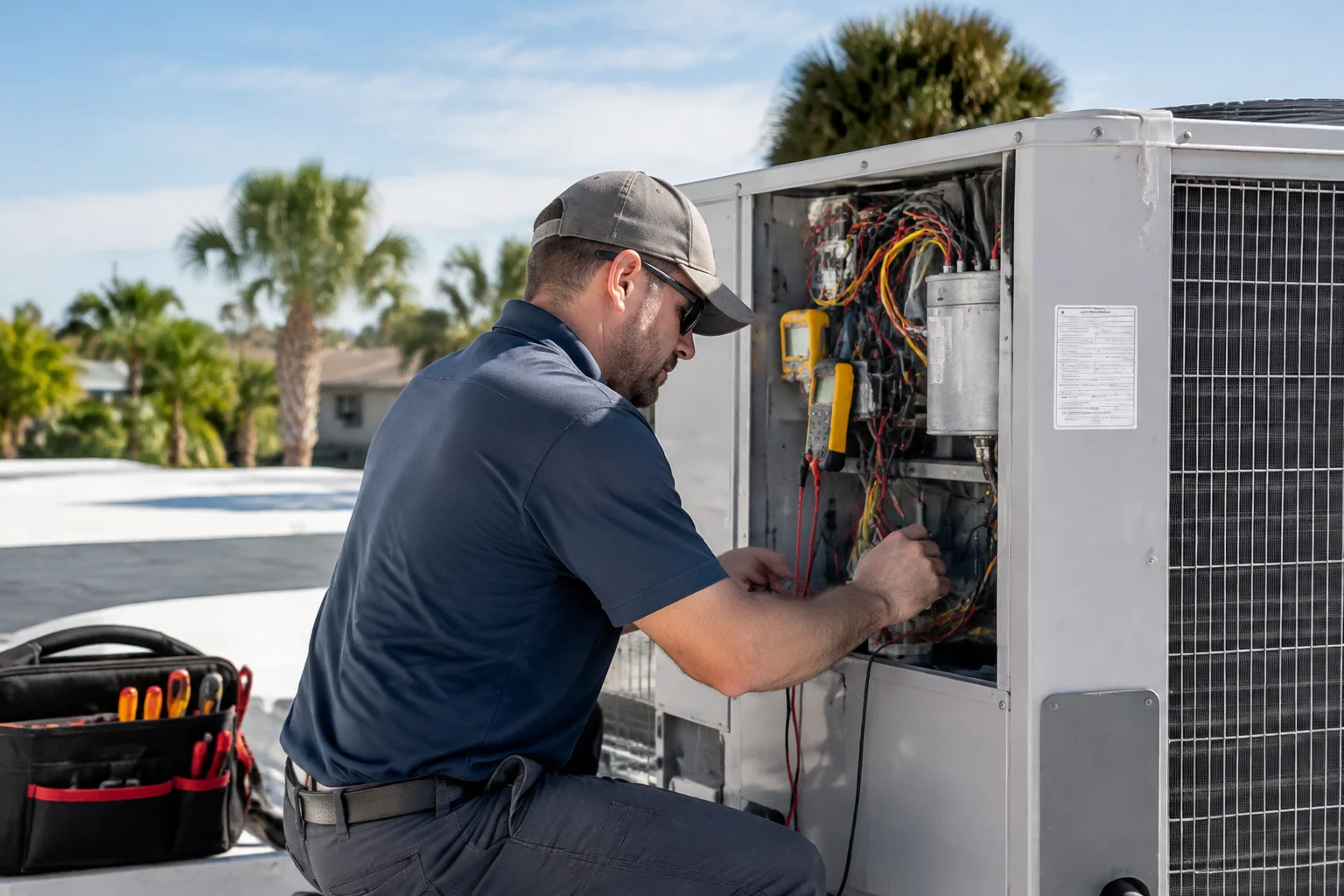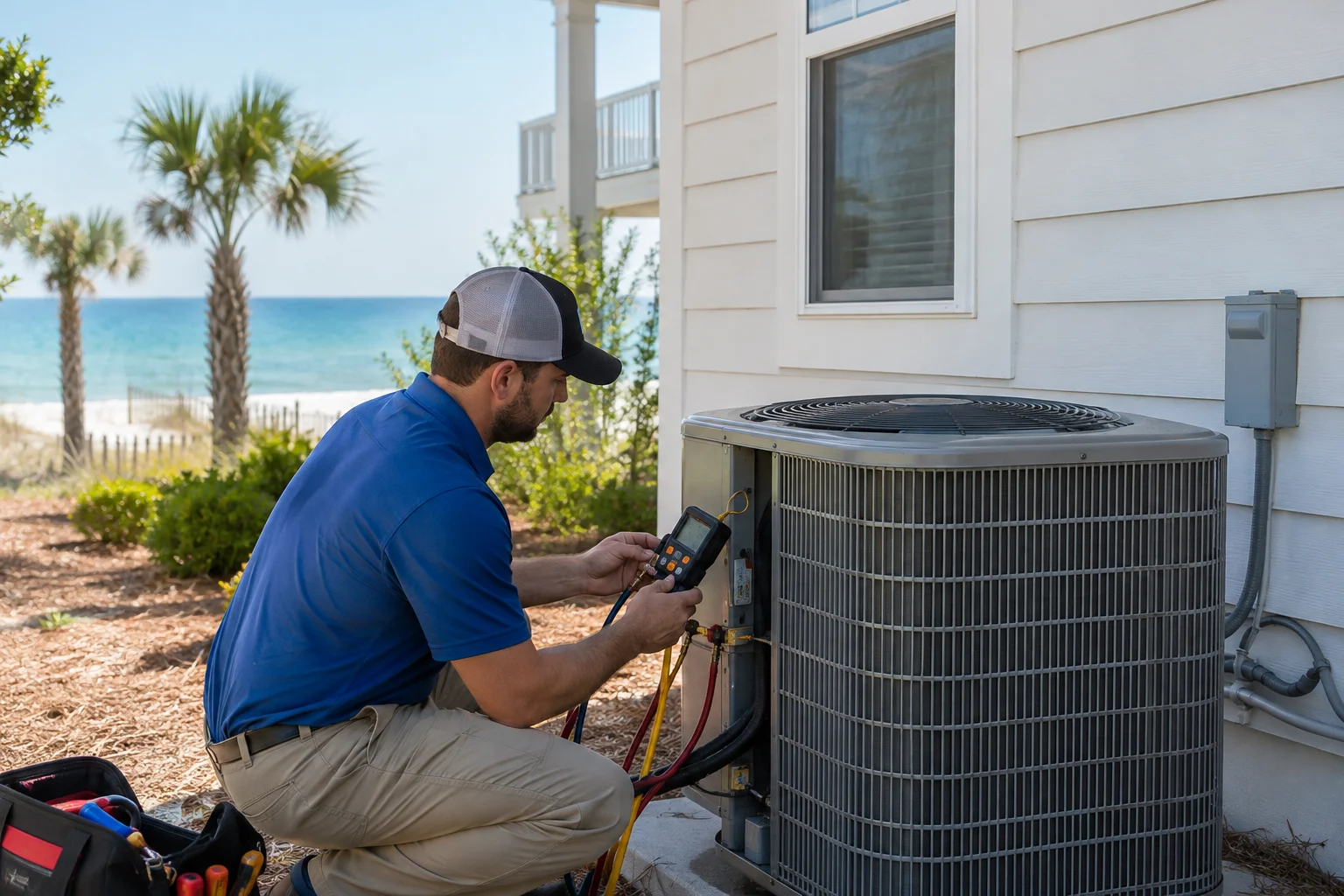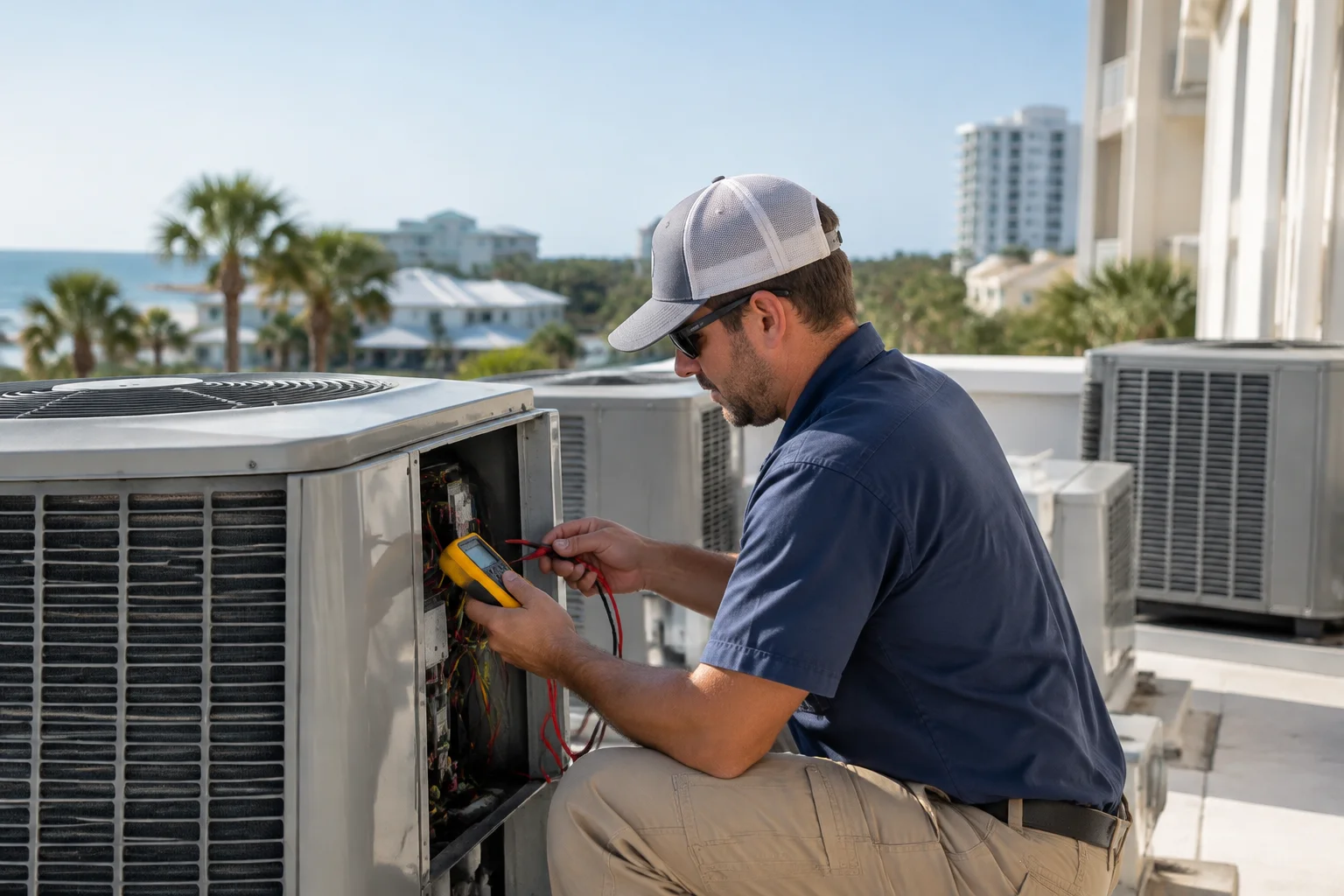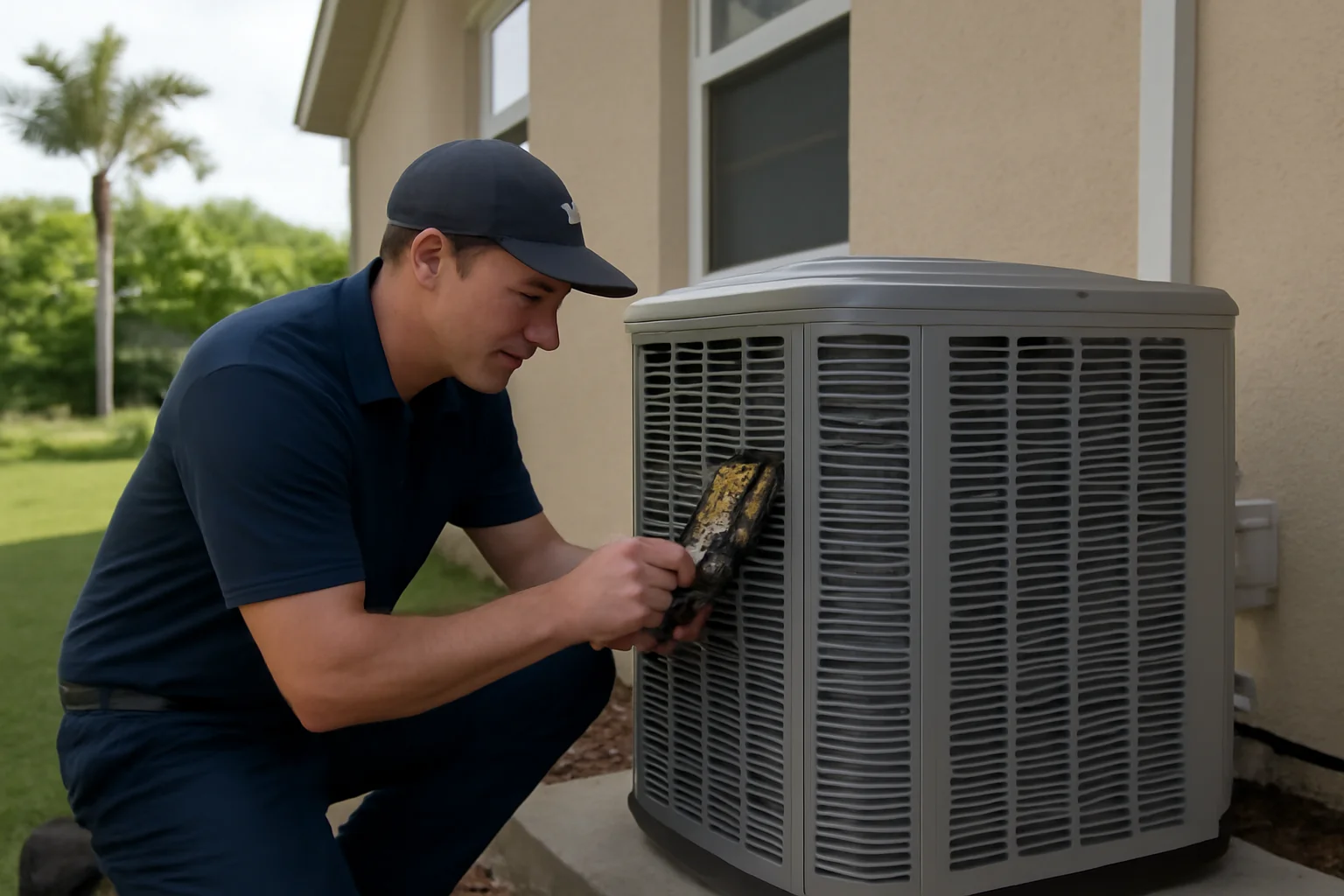
Laguna Beach, FL is beautiful, but the weather can be hard on commercial HVAC systems. Florida heat, high humidity, and salt air all challenge airflow, refrigerant systems, and condensate drainage. When something goes wrong, it can become an emergency cooling concern quickly, especially for schools, offices, medical spaces, and family-run businesses that cannot afford long downtime.
This guide is written for homeowners and property managers who want to avoid emergency HVAC calls for commercial HVAC repair in Laguna Beach, FL. You will find concrete prevention steps, common causes of breakdowns, and the kind of professional HVAC service details to ask for from a local contractor like A Superior Mechanical. If you manage a building in Bay County, you can also explore our Laguna Beach service area and Bay County HVAC coverage.
Why emergency HVAC repairs happen more often in coastal Florida
Emergency HVAC calls usually do not start as emergencies. They start as small issues that build over time, then collide with peak demand. In Laguna Beach, that peak demand can be relentless.
Humidity and heat stress the cooling cycle
When outdoor temperatures and humidity stay high, the cooling system has to work harder to remove moisture from indoor air. That affects everything from airflow through ductwork to how refrigerant systems behave under load. If the system is not maintaining proper airflow or if components are wearing out, it can overheat, short-cycle, or fail to cool evenly.
Salt air can accelerate wear on HVAC components
Coastal conditions can contribute to corrosion and buildup. Even when a system is sheltered, airborne salt can still affect metal surfaces and electrical connections. Over time, corrosion can lead to reduced performance, sensor misreads, and other cooling problems that eventually trigger shutdowns.
Airflow problems turn into system protection events
Many commercial systems rely on consistent airflow for safe operation. Dirty filters, blocked return grilles, ductwork restrictions, or failed dampers can reduce airflow. When airflow drops, the system can work harder to achieve the same temperature, which increases stress on the evaporator coil, blower, and other components. That is when you may see rapid cycling or calls for emergency AC repair near me during the hottest hours.
Start with the basics: a prevention plan families can actually follow
Preventive HVAC maintenance is not just a checklist. For commercial properties, it is a practical plan that keeps comfort steady and reduces the likelihood of a system failure when families, employees, and customers need dependable cooling.
Use thermostats and schedules that match real occupancy
Thermostats and schedules are easy to overlook, but they affect how often systems run and how hard they work. For example, a schedule that runs the system early and late with no occupancy may increase wear. A schedule that turns cooling off too aggressively can cause reheat and moisture problems when the building is occupied again.
If you are considering indoor air quality testing or you suspect humidity is not being controlled, ask your HVAC company how thermostat settings and control sequences can support dehumidification and stable comfort.
Set a filter and airflow inspection routine
Filters are part of airflow management. In humid coastal weather, airflow restrictions can happen faster. Homeowners and property managers can help by tracking filter changes and watching for signs of clogged airflow, like weak supply air, increased dust, or rooms that never feel fully cool.
For many buildings, an AC tune up near me style visit should include airflow checks and inspection of the air path. That is especially important for rooftop units and split systems that serve multiple zones.
Confirm condensate drainage is clear and flowing
Cooling removes moisture, and that moisture usually drains through condensate drainage. If condensate drainage is restricted, overflow can occur, water can damage building materials, and the system may shut down to protect itself. In a commercial setting, that can quickly become an emergency cooling concern.
During routine maintenance, ask the technician to inspect condensate drainage lines, verify proper drainage, and check for signs of moisture problems around the indoor coil area.
Common commercial HVAC repair triggers you can catch early
Below are frequent causes of failure that lead to emergency calls. The key is recognizing early symptoms and addressing them before the system reaches a breaking point.
Uneven cooling that turns into a full system shutdown
If some areas feel warm while others feel cold, the issue is often related to airflow or ductwork performance, not just the thermostat. Ductwork restrictions, blocked returns, misbalanced dampers, or failing fans can cause uneven distribution. Over time, the system may run longer and harder, increasing wear on the refrigeration cycle and electrical components.
When families are searching for commercial HVAC repair, they often want comfort restored quickly. A professional assessment of airflow and ductwork can reduce the chance of recurring breakdowns.
Short cycling and temperature swings
Short cycling can happen when the system cannot maintain stable operating conditions. Dirty coils, airflow limitations, control problems, and refrigerant system issues can contribute. While a homeowner might notice the thermostat changing rapidly, the root cause requires an in-person inspection.
If you see repeated on-off cycles, do not keep resetting thermostats and expecting the problem to disappear. That can add stress to the system.
Strange noises or vibration that worsen over time
Bearing wear, loose panels, or airflow obstructions can create noises that start subtle and become louder. In commercial settings, rooftop units and air handlers operate continuously, and small mechanical problems can escalate.
Prompt attention to abnormal sounds can prevent larger failures that interrupt cooling for an entire building.
Rising energy use paired with weak cooling
When energy use climbs and cooling performance drops, it often points to airflow problems, coil buildup, control issues, or other system inefficiencies. Florida heat and humidity can mask these warning signs because the system is already working hard. That is why a consistent maintenance schedule matters.
Ask for an air conditioning inspection near me style evaluation that looks at airflow, coil condition, and how the system is operating under load.
Refrigerant system concerns that should be evaluated onsite
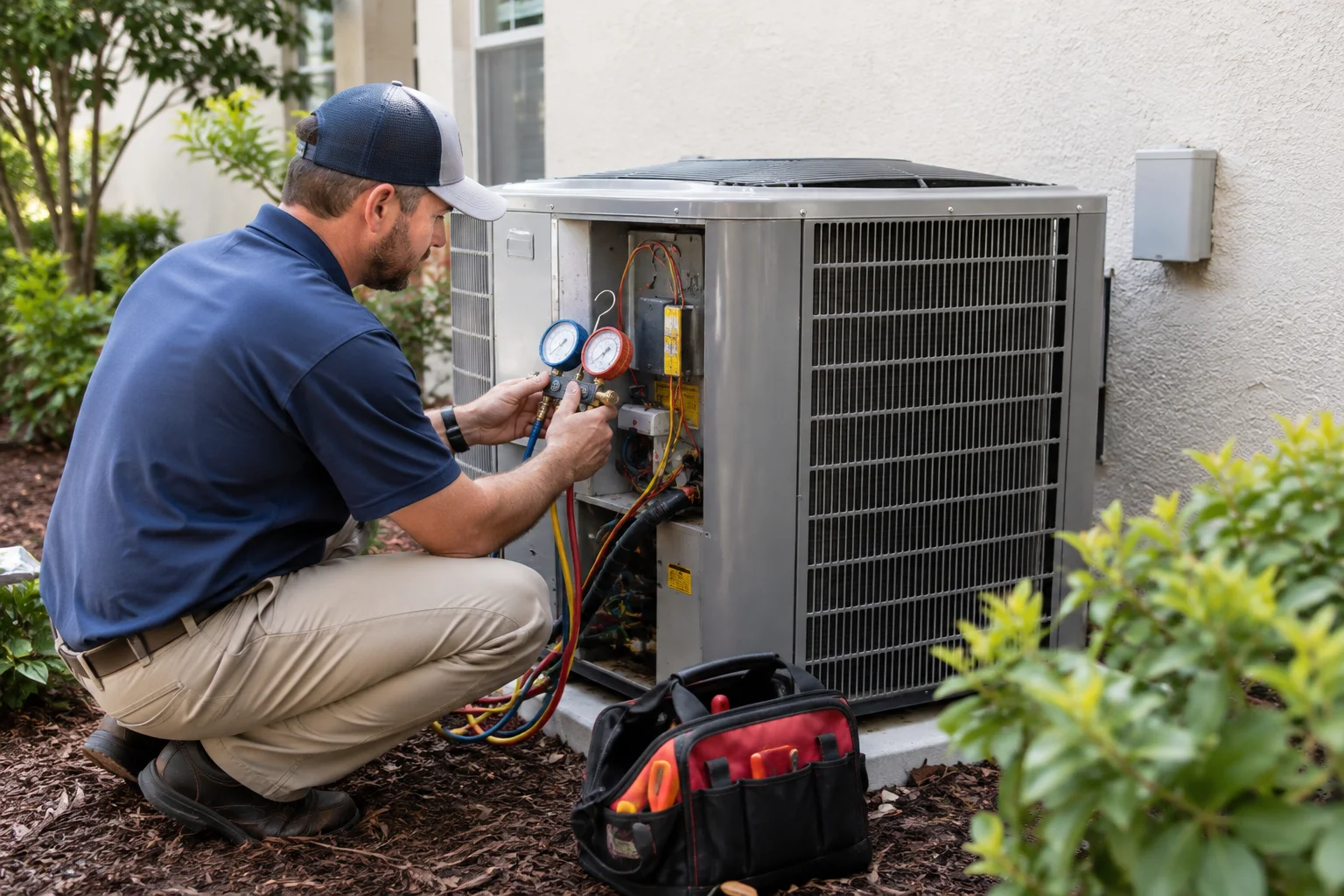
Refrigerant systems are designed to operate within specific conditions. If the system is not cooling properly, it can be tempting to assume a refrigerant issue. However, homeowners should not attempt DIY refrigerant diagnosis. Refrigerant handling requires training and proper equipment.
Instead, request a professional in-person assessment. A Superior Mechanical can evaluate system operation and determine the correct next steps based on what is found during the inspection. This protects your equipment and helps avoid unnecessary repairs.
Maintenance actions that reduce emergency cooling risks
These steps are practical for families and property managers, and they also align with what a professional HVAC company should review during commercial maintenance.
Schedule maintenance before peak humidity hits
In Laguna Beach, planning ahead matters. When the hottest stretches and humid weeks arrive, systems run at higher demand. Scheduling preventive HVAC maintenance before peak season helps ensure components are clean, airflow is stable, condensate drainage is working, and controls are set for comfort.
Inspect ductwork performance, not just the equipment
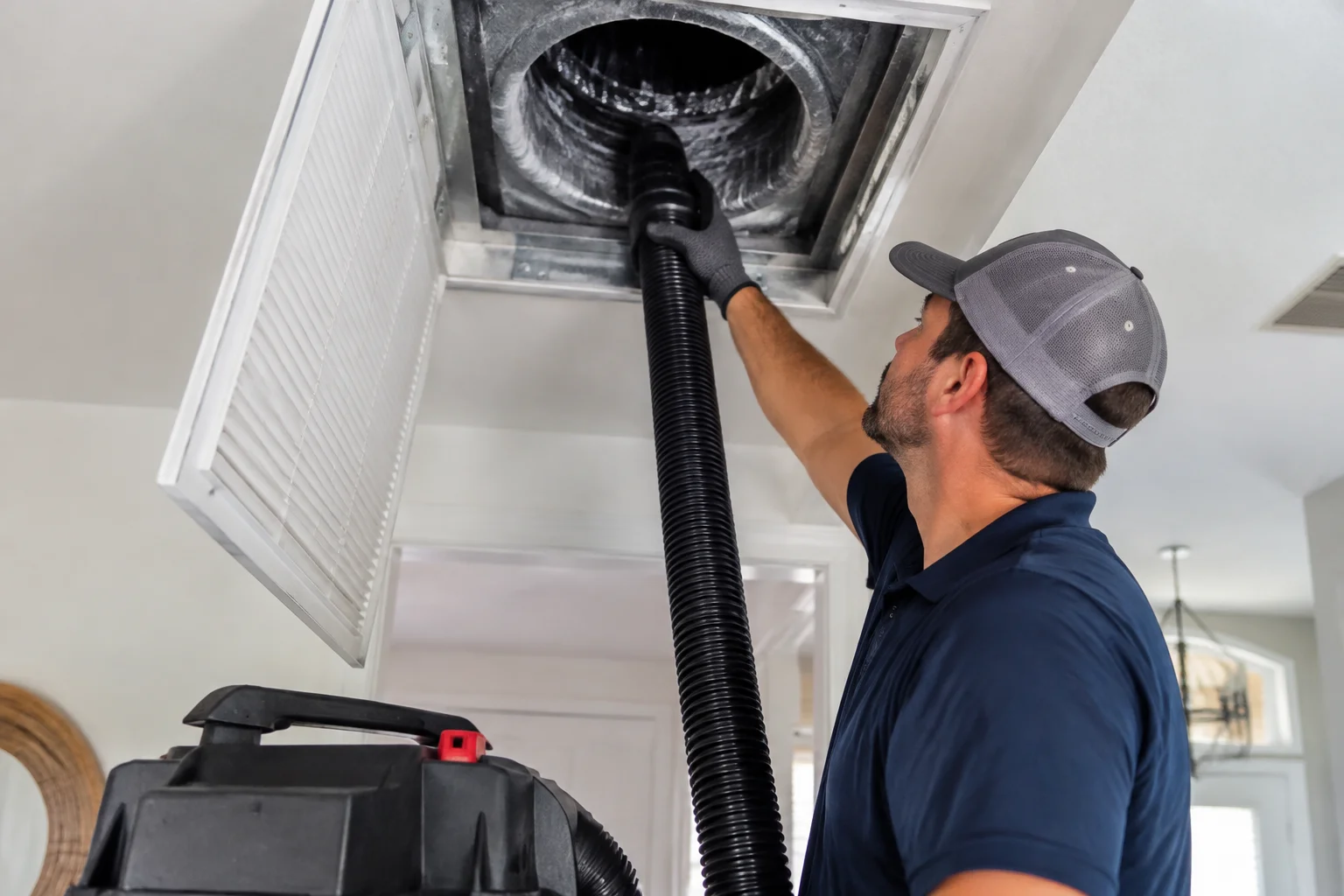
Ductwork can be a major factor in whether a commercial system can deliver comfort. Even if rooftop equipment is functioning, restricted ductwork can reduce airflow and increase system strain. During maintenance, ask about duct inspection near me evaluations that include checking for visible issues, air distribution problems, and signs of leakage or blockage.
If you suspect ductwork issues, you may also need duct repair near me support. Correcting airflow problems can prevent the system from working harder than it should.
Address indoor air quality early, especially in humid climates
Indoor air quality is closely tied to how the system manages moisture and airflow. In coastal Florida, humidity can contribute to musty odors, comfort complaints, and indoor air discomfort. During maintenance, ask how the system’s filtration and airflow support cleaner air.
For homeowners who want deeper insight, review Cleaner Air Starts in the Ducts: A Laguna Beach Homeowner’s Guide to Better HVAC Performance. Good ductwork performance and proper filtration work together to support healthier indoor air.
Keep zones and dampers operating correctly
Many commercial buildings use zoning for comfort and energy use. If dampers stick or zone controls fail, some areas may get too much or too little cooling. That can increase runtime and create uneven temperatures that lead to complaint-driven emergency service calls.
A professional commercial air conditioning contractor can check how zoning and airflow are behaving, and recommend adjustments that match the building’s layout.
Plan for heat pump and split system realities
Some commercial properties use heat pumps, split systems, or other configurations. Heat pump service needs are different from straight cooling systems, and performance can vary with humidity and load. If you are searching for heat pump repair near me, it is even more important to keep maintenance current so the system avoids unnecessary stress and control issues.
For Laguna Beach buildings, stable airflow and moisture control are still central to performance, regardless of the system type.
How to spot problems before they turn into an emergency
Emergency HVAC calls tend to happen when cooling fails suddenly or when comfort becomes unsafe for occupants. You can reduce that risk by watching for early warning signs.
Watch for comfort complaints that cluster in the same areas
If complaints are consistent and localized, it often points to airflow distribution, ductwork, or zone control issues. That is different from a building-wide shutdown, which can indicate a broader equipment or control problem.
Document when the issues happen and which areas are affected. That helps the technician focus the inspection and can reduce time spent on unnecessary steps.
Track thermostat behavior and run-time patterns
If the thermostat shows unusual behavior, such as frequent cycling, failure to reach setpoint, or unexpected changes in mode, treat it as a maintenance signal. Thermostat issues can also affect how the system runs and how it handles moisture.
If you need thermostat installation near me or thermostat updates for commercial comfort, ask whether the controls are compatible with your system type and zoning design.
Look for moisture symptoms around indoor units
Condensate drainage problems can show up as water near units, damp ceilings, or recurring odors. In humid conditions, small drainage issues can become bigger quickly. If you see moisture signs, schedule an inspection rather than waiting for the next maintenance cycle.
Notice changes in airflow quality
Weak airflow from vents, excessive dust, or a shift in how air feels can indicate filter issues, coil buildup, or ductwork performance problems. In Florida humidity, airflow changes can also impact how well the system dehumidifies.
Choosing the right local HVAC service matters in Laguna Beach
In a coastal climate, the details of a commercial HVAC repair inspection make a difference. A local contractor understands the typical challenges of Florida heat, humidity, and salt air. They also understand how commercial buildings are laid out and how systems are commonly configured in Bay County.
Ask whether they focus on airflow, controls, and moisture management
When you call an HVAC company, you want more than a quick fix. Ask what they will check during an air conditioning inspection near me visit. Look for attention to airflow, condensate drainage, thermostat settings, ductwork performance, and how the system manages humidity.
Confirm they can handle the type of commercial system you have
Commercial HVAC systems can include rooftop units, split systems, heat pumps, and other configurations. If your property relies on a specific type of equipment, choose a contractor that regularly services that category.
A Superior Mechanical provides commercial HVAC repair in Upper Laguna Beach, FL for rooftop units, split systems, heat pumps, VRF systems, and more. If you are evaluating long-term upgrades, you can also review Commercial HVAC Installation in Laguna Beach, FL: The Issues Local Property Owners Should Not Overlook and Keeping Laguna Beach Properties Reliable with Smarter HVAC Management.
Do not delay repairs for “small” symptoms during peak season
When the system is already running hard, small issues can escalate. Reduced airflow, condensate drainage concerns, or control problems can lead to shutdowns. Families searching for AC repair near me during hot weeks often wish they had addressed the early warning signs sooner.
When you should call A Superior Mechanical for commercial HVAC repair
Some situations deserve professional attention right away, especially when cooling is tied to occupant comfort and safety.
Call for help when cooling performance drops or the system shuts down
If the system stops cooling, cycles repeatedly, or cannot reach setpoint during normal operation, schedule an in-person inspection. Avoid repeated thermostat resets as a workaround.
Call when you notice moisture, drainage issues, or musty odors
Condensate drainage problems can damage building areas and worsen indoor air quality. If you see water near indoor units or recurring odors, contact a professional before the issue spreads.
Call when you suspect ductwork or airflow restrictions
Weak airflow, uneven cooling, or persistent hot spots can indicate ductwork performance issues. An experienced technician can evaluate airflow pathways and recommend appropriate duct inspection and duct repair if needed.
Call when your system shows signs of refrigerant system trouble, but avoid DIY diagnosis
If cooling is failing and you suspect refrigerant system concerns, it is important to have an onsite professional evaluate the situation. Refrigerant handling requires proper training and tools, and the correct next step depends on what is actually happening during operation.
Preventive maintenance that supports energy use and long-term comfort
Commercial HVAC maintenance is not only about avoiding breakdowns. It also supports reasonable energy use by helping the system operate as designed. In Laguna Beach, where summer cooling demand is high, efficiency and comfort are closely linked.
When maintenance includes airflow checks, coil inspection, condensate drainage verification, control reviews, and ductwork assessment, the system can cool more effectively without unnecessary stress. Over time, that helps reduce the chance of emergency repairs and supports consistent indoor comfort for families and staff.
If you are also planning system upgrades, consider how installation choices affect performance. For example, Commercial HVAC Installation in Laguna Beach, FL covers local considerations that can influence how well equipment handles humidity and airflow demands. If you are exploring equipment replacement routes, you can compare options through Air Conditioning Replacement and Air Conditioning Installation.
For homeowners who want a planning approach, read Smart HVAC Planning for Air Conditioning Maintenance in Laguna Beach, FL. It pairs well with a commercial maintenance schedule because it helps you think ahead about airflow, indoor air quality, and seasonal readiness.
If you need commercial HVAC service in Bay County, start by reviewing our Bay County HVAC service area and the specific Laguna Beach page for commercial work: commercial HVAC repair in Laguna Beach, FL.
Find Commercial HVAC Repair in Laguna Beach, FL
If you need Commercial HVAC Repair in Laguna Beach, FL, visit our local service page or contact A Superior Mechanical today.
Map of Laguna Beach, FL
Frequently Asked Questions
What are the most common reasons commercial HVAC systems end up needing emergency cooling repairs in Laguna Beach?
Most emergency calls start with airflow restrictions, dirty coils, condensate drainage problems, or control issues that worsen during Florida heat and humidity. Salt air can also contribute to corrosion over time, leading to performance drops and protection shutdowns.
How often should a commercial property schedule preventive HVAC maintenance in Bay County?
A consistent maintenance schedule is important for commercial systems, especially in humid coastal climates. The right frequency depends on system type, usage, and how the building is zoned. A Superior Mechanical can help set a plan based on your equipment and operating conditions.
Can I fix uneven cooling myself by adjusting the thermostat?
Thermostat adjustments can sometimes improve comfort, but uneven cooling is often caused by airflow, ductwork performance, zoning, or coil issues. It is best to have an in-person HVAC inspection rather than relying on thermostat changes alone.
What should I do if I notice moisture near an indoor unit?
Moisture near equipment can point to condensate drainage problems. Stop waiting for the next maintenance visit and schedule a professional inspection. Water issues can affect indoor air quality and can damage building materials.
If I suspect a refrigerant issue, is it safe to diagnose or refill refrigerant without a technician?
No. Refrigerant diagnosis and handling require training and proper equipment. If cooling is failing, schedule an onsite inspection so a professional can evaluate the refrigerant system and determine the correct repair steps.
Related Articles
- Smart HVAC Planning for Air Conditioning Maintenance in Laguna Beach, FL
- Commercial HVAC Installation in Laguna Beach, FL: The Issues Local Property Owners Should Not Overlook
- Keeping Laguna Beach Properties Reliable with Smarter HVAC Management
- Cleaner Air Starts in the Ducts: A Laguna Beach Homeowner’s Guide to Better HVAC Performance
Photo Gallery