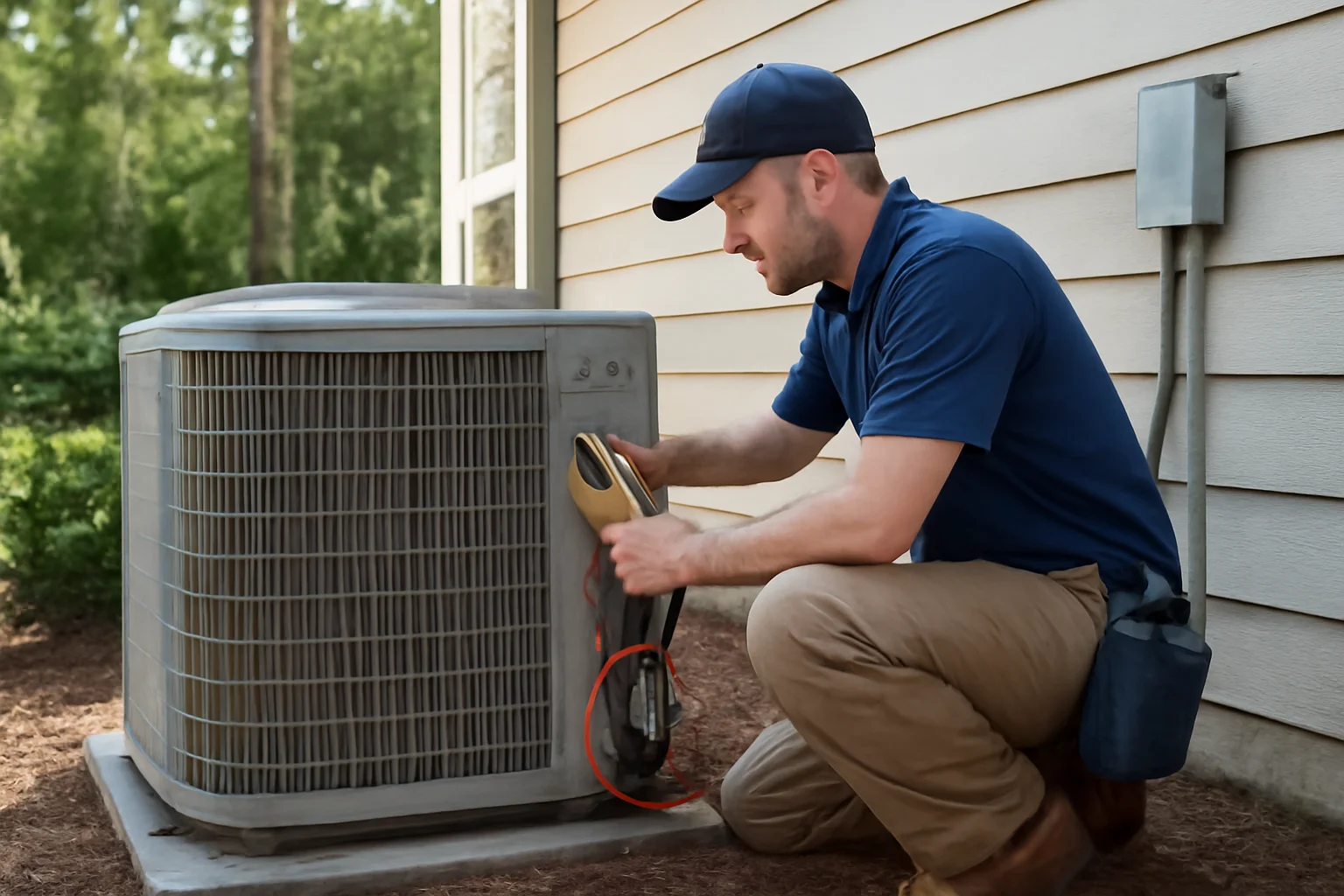
WaterColor, FL is beautiful, but the weather can be demanding on HVAC equipment. Long cooling seasons, high humidity, and salt air from the Gulf mean many managed homes are running air conditioning more often than owners expect. For property managers, that translates into higher wear on refrigerant systems, faster buildup in condensate drainage components, and more opportunities for airflow problems and indoor air quality issues.
If you manage vacation rentals, HOAs, or other properties, you are not just trying to keep tenants comfortable. You are also trying to protect schedules, reduce emergency cooling concerns, and avoid the kind of mid-stay breakdown that costs more than a routine air conditioning service call. The good news is that HVAC warning signs are usually visible before they become a full outage.
For a local, property-management focused approach, see Property Management HVAC Services in WaterColor, FL and explore the broader WaterColor service area.
Why WaterColor’s cooling season is harder on HVAC systems
In many parts of Florida, the “cooling season” is less of a season and more of a lifestyle. During stretches of hot, humid weather, air conditioners and heat pumps often run for longer cycles, not just during a few peak months. That prolonged operation increases stress on the components that move heat and manage moisture.
Several local factors can amplify the strain:
- Humidity and moisture load: Humid air increases condensate production. If condensate drainage is restricted, moisture can back up and affect performance and indoor air quality.
- Salt air exposure: Coastal air can contribute to corrosion on outdoor units and metal components, especially when protective surfaces are not maintained.
- Airflow demands: When ductwork is undersized, poorly sealed, or blocked by debris, the system has to work harder to move cooled air through the home.
- Thermostat cycling: Thermostats that are set aggressively, miscalibrated, or frequently adjusted can cause short cycling, which increases wear on refrigerant systems and compressors.
For property managers, the key takeaway is simple: the HVAC equipment in managed homes is often operating under heavier schedules than a typical owner-occupied residence. The longer it runs, the more likely it is to show warning signs related to airflow, moisture control, refrigerant performance, and control stability.
HVAC warning signs that matter most for property management
Not every symptom means an immediate failure, but some patterns are strong indicators that maintenance or repair is needed. When you are responsible for multiple properties, catching these issues early is one of the most effective ways to reduce emergency cooling concerns.
1) Uneven cooling from room to room
If one bedroom stays warmer than the rest, or if only certain zones feel comfortable, the problem is often tied to airflow. Common causes include ductwork leaks, blocked returns, dirty filters, or supply registers that are restricted by furniture or construction residue.
For homeowners and managers, uneven cooling is also a clue that indoor air quality may be suffering. When air distribution is inconsistent, humidity control can become less predictable.
Consider pairing routine HVAC maintenance with duct sealing and Aeroseal care when duct leakage is suspected.
2) Higher humidity indoors, even when the thermostat is set correctly
In WaterColor, humidity control is part of the comfort equation. If the system runs but the home feels clammy, the cause may be airflow restriction, a refrigerant system issue, or problems with condensate drainage. A properly functioning air conditioner or heat pump should remove moisture as it cools.
For managed properties, humidity complaints often show up quickly after guest check-in, especially when windows are opened or when multiple showers and cooking activities increase moisture generation. If the HVAC system cannot keep up, it can affect comfort and how clean the home feels.
3) Condensate drainage problems and water around the equipment
Condensate drainage is easy to overlook until it becomes visible. Warning signs include:
- Water pooling near the air handler or outdoor unit
- Musty odors inside the home
- Frequent shutdowns or unusual system behavior during humid weather
- Visible algae or staining near drains
Restricted drains can cause moisture to remain where it should not. That can impact indoor air quality and can lead to more serious performance issues over time. A professional inspection can confirm whether the condensate line is clear and whether the system is draining as intended.
4) Short cycling or frequent temperature swings
Short cycling is when the system turns on and off repeatedly within a short period. In humid climates, short cycling can leave the home under-dehumidified and can accelerate wear on components in the refrigerant system.
Thermostat behavior is often involved. If the thermostat is set too close to the current temperature, or if it is not reading the home correctly, the system may attempt to satisfy the setpoint too quickly. In other cases, airflow issues can cause the system to hit limits faster than expected.
Because thermostat settings and system operation interact, an air conditioning inspection is more useful than guessing. You want a technician to evaluate airflow, control operation, and performance under actual conditions.
5) Strange noises or vibrations from the outdoor unit
Outdoor units operate in heat, salt air, and wind. Over time, you may notice:
- Rattling or grinding sounds
- Excessive vibration
- Banging during startup or shutdown
Noise can point to fan issues, debris, loose components, or wear. Even if the system still cools, abnormal sound is a reason to schedule HVAC repair before it escalates into a no-cooling emergency.
6) Rising energy use during peak summer stretches
When an HVAC system is struggling, energy use often climbs because the equipment runs longer or cycles inefficiently. For property managers, this shows up as higher utility bills, faster depletion of budgets, and complaints about “the AC never works.”
Energy use increases can relate to dirty filters, airflow restrictions, ductwork leakage, refrigerant system inefficiencies, or control problems. A thorough inspection helps identify the most likely drivers so repairs focus on what will actually improve performance.
7) Airflow that feels weak or inconsistent
If air coming from vents feels weak, intermittent, or suddenly different, the problem is often tied to airflow. Filters, blower components, ductwork, and return paths all affect airflow. In a property-management setting, airflow complaints may also correlate with guest behavior, such as blocking vents with luggage or closing doors that should remain open for air circulation.
That is why preventive HVAC maintenance matters. It reduces the chance that a small airflow disruption turns into a big comfort issue.
Common causes behind these warning signs in WaterColor homes
Managed properties may share building characteristics, maintenance schedules, and occupant patterns. That makes some HVAC issues more common than others.
Airflow and ductwork wear
Ductwork is often the hidden bottleneck. Leaks, disconnected sections, or poor sealing can reduce airflow and strain the refrigerant system. Over time, dust accumulation and debris can partially block duct runs, especially if returns are poorly filtered.
If you suspect ductwork problems, look for signs like uneven cooling, higher humidity, and increased runtime. A duct inspection can help confirm whether supply and return airflow paths are functioning as intended.
For WaterColor homeowners, duct sealing is also a way to improve comfort consistency. If you are considering ductwork improvements, review Why WaterColor Homes Benefit from Better Duct Sealing and Aeroseal Care.
Condensate drainage restrictions
In humid weather, condensate drainage systems work hard. A clogged drain, a partially blocked line, or issues with the drain pan can lead to moisture problems and reduced cooling performance. This can also worsen indoor air quality by allowing moisture to linger.
Because condensate issues can develop gradually, routine inspections are valuable. They can catch drainage restrictions before they become visible leaks or odor complaints.
Thermostat settings and control issues
Thermostats in managed homes may be adjusted frequently. Guests might lower temperatures quickly, or HOAs may enforce temperature rules that do not match the system’s optimal operating range. If the thermostat is not calibrated or if it is communicating incorrectly with the HVAC system, the unit may cycle inefficiently.
Even when the thermostat is working, aggressive settings can still increase runtime. A technician can review how the thermostat is being used and whether the HVAC system is responding appropriately.
Refrigerant system strain from long runtime
Air conditioners and heat pumps rely on refrigerant systems to move heat out of the home. In hot, humid stretches, systems run longer. That extended operation can expose existing weaknesses, such as airflow problems or component wear that affects refrigerant system performance.
It is important not to assume the cause of cooling issues without an in-person evaluation. Refrigerant diagnosis requires proper tools and professional expertise. If you are noticing consistent performance problems, schedule HVAC repair near me for a real inspection rather than troubleshooting remotely.
Preventive HVAC maintenance that protects managed properties
Property managers often need a plan that is practical across multiple homes. Preventive HVAC maintenance is the foundation because it addresses wear before it becomes a guest complaint or an HOA emergency.
What a maintenance visit should cover
While the exact scope depends on the system type and condition, a high-quality service visit typically focuses on:
- Assessing airflow and air distribution, including supply and return paths
- Checking condensate drainage components for proper flow and operation
- Inspecting thermostat operation and system controls
- Reviewing outdoor unit condition, including debris and airflow around the equipment
- Evaluating system performance under operating conditions
For many homeowners searching for an AC tune up near me or an air conditioning inspection near me, the goal is not just to “clean things.” It is to make sure the system can handle WaterColor’s humid cooling season without surprise failures.
Build a schedule around occupancy patterns
Managed homes see different usage levels throughout the year. A practical approach is to align maintenance with seasonal demand and vacancy windows. For example, scheduling service before the heaviest guest months can reduce the chance of breakdowns during peak humidity.
If you manage HOAs with shared equipment, coordinate maintenance so you are not relying on one system to cover multiple expectations at once.
Improve indoor air quality as part of maintenance
Indoor air quality is not only about filters. In humid Florida conditions, air handling and moisture control matter. When airflow is weak or condensate drainage is restricted, indoor air quality can degrade even if the temperature seems acceptable.
During maintenance, ask about filter strategy, airflow balance, and how the system is managing humidity. If you are seeing recurring comfort complaints, indoor air quality should be part of the conversation, not an afterthought.
AC repair versus heat pump service for WaterColor properties
Many managed properties in Walton County include traditional air conditioners, heat pumps, or hybrid systems depending on construction era and homeowner decisions. The warning signs can overlap, but the service approach differs.
If your property uses an air conditioner, you may notice issues centered on cooling performance, moisture removal, and airflow. If your property uses a heat pump, you may also see heating mode behavior, depending on the season and how the system is staged.
For owners considering or maintaining heat pump systems, explore Heat Pump Services in WaterColor, FL. For cooling-only systems, property managers can also plan for Air Conditioning Replacement when repairs and maintenance can no longer keep performance steady. A replacement decision should be based on an in-person assessment, system condition, and overall comfort goals.
When to treat it as an emergency cooling concern
Some situations should be handled quickly, especially when tenants or guests are depending on the system for comfort. Treat the situation as urgent if:
- The system stops cooling during a hot period and the home is rising in temperature
- You see water pooling or signs of condensate overflow
- There are strong burning smells, heavy smoke, or repeated shutdowns
- Noise suddenly changes and the system will not stabilize
In these cases, contacting a local HVAC contractor matters because the issue is time-sensitive. A local company familiar with WaterColor conditions can prioritize the most likely causes based on what is common in the area, while still performing a proper inspection.
If you are searching for air conditioning repair near me or HVAC contractor near me, choose a provider that understands property management needs and can coordinate service around occupancy.
How to reduce the chance of problems between service visits
Even with professional preventive HVAC maintenance, managed properties still face daily realities. Small steps can lower the risk of airflow and moisture issues.
Simple steps staff and guests can follow
- Keep return vents clear and avoid blocking supply vents with furniture
- Replace or maintain filters on the schedule required for the property
- Ensure condensate drain areas are not disturbed during cleaning
- Use thermostat settings that support steady operation rather than extreme short-term changes
These steps do not replace an HVAC inspection, but they reduce stress on the system during long cooling seasons.
Document HVAC performance and complaints
For property management, patterns matter. Keep notes on when cooling issues occur, which rooms are affected, and whether humidity complaints coincide with certain times of day. This helps technicians focus on the most relevant checks during an HVAC service near me visit.
Why choosing local property management HVAC services matters in Walton County
HVAC problems are rarely one-size-fits-all. Coastal conditions, humidity levels, and typical housing layouts in WaterColor can influence how systems age and how they fail. Working with a local HVAC team that understands the area can lead to faster, more accurate troubleshooting because the technician has seen the same climate-driven issues repeatedly.
That is exactly why property managers look for specialized property management HVAC services and not just one-off repairs. When the same provider supports multiple properties, maintenance history and recurring issues are easier to track.
For WaterColor, start with a plan that includes preventive HVAC maintenance, airflow and ductwork evaluation when comfort is inconsistent, and moisture and condensate drainage checks during humid months. That approach helps protect energy use and reduces the odds of a mid-stay failure.
If you manage multiple properties and want a service plan built for vacation rentals, HOAs, and managed homes, visit /service-areas/walton-county/watercolor/property-management-hvac-services-wcfl and browse /service-areas/walton-county for the broader Walton County coverage area.
Related issues property managers should plan for
Long cooling seasons do not just affect existing systems. They also influence decisions about upgrades and new installations. If you are updating a property or preparing a managed home for the next season, consider how the system will handle humidity and salt air.
Depending on the property, you might also explore:
- New construction air conditioning for updated airflow design and system sizing: New Construction Air Conditioning
- Ductless mini split installation for properties where ductwork is limited: a technician can confirm fit and performance for your layout
- Geothermal energy systems for long-term comfort strategies: Geothermal Energy Systems
Any upgrade plan should still include ductwork considerations, indoor air quality goals, and realistic comfort expectations for WaterColor’s humid summers.
If you want more context on how commercial and multi-unit systems behave in local conditions, read Why Commercial HVAC Systems Struggle in WaterColor Homes and How to Stay Ahead of It. For broader property management guidance in nearby areas, you can also review A Homeowner’s Guide to Property Management HVAC Services in Santa Rosa Beach and A Practical Look at Property Management HVAC Services for Local Property Owners in Sandestin, FL.
Find Property Management HVAC Services in WaterColor, FL
If you need Property Management HVAC Services in WaterColor, FL, visit our local service page or contact A Superior Mechanical today.
Map of WaterColor, FL
Frequently Asked Questions
What are the most common HVAC warning signs during WaterColor’s humid summers?
The most common signs include uneven cooling, higher indoor humidity even when the thermostat is set correctly, weak airflow from vents, condensate drainage issues, and increased energy use. If you notice a pattern across multiple rooms, it is usually an airflow or moisture-management problem that needs a professional inspection.
How often should property managers schedule preventive HVAC maintenance in WaterColor, FL?
Many managed properties benefit from seasonal preventive HVAC maintenance timed before the busiest cooling periods and repeated during the heaviest humidity stretches. The right schedule depends on system age, usage, and occupancy patterns, so a technician can help set a plan for each property.
Can ductwork problems cause both comfort complaints and indoor air quality issues?
Yes. Leaky or restricted ductwork can reduce airflow and make humidity control less consistent. That can contribute to stale air, uneven temperatures, and moisture-related indoor air quality concerns. A duct inspection can help confirm whether airflow paths are performing correctly.
Is it safe to keep running the AC when there is water near the indoor unit?
No. Water near the equipment can indicate condensate drainage restrictions or overflow. Because moisture can affect indoor air quality and system performance, it is best to arrange an in-person evaluation rather than waiting for the next scheduled visit.
Should I try to diagnose refrigerant issues myself?
No. Refrigerant diagnosis requires proper tools and a professional approach. If cooling performance is consistently poor, an HVAC technician should inspect the system in person to determine the cause before any repair decisions are made.
Related Articles
- Why Commercial HVAC Systems Struggle in WaterColor Homes and How to Stay Ahead of It
- A Homeowner’s Guide to Property Management HVAC Services in Santa Rosa Beach
- A Practical Look at Property Management HVAC Services for Local Property Owners in Sandestin, FL
- Why WaterColor Homes Benefit from Better Duct Sealing and Aeroseal Care
Photo Gallery