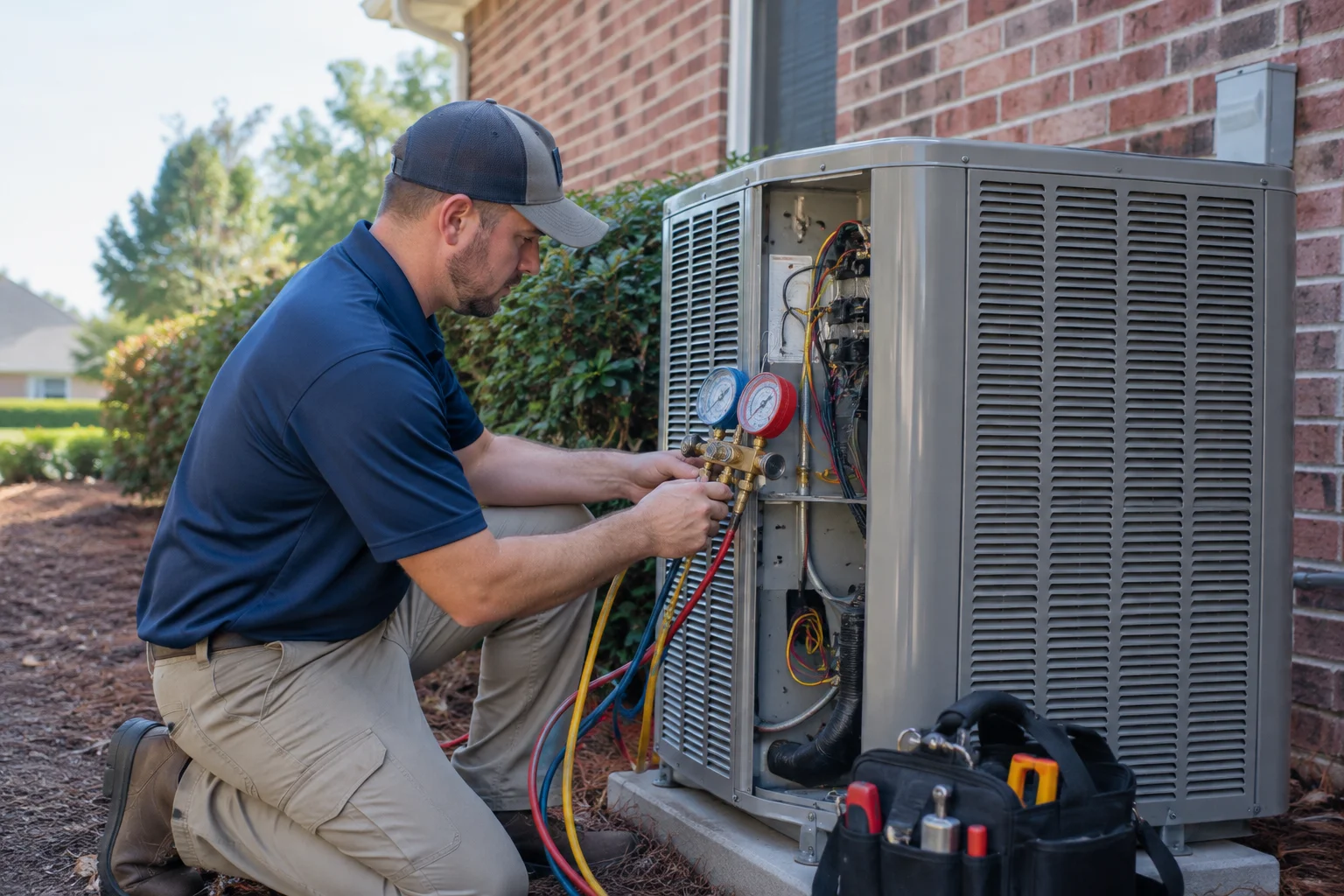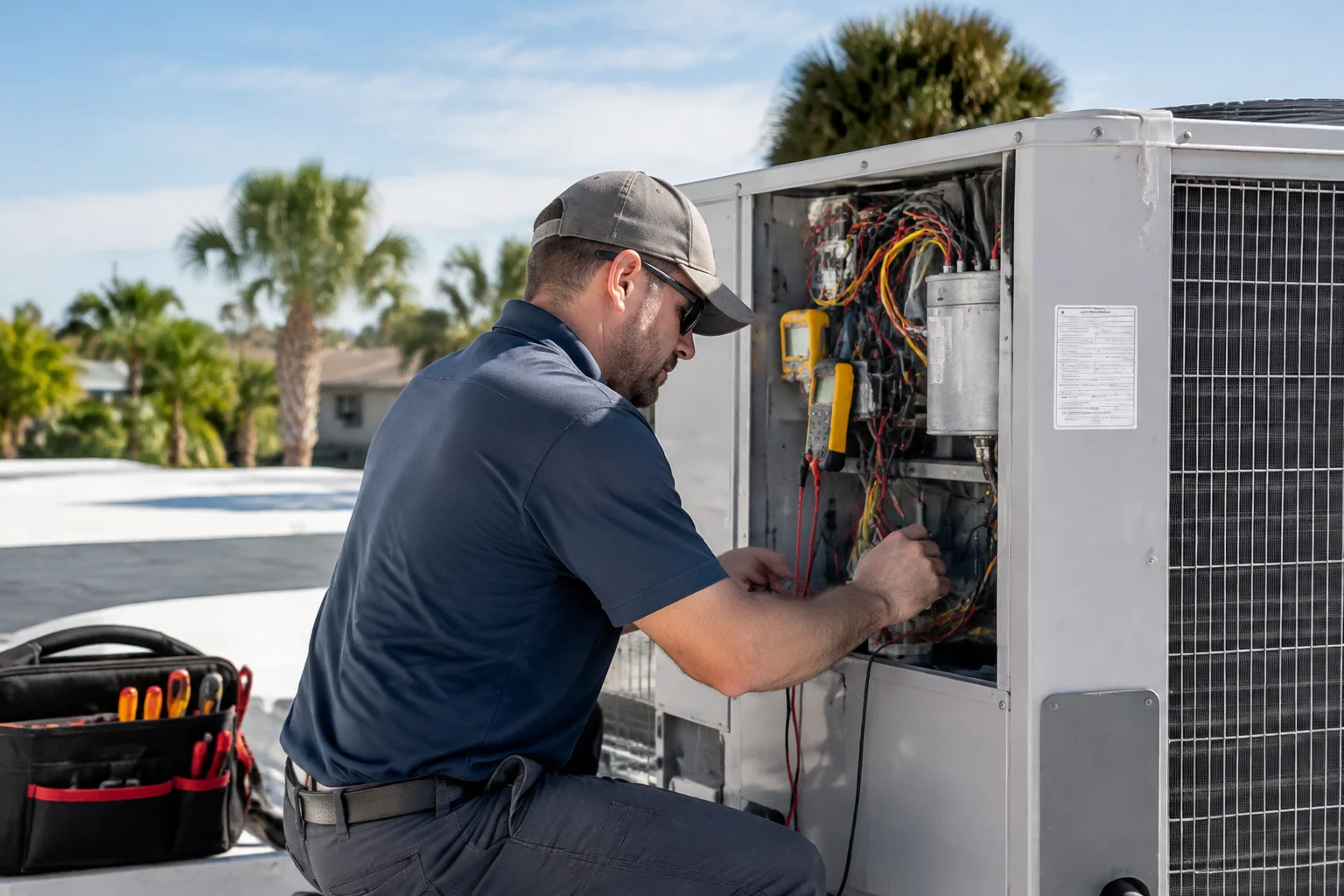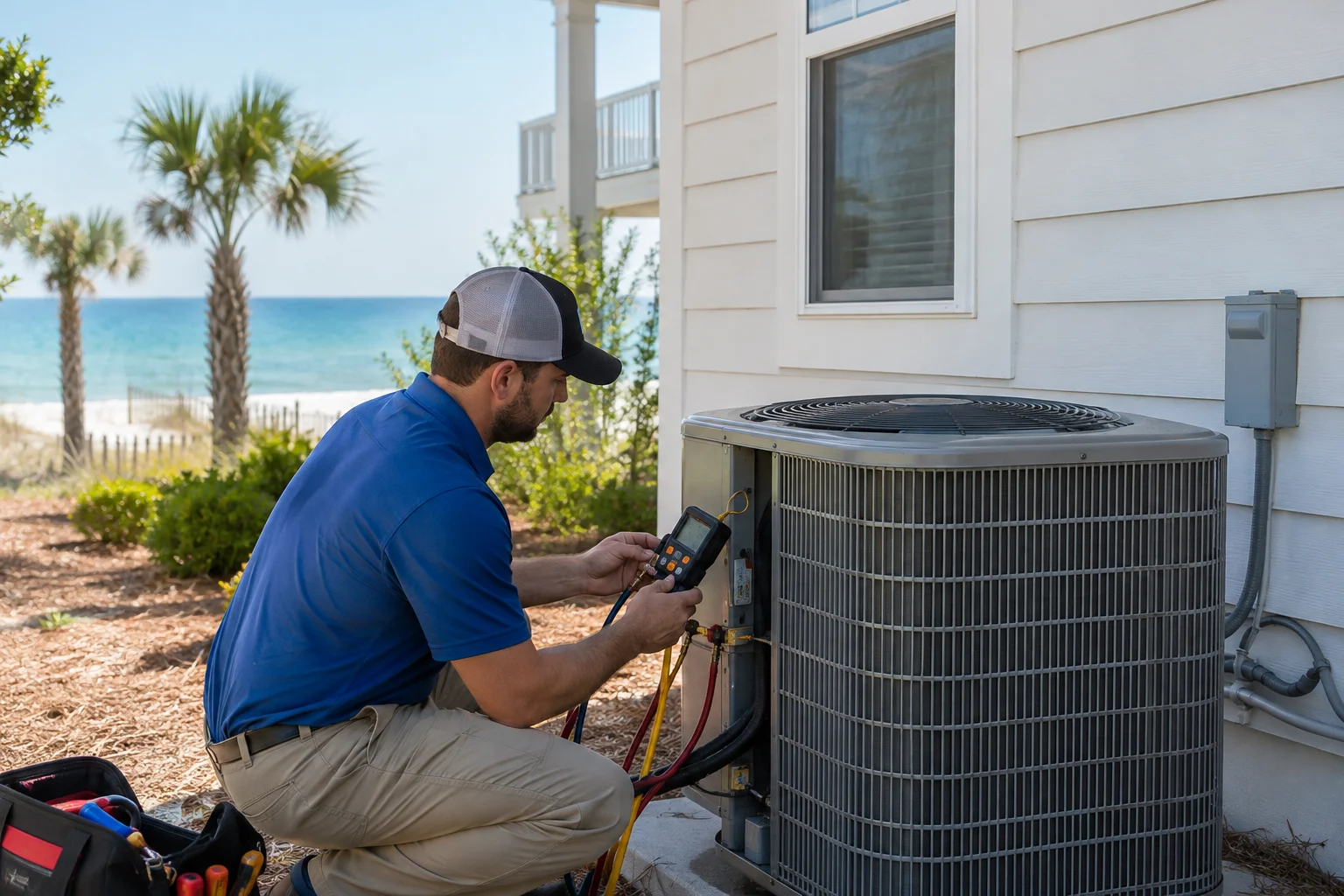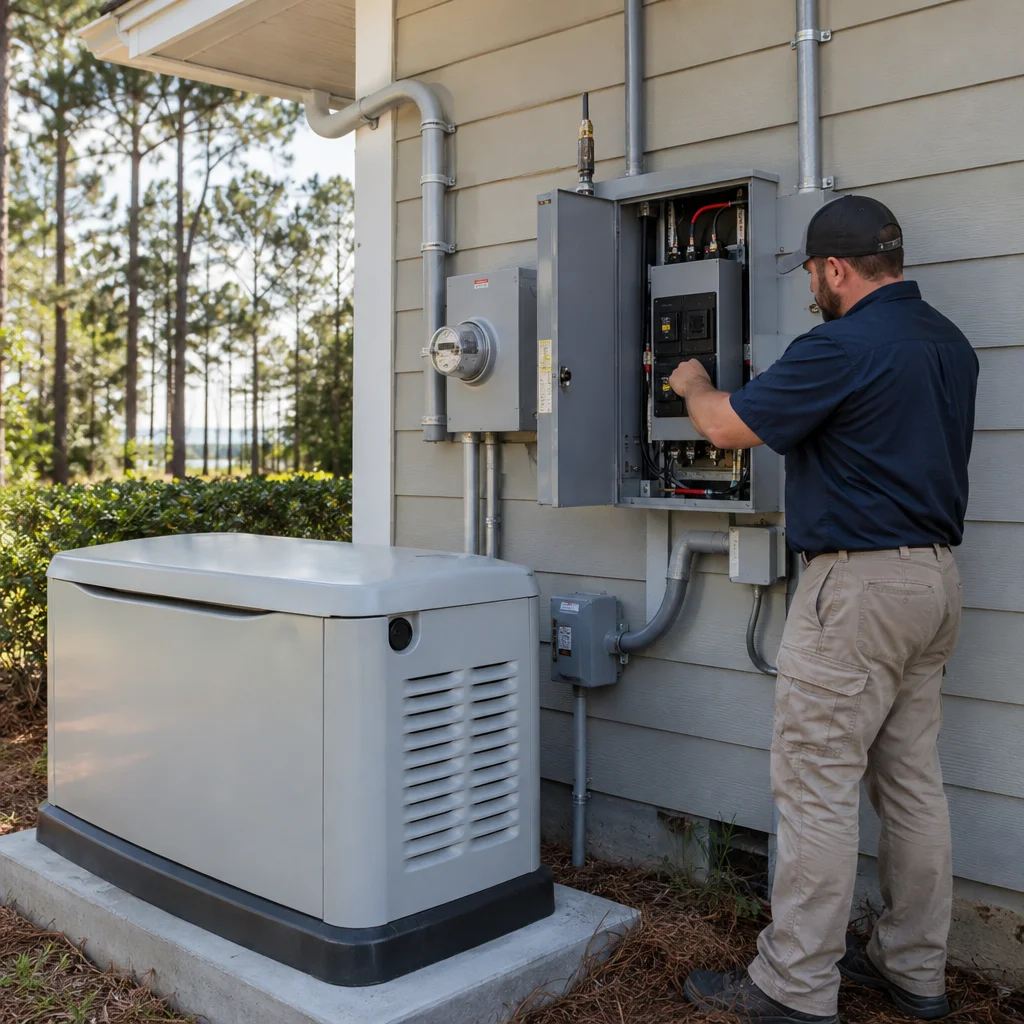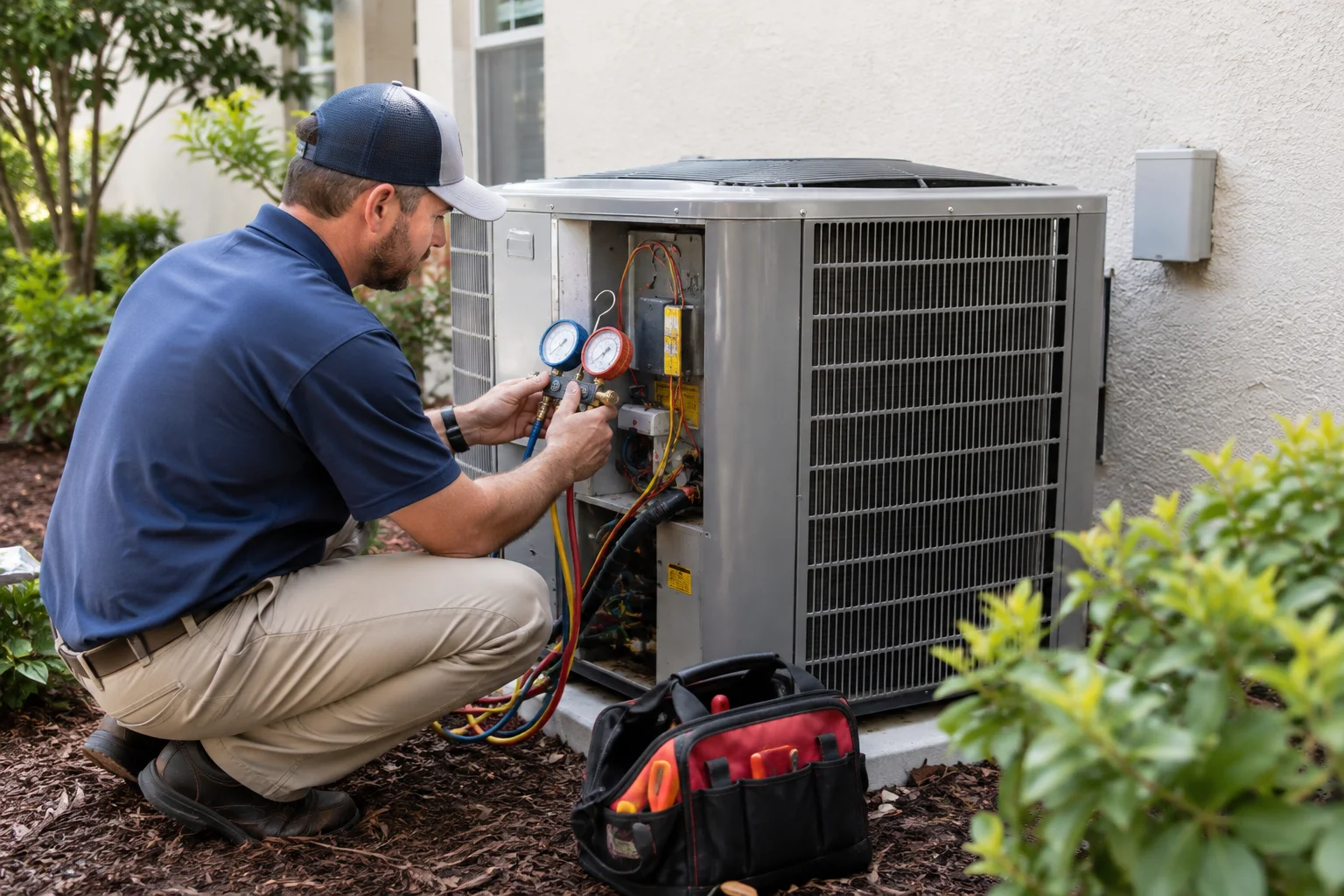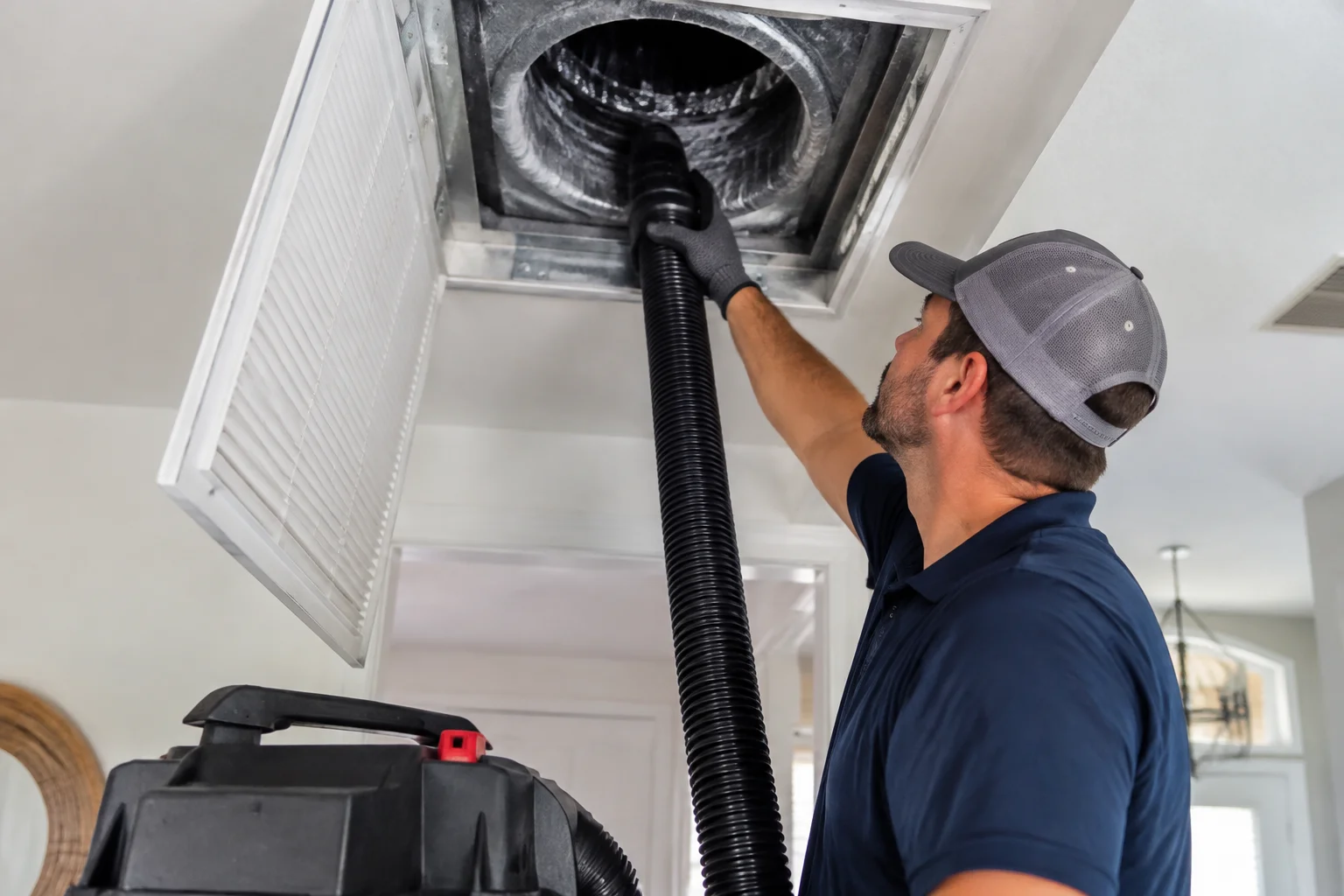
Geothermal energy can be a strong fit for Florida homes because it uses the earth’s more stable temperatures to support heating and cooling. In Niceville, though, the comfort challenge is not just temperature. It is humidity, airflow, condensate drainage, and how your geothermal heat pump works with your ductwork, thermostat, and refrigerant system day after day during long hot seasons.
This guide is written for homeowners considering geothermal energy in Niceville, FL and for those who already have a system but are dealing with uneven comfort. It also covers how to plan for HVAC repair needs so you can reduce emergency cooling concerns when Florida heat ramps up.
Why geothermal comfort can feel different in Niceville
Niceville sits in a coastal region with hot summers, frequent humidity, and salt air exposure from the Gulf. Even when geothermal equipment is sized correctly, comfort can still vary if airflow, humidity control, or condensate drainage are not keeping up.
Geothermal systems typically include a heat pump, indoor air handler or ducted blower arrangement, refrigerant lines, and a ground loop. Your comfort depends on how the indoor unit moves air through the system and how well it manages moisture. When humidity is high, the system must remove moisture from indoor air, not just cool it. That is why HVAC service for geothermal homes often overlaps with the same priorities as air conditioning service: airflow, ductwork performance, indoor air quality, and thermostat control.
Common comfort problems Niceville homeowners notice first
Homeowners usually do not describe geothermal issues as “loop temperatures.” They notice symptoms. Here are the patterns that show up in Niceville homes when geothermal systems struggle during hot, humid weather.
1) Rooms feel cool but still humid
If you feel temperature drop but the home still feels sticky, the system may not be removing enough moisture. That can happen when airflow is off, the indoor blower is not moving air the way it should, or the system is short-cycling. Ductwork leaks or poor airflow distribution can also create “cold spots” and “humid pockets,” especially in homes with older ducts or unbalanced returns.
Whole home humidity control issues can also affect indoor air quality. When moisture lingers, you may see musty odors or increased dust and allergy triggers.
2) Weak airflow from vents or uneven temperatures
Geothermal heating and cooling still relies on air movement. If vents feel weak, some rooms are warmer, or you hear unusual airflow sounds, the problem can be related to ductwork, filter conditions, blower performance, or restrictions in the system.
Some homeowners start by searching for “air conditioning inspection near me” or “HVAC repair near me” when the real issue is airflow and distribution. A proper evaluation should consider ductwork condition, airflow path, and how the thermostat is calling for cooling and fan operation.
3) Condensate drainage concerns
During cooling, the indoor portion of a geothermal system removes moisture from air. That moisture drains through a condensate line. When condensate drainage is slow, blocked, or not properly routed, homeowners may notice water around the unit, a gurgling sound, or recurring musty smells.
In humid Florida conditions, condensate problems can become more frequent. Drainage issues can also lead to indoor air quality problems and may force the system to operate differently than intended to protect components.
4) Thermostat behavior that no longer matches comfort needs
Thermostats control staging, run time, and comfort settings. If your thermostat is misconfigured, has sensor issues, or is not set up for how your geothermal system is designed to run, you can experience short cycling, delayed cooling, or comfort swings. Homeowners sometimes assume the system is “underpowered,” but the culprit can be thermostat setup and control strategy.
If you are planning thermostat installation near me or updating controls, ask for a review of how the thermostat interacts with your heat pump operation and humidity needs.
5) Refrigerant system symptoms that show up as comfort instability
Geothermal heat pumps use refrigerant in a closed system to move heat. Refrigerant-related issues can show up as performance drops, longer run times, or inconsistent temperatures. However, refrigerant diagnostics should be handled by a licensed HVAC technician with the right tools and training.
Homeowners should avoid trying to “guess” what is low or what needs changing. A technician can evaluate performance, airflow, and operating conditions first, then determine whether refrigerant service is actually appropriate after an in-person assessment.
How Florida heat, humidity, and salt air affect geothermal systems
Even though geothermal relies on stable ground temperatures, the indoor comfort side still deals with Florida conditions.
- Humidity load: Niceville summers can be heavy on moisture. Your system must remove humidity effectively, which depends on airflow, coil performance, and proper condensate drainage.
- Long run times: During stretches of hot weather, geothermal systems may run for extended periods. That makes preventive HVAC maintenance more important, not less.
- Salt air exposure: Coastal air can contribute to corrosion risks on components that are exposed. Even if your ground loop is underground, indoor and outdoor-adjacent parts can still be affected depending on how your system is installed.
- Airflow and ductwork strain: Filters, return paths, and ducts can accumulate dust and debris. Restricted airflow forces the system to work harder and can reduce comfort quality.
Repair planning: what to check before a mid-summer breakdown
Geothermal systems are not “set it and forget it.” Planning is how you avoid the worst timing for HVAC repair. A good plan focuses on the items that drive comfort and protect system operation.
Build a maintenance schedule around Florida’s cooling season
Many homeowners think of maintenance only when something breaks, but an HVAC maintenance near me search often becomes urgent during peak heat. Instead, schedule preventive service earlier so the system can be tuned up, filters can be addressed, and airflow issues can be corrected before you need emergency cooling.
For geothermal homes, maintenance typically includes inspections of the indoor air handling components, verifying airflow performance, checking condensate drainage and related areas, reviewing thermostat operation, and assessing how the system is running under real load conditions.
If you want an AC tune up near me, ask the technician to include geothermal-specific checks based on your setup, including how the system handles moisture removal.
Pay attention to airflow and ductwork performance
Ductwork is often the difference between “it runs” and “it feels right.” Leaks, poor insulation, disconnected duct sections, and restricted returns can cause comfort problems that look like equipment failure. If you have uneven temperatures, weak airflow, or rooms that never seem to match the rest of the house, duct inspection is a smart part of geothermal repair planning.
You can also explore Duct Inspection for help identifying airflow restrictions and distribution problems that affect indoor air quality and humidity control.
Confirm condensate drainage is clear and correctly routed
Condensate drainage is not glamorous, but it is essential in Florida humidity. A slow or blocked drain can lead to water safety concerns and indoor air quality issues. During maintenance, technicians should check drainage paths and confirm the system is removing moisture as intended.
If you have ever noticed water near the unit or recurring odors, bring that up during your next service visit. That information helps the technician focus the inspection.
Review thermostat settings and comfort strategy
Thermostats can be set up for temperature-only control or for comfort settings that better match humidity needs. If you are using schedules that do not align with your household patterns, you may see comfort swings that feel like equipment problems.
If you are considering HVAC service near me for geothermal comfort tuning, ask whether your thermostat settings and control options are appropriate for your system type and duct layout.
Consider filter and indoor air quality habits
Geothermal homes still rely on filters and clean air pathways. Dirty filters reduce airflow, increase humidity discomfort, and can make the system run longer. Air quality concerns can also overlap with humidity and condensate management.
If you are sensitive to dust or allergens, discuss indoor air quality goals during service. That can include recommendations for ductwork sealing, filter choices, and airflow balancing based on your home.
When geothermal repairs become urgent in Niceville
Most homeowners can plan maintenance and minor repairs. But some issues create emergency cooling concerns when you need comfort immediately.
Call for HVAC repair near me right away if you notice
- No cooling or no heat: The system runs but does not achieve temperature goals, or it stops responding to calls.
- Water around the indoor unit: Any active leaking or repeated moisture near the air handler should be inspected promptly.
- Burning smells or unusual electrical-like odors: Do not operate the system until it is evaluated.
- Rapid comfort deterioration: The home becomes uncomfortable quickly during peak heat and does not recover.
For homeowners searching for Air Conditioning Repair, it is worth noting that geothermal comfort issues often overlap with air conditioning service priorities like airflow, humidity control, and refrigerant system performance. A qualified technician can evaluate your geothermal heat pump operation and recommend next steps based on what they find in person.
What a professional geothermal service visit typically addresses
A Superior Mechanical focuses on diagnosing geothermal comfort problems with an HVAC-first approach. That means technicians typically start with the comfort symptoms and verify airflow, control behavior, and moisture management before concluding that a refrigerant repair or major component work is needed.
Because refrigerant systems are sealed and performance is affected by airflow and operating conditions, a professional evaluation should include:
- Thermostat and control review: Confirming the system is responding correctly to cooling and heating calls.
- Airflow checks: Verifying that air is moving through the system and ductwork as designed.
- Condensate drainage inspection: Making sure moisture removal and drainage are functioning safely.
- System performance assessment: Evaluating how the geothermal system behaves under actual load conditions.
Only after an in-person assessment should any refrigerant diagnosis or service recommendation be discussed. Homeowners should not attempt refrigerant-related troubleshooting on their own.
Geothermal and ductless choices for Niceville homes
Some Niceville homes use ductwork while others rely on ductless mini-splits for targeted comfort. If you are building, retrofitting, or adding zoning, ductless options may complement geothermal strategies depending on your layout and comfort goals.
If your home has rooms that always run warm or you want more precise temperature control, you might explore Ductless Mini-Splits as part of a broader HVAC plan. A licensed HVAC contractor can help you understand how geothermal and ductless systems may work together or how they might be better suited to your home’s needs.
System replacement planning: comfort first, not guesswork
Some homeowners eventually face the question of HVAC replacement near me. If your geothermal system has frequent breakdowns, persistent comfort problems, or major component issues, replacement may be considered. However, replacement decisions should be based on a careful evaluation of your system’s overall condition, airflow performance, ductwork condition, and control setup.
Replacement is not simply about the outdoor or ground-side portion of the system. A geothermal heat pump’s comfort outcome depends on the indoor air handling components, ductwork, condensate drainage, and how the thermostat controls operation.
If you want help planning for replacement costs, you can also review HVAC Financing so you can make decisions based on comfort and reliability rather than timing.
Local context: why Okaloosa County HVAC service matters
Niceville homeowners live with a unique mix of heat, humidity, and coastal air. Local HVAC service matters because it is easier to match your system’s needs to the reality of your home. Technicians who routinely work in Okaloosa County understand how comfort complaints trend during hot months and what to prioritize when moisture removal, airflow, and condensate drainage are involved.
If you want to learn more about geothermal energy services in your area, review geothermal-energy-nvocfl and the broader Niceville service area page. For county-wide coverage, see Okaloosa County HVAC services.
Helpful reading for homeowners who want to prevent problems
Comfort problems are often preventable with the right maintenance habits and airflow-focused inspections. These posts can help you plan more confidently:
- Keeping Niceville Cool Starts with Better AC Maintenance
- Why Better HVAC Maintenance Matters for Whole Home Dehumidifiers in Sandestin
- Smart HVAC Planning for Rosemary Beach Homes: Comfort, Airflow, and Coastal Protection
Questions to ask before you schedule geothermal repair or maintenance
If you are calling an HVAC company near me for geothermal service, these questions can help you get clarity and avoid surprises.
- How will you check airflow and ductwork distribution? Comfort issues are often tied to airflow, not just the heat pump.
- Will you inspect condensate drainage and moisture removal performance? In Niceville humidity, this matters for indoor air quality.
- Can you review thermostat settings and control behavior? Comfort swings can be control-related.
- If refrigerant service is discussed, what in-person checks support that recommendation? You should not be asked to approve a refrigerant diagnosis without a real inspection.
- What preventive HVAC maintenance steps can reduce emergency cooling concerns? A maintenance plan should be specific to your comfort symptoms and seasonality.
Planning checklist for Niceville geothermal comfort
Use this as a practical reminder for your next service appointment or seasonal prep:
- Confirm your thermostat settings match your daily schedule and comfort goals.
- Replace filters on schedule and keep returns unobstructed.
- Watch for humidity discomfort, musty odors, or water near the indoor unit.
- Track uneven temperatures or weak airflow in specific rooms.
- Schedule preventive maintenance before peak heat so the system can be inspected and tuned.
- Address ductwork concerns with a duct inspection when rooms do not match the rest of the home.
When you treat geothermal comfort like an HVAC system that needs airflow, humidity management, and routine inspections, your home is more likely to feel consistently comfortable through Niceville’s hottest weeks. That is the real goal of repair planning, not just keeping equipment running.
If you are looking for geothermal energy services in Niceville, A Superior Mechanical can help you evaluate comfort concerns, plan maintenance, and address repair needs with a focus on reliable heating and cooling performance across Okaloosa County.
Find Geothermal Energy in Niceville, FL
If you need Geothermal Energy in Niceville, FL, visit our local service page or contact A Superior Mechanical today.
Map of Niceville, FL
Frequently Asked Questions
Why does my geothermal system cool the house but leave it humid?
Humidity discomfort usually points to airflow and moisture removal issues, such as restricted ductwork, poor air circulation, or condensate drainage problems. A technician should inspect airflow paths and indoor coil performance before assuming the geothermal system is failing.
What are the first signs of a geothermal condensate drainage problem in a Niceville home?
Look for water around the indoor unit, recurring musty odors, slow draining, or gurgling sounds during cooling. In Florida humidity, condensate issues can show up more often, so it is best to have the drainage checked during service.
Can I troubleshoot refrigerant issues on my own if my geothermal performance drops?
No. Refrigerant diagnosis should be completed in person by a licensed HVAC technician with the right tools. Performance problems can also come from airflow, ductwork, thermostat settings, or control behavior, so the system needs a full inspection.
How does ductwork affect geothermal comfort and indoor air quality?
Duct leaks, poor distribution, or restricted returns can cause uneven temperatures, weak airflow, and humidity problems. Since geothermal comfort depends on moving conditioned air through your home, duct inspection and duct repair can be key to better indoor air quality.
What should be included in preventive HVAC maintenance for a geothermal heat pump?
Preventive service commonly includes checking airflow performance, inspecting condensate drainage and moisture removal, reviewing thermostat and control operation, and verifying the system is running correctly under load. Scheduling maintenance ahead of peak summer helps reduce emergency cooling concerns.
Related Articles
- Keeping Niceville Cool Starts with Better AC Maintenance
- Smart HVAC Planning for Rosemary Beach Homes: Comfort, Airflow, and Coastal Protection
- Why Better HVAC Maintenance Matters for Whole Home Dehumidifiers in Sandestin
- Why Commercial HVAC Service Matters in Ocean City Homes and Mixed-Use Properties
Photo Gallery