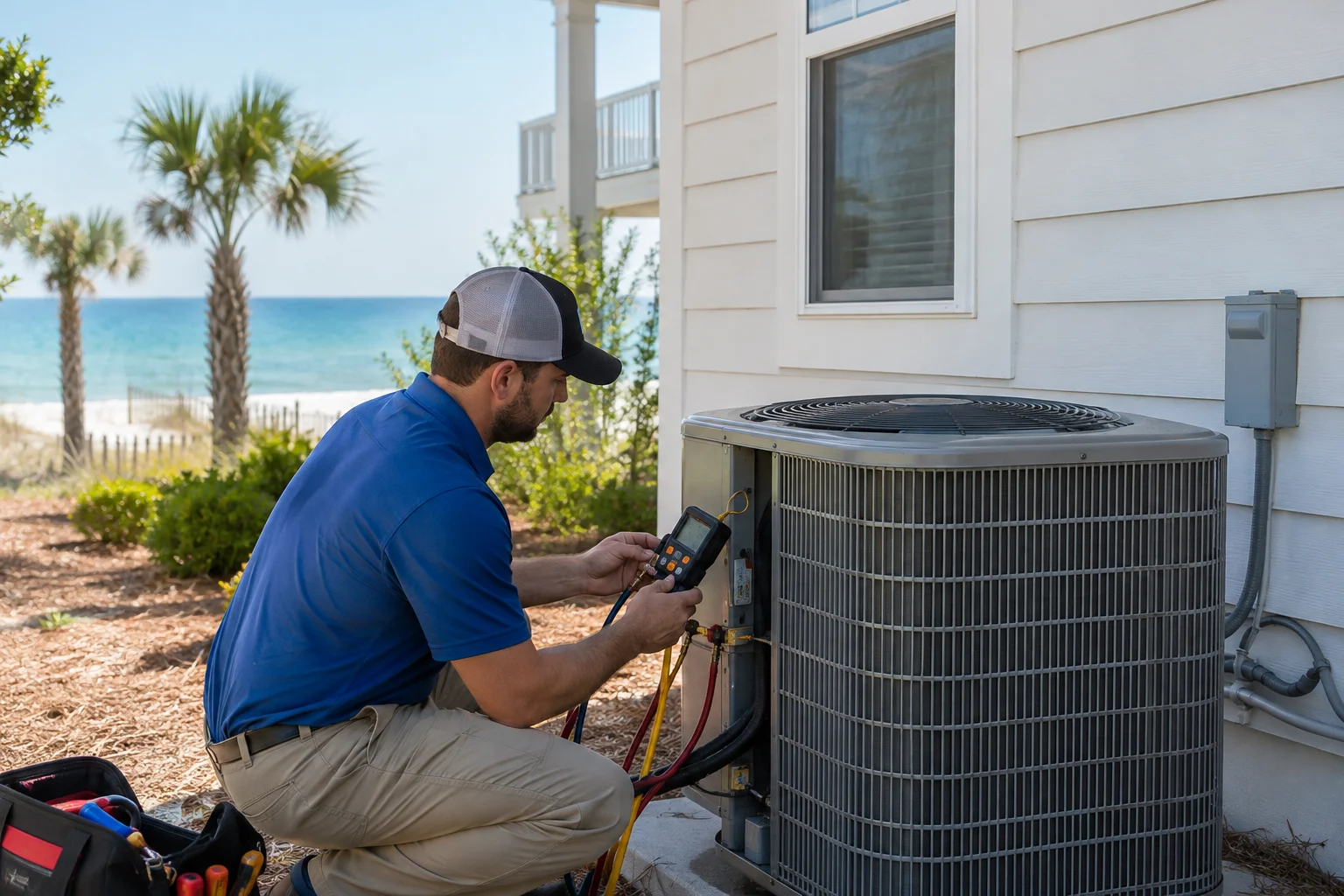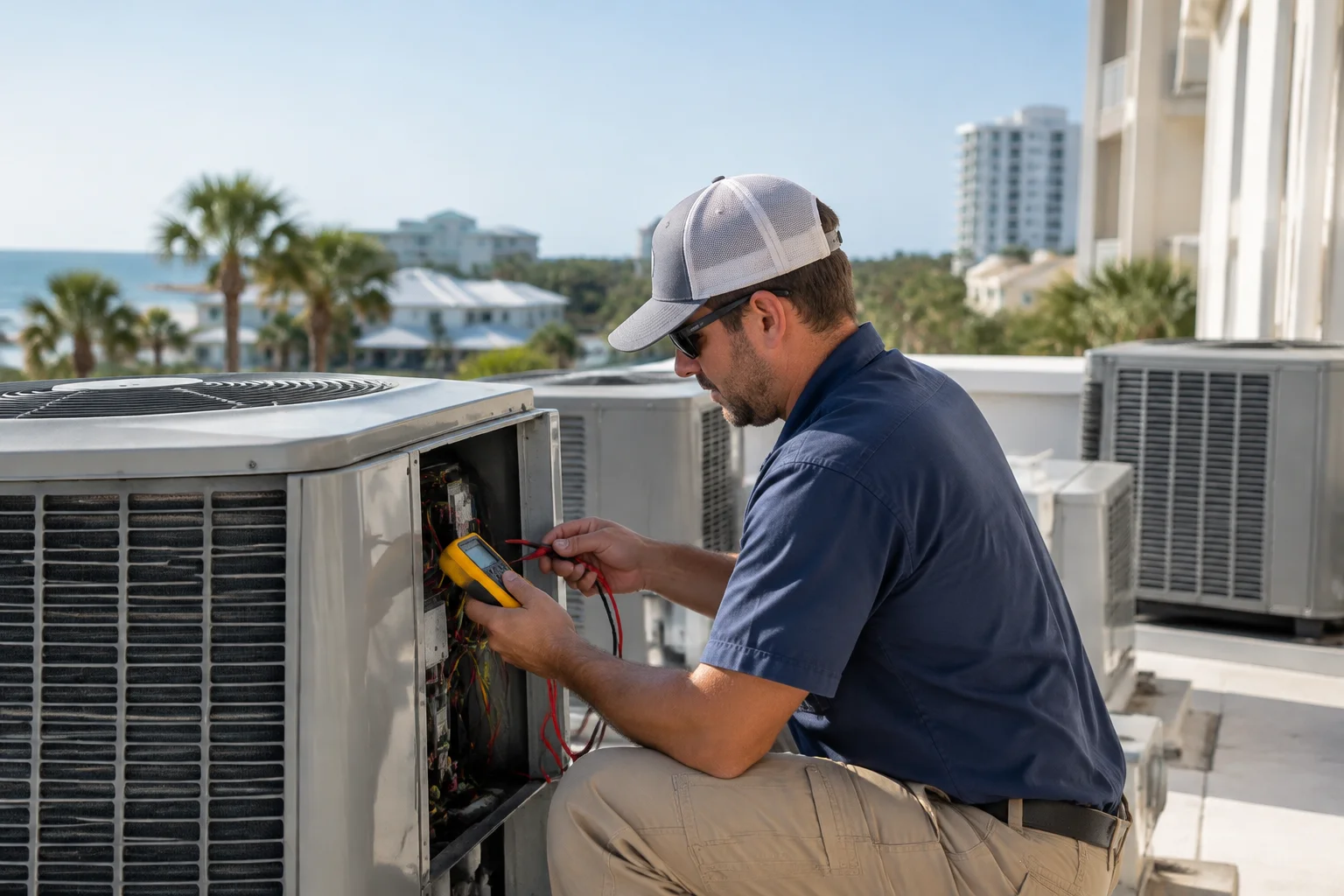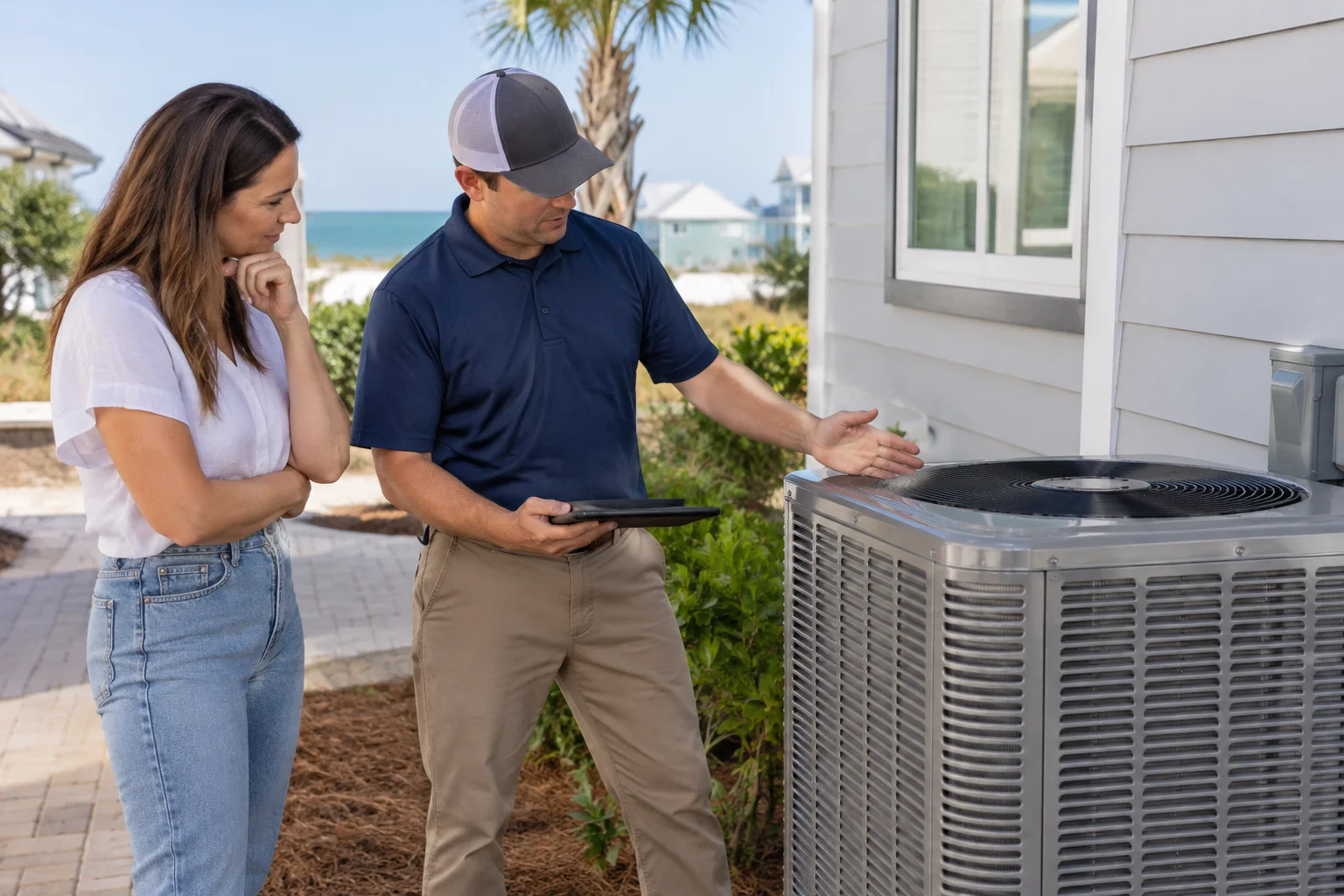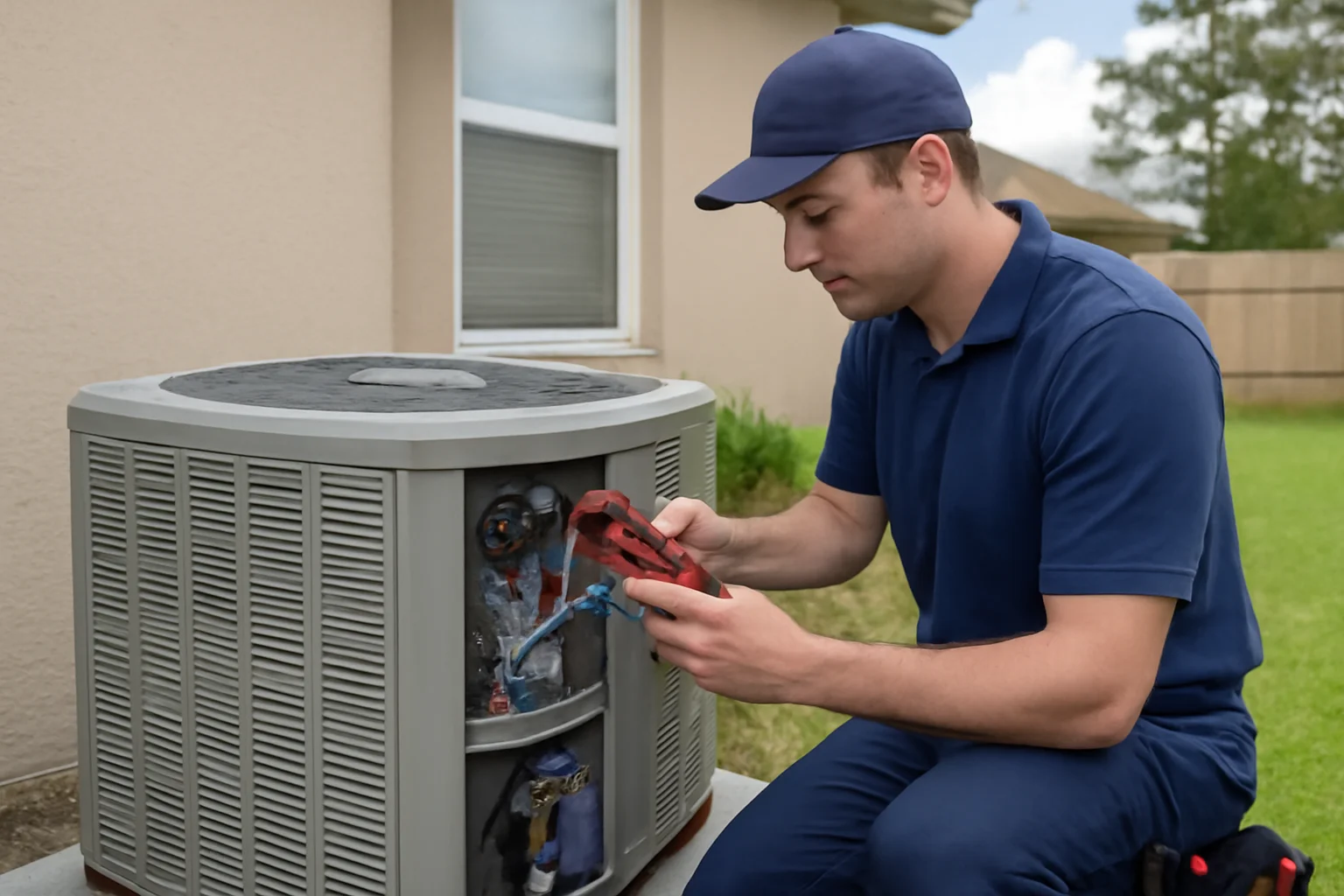
Bid-A-Wee, FL runs hot and humid for much of the year, and that weather puts real demands on your air conditioning system. When your home is dealing with heavy moisture in the air, salty coastal air, and long cooling cycles, even small problems can grow into bigger ones. A detailed air conditioning inspection in Bid-A-Wee, FL is the best way to spot concerns before they turn into emergency cooling needs. Even better, the right HVAC maintenance habits make that inspection more accurate and more useful for homeowners.
This guide explains how better preventive HVAC maintenance supports a stronger AC inspection, what technicians look for during service, and simple steps you can take between visits to help your system run efficiently. It also covers common Bid-A-Wee HVAC issues, from airflow problems and ductwork leaks to condensate drainage concerns and indoor air quality issues.
Why maintenance changes what an inspection can find
A professional air conditioning inspection is not just a quick look at the thermostat and the outdoor unit. It is a structured check of the refrigerant system, airflow, condensate drainage, electrical controls, thermostat behavior, and indoor air quality factors. When you keep up with preventive HVAC maintenance, you reduce the “noise” that can hide problems and you help the system perform closer to normal operating conditions.
In Bid-A-Wee’s Florida heat and humidity, small airflow restrictions can cause coils to run less efficiently, which can affect humidity control and energy use. If filters are clogged or return air pathways are blocked, an inspection may show symptoms that are not truly the root cause. Maintenance helps ensure the inspection is evaluating the system, not the effects of neglect.
Humidity and airflow: the two inspection drivers in Bid-A-Wee
In a coastal Bay County climate, your AC has to manage both temperature and moisture. When humidity control slips, you may notice muggy indoor air, condensation around vents, or a “cool but clammy” feeling. These are not just comfort issues. Moisture can contribute to indoor air quality problems and can also stress components during longer run times.
Airflow problems can look like “mysterious” cooling issues
During an AC inspection, technicians often evaluate airflow across the indoor coil and through ductwork. Maintenance supports this by keeping components in a condition that allows proper air movement. Common reasons airflow drops in Florida homes include:
- Dirty air filters that restrict return airflow
- Blocked or poorly sealed ductwork connections
- Outdoor unit debris buildup that affects heat transfer
- Supply and return vents that are obstructed by furniture, curtains, or storage
When airflow is restricted, the evaporator coil can struggle to do its job. That can contribute to reduced dehumidification and higher energy use. Homeowners sometimes search for “HVAC repair near me” after noticing humidity problems, but a well-timed inspection can often identify airflow and comfort drivers early.
Condensate drainage is a big deal for inspections
In humid climates, condensate drainage must work reliably. During cooling, moisture collected on the indoor coil needs to drain properly. If the drain line is partially blocked, the condensate pan can overflow or develop issues that impact performance and indoor air quality. Better HVAC maintenance helps prevent recurring condensate drainage problems and gives your technician a clearer picture during the inspection.
Look for maintenance-friendly indicators between visits, such as:
- Water stains near the indoor unit
- Musty odors that appear after the system runs
- Unusual sounds from the drain area
If you notice any of these, schedule an air conditioning service inspection rather than waiting for the next season.
Refrigerant systems: why maintenance helps professionals evaluate them
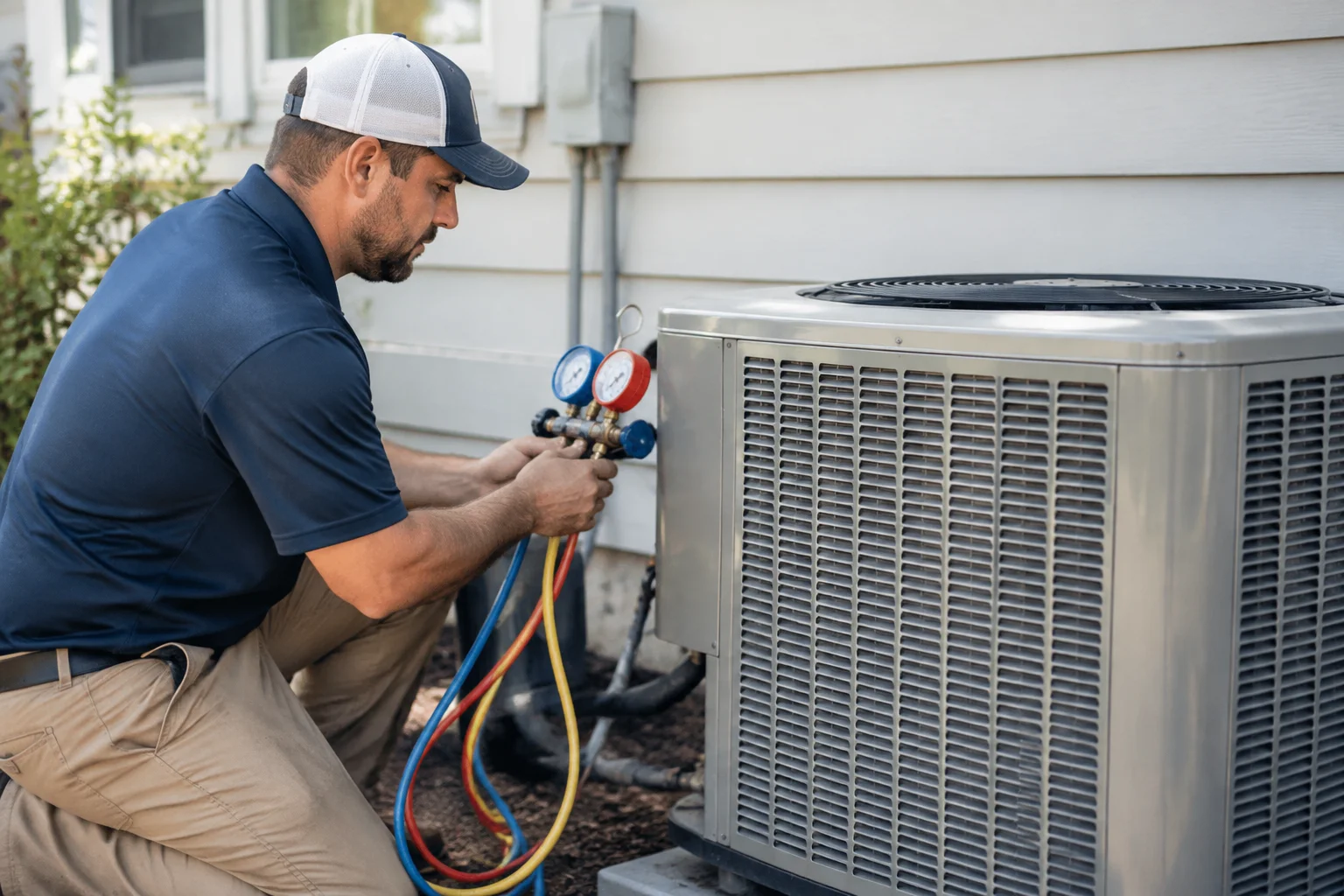
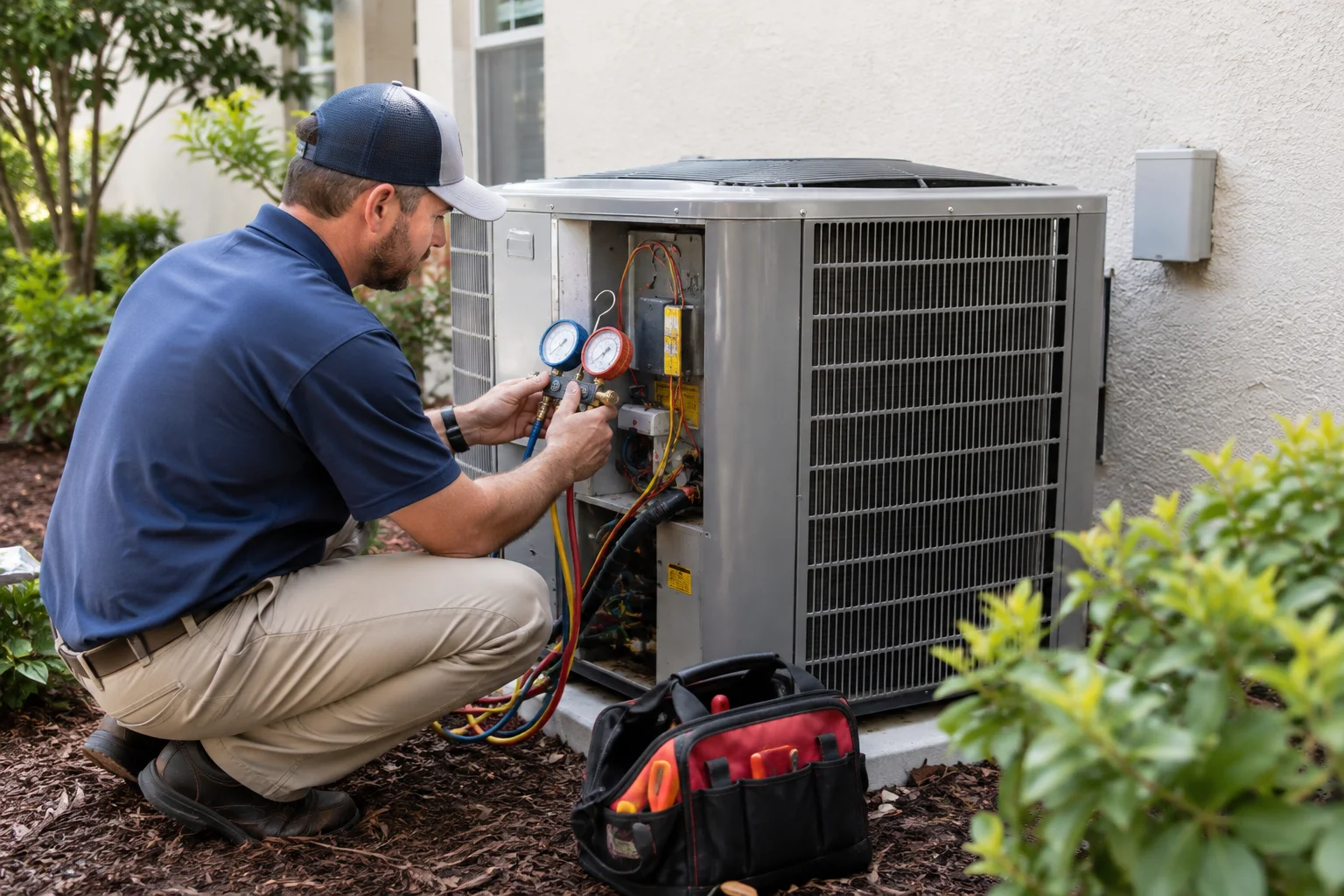
Your air conditioner’s refrigerant system is designed to move heat efficiently. In real homes, refrigerant performance can be affected by airflow, coil cleanliness, and operating conditions. Preventive maintenance can improve the reliability of what your technician observes during an inspection, because the system is more likely to be running under normal conditions.
It is important to note that refrigerant issues require in-person evaluation. Homeowners should not attempt to “self-diagnose” refrigerant problems or take steps that could release refrigerant or violate safety and environmental requirements. A licensed HVAC contractor should handle refrigerant-related concerns.
What you can do is support the inspection by keeping filters clean, ensuring vents are unobstructed, and scheduling routine maintenance so the system is not starting from a neglected baseline.
Salt air, coastal corrosion, and what technicians look for
Bid-A-Wee sits in a region where coastal conditions can bring salt air into the mix. Over time, salt and humidity can contribute to corrosion on outdoor components. During an air conditioning inspection, technicians may examine outdoor unit condition and airflow pathways, and they will look for performance impacts caused by corrosion, buildup, and wear.
Preventive maintenance helps in two ways:
- It reduces buildup that can restrict airflow and heat transfer.
- It improves consistency so inspection findings reflect system performance rather than extreme environmental fouling.
Homeowners sometimes ask about “air conditioner service near me” after noticing the outdoor unit does not seem to cool as effectively. In many cases, the inspection focuses on airflow and coil cleanliness first, because those are common Florida issues that maintenance can help prevent.
Thermostats and controls: small settings can trigger big inspection clues
Thermostat performance is often overlooked, but it influences run time, cycling behavior, and comfort. In Florida heat, a thermostat that is misreading temperature or set up for the wrong operating mode can cause the system to run too long or fail to maintain indoor comfort.
Better maintenance supports inspections by keeping thermostat settings consistent and reducing “confounding factors.” If you have recently changed thermostat settings, installed ceiling fans, or altered schedules, tell your technician. Those details help interpret inspection results.
If you are considering thermostat installation near me, or upgrading to improve comfort and energy use, ask your HVAC professional how the new thermostat will affect AC inspection findings and system behavior. Proper setup matters, especially in humid climates where dehumidification is part of the comfort goal.
Ductwork and indoor air quality: maintenance makes inspection more actionable
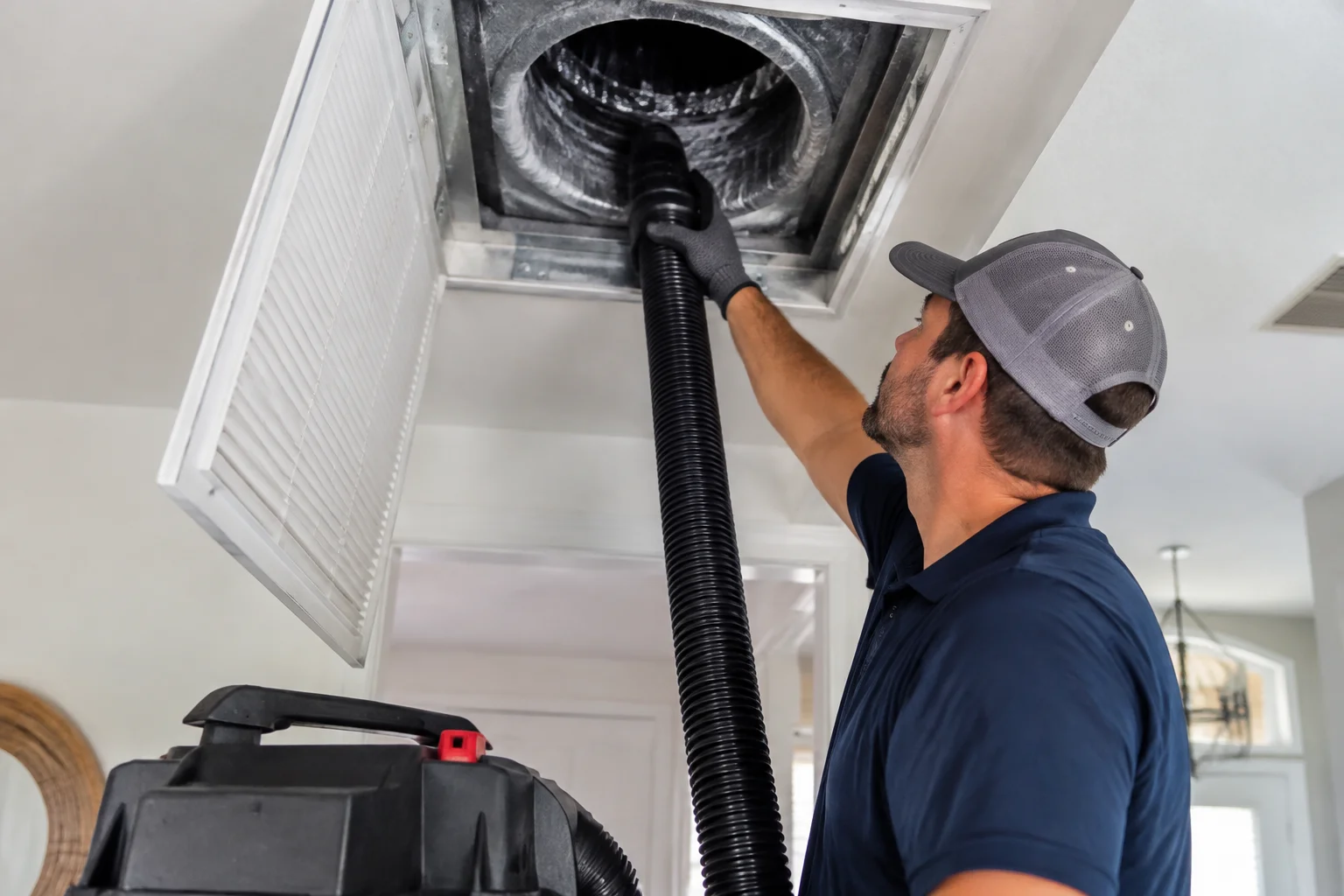
In Bid-A-Wee homes, indoor air quality is a frequent concern, especially for families with allergies, asthma triggers, or anyone sensitive to dust and humidity. During an air conditioning inspection, technicians consider how air is distributed through ductwork and how well the system supports cleaner indoor air.
Maintenance can make inspection findings more meaningful by addressing common ductwork and air quality contributors:
- Filter upkeep to reduce dust and debris circulation
- Checking for obvious duct obstructions
- Ensuring return air paths are not blocked
- Keeping indoor humidity in a healthy range so indoor air quality does not degrade
If you want to focus on humidity and comfort, you may also benefit from whole home dehumidifiers in homes where the AC struggles to control moisture. A proper inspection can help determine whether the system’s current approach to humidity control is meeting the needs of your household.
For more on the indoor air angle, read How Preventive HVAC Service Supports Cleaner Indoor Air in Bid-A-Wee.
Energy use and system lifespan: what preventive maintenance protects
Florida cooling loads are demanding. When components are not maintained, energy use tends to climb because the system has to work harder to move heat. Preventive HVAC maintenance supports inspections by helping the system deliver expected performance, which makes it easier for technicians to spot true inefficiencies and wear.
During an inspection, your technician may observe operating patterns that suggest airflow restrictions, coil issues, or performance imbalance. While you should not expect maintenance to eliminate every problem, it can reduce the chance of a breakdown during peak cooling periods.
Homeowners who keep up with HVAC maintenance often avoid “surprise” issues that lead to searching for HVAC service near me during the hottest weeks of the year. That is especially relevant in Bid-A-Wee, where emergency cooling concerns can become urgent when the system goes down.
Bid-A-Wee AC inspection checklist you can support before the technician arrives
You do not need to perform technical repairs to help your inspection. A few homeowner steps can make the inspection smoother and more useful for diagnosing airflow, comfort, and moisture control concerns.
1) Replace or check the air filter on schedule
Use the filter size and type recommended for your system. If you are not sure what your unit requires, check your homeowner manual or ask your HVAC contractor. A clean filter supports airflow and helps the inspection evaluate the AC’s real performance.
2) Keep supply and return vents clear
Do not block vents with furniture, rugs, or storage. Make sure return air grilles are unobstructed. In many homes, airflow problems start with something simple.
3) Confirm the thermostat is behaving normally
Note whether the thermostat maintains the set temperature consistently and whether it cycles on and off as expected. If you have noticed short cycling, constant running, or temperature swings, share those observations during your appointment.
4) Look for condensate drainage warning signs
Check for water around the indoor unit area, unusual odors, or visible moisture. If you have a condensate pump, understand where it drains and whether any drain line access points are accessible for inspection.
5) Make outdoor-unit access easy
Clear space around the outdoor unit so the technician can inspect airflow pathways and the surrounding area. Florida landscaping can grow quickly, and blocked airflow can affect performance.
Common AC issues in Bay County homes that better maintenance helps catch
Bid-A-Wee homeowners see recurring AC challenges driven by humidity, long run times, and coastal exposure. Better preventive HVAC maintenance helps your inspection catch these issues earlier, when they are usually easier to address.
Clogged filters and restricted airflow
Restricted airflow can lead to poor cooling, weak air delivery, and reduced dehumidification. It can also make the system work harder, increasing energy use.
Coil buildup and reduced heat transfer
Over time, indoor and outdoor coils can collect dust and debris. When heat transfer drops, the system can struggle to maintain comfort in Florida heat.
Condensate drainage problems
In humid conditions, condensate drainage issues can affect comfort and indoor air quality. A maintenance routine can reduce the chance of recurring clogs or overflow events.
Thermostat and control behavior
Incorrect settings, thermostat drift, or mode confusion can create comfort problems that look like equipment failure. During an inspection, the technician will consider control behavior alongside airflow and moisture management.
Ductwork leaks or poor distribution
Leaky or poorly designed ductwork can cause uneven temperatures and comfort issues. If rooms feel warmer or colder than expected, ductwork may be a factor. Homeowners often search for duct repair near me when they notice persistent comfort imbalance.
How often should you schedule an air conditioning inspection in Bid-A-Wee?
Many homeowners schedule AC inspection and preventive HVAC maintenance before the busiest part of the cooling season. If your system is older, runs frequently, or you have noticed humidity or airflow changes, it can be wise to plan earlier rather than waiting until performance drops.
Because Bid-A-Wee weather can shift quickly between muggy days and hotter stretches, inspections timed to seasonal demands can help you reduce the risk of a mid-summer breakdown. If you are searching for air conditioning inspection near me, choose a licensed HVAC contractor who can evaluate the full system, not just the outdoor unit.
For related reading, see Seagrove Beach Comfort Clues That Point to a Better Air Conditioning Inspection and What to Expect From Air Conditioning Inspection in Parker, FL.
When to call A Superior Mechanical for air conditioning inspection
If you are experiencing any of the following, it is a good time to schedule an inspection with A Superior Mechanical:
- Airflow feels weak or inconsistent from vents
- Indoor air feels muggy even when the thermostat is set correctly
- Condensate issues, water spots, or musty odors appear
- The system cycles frequently or runs longer than usual
- You notice unusual sounds or the outdoor unit seems to struggle
For urgent comfort needs, you may need emergency AC repair near me. A professional can help assess the situation safely and determine what attention the system needs. Even when repairs are required, a follow-up inspection can help ensure the fix supports airflow, humidity control, and overall system efficiency.
Choosing the right local HVAC service matters in Florida
Florida HVAC systems face unique conditions: high humidity, heat, and coastal air. That is why local knowledge matters. A licensed HVAC contractor near me should understand how these factors affect refrigerant systems, condensate drainage, airflow, and indoor air quality in Bay County homes.
A Superior Mechanical focuses on professional air conditioning inspection services in Bid-A-Wee, FL. If you want to explore broader options, you can also compare solutions based on your home’s needs, such as heat pump services for compatible homes or commercial HVAC services for business properties.
If your system is nearing the end of its useful life, a full inspection can help you plan responsibly for air conditioning replacement. You should not assume replacement is the right path without an in-person evaluation and a clear look at airflow, moisture performance, and system condition.
For homeowners who prefer to prevent problems before they grow, these habits pair well with ongoing HVAC maintenance near me planning. The goal is simple: keep your system ready for Florida’s cooling demands and help your inspection uncover real issues early.
Find Air Conditioning Inspection in Bid-A-Wee, FL
If you need Air Conditioning Inspection in Bid-A-Wee, FL, visit our local service page or contact A Superior Mechanical today.
Map of Bid-A-Wee, FL
Frequently Asked Questions
How does preventive HVAC maintenance make my AC inspection more accurate?
When filters, airflow pathways, and routine checks are kept up, the system is more likely to run closer to normal conditions. That helps the technician identify true performance issues with airflow, condensate drainage, and refrigerant system behavior rather than symptoms caused by neglect.
What are the most common AC inspection concerns in Bid-A-Wee, FL?
Homeowners often run into airflow restrictions, humidity control problems, condensate drainage issues, and coil buildup driven by Florida heat and humidity. In coastal Bay County areas, outdoor-unit condition and buildup also matter for efficient cooling.
Can I tell if my problem is airflow, humidity, or something with the refrigerant system?
You can look for comfort clues like muggy air, weak airflow, or condensate-related signs, but refrigerant system diagnosis requires an in-person professional evaluation. A licensed HVAC contractor can assess the system safely and determine what is actually driving the symptoms.
Should I schedule an air conditioning inspection before or after the hottest part of summer?
Many homeowners schedule before peak heat so the system can be evaluated and tuned for the season. If you have noticed humidity problems, weak airflow, or unusual cycling, scheduling sooner can help reduce the risk of emergency cooling concerns.
What can I do between maintenance visits to support indoor air quality?
Replace filters on schedule, keep vents and return pathways clear, and watch for musty odors or moisture near the indoor unit. Those steps help support cleaner indoor air and make your next air conditioning inspection more actionable.
Related Articles
Photo Gallery