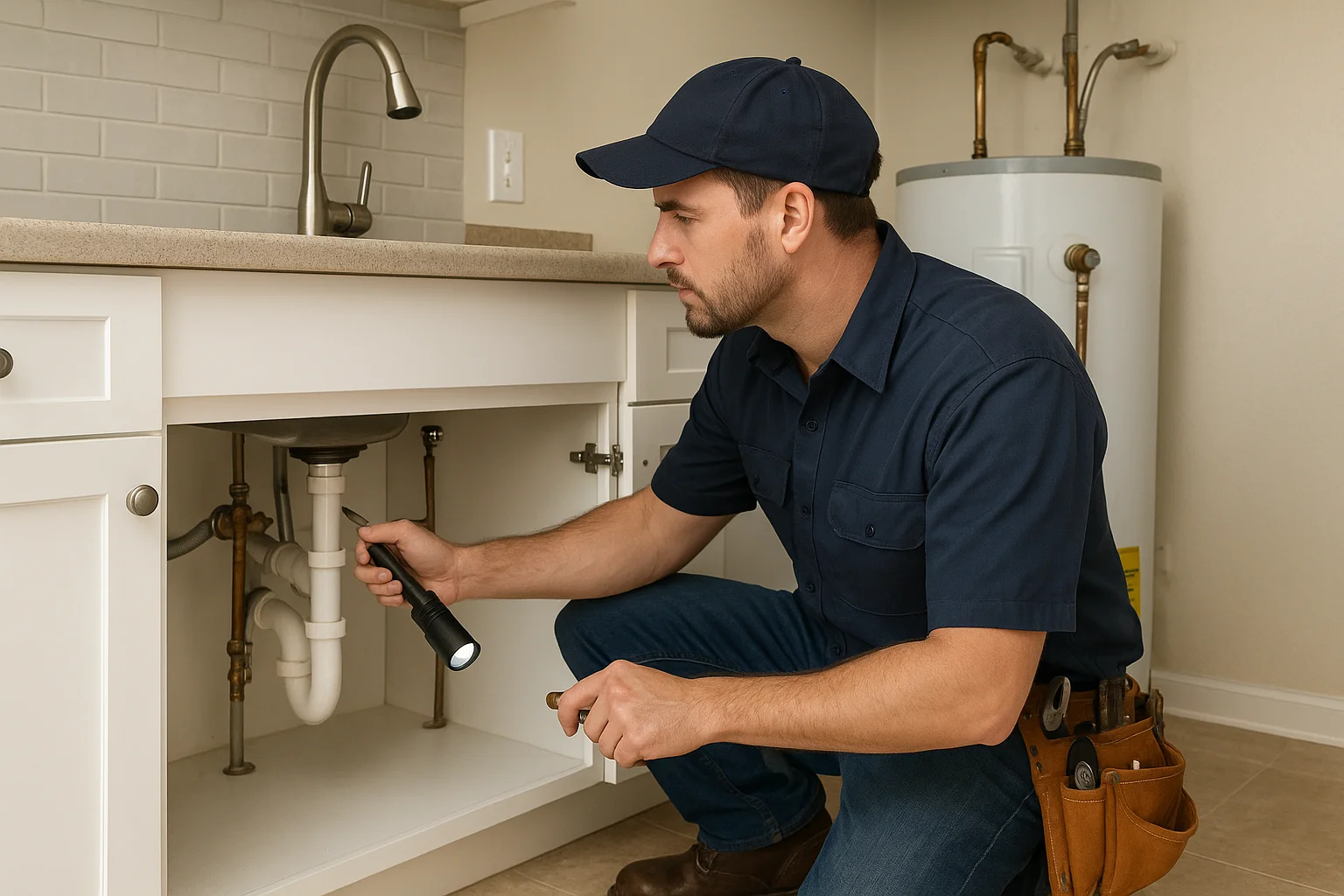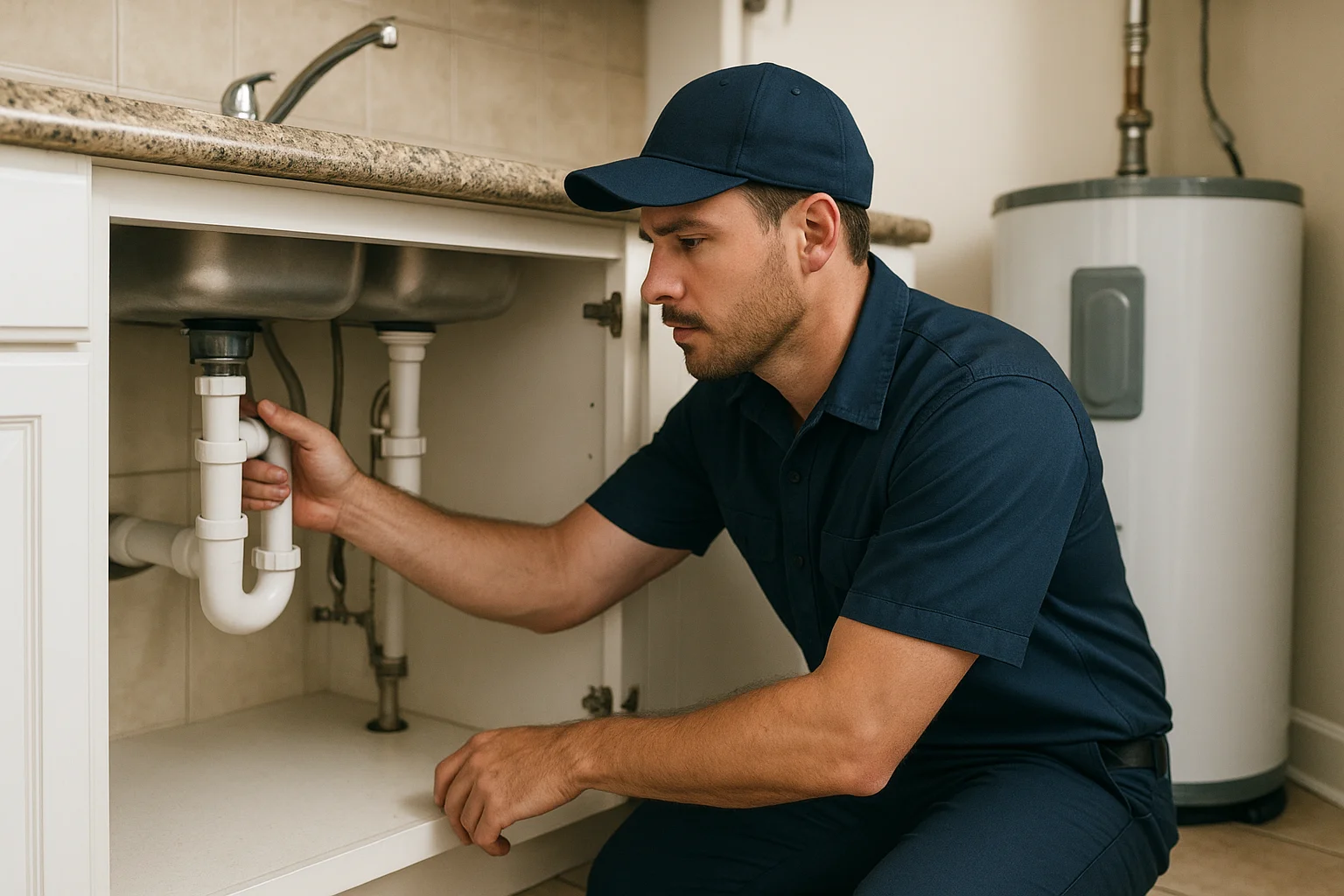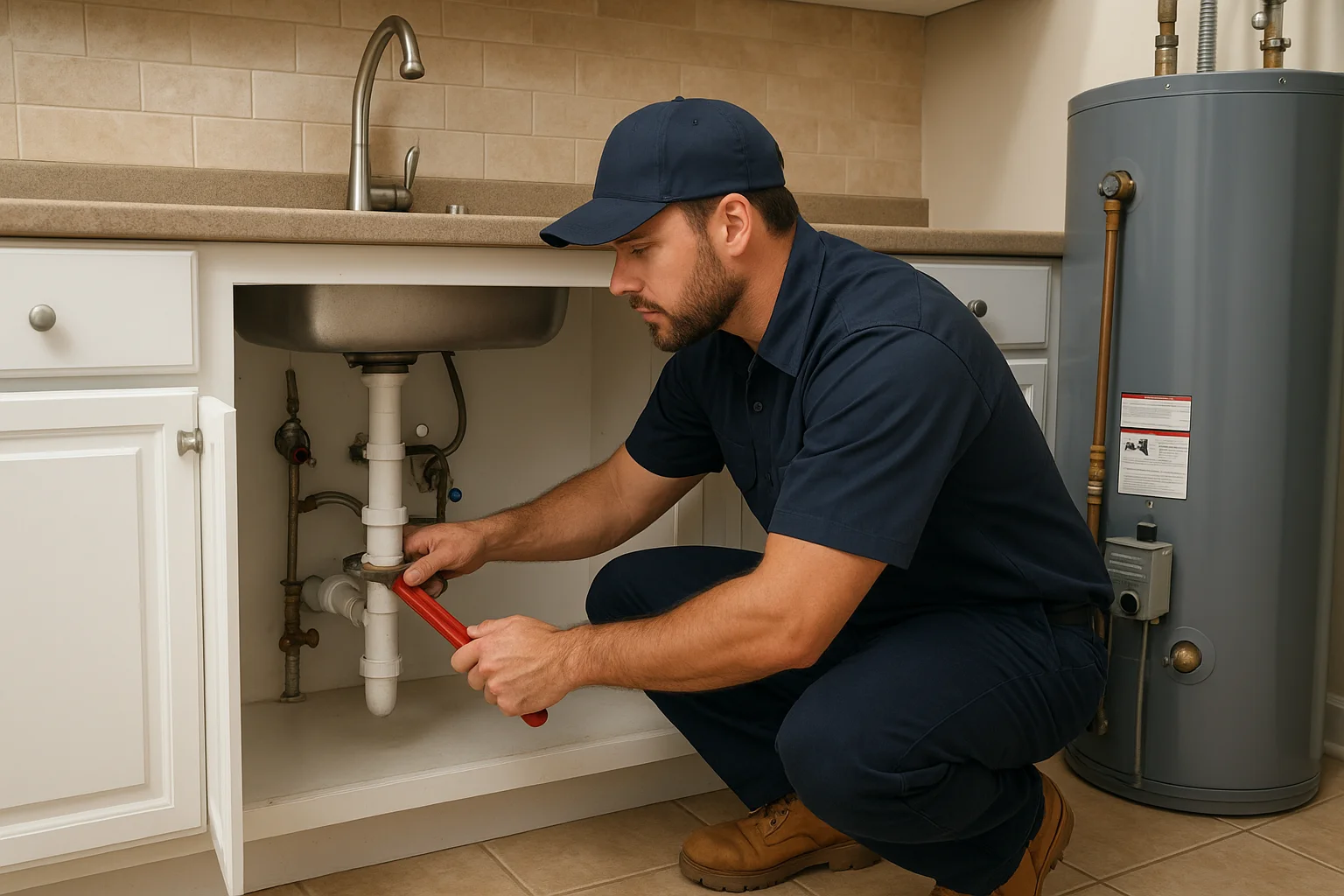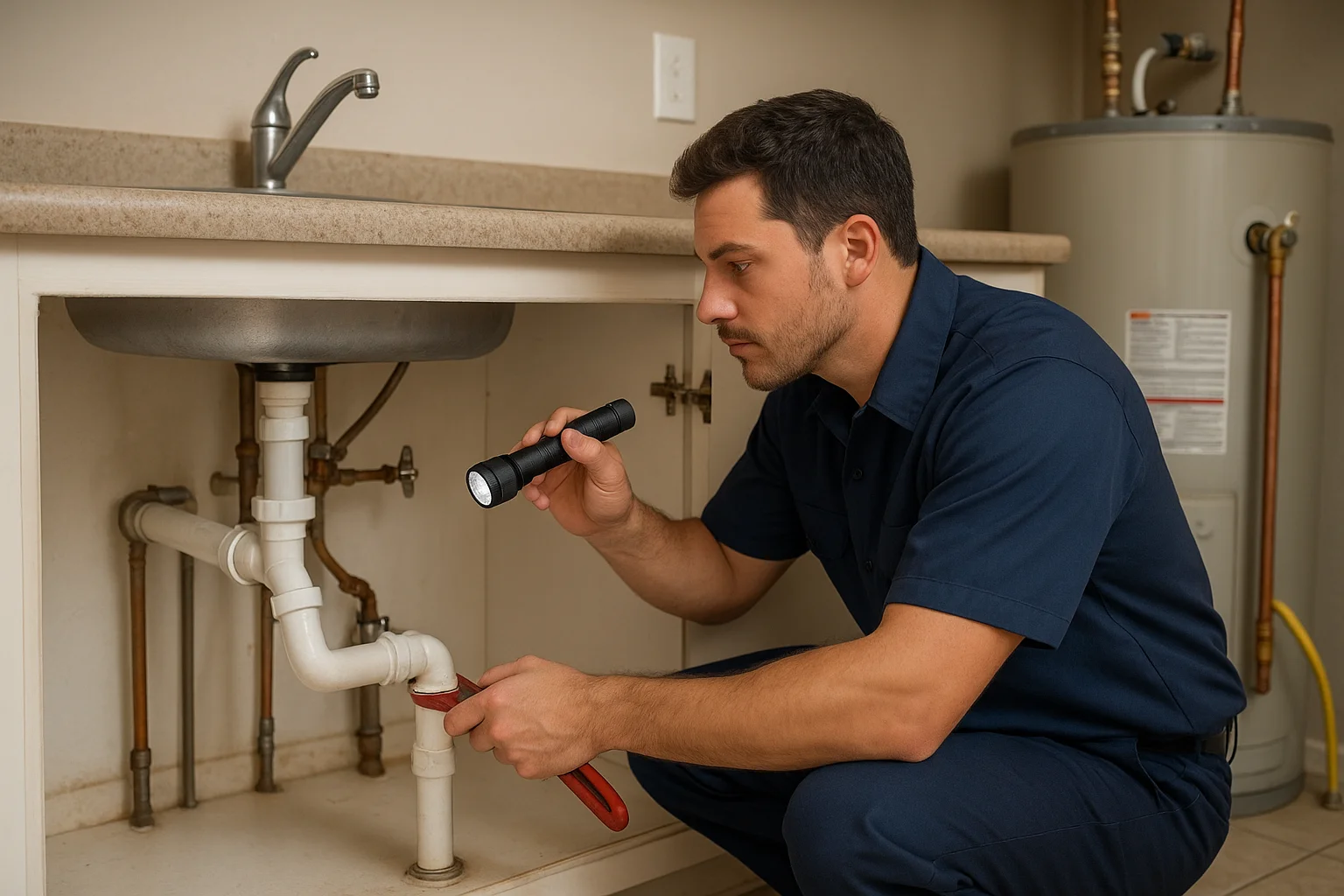
Callaway, FL homes sit in a humid, coastal-leaning climate where plumbing systems work hard year round. When something goes wrong, it often shows up quietly first. A little extra water use. A slight drop in water pressure. Damp spots that seem to disappear. Then the issue escalates into a slab leak, a damaged sewer line, or emergency plumbing concerns that disrupt daily life.
Professional plumbing service improves leak detection and slab leak repair because it combines the right tools with a careful process. Instead of guessing where water is escaping, a trained technician measures, isolates, and confirms the leak location before repairs begin. For homeowners searching for leak detection and slab leak repair in Callaway, FL, that difference matters.
Why leaks in Callaway often start hidden, not obvious
Many plumbing leaks in Florida do not announce themselves immediately. In Callaway, homes may have a mix of older supply lines, updated fixtures, and buried piping under floors. Add temperature swings, hard water, and long stretches of heavy use, and small problems can grow.
Slab leaks are especially tricky. Water can escape from supply lines beneath a concrete slab and travel through soil before it reaches the surface. That means you might notice symptoms like:
- Rising water bills without a clear reason
- Soft or warm flooring in one area
- Cracks in drywall or tile that appear gradually
- Unexplained corrosion at plumbing fixtures or around baseboards
- Changes in water pressure that come and go
When homeowners assume it is a toilet repair issue, a faucet drip, or a simple pipe leak repair, the real cause can continue underneath the slab. Professional leak detection helps stop that cycle by finding the source, not just the symptoms.
Leak detection that goes beyond the “wet spot” approach
DIY checks can be helpful, but they usually cannot see what is happening inside walls or beneath a slab. Professional plumbing services use a structured leak detection method that typically includes:
1) Measuring water use and pressure behavior
A technician will often start with system observations. If you have a tankless water heater or a water heater that cycles frequently, it may relate to hidden leaks. Water use patterns also matter. For example, if your household uses similar amounts each month and suddenly your bill jumps, that is a strong clue.
Water pressure is another indicator. Some slab leaks cause noticeable pressure drops during certain uses, while others create inconsistent pressure at fixtures. A professional plumbing service looks at how pressure and flow change when toilets, showers, and faucets are running or when the system is idle.
2) Isolating sections of the plumbing system
Once there is evidence of a leak, the next step is isolation. Instead of opening everything, the technician narrows down which part of the system is likely responsible. That can include:
- Supply lines feeding specific fixtures
- Branch lines that supply bathrooms or kitchens
- Zones that connect to the main shutoff
This isolation step reduces unnecessary disruption and helps keep repairs focused. It also helps when homeowners are searching for a plumber near me who can handle leak repair without turning the whole home into a construction site.
3) Using listening and specialized detection tools
Many leaks create sound signatures. Professional tools can listen for leak-related noise and help locate where water is moving underground. In some cases, technicians also use detection methods that account for flow conditions, pipe material, and how water travels through surrounding soil.
In practical terms, this means you are more likely to get an accurate diagnosis quickly, which reduces the chance of repeated repairs. For homeowners dealing with emergency plumbing concerns, speed plus accuracy is a major advantage.
How professional slab leak repair protects your home’s foundation and finishes
A slab leak is not just a plumbing problem. It can contribute to foundation stress, moisture issues, and damage to flooring and finishes. When water escapes under a slab, it can affect the soil and the concrete itself over time.
Professional slab leak repair aims to stop the leak and limit collateral damage. That usually means:
Confirming the leak location before opening concrete
One of the biggest improvements professional services bring is confirmation. If the leak location is uncertain, repairs can become guesswork. A technician who has confirmed the source can plan the repair with less trial and error.
Repairing the correct pipe segment
Slab leak repairs may involve accessing the affected piping and repairing or replacing the damaged section. The goal is to restore reliable water flow while addressing the underlying failure point. This can matter for both hot and cold water lines, especially if you have a water heater that has been working harder than normal.
Managing the risk of recurring leaks
In areas with hard water, mineral buildup can contribute to corrosion and wear over time. If a leak is caused by a weakened pipe section, the repair needs to be done properly so it does not fail again soon after. Professional technicians consider pipe condition, water chemistry, and how the home’s plumbing has been used.
Common causes of slab leaks and hidden plumbing leaks in Callaway
Understanding why leaks happen can help homeowners prevent repeat problems. In Callaway and Bay County, common contributors include:
- Pipe age and wear: Older homes may have plumbing components that have outlived their expected lifespan.
- Soil movement: Florida soils can shift with moisture changes, which can stress buried pipes.
- Corrosion from water chemistry: Hard water can increase mineral buildup and wear on plumbing surfaces.
- Temperature changes: Seasonal shifts and heavy water use can stress supply lines.
- Previous repairs: Patchwork repairs that were rushed or not fully confirmed can fail later.
- High water pressure: Excess pressure can accelerate leaks in fragile pipe areas.
Even small plumbing issues can be related. For example, recurring leak repair might be mistaken for a running toilet repair issue, but a slab leak can still be the real driver of higher water use.
How to recognize leak detection needs before it becomes an emergency
Some warning signs are easy to spot, while others require a closer look. If you notice any of the following, it is worth scheduling leak detection so the problem is found early.
Water bills rise even when habits stay the same
If your household water use is consistent but you see a jump, a hidden leak is possible. Slab leaks are a common cause because they continue running silently.
Water pressure feels inconsistent
When slab leaks or supply line breaks occur, you may see pressure drop during certain times of day, or pressure may fluctuate when multiple fixtures are used.
Floors feel warm or damp in one area
Warm spots can indicate hot water movement under the slab. Dampness can be subtle at first, especially in humid conditions.
Cracks appear in tile, grout, or drywall
Moisture changes can affect materials. If cracks worsen over time, it is a clue that water is moving where it should not.
Toilets or fixtures show ongoing issues
A dripping faucet or a toilet that keeps running can be real problems on their own. Still, if multiple fixtures start acting up, or if you cannot explain the water usage, a professional should evaluate the entire system.
Leak detection and repair often connect to other plumbing needs
Many homeowners call for one plumbing issue and discover another underlying problem. For example, drain cleaning concerns can overlap with sewer line help if backups occur. A home might also need water heater service if a leak changes hot water demand.
Here are a few ways leak detection and other plumbing services can connect in real homes:
- Water heater strain: A hidden leak can increase hot water usage and cause the unit to run more often.
- Hot water heater repair or replacement: If your system is cycling unusually, homeowners searching for hot water heater repair near me often benefit from checking for hidden plumbing leaks first.
- Drain and sewer line symptoms: If water is pooling or if there are recurring slow drain repair issues, a sewer line problem could be involved. That may lead to sewer backup repair near me needs.
- Pipe leak repair: A suspected leak might actually be related to a broken pipe, a failing fitting, or a supply line issue feeding a fixture.
If you are also dealing with water quality concerns, it can help to pair leak prevention with proper treatment. Learn more about Callaway water at A Callaway Homeowner’s Guide to Smarter Water Filtration and Fewer Plumbing Repairs and Why Water Treatment Makes Water Softening Work Better in Callaway Homes.
Why local plumbing service matters in Callaway and Bay County
Local plumbing service is more than convenience. It reflects familiarity with common home construction styles, typical water conditions, and the realities of Bay County plumbing systems.
Callaway homes may include slab foundations, older neighborhoods with aging piping, and properties where water use patterns vary between households and rentals. Professional technicians who regularly handle Callaway leak detection and slab leak repair understand how these factors influence leak behavior and repair planning.
Service providers also coordinate with the broader Bay County service landscape, which can be helpful when you need additional plumbing support. You can explore more plumbing options through Bay County plumbing services and the Callaway service area page.
Preventing slab leaks and hidden leaks with routine plumbing maintenance
You cannot eliminate every risk, but homeowners can reduce the odds of surprise slab leaks and hidden leaks. Consistent plumbing maintenance is one of the most practical steps you can take.
Check fixtures and toilets regularly
Running toilets can waste water and mask other issues. If you are seeing running toilet repair needs, address them quickly. Even when a toilet problem is not a slab leak, it can still raise your bill and complicate leak detection later.
If you are searching for toilet repair near me because a flapper or fill valve keeps failing, fix it promptly and keep a record of when repairs were done.
Watch water pressure and address high pressure early
High water pressure can accelerate wear. If your home often experiences noisy pipes or sudden pressure spikes, ask a professional to evaluate pressure and the pressure regulator.
Keep an eye on drain performance
Slow drains can be a sign of partial clogs, buildup, or venting problems. If you notice slow drain repair near me searching becoming a recurring need, it is worth scheduling professional drain cleaning before backups start affecting other systems.
Consider water treatment for hard water
Hard water can contribute to mineral buildup and corrosion. If you have scale on faucets or reduced water flow, pairing maintenance with water treatment can help protect pipes and fixtures. Start with Cleaner Water Starts at the Source in Callaway and Water Purification.
When it is time to call a plumber for leak detection and slab leak repair
Call a professional when you have evidence of a hidden leak or when symptoms overlap. Leak detection is most effective when the problem is still small and the system is easier to isolate.
Examples that justify scheduling leak detection include:
- Your water bill rises and you cannot explain it
- You notice warm or damp areas on floors
- Cracks appear near plumbing walls or under tile
- Water pressure changes persist
- You suspect a pipe leak repair near me situation but need confirmation
Slab leaks can become emergency plumbing concerns when moisture grows quickly, foundation damage accelerates, or a water line breaks more fully. If you see sudden pooling, significant dampness, or rapid deterioration, treat it as urgent.
Questions homeowners often ask before scheduling
If you are comparing plumbing services and searching plumbing services near me or plumber near me, it helps to ask practical questions that protect your time and budget.
Will you confirm the leak location before recommending slab repair?
A good process focuses on verification. You want a plan based on confirmed evidence, not assumptions.
How do you minimize disruption?
Ask how the team isolates the area and how they approach repairs to reduce unnecessary tearing into floors and finishes.
Do you also handle related plumbing repairs?
Slab leaks can lead to follow-up needs like broken pipe repair near me, fixture repairs, or water heater service changes depending on what is affected. If you need additional help, it is easier when the same provider can coordinate.
Pair leak repair with smart upgrades when appropriate
Sometimes a slab leak repair reveals broader plumbing improvements that can prevent future issues. Depending on your home, you might also consider:
- Water heater service, repair, or replacement if the unit is aging or overworking
- Fixture upgrades after a toilet repair or faucet repair
- Better water filtration or purification if hard water is increasing scaling
If you are exploring options for Water Heater Services, Water Heater Repairs, or even hot water heater replacement near me and tankless water heater replacement near me, it is smart to make sure your leak detection work is complete first. That way, you are not troubleshooting a water heater that is running hard because of an ongoing plumbing leak.
If budget planning is part of your decision, ask about Plumbing Financing so repairs do not get delayed longer than necessary. Delays can allow moisture to spread and increase repair scope.
What homeowners can do right now to support accurate leak detection
Before a technician arrives, a few steps can help the process go faster and improve accuracy:
- Note when you see symptoms, such as warm floors, pressure changes, or damp areas.
- Gather recent water bills and record any major changes in usage.
- List recent plumbing repairs, including toilet repair, faucet repair, or drain cleaning.
- Let the technician know if any fixtures are used more than usual, especially showers and dishwashing.
- If you suspect a specific area, point it out, but avoid assuming the cause.
These details help a professional plumber near you focus the investigation and reduce downtime.
If you are dealing with hidden leaks, slab leak symptoms, or persistent plumbing problems in Callaway, A Superior Mechanical can help with professional leak detection and slab leak repair tailored to local homes across Bay County. Start with the service page at Leak Detection and Slab Leak Repair and learn more about the broader area at Callaway.
Find Leak Detection and Slab Leak Repair in Callaway, FL
If you need Leak Detection and Slab Leak Repair in Callaway, FL, visit our local service page or contact A Superior Mechanical today.
Map of Callaway, FL
Frequently Asked Questions
What are the most common signs of a slab leak in a Callaway home?
Common signs include unexplained increases in your water bill, warm or damp spots on floors, cracks that appear or worsen near tile or drywall, and inconsistent water pressure. If you notice these symptoms, professional leak detection can confirm the source before the damage spreads.
Can a running toilet or faucet leak hide a slab leak problem?
Yes. Toilet repair needs and faucet repair issues can waste water and make it harder to interpret your usage. A slab leak can still be the underlying cause of higher bills, fluctuating pressure, or moisture changes. Leak detection helps sort out what is causing the loss.
How does professional leak detection reduce disruption during slab leak repair?
Professionals isolate sections of the plumbing system and use specialized tools to confirm the leak location. When the source is verified, repairs can target the correct pipe segment instead of opening more of the slab than necessary.
Is a slab leak considered an emergency plumbing concern?
It can be. If you see rapid pooling, significant moisture growth, or signs of fast foundation or flooring damage, treat it as urgent. Early diagnosis helps prevent escalating damage and reduces overall repair scope.
What maintenance helps prevent future leaks in Callaway?
Check toilets for running issues, address slow drain repair needs early, monitor water pressure, and consider water treatment if you have hard water. These steps reduce stress on pipes and fixtures and make hidden leaks easier to catch sooner.
Related Articles
Photo Gallery