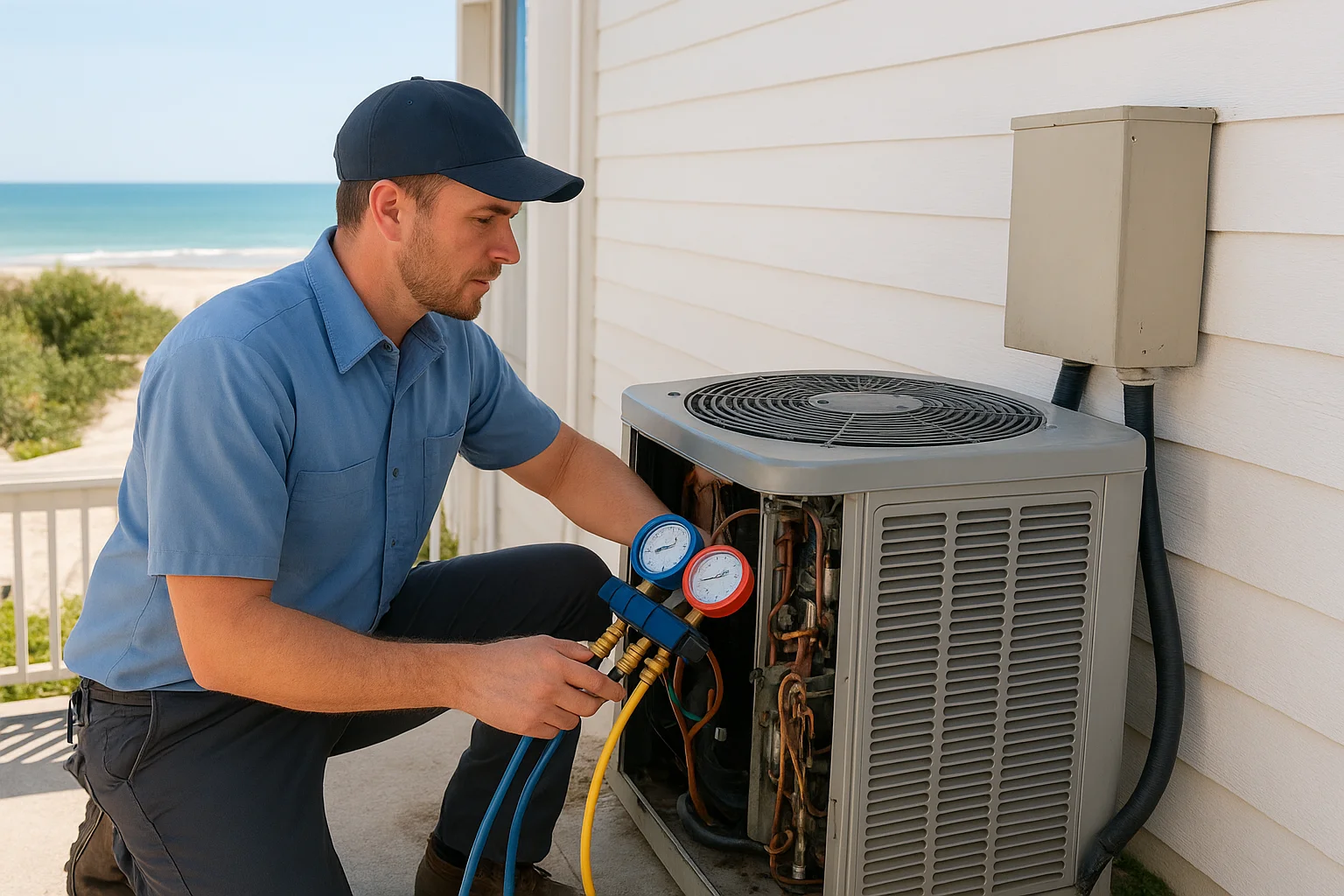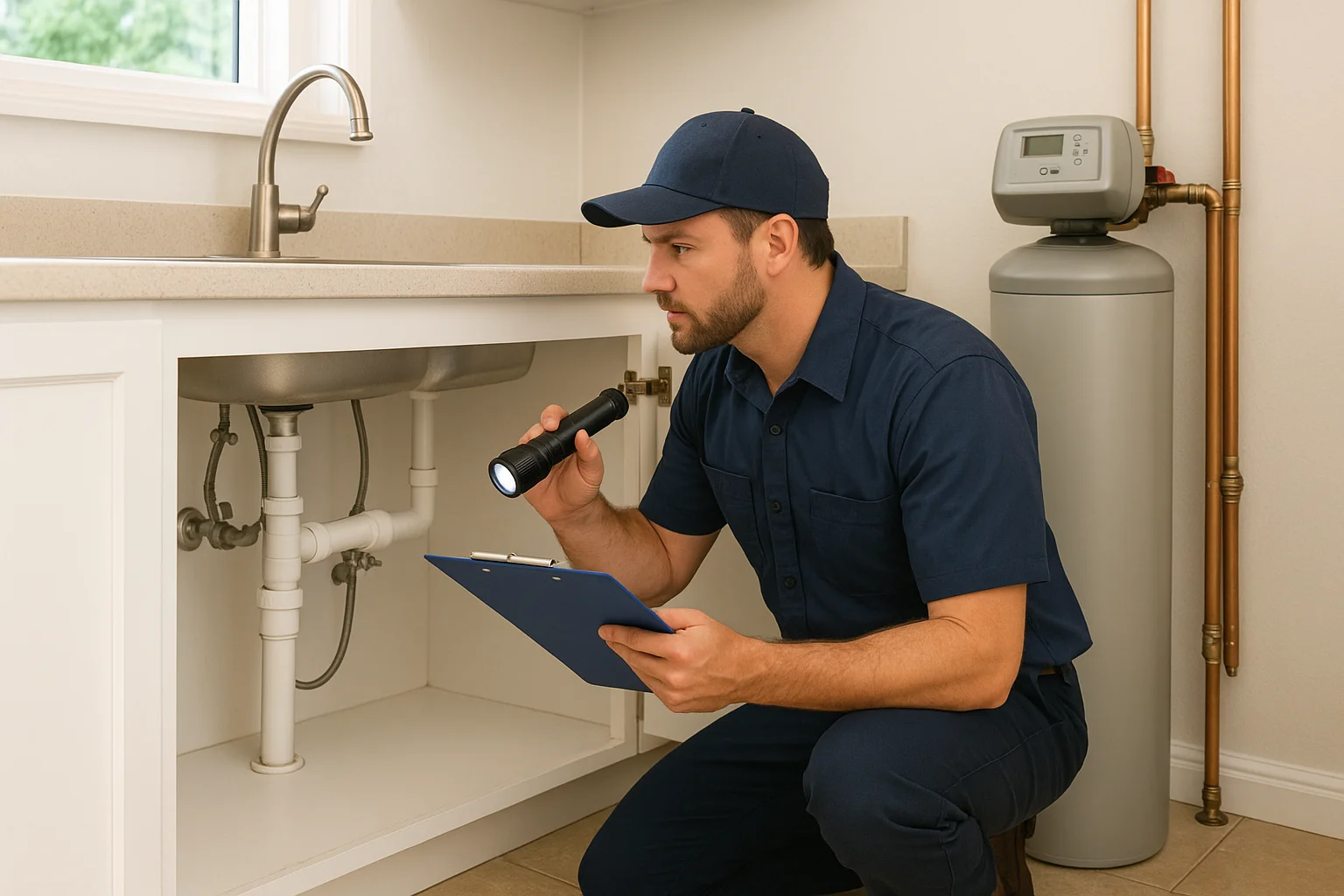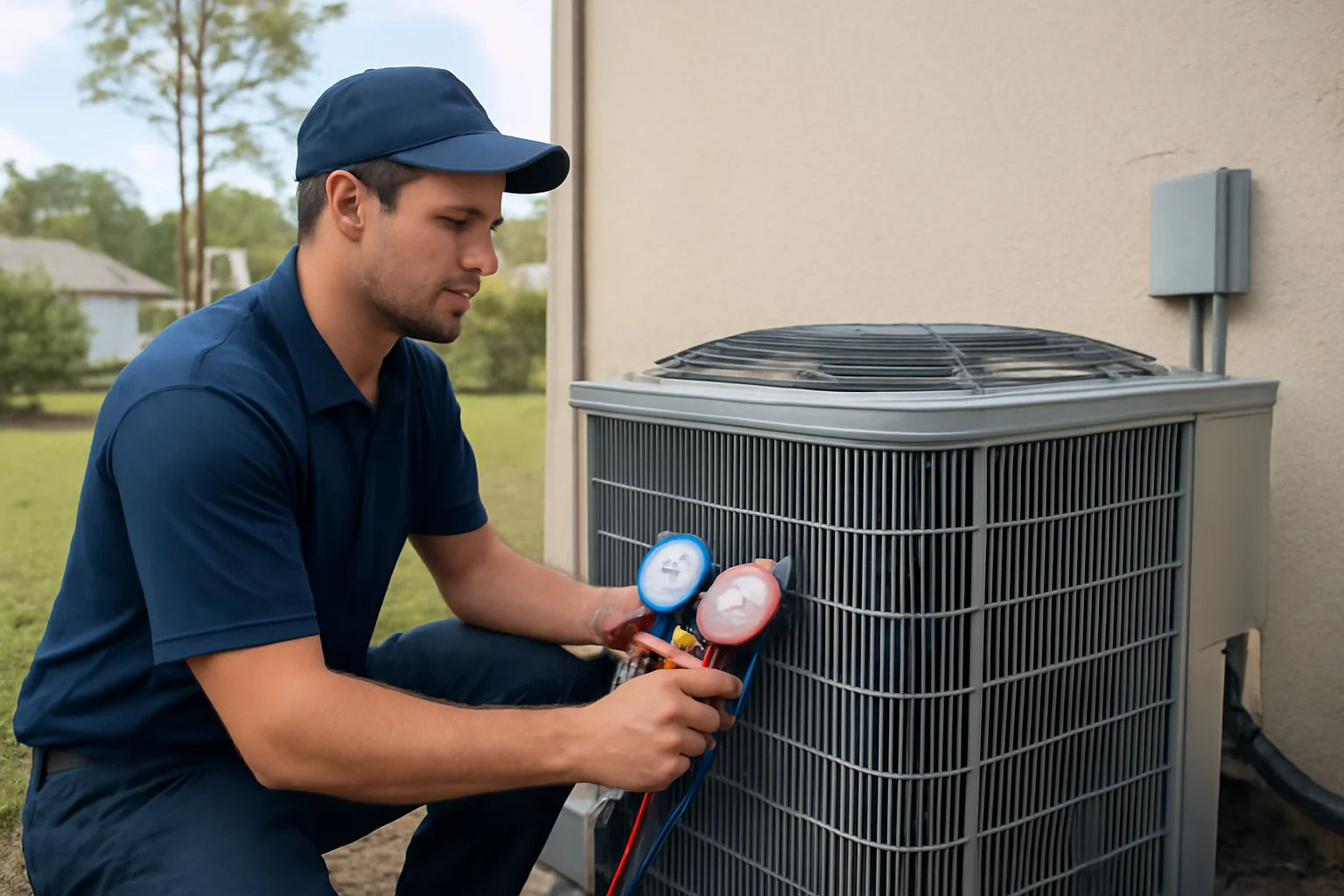
Seagrove Beach homes face a unique indoor air challenge. Florida heat, coastal humidity, and salt air can push HVAC systems to work harder, while ductwork and condensate drainage quietly create conditions that affect comfort and health. Indoor air quality testing is one of the most practical ways for homeowners to understand what is happening indoors, not just guess. The key is preventing common testing and interpretation problems so you get results that lead to the right HVAC actions.
If you are searching for indoor air quality testing near me or you want a reliable HVAC company near me to help with air comfort, this guide focuses on what homeowners can do before, during, and after testing in Seagrove Beach, Walton County.
Why indoor air quality testing matters more in Seagrove Beach
Indoor air quality is not only about what you can smell. It is influenced by how your heating and cooling system moves air, controls humidity, and manages moisture. In Seagrove Beach, the combination of warm temperatures, frequent humidity, and coastal conditions can impact:
- Humidity control and the risk of condensation on cooling coils or inside ductwork
- Airflow across supply registers, returns, and the system’s filter and coil areas
- Allergen load from dust, pollen, and mold spores that may build up when indoor moisture rises
- VOCs from household products, building materials, and outdoor air infiltration
- Refrigerant system performance that affects temperature drop and cooling capacity, which in turn affects humidity removal
- Condensate drainage that, if restricted or improperly draining, can contribute to moisture problems
Testing helps connect these indoor conditions to HVAC performance. That is why professional residential HVAC service near me matters. A good indoor air quality evaluation considers the building, the HVAC system, and the way the home is actually lived in. Coastal vacation rentals have different patterns than full-time residences, and both can create different air quality profiles.
Prepare your home so the test reflects real conditions
One of the most preventable causes of confusing indoor air quality test results is a “non-representative” environment. You do not want the test to capture an unusual day caused by cleaning products, fans, or changes to thermostat settings. Before an evaluation, take these steps.
Stabilize temperature and thermostat settings
HVAC performance is tied to thermostat behavior. If you have been running the system in unusual modes, using aggressive temperature setbacks, or constantly changing settings, the test may reflect those swings rather than typical indoor conditions. Ask your technician what settings they prefer for the evaluation window and keep them consistent.
For homeowners who keep chasing comfort, steady settings also reduce the chance of short cycling. Short cycling can limit dehumidification and make indoor humidity control harder.
Plan around doors, windows, and outdoor airflow
In a coastal area, outdoor air can bring in humidity and particles. If windows are frequently open during the testing period, you may see higher humidity and more outdoor-related contaminants indoors. If you can, keep windows and exterior doors closed during the evaluation window and follow any guidance from the testing professional.
Avoid “test day” products and activities
Strong odors and airborne particles can skew results. If possible, avoid spraying cleaners, using fragrance products, or running heavy-duty air fresheners during the testing period. Also be mindful of activities like deep vacuuming with scented products or burning candles.
This does not mean you must change your lifestyle. It means you are preventing a temporary source from masking the HVAC-related causes you are trying to identify.
Keep airflow consistent, including return paths
Airflow affects what the HVAC system brings into the conditioned space. If you block returns, close too many vents, or run fans that overpower normal circulation, the test may not represent typical air mixing. Make sure return pathways are unobstructed, and do not make major vent changes right before the evaluation.
Common reasons indoor air quality testing creates confusion
Homeowners often expect one test to identify one problem. Real homes are more complex. Here are typical causes of “mixed” results that you can help prevent by working with a local HVAC professional and keeping the evaluation conditions realistic.
Testing only the air, not the system that conditions it
Indoor air quality testing should be paired with HVAC inspection. A home can have elevated humidity or allergens because of airflow issues, filter problems, duct leakage, or condensate drainage problems. Without checking system operation, test results may point you in the wrong direction.
That is why it helps to pair indoor air quality testing with a broader HVAC maintenance near me mindset. Preventive HVAC maintenance is not just about reliability. It also supports consistent humidity control and cleaner airflow.
Ductwork issues that affect distribution
Ductwork can influence indoor air quality even when the air handler and filter look fine. Problems like poor sealing, restricted duct sections, or imbalanced airflow can cause hot spots, uneven humidity, and localized contaminant buildup.
If you suspect ductwork is contributing, consider pairing testing with duct-focused service. For example, you can review Duct Cleaning and, when needed, Duct Replacement to address distribution and airflow concerns.
Filter and air cleaning choices that do not match the system
A filter that is too restrictive or not installed correctly can reduce airflow and make humidity control worse. A filter that is too basic may not capture the particles you care about. This is one reason homeowners searching for HVAC air filtration near me should look for an HVAC technician who can match filtration to the system’s airflow needs.
If you are considering stronger filtration, explore Air Filtration & Purifiers and ask how upgrades interact with ductwork, blower speed, and humidity control.
Overlooking condensate drainage and moisture pathways
In Florida’s humidity, condensate drainage is a frequent hidden factor. If the drain line is slow, partially blocked, or improperly routed, moisture can accumulate around the system. That can create conditions that impact indoor air quality and comfort.
A professional evaluation should consider the condensate drainage pathway, not just the air readings. This is also where HVAC inspection supports preventive comfort, especially during peak cooling seasons when systems run longer.
How professionals connect test results to HVAC causes
When A Superior Mechanical performs indoor air quality testing in Seagrove Beach, the goal is to connect your indoor measurements to the behaviors of your HVAC system and the home itself. Homeowners often want to know what the technician is looking for, so here are the main areas professionals evaluate.
Airflow across the system
Airflow determines how effectively the system moves conditioned air through ductwork and across living spaces. Low airflow can reduce cooling performance and limit dehumidification. It can also cause temperature stratification and uneven humidity control.
Airflow issues can be influenced by filter condition, blower operation, duct restrictions, and return limitations. Testing paired with HVAC assessment is how you prevent “treating symptoms” instead of the cause.
Humidity control and cooling performance
In a coastal Florida climate, humidity control is not optional. If the system cools but does not remove enough moisture, you can end up with dampness that affects comfort and can contribute to microbial growth risks. Refrigerant systems play a role because cooling capacity impacts moisture removal. However, a technician still needs to evaluate the entire system in person before any refrigerant-related conclusions are made.
Refrigerant system operation and safety considerations
Homeowners may assume that refrigerant problems are easy to spot. They are not. Refrigerant system performance affects temperature and humidity handling, but a proper evaluation requires on-site checks. Professional service is also important for safety and compliance, especially when troubleshooting involves sealed refrigerant systems.
If your evaluation suggests a refrigerant system may be contributing to indoor comfort issues, the correct next step is an in-person assessment. Avoid trying to self-diagnose or adjust refrigerant based on test readings alone.
Thermostat behavior and run time
Thermostats influence system run time, cycling patterns, and humidity control. Some homes need longer, steadier operation during humid stretches. Others need careful mode selection to prevent short cycling. A technician can review how your thermostat settings align with comfort goals and how your system responds in the real conditions of Seagrove Beach.
Preventative steps homeowners can take between tests
Indoor air quality testing is a snapshot, not a permanent solution. You can reduce the odds of recurring problems by supporting the HVAC components and habits that influence indoor air.
Stay consistent with HVAC maintenance and air conditioning service
Preventive HVAC maintenance is one of the most effective ways to protect indoor air quality. During routine service, technicians can check components that affect airflow, humidity control, and moisture management. For many homeowners, an AC tune up near me before the hottest weeks helps reduce stress on the system and supports more predictable operation.
If you are comparing seasonal plans, ask how maintenance includes inspection of airflow pathways, condensate drainage, thermostat operation, and filter setup.
Use the right filtration and keep it maintained
Air filtration supports cleaner indoor air, especially in humid coastal environments where particles can circulate and settle. Keep filters clean and installed correctly. If you are considering an air cleaning upgrade such as an air scrubber, ask an HVAC professional about placement and compatibility with your system’s airflow. Many homeowners search for air scrubber installation near me because they want a practical layer of protection, but it should be selected thoughtfully.
You can also review Air Filtration & Purifiers for options that fit different home setups.
Address ductwork and airflow problems early
If you notice persistent hot or cold rooms, musty odors, or uneven humidity, ductwork and airflow may be contributing. Duct issues can also affect energy use by forcing the system to run longer to reach set temperatures. Addressing distribution problems can support both comfort and indoor air quality.
For homes with duct-related concerns, consider exploring Duct Cleaning or Duct Replacement based on what a professional evaluation finds.
Keep condensate drainage clear and monitored
Because Florida humidity is relentless, condensate drainage should be treated as part of indoor air quality prevention. If you ever see water where it should not be, notice unusual dampness, or smell mustiness near the system, that is a reason to schedule HVAC inspection sooner rather than later.
Watch for energy use patterns that hint at HVAC stress
Indoor air quality problems often show up alongside HVAC stress. If you see the system running much longer than usual, feel excess humidity despite cooling, or notice airflow that seems weaker, those patterns can point to airflow restriction, coil performance concerns, or other system issues. These are opportunities to pursue HVAC repair and preventive maintenance before air quality becomes a bigger concern.
Signs your home may need indoor air quality testing sooner
Not every indoor air issue requires immediate testing, but certain patterns in Seagrove Beach homes are worth investigating with a professional evaluation.
- Persistent humidity even when the air conditioner runs
- Musty odors that return after the system cycles
- Allergy flare-ups that seem worse indoors, especially during humid weeks
- Visible condensation near vents, registers, or around the HVAC equipment area
- Uneven airflow where some rooms feel stuffy or consistently hotter
- Recent changes such as renovations, new cleaning products, or changes to ductwork and filtration
If you are dealing with emergency cooling concerns, prioritize getting comfortable and safe first. For homeowners searching for emergency AC repair near me, a system that cannot cool reliably can also worsen humidity control, which can quickly affect indoor comfort and air quality. Once cooling is restored, indoor air quality testing can help pinpoint what needs attention next.
How to choose the right indoor air quality testing partner in Walton County
Local matters. A Seagrove Beach HVAC contractor should understand how coastal humidity, salt exposure, and seasonal cooling demands affect system performance and indoor comfort. When choosing an HVAC company near me, look for these qualities.
They connect air readings to HVAC performance
The best results come from combining indoor air quality testing with HVAC inspection. Ask how the process accounts for airflow, condensate drainage, ductwork, and thermostat operation. If the evaluation focuses only on the air sample without considering the system, you may get partial answers.
They consider the home’s use patterns
Vacation rentals and full-time homes can behave differently. A property that sits for stretches without consistent thermostat control can accumulate humidity and odors that do not reflect the same conditions as a home that is cooled daily. Testing should be scheduled and interpreted with those realities in mind.
They provide clear next steps without guessing
Homeowners should avoid decisions based on test results alone. A professional evaluation should guide you toward practical actions, such as filter changes, ductwork inspection, HVAC repairs, or airflow corrections. If any refrigerant system concerns appear relevant, the technician should perform on-site checks before recommending refrigerant diagnosis or service.
Residential HVAC service and preventive maintenance that supports clean air
Indoor air quality and HVAC reliability are linked. Many homeowners focus on cooling comfort, but the same system behaviors that improve comfort also help protect indoor air. If you are planning for the next cooling season, you can also read more about how seasonal conditions stress HVAC performance and indoor comfort.
- Explore Seasonal Air Stress in Seagrove Beach Homes: Why Indoor Air Quality Testing Matters More Than Many Owners Realize to understand how humidity and airflow changes can show up before they feel serious.
- For reliability-focused installation and system setup, see Building Better HVAC Reliability for Seagrove Beach Businesses Starts With the Installation.
- If you want a practical checklist for comfort and air quality, review A Practical Plan for Cleaner Air and More Reliable HVAC in Seagrove Beach.
For some homes, improving airflow paths and filtration is enough. For others, ductwork or system performance needs attention. If you are considering upgrades, it helps to ask how changes like new air filtration, duct improvements, or equipment service affect humidity control and indoor air quality.
When testing leads to HVAC repair, what homeowners should know
Homeowners often worry that indoor air quality testing will automatically lead to expensive replacements. Testing is meant to clarify what is driving indoor conditions. That said, some HVAC issues can directly affect air quality and comfort.
Common examples include airflow restriction, condensate drainage problems, ductwork distribution issues, or thermostat and cycling concerns. If the evaluation suggests heating or cooling system performance needs attention, the next step should be HVAC repair or service based on professional findings.
Because Seagrove Beach homes run their cooling systems heavily, preventive attention can also reduce the chance of mid-summer breakdowns. If you need HVAC repair near me after testing, choose a contractor that can address both comfort and air quality impacts.
Ready to schedule indoor air quality testing in Seagrove Beach?
If you want a clear, HVAC-focused approach to indoor air quality testing, you can schedule with A Superior Mechanical through our service page: Indoor Air Quality Testing. You can also explore more about our work in the area at Seagrove Beach and learn about services across Walton County at Walton County.
If your home also needs ductwork attention or filtration upgrades, you can browse related local services such as Commercial HVAC Services, Duct Cleaning, and Air Filtration & Purifiers.
Find Indoor Air Quality Testing in Seagrove Beach, FL
If you need Indoor Air Quality Testing in Seagrove Beach, FL, visit our local service page or contact A Superior Mechanical today.
Map of Seagrove Beach, FL
Frequently Asked Questions
How should I prepare my home before indoor air quality testing in Seagrove Beach?
Keep thermostat settings consistent for the evaluation window, avoid unusual sources like strong sprays or heavy odor-producing activities, and keep windows and exterior doors closed if possible. Also make sure returns and airflow paths are not blocked so the test reflects how the HVAC system normally performs.
Can indoor air quality testing tell me if my HVAC system is causing humidity problems?
It can help connect indoor conditions to HVAC performance, especially when testing is paired with an HVAC inspection. A professional evaluation looks at airflow, cooling performance, condensate drainage, and thermostat behavior. Refrigerant-related conclusions should only be made after an in-person assessment.
What does coastal humidity have to do with indoor air quality testing?
High humidity can increase discomfort and create conditions where contaminants may become more noticeable indoors. In a coastal climate, cooling systems must remove moisture effectively. If airflow or condensate drainage is off, humidity can persist even when the air conditioner runs.
How do ductwork and airflow affect what an indoor air quality test shows?
Ductwork influences how air is delivered and mixed in each room. Issues like restricted airflow, poor sealing, or imbalance can cause uneven humidity and contaminant distribution. That is why testing is most useful when paired with duct and airflow evaluation.
Should I schedule indoor air quality testing if my AC is not cooling well?
Cooling reliability comes first, especially with emergency cooling concerns. If your system cannot manage heat and humidity, consider HVAC repair immediately. After cooling is restored, indoor air quality testing can help identify what needs attention to improve comfort and air quality.
Related Articles
- Seasonal Air Stress in Seagrove Beach Homes: Why Indoor Air Quality Testing Matters More Than Many Owners Realize
- Building Better HVAC Reliability for Seagrove Beach Businesses Starts With the Installation
- A Practical Plan for Cleaner Air and More Reliable HVAC in Seagrove Beach
- How Better Commercial HVAC Repair Helps Seagrove Beach Homes Stay Protected
Photo Gallery