Fort Walton Beach homes live a real life with Gulf humidity, warm weather, and water that can be hard enough to leave marks everywhere. When your water softening system is dialed in, everyday routines feel better: soap lathers more easily, laundry rinses cleaner, and fixtures stay clearer. When it is not, you start seeing the familiar clues like hard water spots on glass and scale buildup around faucets and showerheads.
This guide focuses on water softening systems and the water treatment steps that help deliver better drinking water, protect appliances, and reduce sediment and odor concerns. If you are searching for water softener service, water filtration near me, or water treatment near me in Fort Walton Beach, these maintenance tips can help you understand what to watch for and what to schedule with A Superior Mechanical.
Why Fort Walton Beach water softening matters for everyday comfort
Hard water is not just an inconvenience. Over time, minerals build up inside plumbing and on surfaces where water evaporates. In kitchens and bathrooms, that shows up as:
- Hard water spots on glass and cloudy-looking shower doors
- Scale buildup on faucets, showerheads, and around sink fixtures
- Soap that does not lather or rinse well, leaving a film behind
- Dry skin from hard water and dull hair after bathing
- Visible sediment, discoloration, and odor concerns in some households
When minerals and other impurities keep moving through your home, they also affect appliances. Dishwashers can develop spots and residue, water heaters work harder, and water-using equipment can wear faster. Many homeowners also notice taste changes, including a metallic, chlorinated, or unpleasant taste and cloudy ice cubes that look like they are carrying residue.
Signs your water softening system needs attention
Even well-installed systems need routine care. If you are seeing any of the following, it can mean your softener is underperforming, the brine tank needs attention, or your water chemistry is shifting. These are common signals homeowners notice in Fort Walton Beach homes.
Scale and spotting that keep coming back
Look for patterns. If you clean a faucet and it looks great for a day or two and then you see scale buildup on faucets again, your softening may not be reaching the right level. The same goes for hard water spots on dishes and a hazy film on glasses.
Skin and hair feel different after bathing
Water that is not properly softened can contribute to dry skin from hard water and hair that feels rough or looks dull. In households with kids or sensitive skin, this can be one of the first noticeable changes.
Soap and shampoo do not behave the way they should
When your soap does not lather and detergent seems to require more product to work, that is often a sign of hardness minerals still present. If laundry also feels waxy or rinses poorly, it points to a water treatment issue.
Water taste and clarity issues show up in drinking water and cooking
Some homeowners notice poor tasting coffee and cooking water or a lingering metallic, chlorinated, or unpleasant taste. Others see cloudy ice cubes even though the water is not visibly dirty.
Softening helps with mineral hardness, but it does not automatically address every taste and odor concern. That is where additional filtration steps may matter.
Appliances seem to age faster
If you are replacing showerheads more often, noticing reduced water flow, or seeing water heater performance decline sooner than expected, scale may be affecting internal components. This is a key reason homeowners invest in water softener maintenance as part of protecting fixtures and appliances.
Routine water softener maintenance you can do between professional visits
Homeowners can handle several tasks that keep a softening system stable. These steps do not replace professional service, but they help you catch problems early.
Check salt levels and keep the brine tank supplied
If your system uses salt for regeneration, low salt can cause incomplete softening. Make a habit of checking the brine tank before it runs low. Keep an eye on the type of salt your system requires and use the correct product. If you are unsure, ask A Superior Mechanical what your exact system needs.
Look for bridging, crusting, or salt “mounds”
Sometimes salt forms a hard crust that prevents proper dissolving. You might see salt that looks present but does not actually provide brine. This can lead to sudden water quality changes, like renewed scale buildup on faucets or spotty dishware.
Inspect the system for leaks and unusual noises
During routine checks, look around connections and the valve area for moisture. Listen for odd sounds during regeneration cycles. Any persistent leak or repeated malfunction is a reason to schedule service.
Confirm the system is regenerating on schedule
Many modern softeners regenerate based on usage or time. If regeneration is not happening often enough, hardness can slip through. If it is happening too frequently, you may waste salt and water. A professional can verify settings and flow performance.
Keep the brine tank area clean and accessible
Keep the tank area clear so you can access controls and monitor the system. In humid coastal conditions, cleanliness and visibility matter. If you notice corrosion, standing water, or persistent moisture, have the area inspected.
How whole home water filtration can complement water softening
Many Fort Walton Beach homeowners want more than just softened water. Some are dealing with sediment, taste, and odor concerns alongside hardness. That is where whole home water filtration can add another layer of protection.
Softening targets mineral hardness, but filtration can help reduce other particles that affect clarity and taste. If you are planning a complete clean water systems near me approach, consider pairing your softener with filtration that matches your household needs.
Whole home filtration for clearer water in the kitchen and bath
When water is treated at the point of entry, you often notice improvements across the home. That can mean fewer sediment concerns, better tasting drinking water, and fewer issues with cloudy ice cubes. If you are already shopping for water filtration near me, it helps to ask how filtration and softening work together rather than competing.
AO Smith water filtration for households that want a solid upgrade path
Some homeowners look specifically for AO Smith water filtration options because of the focus on dependable filtration performance. A Superior Mechanical can help evaluate whether AO Smith filtration, water softening, or both make the most sense for your home’s water chemistry and goals.
Where reverse osmosis fits for drinking water and cooking
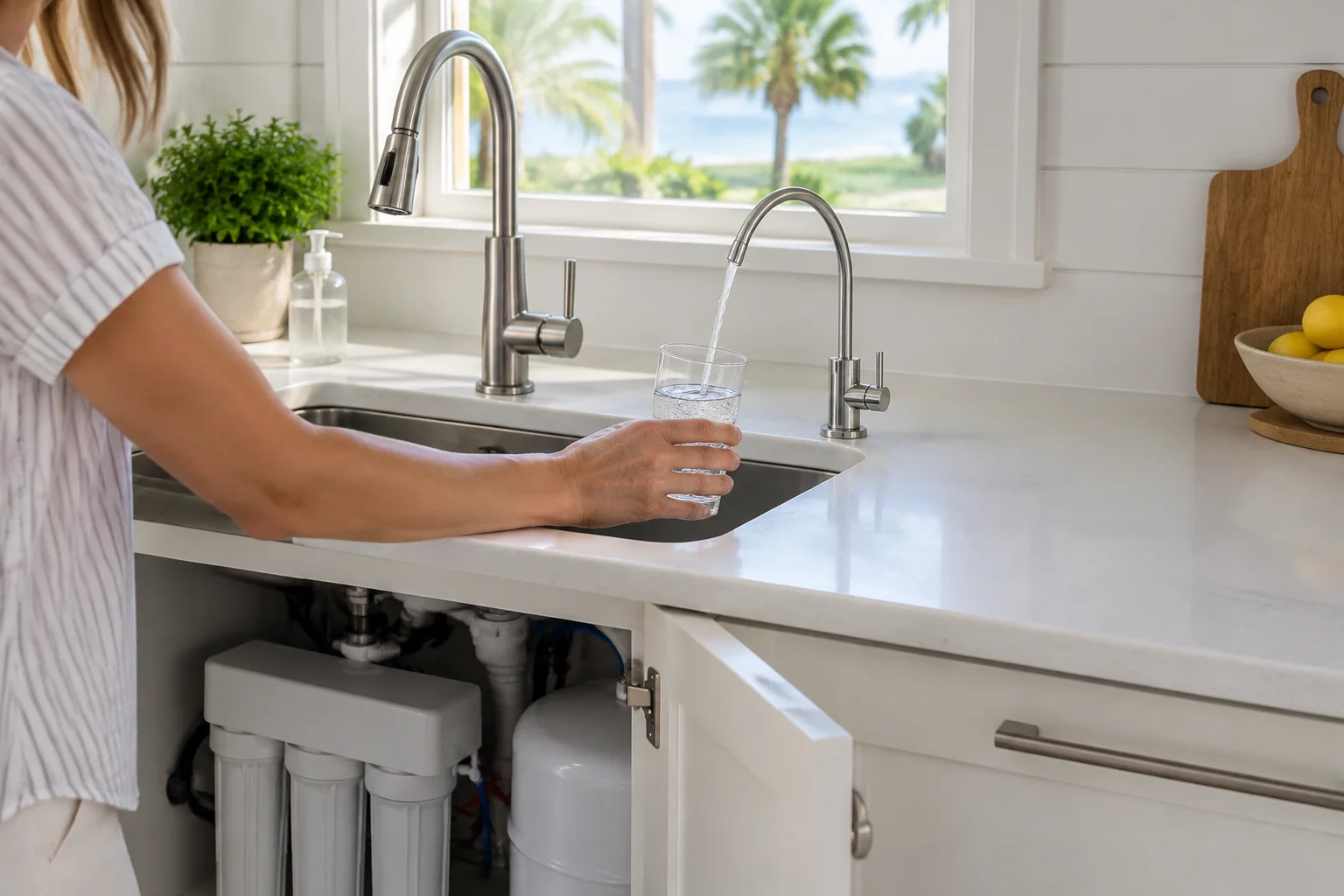
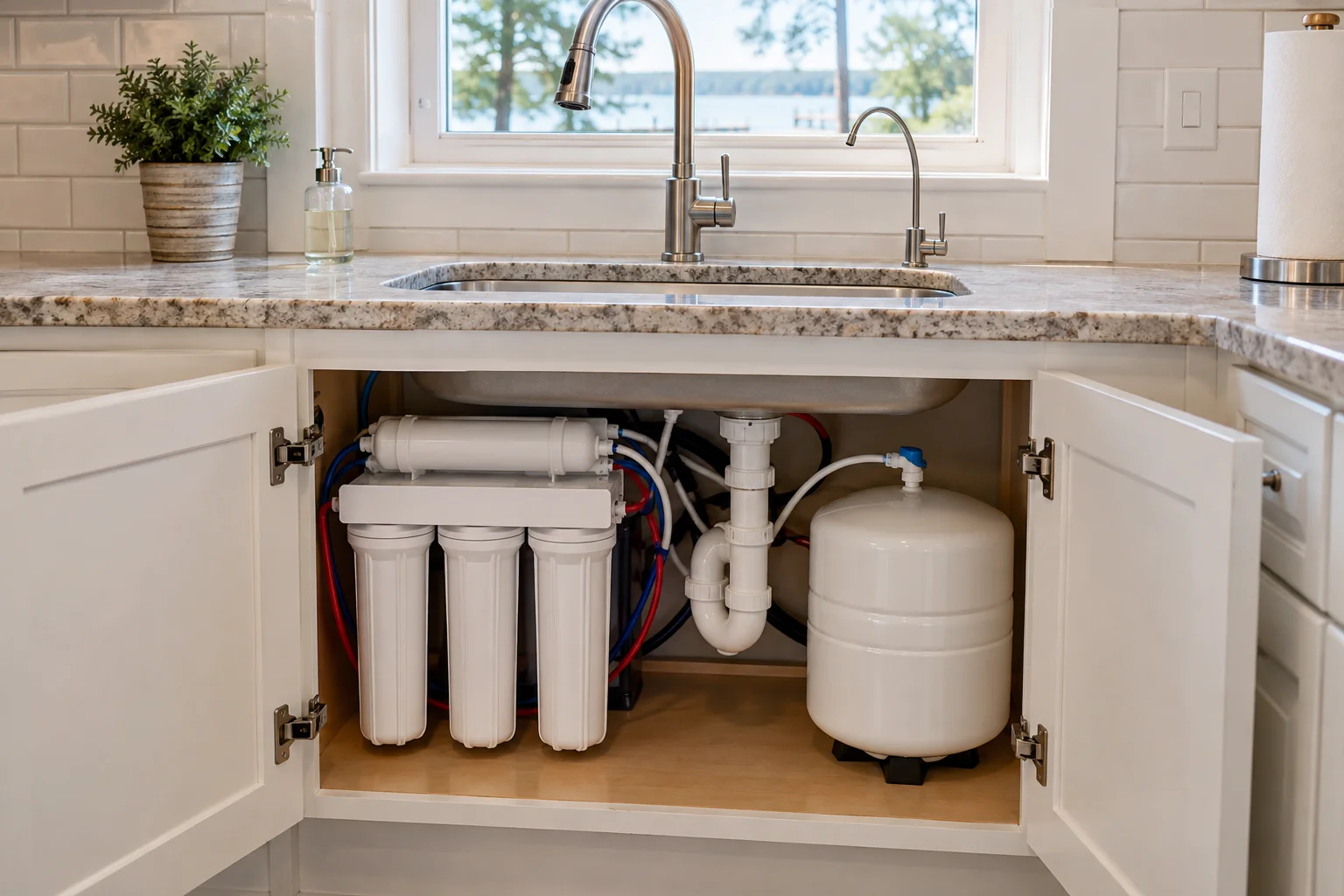
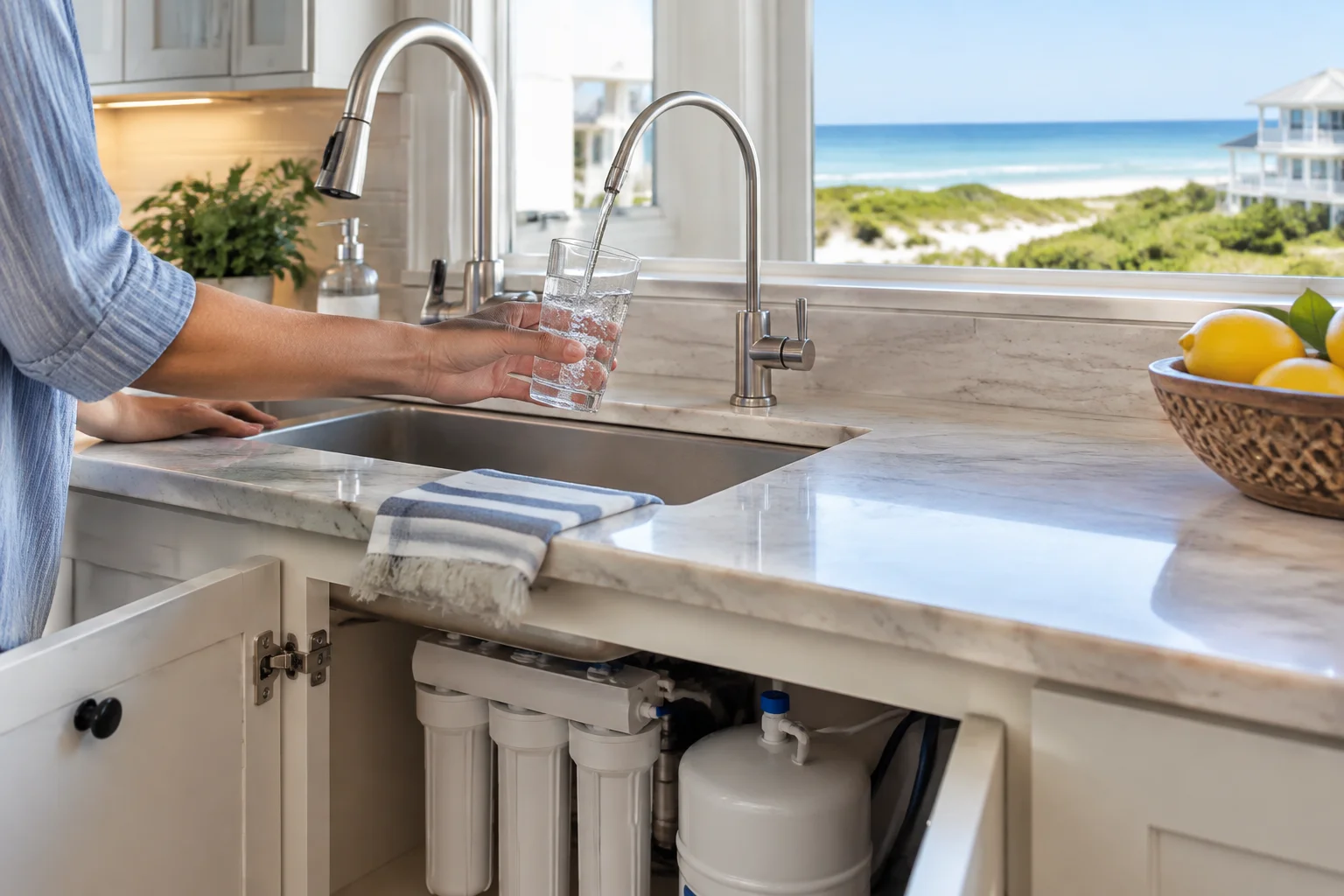
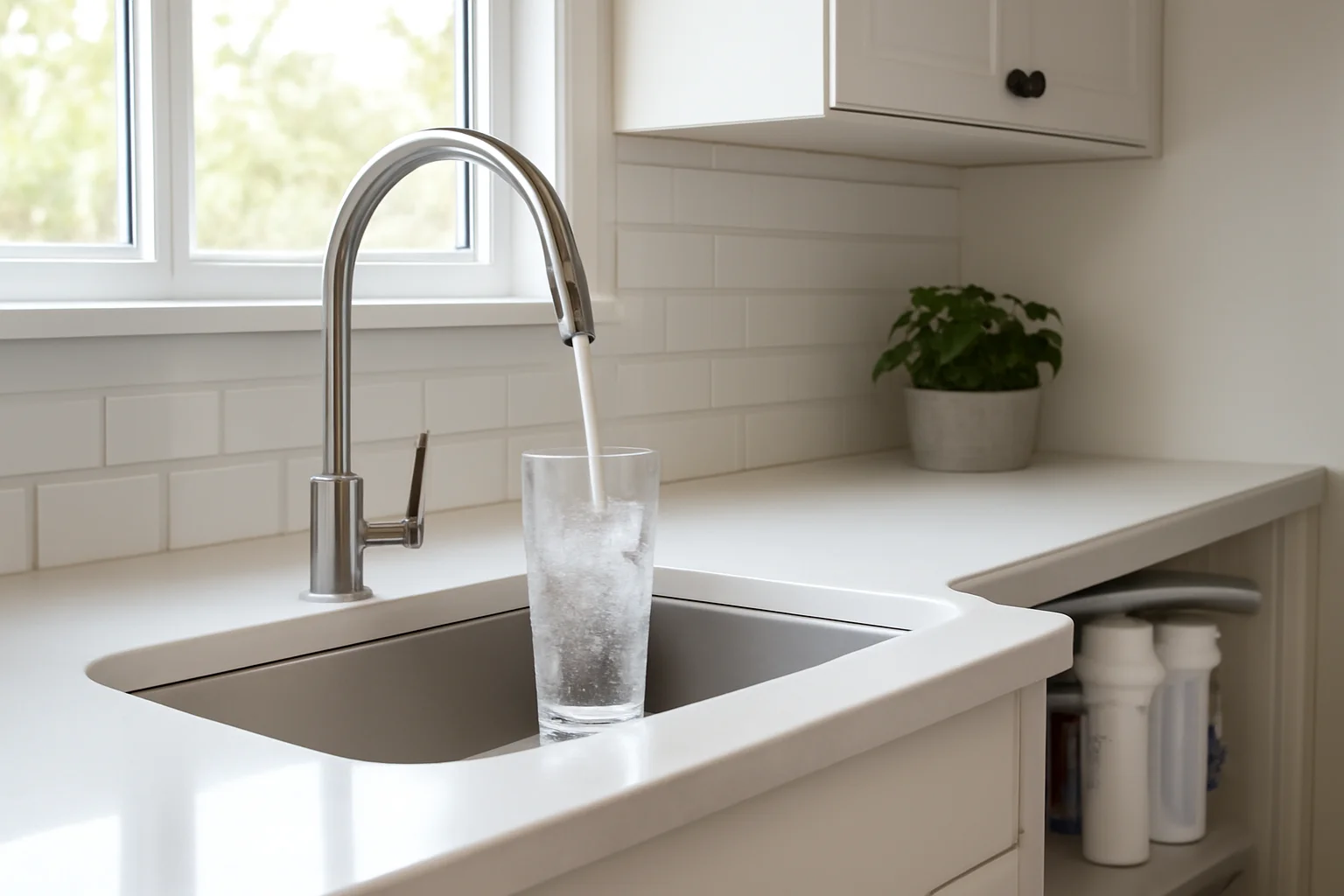
Even with a properly maintained softener and whole home filtration, some families prefer an extra layer for drinking and cooking. That is where reverse osmosis can be a strong choice. With a reverse osmosis system near me installed correctly, you can support better water for drinking and cooking while reducing concerns that show up in coffee flavor and ice clarity.
Think about your daily kitchen scene. A teenager makes iced coffee, someone fills a water bottle, and dinner prep starts with rinsing produce. If water tastes off or creates cloudy ice cubes, it is noticeable fast. Reverse osmosis can help deliver a cleaner taste experience for the water you use most.
Choosing RO: match it to your household habits
Many families use RO for:
- Drinking water and cooking water
- Ice (especially when cloudy ice cubes are a concern)
- Coffee, tea, and flavor-sensitive recipes
It still helps to have softened water throughout the home for showers, laundry, and appliance protection. RO and softening work together well when designed as a system.
Maintenance checklist for protecting fixtures and appliances
When hard water treatment becomes part of protecting fixtures and appliances, your home costs less to maintain and feels better day to day. Use this checklist to guide what to watch and what to schedule.
Monthly homeowner checks
- Check brine tank salt level and refill as needed
- Look for salt bridging or crusting
- Observe water behavior at sinks and showers for new spotting
- Notice whether soap lathers normally and rinses clean
Every few months: watch for water quality shifts
- Inspect glassware for hard water spots on dishes and film
- Check faucet aerators and showerheads for reduced flow or buildup
- Evaluate laundry feel and rinse results
- Pay attention to taste and odor: metallic, chlorinated, or unpleasant notes
Seasonal maintenance that helps in coastal Florida conditions
Fort Walton Beach weather swings through humid summers and cooler periods. Salt systems can be affected by how often the home uses water and how the equipment cycles. Seasonal inspections can help confirm the settings and performance are still correct.
- Verify the softener’s regeneration schedule and settings
- Check for leaks, corrosion, and proper drainage
- Confirm filtration elements are scheduled for replacement if you have whole home water filtration
Why professional water softener installation and service matters
Even great maintenance cannot fix an incorrectly sized system or misconfigured controls. Water softening is not one-size-fits-all. Homes in Fort Walton Beach vary in:
- Household size and water usage
- Plumbing layouts and fixture types
- Water chemistry and hardness levels
- Whether you also need whole home filtration or reverse osmosis for drinking water
Professional installation and water treatment service helps ensure your system regenerates properly, softens consistently, and protects plumbing and appliances over the long term.
If you are considering water softener installation near me or upgrading your current setup, you can review A Superior Mechanical’s service details here: /service-areas/okaloosa-county/fort-walton-beach/water-softening-systems-fwb. For broader options and pairing strategies, see /water-filtration-ro-water-softeners. If you want to explore the region A Superior Mechanical serves, visit /service-areas/okaloosa-county/fort-walton-beach and /service-areas/okaloosa-county.
Family scenarios: how better water changes daily routines
Water softening and filtration are not abstract. They show up in real moments around the home.
Morning showers and getting ready faster
When your system is working, shampoo rinses cleaner, skin feels less tight, and towels do not pick up residue. That is especially helpful for families who shower daily or have kids who spend time in and out of the water.
Kitchen water that tastes right for coffee and cooking
When hardness minerals and other impurities are controlled, you can notice a difference in everyday taste. Homeowners often describe poor tasting coffee and cooking water when water quality is off. With the right combination of softening, filtration, and possibly reverse osmosis, the water used for cooking and drinking can taste more neutral.
Laundry that rinses clean and stays softer
In hard water homes, detergent can struggle and fabric can feel stiff. With properly softened water, soap and laundry products can work as intended. You might also see fewer spots on clothing and less buildup in washers.
Dishes that come out clearer
Dishwashers and glassware are where hard water shows quickly. If you are dealing with hard water spots on dishes and film, maintaining your softener and considering whole home water filtration can help. Many homeowners also notice that cleaning glassware takes less time when spotting decreases.
Common maintenance mistakes to avoid
Homeowners often try to solve water quality issues with “quick fixes.” Some help, but others can make things worse.
- Ignoring salt type and system requirements: using the wrong salt can cause performance problems.
- Overlooking brine tank crusting: salt can look full but still fail to dissolve properly.
- Assuming softening alone fixes taste and odor: metallic or chlorinated taste, sediment, and odor concerns may need filtration or reverse osmosis.
- Skipping filter changes when you have whole home water filtration: filtration performance depends on timely replacements.
- Delaying service when spotting returns: small changes can signal bigger issues inside the system.
How to decide whether you need repair, replacement, or an upgrade
If you see consistent scale buildup around faucets, persistent dry skin from hard water, or repeated taste concerns like metallic or chlorinated water, it may be time for a professional evaluation. A Superior Mechanical can check your system performance and determine whether:
- Your softener needs adjustments
- Your brine tank and regeneration cycle need correction
- Whole home filtration should be added for sediment and odor concerns
- Reverse osmosis would improve drinking water and cooking water quality
This is also a good time to coordinate water treatment with other home maintenance. If you are dealing with plumbing wear, it can overlap with scale-related effects. You may find these resources helpful for broader home protection: /news/a-fort-walton-beach-homeowner-s-guide-to-water-line-replacement-before-small-problems-spread and /news/plumbing-warning-signs-fort-walton-beach-homeowners-should-not-ignore.
Protecting your investment: a simple plan for Fort Walton Beach homeowners
A practical approach helps you keep water softening systems performing reliably in Fort Walton Beach, especially as household routines and seasons change. Start with consistent salt and system checks, watch for early signs like soap that does not lather, and address taste or clarity concerns quickly.
For many families, the best setup is layered: water softening to protect plumbing and fixtures, whole home water filtration to support cleaner water throughout the house, and reverse osmosis for the drinking water and cooking water you use most. When it is maintained properly, it can reduce scale buildup on faucets and showerheads, prevent hard water spots on glass, and help keep appliances running efficiently.
If you are searching for water filtration near me, water softener service, or water softener installation near me in Okaloosa County, A Superior Mechanical helps homeowners choose the right equipment and keep it performing. You can explore the local service area here: /service-areas/okaloosa-county/fort-walton-beach/water-softening-systems-fwb.
If you want a broader view of how water treatment can support long-term home planning, you may also like /news/planning-sewer-repair-around-fort-walton-beach-homes-and-hard-water and /news/a-smarter-way-to-handle-plumbing-services-in-fort-walton-beach-homes-2.
Find Water Softening Systems in Fort Walton Beach, FL
If you need Water Softening Systems in Fort Walton Beach, FL, visit our local service page or contact A Superior Mechanical today.
For a broader look at whole-home water filtration, reverse osmosis, and water softener options, visit our water filtration, RO, and water softener page.
Map of Fort Walton Beach, FL
Frequently Asked Questions
How often should I have my water softener serviced in Fort Walton Beach, FL?
Most homeowners benefit from at least an annual professional inspection. If you notice renewed scale buildup on faucets, dry skin from hard water, or changes in taste and odor, schedule service sooner so the system can be adjusted or repaired.
Can a water softener fix metallic or chlorinated taste and cloudy ice cubes?
Sometimes hardness is part of the taste issue, but a softener is not designed to remove all taste, odor, sediment, or other water quality concerns. Whole home water filtration and reverse osmosis are often used to address drinking water clarity and flavor, including problems like cloudy ice cubes.
What causes soap does not lather or rinse well even when I have a softener?
Common causes include low or bridged salt in the brine tank, incorrect regeneration settings, a malfunctioning control valve, or a system that is undersized for your household usage. A technician can confirm performance and flow so your water softening system delivers consistent results.
Is AO Smith water filtration worth pairing with a water softening system?
For many Fort Walton Beach homes, pairing filtration with softening provides a more complete clean water plan. AO Smith water filtration can help reduce additional particles that affect clarity and taste, while the softener protects plumbing and fixtures from hardness-related scale.
What maintenance can I do myself to keep my softener working?
Check salt levels regularly, look for salt bridging or crusting, inspect for leaks, and confirm the system regenerates as expected. If you see recurring hard water spots on dishes or scale buildup on showerheads, contact A Superior Mechanical for a performance check.
Related Articles
Photo Gallery