Living in WaterColor means enjoying coastal breezes, outdoor showers, and kitchens where everyone wants the best-tasting drinking water. But if your home has hard water, the same water that keeps things running can quietly leave scale on glass, dull hair after bathing, and buildup around faucets and showerheads. Over time, that mineral buildup can also make appliances wear faster.
Water softening is one of the most practical water treatment options homeowners can choose to protect fixtures and appliances while making everyday water feel better. Below is what WaterColor homeowners should know about water softening, whole home water filtration, and reverse osmosis, plus how to spot problems early and what to ask a local pro.
Why WaterColor homes often need hard water treatment
Hard water is common across many parts of Florida, including Walton County. It happens when water contains dissolved minerals, most often calcium and magnesium. Those minerals are not “dirty,” but they do cause real-world issues inside your plumbing and on your fixtures.
In a WaterColor home, you may notice the impact in places you use every day. Glassware can show hard water spots on glass even after wiping. Dishes can look cloudy. Faucets and showerheads may develop visible scale, especially around openings where water sprays. Laundry can feel less fresh, and bath water can leave skin feeling dry or hair looking dull.
When hard water treatment becomes part of protecting fixtures and appliances, you are not only improving appearance. You are reducing mineral buildup that can restrict flow, interfere with water heating, and shorten appliance life.
What hard water looks like at home
Hard water problems usually show up gradually. The good news is that the signs are often visible, so you can catch the pattern before it becomes expensive.
Scale buildup around faucets, showerheads, and plumbing
Look closely at the areas where water evaporates or sprays. You may see white, chalky deposits around faucet bases, on shower walls, and around the edges of showerheads. Over time, scale can also build up inside plumbing, water heaters, and appliance lines.
If you have ever cleaned a shower only to have spots return quickly, that is a strong indicator that your home could benefit from water softening or another targeted treatment approach.
Soap that does not lather or rinse well
Hard water can interfere with soap and detergents. You may notice that soap does not lather as easily, shampoos feel like they leave residue, and rinsing requires more effort. This often leads to using more product than you intended.
Dry skin or dull hair after bathing
Many families describe dry skin from hard water after showers or baths. Hair can feel rough, look less vibrant, and look dull even when you use quality shampoo. In WaterColor, where you may also spend time in salt air and sun, the difference between soft and hard water can feel even more noticeable.
Metallic, chlorinated, or unpleasant taste
Hard water can be one piece of the puzzle. Some homes also experience chlorine taste in water or other unpleasant flavors. If your family notices a metallic, chlorinated, or “off” taste in drinking water, you may need a layered plan that includes softening plus filtration.
For homeowners searching for home water purification near me or drinking water filter near me, it helps to know that “better taste” and “scale protection” are not always solved by one device.
Cloudy ice cubes and poor tasting coffee or cooking water
If your ice looks cloudy, it can be a sign that your water contains minerals, particulates, or taste and odor compounds. The same issues can show up in cooking.
You might notice poor tasting coffee and cooking water, or that soups and sauces do not taste as clean as you expect. When you are making breakfast for the family, using better water can make a real difference in how beverages and meals taste.
Visible sediment, discoloration, and odor concerns
Some homes also report visible sediment, discoloration, or odor concerns. Sediment and discoloration can be caused by a mix of factors, including aging plumbing, changes in water flow, or other local conditions. If you see sediment or notice odor, treatment may need to focus on filtration and monitoring, not just softening.
Appliances wearing out faster
Scale buildup is not limited to faucets. It can accumulate in water heaters, dishwashers, and laundry equipment. Over time, mineral deposits can reduce efficiency and shorten service life. If you are seeing faster wear on appliances, water quality is worth investigating.
How water softening works to protect your home
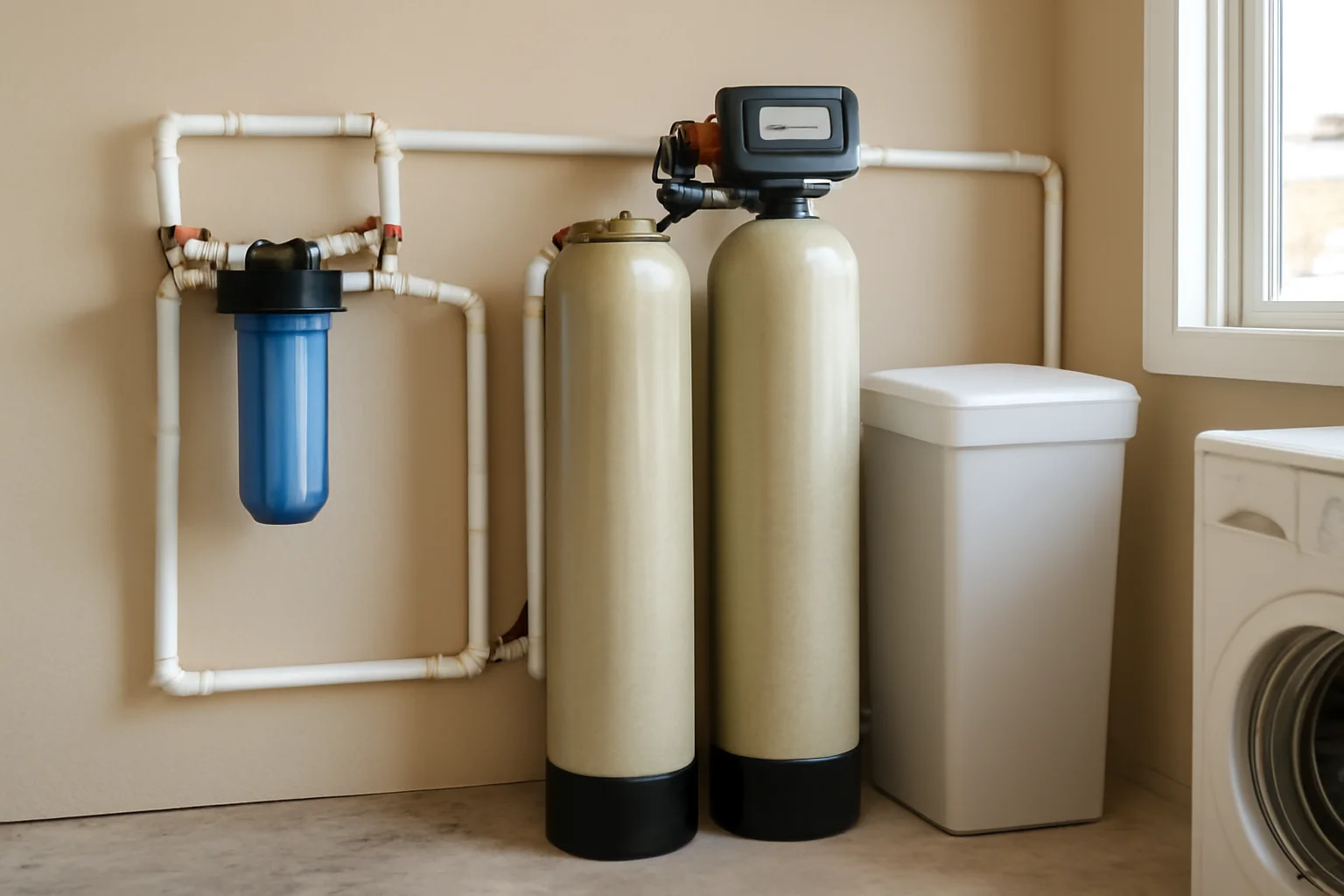
Water softeners treat hard water by replacing calcium and magnesium ions with sodium or potassium ions through an ion exchange process. The result is water that does not leave the same mineral residue on glassware, fixtures, and inside plumbing.
That means less scale buildup around faucets, fewer hard water spots on dishes, and improved performance for appliances that depend on consistent flow and heating.
Softening also helps detergents work better, so laundry can rinse more cleanly and bath products can feel more effective.
WaterColor families use water everywhere, so treatment should match the job
Water treatment is not just about a cleaner-looking sink. It affects the whole rhythm of home life, from the kitchen to the shower to laundry day.
Kitchen scenes: drinking water, cooking water, and ice
Imagine a typical WaterColor morning. The coffee pot runs, kids grab glasses of water, and someone fills a pitcher for the fridge. If your water has a noticeable taste, cloudy ice, or mineral residue, it can change the experience.
Softened water can help with mineral scale, but for taste and odor concerns, many homeowners choose filtration in addition to softening. That is where whole home filtration and reverse osmosis systems can come into play.
Bathing: skin, hair, and shower comfort
Soft water can reduce the mineral film that contributes to rough skin and dull hair. It can also help soap rinse more easily, which is especially helpful when your household uses body wash, shampoo, and shaving products regularly.
If you have ever scrubbed the shower and found scale returning quickly, softening can help keep surfaces cleaner longer.
Laundry: cleaner rinses and fresher results
Hard water can make it harder for detergents to rinse away. With softened water, you often see better cleaning performance and less residue that can cling to fabrics. Over time, that can also help reduce the mineral buildup that affects laundry equipment.
Fixtures and appliances: fewer mineral deposits, more reliable performance
When hard water treatment becomes part of protecting fixtures and appliances, you are supporting the long-term health of your plumbing system and your household investments. Less scaling around plumbing components helps maintain flow and efficiency.
Water softening vs. whole home water filtration vs. reverse osmosis
Many WaterColor homeowners hear about water softeners, then start comparing options for filtration and better drinking water. The most effective approach often depends on what you are trying to solve: scale, sediment, taste, odor, or specific contaminants.
Water softening: best for scale and mineral protection
Choose water softening primarily to reduce hard water scale buildup and improve how soap and detergents perform. It is especially helpful if you already see hard water spots on glass, scale around faucets and showerheads, or dry skin from hard water.
Whole home water filtration: helpful for sediment and cleaner water throughout the house
Whole home water filtration is designed to treat water before it reaches your plumbing fixtures and appliances. It can help reduce sediment in household water and protect internal components from particles that can affect water appearance and performance.
If you are searching for water filtration near me or whole home water filtration near me, ask about filtration stages that match your home’s water quality profile.
Homeowners sometimes pair whole home filtration with softening for a more complete clean water system.
Reverse osmosis: focused treatment for drinking water and cooking
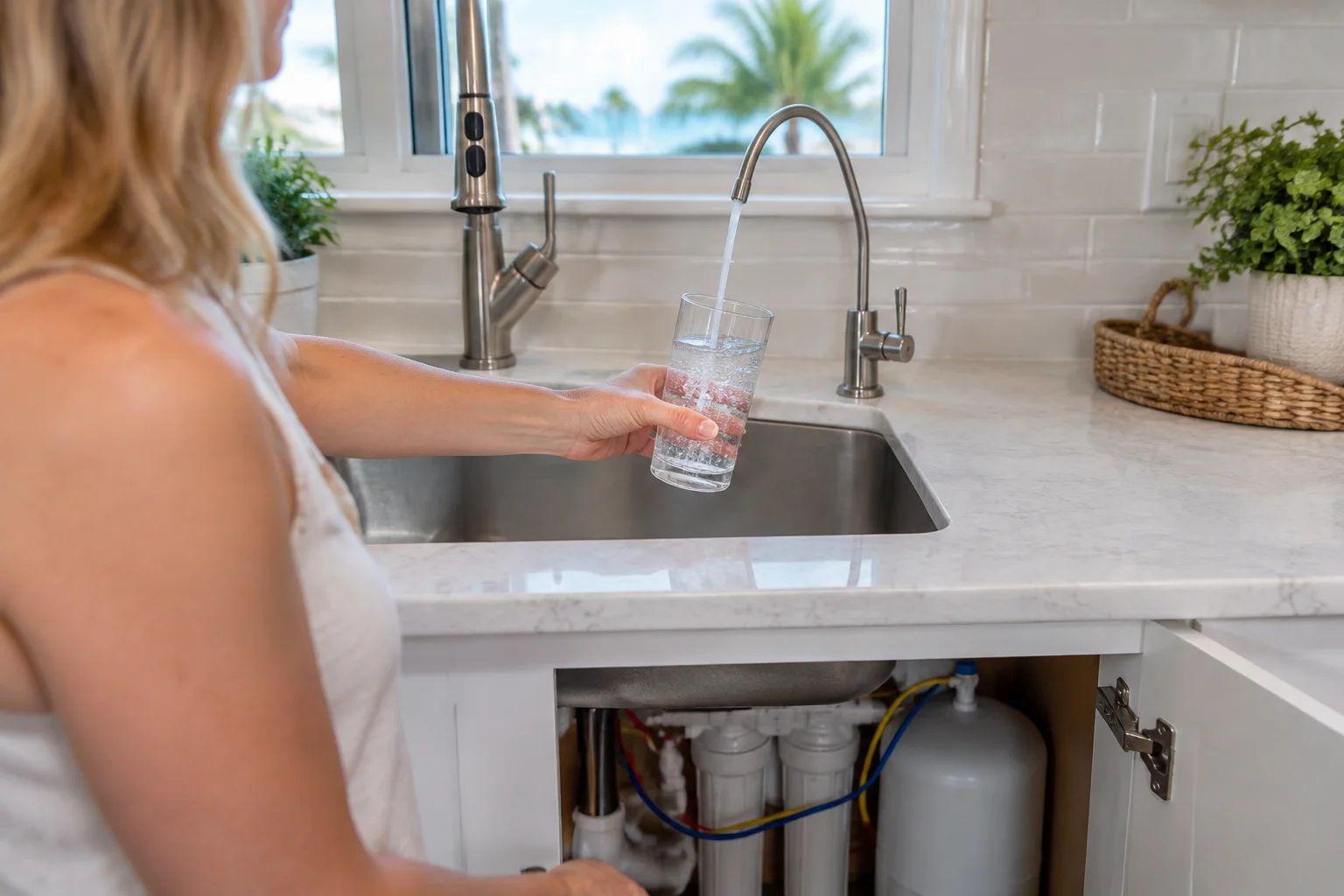
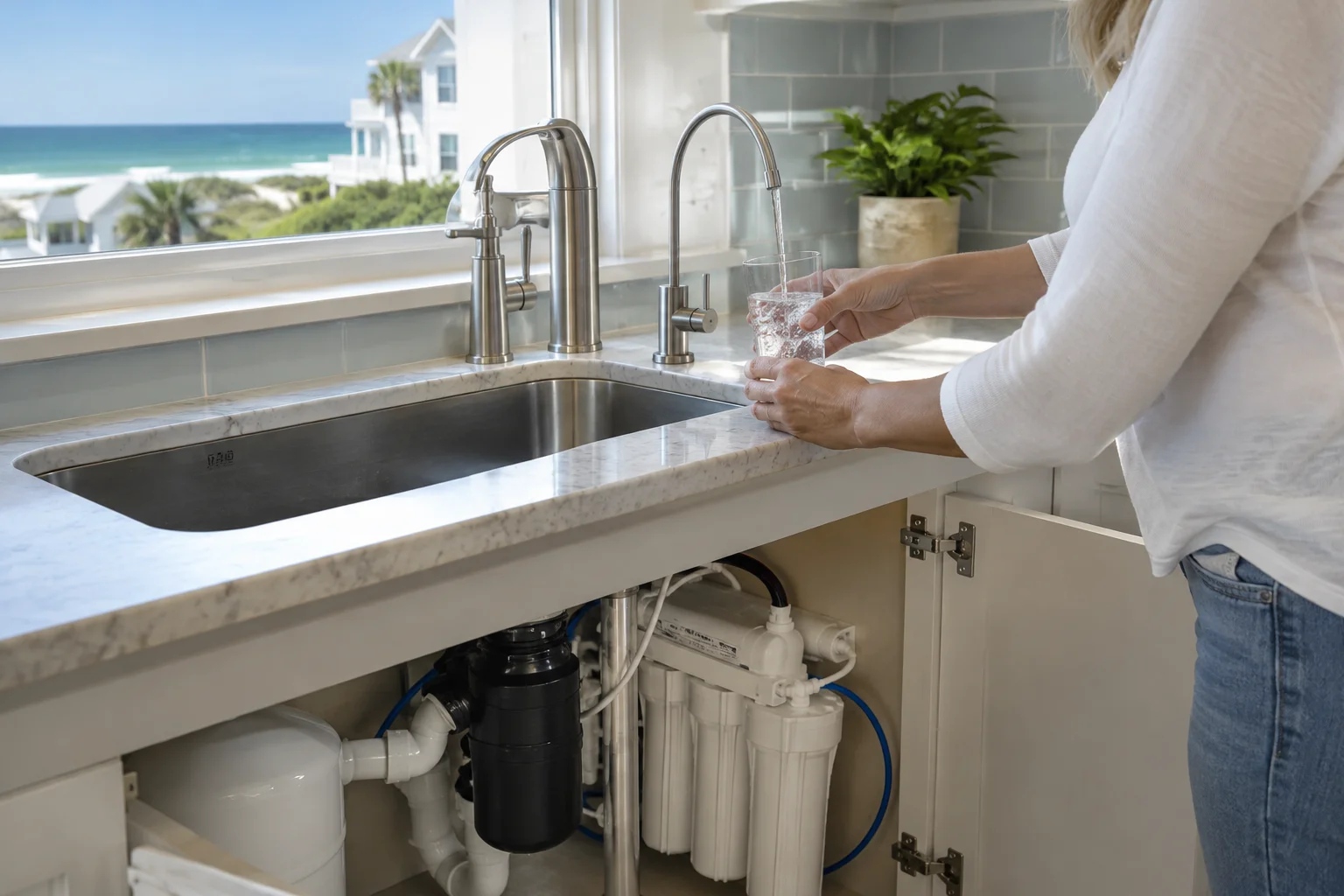
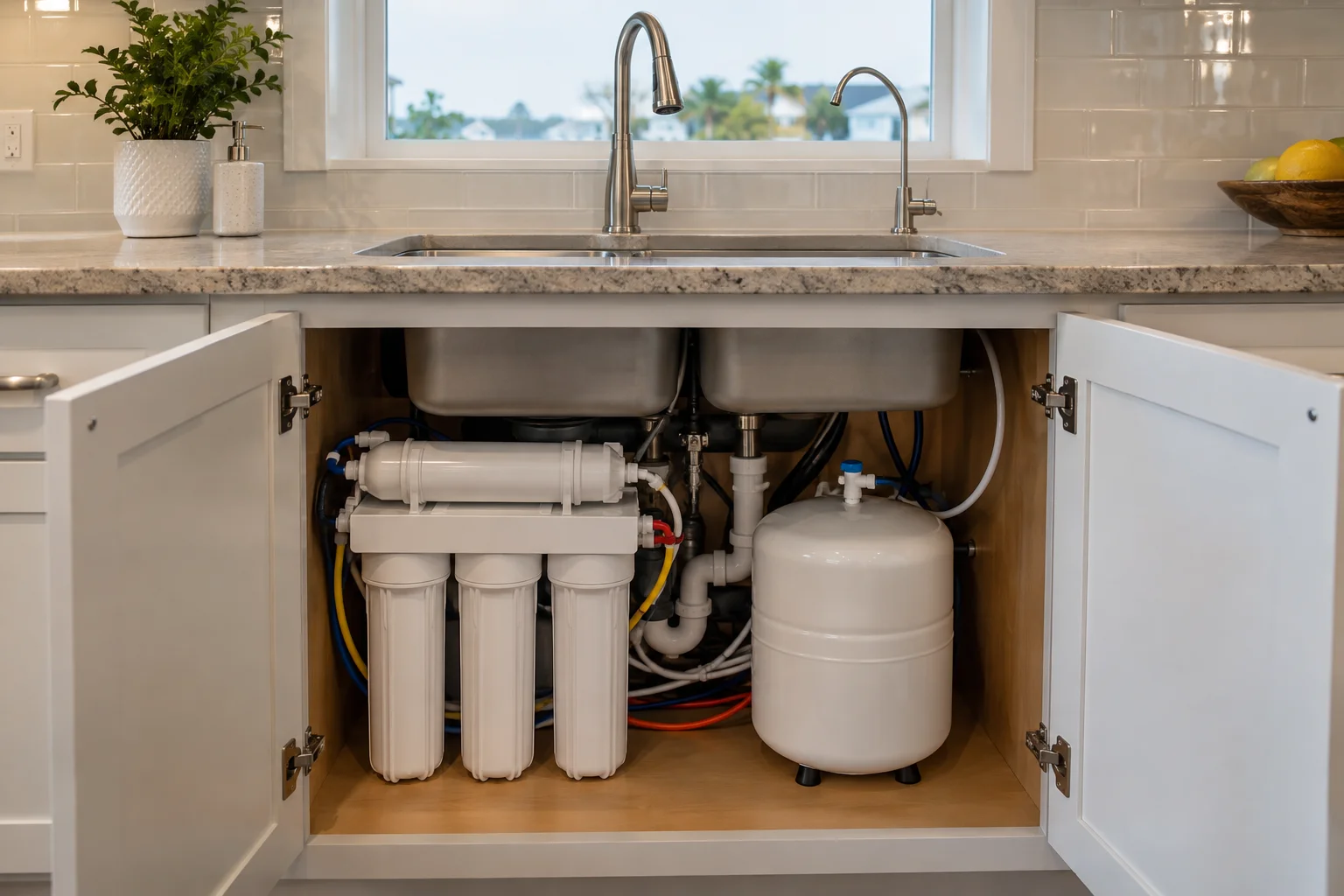
Reverse osmosis systems are commonly used for kitchen drinking water because they can reduce many contaminants that affect taste and clarity. If you have cloudy ice cubes, chlorine taste in water, or poor tasting coffee and cooking water, reverse osmosis can be a strong upgrade.
Many families choose an RO system at the kitchen sink for everyday drinking and cooking, while relying on whole home filtration and/or softening for the rest of the house.
Where AO Smith water filtration fits into a WaterColor clean water plan
Some homeowners want a brand they can trust when they are investing in water filtration. AO Smith water filtration is often considered for filtration systems that support cleaner water throughout the home. If you are researching AO Smith water filtration as part of clean water systems near me, it helps to ask how the equipment is sized for your household and how it is maintained.
Regardless of the brand, the goal is to choose treatment that matches your water quality. A professional can help determine whether you need water softening, filtration, reverse osmosis, or a combination.
Maintenance matters: prevention that keeps results consistent
Water treatment systems work best when they are maintained. Even the best water softener installation near me will underperform if it is not serviced and monitored.
Softener maintenance basics
Ask your technician about:
- Salt levels for the brine tank (if your system uses salt)
- Regeneration schedules that match your household water use
- Resin performance and when replacement is needed
- Water test results to confirm ongoing hardness reduction
Filtration and RO maintenance basics
Whole home filtration and reverse osmosis systems require filter changes and performance checks. If you notice a return of unpleasant taste, declining water clarity, or changes in ice appearance, it can be time to inspect the system.
For homeowners planning reverse osmosis system near me, maintenance schedules should be part of the conversation during installation and service calls.
How to tell you should upgrade your water treatment
Consider speaking with A Superior Mechanical if you see patterns that keep coming back. Examples include:
- Hard water spots on glass and hard water spots on dishes persist even after regular cleaning
- Scale buildup around faucets and showerheads is growing faster than expected
- Dry skin or dull hair after bathing becomes a regular complaint
- Metallic, chlorinated, or unpleasant taste shows up in drinking water
- Cloudy ice cubes appear or coffee tastes “flat” or off
- You notice visible sediment, discoloration, or odor concerns
- Appliances are wearing out faster than they should
Homeowners in WaterColor often deal with seasonal changes in water use and household routines. A service professional can help you adjust your treatment approach so it keeps working for your family, not just on paper.
Why local water treatment service matters in WaterColor and Walton County
WaterColor homes are close to the coast, and local water conditions can vary based on neighborhood, plumbing age, and how water moves through the system. That is why working with a local team matters. A company that serves WaterColor and Walton County can better understand the types of issues homeowners commonly report, from scale to taste and odor concerns to sediment.
If you are looking for water softener service or water filtration near me, choosing a provider familiar with local conditions can help you avoid guesswork. It also helps you select the right equipment size and the right mix of softening, filtration, and RO for your home.
Service options homeowners can explore
If you want to protect fixtures and appliances from hard water scale, start with water softening. You can review the local service area information here: /service-areas/walton-county/watercolor/water-softening-wcfl.
If your focus includes better drinking water, taste, and clean water systems throughout the home, browse the main water filtration landing page: /water-filtration-ro-water-softeners. You can also explore the WaterColor service area overview: /service-areas/walton-county/watercolor, or the county-wide page: /service-areas/walton-county.
Water treatment often connects to overall plumbing health. If you want to reduce the chance of hidden problems, these reads may help:
- How WaterColor Homeowners Can Stay Ahead of Hidden Plumbing Problems With Camera Inspections
- How Water Softening Protects Rosemary Beach Plumbing from Costly Water Damage
- Water Heater Replacement in WaterColor: What Homeowners Should Watch For
Questions to ask before water softener installation or filtration upgrades
When homeowners schedule water treatment service, a smart checklist can keep the process clear. Consider asking:
- What hardness level do you expect for my WaterColor home, and what results should I see after installation?
- Will I need water softening, whole home water filtration, reverse osmosis, or a combination?
- How will the system be sized for my household and water use patterns?
- What maintenance schedule should I plan for each component?
- How do you verify performance after installation, such as testing before and after?
- If I have chlorine taste in water, what filtration stage will address it?
- If I have cloudy ice cubes, is the issue mineral scale, particulates, or taste and odor compounds?
These questions help you move beyond guessing and toward a clean water system that fits your home and your daily routine.
Protecting your home is also about protecting your time
Hard water problems create extra chores. You might be wiping glassware more often, re-cleaning fixtures, and dealing with spotty dishwashing results. When you invest in the right water treatment for your home, you spend less time fighting scale and more time enjoying WaterColor.
Better water quality can also support everyday comfort. Family members may notice softer skin after bathing, clothes that rinse cleaner, and kitchen water that tastes better for drinking and cooking. Those changes often feel small at first, then become part of the home routine.
For WaterColor homeowners searching for water treatment solutions, water softening is a strong foundation. Pair it with whole home water filtration or reverse osmosis when your goals include cleaner taste and clearer drinking water, and you can build a system that protects fixtures, appliances, and the way your home feels every day.
Service link: For professional water softening services in WaterColor, FL, visit /service-areas/walton-county/watercolor/water-softening-wcfl.
Find Water Softening in WaterColor, FL
If you need Water Softening in WaterColor, FL, visit our local service page or contact A Superior Mechanical today.
For a broader look at whole-home water filtration, reverse osmosis, and water softener options, visit our water filtration, RO, and water softener page.
Map of WaterColor, FL
Frequently Asked Questions
Will a water softener remove chlorine taste in my WaterColor drinking water?
A water softener is mainly for hardness and scale. It can help with some mineral-related issues, but chlorine taste usually requires filtration. Many homeowners pair softening with whole home filtration or a reverse osmosis system for drinking water.
How do I know if I have hard water spots on glass because of scale?
If you see white, chalky marks that return after drying, and you also notice scale around faucets and showerheads, it is often hard water. A water test can confirm hardness levels and help determine whether water softening is the best fit.
Is reverse osmosis worth it for cloudy ice cubes and poor tasting coffee?
It can be. Cloudy ice cubes and off coffee often point to taste and odor compounds or minerals. A reverse osmosis system is commonly used for kitchen drinking and cooking water, while whole home filtration and softening can address the rest of the home.
How often should water softeners and filters be serviced?
Maintenance depends on the equipment and your household water use. Many systems are checked seasonally or on a set schedule, with filters replaced before performance drops. A local technician can recommend a plan after testing your water.
Related Articles
- How WaterColor Homeowners Can Stay Ahead of Hidden Plumbing Problems With Camera Inspections
- Practical Sewer Care for WaterColor Homes That Helps Avoid Bigger Plumbing Repairs
- How Water Softening Protects Rosemary Beach Plumbing from Costly Water Damage
- Water Heater Replacement in WaterColor: What Homeowners Should Watch For
Photo Gallery