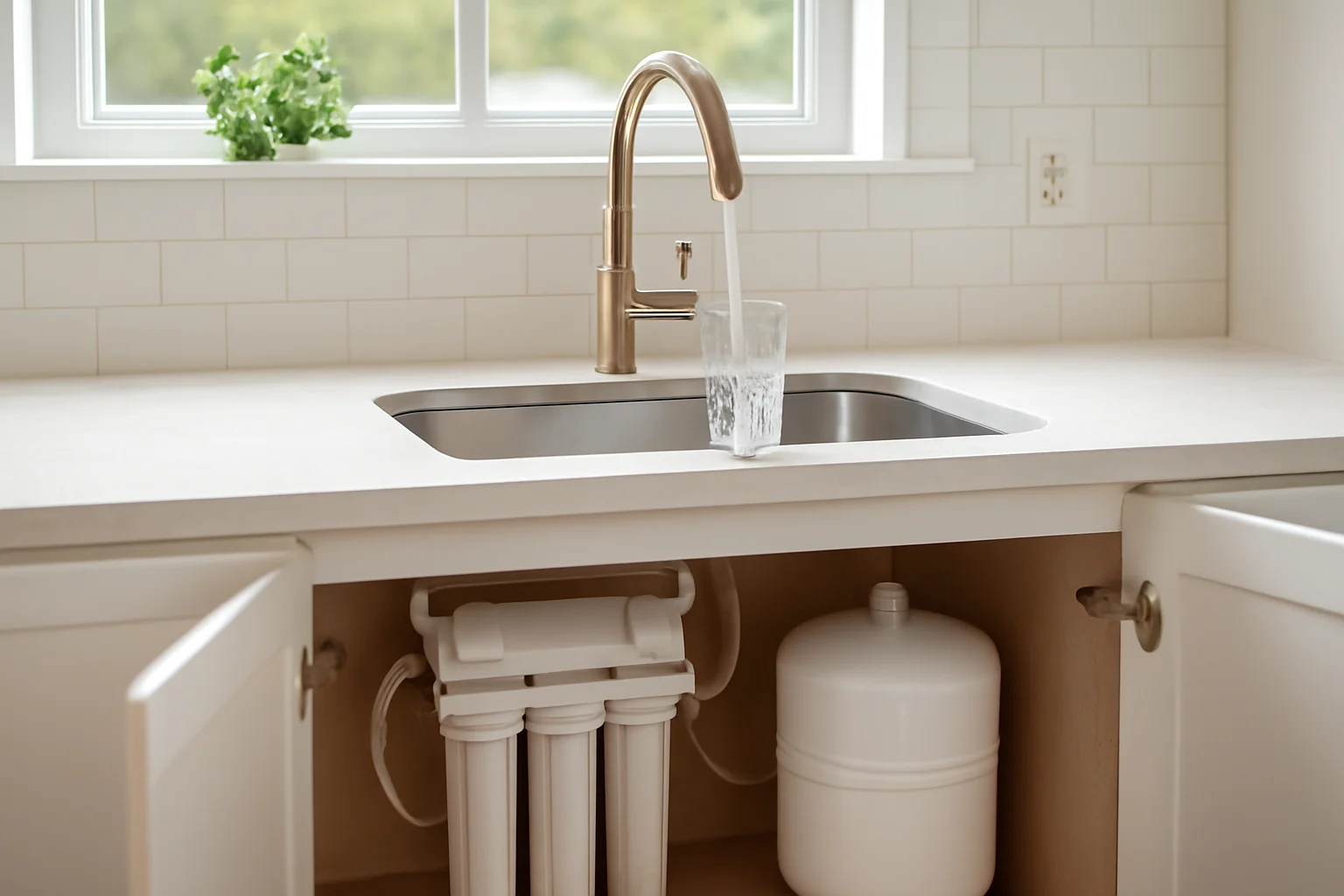
Lower Grand Lagoon sits in a warm, coastal climate where homes run water through showers, laundry, dishwashing, and outdoor use year round. When the water arriving at your home is hard, those daily routines add up. Scale builds quietly, water quality can feel harsher, and appliances and fixtures often age faster than they should.
This is where water softening services matter. A properly sized system, installed and maintained with the right settings, helps protect the plumbing you rely on, improve the feel of water for bathing and cleaning, and support better drinking and cooking water when paired with filtration.
Hard water is more than an inconvenience
Homeowners often notice hard water first by what it leaves behind. You might see hard water spots on glass after the bathroom mirror dries. Dishes may come out with a cloudy film. Around faucets and showerheads, you can spot pale scale buildup. Over time, that mineral layer can make fixtures look dull even when they are cleaned regularly.
Hard water is usually high in dissolved minerals, especially calcium and magnesium. In Lower Grand Lagoon, where many homes depend on local water sources, those minerals show up in everyday life. The problem is not just appearance. Mineral deposits can reduce water flow, clog small passages, and create conditions where components wear faster.
What shortens the life of plumbing fixtures and why it happens
When hard water moves through plumbing, it tends to deposit minerals as water heats up, evaporates, or changes pressure. That deposit is scale. Scale is essentially a mineral coating that forms inside pipes, on valve parts, and around heating elements.
Here are common ways hard water can shorten fixture life and increase repair needs:
1) Scale buildup around faucets, showerheads, and valves
Over months and years, mineral deposits accumulate at points where water repeatedly flows and water temperatures change. You may notice reduced spray quality in showerheads or a faucet that does not feel as smooth as it used to. Inside valves, scale can make parts stickier and harder to move, increasing wear and the chance of leaks.
2) Reduced water flow and higher strain on plumbing components
As scale builds up, it can narrow pathways for water. That means your fixtures and appliances may work harder to deliver the same output. The effect is not always dramatic at first, but it often shows up later as poor performance, slower filling, or the need for more frequent maintenance.
3) Appliance wear, especially water heaters and water-using units
Appliances that heat water are particularly sensitive. Scale can act like an insulating layer on heating surfaces, which can cause higher energy use and faster component aging. Many homeowners notice appliances wearing out sooner than expected, especially in households where laundry, showers, and dishwashing run consistently.
4) Soap that does not lather, rinse well, or fully clean
With hard water, soap can react with minerals and form residues. You might use more detergent or notice soap does not lather well or rinses off poorly. That can leave laundry looking dull, create a film on bathroom surfaces, and make routine cleaning feel never-ending.
5) Water quality concerns that go beyond scale
Hard water and other water quality issues can show up together. Some homeowners report chlorine taste in water, metallic or unpleasant taste, or cloudy ice cubes. Others see visible sediment, discoloration, and odor concerns. When water feels off, it also affects cooking water and drinking water habits, even if the issue is subtle at first.
How water softening improves comfort in daily routines
Think about the last few days of home life. There is a kitchen scene with coffee brewing, cooking water filling a pot, and dishes going into the dishwasher. There is a bathroom routine with showers and handwashing. There is laundry with towels and everyday clothing. Water softening supports all of it by reducing mineral buildup and improving how water interacts with soap and skin.
Bathing: fewer irritations from dry skin and dull hair
Many people associate hard water with dry skin from hard water and hair that feels less vibrant. Instead of rinse-clean water, mineral residue can leave skin feeling tight and hair looking dull. Softened water helps reduce that effect, so bathing feels more comfortable and hair looks healthier over time.
Cleaning: less scrubbing for glass, fixtures, and dishes
When you reduce scale-forming minerals, it is easier to keep surfaces looking clean. You may still wipe down showers, but you often need less heavy scrubbing. Glass becomes clearer faster, and dishes are more likely to come out without that cloudy film.
Laundry: brighter results and better detergent performance
With water softening, laundry often comes out cleaner and easier to rinse. Detergents can lather and rinse more effectively, which can help towels feel softer and colors look more true.
Kitchen: better water for drinking and cooking
Soft water supports everyday kitchen use, especially when you care about taste. If your home also struggles with chlorine taste in water, sediment, or odor, pairing water softening with filtration can make a noticeable difference.
For many homeowners, the goal is better water for drinking and cooking, not just water that is “safe to use.” A whole home approach can also help reduce contaminants that affect taste and clarity, which matters for drinking water and cooking water quality.
Where water softeners fit in a complete water treatment plan
Water softening targets hardness minerals that create scale. Whole home water treatment can include multiple technologies working together. Homeowners searching for water treatment near me often ask how to choose the right combination for their household.
Here is a practical way to think about it:
Water softening for scale and fixture protection
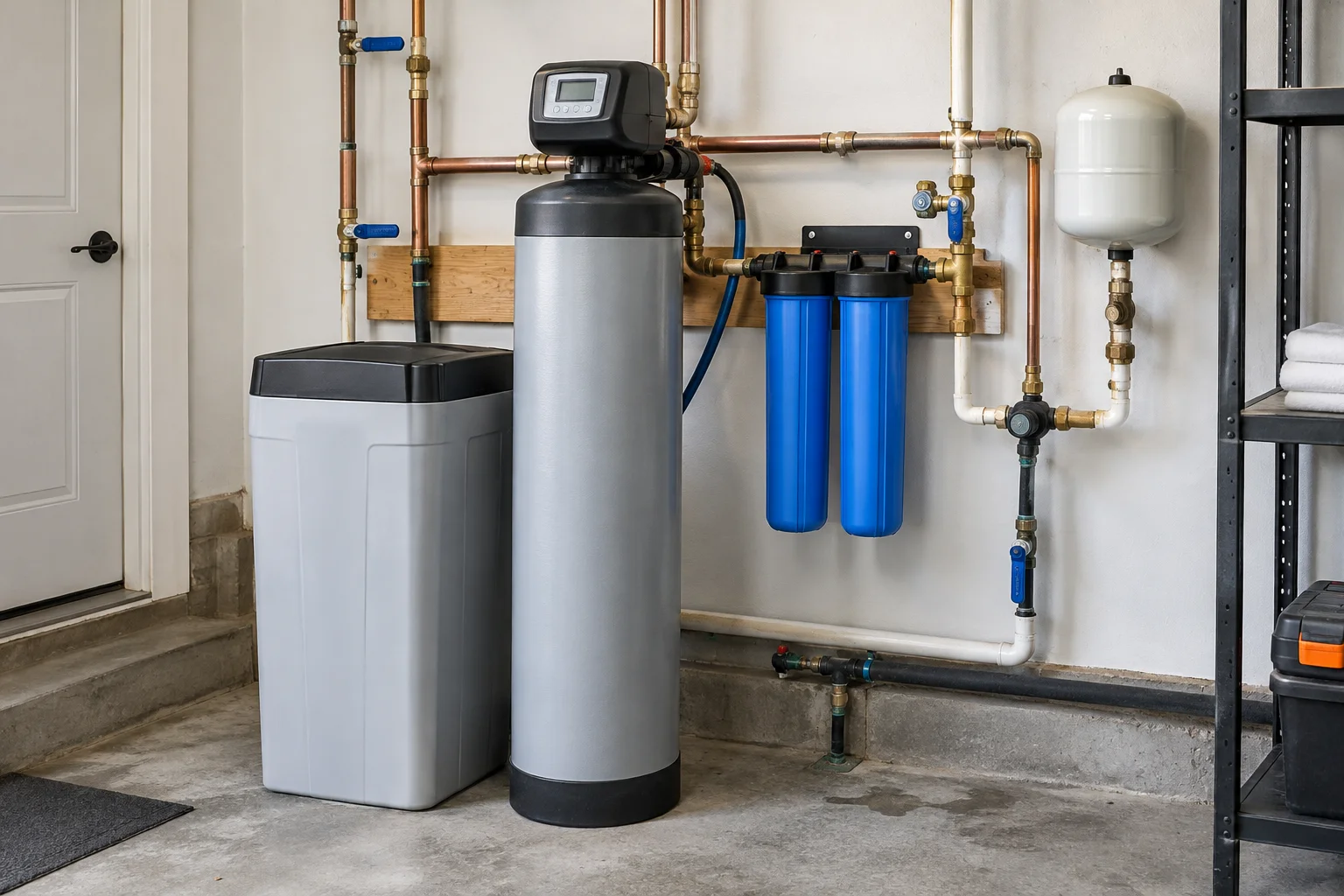
A water softener exchanges hardness minerals so they are less likely to form scale. This helps protect faucets, showerheads, and plumbing and supports longer appliance life.
Whole home water filtration for clean water systems
Whole home water filtration can help with sediment and other particles that affect clarity and taste. If you see visible sediment, discoloration, and odor concerns, filtration becomes an important part of the solution.
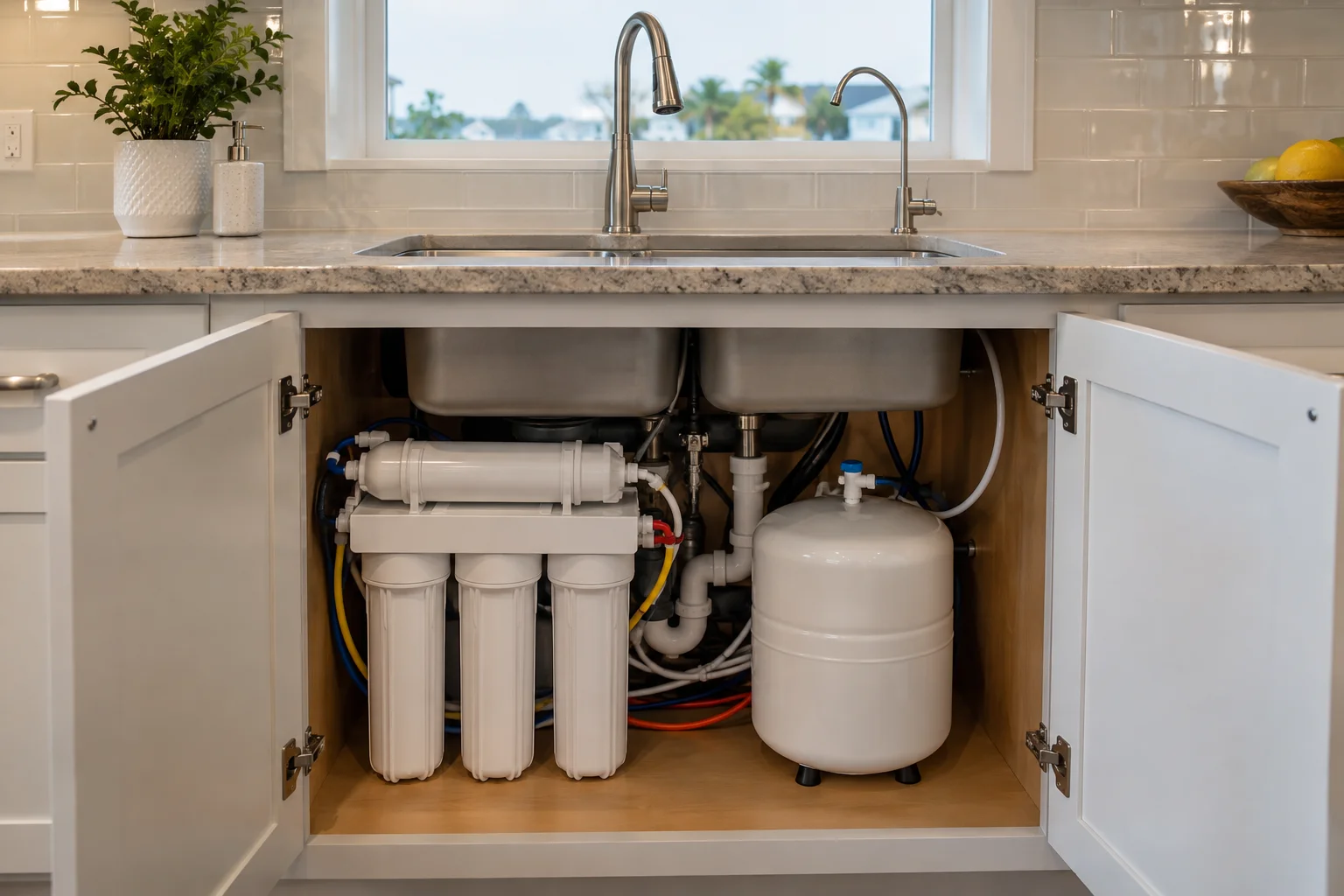
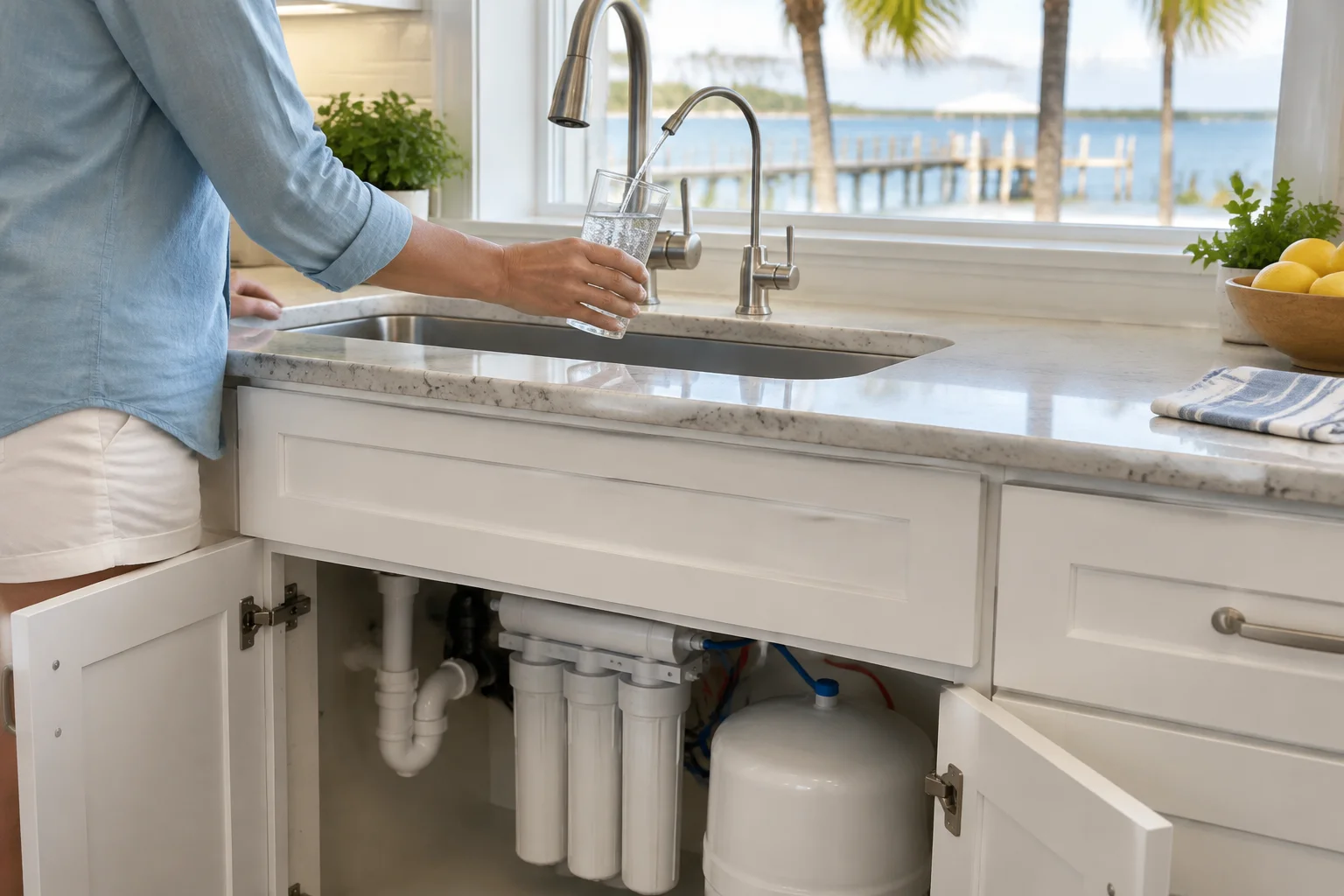
Reverse osmosis for drinking water and ice
For homes focused on drinking water, cooking water, and ice quality, reverse osmosis can be part of a layered approach. If you notice cloudy ice cubes or you want a cleaner taste for beverages, a reverse osmosis system can help. Many homeowners look for a reverse osmosis system near me because they want a dedicated improvement at the tap while still protecting the rest of the home with whole home treatment.
AO Smith water filtration and water softeners
Many Lower Grand Lagoon homeowners choose AO Smith systems because they are built for dependable whole home performance. AO Smith water filtration and water softening products can be a strong fit for households that want a clear plan: reduce scale where it matters, improve water quality, and keep systems running efficiently with proper service.
If you are comparing options and want a local team to help you match equipment to your household, you can explore water filtration and reverse osmosis options and then schedule a site-specific recommendation through our Lower Grand Lagoon service area.
Common “it might be hard water” clues homeowners notice
Hard water treatment needs tend to show up in patterns. If several of the items below sound familiar, water softening may be part of the answer.
- Hard water spots on glass that return quickly
- Scale buildup around faucets, showerheads, and exposed plumbing
- Soap that does not lather or rinses poorly
- Dry skin or dull hair after bathing
- Metallic, chlorinated, or unpleasant taste in water
- Cloudy ice cubes
- Poor tasting coffee and cooking water
- Appliances wearing out faster than expected
- Visible sediment, discoloration, and odor concerns
How local conditions in Lower Grand Lagoon affect water treatment needs
Even within the same region, water chemistry can vary. In coastal Florida, homes can experience changes in water quality due to source conditions and seasonal factors. Add everyday demands like frequent showers, laundry, and dishwashing, and it becomes clear why local water treatment service matters.
Lower Grand Lagoon homes often balance comfort expectations with real-world water performance. A water softener that is correctly sized and tuned for local hardness levels can reduce scale formation in your plumbing network. When paired with filtration, it can also support better drinking water and cleaner water for cooking and ice.
If you are searching for water filtration near me or water softener service near me, choosing a provider familiar with Lower Grand Lagoon homes can help ensure you get recommendations that fit your household, not a one-size-fits-all approach.
Water softener installation and service that protect the long term
Buying equipment is only part of the process. Proper installation and ongoing service are what keep your system working as intended. That includes:
- Correct sizing based on household water use and hardness levels
- Proper setup of settings so the system regenerates at the right times
- Routine maintenance to keep performance consistent
- Monitoring water quality so you can address taste, odor, or sediment concerns early
For homeowners looking for water softener installation near me, it helps to work with a company that can explain what the system is doing and what to watch for as your household changes. If you are considering a whole home approach, you can review water softening services for Lower Grand Lagoon and ask about integrated solutions for clean water systems.
Prevention and maintenance tips that keep scale from returning
You can do a few things between professional visits to stay ahead of mineral buildup:
- Watch for visual changes like new hard water spots on glass or increased scale at showerheads.
- Pay attention to soap performance. If lathering and rinsing suddenly get worse, it can signal a softener performance issue.
- Track appliance performance. If you notice faster wear, efficiency drops, or unusual noise from water-using appliances, schedule an inspection.
- Keep an eye on taste and clarity. Metallic or chlorinated taste, sediment, or cloudy ice can point to filtration needs beyond softening.
These observations do not replace testing, but they help you identify problems early. Early action often prevents the kind of scale buildup that makes repairs more expensive and harder.
How to choose between softening, filtration, and reverse osmosis
Some homeowners only focus on scale, while others focus on taste. Most real homes need both. If you are planning water treatment, it helps to map the problem to the solution.
If your main issue is scale and fixture wear
Start with water softening. It targets the minerals that cause buildup around faucets, showerheads, and internal plumbing surfaces.
If your main issue is taste, odor, sediment, or cloudy ice
Consider whole home water filtration for clean water systems and, where appropriate, reverse osmosis for drinking water and ice. Many homeowners search for a reverse osmosis installation near me after noticing cloudy ice cubes or poor-tasting coffee.
If you want a single plan for the whole home
A whole house water filter approach can support everyday needs across bathrooms, kitchens, laundry, and appliances. If you are looking for whole home water filtration near me options, ask about how filtration and softening work together in your home’s plumbing layout.
For homeowners who want a starting point, you can explore water filtration and RO and softener solutions and then connect with A Superior Mechanical for a recommendation based on your water.
Everyday payoff: better comfort, cleaner dishes, and longer-lasting fixtures
When water softening is done right, the benefits show up in the little moments. Coffee tastes better. Cooking water feels cleaner. Bathing is more comfortable. Laundry rinses more fully. Dishes look clearer, and glass stays cleaner longer. Fixtures hold up with less scale, which helps plumbing components last longer and reduces the chance of premature breakdown.
In Lower Grand Lagoon, that matters because homes and routines are active year round. A reliable water treatment plan helps you protect the systems you depend on, from the showerhead you use every morning to the appliances that keep daily life running.
If you are evaluating water softening services in Lower Grand Lagoon, you can learn more at this water softening services page. For broader service details across the area, visit our Bay County coverage and the Lower Grand Lagoon page.
Homeowners often find it helpful to connect water treatment to overall plumbing protection. Read Cleaner Water, Better Plumbing: Why Filtration Matters in Lower Grand Lagoon Homes for more on how clean water systems support plumbing longevity. For practical upkeep planning, see Making Smarter Plumbing Maintenance Decisions in Lower Grand Lagoon Homes and Staying a Step Ahead of Plumbing Emergencies in Lower Grand Lagoon.
Find Water Softening Services in Lower Grand Lagoon, FL
If you need Water Softening Services in Lower Grand Lagoon, FL, visit our local service page or contact A Superior Mechanical today.
For a broader look at whole-home water filtration, reverse osmosis, and water softener options, visit our water filtration, RO, and water softener page.
Map of Lower Grand Lagoon, FL
Frequently Asked Questions
Can water softening help with hard water spots on glass and cloudy dishes?
Yes. Water softening reduces the hardness minerals that form scale. With fewer scale-forming minerals, glass and dishes often stay clearer and require less scrubbing.
Will a water softener also improve the taste of drinking water and coffee?
Softening mainly targets hardness. If you also have chlorine taste, odor, sediment, or cloudy ice, adding filtration or reverse osmosis can improve drinking and cooking water quality for better tasting coffee and beverages.
How do I know if my home needs whole home water filtration versus reverse osmosis?
Whole home water filtration is often a fit when you see sediment, discoloration, or want cleaner water throughout the house. Reverse osmosis is commonly chosen for drinking water and ice when taste, clarity, or cloudy ice are key concerns.
What causes dry skin or dull hair after bathing?
Hard water can leave mineral residue that affects how skin and hair feel. Many homeowners notice improvement when hardness is reduced through water softening.
Related Articles
Photo Gallery