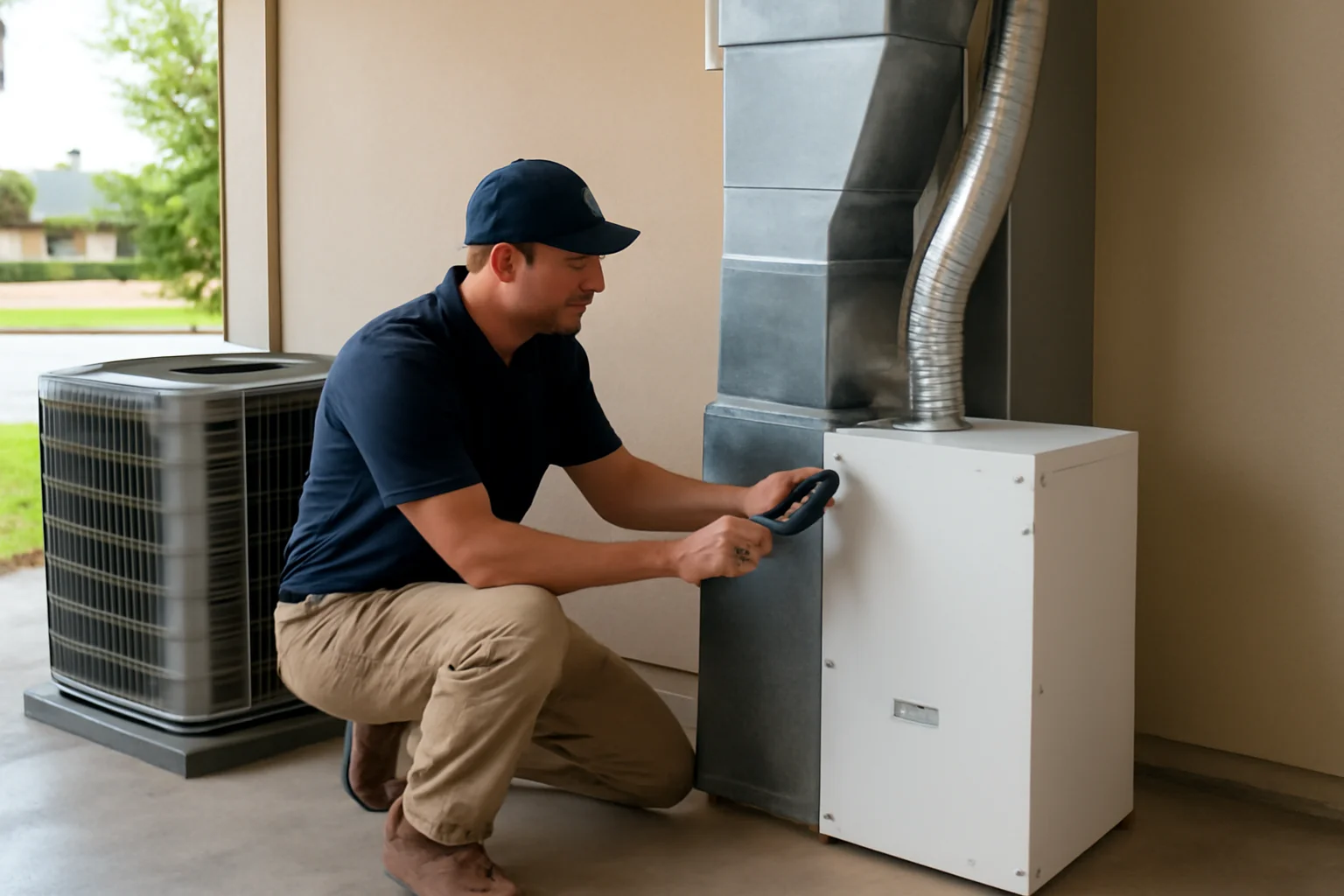
Camp Creek, FL is beautiful, but it comes with a big HVAC challenge: persistent humidity. When moisture levels stay high, it can affect comfort, indoor air quality, and even how well your air conditioner or heat pump performs. Whole home dehumidifiers are designed to control humidity across the entire house, but they still depend on good system setup, airflow, and proper condensate drainage to work reliably through Florida’s heat and salt air.
This guide is for homeowners who want everyday HVAC reliability from their whole home dehumidifier. You will see common causes of problems, practical prevention habits, and the moments when professional HVAC service from A Superior Mechanical is the safest choice.
Why humidity control matters more in Camp Creek
In Camp Creek and throughout Walton County, the air can stay damp for long stretches. Warm temperatures plus moisture means your HVAC system has to work harder to keep indoor humidity in check. Even if your air conditioner is cooling, high humidity can make you feel warmer than the thermostat says.
Whole home dehumidifiers help by removing moisture from the air and coordinating with your HVAC system so your home stays comfortable and less prone to issues like:
- Musty odors and stagnant air in closets or hallways
- Condensation on ductwork or cold surfaces
- Increased risk of mold growth in damp areas
- Higher energy use due to inefficient cycling and poor airflow
Because Camp Creek homes may be affected by salt air from the region and by seasonal storms, moisture management is not just a comfort preference. It is a reliability strategy for your HVAC system and your indoor air quality.
How whole home dehumidifiers actually prevent problems
A whole home dehumidifier is not a standalone “set it and forget it” box. It is part of an HVAC system that uses airflow, temperature, and controlled condensate drainage to move moisture out of the living space.
Most systems remove moisture and then handle condensate drainage based on how the unit is installed and connected to your ductwork and controls. Your thermostats and humidity controls also play a role, especially when the dehumidifier is designed to coordinate with your air conditioner, heat pump, or other HVAC components.
When airflow is restricted, drainage is blocked, or controls are not configured correctly, the dehumidifier can struggle. That is when homeowners often notice symptoms like weak dehumidification, unusual noises, or water-related concerns.
Common whole home dehumidifier problems homeowners can prevent
1) Weak dehumidification caused by airflow issues
One of the most common reasons whole home dehumidifiers underperform is airflow. If return air or supply air paths are blocked or poorly balanced, the unit may not pull in enough air to remove moisture effectively.
In Camp Creek homes, airflow problems can show up after:
- Furniture or storage placed near return vents
- Dirty filters or filters installed incorrectly
- Closed doors or blocked registers in humid seasons
- Leaky or disconnected ductwork sections
Prevention steps you can take:
- Replace HVAC filters on schedule and ensure the airflow direction matches the filter frame markings.
- Keep return vents clear and avoid covering them with rugs or furniture.
- During peak humidity, keep interior doors open to support consistent air circulation, especially in central hallways.
- Ask about a practical guide to air conditioning maintenance in Camp Creek to align your indoor comfort routine with what your system needs in Florida humidity.
2) Condensate drainage problems you can catch early
Whole home dehumidifiers produce condensate as they remove moisture. Condensate drainage must be clear and correctly routed to prevent water from backing up or overflowing. Even small drainage issues can become bigger problems during long humid weeks.
Homeowners can look for early warning signs:
- Water pooling near the dehumidifier or in nearby areas
- Unusual dripping sounds or intermittent overflow concerns
- Persistent dampness around the unit area
- Musty odors that seem to return after the system runs
Prevention steps:
- Check the condensate line visually for obvious kinks or blockage points, if the installation allows safe access.
- Keep the area around the unit dry and free of storage that can block access for maintenance.
- If you notice drainage concerns, do not ignore them. Moisture can affect nearby materials and indoor air quality quickly in humid climates.
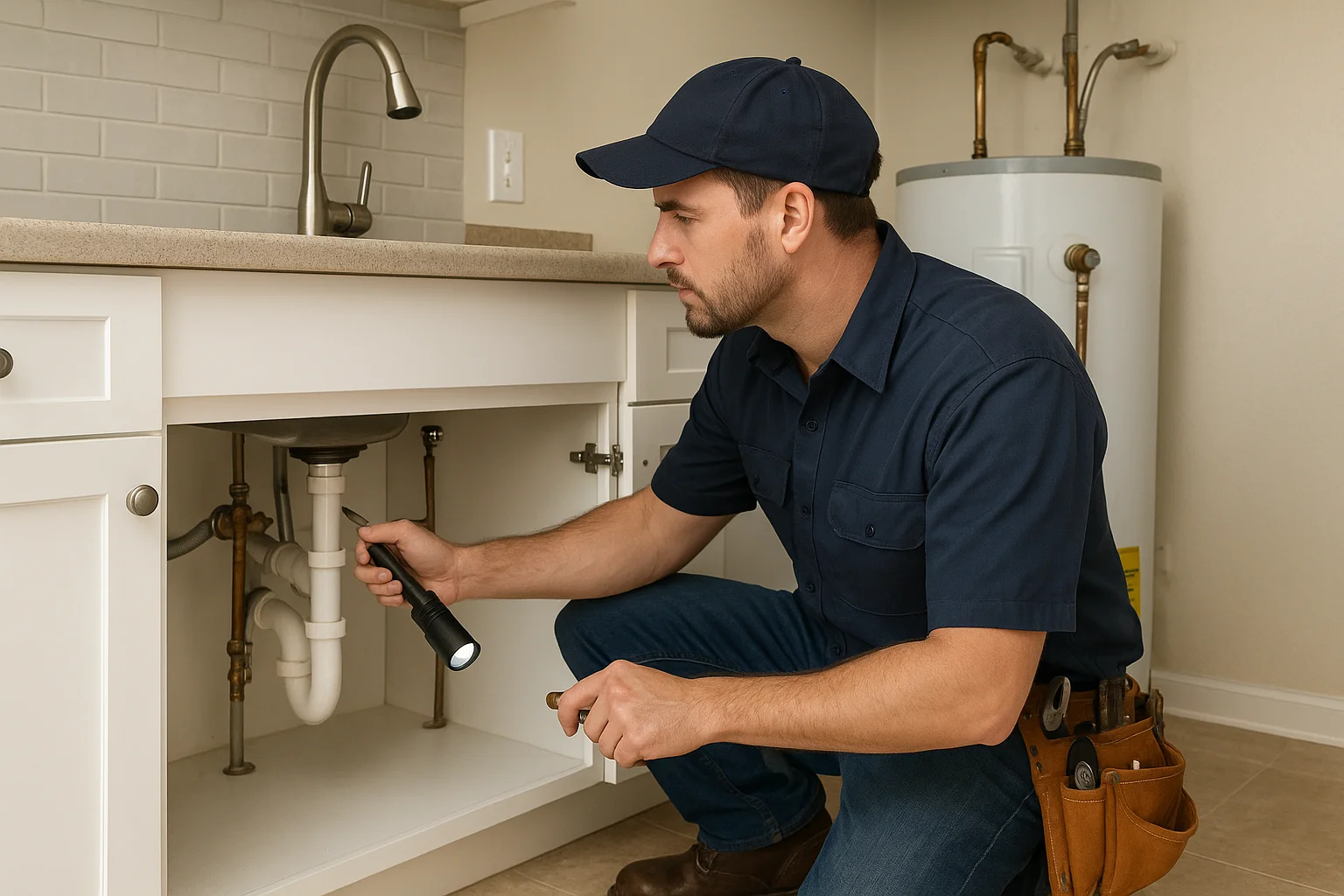
If you suspect condensate drainage issues, contact an HVAC professional for an in-person inspection. A technician can confirm that condensate is draining correctly and that related components are functioning as intended.
3) Ductwork leaks and poor distribution
Even when the dehumidifier is working properly, ductwork problems can prevent moisture from being controlled across the home. Leaks, poorly sealed joints, and disconnected sections can reduce airflow and create pressure imbalances.
In Camp Creek, where humidity is persistent, ductwork problems can also contribute to condensation on cooler surfaces. That is one reason homeowners searching for duct inspection near me often end up needing a moisture and airflow approach, not just a “cooling” fix.
Prevention steps:
- Watch for recurring hot or cool spots that correlate with humidity complaints.
- If you hear air whistling near registers or notice visible gaps, have your ductwork evaluated.
- Consider pairing dehumidifier service with HVAC maintenance that includes an airflow and ductwork check.
4) Thermostat and humidity control settings that fight your system
Humidity control depends on accurate settings and proper coordination. If your thermostat or humidity controller is set in a way that conflicts with the dehumidifier’s operation, you may see inconsistent results. For example, the system might run longer than necessary, or it may not run when humidity is rising.
Prevention steps:
- Use the humidity setpoint recommended for your comfort goals, then adjust gradually if needed.
- Avoid frequent changes to both temperature and humidity settings at the same time. It becomes hard to tell what is actually improving comfort.
- If your thermostat is old or has been replaced without coordination, ask an HVAC professional to verify programming and system behavior during humid conditions.
Homeowners sometimes search for thermostat installation near me after repeated comfort issues. If your dehumidifier and thermostat are not communicating correctly, installation and configuration matter as much as the equipment itself.
5) Filter and coil maintenance gaps that reduce efficiency
Filters and coils can collect dust and reduce airflow. When airflow drops, the dehumidifier has to work harder to move the same amount of air, which can raise energy use and lead to uneven moisture control.
Prevention steps:
- Follow your maintenance schedule for the dehumidifier and your HVAC system filters.
- Keep an eye on dust buildup around returns and supply vents.
- Schedule professional maintenance before the hottest months when humidity typically peaks.
6) Refrigerant system strain from high humidity and HVAC coordination
Whole home dehumidifiers often work alongside air conditioning and heat pump systems. When humidity is high, the HVAC refrigerant system and coil performance are under greater demand because the system must manage both temperature and moisture.
Homeowners should know what not to do. If you suspect a refrigerant issue, do not attempt DIY “fixes.” Refrigerant diagnosis requires proper testing and an in-person evaluation.
What you can do for prevention:
- Protect airflow so coils can perform as designed.
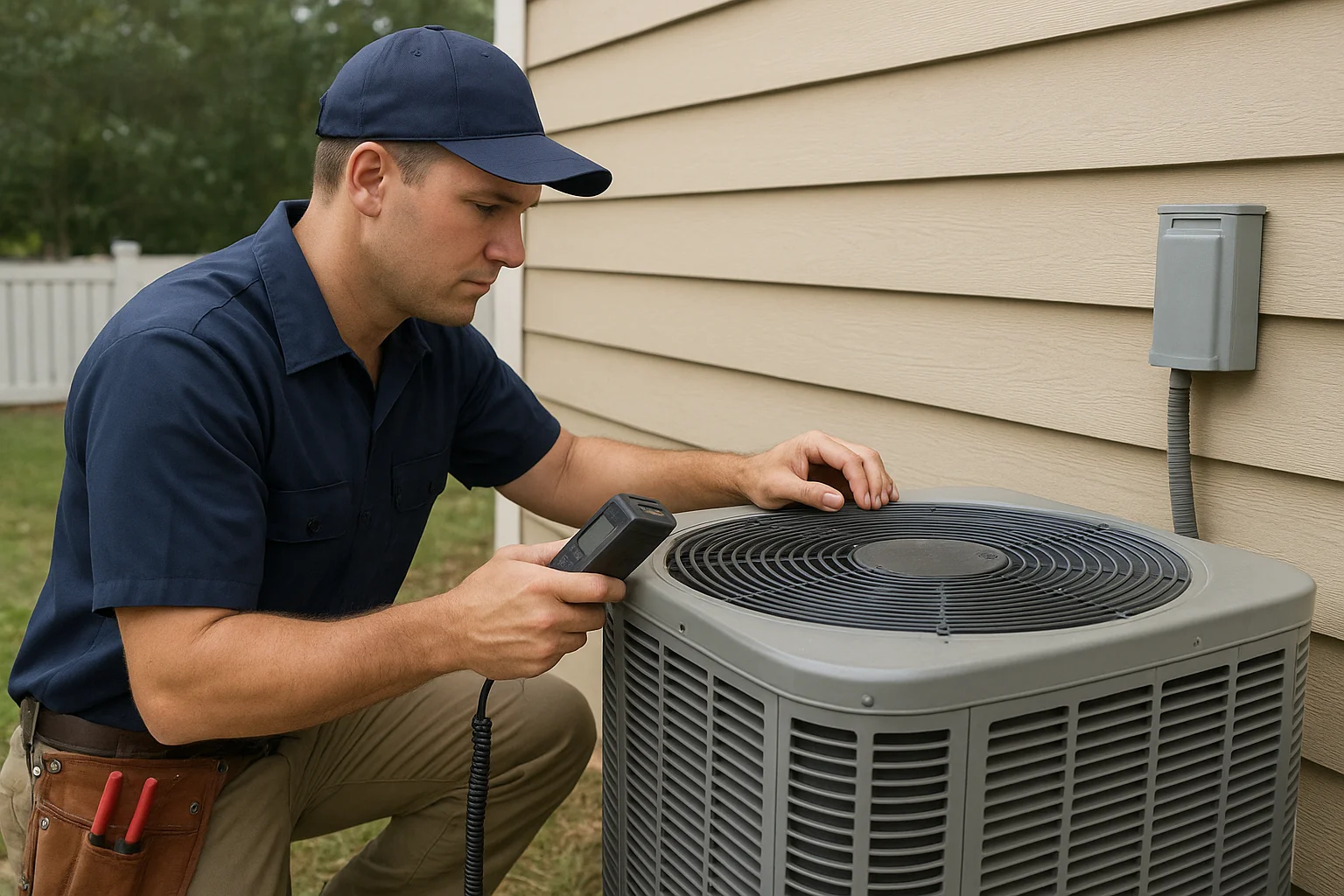
- Keep outdoor units free of debris and ensure proper clearances.
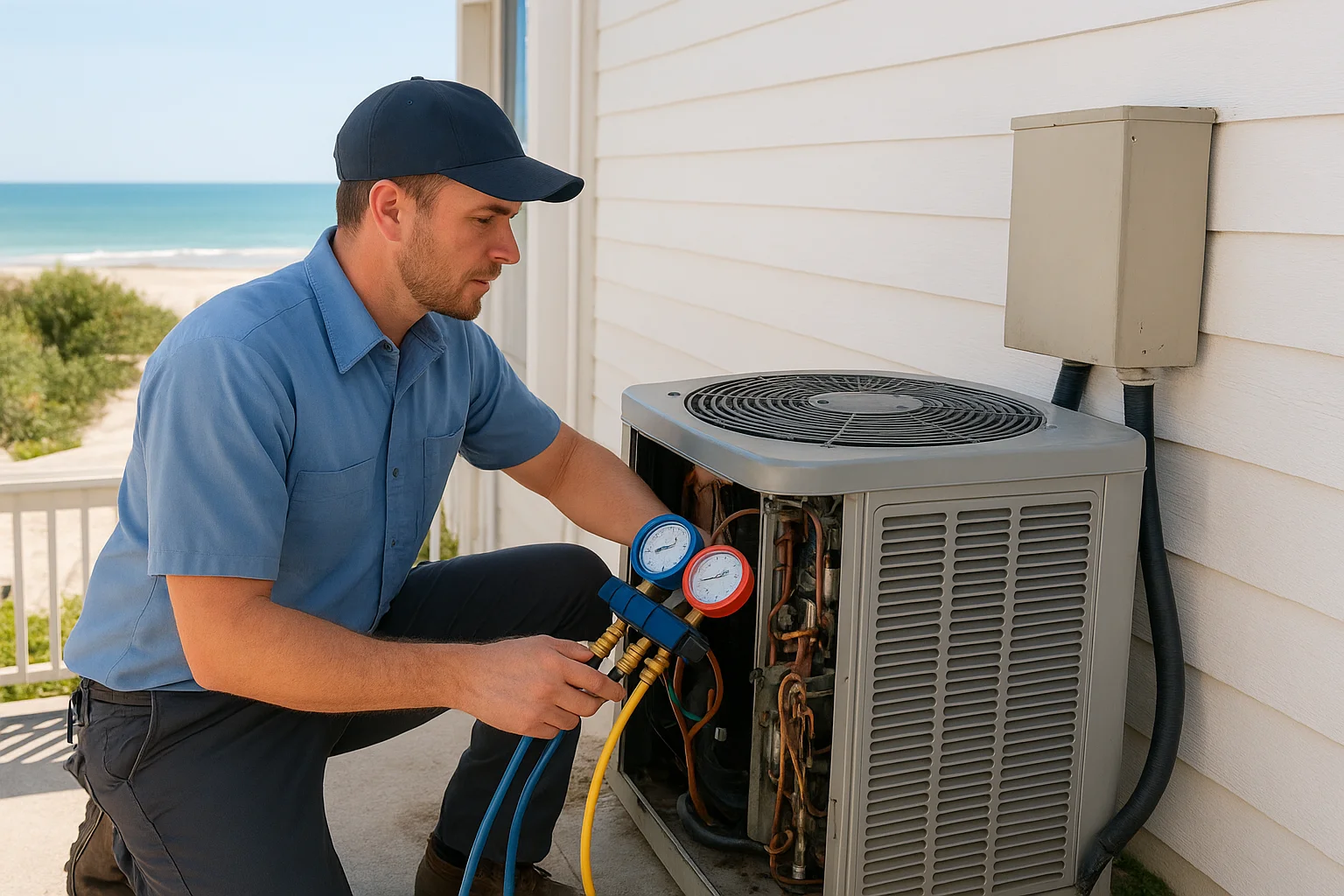
- Get AC tune up near me style maintenance from a licensed HVAC company so the cooling system and dehumidifier can operate as a coordinated comfort system.
Everyday habits that keep your dehumidifier reliable
Prevention is not just about service calls. A few homeowner habits can reduce stress on the system and improve indoor air quality.
Keep doors, vents, and circulation working together
When returns and supplies are blocked, the dehumidifier may pull air from the wrong areas or fail to distribute dry air effectively. Keep registers unobstructed and avoid closing too many doors for long periods during peak humidity.
Manage indoor moisture sources
Even with a strong dehumidifier, daily activities add moisture. In Camp Creek homes, these sources can be more noticeable during Florida’s humid stretches:
- Cooking without proper venting
- Long showers or frequent laundry loads
- Drying clothes indoors
- Wet weather tracking in moisture after rainstorms
Simple steps like using exhaust fans, ventilating bathrooms, and keeping entryways dry help your dehumidifier do its job with less strain.
Watch for “comfort drift”
Comfort drift happens when humidity control slowly slips. You may feel clamminess even though the thermostat temperature seems correct. That can be an early sign of airflow restriction, drainage problems, or control configuration issues.
If comfort drift appears, address it promptly rather than waiting for a full breakdown. Everyday HVAC reliability depends on early detection.
When to call A Superior Mechanical for whole home dehumidifier service
Some problems are safe to troubleshoot at the homeowner level, but dehumidifier reliability often requires professional inspection. If you notice any of the following, it is time to schedule whole home dehumidifier service:
- Water overflow, pooling, or repeated damp spots near the unit
- Persistent musty odors that return after the system runs
- Dehumidification seems weak despite correct thermostat and humidity settings
- Unusual noises during operation
- Repeated cycling that seems excessive or disruptive
- Visible ductwork issues or areas that consistently feel muggy
Professional HVAC service matters in Camp Creek because humidity control is tied to airflow, ductwork condition, thermostat coordination, and the performance of your refrigerant systems. An HVAC company near me can help connect the dots without guessing.
If you want to explore how humidity and comfort work together in local homes, these reads may help:
- Smart HVAC Planning for Cleaner Indoor Air in Camp Creek
- Smart HVAC Planning for Camp Creek Homes: Comfort, Humidity, and Better AC Installations
- Why Better HVAC Maintenance Matters for Whole Home Dehumidifiers in Sandestin
Emergency cooling concerns: what homeowners should not ignore
Humidity problems can sometimes overlap with cooling emergencies. In Florida, prolonged high humidity can make a home feel uncomfortable fast, especially when temperatures climb. While whole home dehumidifiers are built for moisture control, they depend on the HVAC system environment to maintain comfort.
Call for emergency or urgent HVAC help if you have:
- A complete loss of cooling or major performance drop during extreme heat
- Signs of water overflow that could affect electrical components or nearby HVAC equipment
- Any situation where indoor air quality is rapidly deteriorating due to moisture or odor issues
Do not wait for a scheduled appointment if your home’s cooling and humidity control are failing during hot, humid conditions. Cooling reliability is also part of indoor air quality and health.
How preventive HVAC maintenance protects your dehumidifier and your comfort
Preventive HVAC maintenance is the most practical way to keep whole home dehumidifiers working reliably year after year. A maintenance visit typically focuses on the system’s ability to move air, manage moisture, and coordinate with controls.
For homeowners, preventive maintenance can include:
- Reviewing humidity control behavior with your thermostat or humidity controller
- Inspecting condensate drainage performance and confirming proper routing
- Checking airflow paths and ductwork connections that affect distribution
- Inspecting filters, coils, and components for dust buildup and airflow restrictions
- Ensuring your AC or heat pump system is operating effectively alongside humidity control
If you are planning for broader HVAC improvements, you can also explore local service options on our Camp Creek service area page. For homeowners evaluating long-term comfort upgrades, it can be helpful to compare different HVAC approaches, including:
- Air Conditioning Systems
- New Construction Air Conditioning
- Commercial HVAC Installation (for businesses managing indoor humidity and comfort)
- Geothermal Energy (for homeowners considering system changes that impact comfort planning)
Choosing the right approach for repairs and replacements
When homeowners search for HVAC repair near me or AC repair near me, they often want a quick answer. But whole home dehumidifier performance is connected to airflow, drainage, controls, and how the HVAC refrigerant system supports cooling.
That means repair decisions should be based on an in-person professional evaluation. It is not appropriate to assume a refrigerant issue, electrical issue, or equipment replacement is necessary without testing and inspection.
Professional troubleshooting can help determine whether the problem is:
- Airflow related, such as ductwork restrictions or blocked returns
- Moisture removal or condensate drainage related
- Control related, such as humidity setpoints or thermostat coordination
- Part of a larger HVAC performance issue that affects indoor comfort
Whether your goal is reliable everyday HVAC performance or you are considering HVAC replacement near me for a broader system upgrade, a local HVAC company can help map the right path for your Camp Creek home.
Simple checklist for Camp Creek homeowners
Use this checklist to reduce problems before they start:
- Replace filters on schedule and keep returns unobstructed.
- Confirm humidity settings match your comfort needs and do not constantly change.
- Keep condensate drainage lines clear and watch for early water concerns.
- Maintain ductwork integrity by addressing leaks or disconnected sections.
- Schedule preventive HVAC maintenance before the hottest, most humid weeks.
- Address comfort drift promptly so moisture does not build up.
If you want help diagnosing what is affecting humidity control in your home, start with whole home dehumidifier service in Camp Creek. A Superior Mechanical focuses on healthier indoor air and better comfort by keeping moisture control connected to the rest of your HVAC system.
Find Whole Home Dehumidifiers in Camp Creek, FL
If you need Whole Home Dehumidifiers in Camp Creek, FL, visit our local service page or contact A Superior Mechanical today.
Map of Camp Creek, FL
Frequently Asked Questions
How do I know if my whole home dehumidifier is not working well?
Look for comfort drift, persistent clamminess, musty odors, or symptoms like weak dehumidification even when humidity settings are correct. Also watch for any moisture near the unit that could point to condensate drainage problems.
Can high humidity make my AC or heat pump struggle in Camp Creek?
Yes. Florida’s humidity increases the workload on cooling coils and can affect how effectively your HVAC system controls both temperature and moisture. When humidity control and airflow are not coordinated, you may notice higher energy use and uneven comfort.
What should I check first if I see water near my dehumidifier?
Start by checking for obvious blockage or kinks in the condensate line if you can access it safely. If water pooling continues, schedule an inspection. Condensate drainage issues can worsen quickly in humid conditions.
Do I need ductwork inspection for dehumidifier problems?
Often, yes. Whole home dehumidifiers rely on airflow distribution. Leaky or restricted ductwork can reduce performance and lead to uneven humidity. A technician can evaluate airflow and connections during service.
Is it safe to troubleshoot refrigerant or electrical issues myself?
No. Refrigerant diagnosis and electrical troubleshooting require proper testing and safety precautions. If you suspect refrigerant system problems or any electrical concern, schedule an in-person HVAC inspection.
Related Articles
Photo Gallery