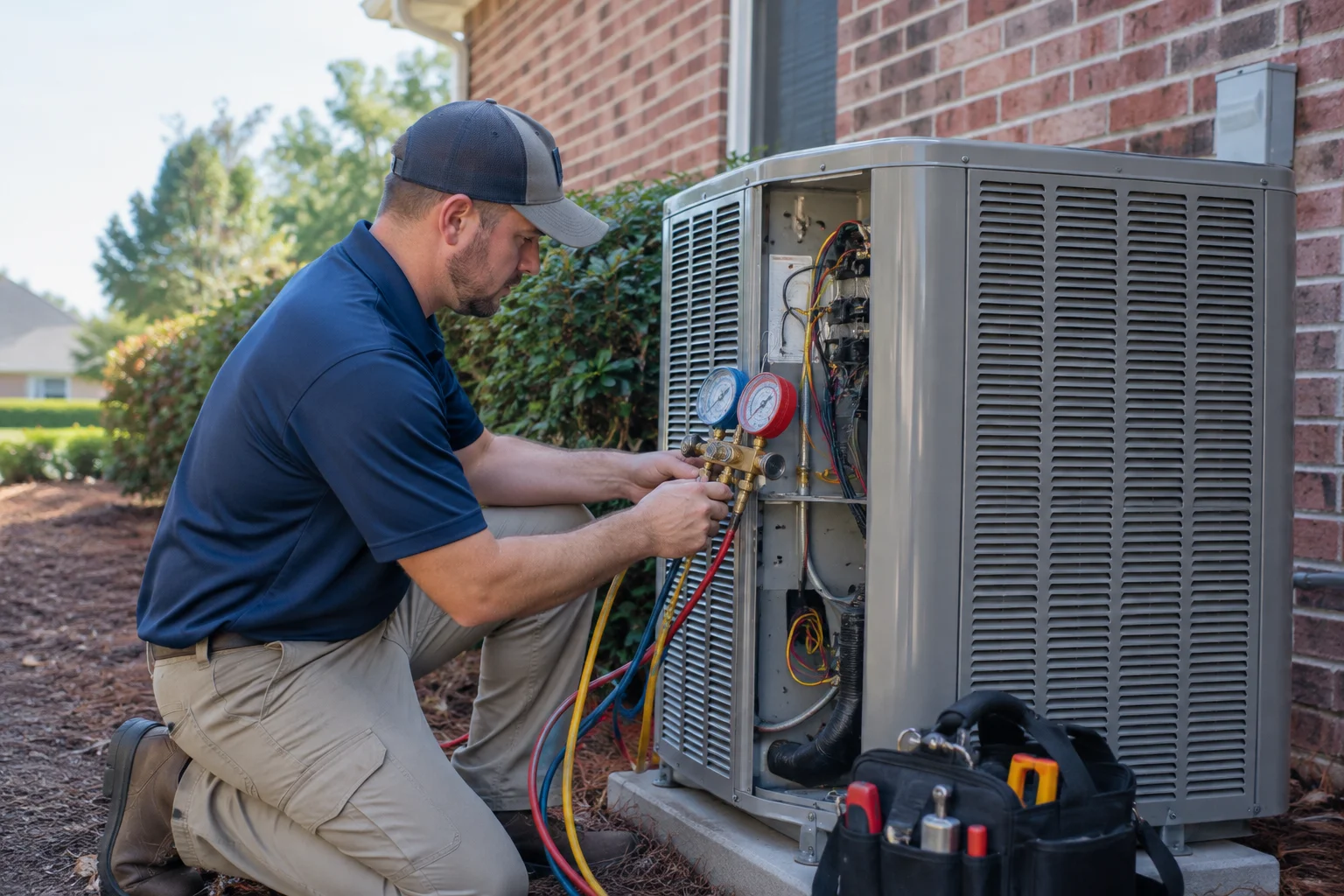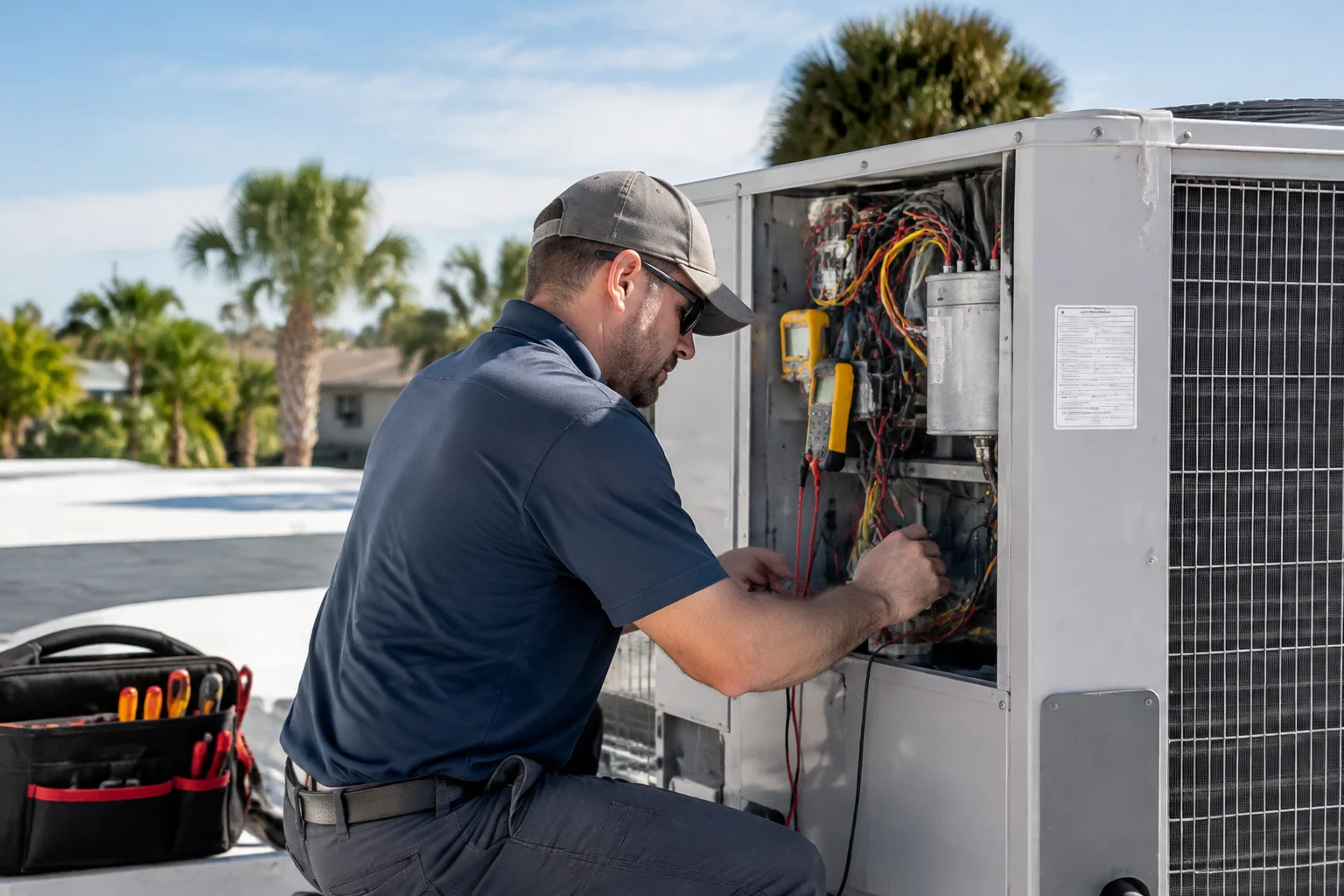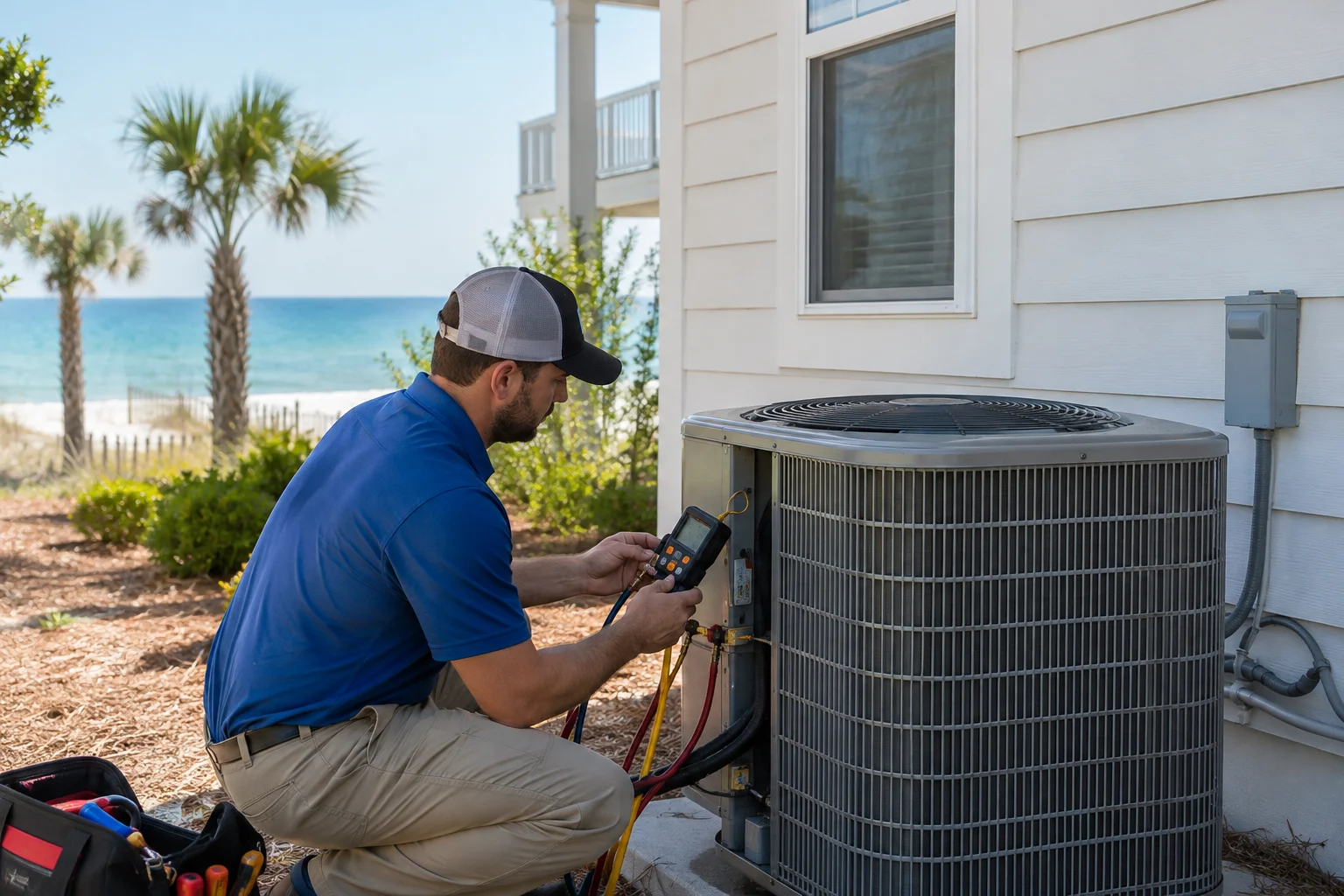
Geothermal energy systems are popular in Seaside, FL because they can deliver steady comfort while using the earth’s more stable temperatures. But even a well-designed geothermal setup can develop issues over time. When those problems show up, homeowners often notice them through HVAC warning signs like weak airflow, humidity discomfort, strange thermostat behavior, or condensate drainage concerns.
This guide highlights common comfort problems tied to geothermal HVAC systems in the Seaside area, what they can mean, and how to plan for repair. It also explains why local, professional HVAC service matters in Florida’s heat, humidity, and salt air environment.
Why Seaside Geothermal Homes Feel Different When HVAC Problems Start
Seaside homes are exposed to Florida heat and high humidity, and many properties sit close to the coast where salt air can accelerate wear on HVAC components. Geothermal systems move heat using a sealed refrigerant circuit and heat exchange with the ground. That design can create consistent temperatures when everything is working correctly, but small failures in airflow, controls, or refrigerant flow can cause noticeable comfort changes.
Because geothermal systems often run more steadily than some conventional setups, homeowners may notice issues gradually. The first “warning sign” is usually comfort. The second is system behavior, such as longer run times, cycling that feels unusual, or repeated thermostat calls for cooling or heating that do not match actual comfort.
Comfort problems that often point to geothermal HVAC issues
Below are the kinds of HVAC warning signs homeowners in Seaside commonly report when their geothermal energy systems start to struggle. Any one of these can have multiple causes, so treat them as prompts to schedule an air conditioning inspection near me or HVAC maintenance near me, not as a DIY checklist for diagnosing refrigerant or electrical components.
1) Uneven temperatures from room to room
In a geothermal system, the indoor unit and ductwork are responsible for distributing conditioned air. If airflow is restricted, supply air can be weak in some rooms while other areas feel too cold. In coastal homes, ductwork can also be impacted by age, shifting, or hidden leakage. Even if the geothermal heat exchange is working as intended, poor distribution can create comfort complaints that feel “system-wide” but are actually airflow or ductwork problems.
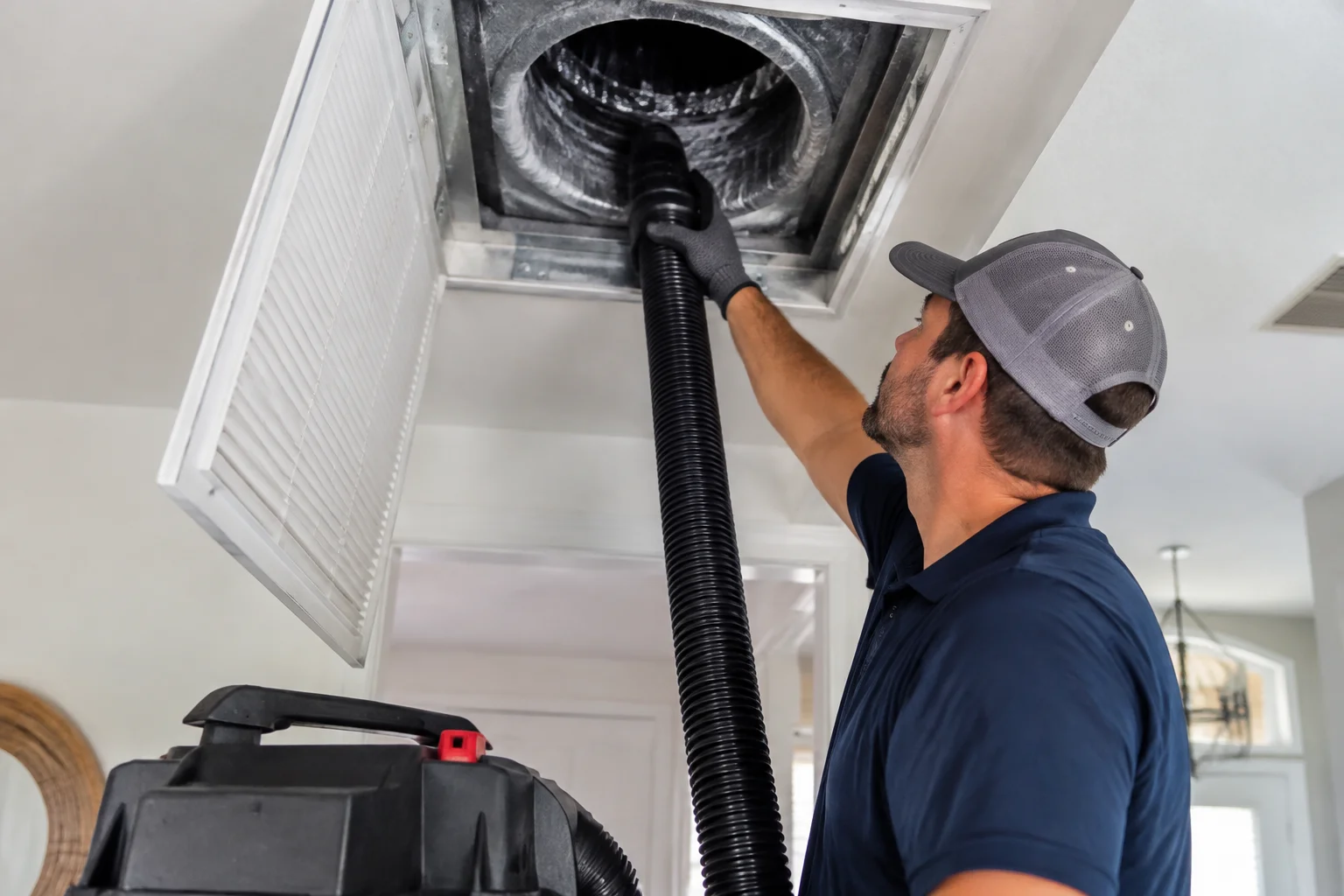
Homeowners may also notice that vents near the thermostat feel different from vents farther away. This is a common reason people search for duct inspection near me or duct repair near me after comfort issues persist.
2) Humidity that will not behave, especially during Florida’s muggy stretches
Florida humidity is one of the most common comfort challenges in Seaside. Geothermal systems can remove moisture during cooling, but the process depends on airflow, condensate drainage, and indoor coil performance. If the indoor unit is not moving air properly or if condensate drainage is slow or blocked, humidity can rise and feel sticky.
When humidity problems appear, homeowners often also notice musty odors, damp-feeling rooms, or condensation near registers. These are good indicators to ask for indoor air quality service and to inspect the system’s condensate drainage path, not just the thermostat settings.
If you are dealing with whole home dehumidifier concerns, it can be helpful to review how maintenance affects performance. See Why Better HVAC Maintenance Matters for Whole Home Dehumidifiers in Sandestin.
3) Thermostat behavior that seems “off,” like frequent cycling or short cycling
Thermostats coordinate the geothermal system’s heating and cooling demands. If the thermostat is misreading temperature, has sensor issues, or is not communicating correctly with the HVAC control system, the home may feel uncomfortable even when the system appears to run.
Common homeowner complaints include the thermostat reaching the target temperature quickly but rooms still feeling warm, or the system frequently turning on and off during cooling. These patterns can be tied to thermostat installation issues, airflow problems, or control logic that is reacting to conditions inside the home.
A professional can verify thermostat operation and evaluate whether the problem is control related or tied to airflow and equipment performance. If you are considering thermostat upgrades, searching for thermostat installation near me can be a useful starting point, but make sure the contractor can also connect the thermostat work to the geothermal system’s needs.
4) Condensate drainage concerns, water pooling, or “wet” smells
During cooling, geothermal systems can produce condensate. Proper drainage is essential for both comfort and indoor air quality. If condensate drainage is partially restricted, you might see slow draining, a pan that does not empty normally, or water odors that return after the system runs.
In humid coastal air, moisture issues can compound quickly. A professional HVAC contractor should inspect the condensate drain line, check for blockages, confirm proper drainage slope and flow, and evaluate whether airflow is helping the coil dehumidify effectively.
Do not assume the condensate issue is minor. If water is not draining correctly, it can affect indoor air quality, contribute to mold risk, and create equipment stress over time.
5) Weak or noisy airflow, including rattling, whistling, or vents that barely move air
Airflow problems can originate in the blower, filters, duct restrictions, or airflow distribution. With geothermal systems, airflow affects how well the indoor coil transfers heat and moisture. If airflow is reduced, comfort can degrade and the system may run longer to reach the thermostat setpoint.
Noise can also be a warning sign. Rattling can point to loose components or duct contact. Whistling can suggest airflow leaks or duct issues. Because ductwork is often hidden in attics, crawl spaces, or soffits, homeowners usually do not see the cause until an inspection is performed. That is why Smart HVAC Planning for Rosemary Beach Homes: Comfort, Airflow, and Coastal Protection is relevant for Seaside property owners who want to understand how coastal conditions impact airflow and performance.
6) Refrigerant system symptoms that show up as comfort instability
Geothermal HVAC systems rely on a refrigerant circuit to move heat between the indoor unit and the ground loop heat exchange. Homeowners typically cannot confirm refrigerant performance without professional testing, but comfort clues can include persistent temperature swings, weak cooling, or heating that feels inconsistent.
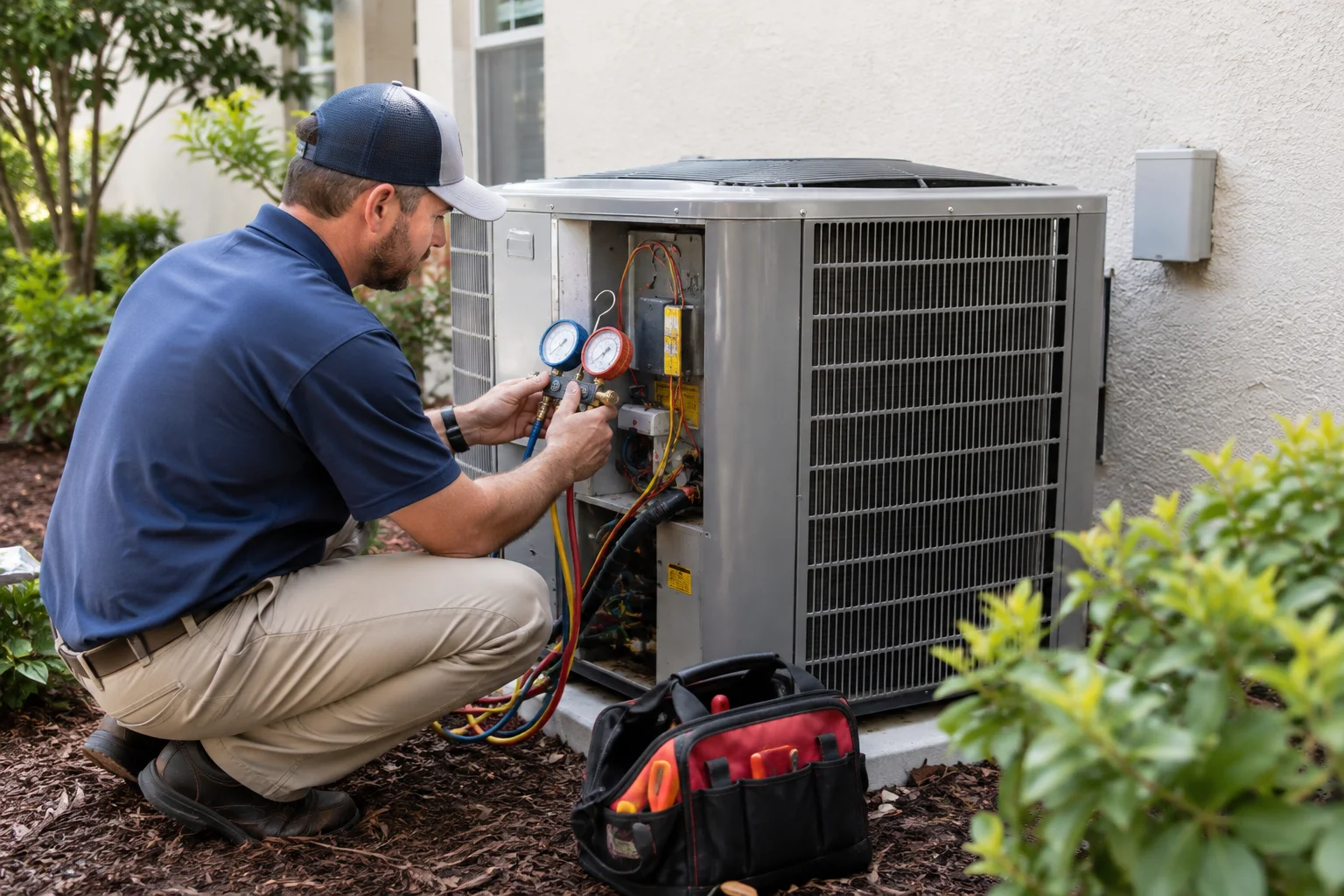
Important: refrigerant issues require in-person evaluation. A homeowner should not attempt DIY refrigerant work or assume a “recharge” is the answer. If comfort problems persist and airflow and condensate drainage are normal, a licensed HVAC contractor can test system performance and determine whether refrigerant-related concerns may be involved.
How Florida heat and humidity can reveal geothermal HVAC problems faster
Even if your geothermal system has been operating for years, Seaside summers can bring conditions that expose weaknesses. High outdoor humidity and frequent cooling demand can highlight airflow restrictions, condensate drainage problems, and indoor coil performance limitations.
Salt air can also play a role. While geothermal heat exchange is often protected from direct outdoor exposure, the indoor components, control panels, and ductwork still face the effects of moisture and salt-laden air. Corrosion, aged insulation, and small air leaks can all contribute to comfort problems and higher energy use.
That is why local HVAC service matters. A licensed HVAC contractor near me who regularly works with homes in Walton County understands how coastal conditions affect ductwork, comfort expectations, and the practical signs of system stress.
Energy use and system runtime: what homeowners should watch
Geothermal systems are designed for efficient comfort, but energy use can increase when airflow is restricted, filters are dirty, thermostats are misbehaving, or indoor coils are not dehumidifying as intended. Homeowners might notice higher utility bills or longer run times during peak humidity.
Rather than chasing numbers alone, pair energy use observations with comfort symptoms. If the system seems to run longer but rooms remain humid or unevenly cooled, plan for an air conditioning inspection near me and a duct inspection near me. That combination helps separate distribution issues from equipment performance concerns.
Repair planning that protects comfort during coastal summers
When homeowners in Seaside plan repairs, the biggest goal is to restore comfort quickly without creating secondary issues. Use this practical approach:
Step 1: Document the symptoms while they are happening
Write down what you notice: which rooms feel warm, when the thermostat calls for cooling, whether humidity rises after certain hours, and whether you see condensate drainage changes. Note any unusual odors or sounds. This helps the technician focus on the most likely causes.
Step 2: Check basic items that affect airflow and indoor conditions
Replace dirty filters per the manufacturer’s guidance and confirm vents are not blocked by furniture or curtains. Make sure return air pathways are unobstructed. These steps do not replace professional service, but they can prevent easy comfort and airflow problems from being mistaken for equipment failure.
Step 3: Schedule a professional assessment for airflow, ductwork, and indoor comfort controls
Ask for an evaluation that covers airflow, ductwork condition, thermostat operation, and indoor air quality considerations. For many geothermal homes, comfort issues come from the indoor side of the system, including duct leakage or restrictions. If you suspect duct performance problems, request duct inspection near me and, if needed, duct repair near me.
If your home uses advanced zoning or controls, make sure the contractor can review the heating control systems and how they coordinate with geothermal heating and cooling demands. You can explore Heating Control Systems for more about planning controls that match real comfort needs.
Step 4: Treat condensate drainage and humidity issues as priority items
Because humidity affects comfort and indoor air quality, drainage problems should not wait. If you notice water pooling, slow draining, or persistent musty odors, schedule service promptly. This is especially important in Seaside homes where moisture can spread through ductwork and living spaces.
Step 5: Plan for emergency cooling concerns if comfort is not holding
During Florida heat waves, a geothermal system that cannot maintain cooling can become an emergency comfort issue. If the home is not staying within safe comfort levels or the system stops responding to thermostat calls, consider immediate support. For urgent situations, homeowners can review Emergency HVAC Services to reduce the risk of prolonged discomfort.
Even if your geothermal system is efficient, comfort failures in summer can affect sleep, health, and property conditions. Planning ahead helps you avoid last-minute decisions.
Preventive geothermal HVAC maintenance for Seaside homeowners
The best way to reduce repair surprises is preventive HVAC maintenance near me, timed for Seaside’s seasonal demands. A quality maintenance visit typically focuses on the indoor equipment and the comfort delivery system, because that is where many geothermal comfort complaints originate.
What preventive maintenance should cover
Ask your technician to review:
- Airflow performance, including blower operation and filter condition
- Indoor coil and dehumidification performance related to humidity control
- Condensate drainage function to prevent moisture buildup
- Thermostat operation and system response patterns
- Ductwork condition, airflow balance, and any signs of leakage
- General refrigerant system performance checks as appropriate during service visits
Maintenance also supports energy use efficiency. When airflow and comfort delivery are correct, geothermal systems can perform closer to their intended design. That matters in Seaside where humidity and cooling demand can be relentless.
Why maintenance matters more in coastal climates
In Walton County, humidity and salt air can accelerate the wear that affects airflow, indoor air quality, and condensate handling. Small issues like minor duct leaks or partially restricted drainage can become bigger comfort problems during peak summer.
For homeowners who use or are considering multi-zone systems, you may also want to understand how zoning affects airflow and comfort. Learn more about VRF Multi-Zone Systems if your home has complex comfort zones or shared duct runs.
When geothermal HVAC replacement planning becomes part of the conversation
Most homeowners hope to repair rather than replace. That is often the right first step when problems are isolated. Still, system replacement planning is worth discussing when multiple comfort components show age-related performance limitations or when repeated repairs suggest the system may not be able to restore stable comfort.
A professional evaluation is the only responsible way to discuss HVAC replacement near me or new system options. A technician can assess the geothermal system as a whole, including indoor air distribution, thermostat control behavior, and overall equipment condition. If replacement becomes appropriate, A Superior Mechanical can help homeowners think through geothermal energy system options tailored to Seaside properties.
To learn more about geothermal installation and service, visit geothermal-energy-systems-ssfl. For general local service context, see the Seaside service area page and Walton County.
Common Seaside scenarios that lead to geothermal HVAC service calls
Homeowners often reach out to A Superior Mechanical when they notice patterns rather than one isolated issue. Here are a few real-world scenarios that fit the geothermal comfort experience in Seaside:
- Vacation rental comfort complaints: Guests report rooms feel humid or unevenly cooled, especially during the hottest afternoons. The thermostat may show normal operation, but airflow or duct performance may not be keeping up.
- Long run times during peak humidity: The system runs longer to reach setpoints, and indoor humidity remains high. Condensate drainage and airflow checks can clarify what is happening.
- New noise or airflow changes: Homeowners hear rattling or feel weaker air. The cause could be ductwork leakage, blower issues, or airflow restrictions.
- Seasonal control confusion: After seasonal changes, heating and cooling behavior seems inconsistent. A professional can verify thermostat operation and system response.
Why professional local HVAC service is the safest repair plan
Geothermal HVAC systems combine indoor comfort equipment, a refrigerant circuit, and heat exchange with the ground loop. Homeowners can observe comfort symptoms, but they cannot safely or accurately diagnose refrigerant performance, electrical components, or airflow measurement without professional tools and training.
A Superior Mechanical focuses on geothermal energy systems in Seaside, FL properties, helping homeowners plan repairs based on real system behavior, not guesswork. If you are searching for HVAC repair near me or HVAC service near me due to geothermal comfort issues, choose a contractor that can evaluate the indoor side, thermostat behavior, airflow, condensate drainage, and related indoor air quality factors.
If your priority is keeping a geothermal system running smoothly through Florida’s humidity, start with maintenance. You can also explore Air Conditioning Maintenance to support consistent cooling performance.
For geothermal homeowners planning long-term comfort, the most useful approach is to treat warning signs as early signals. Catching airflow, humidity, and drainage issues before they escalate can reduce emergency cooling concerns and protect indoor comfort during Seaside’s warmest weeks.
Find Geothermal Energy Systems in Seaside, FL
If you need Geothermal Energy Systems in Seaside, FL, visit our local service page or contact A Superior Mechanical today.
Map of Seaside, FL
Frequently Asked Questions
What geothermal HVAC warning signs should Seaside homeowners watch for first?
Start with comfort changes: uneven temperatures, rising indoor humidity, weak airflow, thermostat behavior that seems inconsistent, and any condensate drainage issues like slow draining or water odors. These symptoms often point to airflow, indoor coil performance, condensate handling, or control problems that a technician should evaluate.
Can ductwork problems cause comfort issues even if my geothermal system is running?
Yes. Geothermal systems condition air, but ductwork delivers it. If duct leakage, restrictions, or poor airflow balance exist, some rooms can stay warm or humid even while the system runs. That is why duct inspection and duct repair may be part of the solution.
How do I know if my humidity problem is related to condensate drainage?
Humidity issues can align with drainage concerns when you notice musty smells, damp areas, or slow draining after cooling cycles. Because moisture can affect indoor air quality, schedule service to inspect condensate drainage and verify that airflow supports proper dehumidification.
Should I try to fix geothermal refrigerant issues myself?
No. Refrigerant-related problems require professional testing and safe handling. If comfort problems suggest refrigerant system concerns, schedule an in-person evaluation by a licensed HVAC contractor rather than attempting DIY “recharges” or repairs.
When is it time to plan for geothermal HVAC replacement instead of repairs?
Replacement planning becomes relevant when repairs do not restore stable comfort, multiple components show age-related performance limits, or the system repeatedly cannot maintain cooling or humidity control. A professional assessment can guide whether repairs are appropriate or whether system replacement should be considered.
Related Articles
- Keeping Seaside Homes Ready for HVAC Emergencies
- Why Seaside Homes Benefit From Indoor Air Quality Testing Before Comfort Issues Spread
- Smart HVAC Planning for Rosemary Beach Homes: Comfort, Airflow, and Coastal Protection
- Why Better HVAC Maintenance Matters for Whole Home Dehumidifiers in Sandestin
Photo Gallery