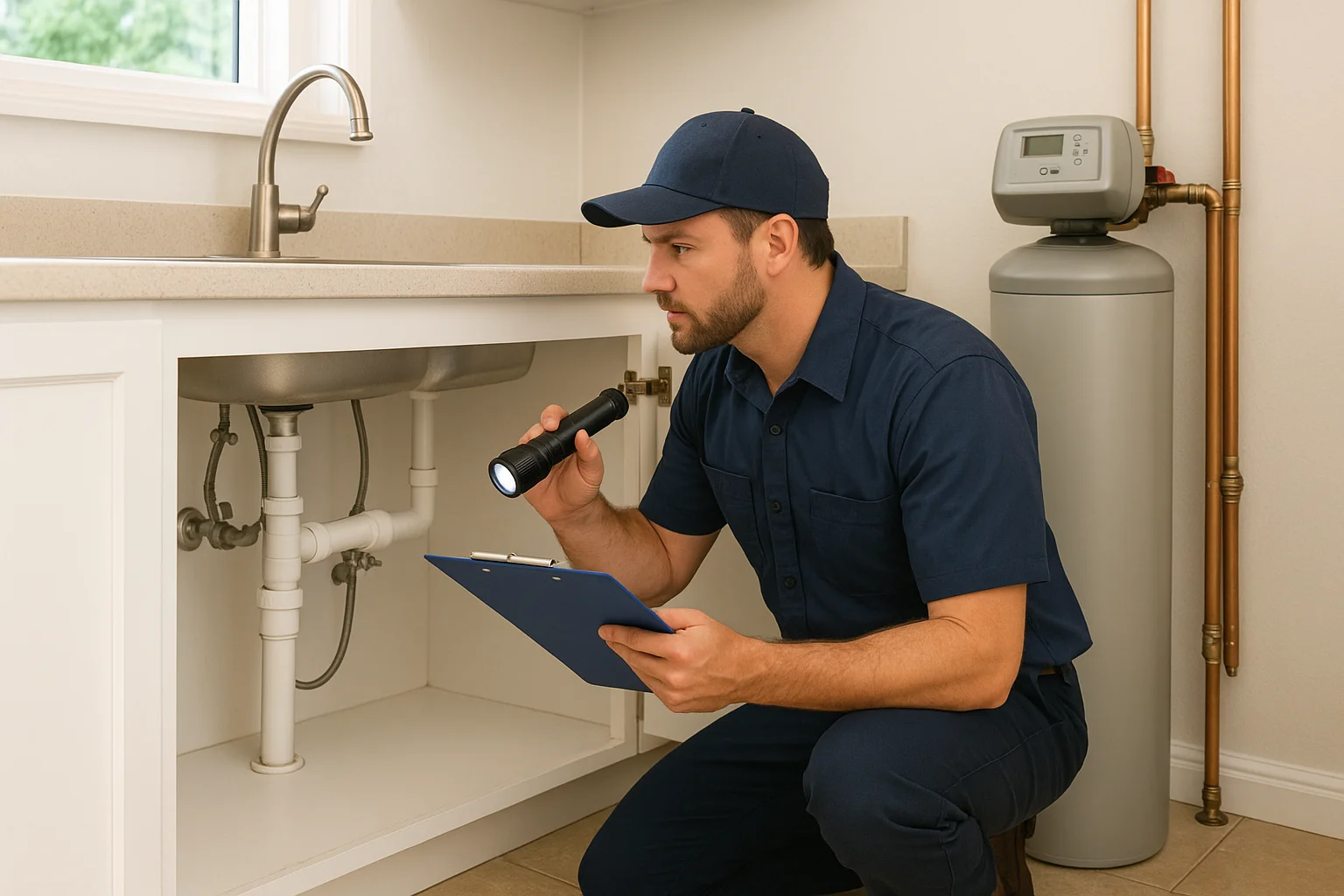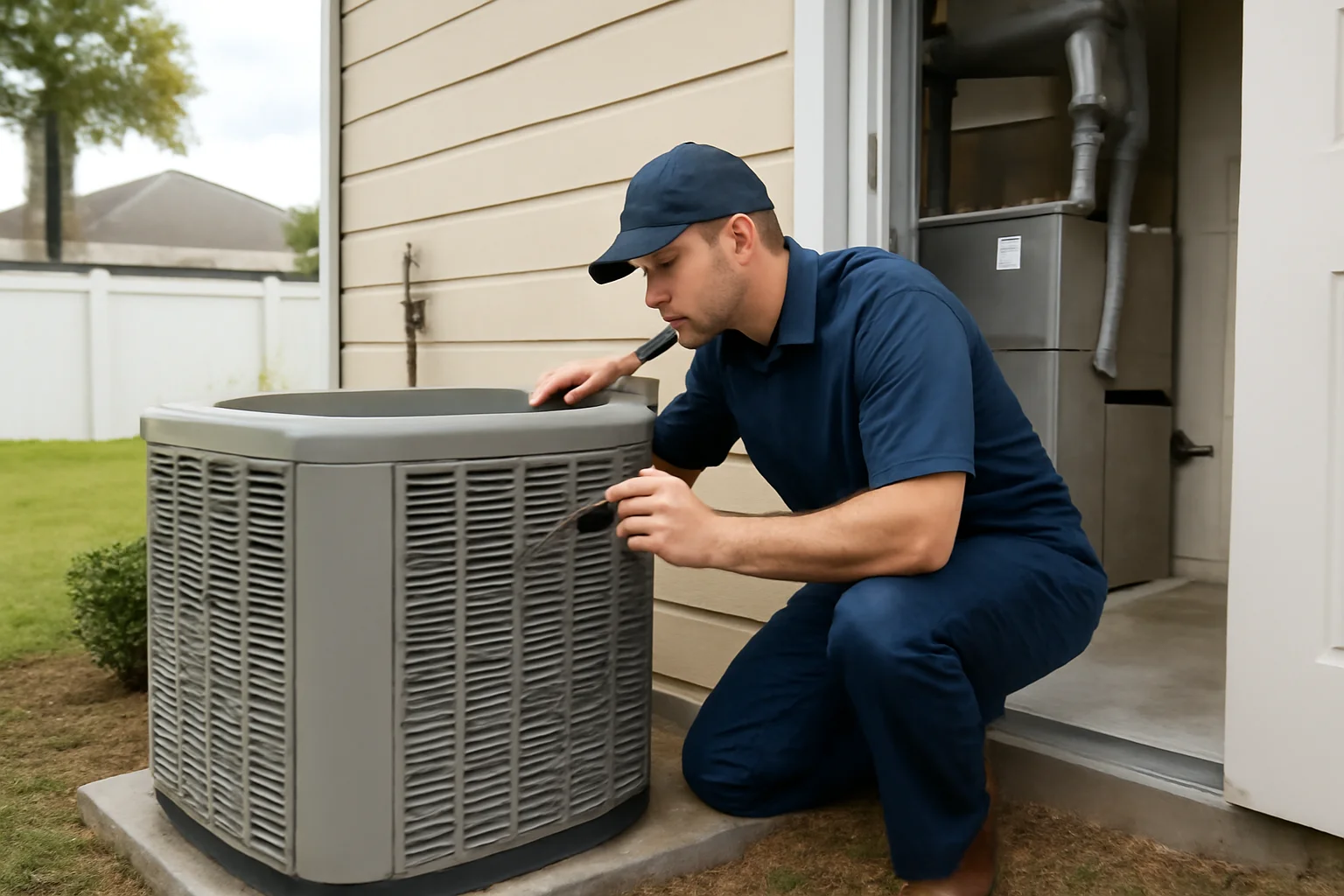
Panama City homes can feel comfortable on the thermostat, yet still have indoor air quality problems. The culprit is often a mix of Florida heat, high humidity, and airflow issues that build up over time. When indoor air quality slips, your HVAC system works harder, runs longer, and may develop drain and filtration problems that become expensive later. A Superior Mechanical helps Bay County homeowners and businesses address indoor air quality with HVAC-focused solutions like air filtration upgrades, air scrubbers, and humidity control.
If you are searching for indoor air quality services in Panama City, this guide explains what to look for before the problem turns into an emergency cooling concern.
Why indoor air quality gets harder in Panama City, FL
Indoor air quality is not only about odor or visible dust. It is also about the air your HVAC system delivers, the moisture it removes, and the way air moves through ductwork and living spaces. In Panama City, Florida conditions make that balancing act tougher.
Florida humidity is a constant load. During much of the year, the air outside is moist. Your air conditioning system removes moisture as it cools. If the system cannot maintain proper airflow or if condensate drainage is restricted, humidity can remain trapped indoors. That can worsen comfort and contribute to musty smells and dust buildup.
Salt air can accelerate airborne buildup. Many Bay County homes experience airborne salt and coastal debris. Over time, this can affect filters, foul odors inside ductwork, and the overall cleanliness of your HVAC air stream. Even if you cannot see it, the system can accumulate contaminants that reduce airflow.
Airflow problems raise energy use. Poor airflow increases the strain on refrigerant systems and components. When the evaporator coil cannot shed heat efficiently because of airflow restrictions, the system may cycle more often, run longer, or struggle to reach set temperatures. That is one reason HVAC air filtration and ductwork health matter for both comfort and cost control.
How HVAC systems connect to indoor air quality
Most indoor air quality issues trace back to how your HVAC system cools, dehumidifies, filters, and circulates air. Understanding the basics can help you spot patterns early.
Air filtration and HVAC air filtration near me
Filters capture dust, lint, and some airborne particles. But filtration is only effective if the system can pull air through the filter at the right rate. If a filter is too restrictive for your system or if airflow is already weak due to ductwork issues, indoor air can bypass filtration or the system can struggle to maintain comfort. Homeowners searching for “HVAC air filtration near me” often need more than a filter change. They may need the right upgrade for the home layout and the correct airflow balance.
Air scrubbers, air purification systems, and air scrubber installation
Air scrubbers and air purification systems are designed to target contaminants in the air stream. Depending on the setup, they can help reduce particles and improve overall air cleanliness. Proper installation matters, including placement, airflow compatibility, and how the system integrates with existing ductwork and HVAC operation. If you are considering whole home air purifier near me or “air scrubber installation near me,” look for a contractor that evaluates your equipment and duct configuration first.
Humidity control and condensate drainage
During cooling mode, the indoor coil acts like a dehumidifier. Condensate drainage carries collected moisture away. Problems can include clogged or misaligned drain lines, improper condensate drainage, or a system that is not removing humidity effectively due to airflow restrictions or thermostat settings. When condensate drainage is not working as intended, moisture can contribute to odors, microbial growth risk, and indoor comfort complaints.
Refrigerant systems and performance
Your air conditioning and heat pump rely on refrigerant systems to move heat. If airflow is restricted or coils are dirty, the system can operate less efficiently. That does not automatically mean a refrigerant problem. A refrigerant diagnosis should only be made after an in-person inspection and testing. What homeowners can do is pay attention to symptoms like inconsistent cooling, frequent cycling, or comfort issues that persist even when the thermostat reads “cool.”
Thermostats, run time, and comfort
Thermostats affect indoor air quality by controlling how often the HVAC system runs and how long it circulates air. In humid climates, short cycles can leave moisture behind. A thermostat that is misconfigured or not suited to the home can create a situation where the system cools the air but does not properly dehumidify. If you are noticing lingering humidity or uneven comfort, it is worth discussing thermostat strategy during HVAC maintenance or HVAC repair service.
Common indoor air quality symptoms that get expensive later
Indoor air quality issues often start subtly. The longer the problem continues, the more strain it places on your HVAC system and the more likely you are to face unexpected AC repair or system replacement decisions.
Persistent musty odors or “stale air”
A musty smell can point to moisture issues, contaminated air pathways, or condensate drainage problems. If you smell it more when the system first runs, pay attention to whether the HVAC starts cooling and dehumidifying effectively right away.
High humidity even with the AC running
If your home feels damp or you see condensation on windows, humidity control may not be working as it should. Causes can include restricted airflow, filter issues, coil contamination, or drainage problems. In Panama City’s humidity, this is a common comfort complaint that can also drive increased energy use.
Dust that returns quickly
Dust that reappears soon after cleaning can be a sign of poor filtration, airflow bypass, or ductwork contamination. Ductwork health matters because air distribution and filtration performance depend on how air moves through the system.
Allergy flare-ups or irritation
Indoor air quality problems can worsen seasonal symptoms. While allergies can have many sources, HVAC-related contributors include airborne particles, inadequate filtration, and moisture that encourages biological growth. If you are looking for “licensed HVAC contractor near me” to improve indoor air quality, ask about air filtration upgrades and humidity control strategies.
Uneven temperatures from room to room
Uneven cooling can be a comfort issue and an indoor air quality issue. Poor airflow can leave some areas under-conditioned and under-filtered. This can also increase system runtime, pushing wear onto components.
What usually causes indoor air quality breakdowns in Bay County homes
Many indoor air quality problems are predictable. They result from how systems age, how coastal conditions affect equipment, and how airflow and moisture are managed.
Filters and airflow restrictions
Filters that are overdue, mismatched, or clogged reduce airflow. Restricted airflow can cause coils to collect more dirt and can reduce the system’s ability to remove humidity. Over time, that can lead to more frequent HVAC repair needs.
Dirty coils and reduced heat transfer
Coil cleanliness affects both comfort and humidity removal. When coils are dirty, the system has to work harder to cool and dehumidify. That can increase run time and energy use. It can also make airflow issues more noticeable.
Ductwork leaks, poor distribution, and duct repair near me
Ductwork can leak or lose efficiency as homes settle or as joints age. Leaks can pull in unconditioned air, reduce filtration effectiveness, and move contaminants into living spaces. If you are searching for “duct repair near me,” it is often because airflow balance and air quality concerns overlap.
Condensate drainage problems
Drain lines can clog, slope incorrectly, or develop blockages. When condensate drainage is not working properly, moisture can remain in the system environment. That can create odors and contribute to indoor comfort problems.
Thermostat settings that do not match Panama City humidity
Some homeowners set thermostats to achieve temperature quickly without considering humidity. If the system runs in a way that does not allow proper dehumidification, you can end up with a home that feels sticky even when it is “cool.”
Older homes and newer builds: the same issue, different triggers
Indoor air quality problems can happen in both older and newer homes in Panama City. The causes differ, but the HVAC impact is similar.
Older homes
Older ductwork, aging insulation, and historical airflow limitations can contribute to uneven distribution and reduced filtration performance. Condensate drainage pathways may not have been updated as systems changed over the years. You might also see mismatched thermostat strategies and duct leakage that allow humid air to influence indoor conditions.
Newer homes
Newer builds can be tighter, which is good for energy efficiency, but it also means indoor air quality depends heavily on proper HVAC design and commissioning. If airflow balance is off, humidity control may be less effective. Filters and purification equipment may also be installed without fully accounting for the home’s actual airflow needs.
Regardless of age, the goal is the same: consistent airflow, effective humidity control, and a clean air stream delivered to the rooms you live in.
Preventive HVAC maintenance that protects indoor air quality
Preventive maintenance is where indoor air quality becomes less expensive. It is not only about preventing total system failure. It is about keeping the HVAC system operating in the comfort and moisture removal range your home needs.
Seasonal tune-ups focused on airflow and dehumidification
For Panama City, maintenance should align with the real demands of Florida heat and humidity. A professional visit typically includes evaluating airflow, checking filtration, inspecting condensate drainage, and reviewing system operation with the homeowner’s comfort complaints in mind.
Coil and drain inspection
Coils and condensate drainage are closely tied to indoor air quality. If coils are not clean enough or drainage is restricted, humidity can linger and odors can develop. A Superior Mechanical can help identify the root cause based on what is happening in your specific system, not assumptions.
Air filtration and purification upgrades
Many homeowners benefit from HVAC air filtration near me searches because they want cleaner air. Upgrades like filtration improvements, air scrubbers, or other purification approaches can be part of a plan that matches the home’s airflow and comfort goals. If you are considering a whole home air purifier or air scrubber installation near me, ask how the system will integrate with your existing equipment and ductwork.
Humidity control strategies
Humidity control near me is a common search in Bay County because comfort depends on moisture levels. Professional HVAC maintenance helps ensure the system can cool and dehumidify effectively, and it helps prevent moisture from becoming an indoor air quality problem.
If you want to explore a structured approach, consider reviewing Air Conditioning Maintenance in Panama City.
How air quality upgrades affect energy use and system wear
Some homeowners worry that improving indoor air quality will always increase energy use. It can, if upgrades are mismatched to the system or if airflow suffers. That is why HVAC air filtration and purification should be evaluated together with airflow and refrigerant system performance.
When filtration and purification are properly selected and installed, the system can maintain better comfort while avoiding unnecessary strain. The aim is to reduce the indoor air problems that cause longer run times and the conditions that contribute to more frequent repairs.
Emergency cooling concerns: why indoor air quality issues can turn urgent
Panama City’s summer heat can make comfort problems feel urgent fast. Indoor air quality issues are not always the first symptom of a failing system, but they can overlap with mechanical stress.
Examples include restricted airflow that makes cooling less effective, condensate drainage issues that create moisture and odor complaints, and ductwork problems that reduce overall performance. If you notice rapid changes, rising humidity, water around the equipment area, or cooling that fails to recover, treat it as more than a comfort annoyance. Seek HVAC repair service promptly so you can avoid a mid-summer breakdown.
For homeowners who want to reduce the risk of getting stuck waiting during peak demand, it helps to read Why 24/7 HVAC Response Matters in Panama City Homes.
Choosing the right HVAC service for indoor air quality
Indoor air quality is not a one-size-fits-all add-on. The best results come from a licensed, local HVAC contractor who evaluates your system, your ductwork, and your comfort goals.
What to ask during your appointment
- How is your system handling humidity control in this home?
- Are there signs of condensate drainage issues or moisture buildup?
- What does your ductwork and airflow look like, and do you recommend duct repair?
- Would filtration upgrades, an air scrubber, or other purification help based on your airflow and comfort needs?
- How should thermostat settings be adjusted to support dehumidification?
What not to assume
Because indoor air quality can be affected by multiple factors, it is important not to jump straight to refrigerant diagnosis, electrical diagnosis, or equipment replacement without an in-person evaluation. A professional inspection helps determine what is actually causing the issue and what will meaningfully improve comfort and air cleanliness.
Related comfort and HVAC options for Panama City homeowners
Depending on your system type, you may also want to explore other HVAC services that support indoor comfort and air quality.
- Heat Pump Services for homes using heat pumps that still face humidity and airflow challenges.
- Heat Pump repair considerations if comfort issues persist across seasons.
- Air Conditioning Repair if cooling performance drops or humidity control weakens.
- For homeowners looking at broader system strategy, Geothermal Energy Systems can be part of an overall planning conversation, though indoor air quality still depends on airflow and filtration.
If you want a deeper look at how local homeowners can overlook indoor air quality, read What Panama City Property Owners Often Miss About Indoor Air Quality.
A practical checklist to use before the next heat wave
Use this as a quick homeowner guide to decide whether you should schedule HVAC service soon.
- Check your filter schedule. Replace filters on time and confirm you are using the correct type for your system.
- Notice humidity trends. If the home feels sticky or damp, treat it as an HVAC performance issue, not just a comfort complaint.
- Look for moisture signs. Pay attention to any water around the equipment and unusual smells that appear after the system runs.
- Watch for airflow problems. Rooms that never feel right can point to ductwork and circulation issues.
- Document symptoms. Note when the issue happens, what the thermostat is set to, and whether it changes after the system runs.
Then schedule a professional evaluation. If you are ready to improve indoor air quality in Panama City, you can start with indoor air quality services for Panama City.
For Bay County residents who want a local HVAC company that understands the area’s heat, humidity, and coastal challenges, A Superior Mechanical serves the region through Bay County HVAC service areas.
Find Indoor Air Quality in Panama City, FL
If you need Indoor Air Quality in Panama City, FL, visit our local service page or contact A Superior Mechanical today.
Map of Panama City, FL
Frequently Asked Questions
Why does my Panama City home feel humid even when the AC is running?
Humidity can remain high when airflow is restricted, filtration is not performing as intended, coils are not clean, or condensate drainage is not removing moisture properly. A professional inspection helps confirm what is limiting dehumidification in your specific system.
Can air scrubbers or whole home purification systems improve indoor air quality?
They can, when they are selected and installed to match your HVAC airflow and ductwork. The right purification approach depends on your home layout, comfort goals, and existing filtration. An in-person evaluation is the best way to choose a solution.
What indoor air quality issues are most common in older versus newer homes?
Older homes often have duct leakage, aging insulation, and airflow limitations that affect distribution and filtration performance. Newer homes can be tighter, which makes proper HVAC design and humidity control especially important. In both cases, airflow and moisture management drive indoor air quality outcomes.
Should I replace my HVAC system if indoor air quality is getting worse?
Not automatically. Indoor air quality problems are frequently tied to filtration, airflow, condensate drainage, ductwork performance, and thermostat strategy. Equipment replacement should only be considered after an in-person assessment confirms the true cause.
Related Articles
Photo Gallery