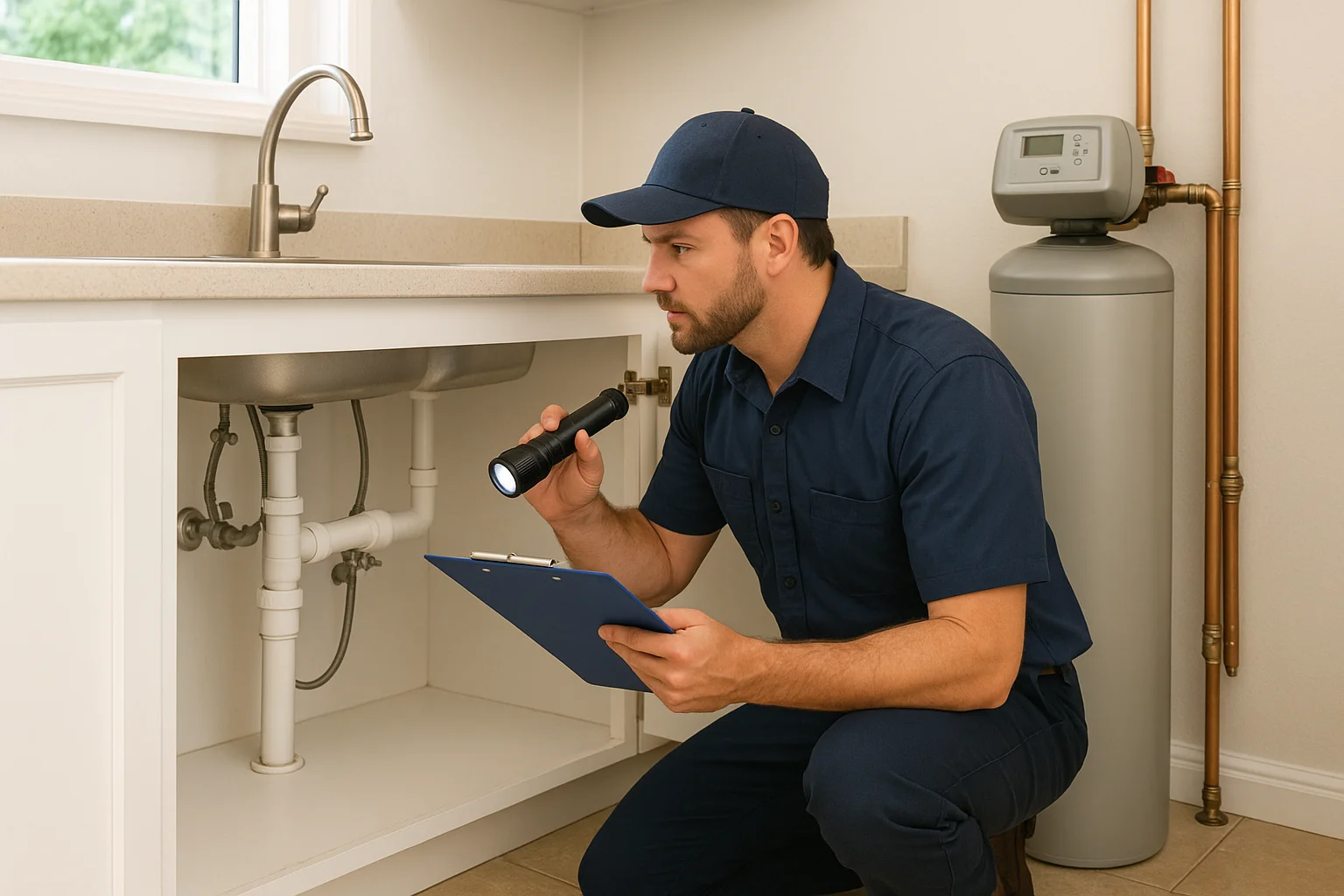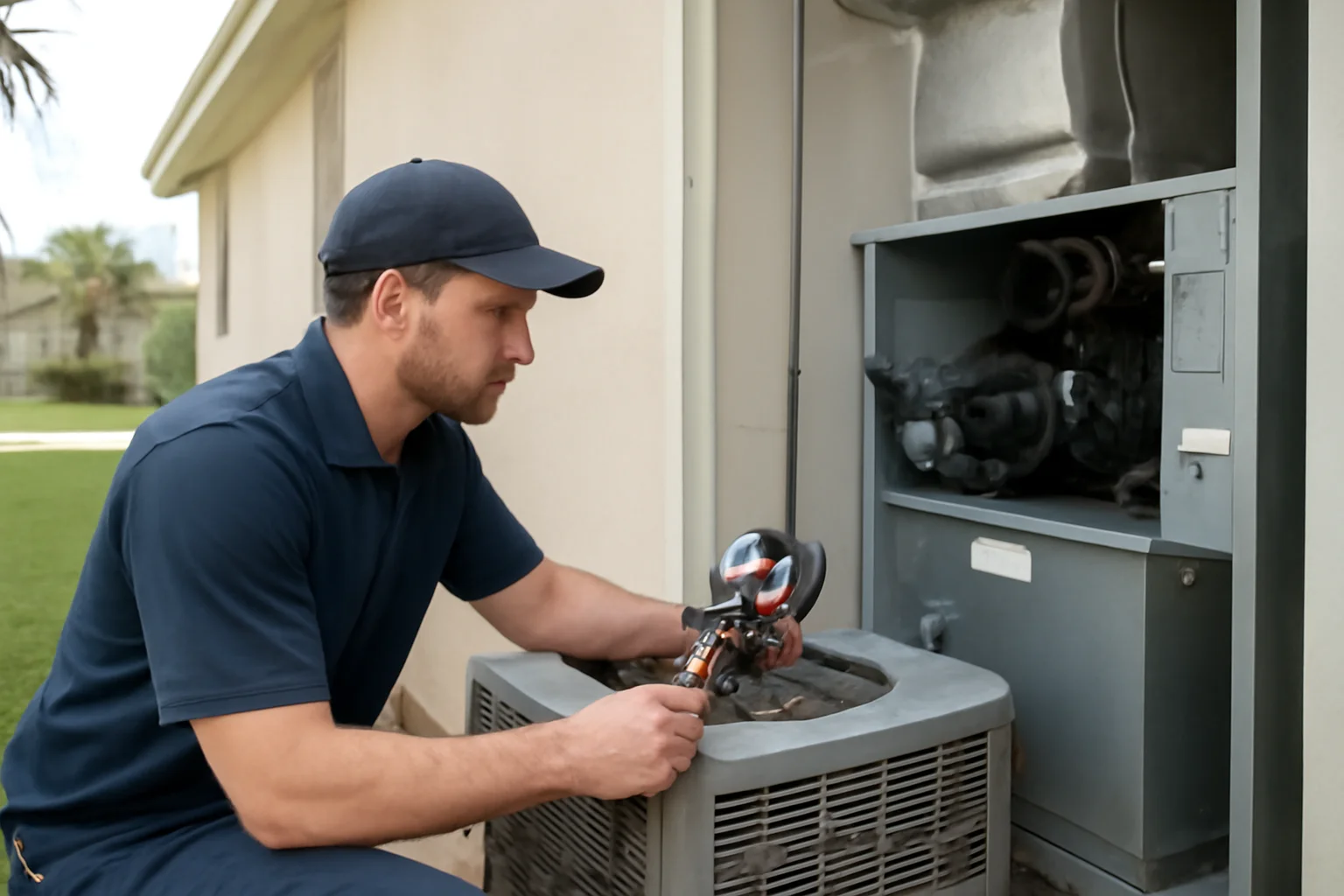
Lower Grand Lagoon, FL has a climate that keeps your HVAC working hard. Warm temperatures, high humidity, and salty coastal air can affect airflow, condensate drainage, ductwork, and the air you breathe. When indoor air quality (IAQ) starts to slip, the HVAC system often suffers too. That is why homeowners in our area are increasingly asking about indoor air quality testing as part of preventive HVAC maintenance.
This guide explains what local homes typically need to know about IAQ testing near Lower Grand Lagoon, what problems it can uncover, and how those findings connect to HVAC repairs you would rather avoid.
Why indoor air quality testing matters in Lower Grand Lagoon
In Bay County, indoor air problems are not just about comfort. They can influence how your air conditioner, heat pump, and duct system perform. Humidity levels, ventilation rates, and airflow balance can affect:
Refrigerant systems by changing load and cycling patterns.
Condensate drainage by increasing moisture production and potential overflow risks.
Ductwork performance by pulling air through leaky or dirty sections.
Thermostats and controls by masking comfort issues that look like “a bad AC” but originate in airflow or ventilation.
When IAQ issues go unnoticed, homeowners often end up calling for AC repair near me during peak season. Testing is one way to catch the root causes earlier, before they compound into bigger problems.
Florida humidity and salt air: the IAQ factors that strain HVAC systems
Lower Grand Lagoon homes often face a combination of humidity and coastal exposure. Those conditions can contribute to several IAQ and HVAC stressors.
1) High indoor humidity and condensation risk
When indoor humidity stays elevated, your air conditioner must work longer to remove moisture. Over time, that can increase wear on components and raise the chance of issues related to condensate drainage. If condensate lines are partially blocked or the drainage route is poorly maintained, excess moisture can contribute to musty odors and indoor comfort complaints.
Humidity can also affect how well filters and airflow systems perform. Even if your system is running, air distribution may not be balanced, leaving some rooms feeling clammy while others feel too cool.
2) Duct leakage and airflow imbalance
Many comfort problems start in the ductwork. Leaky ducts can reduce effective airflow, forcing your HVAC system to compensate. That can lead to higher energy use and faster cycling, which increases strain on the system.
Moisture can also move through unintended pathways when pressure and airflow are off. Homeowners who notice uneven temperatures or persistent “hot rooms” sometimes assume they need a system replacement. Often, duct inspection and duct repair are more relevant to restoring performance and comfort.
If you are exploring duct-related improvements, you can also review duct sealing and Aeroseal approaches that may help when leakage is a contributing factor.
3) Outdoor contaminants brought inside
Coastal air and outdoor pollen can enter through infiltration. In some homes, indoor contaminants accumulate because filtration is not matched to the needs of the household, or because airflow through the system is inconsistent. IAQ testing can help identify whether the indoor environment is trending toward particulate buildup, elevated moisture, or airflow and ventilation issues.
4) Ventilation and “stale air” complaints
Some homeowners describe a home that feels stuffy, even when the thermostat says it is set correctly. That can be a ventilation problem. If your ventilation setup is not functioning as intended, the HVAC may cool the house but still not manage fresh air exchange and pollutant removal effectively.
What indoor air quality testing typically evaluates
IAQ testing is not one single test. It is a process that combines observations, measurements, and HVAC context. A professional team will usually consider:
Indoor humidity trends to understand whether the home is staying too damp for comfort and healthy air.
Airflow performance by looking at how air moves through the system and into rooms.
Filtration and pollutant pathways that can influence dust, allergens, and other airborne particles.
Ventilation behavior and how the home exchanges air with outdoors.
Moisture and condensate-related conditions that can connect to condensate drainage and indoor odor complaints.
Depending on the home, the testing approach may include measurements taken while the HVAC system is running. That is important because IAQ can change dramatically based on whether the system is actively cooling, running at fan-only settings, or cycling on and off.
How IAQ issues can lead to expensive HVAC repairs
Homeowners often think of IAQ as something separate from HVAC repairs. In reality, IAQ problems can increase system workload and contribute to conditions that accelerate wear.
Refrigerant system strain from comfort and humidity load
When humidity is high, the air conditioner has to remove more moisture. That can increase run time and cycling patterns, which can contribute to premature wear. A refrigerant system should be evaluated in person before anyone makes assumptions. IAQ testing helps identify whether the system is being asked to do more than it should because of airflow, humidity, or duct performance issues.
If you suspect an air conditioner service near me situation, it is still best to start with a full HVAC inspection rather than jumping straight to conclusions about refrigerant.
Condensate drainage problems that show up as odors or dampness
When condensate drainage is not handling moisture properly, the results can be uncomfortable and sometimes urgent. Moisture can lead to microbial growth that worsens indoor air quality, and it can also create conditions that affect HVAC performance. Testing can help confirm whether the home is trending toward moisture-related issues that deserve attention.
Dirty or poorly performing air pathways
If ducts are leaking or filtration is not capturing what is entering the home, the HVAC system may accumulate contaminants internally. That can reduce airflow and increase energy use. Over time, reduced airflow can contribute to comfort problems that homeowners often interpret as “the system is failing,” leading to costly emergency calls.
Thermostat settings that cannot fix underlying airflow problems
Smart thermostats and scheduling help many households, but they are not a substitute for correct airflow, ventilation, and humidity control. If your home has duct leakage or airflow imbalance, the thermostat may read “comfortable” while parts of the house remain humid or stale.
If you are considering controls, pairing IAQ insights with better temperature management can help. You can explore Smart Thermostats for Lower Grand Lagoon homes.
Signs your Lower Grand Lagoon home may benefit from IAQ testing
IAQ testing is especially worth considering when comfort and system performance do not match. Here are common signals homeowners notice in our area.
Comfort problems that persist despite AC repair
If you have already had AC repair near me performed and the home still feels humid, stale, or uneven, the issue may not be a single failed part. It could be airflow balance, ventilation behavior, or ductwork performance that testing can help clarify.
Musty odors or damp spots
Odors that return after the system runs can point to moisture and condensate-related problems. Those issues can also affect indoor air quality and should be evaluated through a professional inspection.
Visible dust patterns or frequent filter changes
It is normal to replace filters on schedule. It is not normal for a filter to load extremely fast without a clear reason. If dust buildup is unusually heavy, it may be related to airflow, duct leakage, or filtration mismatch.
Allergy-like symptoms that worsen at home
When airborne irritants accumulate, it can affect household members. IAQ testing can help determine whether the home’s conditions are supporting higher contaminant levels.
Higher energy use during humid weather
If your energy bills rise while the thermostat settings stay consistent, your HVAC system may be compensating for airflow or humidity issues. Testing can support a more targeted approach to preventive HVAC maintenance.
What to ask a licensed HVAC contractor during IAQ testing
When you are choosing a team for indoor air quality services near me, ask questions that connect IAQ findings to HVAC performance. A professional indoor air quality testing process should be transparent and HVAC-focused.
- How will you measure humidity and airflow conditions in the home? Look for a clear explanation of how measurements relate to comfort and system load.
- Will you review ductwork performance and recommend duct inspection if needed? Duct problems can drive both IAQ and HVAC comfort issues.
- How do you connect IAQ results to preventive HVAC maintenance? You want a plan, not just numbers.
- What are the next steps if you find moisture or drainage concerns? The response should include safe, HVAC-appropriate troubleshooting and inspection.
- Do you coordinate testing with heating services and heat pump service? IAQ is seasonal, and Lower Grand Lagoon homes often need consistent comfort year-round.
If you want to evaluate duct-related concerns further, you can also consider Duct Cleaning or Duct Sealing and Aeroseal Services, depending on what the testing and inspection indicate.
How IAQ testing fits into preventive HVAC maintenance
Preventive HVAC maintenance is about catching the issues that lead to breakdowns and comfort failures. IAQ testing adds another layer by addressing the indoor conditions that keep systems under stress.
Seasonal planning for Lower Grand Lagoon
Florida humidity does not pause. Before peak cooling demand, it helps to ensure your system can manage moisture and airflow effectively. IAQ testing can reveal whether your home is trending toward conditions that typically increase system run time and indoor discomfort.
For many homeowners, this is also the time to review filter practices, thermostat operation, and duct performance. If you have a ductless mini split system, the same logic applies. A well-sized and properly maintained system supports healthier airflow patterns. If you need ductless system help, you can ask about ductless mini split installation near me when you are planning upgrades, but IAQ testing should still be part of the discussion for overall comfort and air quality.
Lowering the chance of emergency cooling concerns
When humidity is high, HVAC systems face higher loads. That increases the odds of mid-summer breakdowns in homes with airflow restrictions, drainage issues, or duct performance problems. IAQ testing can be a practical step to reduce the “surprise” factor that leads to emergency AC repair near me searches.
It also helps homeowners avoid the costly mistake of treating symptoms without addressing the indoor conditions driving them.
When ductwork, cleaning, or sealing becomes part of the solution
If IAQ testing and HVAC inspection point to airflow problems, the next step is often duct-focused. That might include:
- duct inspection near me to confirm airflow restrictions and leak pathways
- duct repair near me when damage or poor connections are limiting performance
- duct sealing when leakage is identified as a comfort and humidity driver
Not every home needs duct cleaning, and not every IAQ issue is solved by sealing alone. The goal is to match the fix to the conditions. A licensed HVAC contractor near you should connect the dots between IAQ measurements and what is happening in the HVAC system and ductwork.
Why local HVAC service matters for Lower Grand Lagoon
Choosing a team familiar with Bay County weather patterns and typical housing characteristics makes a difference. Lower Grand Lagoon homes can experience rapid indoor humidity changes, and coastal exposure can intensify corrosion risks for certain components. A local HVAC contractor is more likely to understand how these conditions show up in:
- airflow complaints and seasonal comfort swings
- condensate drainage behavior during humid stretches
- duct leakage and pressure imbalances in older and newer construction
- how thermostats and system runtime patterns respond to humidity load
That is one reason homeowners search for residential HVAC service near me and look for an approach that feels preventive rather than reactive.
Next steps: schedule IAQ testing and pair it with an HVAC inspection
If your home in Lower Grand Lagoon is struggling with humidity, stale air, or comfort that does not match thermostat settings, consider pairing indoor air quality testing with a full HVAC system evaluation. A Superior Mechanical provides professional IAQ testing designed for local conditions and HVAC performance needs.
You can review our service details here: Indoor Air Quality Testing for Lower Grand Lagoon. If you want broader service options across the area, see our Lower Grand Lagoon service area and explore Bay County HVAC services.
For homeowners who want to strengthen the overall system, it can also help to coordinate IAQ testing with other HVAC support such as Heating Services and additional ductwork care where appropriate.
Related reading for Lower Grand Lagoon homeowners
If you are planning broader comfort improvements, these articles can help you connect IAQ and HVAC performance to practical home decisions:
- Indoor Air Quality Testing That Helps Inlet Beach Homes Stay Comfortable Longer
- Why Seaside Homes Benefit From Indoor Air Quality Testing Before Comfort Issues Spread
- A Local Homeowner’s Guide to HVAC Financing in Lower Grand Lagoon, FL: Comfort, Airflow, Humidity, and Prevention
Find Indoor Air Quality Testing in Lower Grand Lagoon, FL
If you need Indoor Air Quality Testing in Lower Grand Lagoon, FL, visit our local service page or contact A Superior Mechanical today.
Map of Lower Grand Lagoon, FL
Frequently Asked Questions
How does indoor air quality testing help prevent HVAC repairs?
IAQ testing can identify humidity, airflow, and ventilation issues that increase system workload. When moisture and airflow are not controlled well, the air conditioner or heat pump can run longer, cycle more, and put extra stress on components and condensate drainage.
Will IAQ testing replace an HVAC inspection or refrigerant service?
No. IAQ testing supports decision-making, but it cannot confirm refrigerant problems or electrical issues without an in-person HVAC evaluation. A professional should review system performance, airflow, and comfort conditions together.
What are common IAQ-related problems in Lower Grand Lagoon homes?
Homeowners often notice high humidity, musty odors, uneven temperatures, dust buildup, and stale air. These can connect to ductwork performance, condensate drainage, and ventilation behavior, especially during humid Florida weather.
How often should I schedule indoor air quality testing?
There is no one-size schedule for every home. Many homeowners plan IAQ testing when comfort issues start, after major system changes, or as part of preventive HVAC maintenance before peak cooling demand.
Can duct cleaning or duct sealing improve indoor air quality?
They can, depending on what is causing the problem. If testing and duct inspection show leakage, airflow restrictions, or specific contamination pathways, duct repair, sealing, or targeted cleaning may help improve airflow and overall indoor conditions.
Related Articles
- A Local Homeowner’s Guide to HVAC Financing in Lower Grand Lagoon, FL: Comfort, Airflow, Humidity, and Prevention
- How Lower Grand Lagoon Homes Stay Comfortable with Better Duct Sealing and Aeroseal
- Indoor Air Quality Testing That Helps Inlet Beach Homes Stay Comfortable Longer
- Why Seaside Homes Benefit From Indoor Air Quality Testing Before Comfort Issues Spread
Photo Gallery