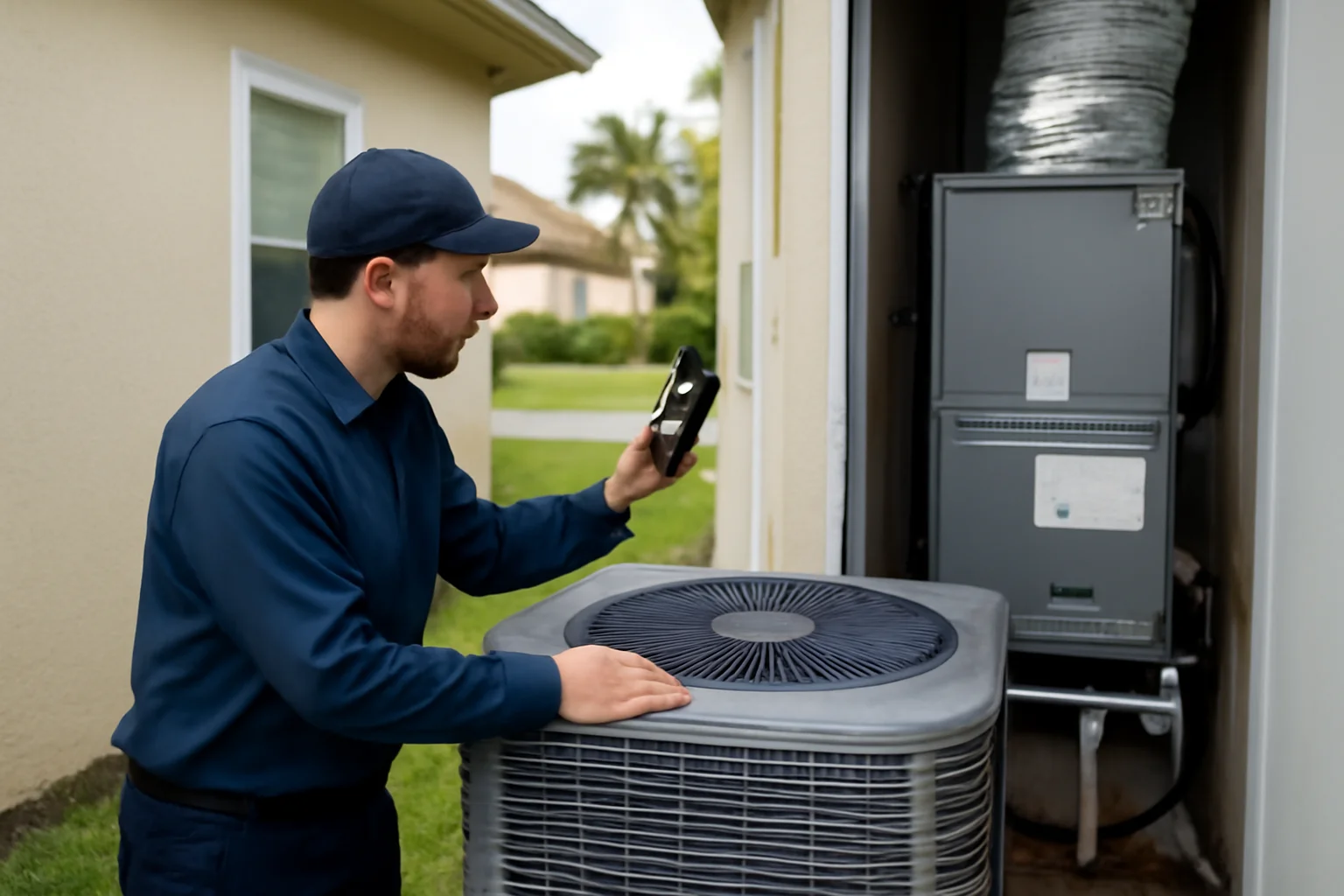
Freeport, FL is beautiful, but the air in coastal Walton County can be demanding. Heat, humidity, and salt air can push HVAC systems to work harder, while airflow problems and moisture buildup can quietly affect comfort and health. Indoor air quality testing helps you move from guesswork to clear, measurable information so you can catch HVAC issues early and keep everyday air conditioning service and heating performance more reliable.
A Superior Mechanical provides professional indoor air quality testing for homes, vacation rentals, and businesses across Walton County. If you are scheduling indoor air quality testing in Freeport, FL, this guide will help you understand what to test, what results can suggest, and how testing connects to real HVAC reliability.
Why indoor air quality changes when your HVAC is struggling
Your HVAC system is more than a temperature controller. It moves air through ductwork, conditions humidity, and helps manage airborne particles. When airflow is restricted, filters are not doing their job, condensate drainage is off, or refrigerant systems are not operating as designed, indoor air quality often shifts as well.
In Freeport’s humid climate, small HVAC problems can create outsized indoor air effects. For example:
- High indoor humidity can encourage mold growth and musty odors, especially where air circulation is weak.
- Poor airflow can leave rooms stale and uneven, which can also affect how well the system removes moisture.
- Dirty or improperly sealed ductwork can move contaminants around the home.
- Refrigerant system issues can impact temperature control and humidity management, which then affects comfort and air quality.
- Condensate drainage problems can lead to water accumulation and moisture where you do not want it.
Indoor air quality testing is useful because it helps identify which category of problem you may be dealing with. It does not replace in-person HVAC diagnostics, but it can guide what to inspect, what to prioritize, and how urgency should be ranked.
What “better indoor air quality testing” means for homeowners
Homeowners often think testing means one quick measurement. In reality, better indoor air quality testing usually combines multiple observations and measurements that connect to how your HVAC system is operating. A professional approach may include:
1) Humidity and moisture risk indicators
Since Florida humidity is a constant, testing that evaluates moisture conditions is a big deal. Persistent high humidity can signal that your AC or heat pump is not removing moisture effectively, that airflow is restricted, or that condensate drainage is not working as intended.
2) Airborne contaminant checks
Indoor air can include allergens, irritants, and other airborne contaminants. Testing can help determine whether your home has elevated levels that are consistent with filtration gaps, ductwork issues, or other indoor sources.
3) Airflow and ventilation context
Even when contaminant levels are not extreme, weak airflow can cause comfort complaints and uneven conditions. Testing that considers air distribution and HVAC operation helps connect indoor air quality concerns to ductwork and system performance.
4) HVAC system conditions that affect air quality
Indoor air quality testing should be paired with HVAC-specific evaluation. That means looking at the thermostat behavior, filter condition, ductwork airflow pathways, and condensate drainage performance. If refrigerant system performance is suspect, a licensed HVAC contractor should verify it in person. Air quality testing can point to likely problem areas without making a definitive refrigerant diagnosis.
If you are searching for HVAC service near me because your home feels “off,” ask whether indoor air quality testing is part of a broader inspection, not a standalone report.
Common Freeport HVAC issues that show up in indoor air quality
In Freeport and surrounding Walton County, many indoor air quality complaints tie back to predictable HVAC issues. Here are the most common ones homeowners can learn to recognize.
Excess humidity and uncomfortable summer air
When your AC is running but humidity stays high, you may notice clamminess, foggy windows, or damp smells. This can happen when:
- Airflow is restricted by dirty filters or ductwork issues
- The system is short-cycling or not sustaining proper cooling
- Condensate drainage is partially blocked
- The system is not managing the refrigerant cycle as designed
In coastal areas, moisture loads can be higher, and that means your HVAC reliability matters for indoor air quality, not just comfort.
Musty odors or visible signs of moisture
Musty smells often point to moisture in areas where air stagnates. Condensate drainage problems can contribute, especially if the drain line is slow or if a drain pan is not draining correctly. If you see water staining around the air handler or hear gurgling, treat it as an HVAC reliability concern, not a “wait and see” situation.
Dust, allergy flare ups, and “dirty air” complaints
If dust seems to settle quickly or allergies worsen indoors, indoor air quality testing can help identify whether airborne particles are elevated. Sometimes the cause is filtration related, but ductwork leakage or poor air distribution can also contribute. If you are looking for HVAC air filtration near me, remember that filtration improvements work best when the system’s airflow and ductwork are also in good shape.
Uneven temperatures and rooms that never feel right
Hot spots and cold spots can indicate airflow imbalance, ductwork restrictions, or thermostat issues. While uneven temperatures may seem purely comfort-related, they can also lead to higher humidity in certain rooms and more frequent cycling. That affects energy use and can stress components.
Inconsistent thermostat performance
A thermostat that is misreading temperatures, not communicating properly, or set up incorrectly can cause the system to run longer than needed or fail to maintain stable conditions. When you combine thermostat concerns with indoor air quality symptoms, you often get a clearer picture of what to inspect first. Many homeowners start with concerns about thermostat installation near me or thermostat troubleshooting, but the best approach is to confirm the HVAC system context during the inspection.
How testing helps you catch problems early without jumping to replacements
It is tempting to assume that every indoor air quality complaint means you need a new AC or heat pump. Testing helps you avoid that leap by clarifying what is happening in the home. It also helps prioritize repairs and maintenance so your system becomes more reliable before a mid-summer breakdown becomes an emergency cooling concern.
Testing can support decisions like:
- Whether airflow improvements or ductwork sealing and inspection should be prioritized
- Whether filtration and system operating conditions need adjustment
- Whether condensate drainage and moisture pathways should be checked
- Whether additional HVAC service steps are likely to improve indoor conditions
What testing should not do is replace an in-person HVAC evaluation for refrigerant system performance or electrical components. Indoor air quality testing can suggest patterns, but a licensed HVAC contractor should verify the root cause on site before recommending refrigerant-related repairs or system replacement.
Signs it is time to schedule indoor air quality testing in Freeport
If you are noticing any of the items below, testing can help you determine whether the issue is tied to HVAC reliability, indoor sources, or both.
- Your home feels more humid than it used to, even when the AC runs
- Musty odors appear after rain or during peak summer humidity
- Allergy symptoms spike indoors, especially in bedrooms
- Dust seems to accumulate quickly on surfaces
- Rooms have persistent temperature swings or poor air circulation
- Your system cycles more often than expected, raising energy use concerns
- You recently had ductwork changes, renovations, or new occupancy in a vacation rental
If you are searching for air conditioning inspection near me or AC repair near me, indoor air quality testing can be a strong starting point, especially when symptoms involve humidity, airborne contaminants, or airflow.
What to ask during an indoor air quality testing appointment
Homeowners get better outcomes when they ask the right questions. Consider discussing these points with A Superior Mechanical:
How will the testing connect to HVAC performance?
You want results that can be translated into HVAC action. Ask how measurements relate to ductwork airflow, filtration, condensate drainage, and thermostat operation.
What areas will you inspect beyond the measurements?
Ask whether the technician will evaluate filters, air handler conditions, ductwork airflow pathways, and condensate drainage. Indoor air quality is often affected by the parts of the system that homeowners rarely see.
How will you prioritize next steps?
Good testing should help you decide what to address first. For example, improving airflow and moisture control can reduce airborne issues. If refrigerant performance is a concern, confirm that you will receive an in-person HVAC assessment before any refrigerant diagnosis or related repair recommendations.
Will you recommend preventive HVAC maintenance?
Testing is most valuable when it becomes part of an ongoing plan. Ask about HVAC maintenance near me options that align with Freeport’s heat and humidity patterns.
If you are also considering upgrades, you can ask how system changes like heat pump service or ductwork improvements might affect indoor air quality and comfort. For some homeowners, heat pump installation near me searches begin after repeated humidity and comfort issues.
Prevention: how to support indoor air quality between tests
Testing gives you a snapshot, but daily habits and basic maintenance still matter. These steps can reduce indoor air problems and protect HVAC reliability.
Keep filters clean and correctly fitted
Filters that are overdue or installed incorrectly can reduce airflow. Reduced airflow can lead to higher humidity and more strain on the system. If you have questions about filter sizing and placement, ask a licensed HVAC contractor to confirm during an inspection.
Watch humidity and comfort trends, not just temperature
In Freeport’s humid climate, temperature alone can mislead you. If the home feels clammy, it may be an HVAC moisture management issue. That is an indoor air quality concern and an HVAC reliability concern.
Pay attention to condensate drainage
Look for water around the air handler, damp smells, or unusual sounds. Condensate drainage issues can contribute to moisture and indoor air quality problems. If you notice these signs, schedule HVAC service rather than waiting.
Maintain consistent thermostat settings
Sudden temperature changes can drive unnecessary cycling. If you have comfort issues, consider thermostat verification and, when appropriate, thermostat installation near me services that match your HVAC setup.
Plan maintenance before peak summer
An AC tune up near me scheduled ahead of the hottest weeks can help catch airflow and operational problems while you still have time to address them calmly. Preventive HVAC maintenance also supports energy use efficiency, which matters when the system is working through Florida heat.
Where indoor air quality testing fits with HVAC repairs and upgrades
Indoor air quality testing can guide repair priorities and support upgrade decisions. Here is how it commonly fits into an HVAC plan.
Ductwork and airflow improvements
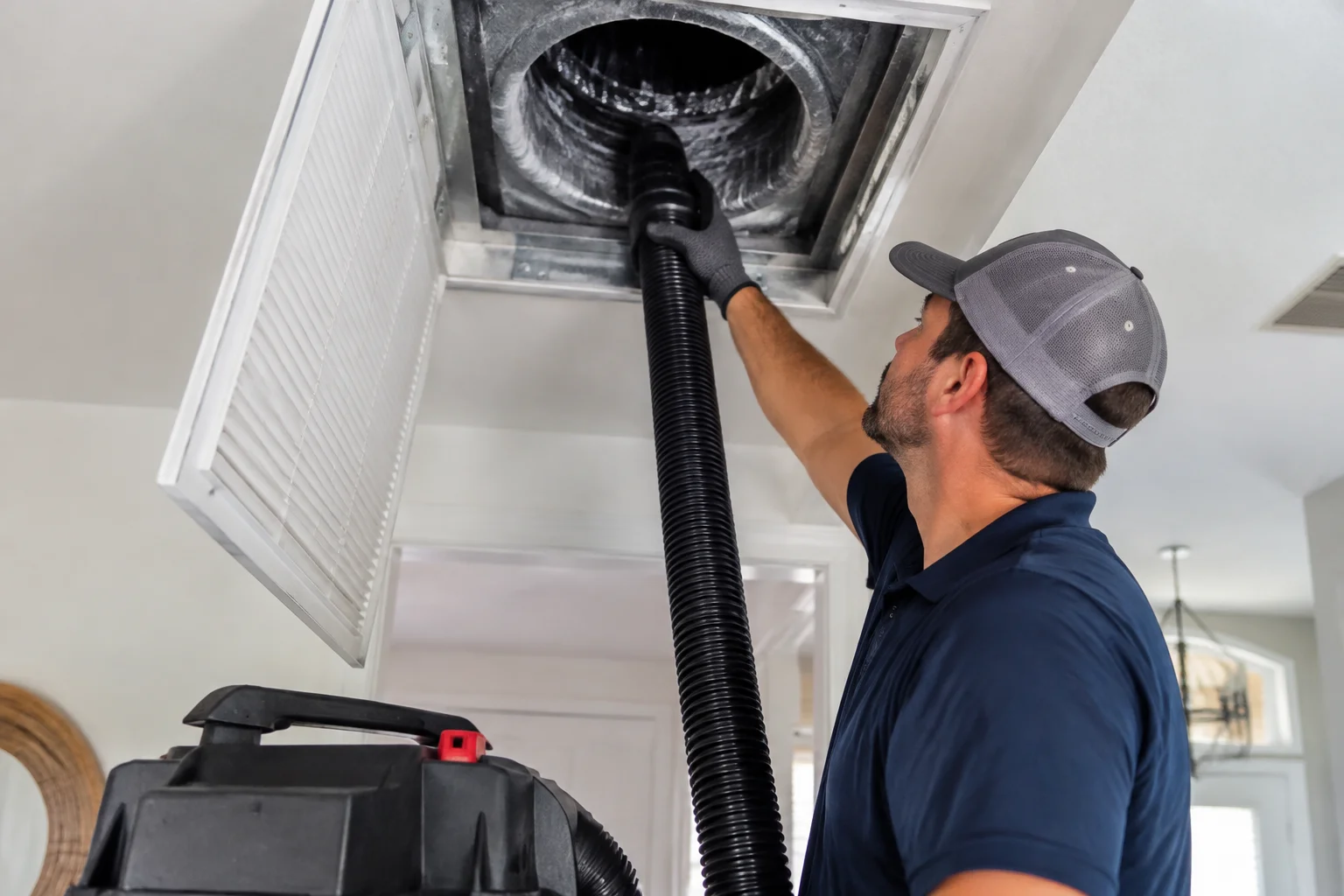
If testing suggests airflow issues, ductwork inspection becomes a key step. Leaks, poor sealing, or restrictions can move contaminants and reduce humidity control. If you are planning ductwork work, it is smart to coordinate it with HVAC service so the system and ductwork are evaluated together.
Air conditioning repair and heat pump service
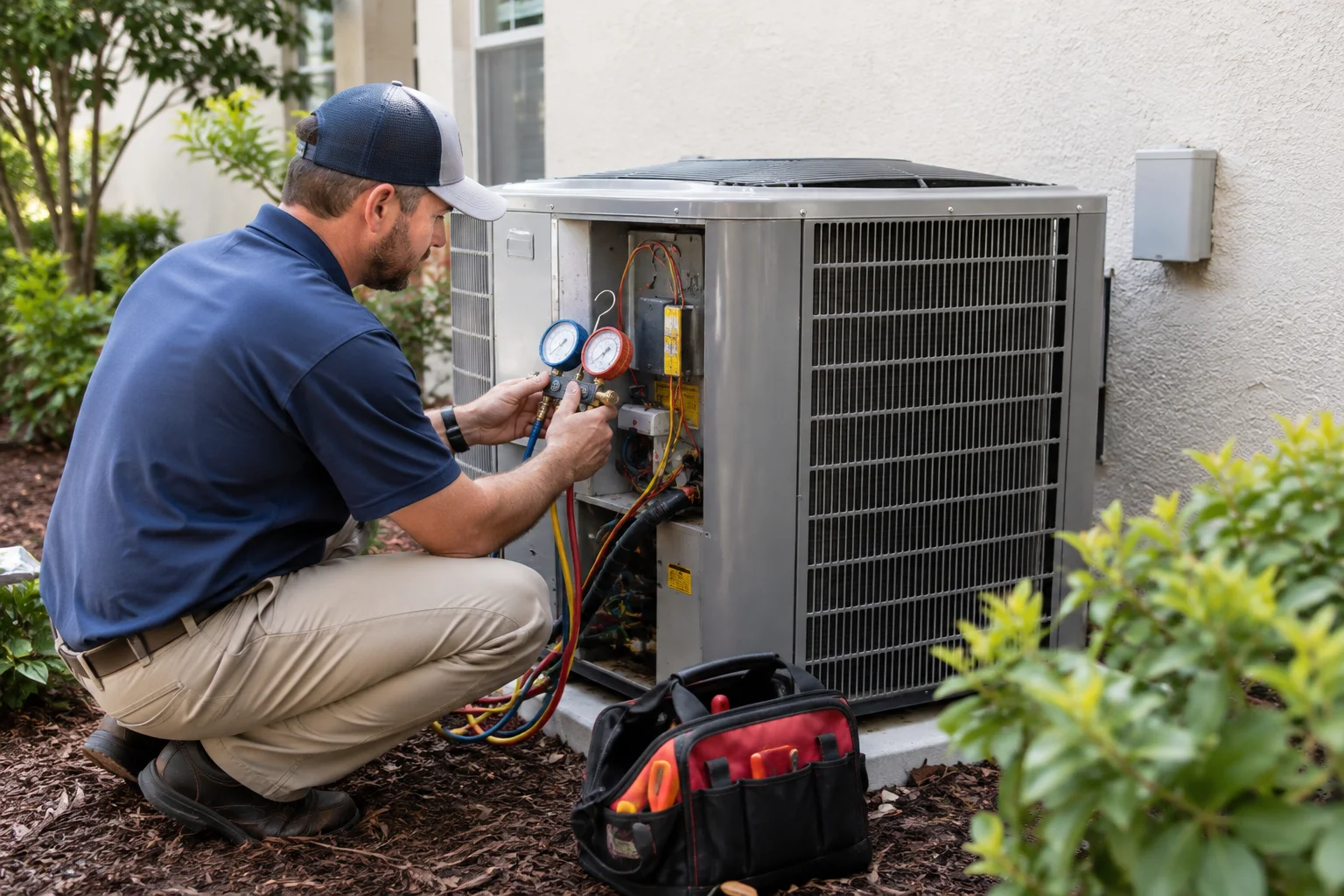
When indoor air quality symptoms align with cooling performance problems, AC repair or heat pump service may be the next step. Testing helps you avoid guessing. Still, any refrigerant system concerns should be confirmed by an on-site evaluation. A licensed HVAC contractor can verify operation and recommend repairs that address the actual cause.
System replacement planning
Testing can help determine whether the home’s air quality issues are tied to controllable factors like airflow and moisture management, or whether the system’s overall performance is unlikely to meet needs. Replacement may be appropriate in some situations, but it should be based on a thorough assessment, not only indoor air quality readings.
Vacation rental and occupancy turnover
Freeport vacation rentals often experience fast occupancy changes. Indoor air quality testing can be a helpful part of a preventive approach, especially after renovations or when guests report musty odors, dust, or allergy flare ups. Many owners also look for HVAC service near me between seasons to keep cooling reliable.
Why you should choose a local, licensed HVAC contractor for testing
Indoor air quality is tied to how your specific HVAC system runs in your home. A local contractor understands the practical realities of Freeport homes, including:
- Coastal humidity and salt air impacts on comfort and system workload
- Older construction details that can affect ductwork airflow and moisture pathways
- Common homeowner concerns like musty odors, uneven cooling, and allergy symptoms during summer
- The need to prevent emergency cooling concerns when conditions spike
When you work with a professional team, you also get a more reliable path from testing to action. If you serve as the decision maker for your household or rental, that clarity matters.
If you want to learn how indoor air quality testing supports HVAC reliability, explore indoor air quality testing in Freeport, FL or browse the Freeport service area for more HVAC options in Walton County. You can also connect testing priorities to broader maintenance planning with posts like Why Efficient Heating and Cooling Starts With Commercial HVAC Maintenance in Freeport, FL and The Details That Get Missed in Commercial HVAC Installation in Freeport, FL.
For homeowners thinking about long-term planning, it can also help to read A Homeowner’s Guide to HVAC Financing and Why It Matters in Freeport, FL before major decisions. If your property includes commercial spaces, Staying Ahead of Commercial HVAC Problems in Freeport, FL: A Practical Guide for More Reliable Buildings shows how preventive steps reduce downtime.
If your testing points to system control or distribution issues, you can review related services in town, including Heating Control Systems, Commercial HVAC Services, Air Conditioning Repair, and Heat Pump Services. Some homeowners also explore distribution upgrades like ductless mini split systems, and if that is on your radar, it is worth discussing how indoor air quality and airflow will be managed during installation.
Find Indoor Air Quality Testing in Freeport, FL
If you need Indoor Air Quality Testing in Freeport, FL, visit our local service page or contact A Superior Mechanical today.
Map of Freeport, FL
Frequently Asked Questions
How does indoor air quality testing relate to AC repair in Freeport, FL?
Indoor air quality testing can reveal patterns linked to humidity control, filtration performance, and airflow. If results suggest moisture risk or elevated airborne contaminants, an HVAC contractor can inspect the AC system for issues like restricted airflow, condensate drainage problems, or cooling performance concerns. Testing helps prioritize the right AC repair steps, but it does not replace an on-site HVAC evaluation.
Can indoor air quality testing tell me if my refrigerant system has a problem?
Testing may point to comfort and humidity management issues that can be associated with cooling performance. However, a refrigerant diagnosis requires in-person HVAC checks. A professional inspection should verify system operation before recommending any refrigerant-related repair or discussing system replacement.
What indoor air quality issues are most common in Freeport homes?
Many Freeport homeowners notice humidity-related discomfort, musty odors after humid weather, dust and allergy flare ups, and uneven temperatures. These concerns often connect to airflow restrictions in ductwork, filtration gaps, condensate drainage performance, and thermostat or control issues.
How often should I schedule indoor air quality testing?
There is no one-size schedule for every home. Testing is commonly considered when symptoms change, after renovations, between seasons for vacation rentals, or when you suspect moisture, airflow, or filtration problems. A Superior Mechanical can help you decide based on your home’s conditions and your HVAC maintenance history.
Will better indoor air quality testing reduce energy use?
It can help indirectly. When airflow and humidity control are improved and the system runs more consistently, the HVAC may operate more efficiently. Testing supports the maintenance and repair decisions that influence energy use, but it is not a guarantee. An HVAC inspection still determines what is actually driving higher energy consumption.
Related Articles
- Why Efficient Heating and Cooling Starts With Commercial HVAC Maintenance in Freeport, FL
- The Details That Get Missed in Commercial HVAC Installation in Freeport, FL
- A Homeowner’s Guide to HVAC Financing and Why It Matters in Freeport, FL
- Staying Ahead of Commercial HVAC Problems in Freeport, FL: A Practical Guide for More Reliable Buildings
Photo Gallery