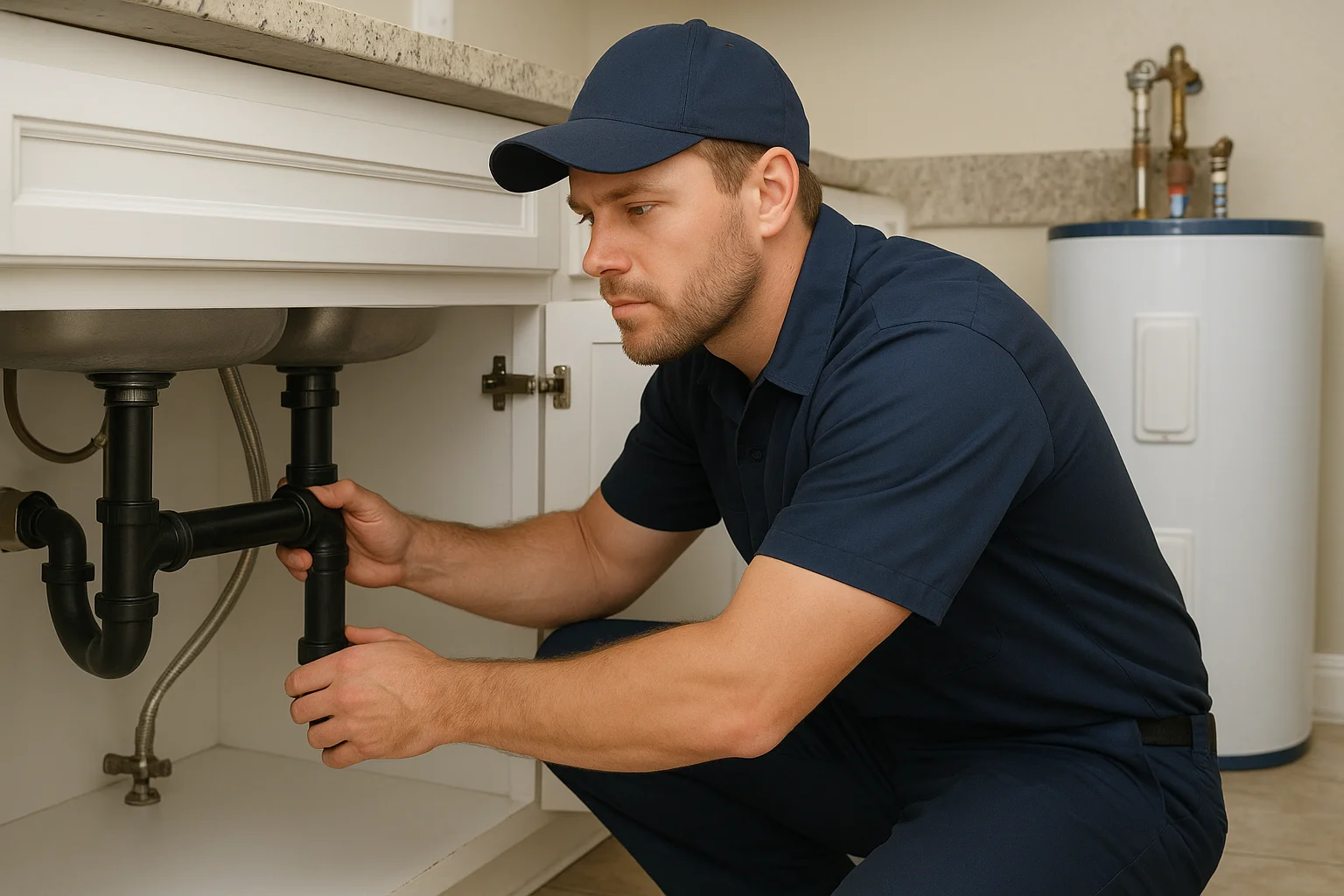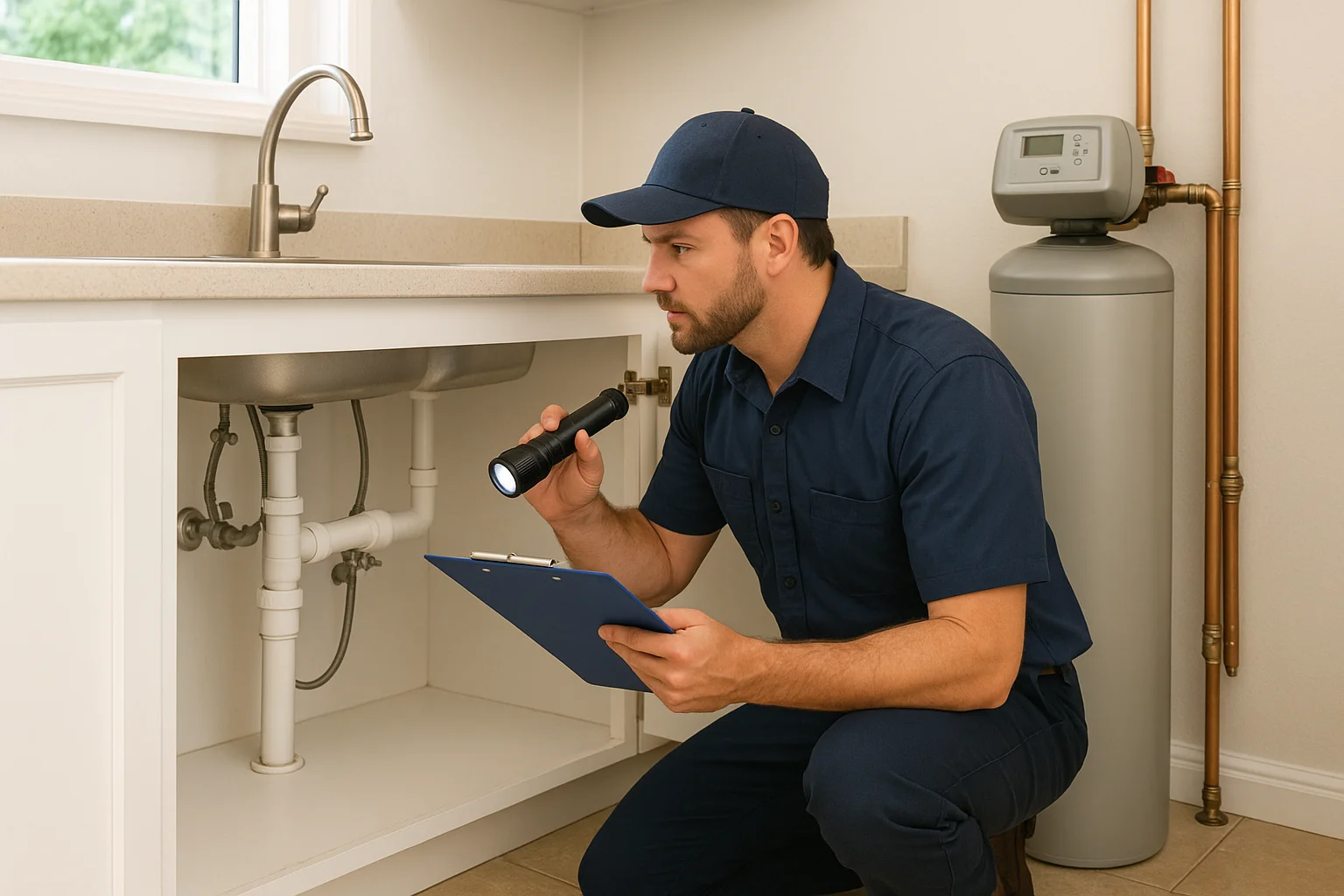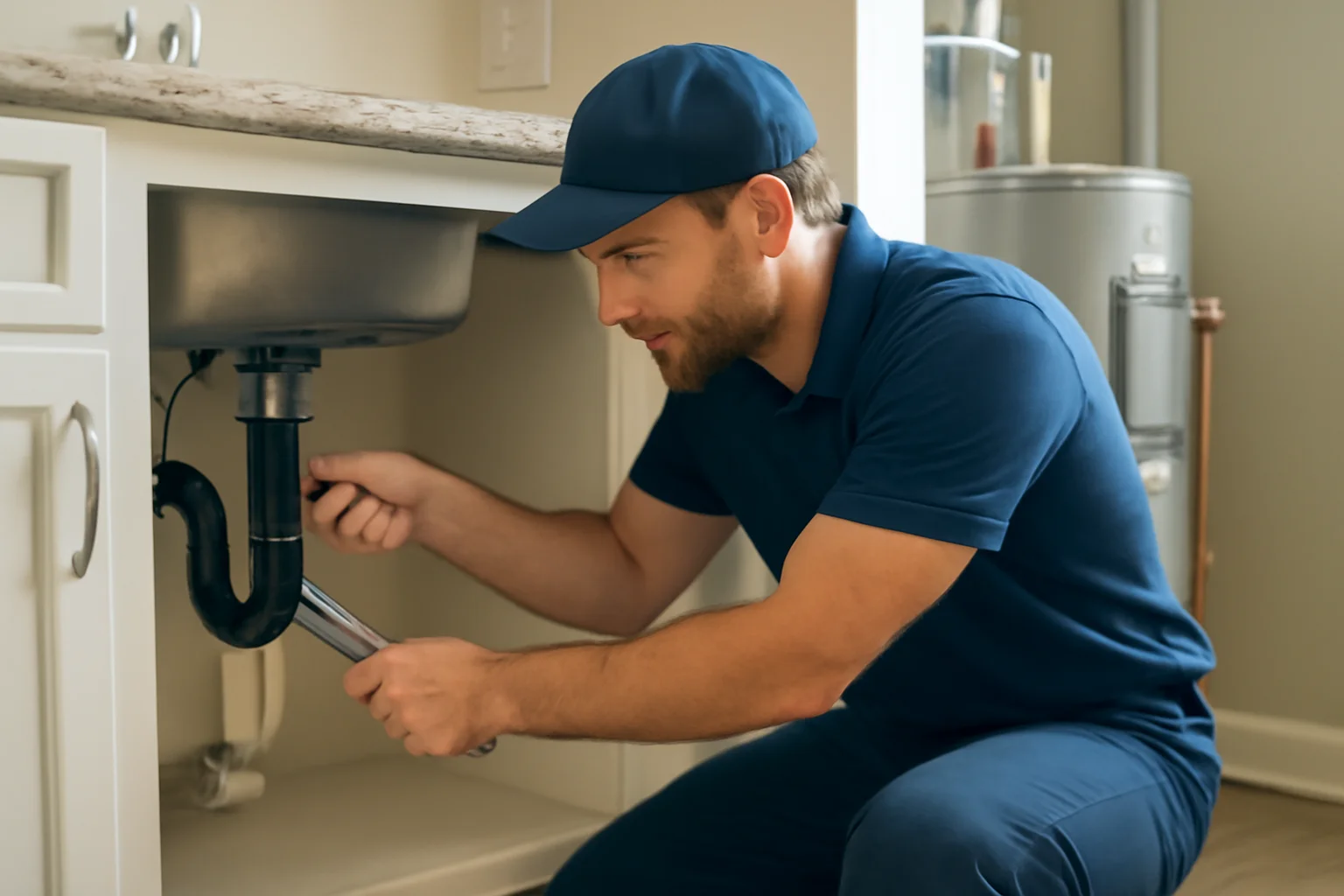
Hot water problems are frustrating, but they can also be expensive. In Callaway, FL, where many homes rely on steady water pressure for showers, laundry, and kitchens, a small water heater issue can quickly turn into a leak, damaged flooring, or a bigger plumbing repair. The good news is that thoughtful water heater maintenance can help you catch plumbing problems early, before they spread to drains, pipes, fixtures, and even sewer lines.
If you are searching for a plumber near me because your hot water is acting up, this guide will help you understand what to watch for, what maintenance matters most in our local conditions, and when it is time to call a professional for water heater service or repair.
Why water heater maintenance matters in Callaway homes
Most homeowners in Callaway do not think about their water heater until something goes wrong. But regular maintenance helps your system run efficiently and reduces the chance of leaks, corrosion, and sediment buildup. It also protects nearby plumbing components that share the same water supply lines, shutoff valves, and pipe connections.
Callaway homes typically experience the kind of water use patterns that stress water systems. Family households cycle hot water multiple times per day. Vacation rentals may have heavy, short-term demand when guests arrive. Both scenarios can cause temperature swings, increased mineral deposits, and more wear on valves and fittings.
In addition, local water conditions can be harder on plumbing. Hard water and minerals can build up inside tank heaters and water heater connections. Over time, that buildup can reduce performance, increase energy use, and contribute to premature failure. In severe cases, sediment can also affect how drains and connected plumbing behave when issues start developing.
Know the maintenance basics for tank and tankless water heaters
Whether you have a traditional tank or a tankless unit, maintenance is about the same goals: control buildup, verify safe operation, and keep water flowing where it should. The right steps depend on your system type, but these checks are valuable for most local homeowners.
1) Check for leaks around the unit and connections
Start with the obvious. Look for water around the base, around the inlet and outlet pipes, and near any drain line. Even a small drip can mean a failing valve, a loose connection, or corrosion inside the tank. If you have a drain pan, check whether it is dry and properly routed. A leak can lead to water damage, rust, and faster deterioration of nearby plumbing parts.
Because Callaway homes can have different setups, leaks may show up in places homeowners do not expect, such as at the temperature and pressure relief valve discharge line or where the unit meets the wall or floor. If you notice water staining on drywall, damp baseboards, or a persistent wet smell, do not wait.
2) Watch water pressure and temperature behavior
Water pressure affects every fixture, including showers, faucets, and toilets. If your water pressure is suddenly higher or lower, it can stress water heater components and create symptoms that look like “water heater problems” but are actually plumbing issues.
Pay attention to these signals:
- Hot water runs out faster than usual
- Water temperature fluctuates during showers or dishwashing
- New noises from pipes when the heater cycles on or off
- Pressure changes at specific fixtures, which can point to clogged aerators, failing valves, or pipe restrictions
If you have a pressure regulator, make sure it is functioning. If you suspect pressure problems, it is worth discussing with your technician because pressure issues can also contribute to leaks and valve wear.
3) Treat sediment buildup before it becomes a bigger plumbing repair
For tank water heaters, sediment is a common cause of reduced efficiency and premature failure. Minerals settle at the bottom, which can insulate the tank and force the burner or heating elements to work harder. That extra strain can shorten the heater’s life and increase the risk of leaks.
For tankless water heaters, mineral buildup can restrict flow and reduce heating performance. It can also impact how the unit handles demand during heavy use, like laundry days or guest turnovers in vacation rentals.
Professional water heater service typically includes steps like flushing, inspecting components, and checking safety controls. Tank and tankless systems should not be treated the same way, so make sure you are scheduling maintenance for your specific unit type.
4) Inspect the drain system and nearby piping
Water heaters are not isolated appliances. They connect to supply lines, shutoff valves, and often a drain line or relief valve discharge. If you have slow drains elsewhere, it can be a clue that mineral buildup or debris is affecting your plumbing overall.
When a clogged drain repair near me search turns into an urgent problem, it is often because another issue was developing in the background. If you notice gurgling sounds, slow drainage in sinks, or recurring toilet clogs, it may be time to address drainage and pipe health before it affects your water heater’s safe operation.
If you need help with drainage, explore services like Sewer and Drain Services or Clogged Pipes and Drain Services.
Plumbing problems that often start at the water heater
Some of the most common plumbing issues in local homes can be linked to water heater maintenance gaps. These are the problems homeowners in Callaway should know how to spot early.
Low hot water or inconsistent temperature
If you are getting lukewarm water or it takes longer than usual to feel hot, the cause can be sediment buildup, a failing thermostat, a malfunctioning valve, or restricted flow. In tankless systems, mineral buildup is a frequent culprit. In tank systems, sediment can reduce heating efficiency and lead to uneven temperatures.
Sometimes the issue is not the heater itself but the plumbing feeding it. Check whether other fixtures are experiencing pressure changes. If only the hot side is affected, it points more directly to the water heater supply or internal components.
Water pooling, dampness, or rust staining
A wet spot near the base can mean a leak at a connection, a damaged drain valve, or internal tank corrosion. Rust staining often indicates a slow leak that has been present for a while. Even if the leak seems minor, it can worsen quickly, especially during periods of high water use.
Do not place towels and “monitor it later” if you see active dripping. Water damage can spread into subflooring and framing, and the longer it continues, the more invasive repairs become.
Strange sounds from pipes and the heater area
Rumbling, popping, or banging noises can signal sediment buildup in tank units. Whistling or rapid cycling can indicate flow restrictions or temperature control issues. While some noises are normal during heating, persistent or new sounds deserve attention.
If you also notice changes at fixtures like faucet repair near me searches often reveal, the source could be a valve issue, a supply line restriction, or aerator buildup that affects hot water flow.
Relief valve discharge or recurring safety cycling
The temperature and pressure relief valve is a safety feature. If it discharges water, it may indicate excessive pressure, overheating, or a control problem. A discharge line that leaks or runs frequently is not something to ignore. It can also signal a pressure regulator or expansion tank issue, which connects directly to the plumbing system.
Hard water effects that show up in fixtures and pipes
Hard water can lead to scale buildup in the heater and in plumbing fixtures. You may notice:
- Reduced hot water flow at faucets
- Frequent clogging in aerators or shower heads
- Mineral deposits around pipe joints
Scale can also contribute to valve sticking and restrict water flow, which increases wear on the heater. If you are dealing with recurring fixture issues, it may help to address the water heater and the water treatment side together. For homeowners planning improvements, read A Callaway Homeowner’s Guide to Smarter Water Filtration and Fewer Plumbing Repairs and Why Water Treatment Makes Water Softening Work Better in Callaway Homes.
How to catch problems early with a simple homeowner routine
You do not need to be a plumber to spot early clues. A short routine each month can help you catch issues while they are still small.
Weekly checks you can do in 5 minutes
- Look for moisture or dampness around the heater and nearby pipes
- Check the temperature and pressure relief valve discharge line for leaks
- Listen for new noises during hot water use
- Confirm hot water behavior at a couple of fixtures, like a shower and a kitchen sink
Monthly checks that help with plumbing maintenance
- Inspect visible shutoff valves for drips
- Check drain pan condition and confirm it is draining properly
- Review water pressure patterns. If pressure suddenly changes, investigate before it becomes a leak repair
- Pay attention to drain performance. Slow drains can be a clue of pipe buildup that may also affect other parts of your plumbing system
Seasonal habits for Callaway weather and water use
Callaway weather includes warm periods where water demand can rise, especially with outdoor use and larger household schedules. When demand increases, the heater cycles more and plumbing components experience more stress. If you notice performance drop-offs during high-use weeks, schedule maintenance before the problem escalates.
Also consider your home’s usage schedule. If you run a vacation rental, plan maintenance between peak seasons so you are not troubleshooting during guest stays. Homeowners searching for same day plumber near me services often end up paying more because problems are discovered under pressure.
When water heater issues connect to drains, sewer lines, and slab leaks
Most water heater problems stay close to the unit, but plumbing systems share pathways and pressure. Sometimes a heater issue can be a symptom of something broader.
Drain backups and sewer line concerns
If you experience recurring clogs, multiple fixtures draining slowly, or unpleasant odors, it can point to main drain cleaning needs or sewer line issues. While a water heater does not directly cause sewer backups, plumbing maintenance gaps often show up across the system at the same time.
For example, when drains begin to struggle, homeowners may also notice hot water cycling issues because the overall plumbing system is under stress from restrictions. If you suspect sewer line problems, ask about sewer inspection. You can also review Sewer and Drain Services to understand how professionals diagnose the source.
When searching for emergency drain cleaning near me, many people are already dealing with backups that started as minor slowdowns. Catching those early helps protect your entire plumbing network.
Slab leaks and hidden water loss
In some homes, especially older ones, leaks can be hidden under slabs or within wall cavities. A water heater can be part of the story if you notice unexplained water use, dampness near the heater supply line, or recurring moisture in adjacent areas. Slab leaks can also affect water pressure and create confusing symptoms that homeowners attribute to the heater.
If you suspect a slab leak repair near me problem, it is important to use diagnostic methods that locate leaks accurately. You can also search for plumbing repair near me if you see signs like sudden water bill increases or persistent damp spots.
Burst pipes and emergency plumbing concerns
While burst pipes are often associated with cold snaps, plumbing failures can happen for other reasons, including internal corrosion and pressure issues. A failing water heater valve or a compromised connection can contribute to sudden leaks, especially during high-demand use.
If you see active flooding, a constant drip that turns into a stream, or water damage spreading quickly, treat it as an emergency. Contact an emergency plumber near me right away so water can be shut off and damage can be limited.
What professional water heater maintenance typically includes
A Superior Mechanical offers professional water heater maintenance in Callaway, FL for both tank and tankless systems. Maintenance is not just “a quick look.” A good service visit focuses on performance, safety, and early detection of plumbing issues.
During a water heater service appointment, a technician may:
- Inspect the unit, connections, and safety controls
- Check for leaks and verify proper discharge lines
- Address sediment buildup through appropriate flushing and cleaning steps
- Verify temperature settings and safe operation
- Review how your home’s water pressure and usage patterns affect performance
For homeowners who want to stay proactive, scheduling maintenance through this Callaway water heater maintenance service page helps ensure your system is set up for reliable hot water year-round.
Choosing the right repair approach for plumbing issues
Not every problem means the heater needs replacement. Many issues can be addressed through repair and maintenance. Still, some situations call for water heater replacement, especially if the unit is nearing the end of its life or has repeated safety or leak issues.
Repair versus replacement: how to decide
Technicians typically consider factors like:
- The age and condition of the water heater
- Whether repairs address the root cause, such as sediment buildup or a failing valve
- Leak severity and how much damage has already occurred
- Performance issues like persistent low hot water or recurring temperature swings
If you are dealing with an urgent situation and are searching for same day water heater replacement near me, it helps to have a clear diagnosis first. A technician can determine whether repair is realistic or whether replacement is the safer, longer-term option.
Preventing future plumbing repairs with better fixture and pipe care
Water heater maintenance works best when it is paired with care for the rest of your plumbing system. Small actions around fixtures and drains can reduce strain on pipes and connected components.
Keep fixtures flowing smoothly
Minerals and sediment can collect in aerators and showerheads, which can create uneven hot water flow. If you are noticing recurring flow problems, consider Plumbing Fixture Replacement or a targeted repair. Many homeowners start with faucet repair near me searches when the real issue is buildup or wear at the fixture connection.
Address drain problems early
Slow drains can be caused by buildup in pipes, grease, hair, soap residue, or mineral scale. When the problem grows, you may need main drain cleaning near me help or a more thorough pipe service. If you are dealing with recurring clogs, it is smarter to schedule drain cleaning near me before you reach the point of backups.
If you need help diagnosing drainage issues, Sewer and Drain Services can help identify whether the issue is localized to a sink or connected to deeper lines.
Local service matters in Callaway because plumbing problems do not wait
Plumbing repairs are time-sensitive. A slow leak can become a major water damage claim. A failing water heater can reduce hot water for showers and laundry. A drainage issue can turn into an emergency when backups spread.
Working with a local team familiar with Callaway homes, common water conditions, and typical plumbing layouts helps homeowners get faster, more accurate solutions. If you want to explore broader plumbing service options in the area, visit this Callaway service page or browse Bay County plumbing services.
For homeowners who also want to improve water quality, it can help to look at the bigger picture. Cleaner water starts at the source, and smart treatment can reduce mineral buildup that contributes to plumbing wear. Consider reading Cleaner Water Starts at the Source in Callaway and Why Reverse Osmosis Systems Struggle in Callaway Homes and What Water Treatment Can Fix.
If you are trying to stay ahead of plumbing repairs, water heater maintenance is one of the most practical steps you can take. It protects your hot water supply and reduces the chance that small problems grow into leak repair, drain cleaning emergencies, or more complicated repairs involving pipes and sewer lines.
Find Water Heater Maintenance in Callaway, FL
If you need Water Heater Maintenance in Callaway, FL, visit our local service page or contact A Superior Mechanical today.
Map of Callaway, FL
Frequently Asked Questions
How often should Callaway homeowners schedule water heater maintenance?
Most tank and tankless systems benefit from routine maintenance at least once per year. If you have heavy water use, a vacation rental, or you notice performance changes like low hot water or temperature swings, maintenance may be needed more often.
What are the first signs of a failing water heater in a Callaway home?
Common early signs include lukewarm water, inconsistent temperatures, unusual noises, water pooling near the unit, rust staining, and discharge from the temperature and pressure relief valve. Any leak or recurring safety discharge should be inspected promptly.
Can hard water cause water heater and plumbing problems?
Yes. Hard water and mineral scale can build up inside tank water heaters and restrict flow in tankless units. Scale can also affect fixtures, valves, and pipes, leading to reduced hot water performance and more frequent plumbing repairs.
Is a water heater leak ever connected to slab leaks or sewer line issues?
Sometimes. A leak near supply lines can be related to hidden plumbing issues, including slab leaks. If you also see recurring drain backups, multiple slow drains, or odors, the problem may involve sewer lines. A professional inspection helps confirm the source.
When should I call for emergency plumbing help instead of scheduling routine maintenance?
Call for emergency plumbing help if you have active flooding, a burst pipe, water pooling that is spreading, or a continuous leak that you cannot stop safely. These can become emergency plumbing concerns quickly, especially if water reaches floors, ceilings, or electrical outlets.
Related Articles
Photo Gallery