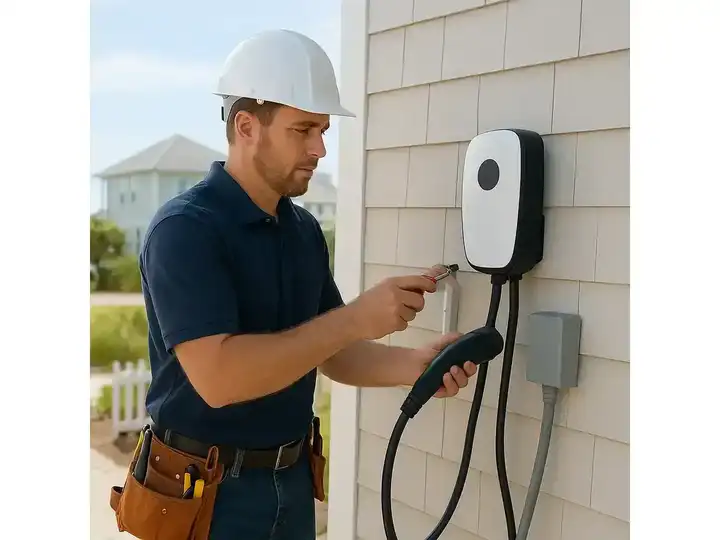
Electric vehicle ownership is growing fast in Seaside, and many local property owners are finding out that a charger is not just a plug on the wall. A safe EV charger installation depends on the condition of the panel, the size of the circuit, the grounding system, and the way the home handles added power demand. In a coastal town like Seaside, where salt air, storms, and older electrical systems can all play a role, a little planning goes a long way.
If you are comparing options for EV charger installation in Seaside, FL, the goal is not only convenience. The goal is to avoid emergency electrical calls later because the panel is overloaded, the breaker keeps tripping, or the wiring was not sized correctly for the charger. A careful installation protects the home, the vehicle, and the electrical system that supports everything else in the house.
Why EV charging puts new pressure on Seaside electrical systems
Many Seaside homes were built before electric vehicles became common. Even newer homes and remodels can have limited spare capacity if the property already supports heavy loads like central air, water heating, kitchen appliances, ceiling fans, lighting, and outdoor equipment. A Level 2 charger draws a steady load for hours at a time, which makes poor planning show up quickly.
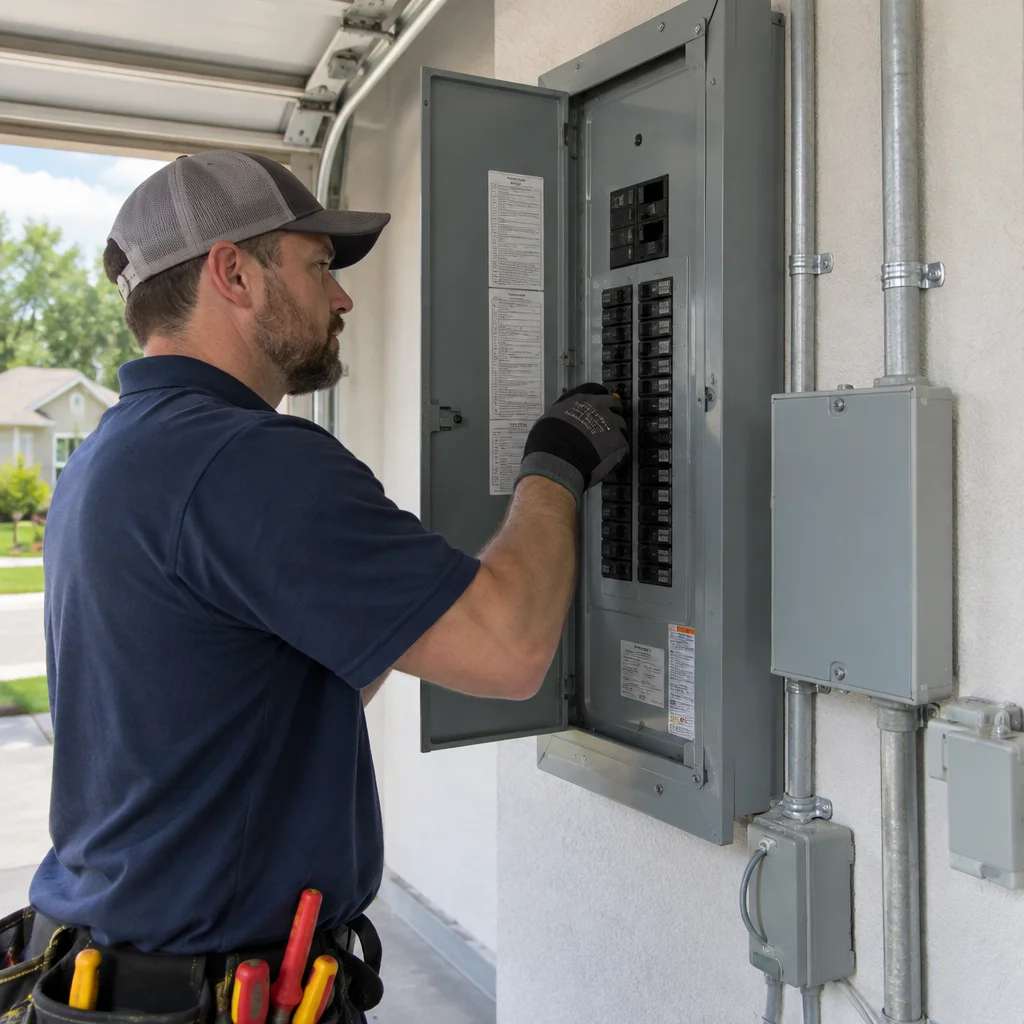
That is why homeowners searching for electrical panel upgrade near me often end up needing a charger assessment first. The panel may be full, undersized, or due for a correction before the charger can be added safely. In some cases, the issue is not the charger at all. It is a loose breaker, an aging bus bar, or a circuit that was never intended to support long charging sessions.
Coastal weather makes electrical planning more important
Seaside’s salt air and storm seasons can accelerate wear on outdoor electrical components. Corrosion can affect breaker connections, service equipment, outlets, and exterior conduit. After heavy rain or wind, even small weaknesses can become bigger problems. That is one reason local electrical service matters. A technician who works in Walton County understands how humidity, storm surge risk, and coastal exposure affect long term performance.
For properties in Seaside and across Walton County, a charger install should include a look at grounding, bonding, and outdoor protection. That may mean a new dedicated circuit, better surge protection, or a weather rated enclosure depending on the setup.
What causes emergency electrical calls after a charger is installed
Most emergency calls after EV charger work come from a few preventable issues. The first is an overloaded panel. If the charger was added without checking available capacity, the breaker may trip during charging or when other appliances start up. The second is improper wiring. A charger needs the correct wire size, the correct breaker, and the right installation method for the distance and load.
Another common issue is a poor connection at the breaker, receptacle, or junction box. Loose terminations create heat, and heat creates damage. Homeowners often notice flickering lights, a warm cover plate, or a breaker that will not stay set. If that happens, the problem may be bigger than the charger itself and could require circuit breaker repair near me or a broader electrical repair visit.
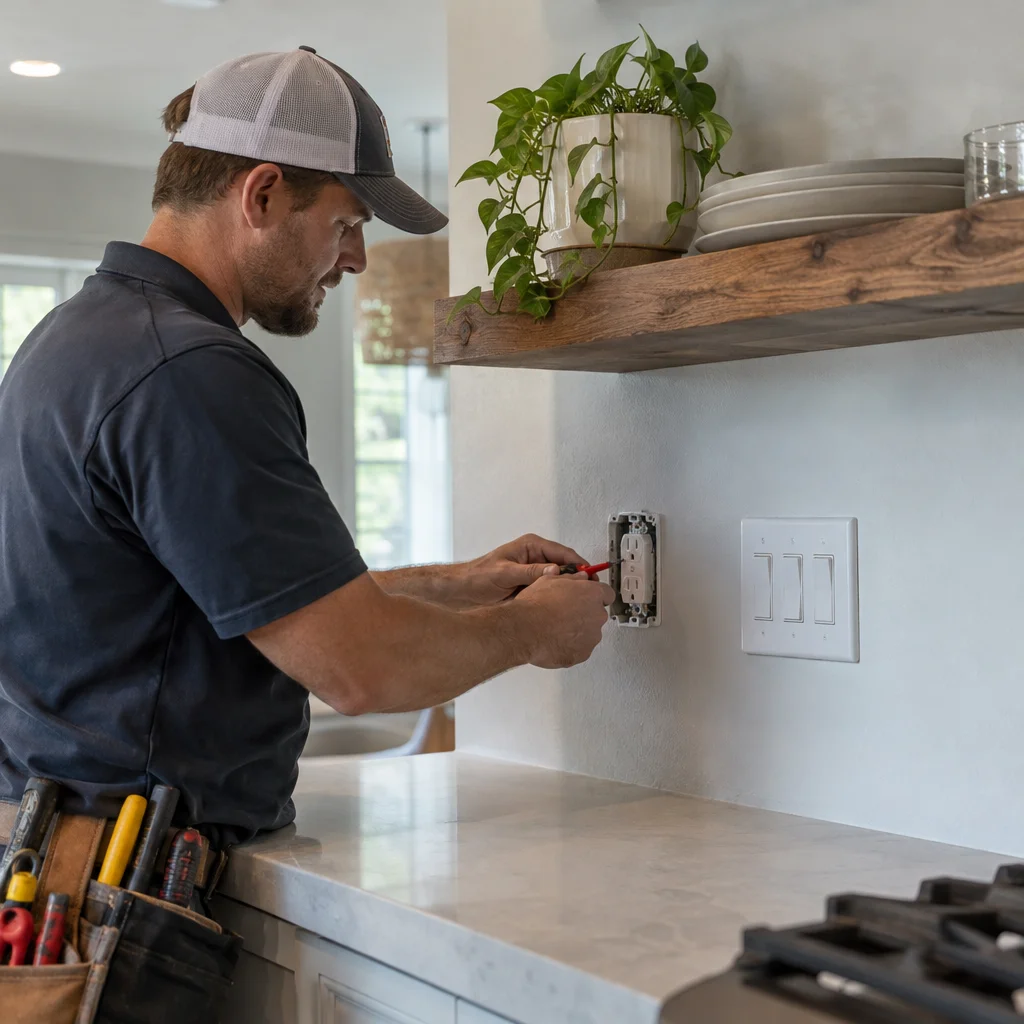
Some homes also need GFCI protection, updated outlets, or outlet replacement before the charger can be installed correctly. In garages, carports, and exterior parking areas, moisture exposure matters. A charger that is not protected the right way can become a recurring service issue instead of a reliable upgrade.
How to plan ahead and avoid urgent service calls
The easiest way to avoid a late night electrical problem is to treat charger installation like a system project, not a single device install. Start with a full inspection of the panel, the feeder, the grounding system, and the branch circuits already in use. That is especially important in older Seaside homes, vacation rentals with frequent turnover, and properties that have been remodeled over time.
A good installer will check whether the home needs a dedicated circuit, whether the panel has room for the new load, and whether any code corrections are needed before work begins. If the property has a detached garage, long run to the parking area, or outdoor mounting location, the wiring path should be planned to limit voltage drop and future damage from weather exposure.
Homeowners who are already dealing with outlet issues, breaker problems, or lighting faults should not ignore them before adding a charger. A search for outlet installation near me or gfci outlet repair near me may point to a simple fix, but it can also reveal a worn circuit that should be corrected before the EV charger goes in. The same is true if you have been noticing dimming lights, tripping breakers, or a buzzing panel.
Dedicated circuits help prevent overloads
EV chargers perform best on a dedicated circuit. That means the charger is the only major load on that breaker. It reduces nuisance trips and helps the system stay cool and stable during long charging cycles. For many homes, especially those with older service equipment, a dedicated circuit is the difference between a smooth installation and repeated service calls.
If the charger is for a rental property or a business, the need for a dedicated circuit becomes even more important. Shared loads and unpredictable use patterns can create problems fast. That is why property owners looking for a commercial electrician near me often need a residential style assessment first, then a custom charging plan that fits the building.
Older homes, newer homes, and remodels each need a different approach
In Seaside, the age and layout of the property matter. Older homes may still have limited panel space, aging breakers, or wiring that needs correction. Some may even have outdated systems that should be evaluated before any new high demand equipment is added. In those cases, homeowners sometimes discover that knob and tube wiring replacement near me is not a hypothetical search term but a real safety issue that needs attention before charger work can move forward.
Newer homes usually have more capacity, but that does not guarantee a simple install. Additions, hot tubs, upgraded kitchens, and outdoor lighting can use up available amperage faster than owners expect. A remodel may have left the panel organized but crowded, with too little room for another dedicated breaker. The same can happen after a garage conversion or a backyard project that added lighting, outlets, and fans.
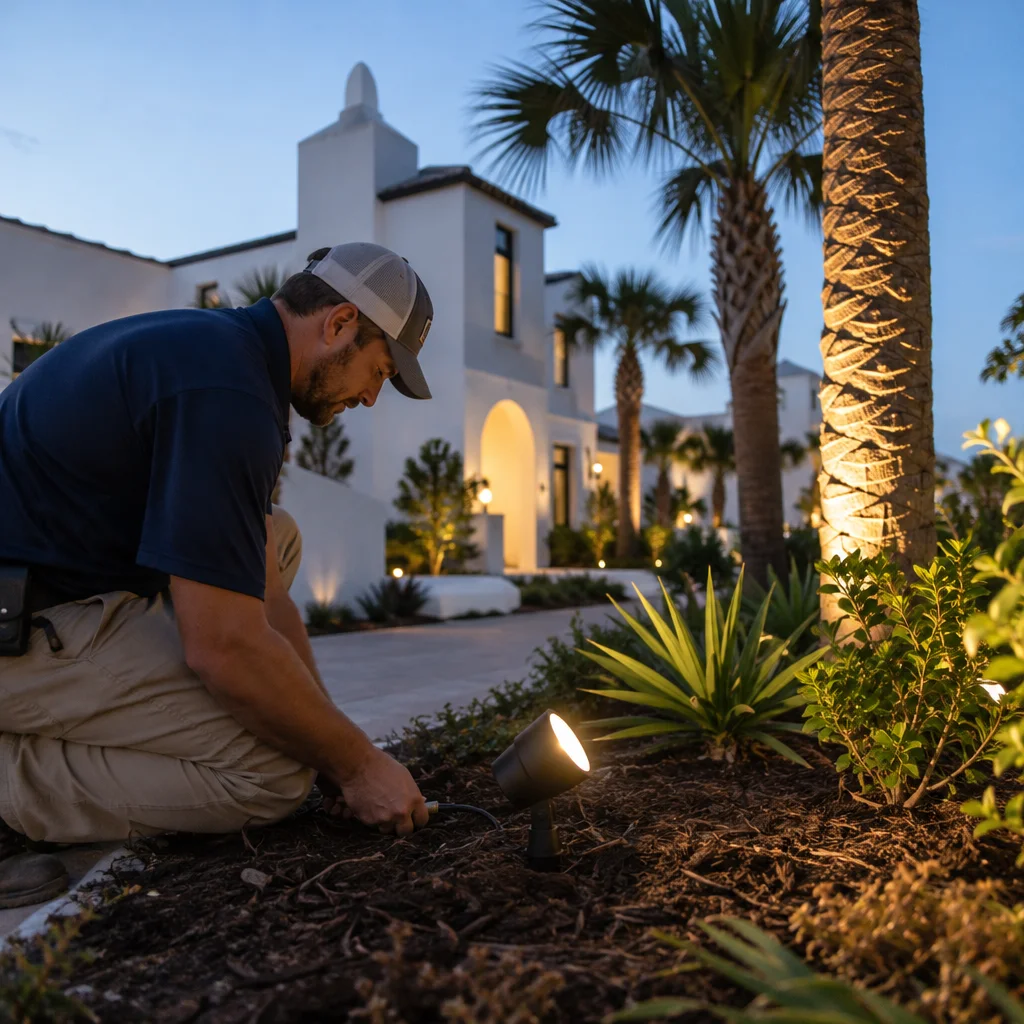
If a property is already getting other electrical improvements, it can be efficient to combine services. For example, a charger install may pair well with outdoor landscape lighting, home theater and AV wiring, or a safety focused visit for smoke detector installation near me and carbon monoxide detector installation near me. Coordinating these projects can reduce repeat visits and help the system stay organized.
Small warning signs that should not be ignored
Before a charger is installed, homeowners should pay attention to the electrical clues the house is already giving them. Breakers that trip under normal use, outlets that feel loose, switches that crackle, or lights that flicker when appliances turn on all suggest the system is under stress. If a charger is added on top of those issues, the problems may become harder to diagnose and more expensive to fix.
Warm outlets, scorched covers, or a burning smell near the panel are urgent concerns. So are repeated power losses that affect part of the house or a charger that stops mid cycle. In those situations, the safest move is to contact an emergency electrical services provider right away. A charger should never be used to test whether a failing breaker can hold on a little longer.
Sometimes the issue is found during a routine inspection. Other times it shows up after another upgrade, like lighting installation, ceiling fan replacement, or outlet repair. That is why homeowners searching for local electrician near me often need a broader service visit than they first expected.
How surge protection and grounding protect EV equipment
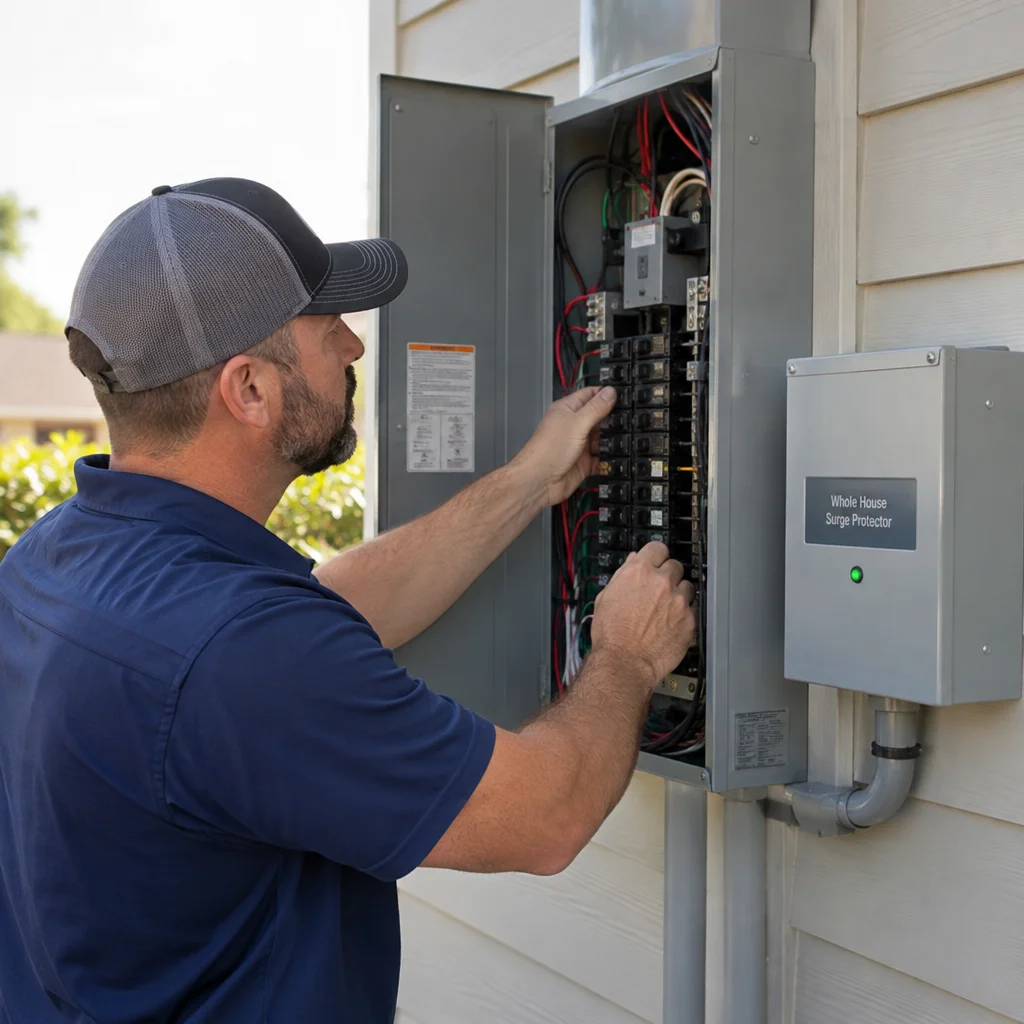
Seaside storms can create power spikes that damage sensitive electronics, including EV chargers and smart charging systems. Whole home surge protection helps reduce that risk. It can also protect appliances, thermostats, lighting controls, and even garage equipment. If the property already has a backup power plan, surge protection becomes even more important because transfer events and generator use can introduce additional electrical stress.
Grounding matters just as much. A properly grounded system gives electrical faults a safe path away from people and equipment. That is especially important for exterior chargers, metal conduit, and any installation exposed to coastal moisture. If grounding is weak or outdated, the charger may not perform as intended and the home may be more vulnerable during a fault or storm event.
For homeowners considering a backup plan too, standby generator installation near me and portable generator hookup near me are often part of the same conversation. A charger, a generator, and a panel all need to work together without creating unsafe overlap or overload conditions.
Choosing the right charger setup for your property
Not every EV owner needs the same charger. Some properties are best suited to a standard Level 2 wall unit. Others need a smart charger with scheduling features, load management, or app based monitoring. Tesla chargers and other brand specific equipment can be installed cleanly when the panel and circuit are prepared correctly.
In some cases, the best choice is a charger location that keeps the wiring run short and protected from the weather. In others, the install has to work around parking layout, vacation rental turnover, or shared access. If the property owner wants flexibility, a charger can be paired with future proofing so the electrical system can handle another upgrade later without a major overhaul.
For homeowners comparing options and looking for level 2 ev charger installation near me, the most important question is not just which charger to buy. It is whether the home can support it safely and consistently. That usually means a proper load calculation, a panel review, and a clear plan for any needed electrical repair or panel upgrade before the work starts.
Why local service helps avoid repeat problems
Electrical work in Seaside is not the same as electrical work in a dry inland market. Coastal air, storm exposure, vacation rental turnover, and older construction patterns all influence how fast parts wear and how often maintenance is needed. A local contractor understands those conditions and can recommend materials and installation methods that hold up better over time.
That local knowledge also helps with code compliance. Charger installations often involve permits, dedicated circuits, GFCI protection in the right locations, and proper clearances around service equipment. If the installation is rushed or done without considering local requirements, the owner may end up paying again later to correct it. That is the kind of avoidable cost that makes homeowners search for electrical financing when a project grows beyond the original budget.
Regular electrical maintenance can also prevent bigger surprises. An inspection can catch worn breakers, loose connections, outdated outlets, or panel issues before they interrupt charging or affect the rest of the home. If your property already has a few electrical concerns, it may be smart to address them at the same time as the charger install rather than waiting for a breakdown.
A practical path for Seaside property owners
For many homeowners, the best EV charger installation starts with a simple question: can the current electrical system handle the load safely? If the answer is yes, the project can move forward with a proper dedicated circuit, correct breaker sizing, and the right protection. If the answer is no, the panel or wiring can be corrected before the charger is installed.
That approach keeps the home safer and reduces the chance of emergency calls later. It also helps protect other important systems in the house, from lighting and ceiling fans to outlets, smoke detectors, and backup power equipment. Whether the property is a full time residence, a vacation rental, or a small business space, the electrical system should be ready for the load before the charger is energized.
A Superior Mechanical helps Seaside property owners plan EV charger projects that fit the home, the panel, and the realities of coastal living. If your charger install needs a panel check, a circuit upgrade, or a repair before the work can begin, getting it done the right way now is usually simpler than dealing with an outage or an emergency call later.
Find EV Charger Installation in Seaside, FL
If you need EV Charger Installation in Seaside, FL, visit our local service page or contact A Superior Mechanical today.
Map of Seaside, FL
Frequently Asked Questions
Do I need a panel upgrade before EV charger installation in Seaside, FL?
Not always, but many homes do need a panel review before a Level 2 charger is installed. The electrician will check available capacity, breaker space, grounding, and the condition of the existing service equipment.
Why does my EV charger keep tripping the breaker?
Frequent tripping can point to an overloaded circuit, an undersized breaker, loose wiring, or a charger that was not installed on a dedicated circuit. It can also indicate a panel issue that needs professional repair.
Can a charger be installed in an older Seaside home?
Yes, but older homes often need updates first. That may include panel corrections, new wiring, grounding improvements, GFCI protection, or outlet repair before the charger can be added safely.
How does coastal weather affect EV charger installation?
Salt air, humidity, and storms can wear down outdoor electrical parts faster. Proper weather rated materials, secure conduit, surge protection, and correct grounding help the charger last longer in Seaside conditions.
Related Articles
Photo Gallery