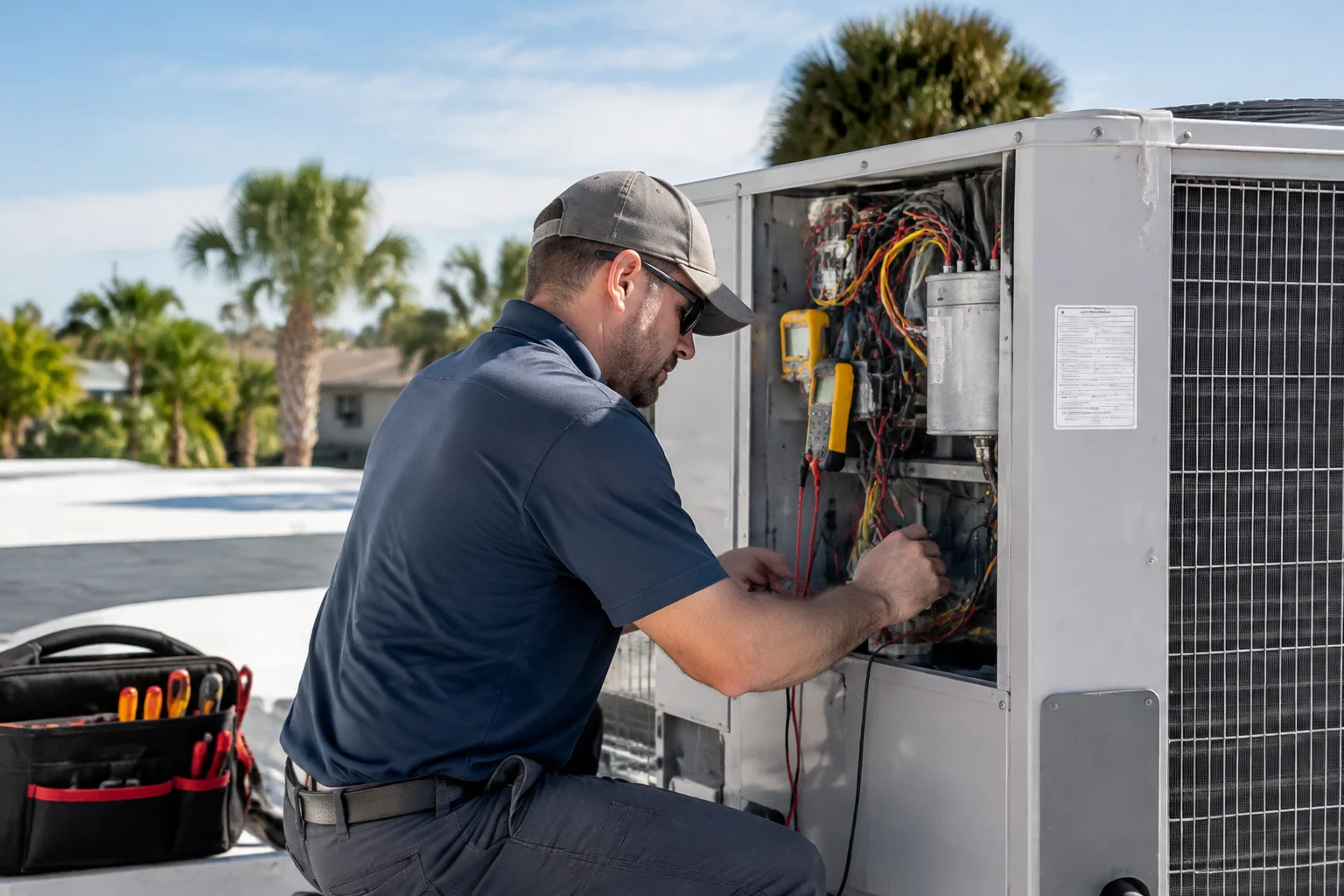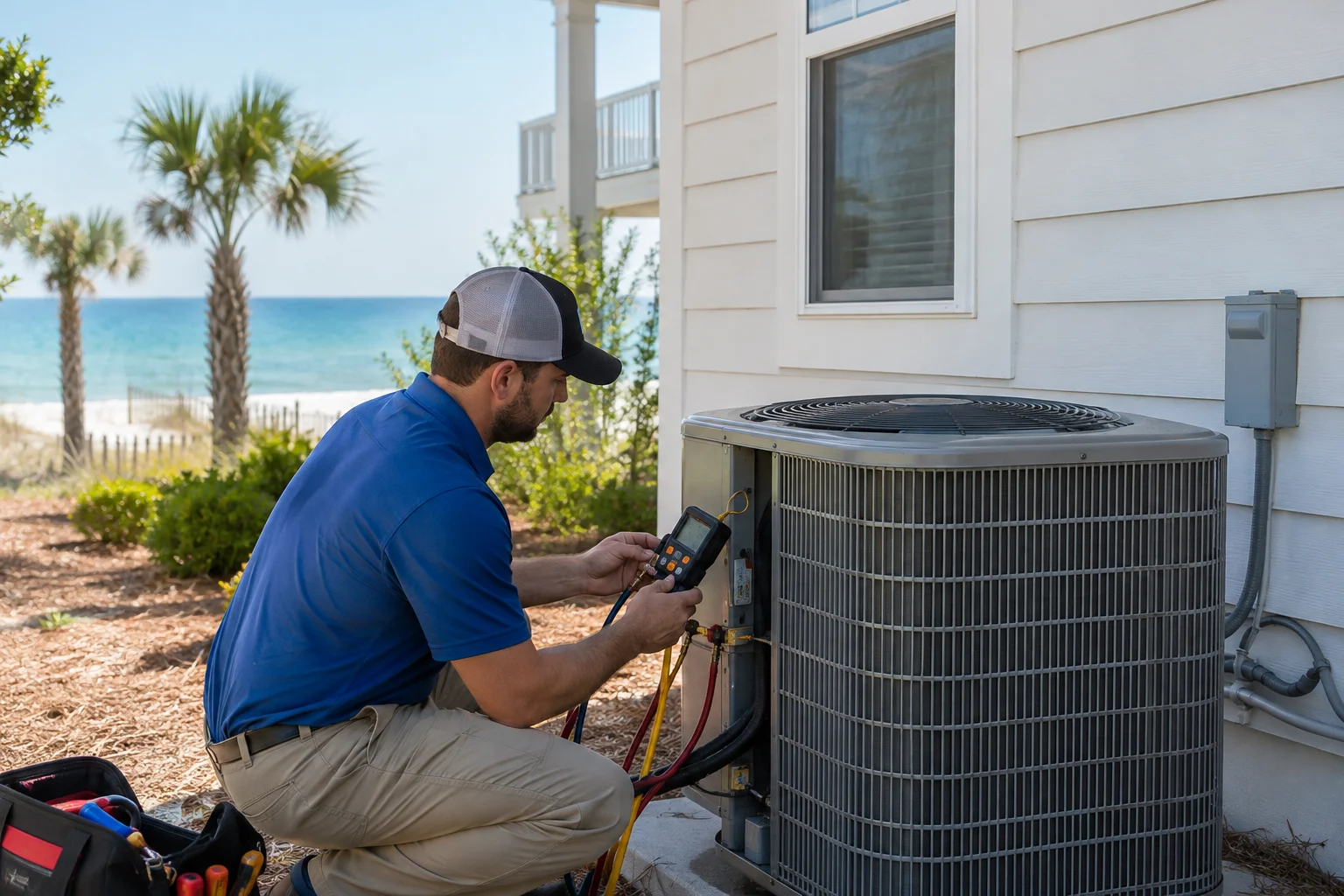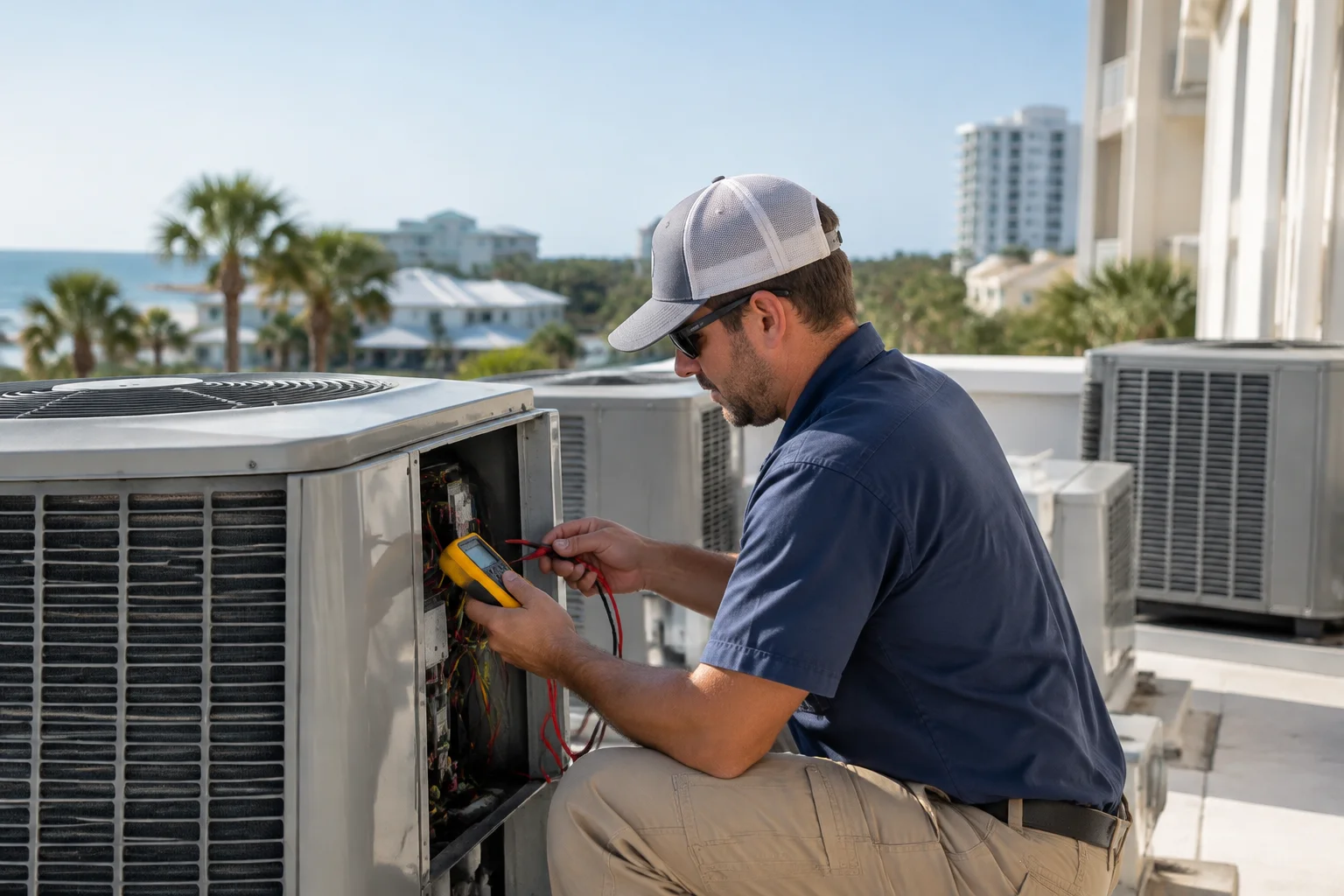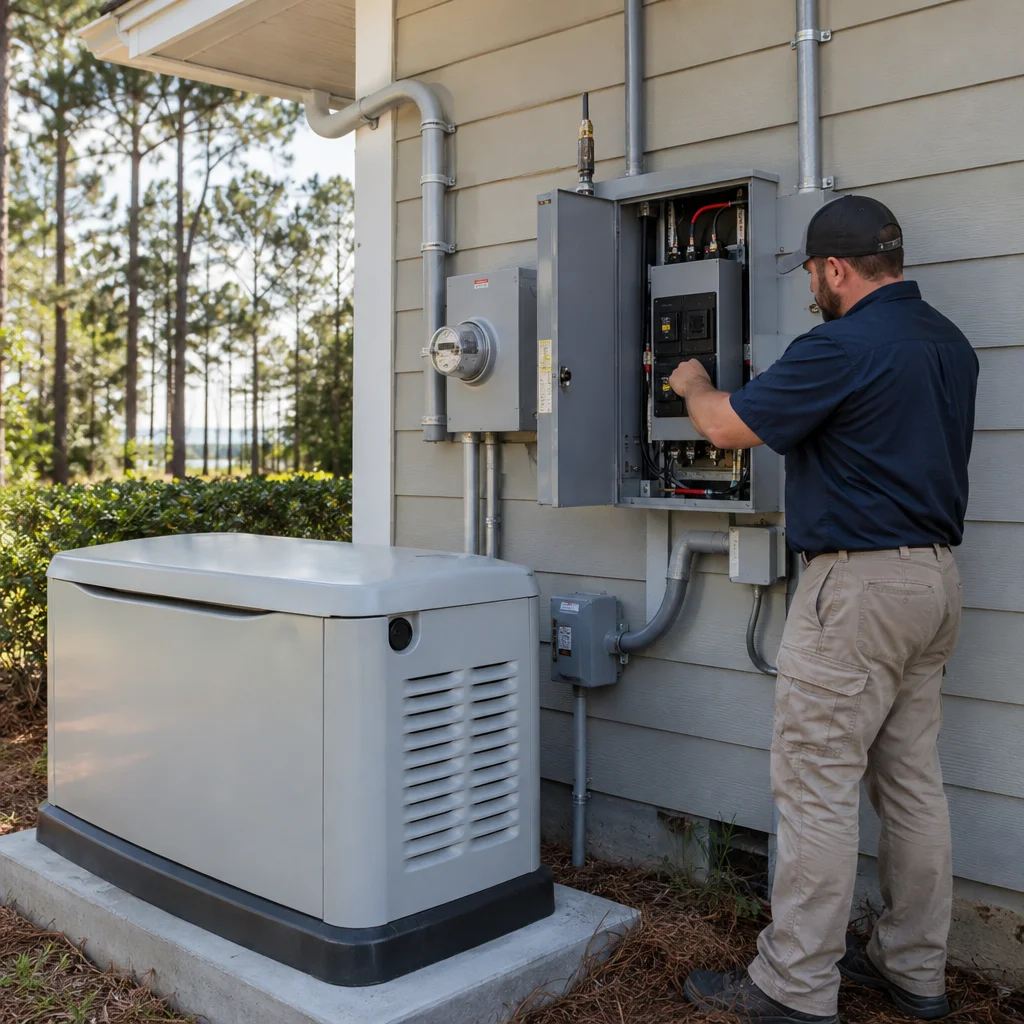
Fort Walton Beach families rely on steady indoor comfort, whether the weather calls for gentle heating or a quick recovery when temperatures swing. Heating control systems are the brain of that comfort. When controls fail or drift out of sync, homeowners often notice uneven temperatures, short cycling, higher energy use, or indoor air quality problems. The good news is that many issues can be prevented with the right habits and professional HVAC maintenance.
If you are searching for HVAC service in Fort Walton Beach, FL because your system feels “off,” it is worth looking beyond the furnace or heat pump itself. Thermostats, zoning controls, and the way your system manages airflow and refrigerant operation can make the difference between dependable heat and repeated repairs.
Why heating control systems struggle in Fort Walton Beach’s coastal climate
Local conditions matter. Fort Walton Beach sits in a humid, salt air environment where indoor moisture and outdoor corrosion risk can both affect HVAC performance. Even when your heating equipment is functioning normally, the controls that manage comfort can be pushed out of their ideal operating range.
Humidity affects comfort and control behavior
In Florida heat and humidity, indoor humidity can rise quickly, especially in homes with older ductwork, leaky returns, or rooms that do not get consistent airflow. When humidity is high, thermostats may call for heating or cooling more frequently than expected. That can lead to short heating cycles, temperature swings, and a system that seems to run “more than it should.”
Salt air and corrosion can impact sensors and connections
Salt air does not directly “break” thermostats, but it can contribute to corrosion on electrical contacts and nearby components. Over time, that can cause sensor drift or unreliable communication between the thermostat, control board, and zoning equipment. These problems often show up as delayed responses, intermittent temperature readings, or zones that never seem to reach the setpoint.
Airflow problems can make controls look like the culprit
Heating control systems are designed to work with stable airflow. If filters are restricted, return vents are blocked, or ductwork has imbalances, the system may not deliver the expected temperature at the thermostat. Then the controls “keep trying,” which can increase wear on refrigerant systems and fans. Homeowners may blame the thermostat when the real issue is airflow and duct performance.
Common heating control problems Fort Walton Beach homeowners notice first
Most heating control issues do not start with a total system failure. They start with comfort complaints that slowly escalate. Knowing what to look for can help you address problems early, before emergency cooling concerns happen during a hot spell.
Temperature swings and rooms that never match the thermostat
If the main thermostat reads 72°F but bedrooms feel cooler or warmer, the problem may be ductwork imbalance, zoning control settings, or sensor placement. In homes with zoning, a zone that repeatedly calls without satisfying can lead to frequent cycling and uneven comfort.
Short cycling during heating or heat pump operation
Short cycling is when the system turns on and off more quickly than it should. It can happen when the thermostat is set to a mode that does not match the system, when airflow is restricted, or when the control strategy is not tuned for your duct layout. Short cycling increases energy use and can strain components in the refrigerant system.
Delayed response to temperature changes
Some thermostats and zoning controllers have adaptive algorithms. If the system is struggling to deliver the requested temperature, those algorithms can “learn” incorrectly. The result is delayed comfort recovery, which feels like poor heating performance even when the equipment is operating.
Humidity feels wrong even when temperatures seem close
Heating control systems do more than manage temperature setpoints. They influence how the system runs and how indoor humidity responds. When humidity does not track with comfort, homeowners often notice sticky air, condensation on windows, or a musty smell. Those symptoms can overlap with indoor air quality issues and may involve condensate drainage performance, airflow balance, and filtration.
Control errors, lockouts, or “mystery” resets
If your thermostat screen shows error messages, resets unexpectedly, or loses settings after storms or power fluctuations, do not assume it is just a battery issue. Moisture exposure, wiring issues, or communication problems between the thermostat and heating control board can be involved. A professional HVAC contractor can verify the system’s configuration safely.
Preventive maintenance that protects thermostats, zoning, and heating controls
Preventive HVAC maintenance is not only about cleaning and checking the equipment. For families in Fort Walton Beach, it also means keeping the control system aligned with how your home actually heats and moves air.
Use the thermostat like a comfort system, not a guesswork tool
Start with simple habits:
Place the thermostat away from direct sun, exterior doors, and supply vents. Coastal homes can get intense afternoon light that warms the sensor location.
Keep doors open to rooms that are supposed to be comfortable. Closed doors can change airflow patterns and confuse zoning behavior.
Avoid frequent manual overrides unless you are troubleshooting. Constant setpoint changes can cause unnecessary cycling and make it harder to identify what is actually wrong.
Check filters and airflow paths on a routine schedule
A clogged filter or blocked return can make a heating control system “think” the temperature is not satisfied. That can increase energy use and contribute to wear. Homeowners should inspect filters regularly and replace them according to the schedule recommended for their system and indoor air quality goals.
If you have household members with allergies, pets, or higher dust loads, consider pairing heating control optimization with air filtration and purifiers. Better filtration supports indoor air quality services near you and helps airflow stay consistent.
Keep condensate drainage in mind when controls manage humidity
Many heat pump and cooling cycles involve condensate drainage. Even during heating seasons, humidity management can affect how the system runs. If condensate drainage is restricted or improperly maintained, moisture can build around indoor components. That moisture can affect sensor readings and control reliability.
Do not attempt to diagnose condensate issues without inspecting the system. A local technician can check drainage performance and confirm that moisture is not interfering with control operation.
Verify zoning settings match your home layout
Zoning can be a great solution for families who need different comfort levels across floors or wings. But zoning systems require correct configuration. If zone dampers or airflow targets are not aligned with your ductwork, the control system may keep calling for heating longer than necessary.
During preventive HVAC maintenance, a technician can review zoning behavior, thermostat settings, and airflow balance. That is also a good time to discuss whether your home would benefit from updated controls or a more consistent zoning strategy.
Schedule an AC tune up and heating control review together
Homeowners often schedule seasonal service only when something breaks. In Fort Walton Beach, humidity and heat can reveal control and airflow problems quickly. When you book an AC tune up or seasonal inspection, ask the technician to also evaluate heating control operation, thermostat communication, and airflow performance.
This approach helps prevent the kind of problem that starts as “the thermostat seems wrong” and becomes a bigger issue like duct repair needs or repeated cycling.
How to spot thermostat and control issues early
Small changes can signal a control system problem. When you catch them early, you can prevent comfort complaints from turning into system downtime.
Track patterns, not just one-off problems
Write down what happens and when:
Does the issue happen mostly in the afternoon when sunlight is strongest?
Do certain rooms always lag behind the thermostat setpoint?
Does the system cycle more often during high humidity days?
Do you notice delayed response after thermostat updates or power interruptions?
Those details help a local HVAC contractor evaluate whether the problem is thermostat placement, zoning settings, ductwork performance, or control strategy.
Look for airflow mismatches that controls cannot fix
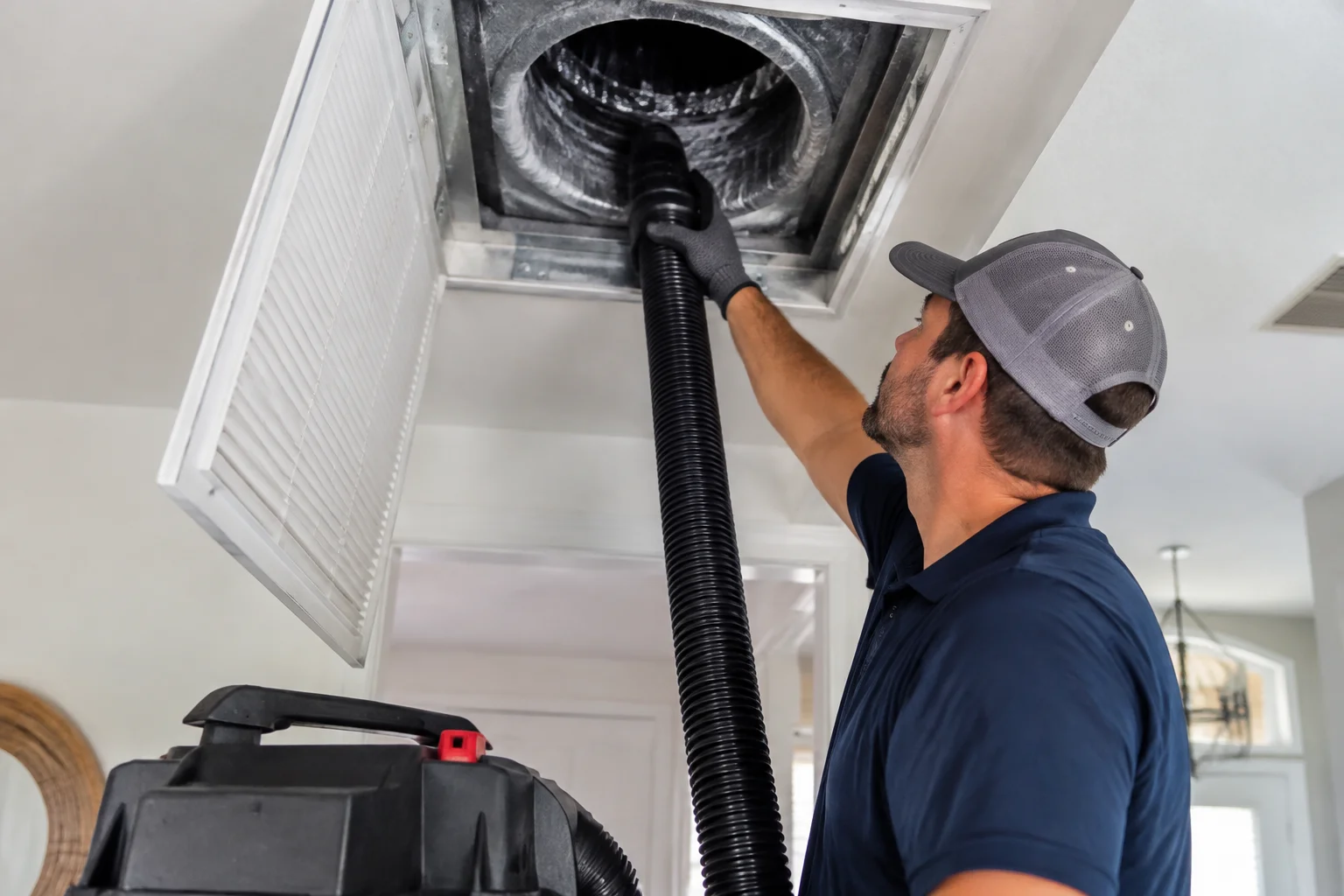
If you feel weak supply airflow at registers, or return vents seem noisy or blocked, the control system may be doing its job while the system cannot deliver. That is where duct inspection near me and duct inspection by a professional matters. When airflow is correct, heating controls can maintain comfort more reliably.
For homeowners who want to understand the bigger picture, it can help to read What Fort Walton Beach Homes Can Learn From Commercial HVAC Maintenance. Commercial maintenance practices often highlight how airflow and controls should be checked consistently.
Energy use and comfort: how heating controls influence both
Heating control systems can increase energy use when they are not operating in harmony with your ductwork and airflow. For Fort Walton Beach families, that can feel like uncomfortable temperatures and higher utility bills, especially during long stretches of humid weather.
Some control related behaviors that can raise energy use include:
Frequent calls for heating due to sensor drift or incorrect thermostat location
Short cycling triggered by airflow restrictions
Zoning that repeatedly tries to satisfy a zone that cannot reach setpoint due to duct imbalance
Control settings that do not match how your system is configured
A Superior Mechanical focuses on heating control systems optimization for local homes and businesses across Okaloosa County. If you are considering HVAC replacement near me or planning a system upgrade, it is smart to include control system planning early so your comfort strategy does not rely on trial and error after installation.
When professional help is the safer choice
Some homeowners try to “fix” heating control problems by resetting the thermostat repeatedly or changing settings without understanding the system’s configuration. That can make it harder to diagnose the real cause. When comfort issues persist, professional evaluation is the safest route.
Call a local HVAC contractor if you see control lockouts or repeated cycling
If the system repeatedly turns on and off, shows error codes, or behaves unpredictably after thermostat changes, do not keep experimenting. A qualified technician can inspect the system configuration, verify control communication, and confirm whether airflow, ductwork performance, or humidity management is contributing.
Do not attempt refrigerant or wiring guesses
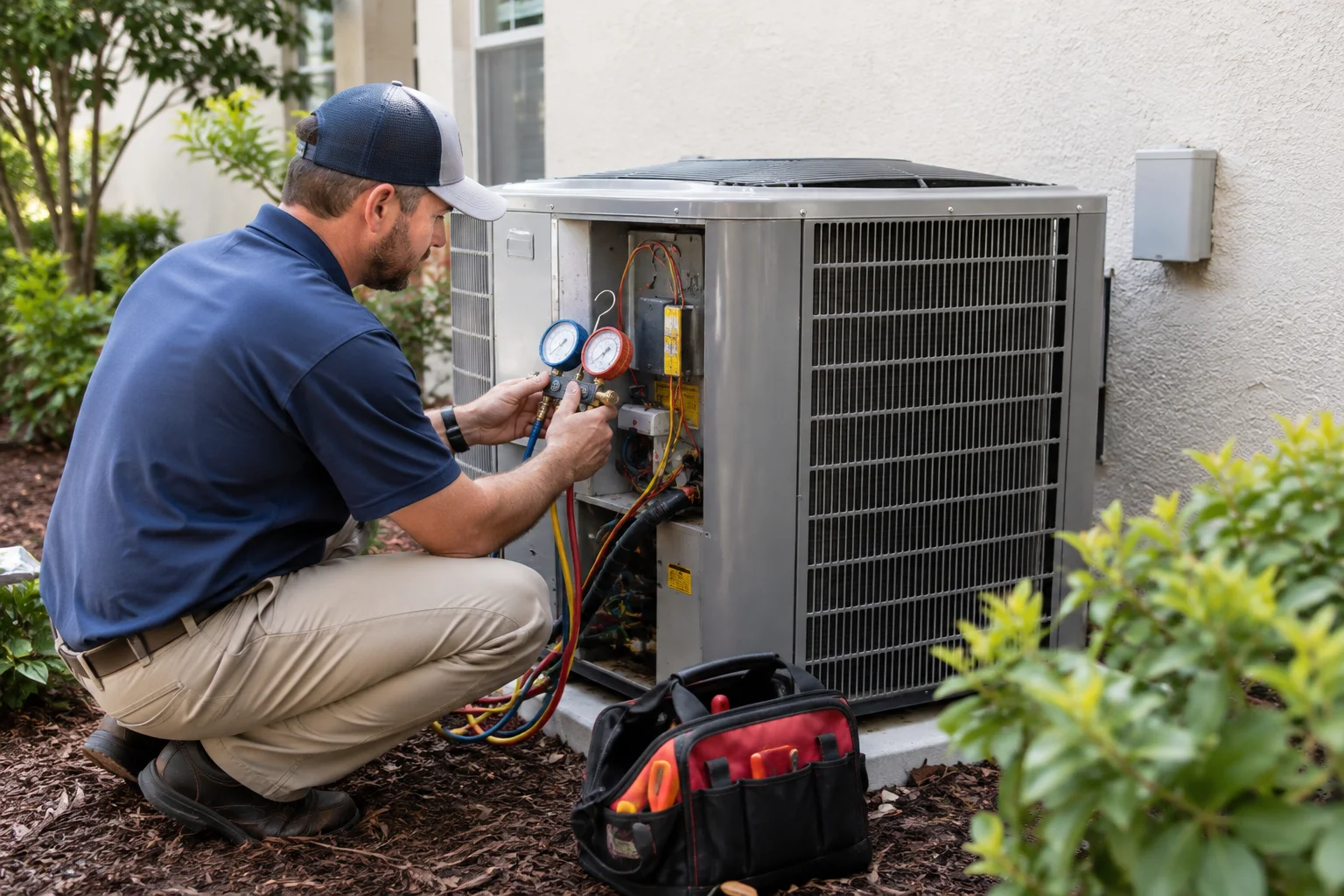
Heating control problems can sometimes be linked to refrigerant systems performance, but it is not appropriate for homeowners to attempt refrigerant diagnosis. Likewise, electrical diagnosis and wiring changes can be risky. Professional HVAC service is designed to evaluate the full system safely and accurately.
Plan before the hottest days for families who cannot wait
In Fort Walton Beach, emergency cooling concerns can become urgent when equipment is already struggling. Even if your immediate issue looks like heating control behavior, persistent airflow or control problems can reduce system reliability. If comfort problems are escalating, it is better to schedule service before a heat spike forces an emergency call.
If you are weighing urgency, you may also want to read Fort Walton Beach Homeowners and the HVAC Problems That Can’t Wait to understand which issues tend to grow.
Upgrades that improve control performance in Okaloosa County homes
When a home has uneven comfort, frequent cycling, or inconsistent humidity, upgrades to heating control systems can help. The key is matching the control approach to your home’s airflow and comfort needs.
Smart thermostats and heating control optimization
Smart thermostats can improve scheduling, remote monitoring, and comfort consistency. But the thermostat must be configured correctly for your heating equipment and installed in a location that matches its sensor design. If you are searching for thermostat installation near me, choose a local HVAC contractor who can verify compatibility and configure settings properly.
Zoning systems for multi-room comfort
Zoning can be a strong solution for families with hot upstairs bedrooms, cold hallways, or rooms over garages. However, zoning requires careful balancing. If the ductwork layout is not accounted for, zoning can worsen temperature swings. A professional evaluation helps determine whether zoning dampers, airflow targets, and thermostat settings will work together.
Heat pump controls and ductwork considerations
In coastal Florida, heat pumps and ducted systems are common. Control behavior depends on how the system manages airflow and how the ductwork delivers heat. If supply and return air paths are not balanced, even well configured controls can struggle. For some homes, duct inspection near me or duct repair near me can be part of improving overall comfort.
How A Superior Mechanical helps Fort Walton Beach homeowners
A Superior Mechanical provides heating control system installation, repair, and upgrades in Fort Walton Beach, FL. That includes smart thermostats, zoning systems, and heat pump controls, along with guidance on how to keep indoor comfort stable through Florida heat, humidity, and salt air conditions.
If you want to focus specifically on the control side of your HVAC system, you can explore Heating Control Systems in Fort Walton Beach. For broader service options across the area, visit Fort Walton Beach HVAC Service and Okaloosa County HVAC Services.
Homeowners who want to extend equipment life can also benefit from pairing control optimization with ongoing maintenance, like Getting More Life Out of Heating Control Systems in Fort Walton Beach Homes. That kind of planning helps reduce the chance that small control issues become bigger comfort problems later.
For families also thinking about indoor air quality, consider pairing control improvements with indoor air quality testing. When filtration, airflow, and control strategies align, the home feels better and the system can operate more predictably.
If your home is considering a broader HVAC change, it can help to compare options for Heating Services and air conditioning support as comfort demands shift through the year. Some homeowners also explore ductless mini split installation near me when they need additional zoning without major ductwork changes.
Practical checklist for families preparing for HVAC service
Before a technician arrives, gather a few details. This helps your HVAC contractor evaluate heating control systems faster and more accurately.
Thermostat model and whether it is smart or standard
Any recent changes, including firmware updates, thermostat replacement, or zoning adjustments
Comfort symptoms and when they happen, including humidity related issues
Filter type and last change date
Any noticeable airflow concerns, such as weak supply air or blocked returns
Whether the system shows error codes or has reset unexpectedly
This preparation can make the service visit more productive, especially when the goal is to prevent recurring problems with heating controls, airflow, and indoor comfort.
Find Heating Control Systems in Fort Walton Beach, FL
If you need Heating Control Systems in Fort Walton Beach, FL, visit our local service page or contact A Superior Mechanical today.
Map of Fort Walton Beach, FL
Frequently Asked Questions
How do I know if my thermostat is causing uneven heating in my Fort Walton Beach home?
Start by checking whether the issue is consistent across days and rooms. If the main thermostat reads correctly but certain areas never match, the cause is often airflow, ductwork balance, or zoning settings. A professional HVAC contractor can evaluate thermostat placement, sensor behavior, and system airflow so you do not guess.
Can humidity in Fort Walton Beach affect heating control system performance?
Yes. High humidity can influence comfort and how often the system runs, especially when the home has airflow or filtration limitations. When indoor moisture is not managed well, controls may respond more frequently, leading to temperature swings and higher energy use.
What maintenance helps prevent heating control problems during the Florida heat season?
Replace filters as scheduled, keep return vents clear, and make sure thermostat locations avoid direct sun or drafts. Schedule seasonal preventive HVAC maintenance so technicians can review airflow, zoning behavior, and control operation before a breakdown becomes urgent.
Is it safe for homeowners to reset the HVAC controls or change settings to fix cycling?
Occasional thermostat resets may restore normal operation, but repeated changes can make diagnosis harder. If you see repeated short cycling, error codes, or lockouts, it is best to have a local HVAC professional inspect the system configuration and airflow performance in person.
What should I ask about heating control systems when booking HVAC service in Fort Walton Beach?
Ask whether your technician will review thermostat and zoning configuration, check airflow and duct performance, and confirm that humidity management and condensate drainage are operating properly. If you are considering upgrades, ask about compatibility with your current heating equipment and how the system will be configured for your home.
Related Articles
- Getting More Life Out of Heating Control Systems in Fort Walton Beach Homes
- What Fort Walton Beach Homes Can Learn From Commercial HVAC Maintenance
- Commercial HVAC Repair in Fort Walton Beach: What Property Owners Should Pay Attention To Before Small Problems Grow
- Fort Walton Beach Homeowners and the HVAC Problems That Can’t Wait
Photo Gallery