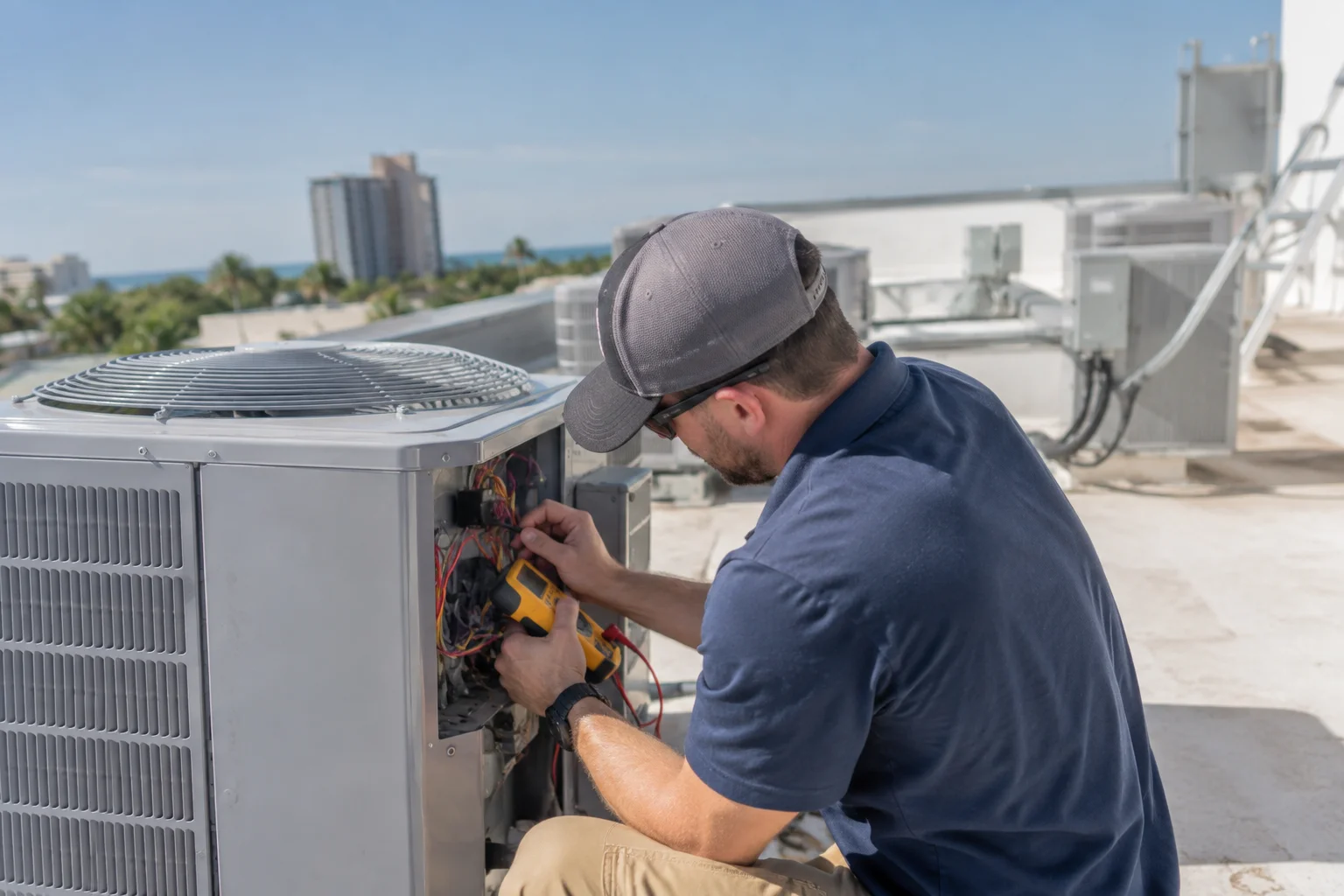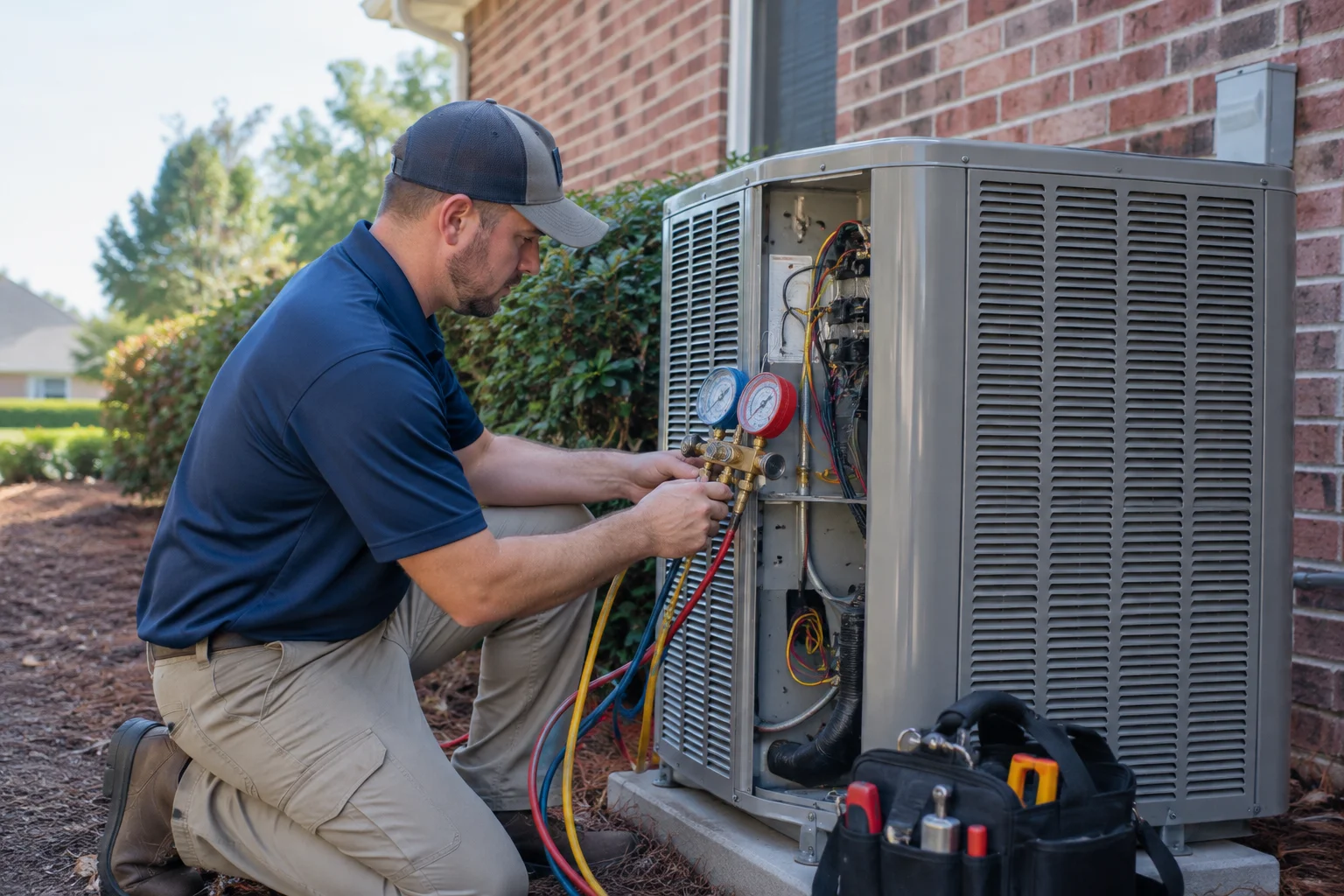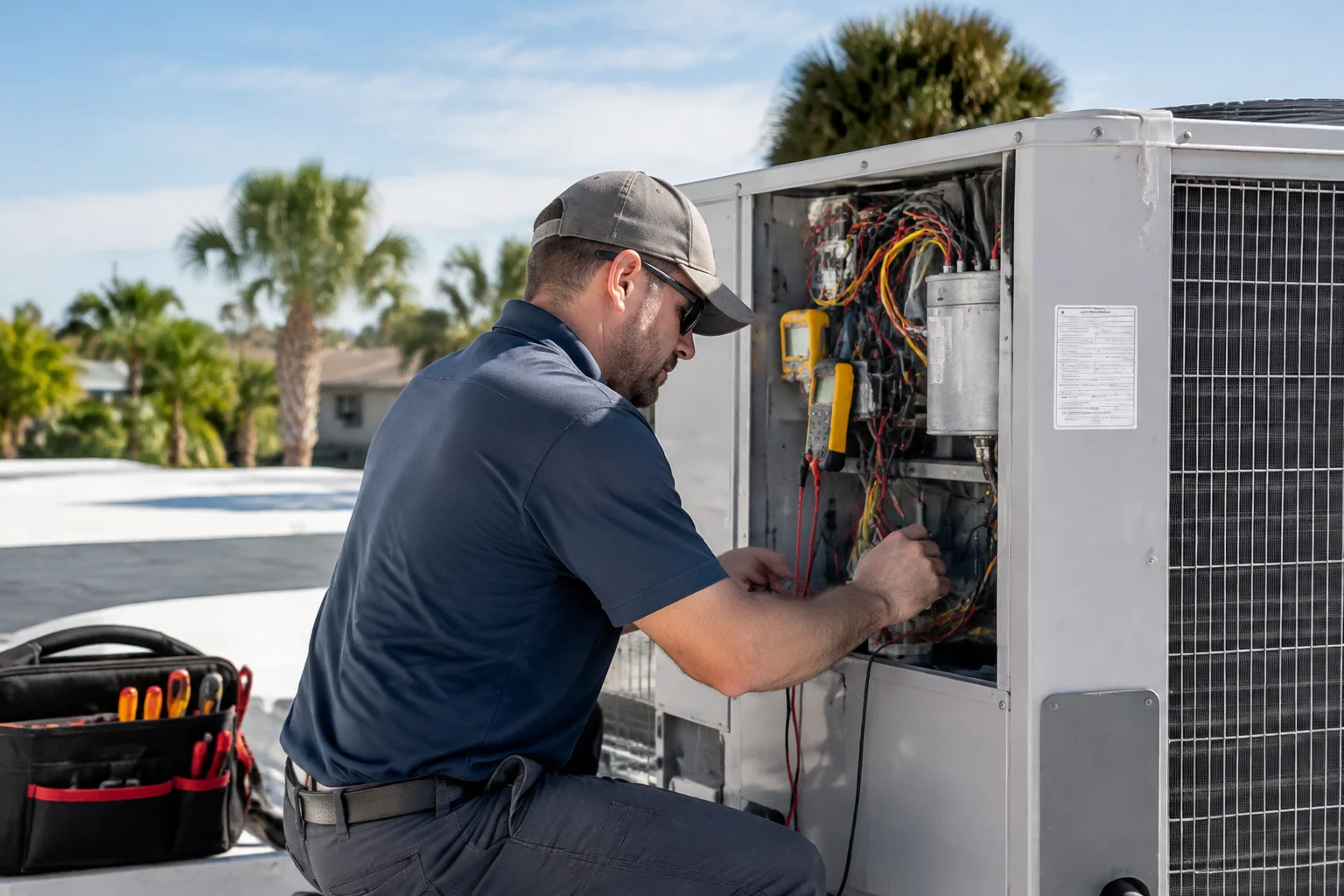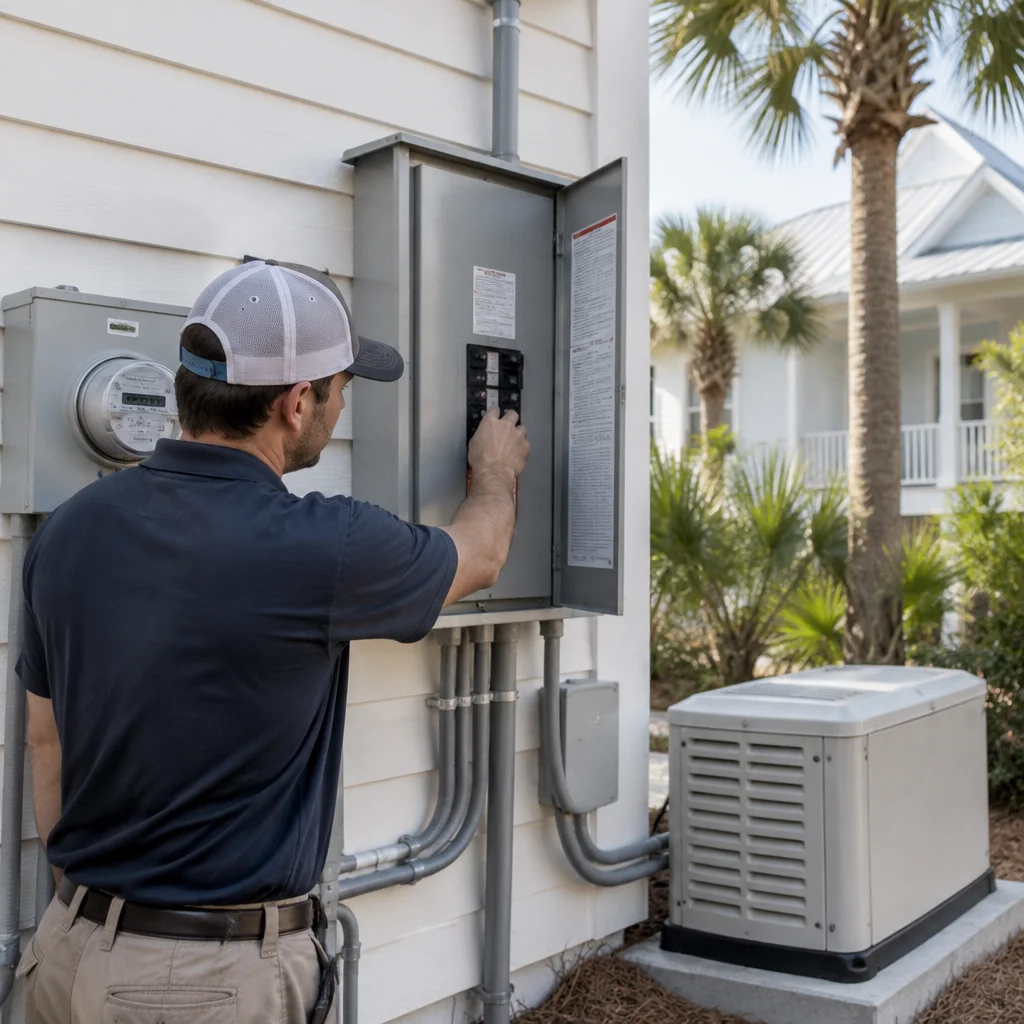
Valparaiso homes feel the Coastal Florida swing between warm, humid days and cooler nights. That makes your heating control system more than a convenience. When thermostats, zoning controls, and airflow paths drift out of sync, homeowners can see uneven temperatures, comfort complaints, and higher energy use. More importantly, control issues can turn into emergency cooling concerns when the system cannot respond correctly during sudden weather shifts.
This guide focuses on how local homeowners can prevent problems with heating control systems in Valparaiso, FL, with practical maintenance habits and clear signs that it is time to call a professional HVAC team like A Superior Mechanical.
Why coastal conditions in Valparaiso can stress heating controls
Heating control systems rely on stable communication and predictable HVAC operation. In coastal Okaloosa County, a few environmental factors can make that harder:
Humidity and temperature swings
Florida humidity is not just uncomfortable. It can influence indoor air quality, encourage condensation where it should not form, and affect how the air handler and ductwork behave. When airflow is restricted or condensate drainage is slow, controls may respond to symptoms that are actually airflow or moisture related.
Salt air and corrosion risk
Salt carried by coastal winds can accelerate corrosion on HVAC components over time. Controls and sensor connections can also be affected indirectly when corrosion changes how the system operates. Even if a thermostat looks fine, the system may not receive consistent readings from sensors or may not deliver the airflow pattern the thermostat expects.
Airflow is the foundation of “good control”
Thermostats and zoning systems do not heat or cool. They tell the HVAC system what to do. If ductwork is leaky, filters are overdue, registers are blocked, or dampers are sticking, the system may run longer than necessary or cycle strangely. Homeowners often interpret that as a thermostat problem, but the root cause is frequently airflow and distribution.
Start with the thermostat settings you can control
A heating control system works best when it is configured for how you actually live. Small changes can reduce stress on the system and limit comfort swings.
Use sensible temperature scheduling
If you frequently jump from a cooler overnight setpoint to a much higher daytime setpoint, the system may chase the target, especially when humidity is high. Consider gradual scheduling. This helps the HVAC system maintain steadier operation and reduces the chance that the control system will appear “confused” by rapid changes.
Confirm the thermostat mode matches the season
Valparaiso weather can shift quickly. Make sure your thermostat is in the right mode for heating or cooling. If you are unsure how your heat pump or system is configured, rely on an installation and setup visit so the controls behave as intended.
Check fan settings for steady comfort
Fan schedules can affect humidity control and comfort. If the fan is set to run only during heating cycles, some homes may feel uneven. If the fan runs constantly, it can increase airflow through ductwork that may have leaks. A professional can help you choose a fan behavior that supports indoor air quality and comfort without overworking the system.
Look for the most common heating control problems in Valparaiso homes
Many heating control issues show up as comfort complaints first. Here are practical signs homeowners can watch for, along with likely causes that HVAC professionals typically evaluate.
Short cycling or frequent starts
If the system turns on and off rapidly, controls may be receiving readings that do not match what the system is delivering. Airflow restrictions, dirty components, or issues with dampers can all contribute. When short cycling happens, it can increase wear and raise energy use.
Uneven temperatures room to room
Zoned systems can help, but only when dampers open and close correctly and the airflow path is balanced. If one area stays too warm or too cool, the problem might be a stuck damper, an airflow imbalance, or ductwork issues. That is why heating control systems matter is not just about automation, it is about consistent comfort.
Thermostat says it is heating, but the home does not warm up
That symptom can come from airflow problems, refrigerant system performance concerns, or condensate drainage issues that interfere with operation. A thermostat can only request heating. It cannot correct a mechanical problem. A professional HVAC inspection is the right next step before you assume it is the thermostat.
Condensation near registers or on air handler surfaces
When condensate drainage is slow or blocked, moisture can collect and create secondary issues. Even if heating control seems unrelated, moisture can affect sensors, contribute to indoor air quality concerns, and create conditions that make airflow performance unpredictable. Moisture management is part of reliable HVAC control behavior.
Control “lag” or unexpected temperature changes
Wi-Fi thermostats and remote sensors can experience communication issues. Sometimes it is the device, sometimes it is the HVAC control wiring, and sometimes it is the mechanical response of the system. If the thermostat is slow to react or settings appear to change on their own, schedule an HVAC service visit rather than repeatedly reconfiguring the system.
Preventive maintenance that protects heating controls and comfort
Preventive HVAC maintenance is not just about keeping the air conditioner running. It supports heating control performance too, because controls depend on airflow, sensor stability, and consistent system operation.
Replace filters on schedule and avoid airflow restrictions
A clogged filter can reduce airflow and cause the HVAC system to work harder. That can lead to control symptoms like temperature overshoot, longer run times, or uneven comfort. Choose a filter that matches your system recommendations and change it before it becomes restrictive.
Keep vents and returns clear
Furniture, curtains, and storage can block airflow. In a zoned home, blocked registers can create localized pressure differences that make dampers work harder than they should. Make sure supply registers and return paths are not obstructed.
Schedule duct inspection when comfort problems persist
Leaky or poorly balanced ductwork can make the thermostat’s commands feel inaccurate. Homeowners searching for duct inspection near me are often looking for answers to uneven heating or cooling. Ductwork evaluation can identify air leaks, airflow restrictions, or distribution problems that cause the control system to overcompensate.
Check condensate drainage and moisture control during seasonal changes
During humid stretches, condensate drainage performance matters. If drainage is slow, water can back up or create problems that affect airflow and indoor air quality. A professional technician can verify drainage paths and look for signs of blockage or buildup.
Have indoor air quality reviewed as part of HVAC maintenance
Heating control systems can appear to “fail” when indoor air quality is poor. If you notice more dust, lingering odors, or discomfort that seems tied to HVAC operation, ask about filtration and humidity-aware operation. Local indoor air quality services near me can help you address the comfort side of HVAC control, not just temperature.
Smart thermostats and zoning: benefits and common pitfalls
Many Valparaiso homeowners upgrade to smart thermostats or zoning to improve comfort and energy use. The goal is better control, but the system still needs a strong foundation.
Smart thermostat reliability depends on consistent system response
A smart thermostat can only manage what the HVAC system delivers. If airflow is restricted, dampers do not move smoothly, or sensors are influenced by moisture, the thermostat may show correct settings but still produce poor comfort.
Zoning needs proper airflow balance
Zoning changes how air is distributed. If the ductwork is not balanced or if dampers stick due to age and humidity exposure, one zone may dominate system operation while another lags behind. That can create cycling and comfort complaints that homeowners sometimes blame on the thermostat.
Sensor placement matters
If temperature sensors are placed near heat sources, in direct sun, or in drafty locations, the thermostat can “think” the home is warmer or cooler than it truly is. That leads to unnecessary heating and higher energy use.
If you are considering smart thermostats, it is worth pairing the upgrade with a system evaluation so the controls align with your ductwork, airflow, and overall HVAC setup.
Refrigerant systems and heating controls: how they connect
In many homes, heating is provided by heat pumps or other refrigerant-based systems. Heating control performance can be affected when refrigerant systems are not operating as expected.
Homeowners should understand the relationship without trying to self-diagnose. A thermostat may request heating, but the refrigerant system must deliver the temperature rise the control logic expects. If refrigerant-related performance is off, the system may run longer, cycle differently, or fail to maintain setpoints. Only an in-person professional evaluation should determine whether refrigerant system performance is involved.
Energy use and comfort: why small control issues add up
In Valparaiso, the HVAC workload can be high during humid seasons. Heating control problems can increase energy use even if the system still “works.” Common contributors include:
- Overshooting setpoints because the system cannot deliver the airflow the thermostat expects
- Short cycling caused by airflow restrictions, sensor inconsistencies, or zoning imbalance
- Running longer due to dirty components and reduced heat transfer
- Humidity discomfort that makes the home feel warmer or cooler than the thermostat reads
When homeowners search for air conditioning repair near me or HVAC repair near me, they are often responding to comfort issues that started as “control weirdness.” Preventive maintenance and control-focused inspections help address the true cause before the problem grows.
When to call a professional HVAC contractor in Valparaiso
DIY adjustments can help with scheduling and basic thermostat settings, but heating control systems should be evaluated when symptoms point to airflow, moisture, or refrigerant system performance concerns.
Call for service if you notice any of the following
- The thermostat repeatedly loses connection or shows persistent errors
- Temperature swings are getting worse week to week
- One zone consistently underperforms in a zoned system
- Condensate drainage issues appear or you notice moisture where it should not be
- The system runs continuously without reaching setpoints
- You need emergency cooling concerns addressed because the system cannot respond correctly during sudden weather changes
Choose a licensed HVAC contractor for control and comfort diagnostics
For homeowners looking for a licensed HVAC contractor near me, prioritize teams that can evaluate both the controls and the HVAC system they manage. A Superior Mechanical supports Valparaiso residents with heating control systems focused on real-world comfort, including thermostat installation, zoning support, and HVAC control alignment. You can explore the local service details at heating control systems in Valparaiso and learn more about our Okaloosa County coverage on the county page.
Pair control upgrades with matching HVAC maintenance
Upgrading controls without maintaining the rest of the system can lead to frustration. If you want smarter comfort, pair it with routine care:
- Schedule air conditioning maintenance that includes airflow checks and seasonal tuning
- Ask about how maintenance supports heating control behavior, not just cooling performance
- Use reputable HVAC company near me options for inspections before discomfort becomes urgent
If you want a deeper look at how planning and upkeep affect comfort, read why better HVAC maintenance pays off for Valparaiso air conditioning systems. For homeowners balancing comfort across commercial properties, smarter commercial HVAC maintenance can also offer useful ideas for consistency and scheduling.
Planning for the long term: avoiding premature control and system replacement
Heating control systems can last a long time, but coastal wear, humidity exposure, and repeated comfort stress can shorten component life. When a system reaches the point where controls cannot manage comfort properly, homeowners often start searching for HVAC replacement near me before they have a full picture.
That is why it helps to treat control issues as part of the HVAC system story. Sometimes the solution is preventive maintenance. Sometimes it is a controls update. Sometimes it is ductwork or airflow correction. A professional can help you decide based on what is actually happening inside your home, not just what the thermostat display suggests.
If you are also considering larger changes, you can review related options such as commercial HVAC installation for business needs, or talk through residential comfort and airflow priorities when you are comparing air conditioning replacement. For homeowners focused on control upgrades, the city page at Valparaiso HVAC services is a helpful starting point.
Quick homeowner checklist for better heating control reliability
If you want a simple routine between technician visits, use this checklist:
- Keep thermostat schedules realistic and avoid drastic temperature jumps
- Verify mode settings and fan behavior seasonally
- Replace filters on schedule and keep returns and registers unobstructed
- Watch for uneven temperatures that could indicate zoning or ductwork problems
- Notice any moisture or condensation and address it quickly
- Record when problems happen so you can describe patterns during an air conditioning inspection
When these steps are paired with professional HVAC maintenance, heating control systems in coastal Valparaiso homes are more likely to deliver steady comfort, predictable operation, and fewer emergency cooling surprises.
Find Heating Control Systems in Valparaiso, FL
If you need Heating Control Systems in Valparaiso, FL, visit our local service page or contact A Superior Mechanical today.
Map of Valparaiso, FL
Frequently Asked Questions
How can humidity in Valparaiso affect heating control systems?
Humidity can contribute to condensation and moisture buildup, which can interfere with airflow, condensate drainage, and sensor readings. When the HVAC system cannot deliver predictable airflow, thermostats and zoning controls may appear to behave incorrectly. A professional inspection can separate thermostat issues from airflow or moisture-related causes.
Why does my thermostat show heating, but my home is not warming evenly?
Even heating usually points to airflow and distribution problems, such as clogged filters, blocked registers, ductwork leaks, or zoning dampers not opening properly. Refrigerant systems and other HVAC performance factors can also play a role. An in-person evaluation is the right way to determine what is actually limiting heat delivery.
What should homeowners check before assuming the thermostat is defective?
Start with basic items: confirm the thermostat mode and fan settings, check that registers and returns are not blocked, replace the air filter if it is overdue, and note whether the issue is room-specific (often tied to ductwork or zoning). If problems continue, schedule an air conditioning inspection or heating control systems service for a full system review.
Can zoning make heating problems worse if the system is not balanced?
Yes. Zoning depends on dampers and airflow balance. If dampers stick, ductwork is leaky, or airflow is restricted, one zone can overrun while another lags behind. That can cause cycling and comfort complaints that look like thermostat problems.
When should I call for emergency AC repair or urgent HVAC help in Valparaiso?
If the system cannot maintain comfort during a sudden weather shift, runs continuously without reaching setpoints, or you notice moisture problems that could affect HVAC operation, it is time to contact a local HVAC company promptly. Emergency cooling concerns should be addressed quickly to protect your home’s comfort and indoor air quality.
Related Articles
Photo Gallery