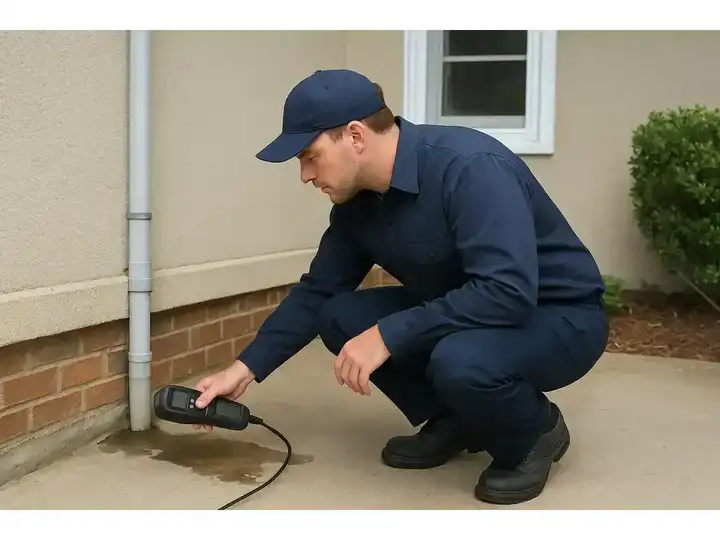
Hidden plumbing leaks can do more than waste water. In Panama City, they can weaken flooring, drive up utility bills, and create the kind of moisture problems that linger long after the leak itself is fixed. Because so many local homes sit on slab foundations and deal with humid Gulf Coast weather, leak detection and slab leak repair deserve a closer look from homeowners who want to protect both comfort and property value.
A Superior Mechanical helps homeowners and businesses with leak detection and slab leak repair in Panama City, FL using non-invasive diagnostics and repair solutions that fit the problem instead of guessing at it. If you live in the city or nearby parts of Bay County, knowing what to watch for can help you act before a small leak becomes a major repair.
Why Panama City homes are especially vulnerable
Panama City’s climate puts plumbing systems under steady pressure. High humidity, warm temperatures, heavy rain, and occasional storm impacts can all contribute to moisture intrusion and hidden plumbing stress. Homes in older neighborhoods may also have aging pipes, shifting soil, or previous repair work that makes leaks more likely over time.
Slab foundations are common in this part of Florida, and that matters because pipes running beneath concrete are harder to inspect and harder to reach. A leak under the slab may continue for days or weeks before it is obvious. By then, the water can affect flooring, baseboards, drywall, and even indoor air quality. That is one reason local service matters. A plumber who understands Panama City construction styles, soil conditions, and moisture patterns can diagnose problems faster and recommend a repair that lasts.
Early clues that point to a hidden leak
Not every leak announces itself with a puddle. Many start quietly and show up through subtle changes around the house. Homeowners often notice a higher water bill first, especially when household water use has not changed. Other signs can include the sound of running water when fixtures are off, damp carpet or tile, warped flooring, warm spots on the floor, or mildew odors that seem to come from nowhere.
In slab leak situations, you may also notice hairline cracks in flooring or walls, a sudden drop in water pressure, or a section of the floor that feels unusually cool or warm. If a leak is near a supply line carrying hot water, the floor above the leak may feel warm to the touch. If the leak is tied to a drain issue, you might see slow drainage or recurring moisture near bathrooms or kitchens.
For homeowners comparing broader plumbing warning signs, our post on Signs You Need Plumbing Repair in Panama City, FL covers several issues that can overlap with hidden leaks.
What usually causes slab leaks
Slab leaks can happen for several reasons. Pipe corrosion is a common one, especially in older homes or where water chemistry has affected metal piping over time. Pipe abrasion can also occur when lines rub against concrete, gravel, or other materials beneath the slab. In some cases, shifting soil or foundation movement can place stress on pipes until a weak point develops.
Improper installation or past repairs can create trouble too. If a pipe was bent, joined, or routed in a way that leaves it under strain, a leak may develop later even if the system looked fine for years. In Panama City, moisture and soil conditions can add another layer of stress, particularly after heavy rain or storm season when the ground moves and expands.
That is why a professional inspection matters. Guesswork can lead to unnecessary damage, especially if a homeowner starts breaking into flooring or concrete without confirming the leak location first.
How professional leak detection works
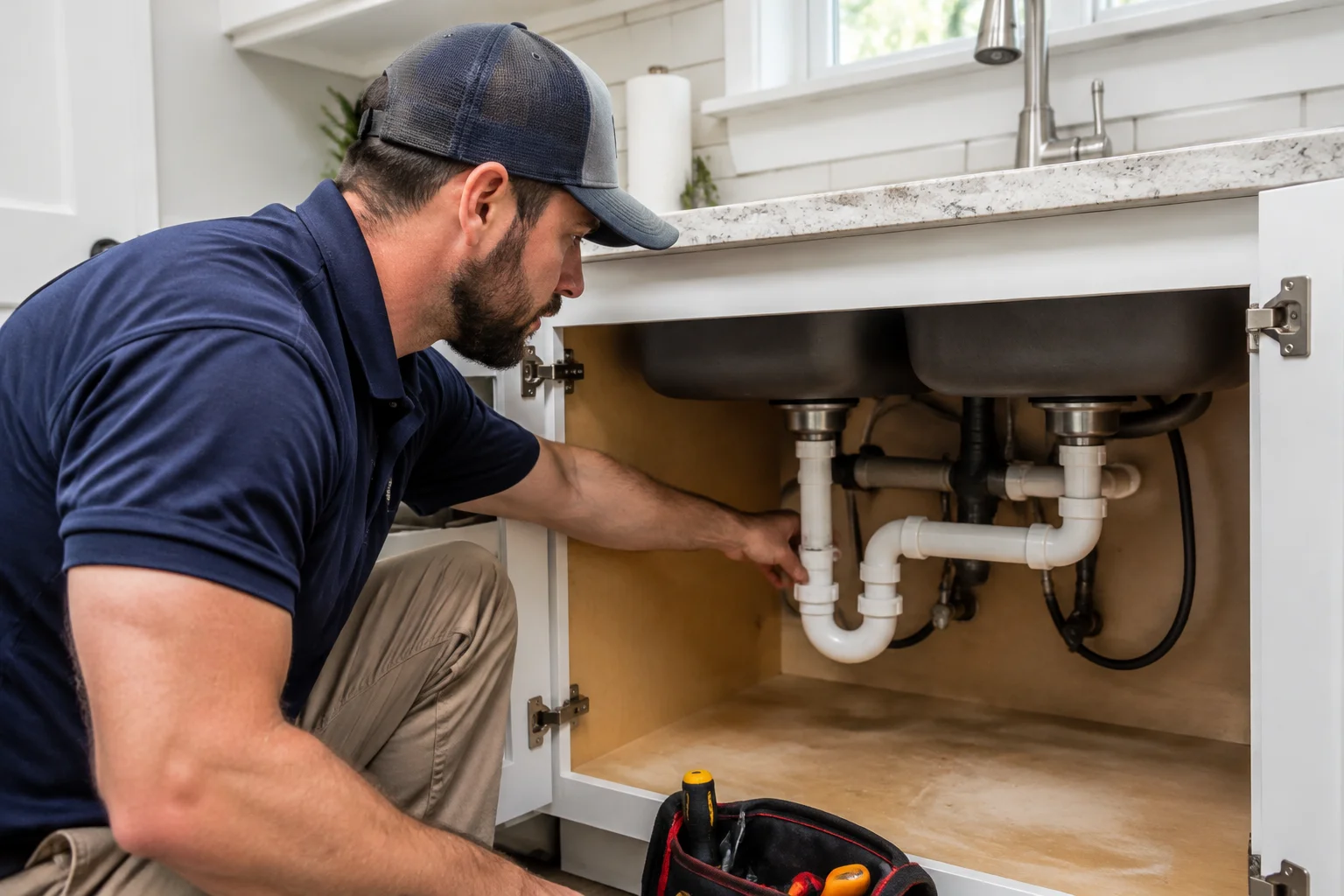
Modern leak detection is designed to be accurate and as non-invasive as possible. Instead of opening walls or cutting into the slab right away, a trained plumber uses tools that help narrow down the source. These may include acoustic listening equipment, pressure testing, thermal imaging, moisture readings, and visual inspection of nearby fixtures and plumbing access points.
The goal is to confirm whether the leak is in a supply line, drain line, fixture connection, or slab area, then determine the best repair approach. In many cases, the right diagnosis saves the homeowner time, money, and unnecessary demolition. It also helps the plumber decide whether the repair should be a direct spot fix, a pipe reroute, or a more extensive plumbing replacement. If your home has recurring plumbing issues, it may be worth reading Plumbing Replacement in Panama City: A Practical Guide for Bay County Property Owners for a better sense of when replacement makes more sense than repeated patching.
Repair options that fit the problem
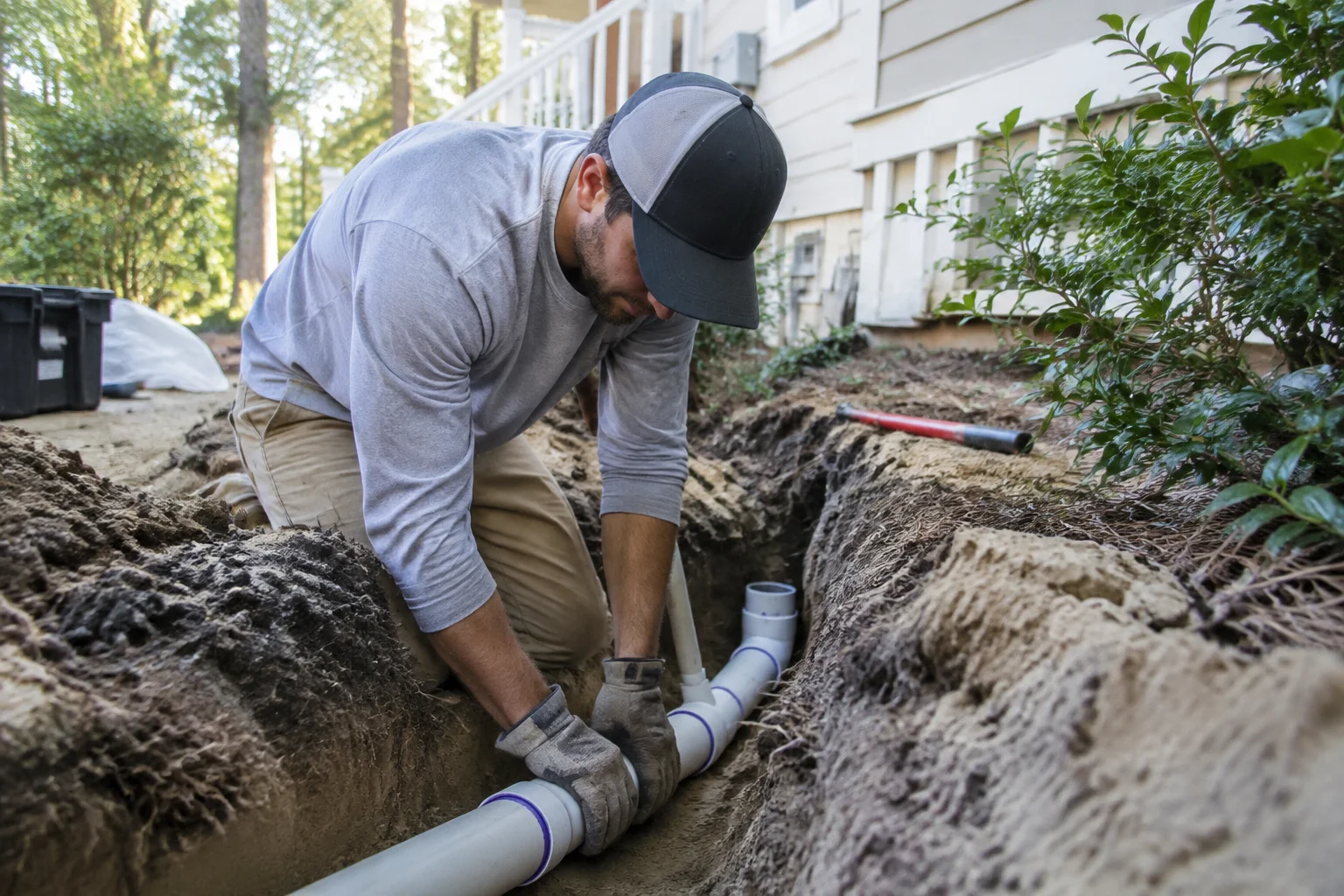
Not every slab leak needs the same solution. Some leaks can be repaired at the source with minimal disruption if the access point is clear and the pipe damage is isolated. Other situations call for rerouting the line around the slab, especially when the pipe has multiple weak spots or is in a hard to reach section beneath the home.
In homes with older plumbing, a repair may uncover signs that the system is nearing the end of its useful life. At that point, a broader plan can prevent repeated emergencies. The right approach depends on the pipe material, the leak location, the age of the plumbing, and the amount of damage already caused. A Superior Mechanical focuses on long-term solutions rather than quick fixes that only delay the next problem.
Why moisture control matters after a leak
Even after the leak is repaired, moisture can remain trapped in building materials. In Panama City’s humid climate, that leftover dampness can create a breeding ground for mold and mildew if it is not addressed quickly. Drying affected areas, checking for hidden moisture, and improving ventilation are all part of protecting the home after the plumbing work is done.
Some homes benefit from added indoor moisture control. A whole home dehumidifier can help lower humidity levels, especially in homes that struggle with dampness after plumbing issues or in the muggy summer months. If a leak has affected air quality, indoor air quality testing may also be helpful, particularly when odors or allergy symptoms persist after the visible water is gone.
Practical maintenance habits that help prevent future leaks
Routine plumbing care can make a real difference in a coastal climate like Panama City’s. Homeowners should keep an eye on water pressure, because pressure that is too high can put extra strain on pipes and joints. It also helps to watch for small changes in water bills, even if the home seems to be working normally.
Check exposed plumbing periodically for corrosion, moisture, or mineral buildup. Pay attention to toilets, sinks, water heaters, and shutoff valves, since small fixture leaks can waste a surprising amount of water over time. If drains are moving slowly or backing up, that can place stress on the plumbing system too. In some cases, hydro jetting can help clear buildup that contributes to drainage problems and recurring plumbing strain.
It is also smart to schedule inspections after major weather events or after noticing any unexplained moisture. Homes that have been through repeated repairs, renovations, or storm related settling should be watched closely because hidden plumbing movement can happen slowly.
Why local experience matters in Bay County
Leak detection is not just about equipment. It is also about knowing how local homes are built and how Panama City conditions affect plumbing over time. A plumber familiar with Bay County understands the common slab foundation layouts, the challenges of older neighborhoods, and the moisture load that comes with living near the Gulf. That local knowledge helps shorten diagnosis time and can reduce the chance of unnecessary damage.
If you are comparing service options in the area, it helps to work with a team that serves the city directly and also understands the surrounding communities. You can learn more about the area on our Panama City service page and see how local plumbing support fits with the needs of homeowners across the county.
When it makes sense to call a professional
Call a professional if you suspect a slab leak, hear water running when nothing is on, notice unexplained dampness, or see your water bill climb without a clear reason. The sooner the problem is diagnosed, the less likely it is to spread into flooring, drywall, or structural materials. A prompt inspection can also help you avoid unnecessary demolition and reduce the chance of mold growth.
If the leak is part of a larger plumbing issue, a plumber can help you decide whether repair, rerouting, or replacement is the better investment. For homeowners who want a broader look at system care, Protecting Panama City Homes with Smarter Plumbing Care offers useful maintenance ideas that support long term performance.
Leak detection and slab leak repair are easier to manage when they are handled early and with the right tools. In Panama City, where humidity and foundation conditions can make water problems harder to spot, a careful inspection can protect your home from damage that grows quietly beneath the surface.
Find Leak Detection and Slab Leak Repair in Panama City, FL
If you need Leak Detection and Slab Leak Repair in Panama City, FL, visit our local service page or contact A Superior Mechanical today.
Map of Panama City, FL
Frequently Asked Questions
What are the most common signs of a slab leak in Panama City homes?
Common signs include a higher water bill, damp flooring, warm or cool spots on the floor, low water pressure, mildew smells, and the sound of running water when fixtures are off.
How is leak detection done without tearing up the whole floor?
Professional leak detection often uses acoustic listening, pressure testing, thermal imaging, and moisture readings to narrow down the leak location before any cutting or demolition happens.
Can a slab leak damage indoor air quality?
Yes. Ongoing moisture under or around the slab can lead to mold or mildew growth, which may affect indoor air quality if the area is not dried and repaired properly.
Related Articles
Photo Gallery