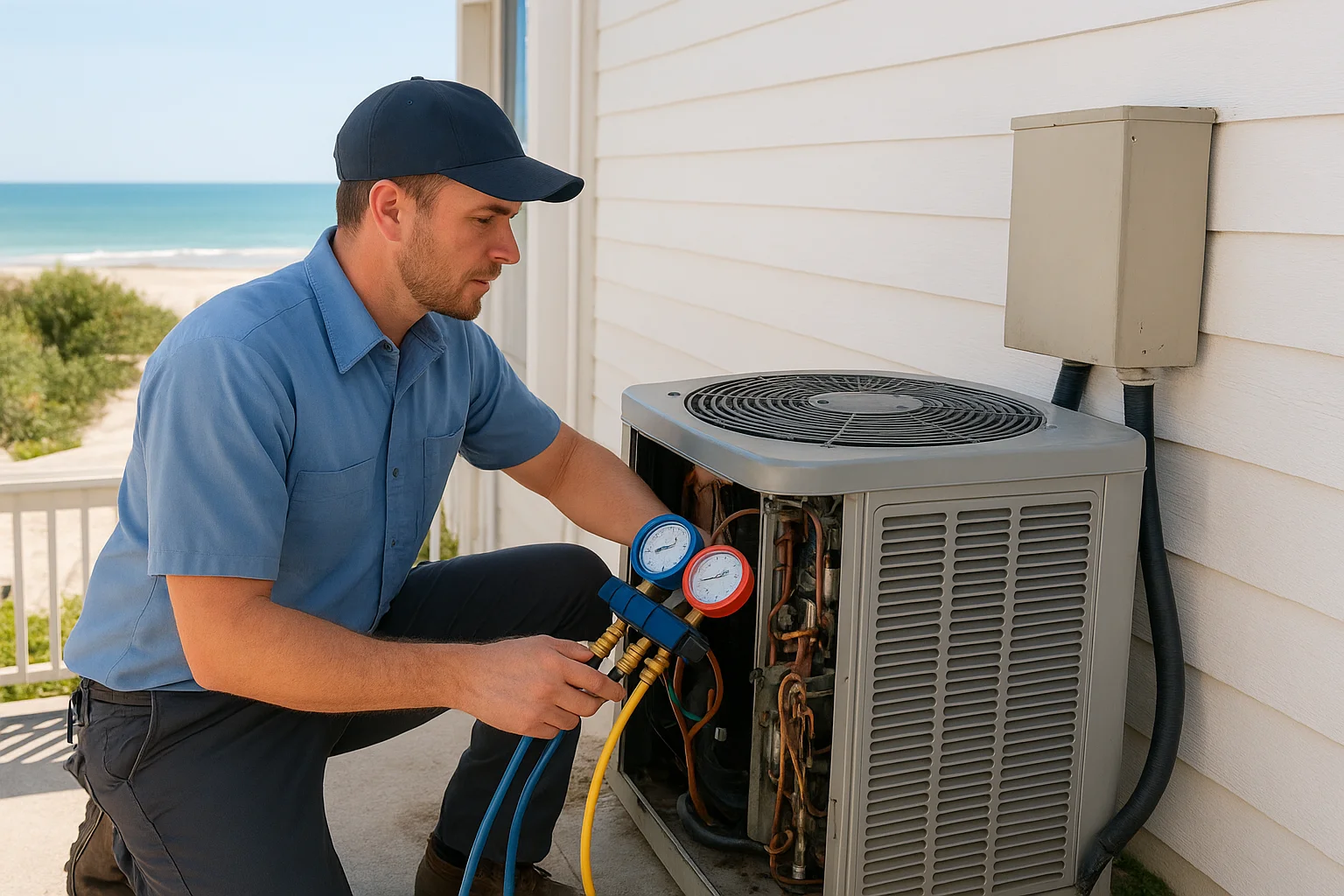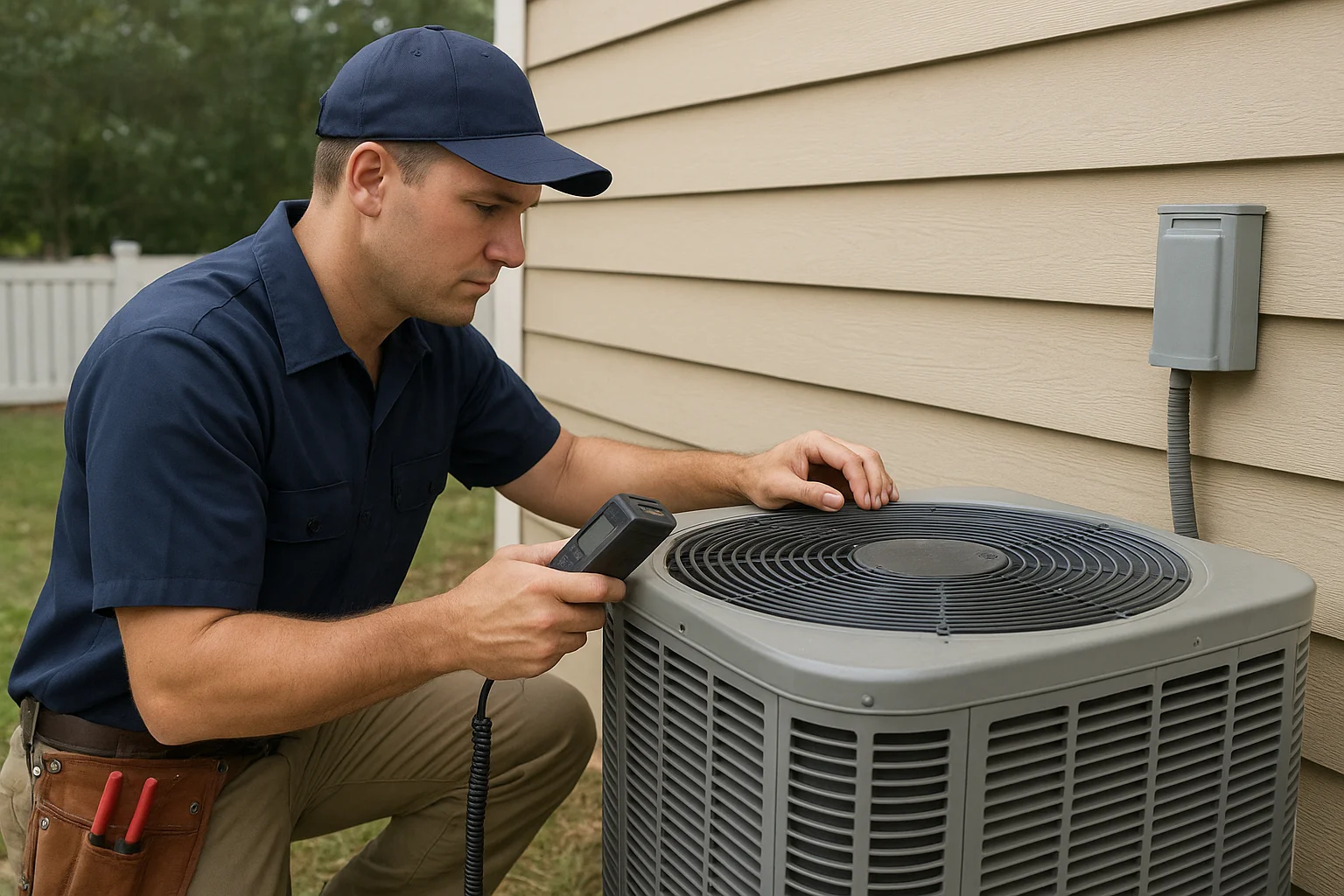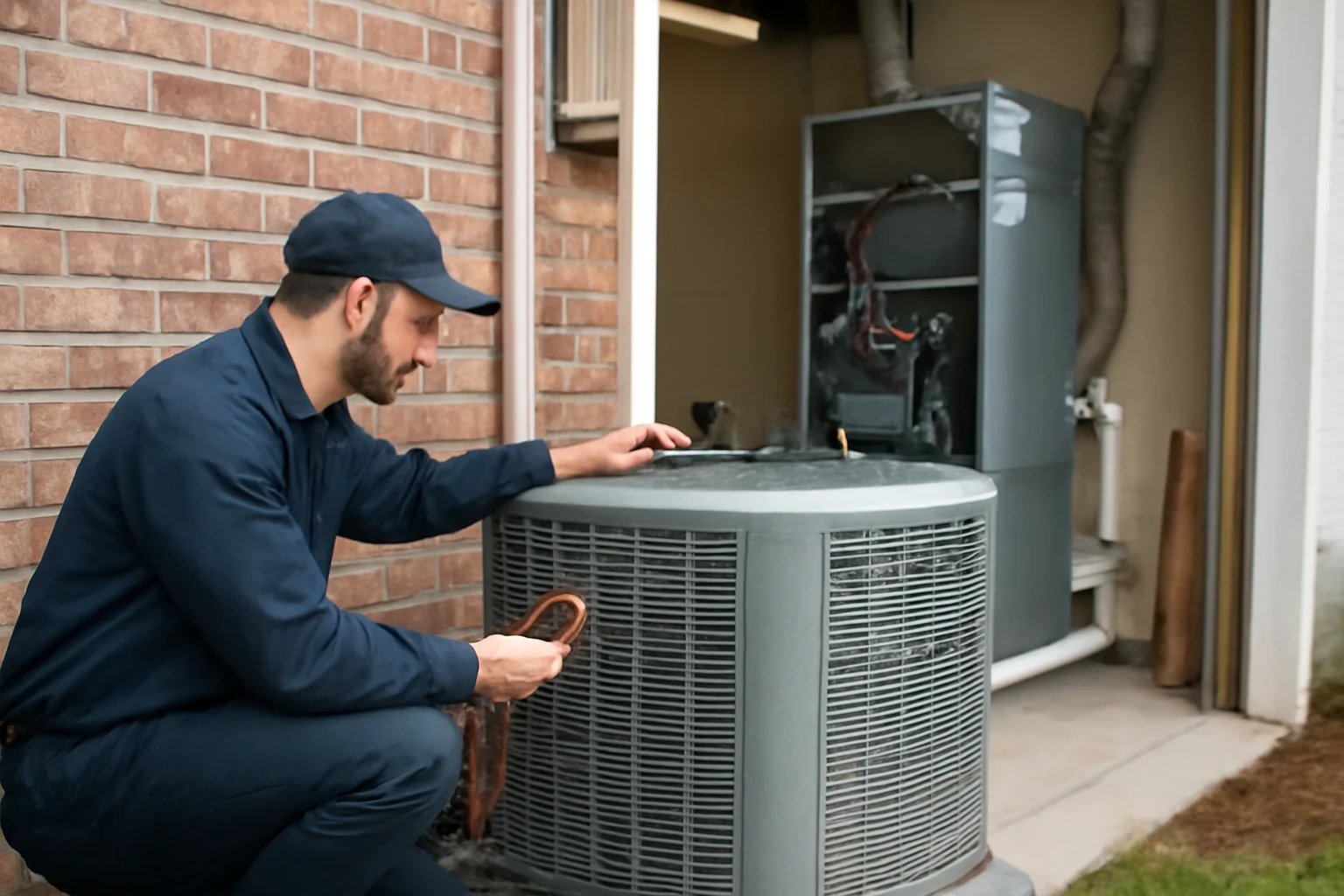
If your air conditioner has to work hard in Lynn Haven, Bay County, you already know the stakes. Florida heat, humidity, and salt air can push systems beyond what homeowners expect. A solid air conditioning inspection in Lynn Haven, FL is one of the best ways to prevent small issues from turning into emergency cooling concerns. It also helps you avoid wasting energy on a system that is not delivering the airflow your home needs.
This guide focuses on practical steps homeowners can take to support a thorough inspection and spot warning patterns early. While you can prepare, a professional HVAC technician should handle the actual diagnosis, refrigerant system evaluation, and any safety checks.
Why Lynn Haven’s climate makes inspections more important
In Lynn Haven, summer comfort depends on more than just “cold air.” Your AC has to manage moisture, maintain stable airflow, and move heat out of the home efficiently. Three local factors make inspections especially valuable:
Humidity and indoor air quality pressure
Higher humidity increases the workload on the evaporator coil and can contribute to musty odors, uneven comfort, and higher indoor air quality concerns. During an inspection, technicians look at cooling performance and how well the system removes moisture, not just whether it turns on.
Salt air and coastal exposure
Bay County’s coastal proximity can accelerate corrosion on outdoor components and contribute to buildup around the condenser. Even when the system seems to run, corrosion can affect airflow paths, heat transfer, and overall reliability.
Airflow demands in homes with varying layouts
Lynn Haven neighborhoods include many homes with different duct layouts, insulation levels, and room-by-room comfort challenges. If supply vents or return paths are restricted, the AC may short-cycle, run longer than necessary, or fail to remove humidity effectively. That is why a technician’s inspection should include ductwork and airflow checks.
What homeowners should prepare before an air conditioning inspection
You do not need special tools. You do need to provide context. A technician who understands your home’s patterns can focus the inspection and help prevent repeat problems.
Share symptoms and timing
Write down what you notice, when it happens, and what seems to trigger it. Helpful details include:
- Any rooms that feel warmer or more humid than others
- Whether the system cycles on and off quickly
- Any unusual sounds, smells, or visible moisture near the indoor unit
- When the issue appears after heavy rain, high humidity days, or during peak afternoons
This information supports better HVAC troubleshooting, including refrigerant system performance evaluation and condensate drainage checks.
Confirm thermostat behavior
Before the technician arrives, check whether your thermostat is set up correctly. Many problems start with settings rather than equipment. If you can, note:
- Current temperature setpoints and mode (cooling vs. auto)
- Any thermostat schedules that change during the day
- Whether the thermostat display shows unusual alerts
If your thermostat is inconsistent, a local HVAC service may also include thermostat installation or calibration support. Accurate thermostat readings help the AC run when it should and avoid unnecessary energy use.
Make access easy for both indoor and outdoor components
Air conditioning inspection often includes both the outdoor condenser and the indoor air handler or furnace cabinet. Clear space around the outdoor unit, and ensure return and supply pathways are not blocked by furniture, storage, or heavy plant growth.
Also check that condensate drainage lines and the area around the indoor unit are not obstructed. If you have ever noticed water pooling, damp drywall, or a persistent “wet” smell, tell the technician.
Inspection items that help prevent AC problems
A good inspection is more than a quick look. It should connect airflow, moisture control, refrigerant system operation, and system safety into one clear picture. Ask your technician to cover the areas below.
Airflow and ductwork inspection
Air conditioning repair near me searches often point to the same underlying comfort problems: weak airflow, poor distribution, and humidity that lingers. During inspection, technicians should assess:
- Supply and return airflow balance
- Whether registers are open and unobstructed
- Signs of duct leakage or poor duct sealing that can reduce cooling efficiency
- Whether ductwork supports proper airflow for the system size and home layout
If you have uneven rooms, consider reading Why Better HVAC Maintenance Makes Duct Inspection More Useful for Lynn Haven Homes. It explains how maintenance and duct inspection work together to improve comfort and support dependable performance.
Coil condition and moisture management
In humid Florida conditions, the evaporator coil does more work than many homeowners expect. During inspection, the technician evaluates coil condition and drainage performance. If the coil is not getting the right conditions, humidity removal can suffer, leading to indoor air quality issues and discomfort.
Be alert for symptoms like persistent dampness, odors, or visible moisture around the indoor unit. These can relate to condensate drainage problems, which can also contribute to system icing or performance drops.
Condensate drainage and overflow risk
Condensate drainage is a major prevention topic in Florida homes. If condensate drainage becomes restricted, water can overflow or contribute to moisture buildup. An inspection should include checking drainage routes and making sure the system is set up to handle normal condensate production during humid periods.
Refrigerant system checks performed safely on-site
Homeowners often wonder whether “low refrigerant” is the cause. Refrigerant systems are safety-sensitive and require proper tools and procedures. A technician may evaluate refrigerant system operation and related components during an inspection, but you should not attempt refrigerant diagnosis yourself.
If the system is not cooling properly, the technician should verify the cause in person before suggesting any refrigerant-related action. This matters because airflow, coil performance, and drainage can all affect how the system behaves.
Thermostat and control performance
Thermostats and control settings influence run time, cycle timing, and comfort. If you have ever experienced “it runs but does not cool,” it can be related to control behavior, sensor location, or scheduling. A professional inspection can confirm whether thermostat installation, setup, or performance is contributing to energy use and comfort issues.
Energy use and system efficiency signals
When AC systems run longer than expected, it often shows up in higher energy use. During inspection, technicians can look for efficiency-related issues tied to airflow, coil condition, and system operation. In a climate like Lynn Haven’s, small inefficiencies can compound quickly during peak humidity and temperature swings.
Common AC problems in Lynn Haven that inspections can catch early
Some issues start quietly. Inspections help identify them before they become AC repair near me emergencies.
Restricted airflow from dirty components or duct limitations
Dirty filters, blocked registers, and ductwork restrictions can reduce airflow. Reduced airflow can cause coil performance problems, higher humidity inside, and increased energy use. It can also lead to premature wear on system components.
Condensate drainage issues that show up as humidity and odors
If condensate drainage is partially blocked, you may notice lingering moisture, damp smells, or uneven comfort. Over time, this can affect indoor air quality and create conditions that are harder on the system.
Outdoor unit corrosion or airflow restrictions
Salt air exposure can contribute to corrosion. Leaves, debris, and growth around the condenser can also reduce airflow across the outdoor coil. Either issue can reduce heat transfer and strain the system.
Thermostat or control misbehavior
Incorrect settings, sensor placement issues, or outdated thermostat behavior can cause the system to run too long or not long enough. The result is often comfort complaints that look like “AC repair” but start with control performance.
Refrigerant system performance problems tied to other factors
Refrigerant system issues can be influenced by airflow, coil cleanliness, and drainage. That is why an inspection should evaluate the full system and not just one component. A professional air conditioning service will connect the dots instead of jumping to conclusions.
How often should Lynn Haven homeowners schedule an air conditioning inspection?
Many homeowners benefit from a seasonal approach, especially before the hottest months. If your home struggles with humidity, has ductwork challenges, or you have experienced past AC breakdowns, more frequent preventive HVAC maintenance can help keep the system ready for peak demand.
If you are unsure about timing, ask for guidance based on your system age, usage patterns, and comfort history. Local technicians serving Lynn Haven can tailor recommendations to Bay County conditions and typical seasonal loads.
Preventive steps homeowners can take between inspections
Inspections are one part of prevention. Small actions help maintain airflow, improve indoor air quality, and reduce unnecessary stress on the system.
Keep air filters clean and appropriately sized
A dirty filter can restrict airflow and reduce cooling performance. Replace filters on a schedule that matches your household needs, pets, and dust levels. If you are unsure, ask your HVAC company what is appropriate for your home.
Maintain clear airflow around indoor and outdoor units
Do not block supply vents or return grilles. For outdoor units, remove debris and keep vegetation trimmed back. This supports proper airflow and reduces strain on the condenser.
Watch for early warning signs
Be proactive when you notice:
- Warm air or weak airflow from vents
- Frequent short cycling
- Increased indoor humidity or musty smells
- Water around the indoor unit or signs of condensate drainage failure
- Thermostat cycling that feels irregular
Addressing these issues early can reduce the likelihood of needing emergency AC repair near me.
Use your thermostat settings to support comfort and efficiency
Set reasonable temperature targets and avoid drastic changes that force long run times. If you are considering upgrades, ask about thermostat installation near me and whether a newer thermostat can improve control and comfort consistency.
When an inspection should turn into repair work
Some inspection findings are normal wear items. Others require timely HVAC repair. If the technician identifies performance issues affecting airflow, moisture control, condensate drainage, or refrigerant system operation, follow their recommendations based on an in-person evaluation.
Do not try to self-correct refrigerant system problems or ignore condensate drainage concerns. These issues can create safety risks and increase the chance of equipment failure during peak heat.
Emergency cooling concerns and why inspections help
In Lynn Haven, a failed AC system is not just uncomfortable. It can become a safety and health concern during extreme heat and humidity. A preventive inspection supports reliability when demand is highest.
If you want to be prepared for urgent situations, read What Lynn Haven Homeowners Should Know About 24/7 Emergency HVAC Service. It covers how to plan ahead and what to do when cooling stops working unexpectedly.
Choosing the right local HVAC company for air conditioning inspection
Not all inspections feel the same. When homeowners search for an air conditioning inspection near me, quality matters because the inspection should be thorough, safety-focused, and tailored to your home.
A Superior Mechanical provides professional air conditioning inspection in Lynn Haven, FL with an emphasis on safer operation, better efficiency, and dependable cooling for Bay County homes. For homeowners looking beyond inspection, the team can also support related services such as duct cleaning, indoor air quality services, and HVAC repairs.
If ductwork is part of your comfort problem, you may want to review Better Duct Replacement in Lynn Haven for Cooler Rooms, Lower Bills, and Longer HVAC Life and consider Duct Cleaning when it fits your situation. For homes with humidity or comfort complaints tied to air quality, explore Indoor Air Quality Services.
For homeowners thinking about system upgrades, you can also compare options through Air Conditioning Installation and plan for budget needs with HVAC Financing. If you are dealing with a heat pump, you can ask about heat pump repair near me support from a local HVAC professional.
A smarter inspection starts with the right questions
When your technician arrives, you can help the inspection stay focused. Consider asking:
- How is airflow in my home, and are any rooms likely affected by ductwork limitations?
- Is condensate drainage functioning properly based on what you see during inspection?
- Are there signs of coil or outdoor unit issues that could worsen during humid weather?
- Does my thermostat setup appear to match how my system is running?
- What preventive HVAC maintenance steps would make the biggest difference for my home?
These questions encourage a complete, homeowner-friendly explanation and help you understand how the system is performing in Lynn Haven’s conditions.
For homeowners searching for air conditioning inspection support, the goal is simple: identify issues early, protect indoor comfort from humidity and uneven airflow, and reduce the likelihood of a mid-summer breakdown that disrupts your routine.
To learn more about how A Superior Mechanical supports homeowners across the area, visit Bay County HVAC services and explore solutions that fit your home. If you need additional help with comfort problems, you can also search for A Smarter Way to Approach Air Conditioning Inspection in Lynn Haven, FL.
Find Air Conditioning Inspection in Lynn Haven, FL
If you need Air Conditioning Inspection in Lynn Haven, FL, visit our local service page or contact A Superior Mechanical today.
Map of Lynn Haven, FL
Frequently Asked Questions
What should I expect during an air conditioning inspection in Lynn Haven?
A quality inspection checks system operation with a focus on airflow, moisture control, and safe evaluation of the refrigerant system. It also looks at condensate drainage, thermostat behavior, and how ductwork supports comfort in your specific home.
Can humidity problems be caused by something besides the air conditioner?
Yes. Humidity can be affected by ductwork performance, airflow balance, condensate drainage, thermostat control, and indoor air quality factors. A professional inspection connects these items so the problem is not blamed on only one component.
Why does salt air matter for AC reliability near the coast?
Salt air can accelerate corrosion on outdoor components. During inspections, technicians look for signs that corrosion or outdoor airflow restrictions could reduce heat transfer and lead to performance issues during peak summer conditions.
How do I know if my condensate drainage needs attention?
Watch for water around the indoor unit, damp spots, musty odors, or worsening humidity even when the system runs. These can indicate drainage or moisture management issues that should be inspected in person.
Is it safe for homeowners to check refrigerant themselves?
No. Refrigerant systems require proper tools, training, and safety procedures. If cooling performance is poor, the safest next step is to schedule an inspection so a technician can evaluate the system on-site.
Related Articles
- A Smarter Way to Approach Air Conditioning Inspection in Lynn Haven, FL
- Why Better HVAC Maintenance Makes Duct Inspection More Useful for Lynn Haven Homes
- What Lynn Haven Homeowners Should Know About 24/7 Emergency HVAC Service
- Better Duct Replacement in Lynn Haven for Cooler Rooms, Lower Bills, and Longer HVAC Life
Photo Gallery