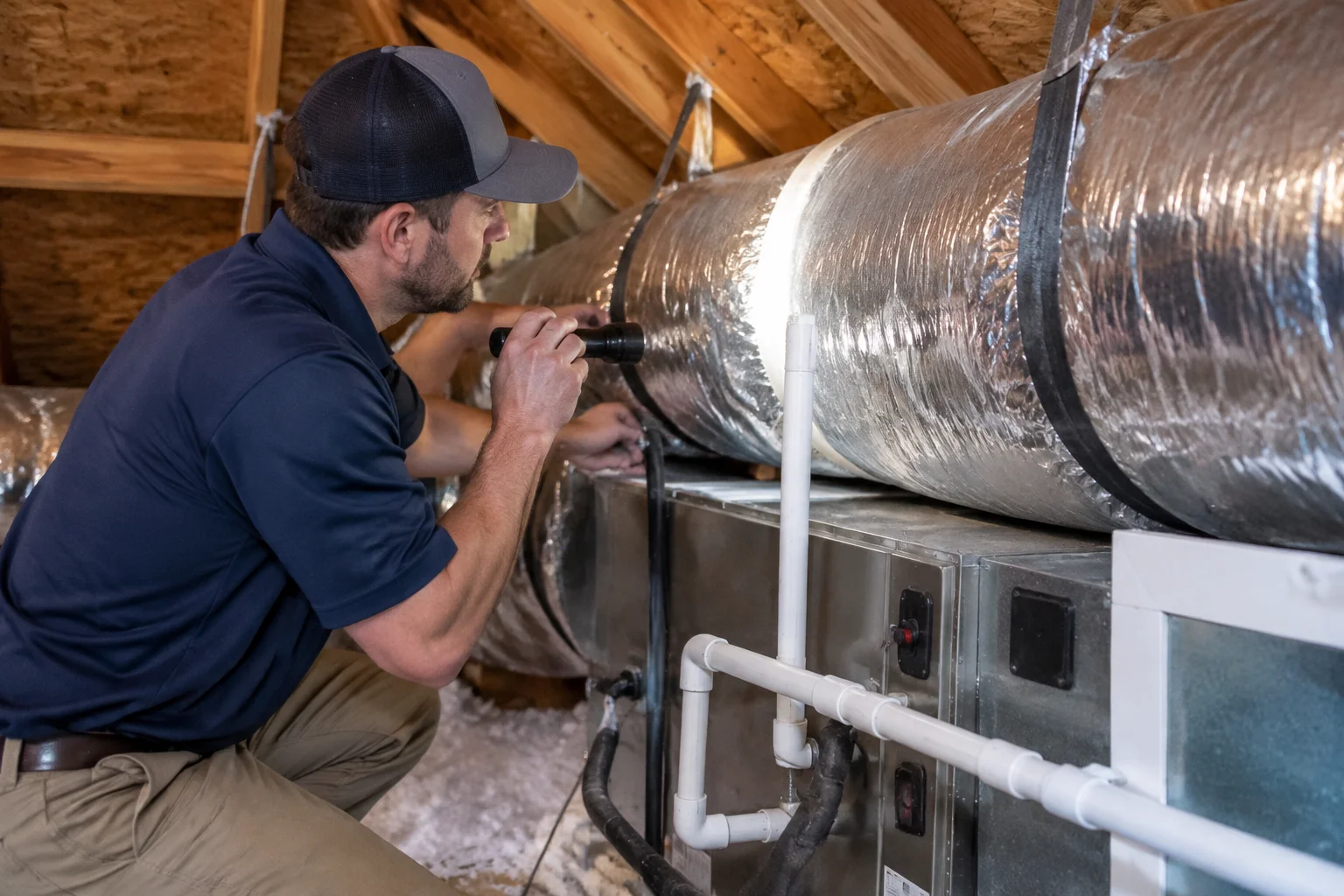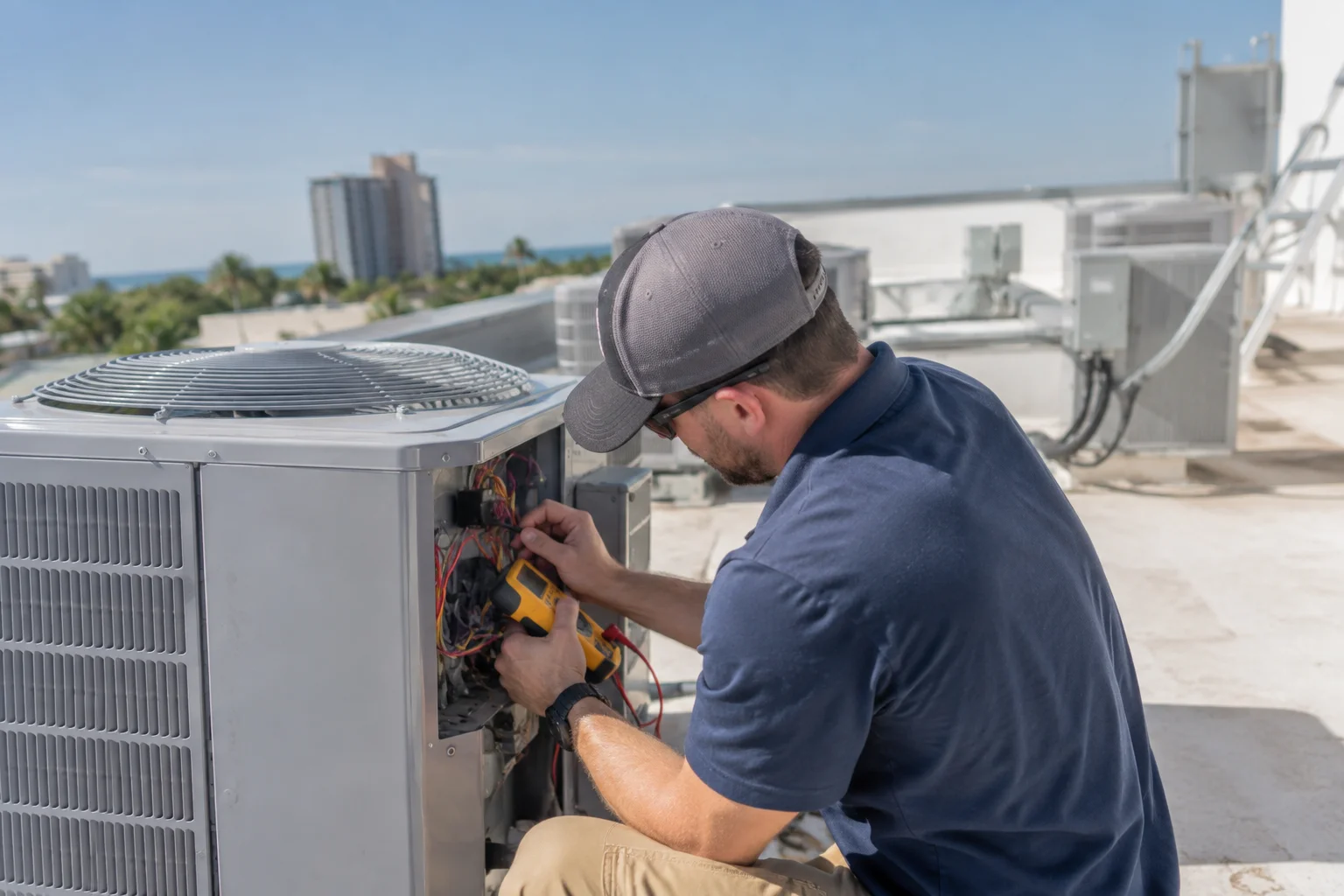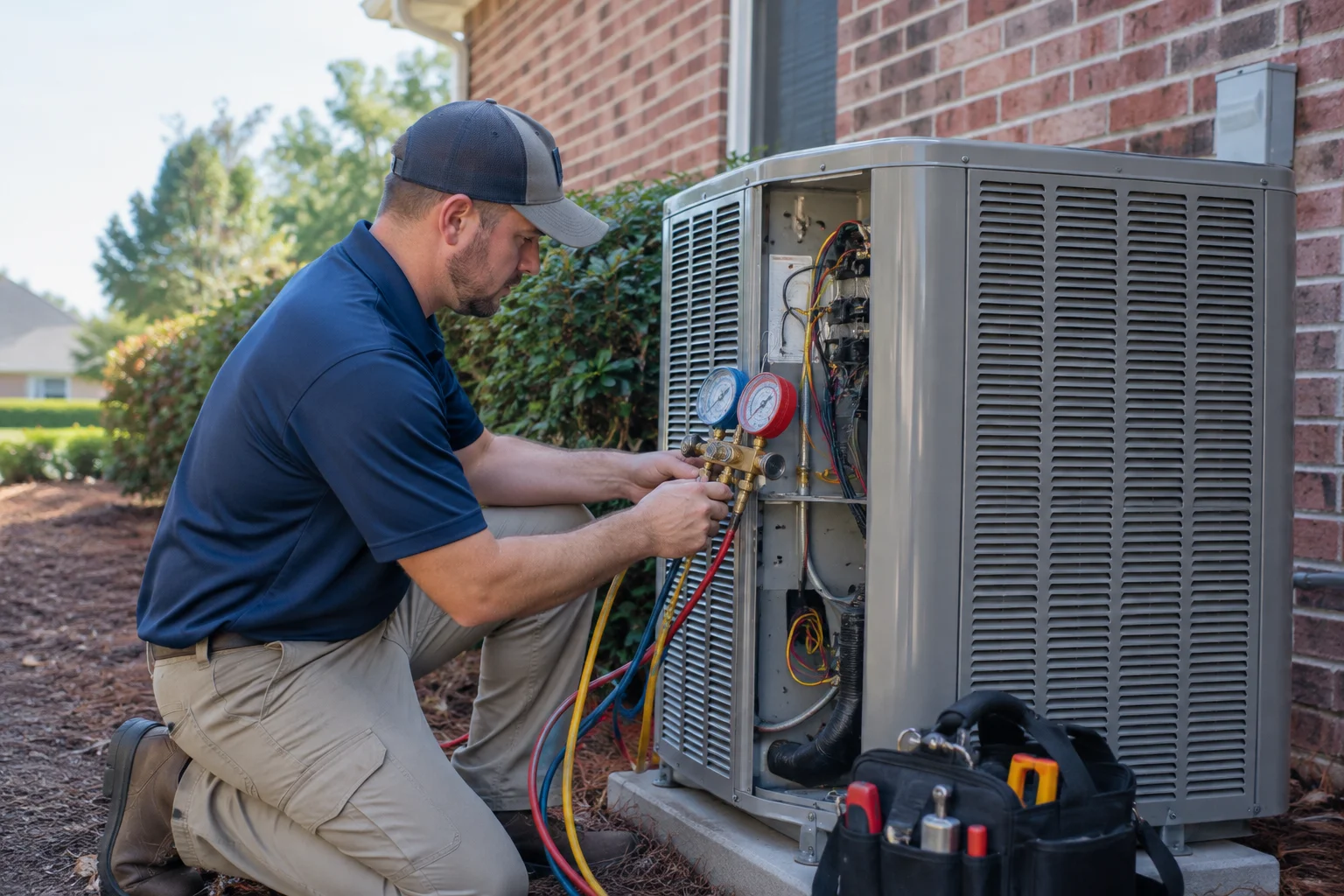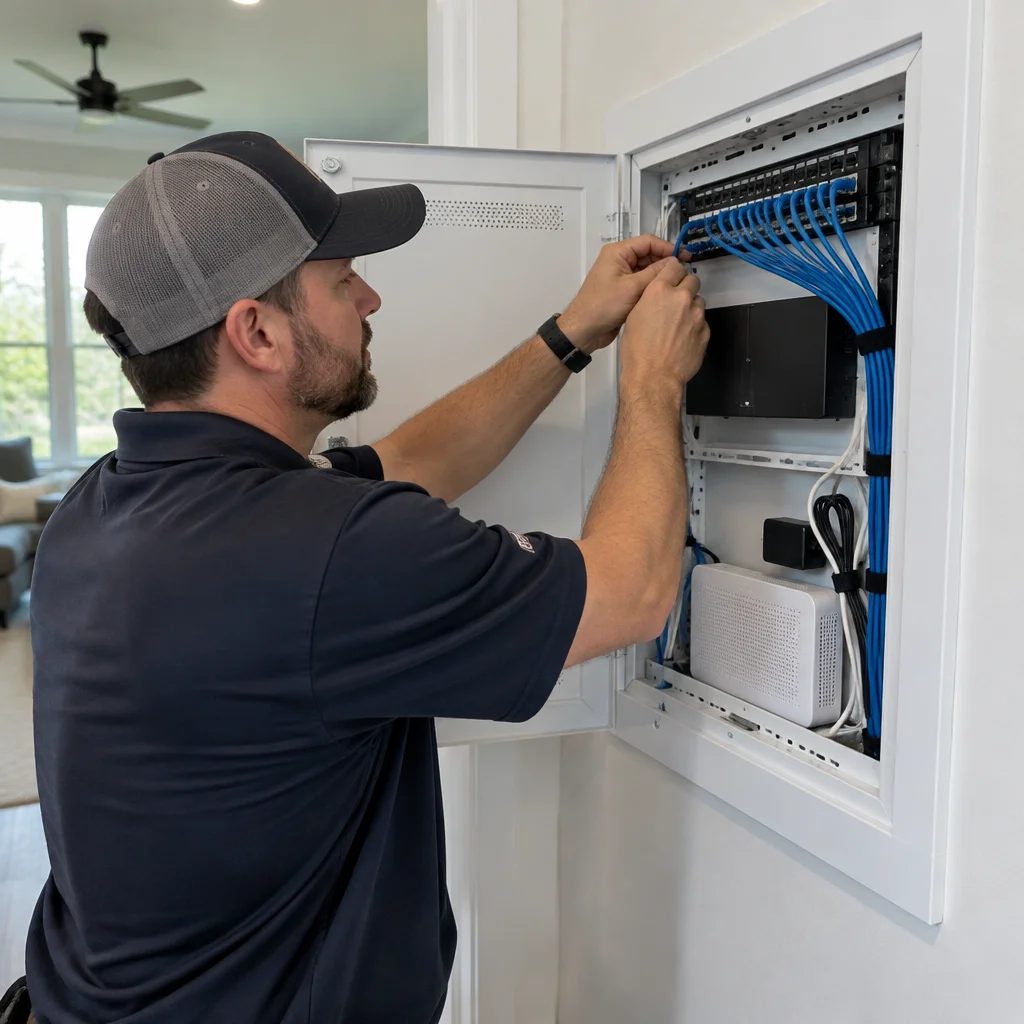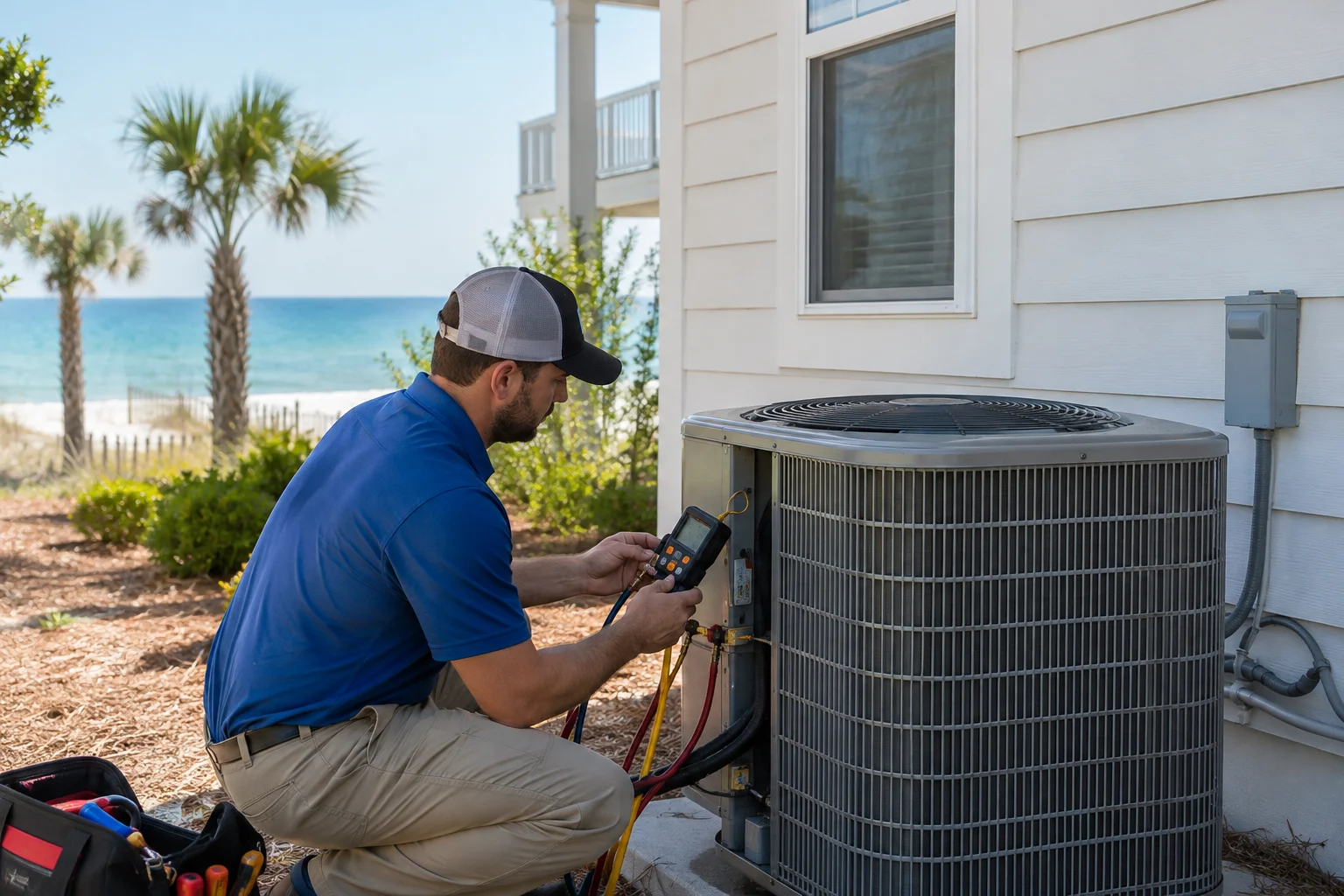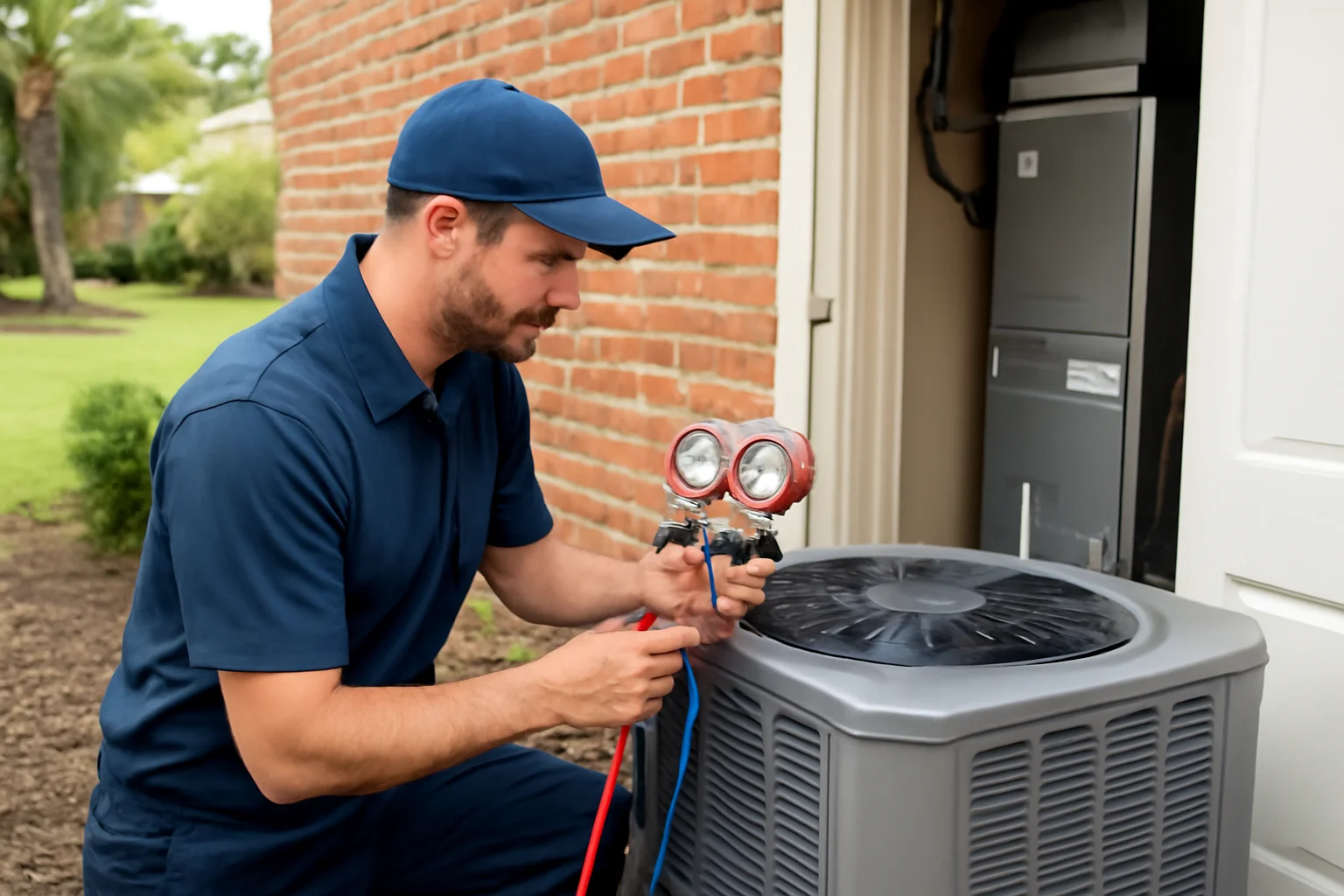
Florida homes in Shalimar deal with heat, humidity, and salt air that can challenge HVAC performance year-round. When you schedule indoor air quality testing for homeowners in Shalimar, FL, you want the results to be accurate and actionable. The best way to prevent “testing problems” is to prepare your home and your system so the measurements reflect normal living conditions, not temporary issues.
This guide walks through practical steps homeowners can take before an indoor air quality assessment, plus common causes of poor HVAC airflow, humidity imbalance, and contamination that show up in Shalimar, Okaloosa County.
Why indoor air quality testing can go wrong in Florida homes
Indoor air quality testing is only as useful as the conditions it measures. In Shalimar, those conditions can shift quickly because the HVAC system cycles with the thermostat, and because outdoor humidity can be high for long stretches. If the home is unusually closed up, recently cleaned with strong products, or the HVAC system is not operating as it normally does, the testing process may capture a temporary spike instead of a typical pattern.
Testing can also be thrown off by HVAC issues that change airflow and moisture control. For example, a return vent blocked by furniture, ductwork with poor sealing, or a condensate drainage problem can alter humidity levels and airflow balance. If those problems exist, air samples may reflect the effects rather than the root cause.
That is why professional HVAC service matters. A qualified HVAC contractor near me approach does not treat indoor air quality as a standalone task. It connects filtration, airflow, refrigerant systems operation, condensate drainage, and thermostat behavior to what you and your family breathe.
Start with the basics: make sure the HVAC system is ready for testing
Before testing day, focus on conditions you can control. These steps help ensure the system is operating in a realistic way and reduce the risk of misleading results.
Keep vents and returns clear
Airflow is the foundation of indoor air quality. If supply vents are blocked, or if return openings are covered, air will not move correctly through the home. That can cause hot and cold spots, higher humidity in some rooms, and uneven filtration. Clear registers and returns so air can circulate the way it does during normal use.
Avoid unusual cleaning or strong odors right before testing
If you are doing carpet cleaning, using aerosol sprays, painting, or applying fragrance-heavy products, consider scheduling testing after things settle. For homeowners searching for HVAC repair near me or HVAC service near me, it is especially important to avoid “fresh” sources of particles or volatile compounds right before measurements. Testing should reflect typical indoor conditions, not a one-time event.
Use your thermostat normally
Thermostats affect system runtime, fan operation, and humidity control. If you typically run the system in a certain mode, keep it consistent. Sudden changes like switching modes repeatedly or setting extreme temperatures can change how the system cycles and how moisture is removed through condensate drainage.
If you suspect your thermostat is misreading temperature, or you are unsure whether your system is handling humidity correctly, talk with your technician before making major changes. A professional can guide you on what to do in the short term and what to address during your HVAC maintenance.
Humidity control is usually the biggest indoor air quality driver in Shalimar
Shalimar sits in a humid coastal region where indoor moisture can build when the air conditioner does not remove humidity efficiently or when airflow is restricted. High humidity can worsen comfort, increase musty odors, and contribute to problems related to mold and microbial growth. Even when visible mold is not present, moisture imbalance can still affect the air you breathe.
Watch for symptoms that point to moisture trouble
Homeowners often notice patterns before they ever request indoor air quality testing, such as:
- Persistent dampness in closets, bathrooms, or bedrooms
- Musty smells that come and go with AC cycles
- Visible condensation around windows or on nearby surfaces
- Frequent AC run time without feeling “dry” inside
- Water stains near the air handler, ceiling, or condensate drain area
Understand condensate drainage and why it affects test results
In many HVAC systems, condensate drainage removes moisture that the air conditioner pulls from indoor air. If drainage is slow, partially blocked, or improperly routed, moisture can remain in the system or nearby areas. That can change indoor air conditions and lead to discomfort and air quality concerns. When your technician evaluates indoor air quality, they should also consider condensate drainage as part of the overall picture.
Airflow problems can make indoor air quality testing feel confusing
Homeowners sometimes interpret inconsistent results as “bad testing,” but the more common issue is inconsistent airflow. Airflow affects how well filtration captures particles, how evenly conditioned air reaches rooms, and how effectively the system mixes indoor air.
Common Shalimar airflow culprits
In Okaloosa County, you may see airflow issues tied to:
- Blocked or undersized returns that limit how air can be drawn back to the air handler
- Leaky ductwork that allows air to escape before it reaches intended rooms
- Dirty filters that reduce system performance and increase bypass of unfiltered air
- Fan speed or airflow settings that do not match the system design
Ductwork and duct cleaning: what to consider
Ductwork can influence indoor air quality, especially if there is duct leakage, buildup, or airflow imbalance. If you are considering indoor air quality testing and also wondering about HVAC air filtration near me or duct cleaning near me, it helps to coordinate the timing. Cleaning decisions should be based on what your professional finds during the assessment, including airflow and duct conditions.
Filtration choices should match your home, not just your preferences
Filtering is one of the most direct ways HVAC systems improve indoor air quality. Still, filtration only works when the system can move air through it. If the filter is too restrictive for the blower setup, airflow can drop and humidity control can suffer. That can worsen comfort even if the filter seems “high quality.”
How to prevent “filter-related” testing surprises
Before testing, make sure you are using the filter type and setup your system is designed for. If you recently changed filters, use the same approach you normally use. If you are unsure what your system supports, ask your HVAC professional. A technician can evaluate the match between your HVAC system, your ductwork, and your indoor air quality goals.
If your home has particular concerns such as seasonal allergies, dust accumulation, or humidity-driven comfort problems, consider discussing options like air filtration and dehumidifiers. The right approach may include upgrading filtration, improving airflow, and addressing moisture.
You can explore local service options through Air Filtration and Dehumidifiers in Shalimar.
Refrigerant systems and AC performance connect to indoor air quality
Indoor air quality is not only about particles and odors. Refrigerant system performance affects how well the air conditioner cools and dehumidifies. If the system is not operating correctly, indoor humidity may not be removed effectively, and airflow patterns can change. In a humid coastal area, those effects can show up quickly.
Homeowners should avoid trying to “self-diagnose” refrigerant problems based on test results alone. A professional evaluation is necessary to determine whether an issue is affecting cooling capacity, dehumidification performance, or airflow balance. If your technician identifies performance concerns, they can recommend appropriate HVAC repair steps rather than guessing.
Salt air and coastal conditions can add hidden stress to HVAC systems
Shalimar homes often experience coastal influences. Salt air and outdoor exposure can contribute to corrosion and maintenance needs that inland areas do not face as often. If the outdoor unit is struggling to exchange heat effectively, the indoor system may run longer, cycle differently, or have difficulty maintaining consistent comfort.
That can indirectly affect indoor air quality by changing system runtime and humidity control. When you schedule indoor air quality testing, it is helpful to mention any outdoor unit issues you have noticed, such as reduced cooling performance, unusual noises, or visible corrosion.
Preventive HVAC maintenance reduces the chance you will need repeat testing
Indoor air quality testing is valuable, but preventive HVAC maintenance can prevent many of the underlying problems that lead to poor air quality in the first place. For Shalimar homeowners, maintenance is also a practical way to reduce emergency cooling concerns during the hottest periods.
Maintenance items that support better indoor air quality
- Filter checks and correct filter selection for your system and ductwork
- Inspecting airflow paths, including returns and supply registers
- Monitoring condensate drainage and ensuring proper drainage flow
- Checking thermostat operation and system cycling behavior
- Assessing ductwork for obvious issues that can impact airflow
If you are dealing with symptoms like uneven room temperatures, persistent humidity, or recurring musty odors, maintenance may not be enough on its own. In those situations, homeowners searching for AC repair near me should consider pairing repair work with an indoor air quality assessment. Addressing the HVAC performance issue first often leads to more stable indoor conditions after testing.
How to prepare your home for a professional indoor air quality test
Preparation helps the technician collect information that reflects normal living. It also helps you avoid delays and confusion.
Gather useful context before the technician arrives
Write down a few details:
- When symptoms started and whether they match AC or heat pump cycles
- Rooms where the issue is worst, such as bedrooms, living rooms, or upstairs areas
- Any recent changes, like new pets, new cleaning products, renovations, or ductwork changes
- Any water issues or signs of drainage problems
Decide what you want the testing to help you answer
Indoor air quality testing can support decisions about filtration, humidity control, and airflow improvements. If you are considering air scrubber installation near me or HVAC air filtration near me, let your technician know. They can explain which concerns are best addressed through filtration upgrades, dehumidification, or HVAC performance tuning.
Coordinate with other HVAC work
If your home needs HVAC repair, ductwork attention, or thermostat installation near me, it can be helpful to schedule those items thoughtfully. Testing after key repairs may provide clearer insights into your improved indoor conditions.
When results suggest a bigger HVAC issue, treat it as an HVAC story
Homeowners sometimes see indoor air quality test findings and assume the solution is always a standalone air cleaner. Those devices can help, but they work best when the HVAC system and ductwork deliver air properly and humidity is controlled. If testing indicates ongoing issues, professional HVAC evaluation can connect the dots to refrigerant system performance, airflow balance, condensate drainage, and filtration compatibility.
For example, if the home has chronic humidity, the solution may include dehumidification support and moisture management, not just particle filtration. If airflow is uneven, improving ductwork airflow paths may be as important as filtration. If the thermostat is causing odd cycling behavior, addressing thermostat installation or configuration can stabilize indoor conditions.
Local HVAC help is the safest way to prevent repeat problems
Shalimar homes vary in age, layout, and ductwork design. Coastal exposure and Florida humidity also influence how systems perform. That is why a local approach matters. A professional HVAC company familiar with Okaloosa County conditions can help you connect indoor air quality goals to practical HVAC maintenance and repair.
If you want to explore additional Shalimar-focused reading, these articles can help you understand how comfort problems connect to air quality and HVAC performance:
- Keeping Shalimar Properties Comfortable Without Surprise HVAC Problems
- Indoor Air Quality Testing That Helps Inlet Beach Homes Stay Comfortable Longer
- Why Seaside Homes Benefit From Indoor Air Quality Testing Before Comfort Issues Spread
- Why Better Indoor Air Quality Testing Matters for Upper Grand Lagoon Homes
For many homeowners, the best starting point is scheduling Indoor Air Quality Testing with A Superior Mechanical, then addressing any HVAC performance and comfort issues that influence humidity and airflow.
Common “testing day” issues homeowners can prevent
These are the situations that commonly lead to frustration or follow-up visits. Most are preventable with simple planning.
HVAC not running or running in an unusual way
If the system is off, or if the thermostat is set differently than normal, indoor conditions can shift. Keep thermostat settings consistent with your routine and ensure the system can operate as needed during the assessment.
Dirty filters that you have not changed in a long time
Filters can affect airflow and filtration performance. If a filter is extremely dirty, it can influence indoor particle levels and airflow balance. Use the filter approach you normally use, but if you have not changed it recently, let your technician know.
Blocked returns or closed-off rooms
Closing too many doors or blocking returns can change how the system circulates air. If you typically keep certain doors closed, mention it. If you can, open major pathways so the system can circulate air through the home similarly to normal use.
Recent humidity events
If you had a leak, flooding, or a prolonged period of standing water from a condensate drainage issue, mention it. Professional evaluation is needed to determine what the HVAC system and indoor environment require.
When to call A Superior Mechanical for indoor air quality and HVAC help
Consider scheduling indoor air quality testing and HVAC evaluation if you notice persistent humidity, recurring musty odors, allergy flare-ups that do not match seasons, or comfort problems that seem tied to AC cycles. You should also seek HVAC repair support if your system struggles to keep up during Florida heat or if you have emergency cooling concerns.
For additional HVAC topics that connect to comfort and air quality, you can also explore:
- Heating Control Systems for more stable indoor temperatures when humidity and comfort shift during shoulder seasons
- Commercial HVAC Repair if you manage an office, rental property, or business that needs consistent indoor air quality
For homeowners in Shalimar, the goal is not just to “test.” It is to prevent repeat problems by aligning airflow, filtration, humidity control, and system performance so your indoor air stays comfortable and predictable.
Find Indoor Air Quality Testing in Shalimar, FL
If you need Indoor Air Quality Testing in Shalimar, FL, visit our local service page or contact A Superior Mechanical today.
Map of Shalimar, FL
Frequently Asked Questions
How can I avoid misleading indoor air quality test results in my Shalimar home?
Keep vents and returns clear, avoid strong cleaning products right before testing, and use your thermostat the way you normally do. Also let your technician know about recent humidity events, musty odors, or any drainage concerns.
Can humidity problems cause indoor air quality issues even if I do not see mold?
Yes. In Florida humidity, excess moisture can affect comfort, create musty odors, and support microbial growth even before mold is obvious. Indoor air quality testing paired with HVAC evaluation can help identify the moisture and airflow drivers.
Should I change my HVAC filter before the test?
Use the filter approach you normally use, and if your filter has not been changed in a while, tell your technician. The goal is to assess real conditions while still ensuring the system is operating safely and properly.
If the test shows an air quality concern, does that always mean I need duct cleaning?
No. Duct cleaning may be appropriate in some situations, but indoor air quality is also affected by airflow balance, filtration performance, condensate drainage, and system operation. A professional assessment should guide the next step.
Do I need HVAC repair first or indoor air quality testing first?
Often, it helps to schedule indoor air quality testing alongside HVAC evaluation. If you have clear comfort or performance symptoms, an HVAC repair assessment may be needed so the system can control humidity and airflow correctly. An in-person professional can recommend the best sequence for your home.
Related Articles
- Keeping Shalimar Properties Comfortable Without Surprise HVAC Problems
- Indoor Air Quality Testing That Helps Inlet Beach Homes Stay Comfortable Longer
- Why Seaside Homes Benefit From Indoor Air Quality Testing Before Comfort Issues Spread
- Why Better Indoor Air Quality Testing Matters for Upper Grand Lagoon Homes
Photo Gallery