If you live in WaterColor, you already know the weather can be intense. Florida heat, high humidity, and salt air can all affect how your HVAC system handles comfort and indoor air quality. Even if your AC “feels cold,” your home can still develop stale odors, excess moisture, or dust and allergens that keep indoor air quality from being as clean as you want.
This guide focuses on prevention. It covers what commonly goes wrong in WaterColor homes, what you can do with HVAC settings and routine maintenance, and when homeowners should schedule professional indoor air quality services.
Why WaterColor indoor air quality is harder than it looks
Many homeowners assume indoor air quality is mainly about air filters. Filters matter, but in WaterColor the bigger challenge is often moisture and airflow. When warm, humid outdoor air infiltrates the home or when condensate drainage is inefficient, your system can create conditions that allow dust, mold, and microbial growth to take hold.
WaterColor is a coastal area in Walton County where salt air is part of the environment. Salt and coastal particulates can contribute to faster buildup in components and can also increase how often you may need HVAC maintenance near me type services, especially for homes that are occupied seasonally.
Here are a few climate-driven factors that can affect indoor air quality in WaterColor:
- Humidity load from Florida heat: A properly sized and properly maintained AC and dehumidification process helps keep indoor humidity in a healthier range.
- Airflow changes over time: Ductwork can accumulate dust, and airflow can drop when filters are wrong, registers are blocked, or ducts are leaking.
- Condensate drainage issues: When condensate drainage is slow or partially blocked, moisture can remain in parts of the system.
- Ventilation imbalance: Some homes become “too tight,” reducing fresh air exchange and increasing indoor pollutants.
- Salt air and coastal dust: Coastal conditions can accelerate buildup on outdoor and some indoor components, affecting performance and cleanliness.
Common indoor air quality problems homeowners notice first
Indoor air quality issues usually show up through comfort and odor before they become a major repair problem. If you recognize any of the following, it is worth addressing the HVAC side of the issue with a professional assessment.
Musty smells or lingering odors
Musty odors often point to moisture where it should not be, such as condensate drainage problems, damp duct sections, or microbial growth on surfaces. If your system recently ran longer cycles due to humidity, odors may become more noticeable after AC operation.
Dust that keeps returning
Dust may be a filter issue, but it can also reflect ductwork leakage, poor duct sealing, or airflow problems that stir particles instead of capturing them. If dust settles quickly in certain rooms, that can be a clue that airflow and distribution are not balanced.
Allergy-like symptoms when the AC runs
When indoor air quality is not well controlled, allergens and irritants can circulate. This can be tied to filtration, ventilation settings, and whether the system is removing moisture that allows contaminants to grow.
Uneven temperatures and “hot spots”
Uneven comfort can be an airflow issue. When some rooms receive less airflow, those areas can become more humid and can feel stuffy even if the rest of the house is comfortable.
Frequent AC cycling or poor dehumidification
Short cycling or weak dehumidification can lead to higher indoor humidity. Higher humidity can reduce comfort and increase the risk of microbial growth. It can also increase energy use because your system may run more to maintain temperature.
Prevention starts with HVAC airflow and ductwork
For WaterColor homeowners, ductwork performance is a major part of indoor air quality. Even a good filter cannot fully compensate for leaky ducts that pull in dust and moisture from crawlspaces, attics, or other unconditioned areas.
Schedule duct inspection and address airflow restrictions
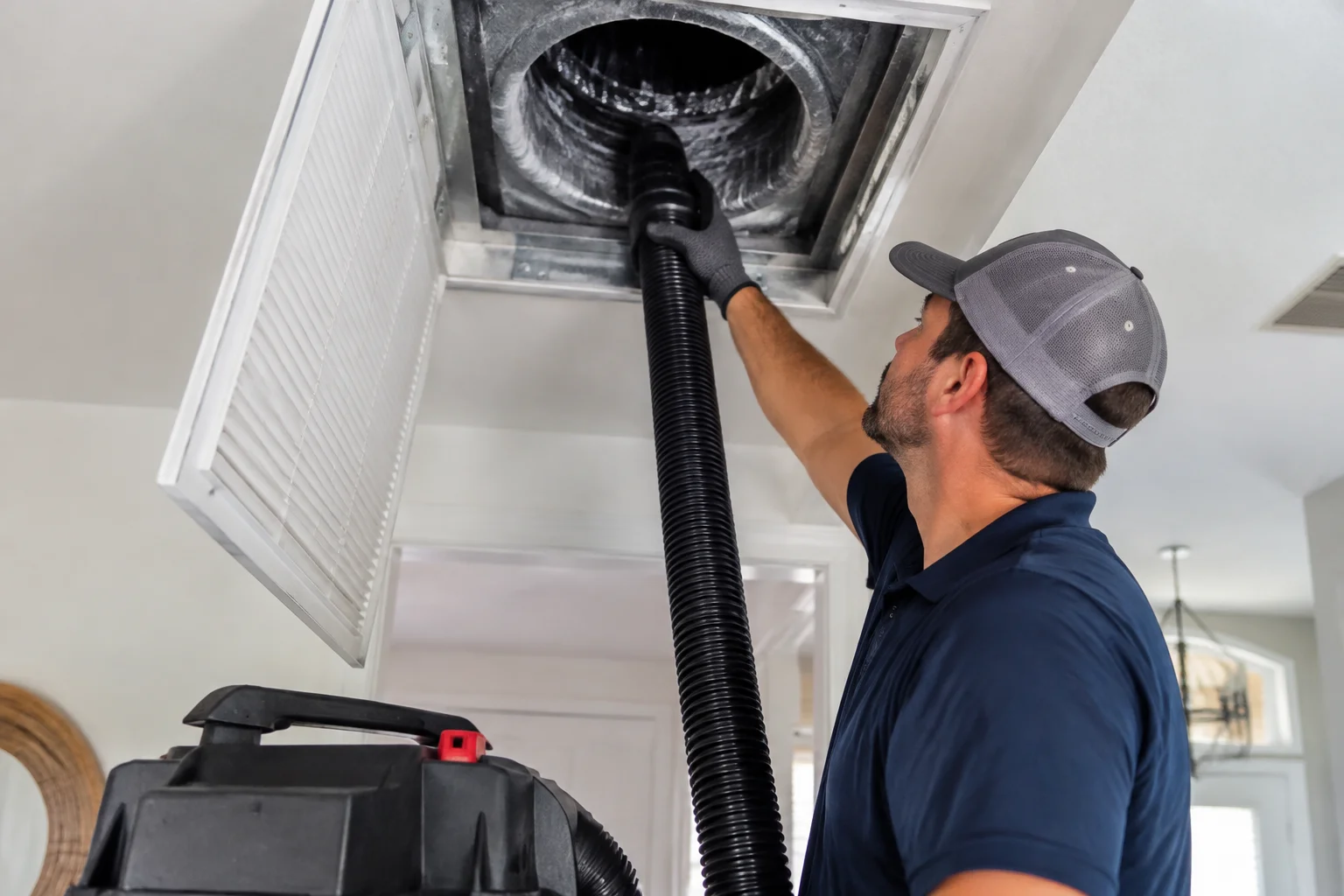
If you are searching for duct inspection near me, do not wait until comfort problems become severe. Duct inspection helps identify issues like poor airflow distribution, damaged duct sections, or areas that may be drawing in contaminants.
Depending on what is found, you may also need duct cleaning or duct repair near me type work. Cleaning and repairs are not the same as filtration upgrades, and the right approach depends on the condition of your duct system.
If you want to understand how duct sealing can help in WaterColor specifically, read Why WaterColor Homes Benefit from Better Duct Sealing and Aeroseal Care.
Keep registers clear and consistent
It sounds simple, but blocked or closed registers can shift airflow and create pressure imbalances. Pressure changes can encourage air leakage through gaps. Make sure supply and return paths are not blocked by furniture, heavy curtains, or storage.
Use the right filter for your system and your goals
Filters capture particles, but the best choice depends on your equipment and airflow. A filter that is too restrictive can reduce airflow, which can worsen comfort and increase system runtime. A filter that is too basic may not capture the dust and allergens you want to reduce. Ask a licensed HVAC contractor to match filter performance to your system and indoor air quality needs.
Humidity control is the indoor air quality lever in Florida
In WaterColor, humidity is not just a comfort issue. It affects how your AC removes moisture and whether moisture stays trapped in or around the system.
Confirm your AC is dehumidifying, not just cooling
Effective dehumidification often depends on correct system operation, airflow, and condensate drainage. If your home feels clammy during AC cycles, or if you notice condensation where it should not be, your HVAC system may not be handling moisture the way it should.
Watch condensate drainage during humid spells
Condensate drainage carries away moisture collected by the cooling process. When drainage is restricted, water can back up and contribute to damp conditions that hurt indoor air quality. If you ever notice water around the indoor unit, unusual wet spots, or repeated “overflow” type concerns, schedule service right away. Do not attempt DIY fixes for drainage issues without proper guidance, especially if you are not sure what is causing the restriction.
Use thermostats that support better control
Thermostat settings influence how long your system runs and how consistently it cycles. Some homeowners benefit from thermostat installation or thermostat programming that improves humidity management and comfort stability. If you are considering updates, a local team can help you choose a setup that fits your home’s layout and HVAC system.
If you want to explore control options, see Heating Control Systems.
Air cleaning tools can help, but they work best with HVAC basics
Indoor air quality services often include air cleaning and filtration upgrades. In WaterColor homes, these upgrades can be especially helpful when they are paired with proper airflow, humidity control, and clean ductwork.
Air scrubbers and filtration upgrades
Air scrubbers and filtration upgrades can help reduce airborne particles, depending on your system and the specific indoor air quality goals. The most effective approach is to evaluate what is in your air and how your HVAC moves it through the home.
Dehumidifiers and ventilation improvements
Some homes need more humidity control than the AC alone provides, especially during peak Florida heat. Depending on your home’s design and current HVAC performance, a dehumidifier or ventilation improvement may help reduce indoor moisture and support cleaner air exchange.
A Superior Mechanical offers indoor air quality services in WaterColor, FL for cleaner, healthier air and better HVAC performance. You can review options and request support through indoor air quality services for WaterColor homes.
Preventive HVAC maintenance that protects indoor air quality
Indoor air quality does not improve by accident. It depends on HVAC performance staying stable through the season. Preventive HVAC maintenance near me can help catch small issues before they turn into moisture problems, airflow drops, or comfort failures.
What a maintenance visit should prioritize
While every home is different, a quality maintenance plan for indoor air quality typically focuses on:
- Airflow checks: Ensuring the system is moving air properly through ducts and registers.
- Filter and return path assessment: Confirming the system is using appropriate filtration and that returns are not restricted.
- Condensate drainage inspection: Looking for signs of restriction, improper drainage, or moisture retention.
- Coil and system cleanliness: Addressing areas where dirt and moisture can affect performance.
- Thermostat operation: Verifying that the system is responding correctly to temperature and humidity-related needs.
Because WaterColor homes may be occupied seasonally, maintenance timing matters. A system that sits idle for months can develop issues that show up once the AC is turned on again. A professional can help you align service with your occupancy pattern.
Why professional local service matters in Walton County
Coastal conditions and Florida humidity change how HVAC systems perform. A licensed HVAC contractor near me understands how WaterColor homes are built, where ductwork is located, and what indoor air quality problems are most common locally. That local experience helps reduce trial and error and supports a safer, more accurate diagnosis when something is off.
If you are balancing comfort and reliability, also consider how local systems behave under heavy demand. For additional context, read Keeping WaterColor Homes Comfortable Without the Emergency Call.
Energy use and indoor air quality are connected
When indoor air quality is poor, it is often because the HVAC system is not performing efficiently. Restricted airflow, humidity imbalance, and duct leakage can all increase energy use because the system has to work harder or run longer.
Common energy-linked causes include:
- Dirty or incorrect filters that restrict airflow.
- Airflow loss through duct leaks that send conditioned air where it should not go.
- Moisture issues that force longer cycles or reduce cooling effectiveness.
- Control issues where thermostat settings lead to frequent cycling.
Addressing these problems supports better indoor air quality and can help your system maintain comfort without overworking.
Refrigerant and system performance: why “it cools” is not the whole story
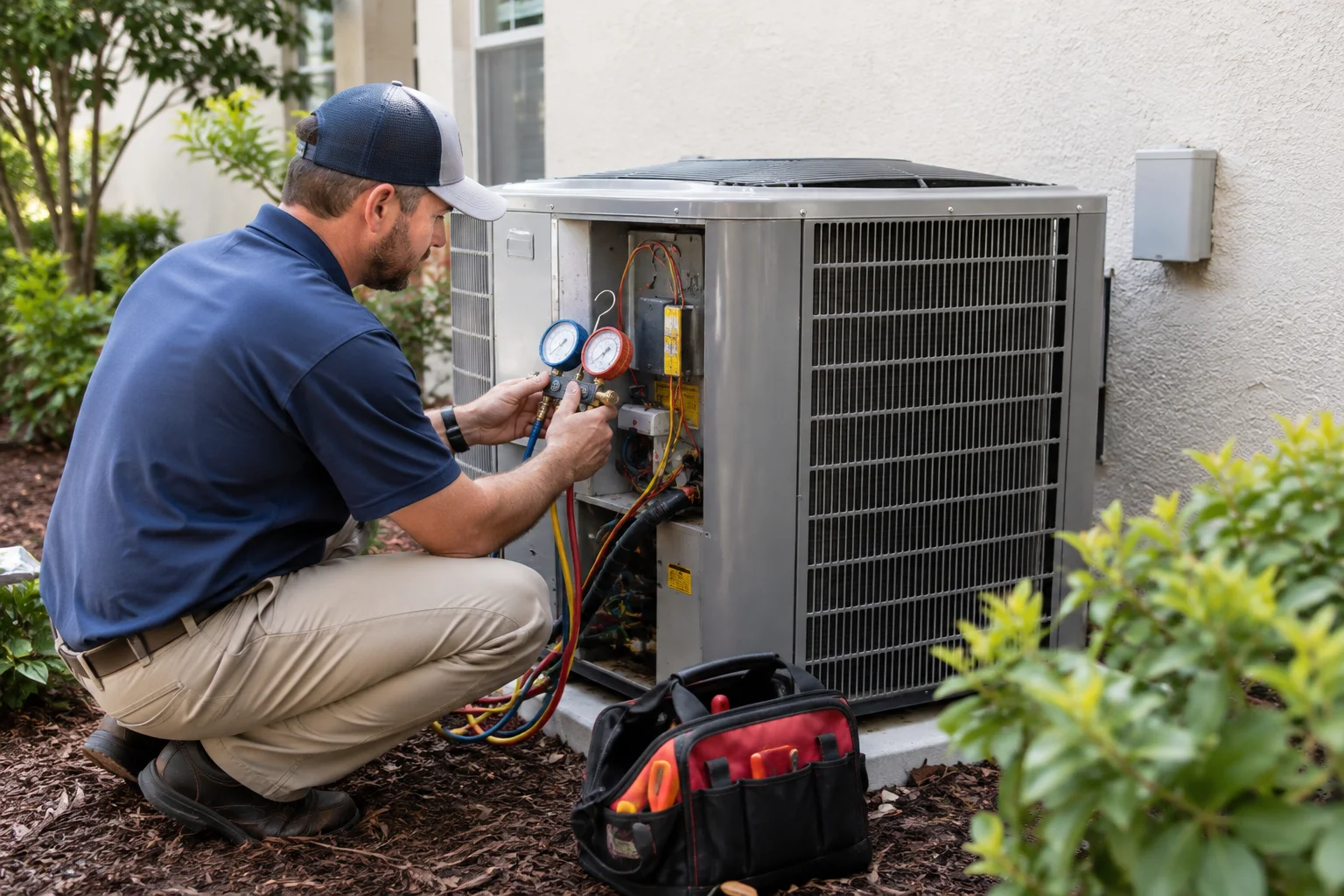
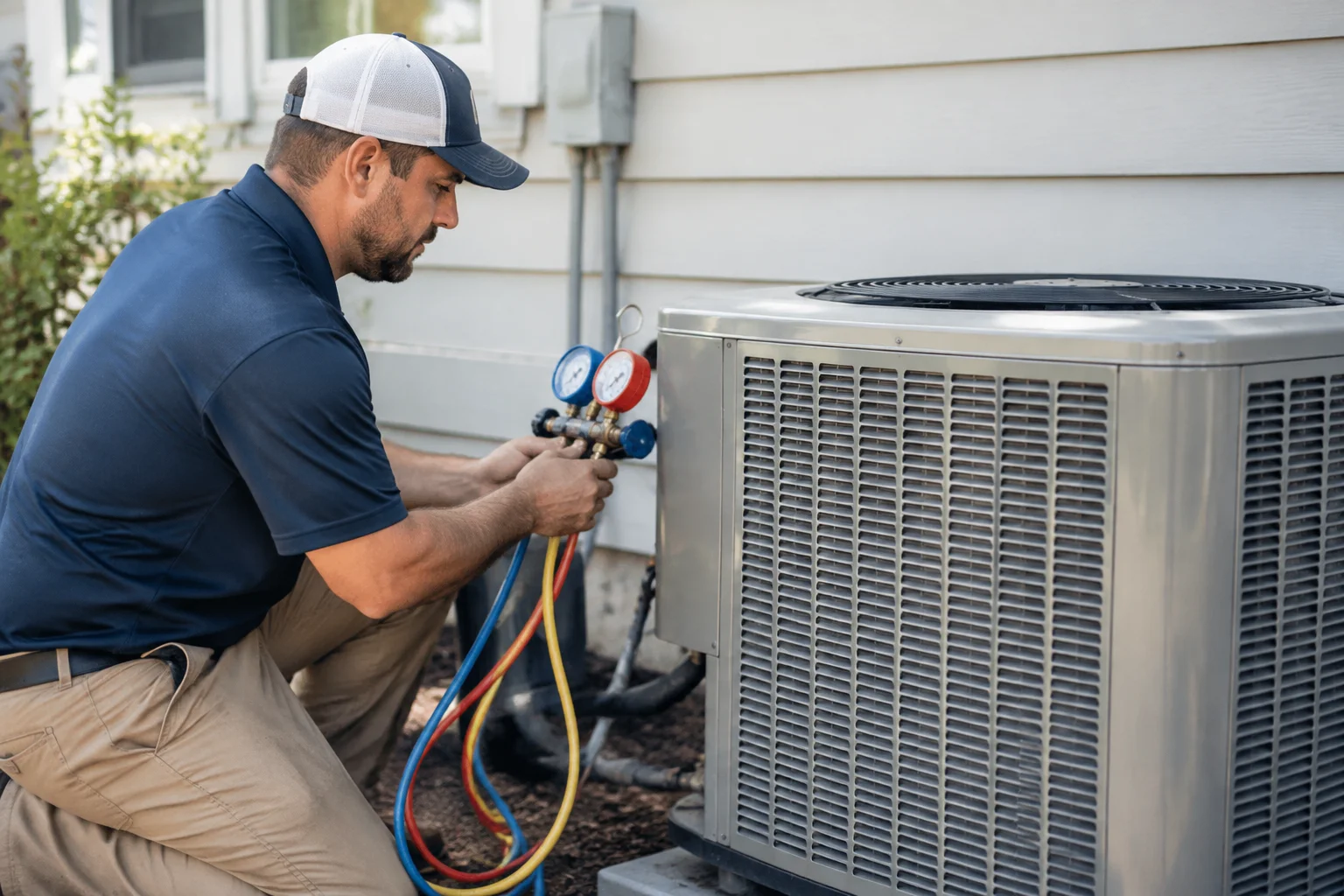
Refrigerant systems are designed to operate within specific ranges. Low refrigerant or system performance issues can affect cooling capacity and how long your system runs. That can indirectly impact indoor air quality by changing humidity removal and airflow conditions.
Homeowners should avoid guessing about refrigerant status. Refrigerant diagnosis and adjustment require an in-person evaluation by a qualified professional. If your AC is not cooling as expected, it is more reliable to schedule HVAC repair near me service so the technician can assess the system safely and accurately.
Vacation rentals and seasonal homes need extra planning
WaterColor has many homes that are used part-time. Indoor air quality can shift quickly when a property sits closed for weeks. When the AC is restarted, dust, odors, and humidity can return fast, especially during Florida heat.
Practical steps for seasonal homeowners include:
- Plan maintenance before peak season: Preventive HVAC maintenance helps ensure airflow and moisture control are ready.
- Check ductwork and filtration: Duct inspection near me and filter selection help reduce dust circulation when you open up the home.
- Use thermostat schedules thoughtfully: Avoid sudden extreme temperature drops that can stress the system and increase humidity swings.
If you manage a property that also sees higher usage or different occupant loads, it can help to understand how system demands change. See Why Commercial HVAC Systems Struggle in WaterColor Homes and How to Stay Ahead of It for a useful perspective on load and comfort stability.
When to call A Superior Mechanical for indoor air quality help
Some HVAC problems are safety and comfort issues, not just air quality inconveniences. Call a professional when you notice any of the following:
- Persistent musty odors or visible signs of moisture near HVAC equipment.
- Rising indoor humidity even when the AC runs.
- Frequent temperature swings or uneven room comfort that suggests airflow problems.
- Increased dust, allergy symptoms, or odors after HVAC operation.
- Any condensate drainage concerns, water pooling, or repeated overflow warnings.
For WaterColor homeowners, it is also smart to plan for emergency cooling concerns. If your system fails during a hot stretch, you will want support that understands local conditions. You can explore Emergency HVAC Services for peace of mind.
For homeowners looking specifically for indoor air quality services in WaterColor, Walton County, and the surrounding area, start with indoor air quality services in WaterColor. You can also browse service coverage across the county at /service-areas/walton-county.
Quick homeowner checklist to prevent indoor air quality problems
If you want a simple routine between professional visits, focus on the items that most directly affect HVAC performance and indoor air quality:
- Replace filters on schedule and use the correct type for your system.
- Keep returns and registers clear so airflow stays consistent.
- Use thermostat schedules that support stable comfort and avoid extreme swings.
- Watch humidity during humid Florida weeks and note whether the home feels clammy.
- Check for moisture clues around the indoor unit and near areas tied to condensate drainage.
- Schedule duct inspection if you have recurring dust, odor, or uneven airflow.
These steps do not replace professional HVAC maintenance, but they reduce the odds of problems building up behind the scenes. With WaterColor’s coastal humidity and salt air, proactive care is often the difference between steady comfort and an indoor air quality issue that escalates.
If you are searching for indoor air quality services near me or need help with AC repair near me, A Superior Mechanical can help you assess what is happening with your system and recommend an appropriate plan for cleaner, healthier air.
Find Indoor Air Quality in WaterColor, FL
If you need Indoor Air Quality in WaterColor, FL, visit our local service page or contact A Superior Mechanical today.
Map of WaterColor, FL
Frequently Asked Questions
How does humidity in WaterColor affect indoor air quality?
In Florida heat, high indoor humidity can reduce comfort and increase the chance that moisture-related contaminants grow. HVAC systems also rely on proper condensate drainage and airflow to remove moisture. When either is off, indoor air quality often suffers.
Can ductwork problems cause indoor air quality issues even if my AC is running?
Yes. Leaky or poorly performing ductwork can pull in dust and moisture from unconditioned spaces and can also reduce airflow to certain rooms. That can make some areas feel stuffy or cause recurring dust and odors.
What should I ask for when I schedule indoor air quality services?
Ask for an evaluation of HVAC airflow, filtration, humidity control, and condensate drainage. If needed, discuss options like air cleaning, filtration upgrades, dehumidification, and ventilation improvements that fit your home’s layout and comfort goals.
Is it safe for me to try to troubleshoot refrigerant issues myself?
No. Refrigerant diagnosis and adjustment require an in-person professional evaluation. If cooling performance is poor or humidity control is not working, schedule HVAC repair so a licensed technician can assess the system safely.
Related Articles
- Why Commercial HVAC Systems Struggle in WaterColor Homes and How to Stay Ahead of It
- Why WaterColor Homes Benefit from Better Duct Sealing and Aeroseal Care
- Keeping WaterColor Homes Comfortable Without the Emergency Call
- Indoor Air Quality Testing That Helps Inlet Beach Homes Stay Comfortable Longer
Photo Gallery