Laguna Beach, FL homes deal with heat, humidity, and salty coastal air that can stress HVAC systems year after year. Geothermal energy systems can deliver steady comfort by using the ground as a heat source and heat sink, but they are not a simple “install and forget” upgrade. The way the system is designed, how airflow and ductwork are matched, how refrigerant systems are serviced, and how condensate drainage is handled all affect day to day reliability and long-term operating costs.
This guide walks Laguna Beach homeowners through the basics of geothermal HVAC before small issues turn into emergency cooling concerns. If you are comparing geothermal energy systems to conventional air conditioning service or planning HVAC replacement near me, you will get a clearer picture of what to ask for and what to watch.
How geothermal energy systems support HVAC reliability in Laguna Beach
In a geothermal HVAC setup, the ground loop (often called the loop field) helps moderate temperatures. Instead of relying only on outdoor air conditions, the system transfers heat between your home and the ground. That can be especially helpful in Florida’s long, humid cooling season, where conventional equipment may cycle more often and work harder to manage indoor comfort.
Most geothermal systems still use a refrigerant based HVAC cycle and indoor air handling equipment. That means homeowners should think of geothermal as a full HVAC system, not just a “ground” component. Reliability depends on the entire chain: the loop field, the heat pump or geothermal unit, refrigerant systems and controls, the thermostat, airflow through ductwork or indoor units, and proper condensate drainage.
Why geothermal can feel different than standard AC service
Many homeowners are familiar with air conditioner service, AC repair, and ductwork tune ups. Geothermal adds a layer of complexity because the ground loop field and the indoor heat pump operation must work together. When everything is matched correctly, geothermal systems can deliver consistent comfort and more stable performance. When the design is off, you can run into persistent issues that look like “regular HVAC problems” but have geothermal specific causes.
Common Laguna Beach factors that influence geothermal performance include:
- Humidity management: Florida humidity affects comfort and indoor air quality. If airflow is restricted or dehumidification is not properly supported, the home can feel clammy even when temperatures look acceptable.
- Salt air exposure: Coastal conditions can be hard on outdoor components in conventional systems. Geothermal moves some of that exposure away from the outdoors, but your indoor air handling equipment, ductwork condition, and filtration still matter.
- Airflow and ductwork condition: Geothermal systems still rely on proper airflow. Oversized or undersized ductwork, leaky ducts, or clogged returns can cause poor heat transfer and comfort complaints.
- Condensate drainage: Cooling modes create condensate. If drainage is restricted or improperly routed, you can see water issues, musty odors, and equipment strain.
The geothermal “cost creep” problem usually starts with design and sizing
Geothermal energy systems can become expensive when the system is installed without a careful match between your home load and your ductwork, thermostat setup, and airflow pathways. In Laguna Beach, where many homes are older or have been updated over time, the indoor load can change due to insulation gaps, window upgrades, added rooms, or changes in ventilation habits.
Some of the design and sizing issues that often lead to higher costs later include:
- Heat pump capacity not aligned with real cooling and heating needs: A system that is too small may run constantly. A system that is too large can short cycle, which can worsen humidity control and reduce overall comfort.
- Air distribution mismatch: Even with the right geothermal unit, poor ductwork sizing or restrictive registers can limit airflow. This can affect refrigerant system performance and lead to frequent cycling.
- Thermostat and control settings that do not reflect your comfort goals: Geothermal systems depend on controls to manage stages, setpoints, and temperature swings. Incorrect settings can increase runtime and make indoor air quality harder to maintain.
- Insufficient attention to condensate drainage: A drainage pathway that works “most of the time” can become a reliability issue during peak Florida humidity.
If you are planning geothermal energy systems in Laguna Beach, FL, it is worth prioritizing a thorough site evaluation and system design review. The goal is to prevent the kind of gradual wear that turns into repeated AC repair calls or HVAC replacement near me decisions.
Florida heat and humidity: what homeowners should expect from geothermal cooling
Florida’s cooling season is not just about temperature. It is about moisture. Geothermal systems can provide stable cooling, but the indoor comfort experience depends on airflow, coil conditions, and condensate drainage.
Look for these comfort indicators:
- Humidity feels controlled: If your home still feels sticky, the issue may be airflow restrictions, filter problems, or control settings that do not support dehumidification.
- Airflow feels steady: Sudden temperature swings or weak airflow may point to ductwork issues, blower performance, or restrictions that reduce heat transfer.
- No water odors or wet areas: Any signs of condensate backing up should be addressed promptly because drainage problems can affect indoor air quality and equipment reliability.
Because geothermal systems still run through refrigerant cycles, homeowners should not try to “self diagnose” refrigerant issues. If you notice unusual performance, it is best to schedule an air conditioning inspection near me with a licensed HVAC contractor near me who can evaluate the system safely on site.
Salt air, indoor air quality, and ductwork reliability
Laguna Beach homes may be exposed to coastal conditions that can affect HVAC components over time. While geothermal systems reduce some outdoor exposure, the indoor side still needs attention. Ductwork condition and filtration play a major role in indoor air quality, comfort, and the system’s ability to maintain stable temperatures.
Here are practical ductwork and indoor air quality factors that often matter with geothermal HVAC:
- Return air pathways: Restricted returns can cause uneven cooling and increase runtime.
- Supply register balancing: If some rooms get too much air and others get too little, the system may not meet comfort needs evenly.
- Filtration and airflow resistance: A filter that is too restrictive for your system can reduce airflow and contribute to performance problems.
- Air sealing and duct leaks: Leaks can waste conditioned air and reduce comfort consistency.
If you want to improve airflow and air quality, it can help to read about Cleaner Air Starts in the Ducts: A Laguna Beach Homeowner’s Guide to Better HVAC Performance.
Thermostats and controls: small settings can drive big comfort problems
Geothermal systems often rely on thermostat schedules and control logic to manage heating and cooling efficiently. In Florida, where the weather can swing from hot and humid to warm and rainy, homeowners may adjust setpoints frequently. That can be fine, but it should be done with an understanding of how the system responds.
Common thermostat related issues include:
- Setpoints that encourage frequent cycling: Very aggressive temperature changes can lead to more frequent operation.
- Humidity control that is not aligned with real comfort needs: If the system is not configured for your indoor humidity goals, you may feel discomfort even when temperatures are on target.
- Schedule conflicts: Vacation properties and homes with irregular occupancy need schedules that match how people actually use the space.
When you are comparing geothermal energy systems to conventional setups, ask your contractor how the thermostat and controls will be configured for Laguna Beach conditions. For homeowners searching for heat pump service, this is one of the areas where a professional setup matters as much as the equipment itself.
Condensate drainage: the reliability detail people overlook
Cooling modes create condensate. The drainage route must handle the volume produced during Florida’s humid stretches. If condensate drainage is poorly planned, it can lead to water damage, musty odors, and equipment strain.
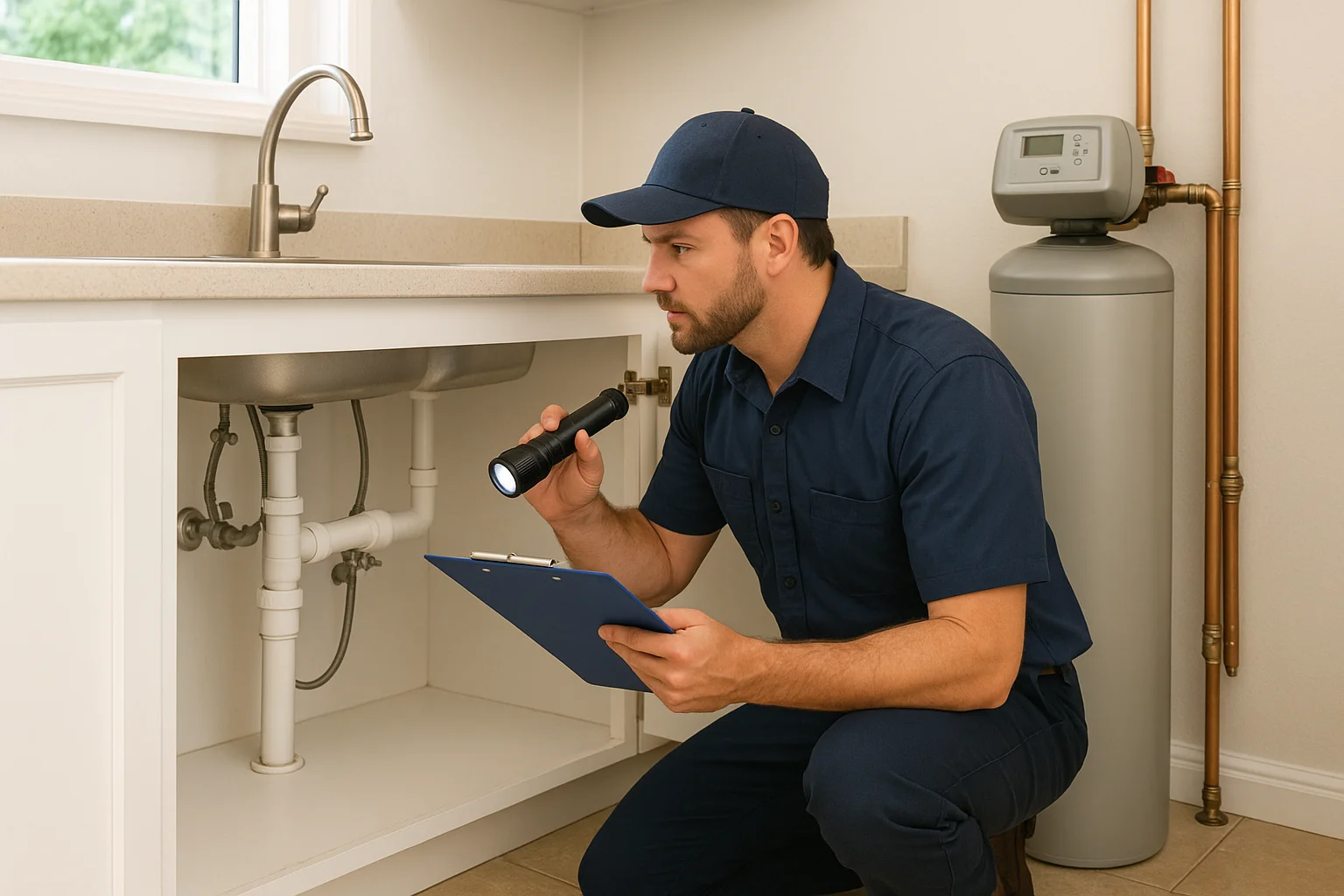
During an air conditioning inspection near me or geothermal performance check, technicians typically verify:
- Drain lines are clear and properly routed
- Condensate removal paths are protected from blockage
- Drain pans and related components are positioned and draining correctly
Because drainage issues can be intermittent, they can be easy to miss until the system is under peak load. That is when “emergency cooling concerns” become more likely.
Refrigerant systems and airflow: why DIY checks do not make sense
Geothermal HVAC still uses refrigerant systems to move heat. Homeowners sometimes assume that geothermal is “maintenance free” because part of the system lives underground. But the refrigerant cycle and indoor components still require safe, professional evaluation if performance changes.
Trying to check refrigerant levels, inspect sealed refrigerant components, or adjust system parameters without training can be risky and can cause more harm than good. A licensed HVAC contractor near me should evaluate performance using proper tools and procedures.
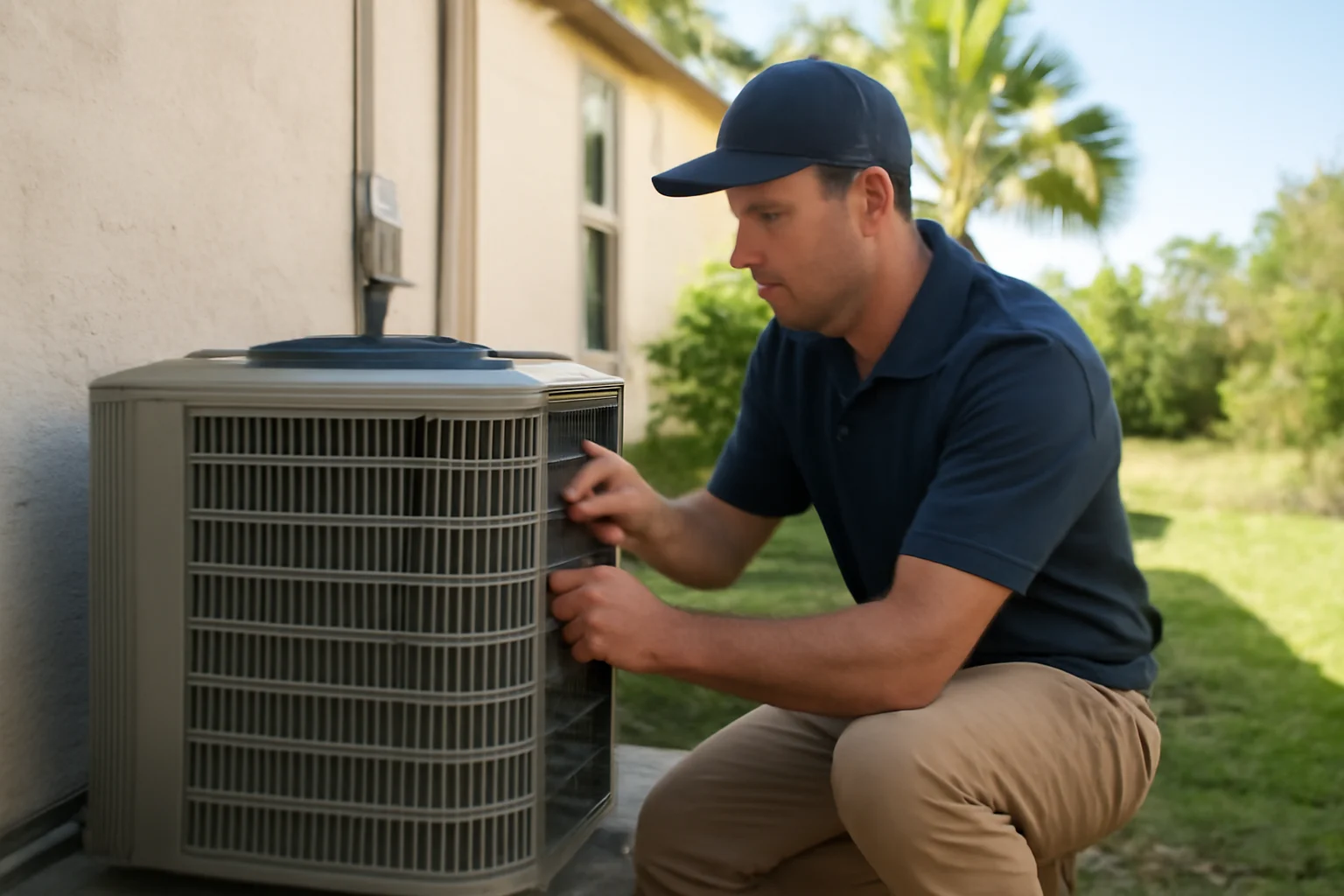
If you see persistent symptoms such as weak airflow, repeated cycling, unusual noises, or comfort issues that do not match the thermostat settings, schedule residential HVAC service near me or Air Conditioning Services so the full system can be assessed in person.
Signs geothermal HVAC may be heading toward costly repairs
Not every issue means a system replacement is needed. Still, early warning signs can help you avoid repeated emergency AC repair calls during the hottest weeks.
Watch for:
- Comfort drift: Rooms feel warmer or colder than usual, or the home never reaches the setpoint reliably.
- Humidity problems: Condensation on windows, persistent musty smells, or a sticky feeling that continues despite cooling.
- Airflow changes: Weak airflow from vents, noisy airflow, or uneven distribution between rooms.
- Thermostat complaints: The system seems to run longer than before, or it does not respond the way it used to.
- Water concerns: Wet spots near indoor units, clogged drain smells, or signs of condensate overflow.
- Frequent cycling: Short run times followed by frequent restarts can be a sign of an airflow or control mismatch.
When homeowners searching for HVAC maintenance near me notice these patterns, the best next step is usually a professional evaluation rather than guessing. A Superior Mechanical can help you understand what is normal for your geothermal setup and what needs attention.
Preventive HVAC maintenance that protects geothermal performance
Preventive maintenance is where you can reduce the chances of expensive breakdowns. Geothermal systems benefit from the same core HVAC maintenance principles as other heat pump systems, with attention to the indoor air handling side and the drainage pathway.
For Laguna Beach homes, a practical preventive plan often includes:
- Seasonal system checks: Verify cooling and heating operation across the temperature and humidity swings Florida brings.
- Airflow and filtration assessment: Confirm filters and airflow pathways support stable performance and indoor air quality.
- Ductwork inspection: Look for issues that can restrict airflow or contribute to uneven comfort.
- Condensate drainage verification: Ensure drainage is clear and working properly during humid conditions.
- Thermostat and control review: Confirm settings match how the home is used, including schedules for vacation properties.
If you are also dealing with ductwork concerns, it may help to review Keeping Laguna Beach Properties Reliable with Smarter HVAC Management for a homeowner focused approach to reliability.
Geothermal replacement and upgrades: how to avoid regret
Some homeowners decide to replace an existing system because their current comfort and humidity control are unreliable. Others consider geothermal energy systems as an upgrade for long-term comfort. Either way, the risk is the same: choosing an approach without fully evaluating the indoor HVAC system, ductwork, and comfort needs.
Before HVAC replacement near me becomes a last minute decision, ask professionals to evaluate:
- Existing ductwork performance: If ductwork is undersized, leaky, or blocked, a new system can still struggle.
- Indoor air quality needs: Homes with allergies, asthma triggers, or moisture sensitivity benefit from a maintenance plan that prioritizes filtration and airflow.
- Humidity strategy: If your home runs humid, you may need a plan that supports dehumidification, not just cooling.
- System controls and thermostat compatibility: The right thermostat settings can support comfort and help reduce unnecessary runtime.
For homes where humidity management is a top priority, consider whether Whole Home Dehumidifiers could complement your geothermal approach. A professional can help you think through what works best for your specific layout and comfort goals.
Why local geothermal expertise matters in Bay County
Geothermal energy systems are not one size fits all. Laguna Beach homes experience coastal weather patterns, strong humidity swings, and long cooling seasons. The best geothermal HVAC outcomes come from contractors who understand how these conditions show up in real homes: comfort complaints, ductwork wear, drainage behavior, and how systems respond to Florida heat.
Local service also matters when something goes wrong. If you are dealing with emergency AC repair concerns, you want a team that can troubleshoot the system safely and help you plan next steps without guesswork. A Superior Mechanical provides geothermal energy systems in Upper Laguna Beach, FL with site evaluation, custom system design, loop installation, equipment setup, and performance optimization for residential and commercial properties.
Explore our geothermal service details at Geothermal Energy Systems in Laguna Beach, FL, and learn more about our coverage at Laguna Beach HVAC services and Bay County HVAC services.
Planning ahead: a homeowner checklist before the system is installed
If you are considering geothermal energy systems for a new home or a major HVAC upgrade, use this checklist to keep costs under control by reducing design and commissioning surprises.
- Confirm your comfort goals: Temperature stability, humidity control, and indoor air quality priorities.
- Review ductwork condition: Ask about duct inspection near me and whether duct repair near me is needed to support airflow.
- Discuss thermostat and control strategy: Make sure settings match how your household schedules operate, including vacation use.
- Ask about condensate drainage planning: Verify drainage routing and how it will be maintained.
- Plan for preventive HVAC maintenance: Get a seasonal plan for cooling and heating performance checks, not just repairs after problems appear.
If your project is tied to new construction, you can also review New Construction Air Conditioning to see how airflow and system design choices affect long-term comfort.
When to call a professional geothermal HVAC contractor
Call a licensed HVAC contractor near me when you notice ongoing comfort problems, signs of moisture, or system behavior that does not match normal operation. In Laguna Beach, where humid weather can amplify small issues, it is smart to schedule an air conditioning inspection near me before a mid summer breakdown.
Also call promptly if you are planning system replacement or upgrades and want a clear assessment of how geothermal will interact with your ductwork, thermostat settings, and indoor air quality needs. A professional evaluation helps prevent unnecessary changes and supports safer, more reliable performance.
If you are exploring heat pump service options, you may find it helpful to review Heating Services for winter comfort planning, since many geothermal systems need dependable heating performance too.
Find Geothermal Energy Systems in Laguna Beach, FL
If you need Geothermal Energy Systems in Laguna Beach, FL, visit our local service page or contact A Superior Mechanical today.
Map of Laguna Beach, FL
Frequently Asked Questions
Is geothermal HVAC a good fit for Laguna Beach’s humidity?
It can be, but comfort depends on airflow, indoor air handling, and controls. A geothermal system still needs proper ductwork performance, correct thermostat settings, and reliable condensate drainage to manage moisture effectively in Florida’s humid conditions.
What are the most common geothermal HVAC problems homeowners notice?
Homeowners often notice comfort drift, weak or uneven airflow, persistent humidity, or water related issues tied to condensate drainage. These symptoms can come from airflow restrictions, filtration problems, control mismatches, or other indoor system factors that require an in-person evaluation.
Do I need different maintenance for a geothermal system than a standard heat pump?
The core idea is similar: seasonal checks, airflow verification, and attention to indoor comfort components. Geothermal systems also rely on the correct indoor setup and drainage. A preventive HVAC maintenance plan helps reduce the chance of breakdowns during peak cooling demand.
Can I diagnose geothermal refrigerant issues myself?
No. Refrigerant systems require trained inspection and proper tools. If you suspect refrigerant related performance problems, schedule a professional air conditioning inspection near me so the system can be evaluated safely on site.
Where can I learn about geothermal energy systems in Laguna Beach?
You can review A Superior Mechanical’s geothermal service page here: Geothermal Energy Systems in Laguna Beach, FL. For broader coverage, see Laguna Beach HVAC services and Bay County HVAC services.
Related Articles
- Smart HVAC Planning for Air Conditioning Maintenance in Laguna Beach, FL
- Commercial HVAC Installation in Laguna Beach, FL: The Issues Local Property Owners Should Not Overlook
- Keeping Laguna Beach Properties Reliable with Smarter HVAC Management
- Cleaner Air Starts in the Ducts: A Laguna Beach Homeowner’s Guide to Better HVAC Performance
Photo Gallery