Living in Cinco Bayou means your plumbing has to handle real-world conditions, from humid weather and heavy rainfall to hot water use from daily routines. When something goes wrong, it is not always a visible drip. Some leaks travel through pipes under flooring or through the slab itself, quietly wasting water and quietly damaging your home.
This guide explains how leak detection works, what slab leaks look like in everyday homes, and how homeowners can reduce the odds of expensive repairs. If you are searching for a plumber near me for leak repair, the steps below will help you understand what to look for and what questions to ask.
Why Cinco Bayou plumbing problems can turn expensive fast
Many homes in and around Cinco Bayou are built on slabs or have plumbing runs that sit close to the foundation. In those setups, a leak can start small and remain hidden until it affects water bills, floors, or the surrounding structure. With warm, coastal Florida weather, pipes can also be stressed by temperature swings, and hard water can contribute to scale buildup inside lines.
Even if you cannot see a leak, you can often measure the impact. Watch for rising water use, changes in water pressure, and recurring damp spots around fixtures, baseboards, or the floor. When homeowners ignore those clues, a minor issue can become a bigger repair that may require cutting into flooring or addressing affected sections of piping.
If you are trying to plan plumbing maintenance in Okaloosa County, it helps to understand that prevention is not just about saving money today. It is also about reducing the chances of emergency plumbing concerns later, when the problem is harder to diagnose and more disruptive to fix. For urgent situations, you can review Emergency Plumbing Services in Cinco Bayou.
Leak detection in plain language: what a pro actually looks for
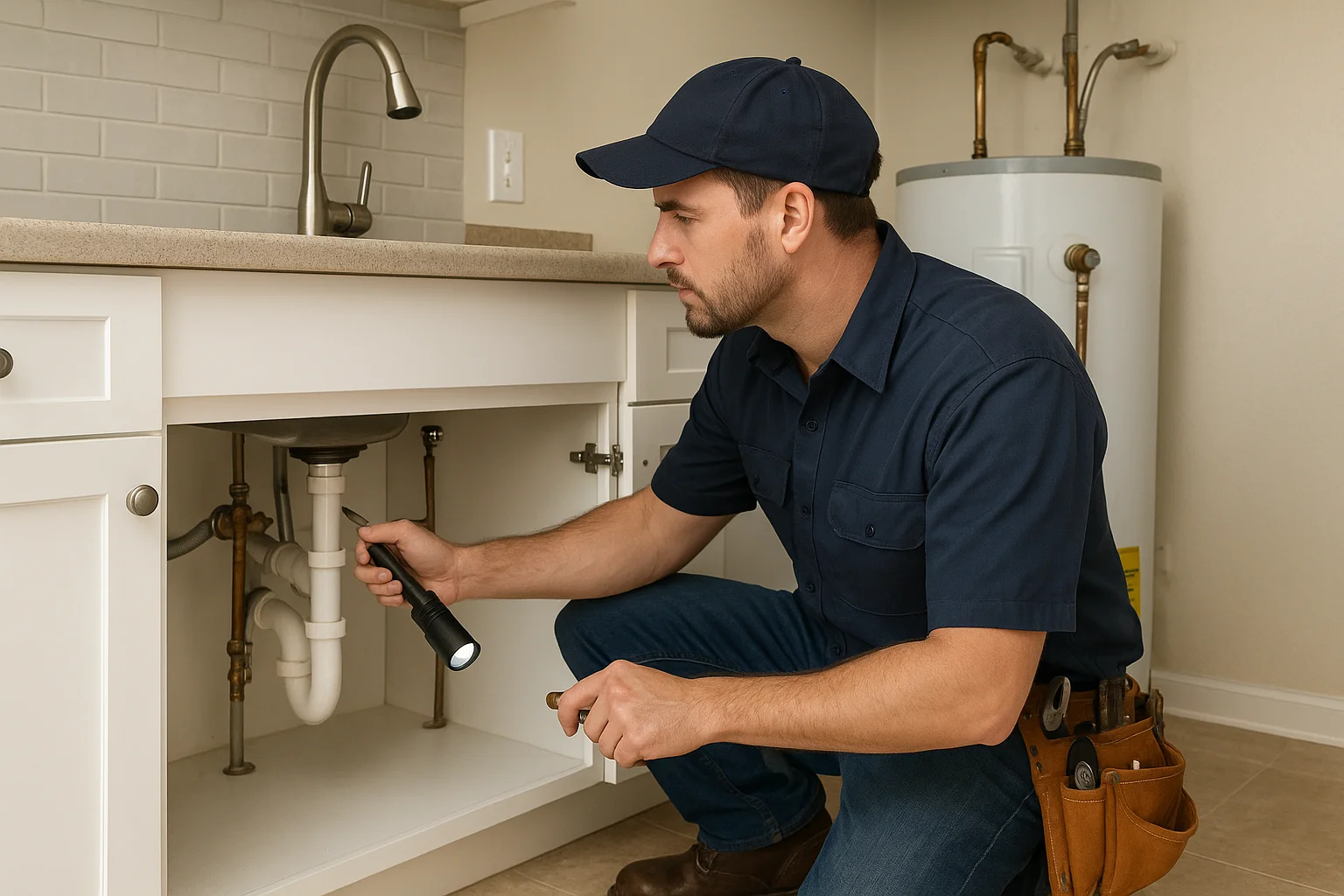
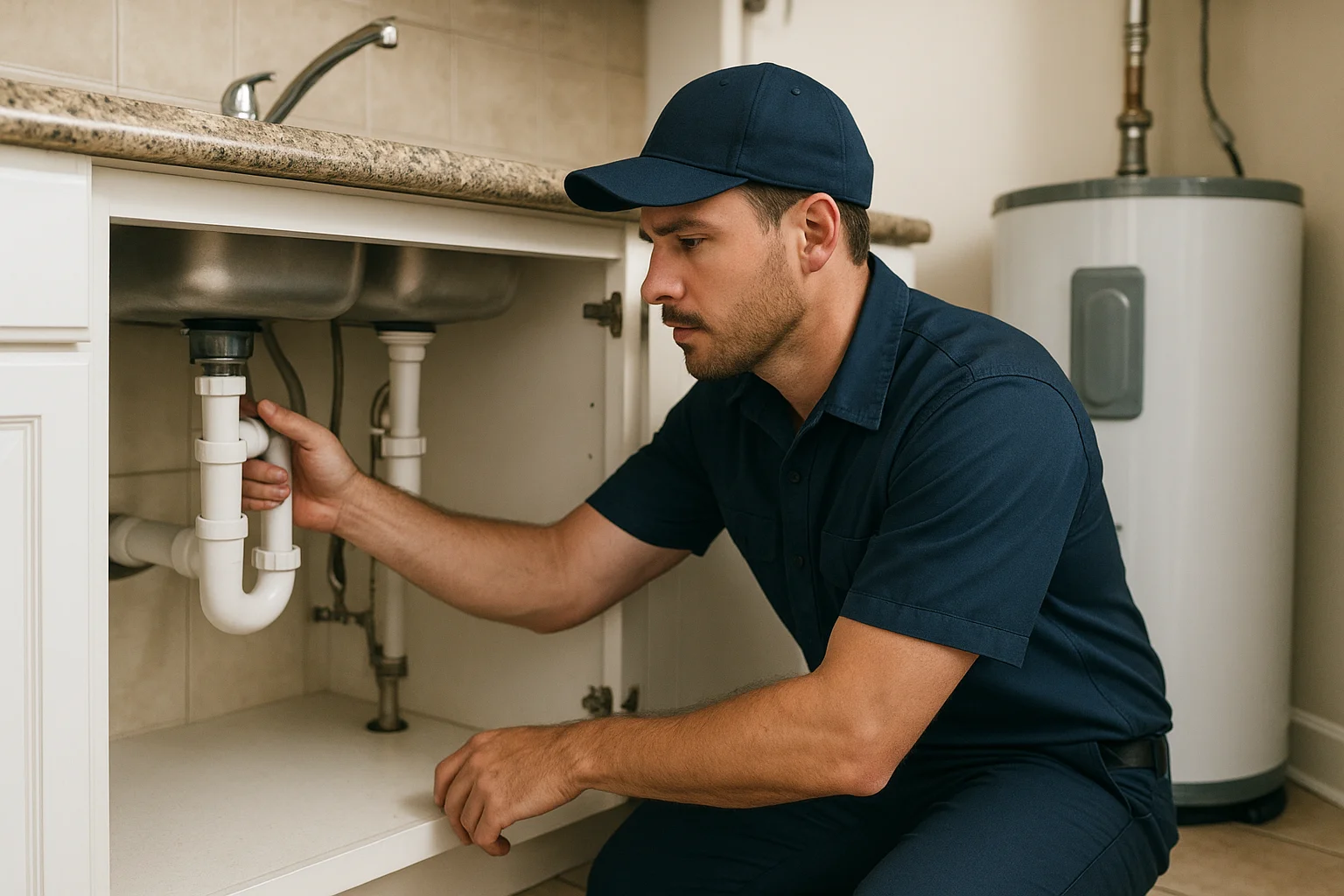
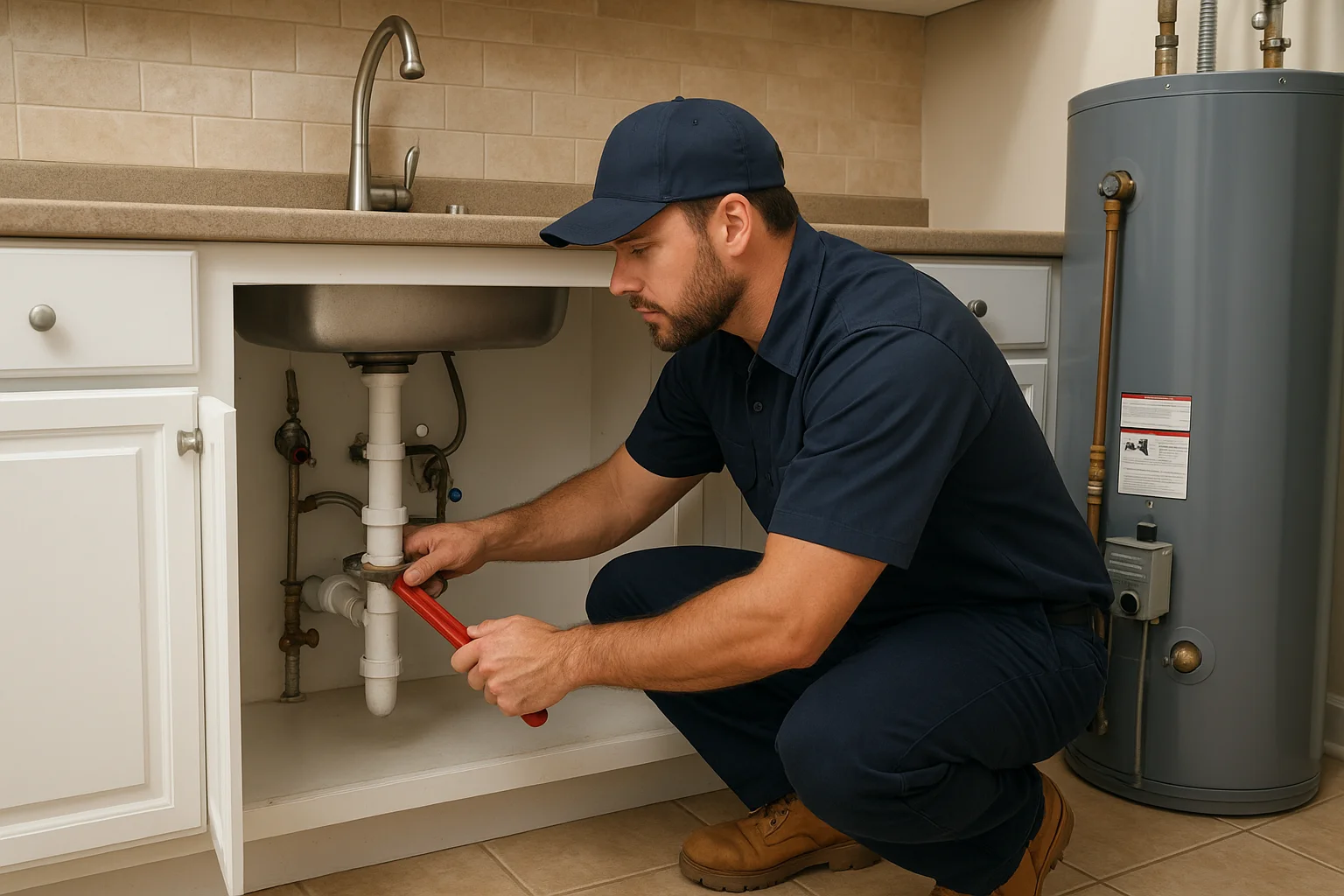
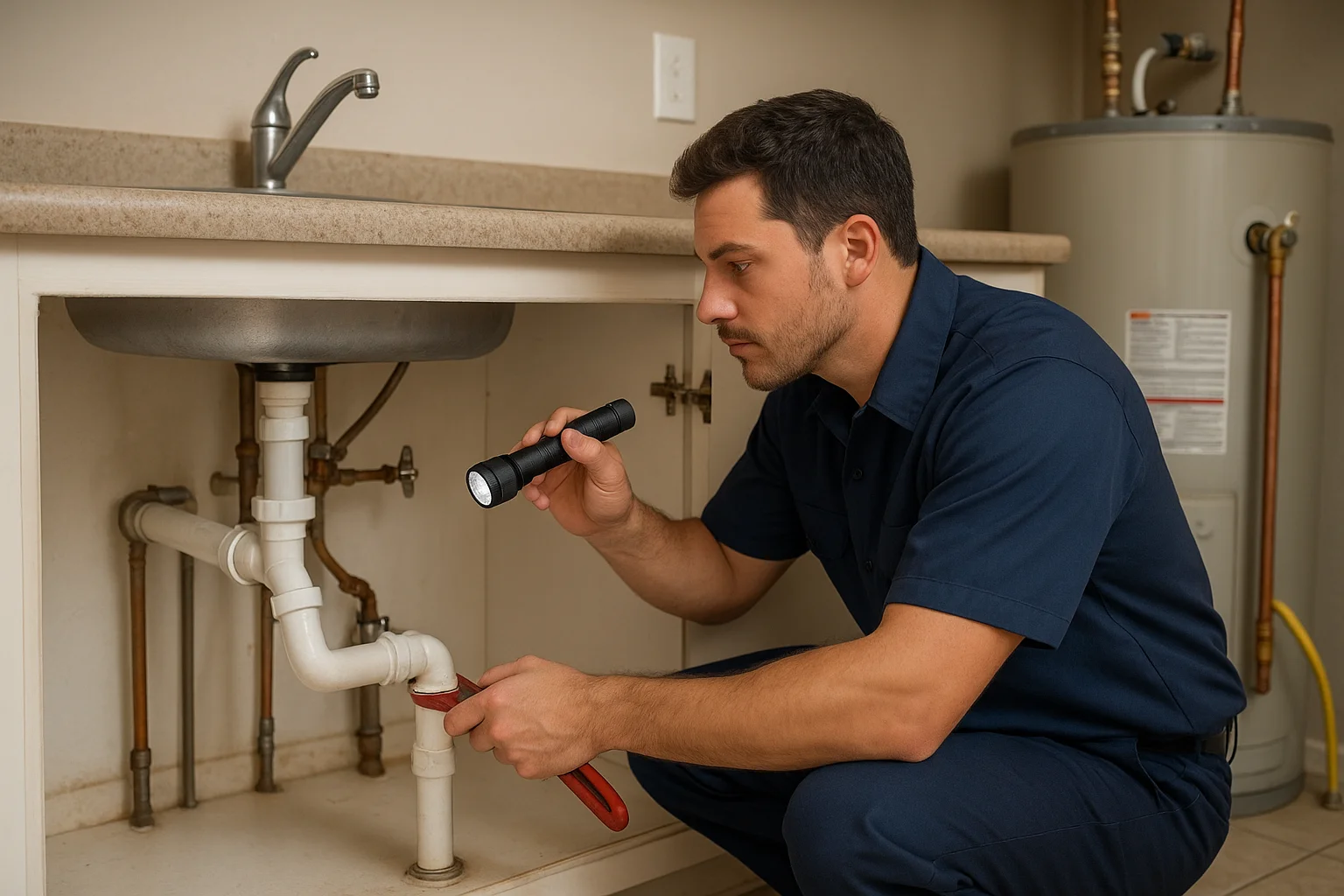
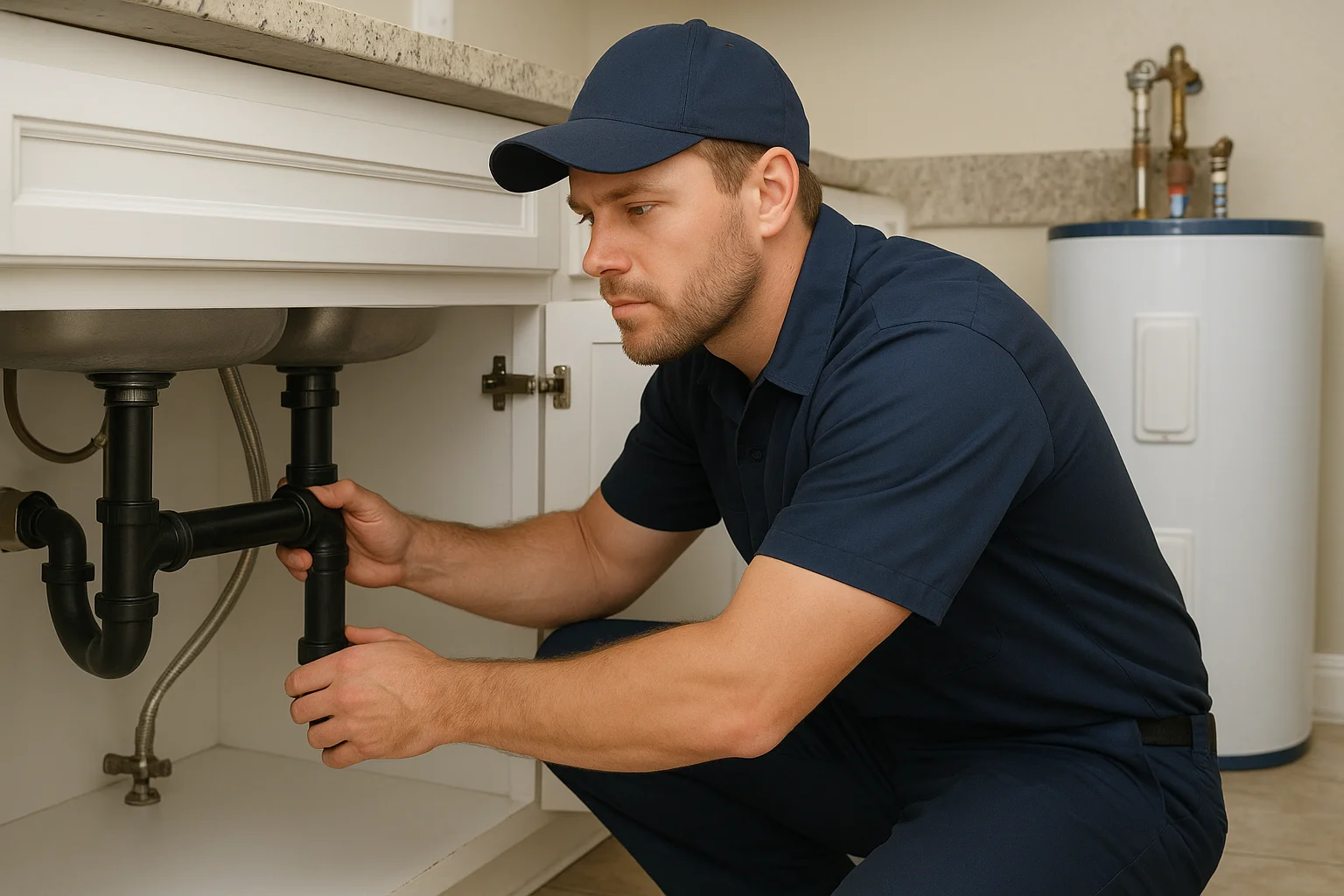
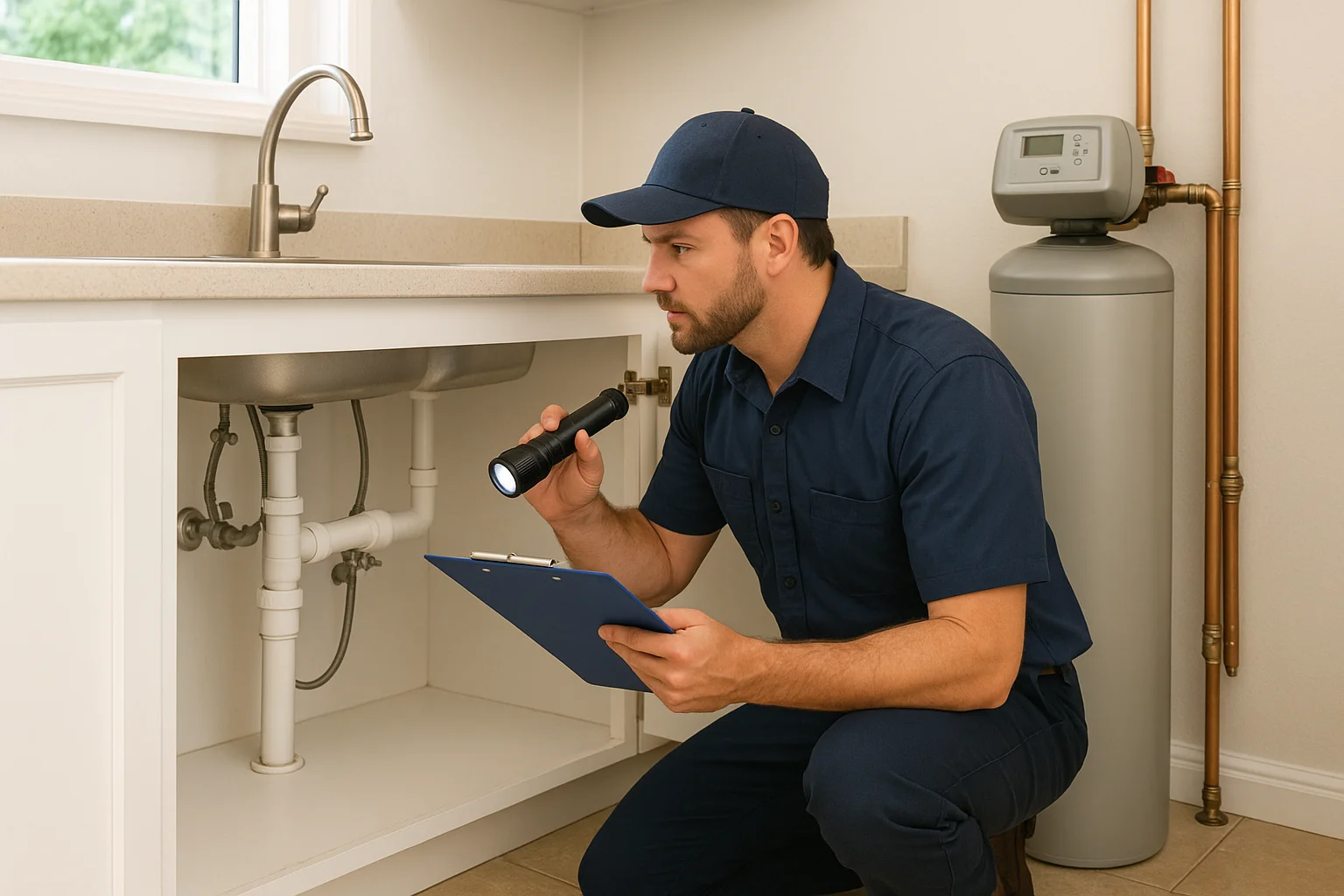
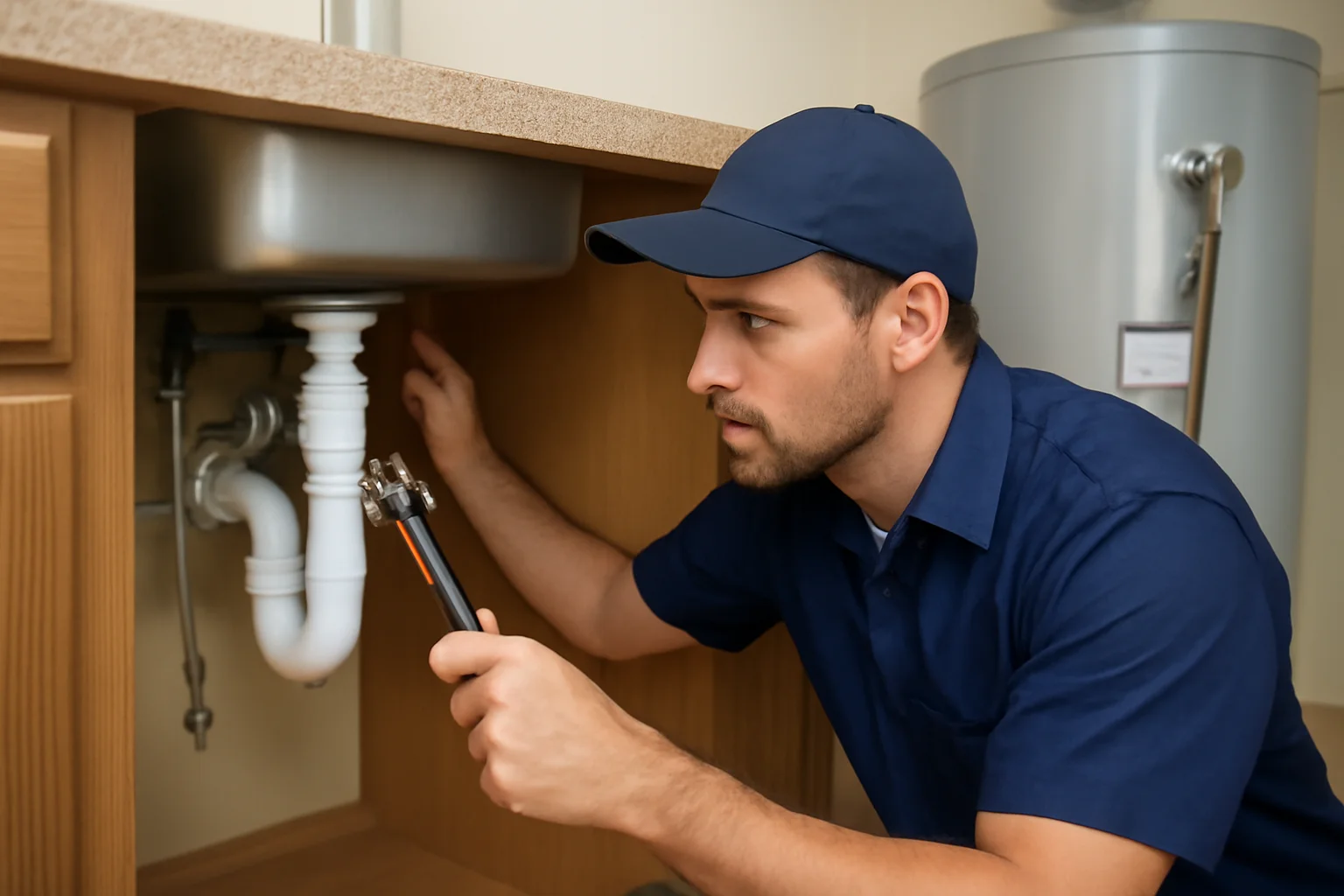
Professional leak detection is not guesswork. A technician typically combines observation, testing, and specialized tools to locate the source without unnecessary damage. The goal is to find the exact point of failure in your pipes or plumbing system so repairs are targeted.
1) Visual and operational clues
Before any equipment is used, a technician checks common problem areas such as:
- Under sinks, around toilets, and behind appliances
- Visible piping for corrosion, mineral deposits, or moisture
- Water meter behavior when no fixtures are running
- Water pressure changes when showers, faucets, or sprinklers run
In Cinco Bayou homes, hard water can leave mineral residue that is a clue of slow leaks. It can also make scale buildup more likely in older fixtures, which may worsen flow and pressure issues.
2) Pressure testing and flow checks
Many slab leaks and hidden pipe leaks can be detected by testing how the system holds pressure. A technician may isolate sections of plumbing and compare results to identify where pressure drops. This is especially helpful when you are dealing with a leak repair situation where you know something is wrong, but you cannot find it by sight.
3) Listening and electronic location tools
When the leak is underground or behind walls, a trained technician may use acoustic listening devices or other detection methods to pinpoint the location. These tools help narrow down where the leak is occurring so the repair can be made with less disruption.
4) Moisture mapping and thermal methods (when appropriate)
Some leaks create temperature differences or moisture patterns in surrounding materials. Depending on the home and the suspected location, moisture mapping can help confirm the area that should be opened for repair.
If you are searching for a leak detection and slab leak services provider, it is reasonable to ask how they confirm the leak location before starting repairs. A good process reduces unnecessary cutting and helps protect your floors and landscaping.
Common slab leak signs homeowners notice in everyday life
Slab leaks can be frustrating because they do not always show obvious water puddles. Here are the signs Cinco Bayou homeowners often report:
Unexpected spikes in water bills
One of the first clues is higher-than-usual monthly water use. A slab leak can run for days or weeks while you remain unaware. If your family habits have not changed and your bill jumps, it is time to investigate.
Warm floors, damp spots, or musty odors
When water travels through a slab, it can create moisture in surrounding areas. Homeowners may notice a musty smell, increased humidity, or floor areas that feel warmer than other rooms.
Water pressure that fluctuates
A leak can affect how water moves through the system. You might see pressure drop when a faucet is running, or you might notice inconsistent pressure across fixtures.
Cracks in drywall, ceilings, or tile
As water undermines soil under a slab, it can contribute to settling. That can lead to cracks near plumbing runs or in areas that seem unrelated to where a visible leak should be.
Long recovery times for hot water
Sometimes hot water delivery feels slower, or the water heater cycles more often than usual. A slab leak involving hot water lines can increase demand and cause the system to work harder.
These signs can also overlap with other problems, such as toilet leaks, fixture failures, or drainage issues. That is why accurate leak detection matters. You want the root cause, not a temporary patch.
Slab leaks vs. other plumbing leaks: how to tell the difference
Homeowners often assume every leak is a visible drip. In reality, leak sources vary:
Toilet leaks
A running toilet can waste a surprising amount of water. If you are dealing with a sound or a persistent flow, consider Toilet Repair and Replacement rather than focusing only on slab areas.
Faucet and pipe leaks
Dripping faucets, loose connections, and small pipe leaks are often easier to spot. Still, a slow leak can hide behind cabinets or within walls.
Drain leaks and sewer line issues
Not every water problem is a supply leak. If you notice gurgling drains, slow drainage, or foul odors, the issue may be related to drains or sewer lines. In that case, homeowners may search for plumbing help or specifically for slow drain troubleshooting to understand how buildup can affect flow.
For sewer drain concerns, it can help to seek sewer line repair near me type support from a team that can evaluate the full system.
What causes slab leaks in Cinco Bayou homes
Slab leaks usually come from a combination of time, movement, and water chemistry. In Cinco Bayou, common contributors include:
- Pipe corrosion: Older plumbing materials can degrade over time.
- Wear at joints: Connections can fail, especially where pipes change direction.
- Soil movement and settling: Heavy rain and changing soil conditions can put stress on buried plumbing.
- Hard water effects: Mineral buildup can contribute to reduced flow and increased stress on plumbing components.
- Temperature changes: Hot and cold cycles can expand and contract materials.
Even if you have not made plumbing changes recently, a slab leak can develop gradually. That is why routine checks and prompt action when you notice water use or pressure changes are so important.
Maintenance tips that help you catch leaks earlier and spend less
You do not need to be a plumber to protect your home. A few practical habits can reduce the odds of hidden damage and help you spot problems sooner.
Do a simple water meter check
If you are trying to confirm whether you have an active leak, turn off all faucets and appliances and watch the water meter. If it continues to move, you likely have water flow somewhere in the system. This is a useful step before scheduling professional leak detection.
Track water pressure and water heater behavior
Pay attention to:
- Pressure changes at sinks and showers
- How often the water heater runs
- Whether hot water delivery feels slower
If you are already planning preventive plumbing care, this is a strong time to schedule inspection. It can also make future water heater service smoother if your system needs upgrades.
Inspect fixtures monthly
Quick checks can prevent slow leaks from becoming slab-level problems:
- Look under sinks for moisture or mineral residue
- Check toilet bases for dampness
- Listen for running water after toilets are flushed
- Confirm faucet handles are not leaking at the stems
If you notice a persistent issue, seek plumbing repair rather than waiting for it to worsen.
Be proactive with drain maintenance
Clogged drains do not always cause leaks, but they can create pressure changes and overflow risks that affect nearby plumbing. If you have slow drains, recurring backups, or gurgling, schedule drain cleaning near me service early. Waiting can turn a simple cleanout into a more complicated repair.
For homeowners dealing with hard water and frequent buildup, read Hard Water, Slow Drains, and the Small Plumbing Problems Cinco Bayou Homeowners Should Not Ignore to understand how everyday habits contribute to blockages.
Use water wisely during peak usage times
In Florida, household water demand can spike during certain parts of the year. If you run multiple fixtures at once and then notice pressure drops, that can indicate an issue in the supply lines. Balanced usage can reduce stress while you arrange repairs.
Know the difference between a leak and a sewer smell
Supply leaks usually show up as moisture, damp floors, or rising bills. Sewer-related concerns often involve odors, slow drainage, and gurgling sounds. If you suspect sewer line issues, it is smart to seek sewer drain cleaning near me or sewer line repair near me help so the diagnosis is based on the correct system.
Emergency plumbing concerns in Cinco Bayou: what counts as urgent
Some leak situations should not wait. Consider contacting emergency plumbing support if you notice:
- Water actively pooling near the foundation or spreading quickly
- Major pressure loss across multiple fixtures
- Visible damage to floors, walls, or ceilings
- Continuous water meter movement that you cannot explain
- Signs of sewage backup, including strong odors and overflowing drains
When homeowners search for an emergency plumber near me, they are usually trying to limit damage fast. If you are unsure whether your situation is urgent, calling a local team for guidance can help you decide the next steps.
How slab leak repair is typically handled
Once a leak is located, the repair plan depends on where the leak is and how much of the plumbing run is affected. Common repair approaches include:
- Targeted pipe repair or replacement: The technician repairs the damaged section or replaces a run when needed.
- Access planning: The goal is to minimize disruption while reaching the problem area.
- System testing after repair: Pressure or flow tests confirm the leak is resolved.
Homeowners should expect the process to include diagnosis first, then repairs. If a company suggests opening floors or walls without confirming the source, ask for details on how they determined the leak location.
Budgeting for repairs: what affects the cost
It is normal to wonder what slab leak services cost. The price can vary based on:
- How accessible the leak area is
- The pipe material and length of affected section
- How long the leak has been running and how much damage occurred
- Whether hot water lines are involved
- The need for floor or landscaping restoration
Scheduling leak detection sooner often helps control total costs. A small leak caught early can mean less disruption than a leak that has been running long enough to affect multiple areas.
Connections to water heater service and hot water reliability
Slab leaks involving hot water lines can increase water heater workload and raise energy costs. If you notice frequent cycling, inconsistent hot water, or water heater age concerns, it may be time to combine leak detection with water heater service.
For homeowners searching for water heater repair near me or planning upgrades, it helps to make sure the plumbing supply is not pushing extra demand. If your water heater is nearing the end of its life, you may also consider Choosing the Right Water Heater for a Cinco Bayou Home and discuss whether repairs or replacement make the most sense.
If you are exploring hot water heater replacement near me because you suspect the system is struggling, start by checking for leaks that could be causing undue pressure on the heater and piping. That is where professional diagnostics can save money.
When hard water makes everything harder
Cinco Bayou homes can experience hard water, which can lead to mineral buildup in fixtures and internal plumbing. Hard water can contribute to:
- Reduced flow from faucets and showerheads
- Clogs that build up over time
- More frequent drain cleaning needs
- Increased stress on older components
If you want to improve water quality at the tap, read Cleaner Water Starts at the Tap in Cinco Bayou. That kind of planning can support long-term plumbing reliability, especially when paired with routine leak checks and timely drain maintenance.
Choosing a local plumber for leak detection and slab leak repairs
When you are searching for plumber near me or residential plumber near me, focus on the details that show they can diagnose correctly and protect your home:
- They explain how they locate the leak, not just how they repair it
- They use testing and appropriate equipment for hidden leaks
- They discuss repair options based on your home’s layout and plumbing design
- They coordinate related plumbing needs, such as toilet repair, drain cleaning, or water heater service
- They are clear about next steps and what homeowners can monitor afterward
A Superior Mechanical provides professional leak detection and slab leak services in Cinco Bayou, FL for homes, rentals, and businesses across Okaloosa County. If you would like to review the service area details, visit /service-areas/okaloosa-county or the city page at /service-areas/okaloosa-county/cinco-bayou. For slab leak diagnostics and repairs, start with leak detection and slab leak services.
Related plumbing services that often go hand in hand
Hidden leaks can overlap with other plumbing issues. For example, a home may have a slow toilet leak and a separate drain buildup problem. Addressing these together can improve reliability and reduce repeated service visits.
If you discover additional plumbing needs during leak detection, it may be helpful to consider local options for:
- Plumbing replacement for lines that are too deteriorated to repair: Plumbing Replacement
- Toilet repair for ongoing water waste: Toilet Repair and Replacement
- Water heater repair if hot water issues appear during diagnosis: Water Heater Repair
A quick checklist before calling for slab leak detection
If you suspect a leak and want to help your technician arrive prepared, write down:
- When you first noticed the problem and any changes since then
- Water bill changes or meter readings (if available)
- Any pressure changes at faucets and showers
- Any musty odors, damp spots, or warm areas on the floor
- Whether hot water seems affected
- Any drain symptoms such as slow drainage or gurgling
That information can speed up diagnosis and help a local team focus on the most likely causes. In a place like Cinco Bayou, where homes experience a mix of humidity and seasonal water demand, getting the correct answer the first time protects your plumbing and your budget.
Find Leak Detection and Slab Leak Services in Cinco Bayou, FL
If you need Leak Detection and Slab Leak Services in Cinco Bayou, FL, visit our local service page or contact A Superior Mechanical today.
Map of Cinco Bayou, FL
Frequently Asked Questions
How can I tell if I have a slab leak instead of a toilet or faucet leak?
Start with the water meter. If it keeps moving when everything is off, you likely have a leak in the supply plumbing. Slab leaks often show up as rising water bills, damp or warm floor areas, and pressure changes. Toilet leaks are usually tied to constant running or a slow trickle. A technician can confirm the source with pressure tests and leak detection tools.
What should I do right away if I suspect an active leak under my slab?
Turn off the water supply if the leak is causing visible water or rapidly spreading dampness, then limit water use. Take photos of any affected areas and note when the issue started. Contact a local team for leak detection so the repair plan is based on where the water is actually coming from.
Can hard water cause slab leaks?
Hard water does not typically create slab leaks by itself, but it can contribute to scale buildup and stress inside plumbing over time. That can worsen flow and increase wear on fixtures and pipes, especially in older systems. If you suspect a leak, professional diagnostics are still the best way to locate the problem.
Will slab leak repair require replacing my whole plumbing system?
Not usually. Repairs are typically targeted to the damaged section once the leak location is confirmed. In some cases, additional replacement may be recommended if multiple sections are deteriorated, but the plan depends on the condition of your pipes and the extent of the leak.
Related Articles
Photo Gallery