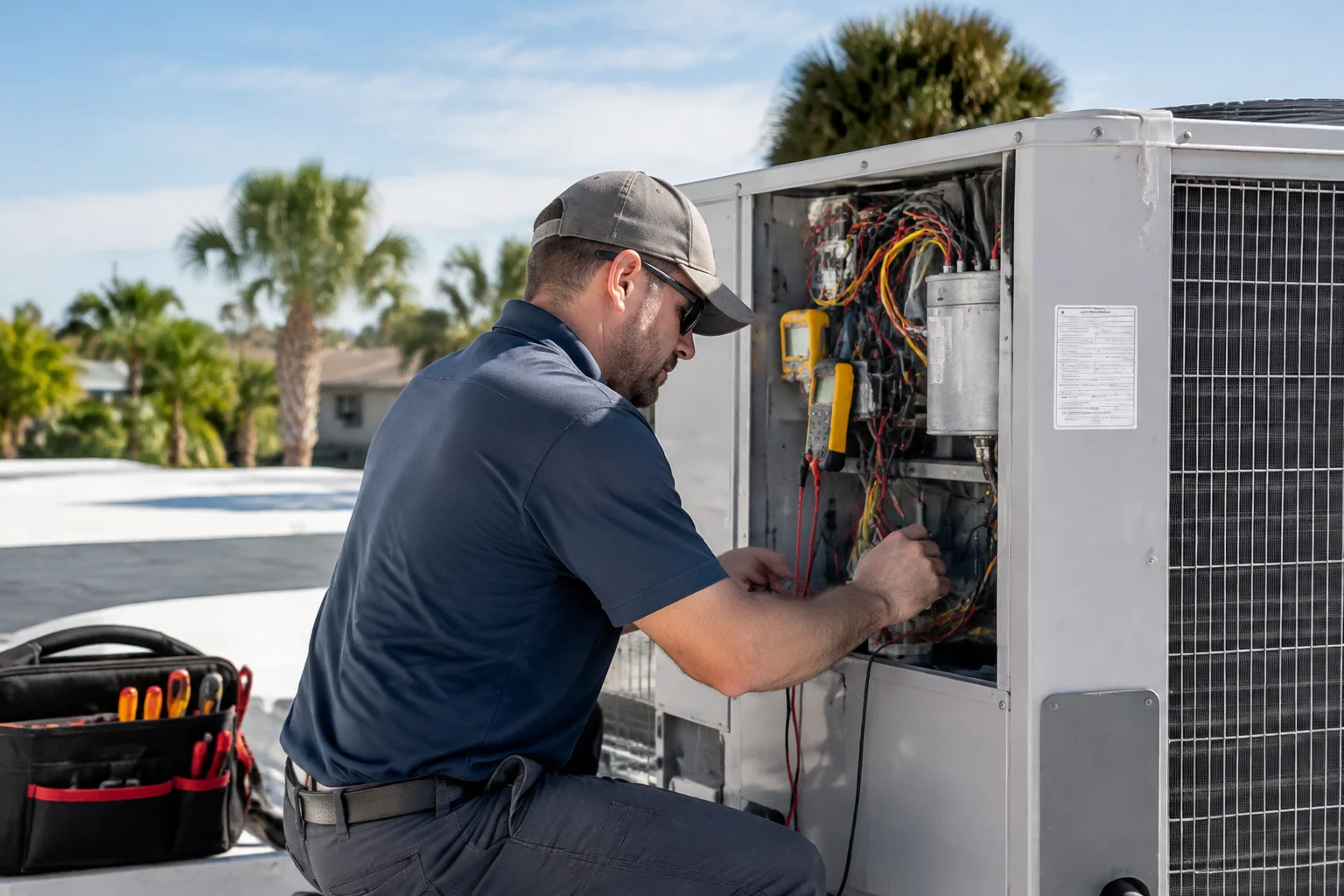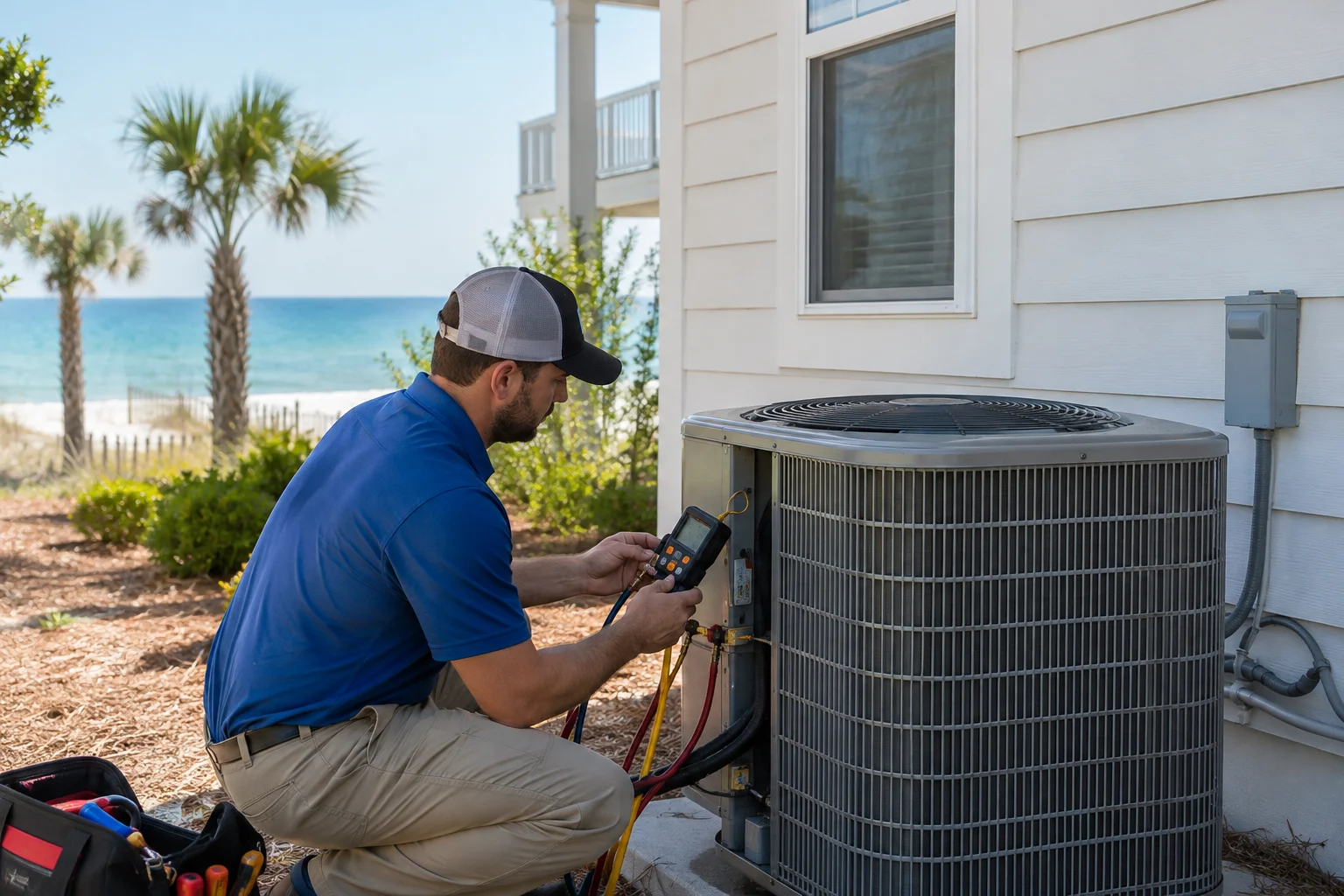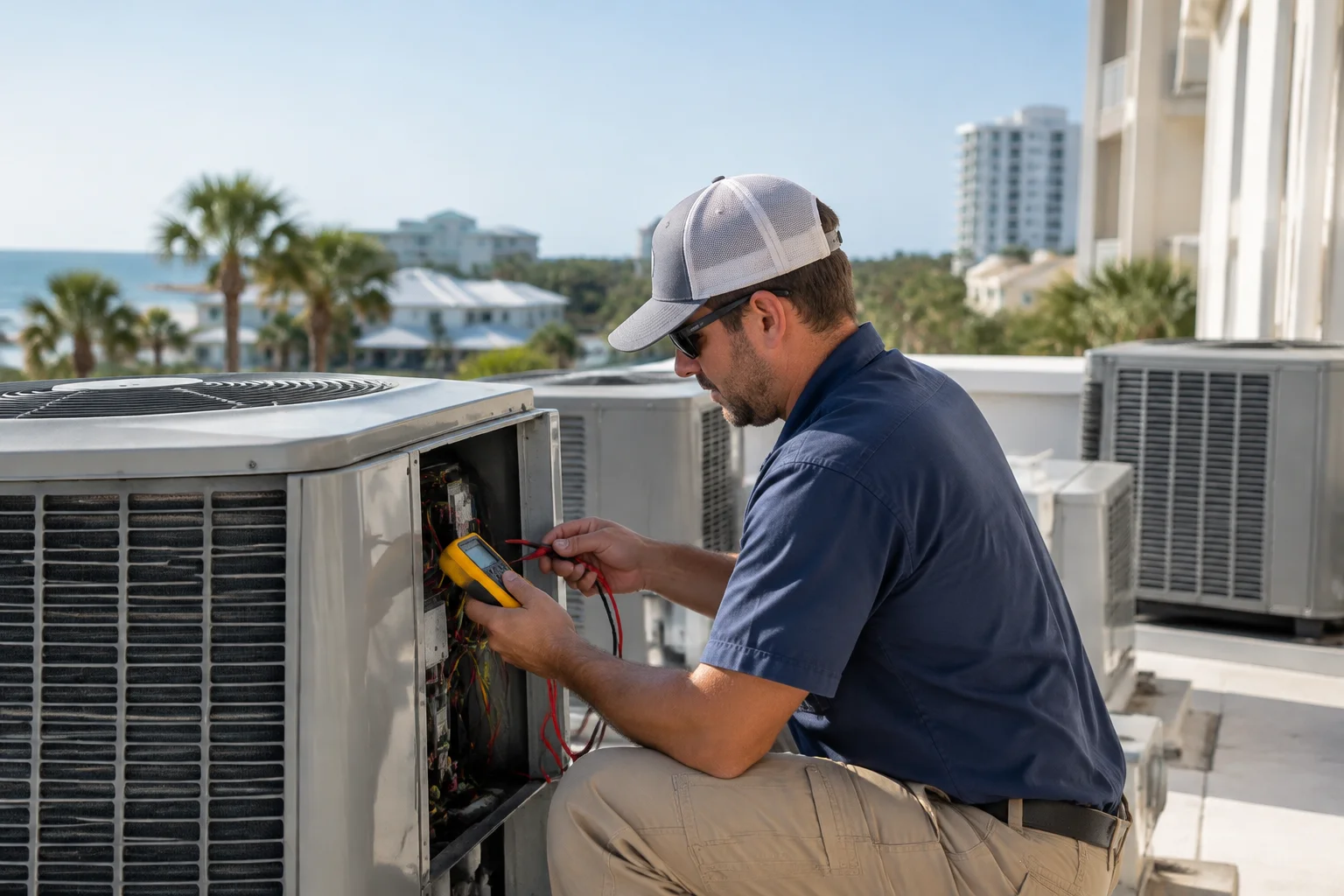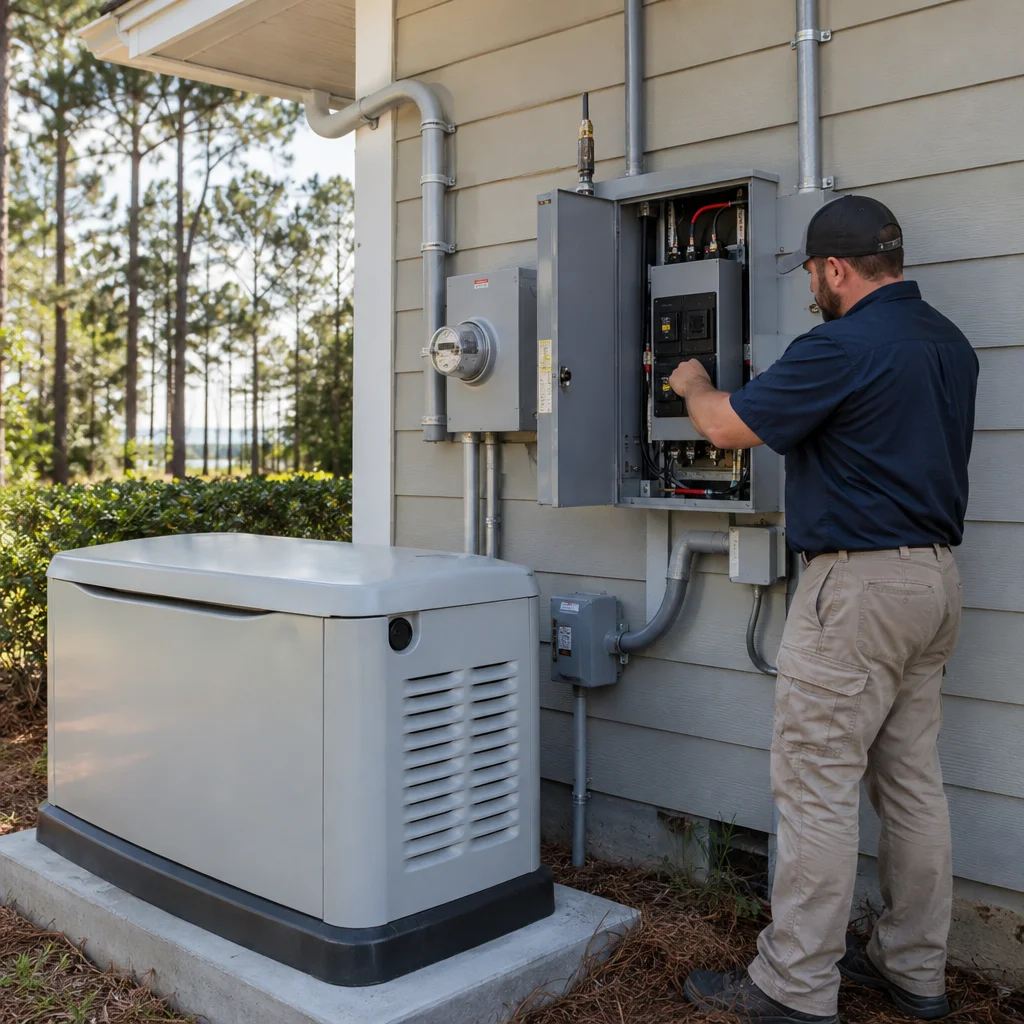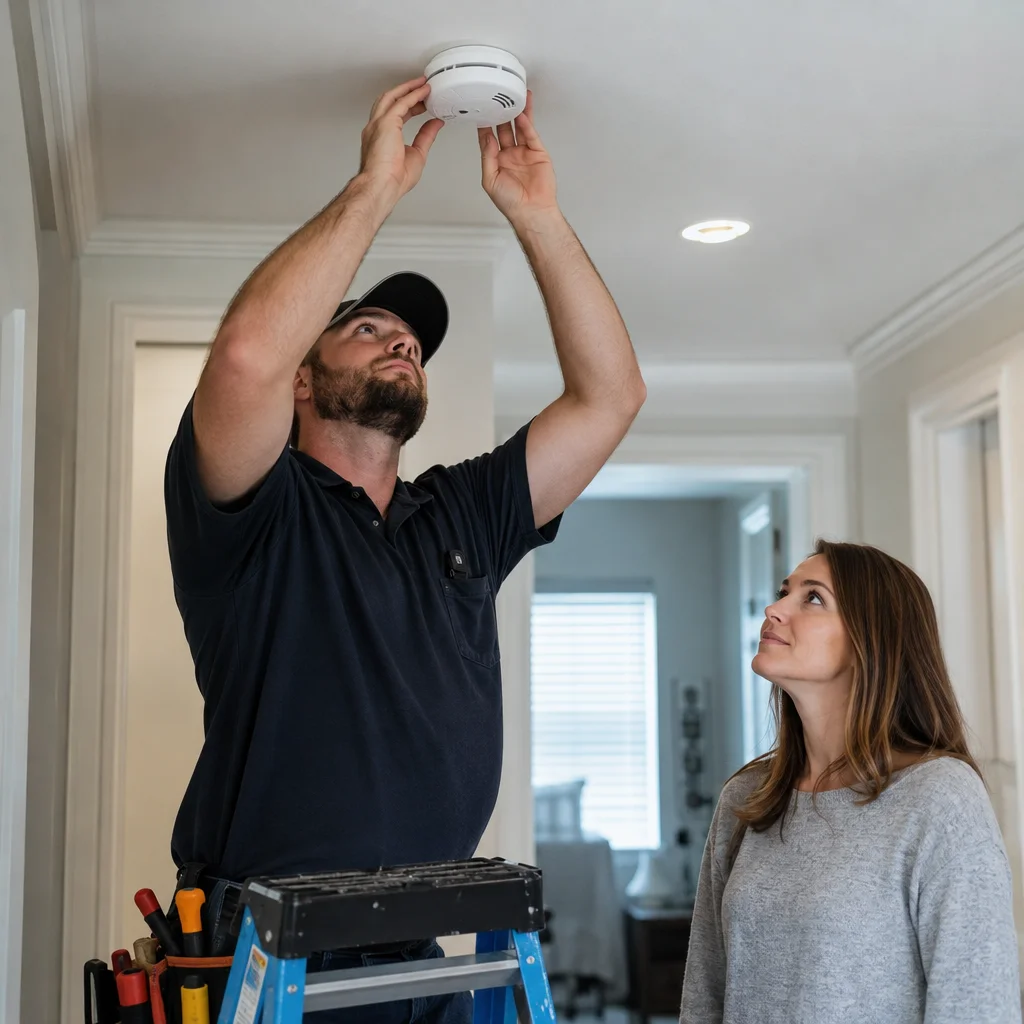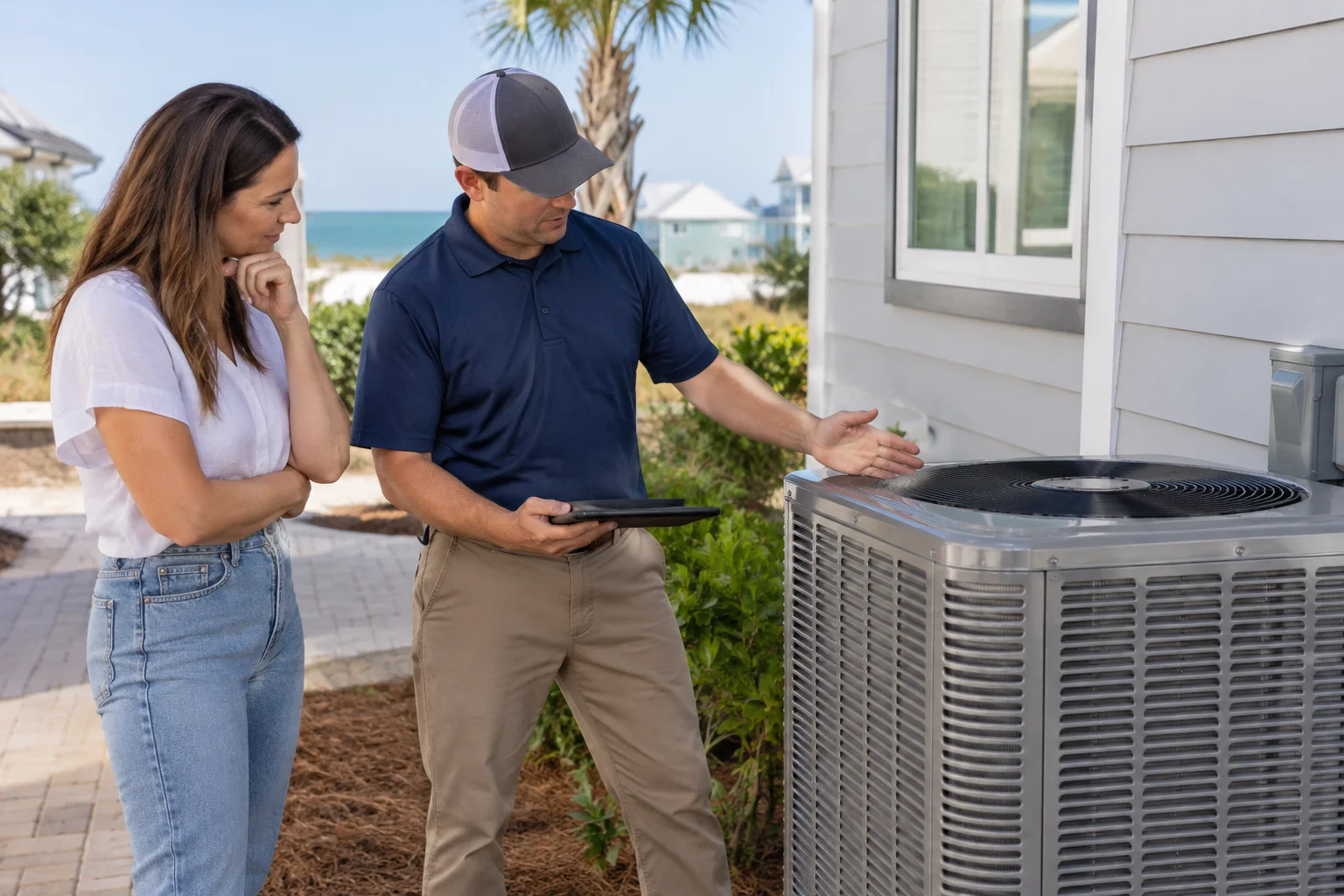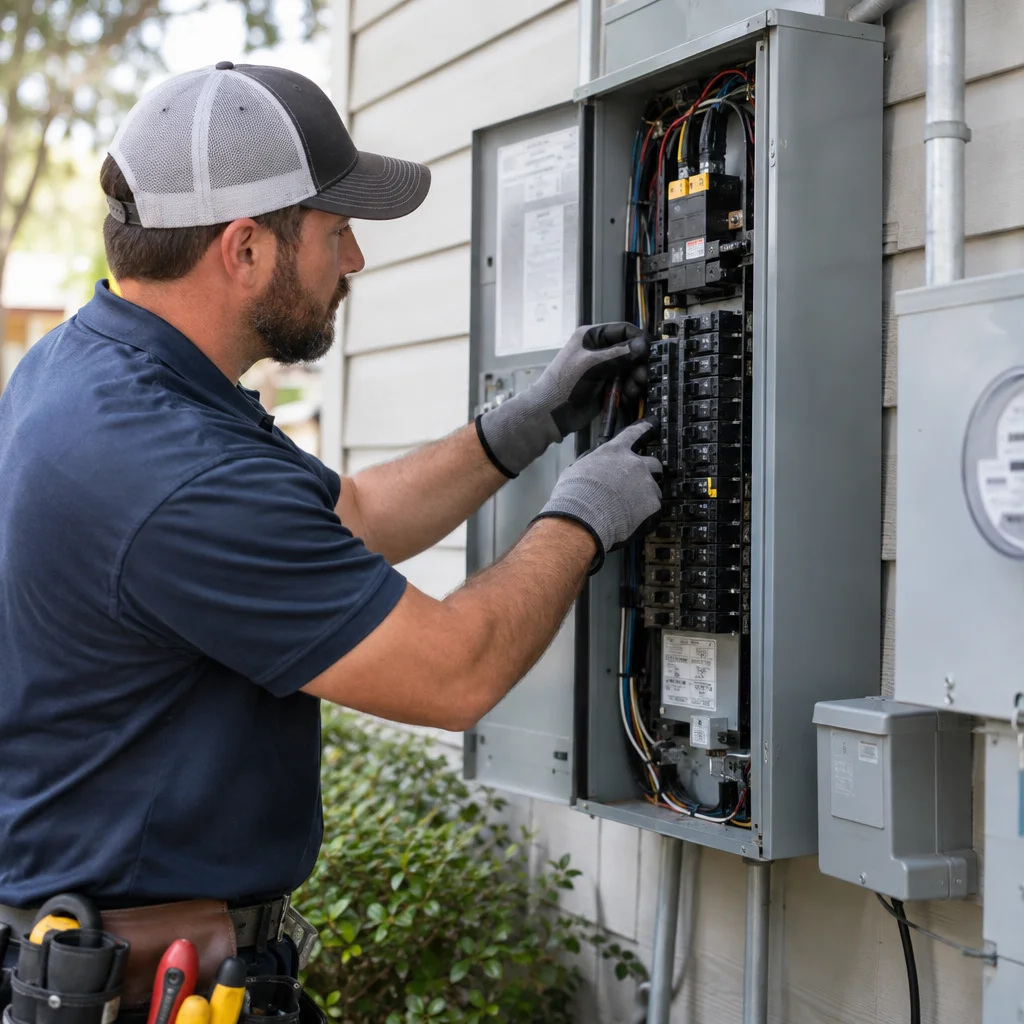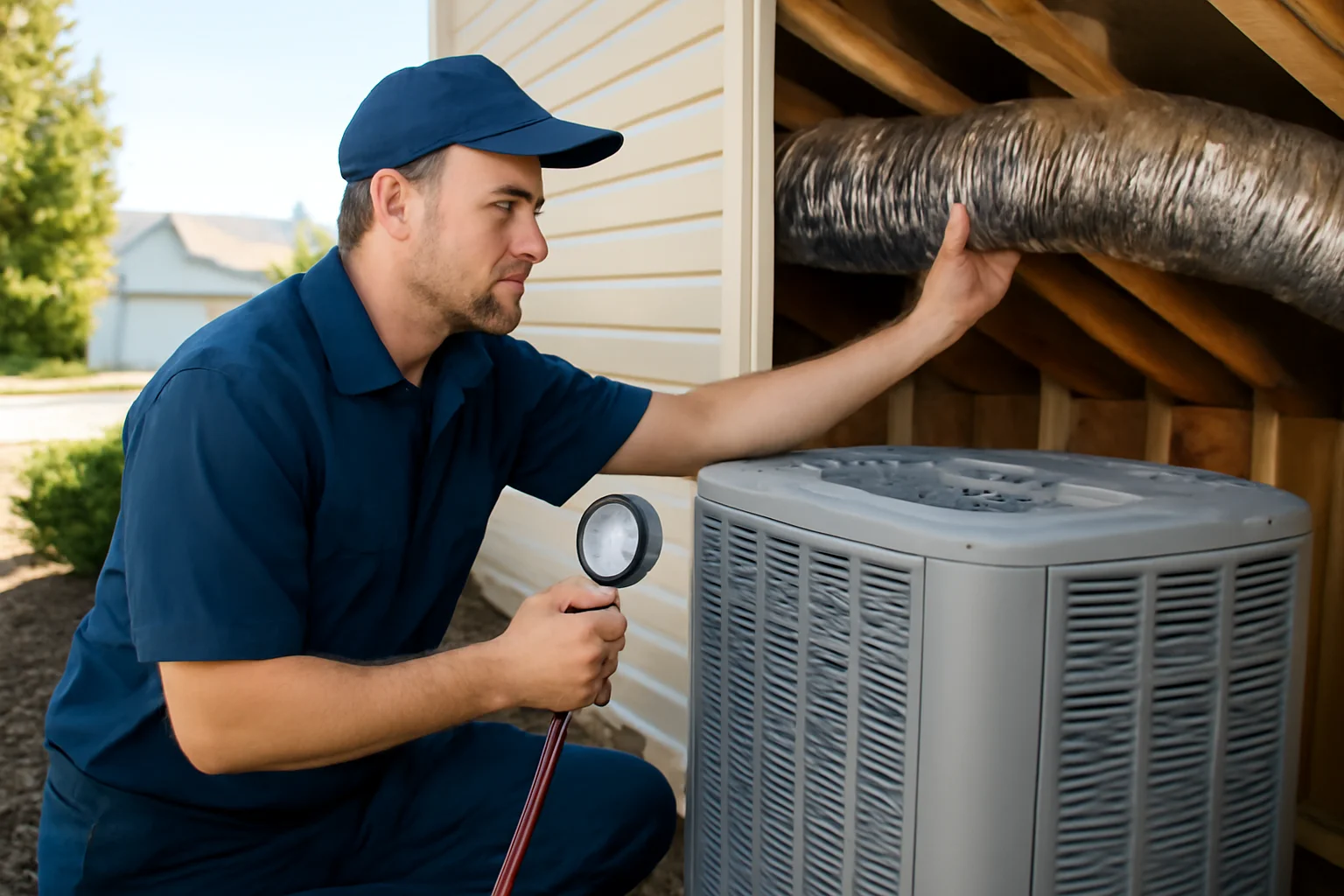
Lower Grand Lagoon feels like a summertime thermostat set to “always on.” Between Florida heat, coastal salt air, and high humidity, air conditioning systems work hard year-round, even when you think you are “only using it in the summer.” A smart air conditioning inspection helps you catch small problems early, before they turn into emergency cooling concerns or a costly air conditioner service call.
If you are searching for air conditioning inspection in Lower Grand Lagoon, this guide breaks down practical checks and the most common issues our team sees in Bay County homes. It is written for homeowners who want better airflow, steadier comfort, and indoor air quality they can feel.
Start with the Lower Grand Lagoon climate your AC has to fight
Local conditions shape how HVAC systems age and how often they need HVAC maintenance near me style attention.
- Heat load: When outdoor temperatures climb, AC performance depends on correct airflow across the coils and stable refrigerant system operation.
- Humidity: High moisture increases the chance of condensate drainage issues, coil icing, and comfort problems that feel like the system is running but not dehumidifying.
- Salt air and coastal exposure: Salt and airborne debris can contribute to corrosion on outdoor components and clogging on intake areas, which affects heat transfer and system efficiency.
- Airflow demands from older ductwork: Many homes in the area have ductwork that can leak, restrict airflow, or collect dust. That impacts cooling capacity and can worsen indoor air quality.
That is why an inspection is more than “checking if it turns on.” A proper inspection looks at how the system performs as a system: thermostat calls, airflow, refrigerant system behavior, condensate drainage, and safety controls.
Smart inspection checklist: the homeowner clues that matter
You are not expected to diagnose refrigerant or electrical components yourself. But you can spot patterns that tell a professional where to look. Use these as early warning signals and share them with your HVAC company near me technician.
1) Uneven cooling room to room
If one area stays warm while others cool, the issue is often airflow related. Common causes include ductwork leakage, blocked returns, undersized or restricted supply vents, or a blower that is not moving air the way it should.
Uneven temperatures can also be linked to thermostat placement and how the thermostat reads your home’s actual conditions. A small change in airflow can make the system run longer to reach the setpoint, increasing energy use.
2) Humidity that feels “stuck” indoors
In Lower Grand Lagoon’s muggy months, comfort depends on both temperature and dehumidification. If your home feels damp, you may notice:
- Condensation on windows or around vents
- Musty odors
- Clammy air even when the thermostat is set correctly
Humidity control is closely tied to the condition of the evaporator coil, the refrigerant system’s ability to cool the coil properly, and whether condensate drainage is working. When an inspection finds airflow restrictions or a drainage problem, it can prevent the system from operating in a less efficient way.
3) Strange noises during cooling cycles
Buzzing, grinding, rattling, or loud cycling can indicate issues such as debris on outdoor components, a failing blower motor or capacitor, or loose panels that vibrate. These are strong reasons to schedule an air conditioner service before the problem escalates.
4) Odors that show up when the AC starts
Musty smells can point to moisture holding in or on components. Dusty or stale odors can be linked to ductwork contamination, filter neglect, or poor indoor air quality management.
If you are also considering indoor air quality services near me, it helps to start with an inspection. Fixing airflow and moisture issues first often improves how well filtration and air scrubbers work.
5) Water where it should not be
Condensate drainage is one of the most overlooked parts of AC performance. During humid weather, the evaporator coil produces condensate that should drain away properly. Signs of trouble include:
- Water dripping near the indoor unit
- Wet spots around the furnace or air handler
- Standing water or a clogged condensate line
When drainage is restricted, the system can struggle with humidity removal and may lead to leaks or water damage. A professional inspection can check condensate drainage and related components safely.
What a professional air conditioning inspection typically evaluates
Homeowners get the best results when they know what to ask for. A thorough inspection usually includes these categories.
Thermostat and controls review
Technicians confirm the system is responding correctly to thermostat calls. This includes checking settings, verifying consistent operation, and looking for control issues that can cause short cycling or temperature swings.
If you have a smart thermostat, an inspection also helps ensure it is not creating conflicts with how the system is designed to run, especially in humid conditions.
Airflow measurements and ductwork inspection
Airflow is the “currency” of cooling. Even if the refrigerant system is healthy, restricted airflow can reduce cooling capacity and increase energy use. Inspections commonly involve:
- Checking supply and return airflow balance
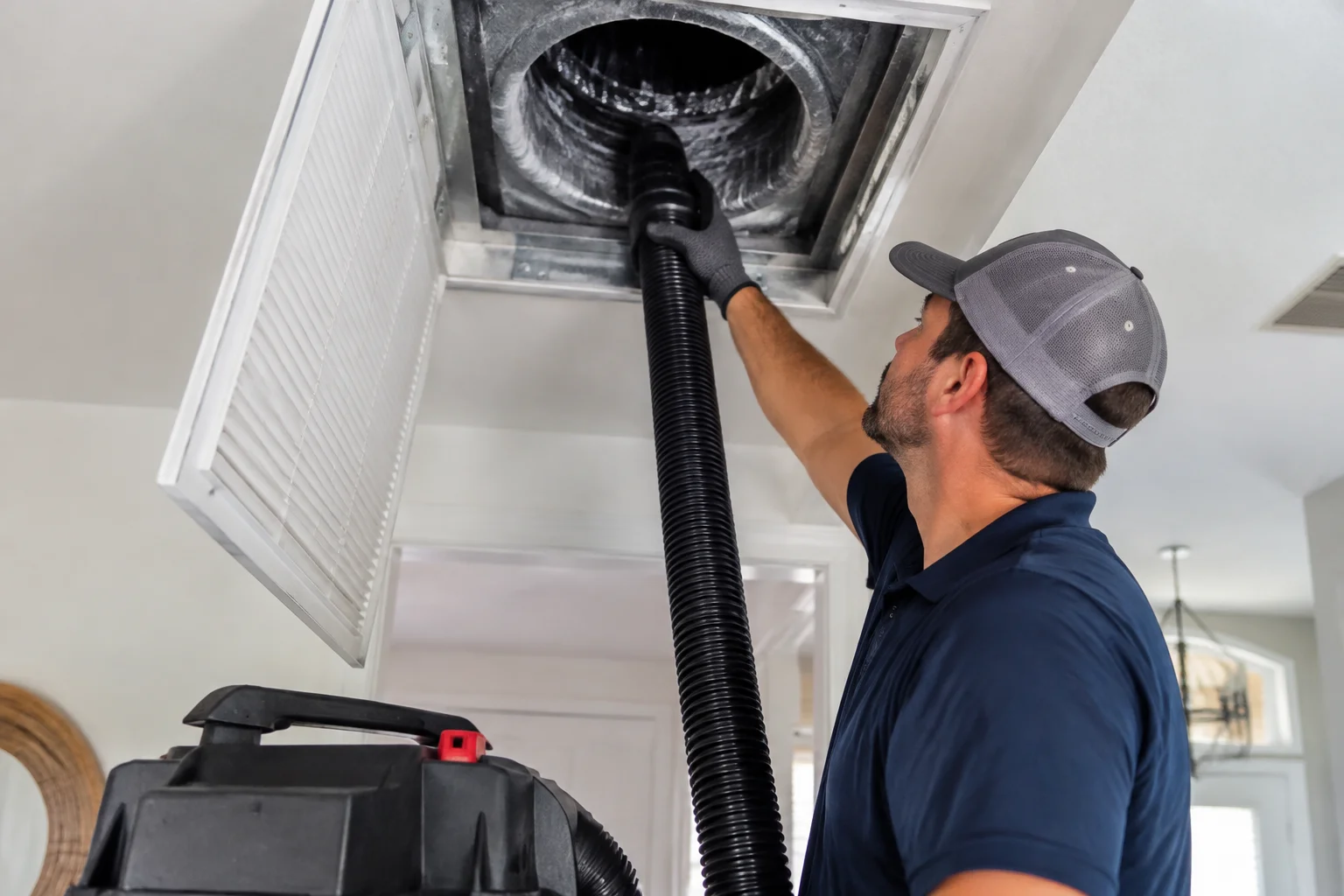
- Inspecting accessible ductwork connections and registers
- Evaluating filters and airflow pathways
For Lower Grand Lagoon homes, ductwork sealing and duct efficiency can be a deciding factor. If you are already noticing hot rooms or uneven comfort, it is worth reading about improvements like duct sealing and Aeroseal.
If you are searching for duct inspection near me or duct cleaning near me, remember that cleaning is not always the first step. An inspection helps determine whether dust, leaks, or restrictions are the bigger issue.
Coil and refrigerant system health checks
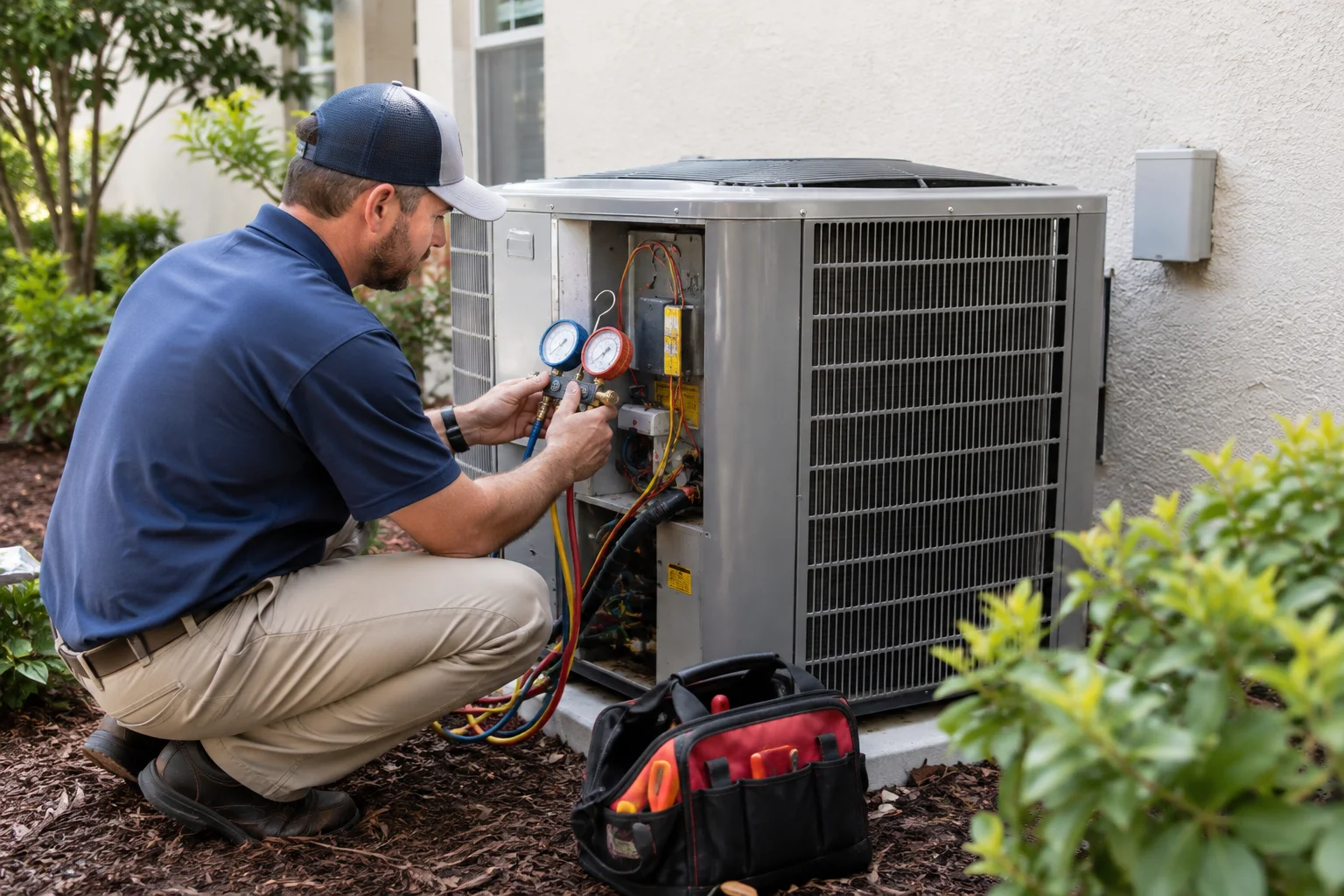
Refrigerant is part of a sealed system. Homeowners should not attempt refrigerant diagnosis themselves. But during an inspection, a qualified technician can evaluate conditions that affect refrigerant system performance, such as:
- Coil cleanliness and heat transfer
- Signs of abnormal operation
- System behavior during cooling cycles
Because refrigerant issues are safety and performance sensitive, a professional evaluation is required before any repair or refrigerant-related work. If something is off, the technician can determine the correct next step after on-site testing.
Condensate drainage and moisture management
In humid Florida weather, condensate drainage needs to keep up. Inspections can include checking the drain path, confirming the unit is removing moisture as expected, and addressing conditions that contribute to clogs or improper drainage. This is a major part of preventing comfort issues and protecting your home.
Outdoor unit condition and airflow around the condenser
Outdoor units need clear airflow for heat exchange. Salt air, pollen, and debris can reduce airflow and strain the system. Inspections often include checking:
- Clearance around the outdoor unit
- Visible debris on coil surfaces and intake areas
- Overall condition of panels and protective coverings
Homeowners can help by keeping grass clippings and leaves from accumulating around the unit, but a professional inspection verifies whether the system is still transferring heat effectively.
Common Lower Grand Lagoon AC problems that show up during inspections
Every home is different, but a few patterns repeat across Bay County.
Restricted airflow that makes the system run longer
When filters are neglected, returns are blocked, or ductwork is leaking, the AC can struggle to move air. That leads to longer run times, higher energy use, and faster wear on components.
If you are comparing HVAC repair near me options, ask whether the inspection includes airflow measurements and ductwork evaluation, not just a visual check.
Moisture and drainage problems
Clogged condensate drainage lines can cause indoor moisture buildup, water around the air handler, and reduced dehumidification performance. In a humid coastal climate, this problem can become noticeable quickly.
Coil performance issues from dirt and salt exposure
Outdoor coil fouling reduces heat transfer. Indoor coil issues can affect cooling performance and humidity control. Inspections help determine whether cleaning and maintenance steps are appropriate, based on the system’s condition.
Thermostat behavior that causes short cycling
Short cycling can occur when the system reaches temperature quickly, but the cooling process is not completing properly. That can be linked to airflow, coil conditions, or thermostat settings. An inspection helps separate a comfort issue from an equipment performance issue.
How to schedule smarter maintenance for fewer mid-summer surprises
Preventive HVAC maintenance works best when it matches how your system operates in the Florida climate. For Lower Grand Lagoon homeowners, consider these practical scheduling ideas.
Plan before the hottest weeks
If you wait until the system is already struggling, you may have fewer options. Scheduling an air conditioning inspection before peak cooling demand gives technicians time to address maintenance needs and reduce the risk of emergency cooling concerns.
Match inspection frequency to your home and usage
Homes with older ductwork, frequent indoor humidity complaints, or high occupancy often benefit from more frequent attention. If you are also managing indoor air quality, you may want to coordinate inspections with filter and airflow planning.
Keep filters and airflow pathways simple and consistent
Even a great inspection cannot override blocked returns or neglected filters. Replace filters as recommended by your system’s documentation and keep vents unobstructed. This supports airflow and helps the AC do its job efficiently.
When you should call for AC repair or a second look
Some issues are urgent, especially during hot and humid weather when cooling is critical for comfort and safety.
Call promptly if you notice any of these
- The AC runs but does not cool effectively
- Frequent cycling or temperature swings
- Visible water around the indoor unit or repeated drainage backups
- Burning smells, strong electrical odors, or smoke
- Outdoor unit fan problems or repeated unusual noises
If cooling is not keeping up and indoor temperatures rise, consider Emergency HVAC Services so you are not waiting through extreme heat.
Know what not to DIY
Homeowners often ask about refrigerant, but refrigerant system repairs require proper testing and professional handling. Similarly, electrical diagnosis should be left to qualified technicians. If you suspect refrigerant issues or electrical faults, schedule an on-site inspection rather than trying to troubleshoot beyond safe, basic steps.
How inspection findings can influence future decisions
An inspection can also help you plan for long-term comfort and system replacement decisions. The goal is not to “sell” you something. It is to help you understand what is happening now and what risks may be building.
Airflow and ductwork improvements may reduce strain
If inspections show that duct leakage or restrictions are limiting airflow, addressing ductwork can improve comfort and help the system operate more effectively. If you suspect ductwork problems, it can help to explore options like improved duct sealing. Many homeowners in the area benefit from targeted duct evaluation, especially if they have hot rooms or persistent humidity complaints.
Indoor air quality upgrades work better when the system is healthy
Air scrubbers and ventilation-related improvements can be a great add-on, but they perform best when airflow, moisture control, and filtration fundamentals are in order. If you are interested in indoor air quality services, start with inspection so you know your starting point.
System replacement planning should be based on real condition
For some homes, replacement becomes the most practical option when repairs are no longer the best path. If you are comparing Air Conditioning Replacement options, an inspection helps clarify whether the issue is isolated, maintenance-related, or tied to broader performance limits. A technician can also discuss how comfort, humidity control, and energy use may change with a new system based on your home’s needs.
Questions to ask your inspector in Lower Grand Lagoon
These questions help homeowners get a more useful air conditioning inspection, not just a quick check.
- What did you find affecting airflow and cooling comfort in my home?
- Do you see signs of condensate drainage issues or moisture buildup?
- How is the system handling humidity, not just temperature?
- What maintenance steps would help prevent repeat problems this season?
- Is ductwork contributing to hot rooms or uneven cooling?
- Are there any safety concerns that require immediate AC repair?
If you want a deeper seasonal comparison, you can also read Seagrove Beach comfort clues that point to a better air conditioning inspection, since coastal conditions often overlap with Lower Grand Lagoon.
Where to start if you want an inspection scheduled
If your home is dealing with humid air, uneven temperatures, or you simply want preventive HVAC maintenance near me support to avoid a mid-summer breakdown, start by booking an inspection with A Superior Mechanical’s air conditioning inspection service for Lower Grand Lagoon. You can also browse our broader options on the Lower Grand Lagoon service area page and see how we support homeowners across Bay County.
If you are exploring other HVAC needs alongside inspection, you may also find helpful options like Air Conditioning Services for repairs and tune-ups, plus guidance on planning for comfort improvements in a homeowner’s guide to HVAC financing in Lower Grand Lagoon.
Taking care of cooling now pays off later
Lower Grand Lagoon homeowners do not have to guess. A smart AC inspection connects the dots between thermostat behavior, airflow performance, condensate drainage, refrigerant system operation, and indoor air quality. The result is more reliable cooling, better humidity control, and fewer surprises when Florida heat presses hardest.
Related inspection note for heat pump homes
If your home uses a heat pump, inspection is still important for both cooling and heating seasons. During humid summers, airflow and moisture issues can impact comfort. If you ever need heat pump repair near me-style support, begin with an on-site inspection so the technician can identify the actual cause before recommending any repair path.
Find Air Conditioning Inspection in Lower Grand Lagoon, FL
If you need Air Conditioning Inspection in Lower Grand Lagoon, FL, visit our local service page or contact A Superior Mechanical today.
Map of Lower Grand Lagoon, FL
Frequently Asked Questions
How can I tell if my AC problem is airflow or humidity related?
Airflow issues often show up as uneven cooling, weak airflow from vents, or rooms that stay warm. Humidity issues show up as damp air, condensation on windows, or musty odors. A professional inspection checks airflow performance and moisture control to identify the real cause.
Why does condensate drainage matter so much in Lower Grand Lagoon?
In Florida humidity, the evaporator coil produces condensate that must drain correctly. If the drain line is restricted or the system is not removing moisture as expected, you can see water around the indoor unit and reduced dehumidification.
Can I add refrigerant myself to fix cooling problems?
No. Refrigerant systems require proper testing and professional handling. Low or abnormal refrigerant conditions can point to other issues that should be evaluated on-site by a qualified HVAC technician.
What should I do if my AC stops cooling during peak heat?
If indoor temperatures are climbing and the system is not cooling, consider emergency HVAC services so you are not waiting through extreme heat. While waiting, check basic items like thermostat settings and unobstructed vents, but do not attempt refrigerant or electrical repairs.
Does ductwork inspection really affect air conditioning performance?
Yes. Leaky or restricted ducts can reduce airflow, making the AC run longer and struggle to cool consistently. An inspection can help determine whether ductwork contributes to comfort problems and whether duct sealing or repairs are appropriate.
Related Articles
- A Local Homeowner’s Guide to HVAC Financing in Lower Grand Lagoon, FL: Comfort, Airflow, Humidity, and Prevention
- How Lower Grand Lagoon Homes Stay Comfortable with Better Duct Sealing and Aeroseal
- Seagrove Beach Comfort Clues That Point to a Better Air Conditioning Inspection
- What to Expect From Air Conditioning Inspection in Parker, FL
Photo Gallery