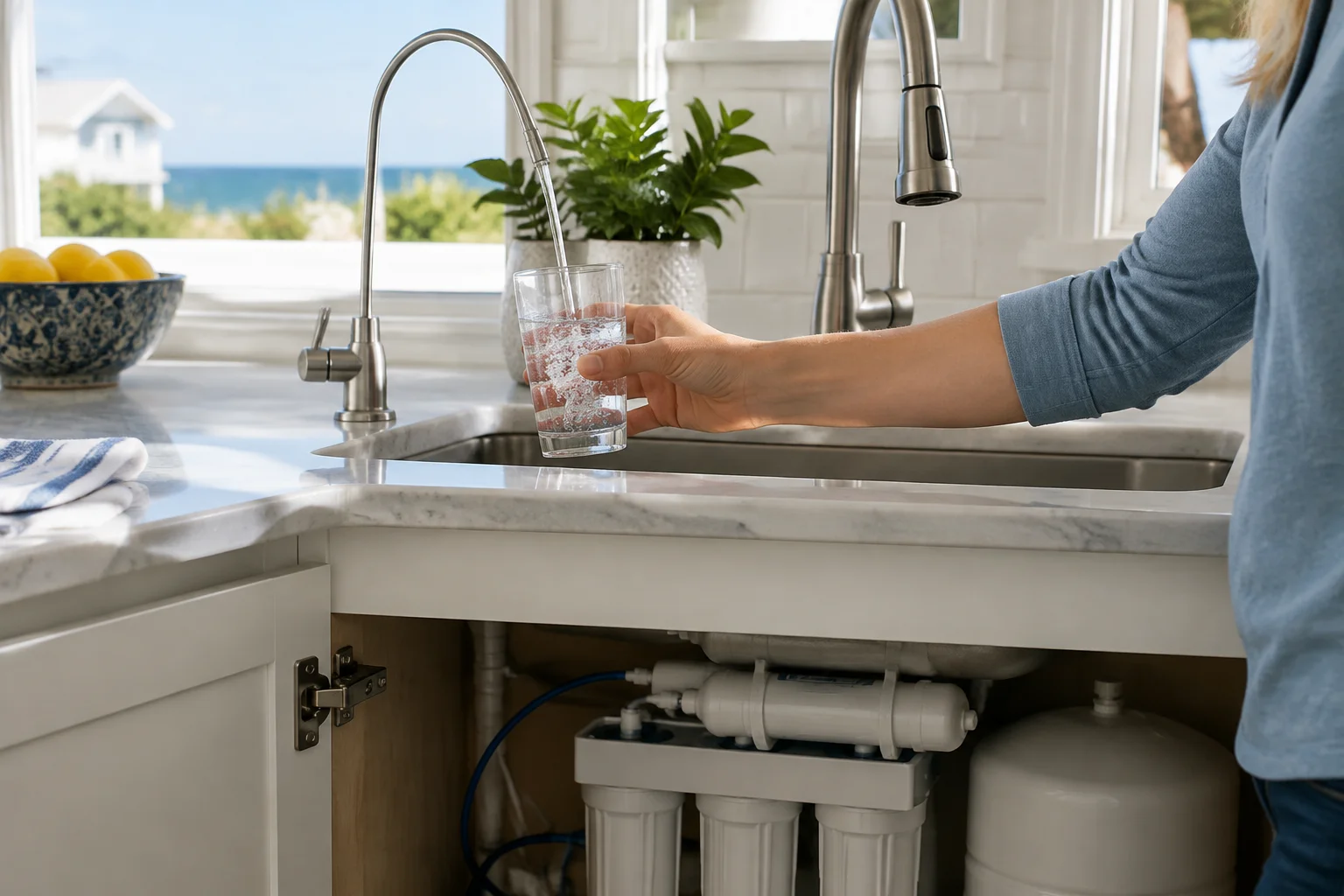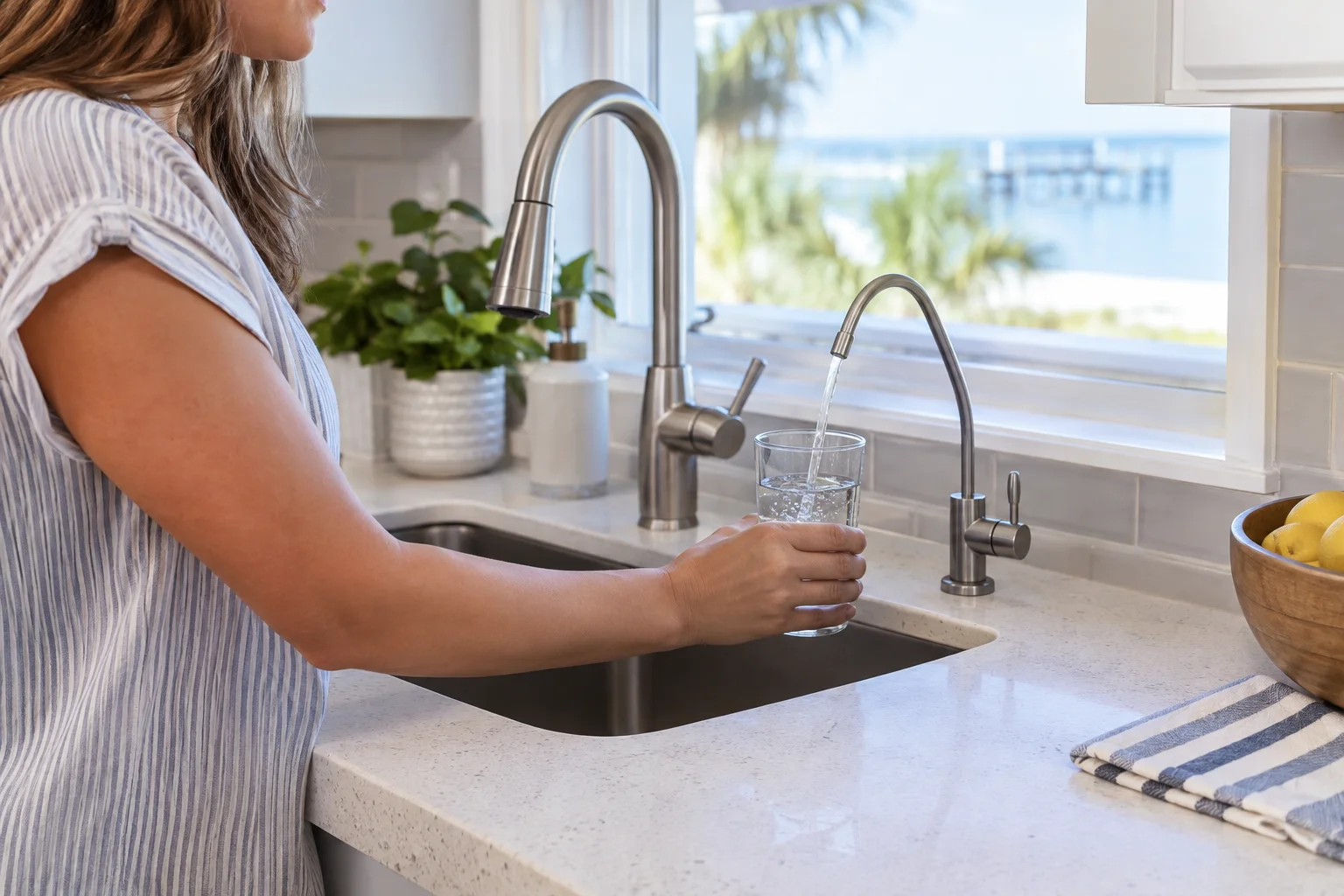
Reverse osmosis (RO) systems are designed to make everyday water feel cleaner, taste better, and work better for bathing, cooking, and laundry. In Lower Grand Lagoon, FL, where many homes deal with mineral-rich water, the RO system can deliver a noticeable upgrade. Still, homeowners sometimes overlook early warning signs that the system needs attention.
This guide walks through the water quality warning signs connected to reverse osmosis systems, plus the local factors that can make issues show up faster. You will also find practical checks you can do at home and the reasons a professional water treatment service matters for protecting plumbing, appliances, and family routines.
Why reverse osmosis systems get blamed, and why they should not be ignored
When something feels off with your drinking water, the first instinct is often to blame the RO system itself. That can be true, but it is just as common for the RO system to be doing its job while upstream issues prevent it from operating at full performance.
In Lower Grand Lagoon and the surrounding Bay County area, water can carry minerals and other contaminants that create scale buildup on faucets, showerheads, and plumbing. If sediment or high mineral levels are not managed correctly, the RO membrane and filtration stages can foul sooner. That can lead to reduced flow, poor taste, and water that looks and smells different.
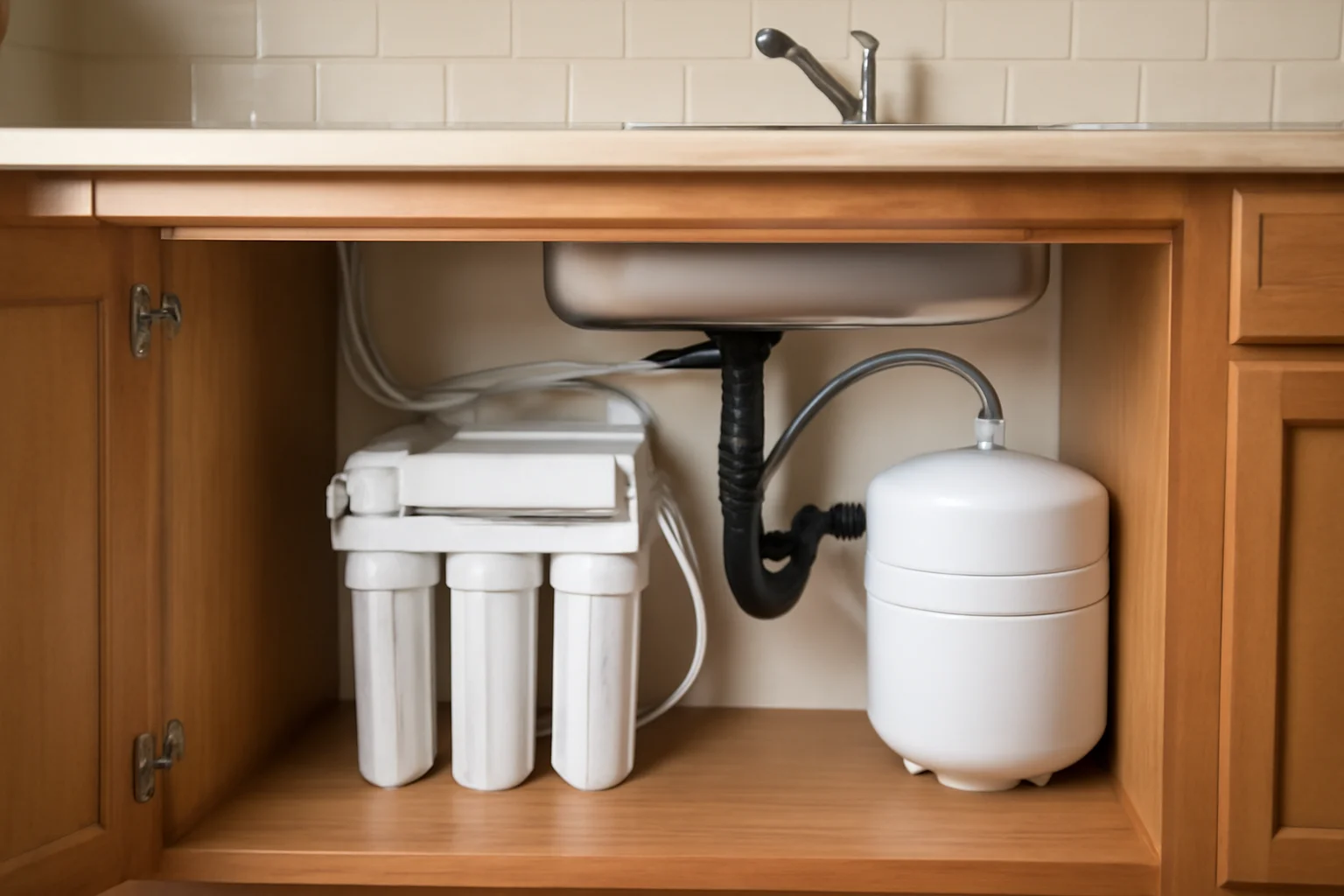
RO systems are a multi-stage setup. Filters, pre-treatment, and the membrane all work together. When one stage starts to fail or becomes overloaded, it can show up in everyday ways: filtered water for coffee and cooking tastes off, ice cubes look cloudy, and soap does not lather or rinse well.
Water quality warning signs that often point to RO system problems
Here are the most common signs Lower Grand Lagoon homeowners overlook, including the connection to reverse osmosis performance. If you notice one or two symptoms, it may be time to inspect the system. If you notice several, do not wait.
Cloudy ice cubes and changes in clarity
Cloudy ice cubes are a big clue that something is changing in the water. With RO systems, cloudy ice can happen when dissolved gases, fine sediment, or carbon filtration issues are allowing particles to slip through. It can also occur when the system is struggling to produce water at its normal rate, so water quality becomes inconsistent.
In the kitchen, this can be subtle at first. You might think it is just the freezer. Then you notice it in every tray of ice, and the water in the glass looks different. If you rely on drinking water filter near me searches because you want clean water for guests and family, this is one of the clearest “check the system” signals.
Metallic, chlorinated, or unpleasant taste
Many homeowners expect RO water to taste neutral. When you detect metallic tasting water, chlorinated notes, or a noticeable unpleasant flavor, the cause is often related to carbon filtration or membrane performance. Even if the water looks clear, taste changes can indicate that contaminants are not being reduced as expected.
This matters for more than drinking. Poor tasting coffee and cooking water can change the flavor of pasta, rice, and sauces. If you have ever made the same recipe and wondered why it tastes different, check the water quality first.
Visible sediment, discoloration, and odor concerns
RO systems are not supposed to deliver visible particles. If you see sediment in household water, notice discoloration, or smell an odor that was not there before, treat it as a warning. Sediment may indicate a clogged pre-filter stage, disturbed plumbing lines, or a failure that allows debris to pass through.
Lower Grand Lagoon homes that experience scale buildup around faucets and fixtures can also see sediment issues because mineral and particulate buildup can collect in plumbing. When the RO system is underperforming, that sediment can show up in drinking water and ice.
Hard water spots on glass, dishes, and fixtures despite “filtered” water
This is one of the most commonly overlooked patterns. Homeowners may assume that because they have RO drinking water, the rest of the water will be protected too. RO typically targets drinking and cooking water, not the full plumbing system.
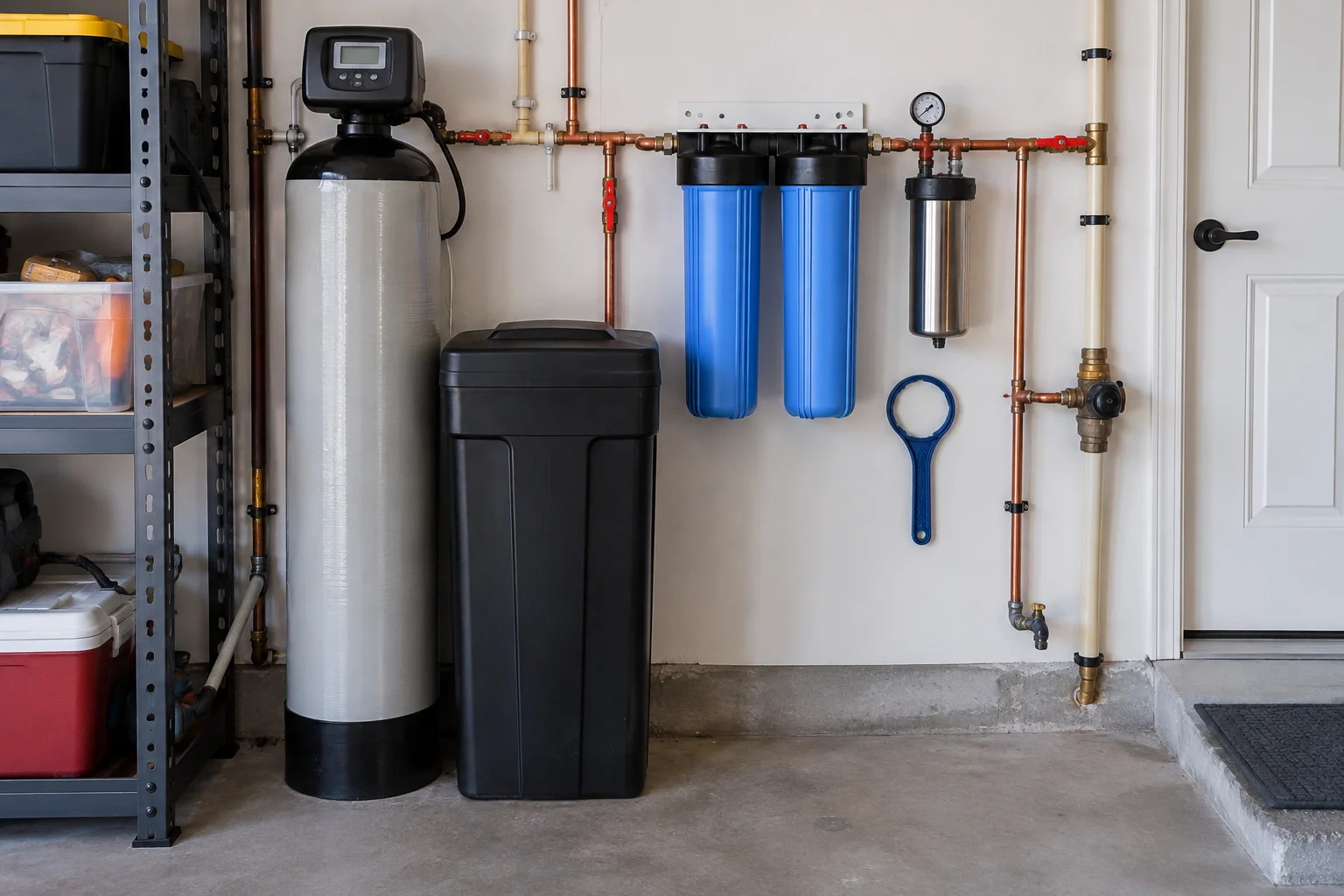
If you still see hard water spots on glass, dishes, and fixtures, or you are dealing with scale buildup on faucets and showerheads, you may need water softening or whole home water filtration. In many households, the RO system improves taste and clarity for drinking, while a separate strategy handles mineral scale throughout the home.
When hard water is left unmanaged, you get the classic signs: scale buildup around faucets, rougher water feel in the shower, and dull-looking fixtures that never fully clean.
Dry skin or dull hair after bathing
Water quality affects skin and hair. If you are noticing dry skin from hard water or dull hair after bathing, it can be related to mineral content and soap performance. Even with an RO system in the kitchen, bathing water is usually coming from the main water line.
If soap does not lather or rinse well, that is a strong indicator minerals are interfering with cleaning. Over time, this can contribute to residue on skin and hair, leaving you feeling less clean even after a shower. Many homeowners first notice this during seasonal changes when skin tends to get drier, and they mistakenly blame weather instead of water.
Appliances wearing out faster and plumbing that does not run as smoothly
When scale buildup around faucets, showerheads, and plumbing increases, it can also affect appliances. Coffee makers and kettles can develop mineral deposits faster. Dishwashers may not clean as well. Water heaters can accumulate scale that reduces efficiency and increases wear.
If you are replacing appliances sooner than you used to, or you are seeing more frequent maintenance needs, water treatment becomes part of protecting fixtures and appliances. Reverse osmosis helps with drinking water, but whole home water filtration or water softener installation near me may be the missing piece for appliance longevity.
Soap that does not lather or rinse well
Low lather and soap that does not rinse clean are classic hard water signals. If you are using hand soap, shampoo, or laundry detergent and you feel like you need more product than before, your water chemistry may have shifted or your whole home treatment may be underperforming.
Some homeowners try to compensate by using more detergent, which can create residue in laundry and on bathroom surfaces. Fixing the water issue is often more effective than switching brands.
Common causes behind these RO-linked warning signs
Once you recognize the symptoms, the next step is understanding what is likely happening. RO systems do not fail overnight, and many issues start with maintenance gaps or changes in local water conditions.
Filters and membranes reaching the end of their service life
RO systems rely on pre-filters, carbon filters, and the RO membrane. When cartridges are overdue for replacement, they cannot capture sediment or contaminants effectively. That can lead to metallic tasting water, odor concerns, and cloudy ice cubes.
In Lower Grand Lagoon, where mineral content can contribute to scale, filters may load up faster if pre-treatment is not adequate. A Superior Mechanical can help you set a realistic maintenance schedule based on your household usage and local water conditions.
Clogging from sediment and scale buildup on system components
Scale is not just a cosmetic issue. It can reduce water flow, strain the system, and shorten membrane life. If you notice scale buildup on faucets and showerheads increasing at the same time your RO water tastes different, the connection is often real.
Some systems need additional protection, such as proper pre-filtration and, when appropriate, water softening. This is especially important if your home experiences recurring hard water spots on glass and dishes.
Low production rate or inconsistent pressure
RO systems can produce water at a specific rate. When pressure drops or the system is struggling, you may see inconsistent water quality. That can show up as “some days it tastes fine, other days it does not,” or as ice that looks clearer one week and cloudy the next.
Pressure issues can also affect how well the system flushes and regenerates. Consistency matters for drinking water quality, especially for children and anyone with sensitive taste.
Carbon stage problems and chlorine-related taste changes
Chlorine and certain chemicals can affect taste and odor. If you notice metallic, chlorinated, or unpleasant taste, the carbon filtration stage may be failing or clogged. RO alone is not always enough if the system is missing correct carbon treatment performance.
That is why homeowners searching for water treatment near me in Lower Grand Lagoon benefit from a service approach that checks the full filtration train, not just the membrane.
Simple home checks you can do before calling for service
You can gather clues that help a technician diagnose the issue faster. These checks are not a replacement for professional testing, but they can narrow down what is going on.
Compare RO water to tap water
Fill two glasses, one from the RO drinking spout and one from a nearby tap. Notice clarity, odor, and taste. If only the RO water tastes off, it points to filtration or membrane performance. If both are off, the issue may start upstream or with general water conditions.
Check your kitchen and bathroom “scale story”
Take note of hard water spots on glass, dishes, showerheads, and faucets. If scale buildup around faucets is increasing, your home likely needs stronger mineral control beyond kitchen RO. This is where homeowners often overlook that RO is not the same as whole home water filtration.
Look for sediment or discoloration
Use a white container and check for visible particles. If you see sediment in household water or discoloration in the RO stream, schedule service promptly.
Watch for changes in bathing comfort
If dry skin or dull hair from hard water seems to worsen along with other water symptoms, your whole home approach may need adjustment. Soap that does not lather or rinse well is often a sign minerals are interfering with cleaning.
What “good” looks like with AO Smith reverse osmosis and clean water routines
Many Lower Grand Lagoon homeowners choose AO Smith water filtration solutions because they want dependable performance for drinking and cooking. With a properly maintained system, you should expect:
Clear, consistent water from the RO spout.
Neutral taste for drinking, filtered water for coffee and cooking, and better flavor in tea and mixed drinks.
Fewer “surprise” issues like cloudy ice cubes or odd odors.
Less stress on kitchen appliances that rely on cleaner water, especially kettles and coffee makers.
Even with strong reverse osmosis, the rest of your home can still benefit from complementary treatment. Water softening can reduce scale and improve soap performance. Whole home water filtration can help protect fixtures and appliances from the mineral and sediment effects that cause buildup.
If you are interested in improving your setup, this guide can help: A Homeowner’s Guide to Better Reverse Osmosis Systems in Lower Grand Lagoon, FL.
RO plus hard water control: how homeowners often get it backwards
A common mix-up is assuming RO will stop hard water spots on glass and scale buildup on faucets. In most homes, RO is installed specifically for drinking and cooking water at the kitchen sink.
Hard water problems in showers, laundry, and dishwashing come from the main water line. If you want whole home improvements like better lather, easier rinsing, and fewer mineral deposits, you typically need additional solutions such as AO Smith water softener service and, in some cases, whole home water filtration.
Lower Grand Lagoon households that see persistent scale buildup may benefit from a plan that combines kitchen RO with mineral control. That is often the most practical way to protect:
Showerheads and faucets from mineral buildup.
Plumbing from accumulating scale.
Water-using appliances from efficiency loss.
Daily routines like bathing, laundry, and cleaning.
If you want a deeper look at how filtration changes plumbing performance, read Cleaner Water, Better Plumbing: Why Filtration Matters in Lower Grand Lagoon Homes.
Lower Grand Lagoon climate and local water conditions: why timing matters
Lower Grand Lagoon is shaped by the coastal environment of Bay County, and many homes experience humidity and seasonal changes that can affect how water shows up in daily life. When mineral-rich water is present, even small shifts can make scale buildup more noticeable on fixtures, particularly after periods of heavier water use.
RO systems also respond to household demand. If your family increases laundry loads, runs sprinklers, or has more people using the kitchen, the system may cycle differently. When filters are near the end of their life, that increased load can make warning signs appear sooner.
That is why local service matters. A technician familiar with Lower Grand Lagoon homes can help you choose maintenance intervals that fit your water quality and usage patterns, rather than relying on generic schedules.
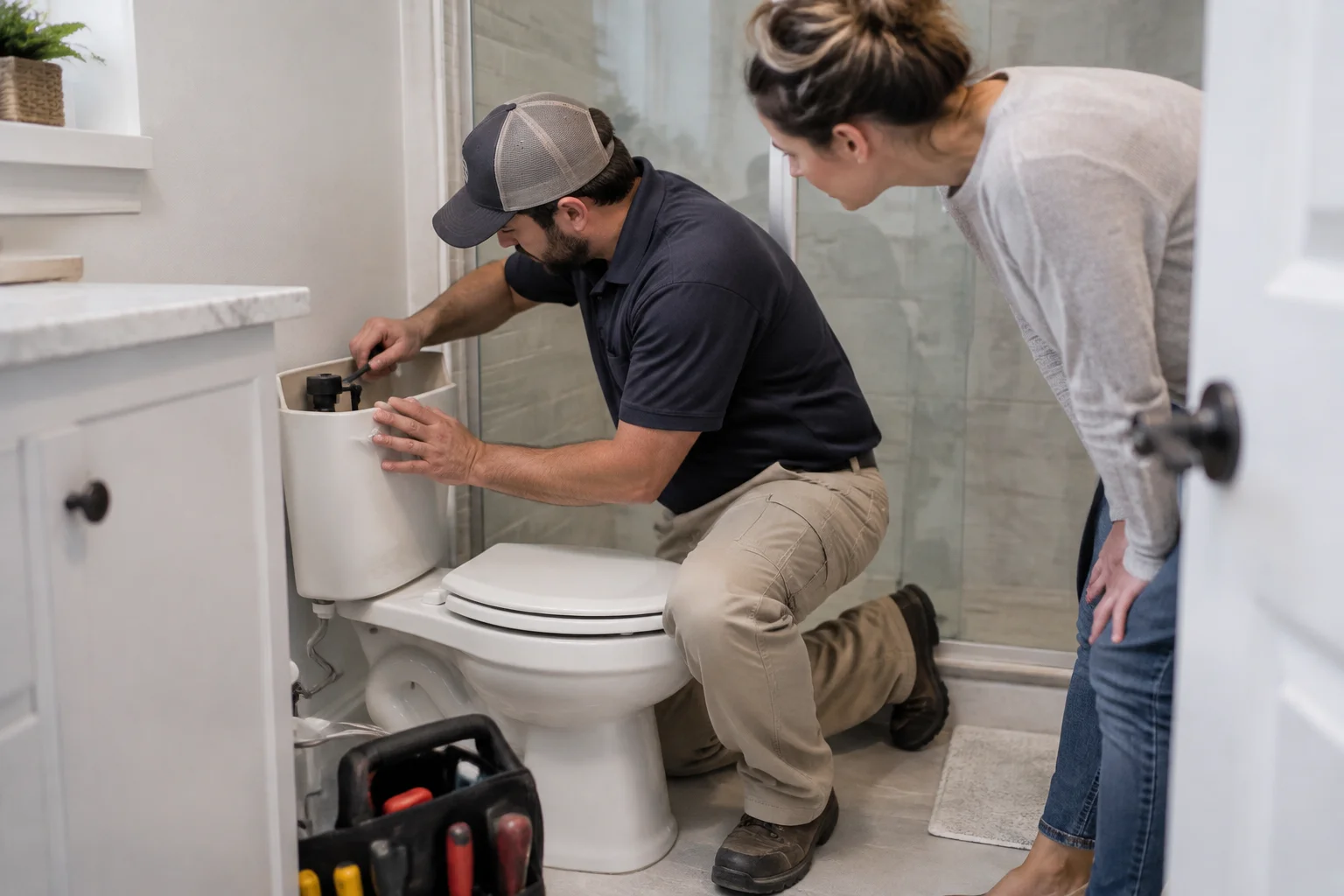
When to call A Superior Mechanical for reverse osmosis service
Some homeowners wait too long because the problem seems minor. Taste changes can be easy to ignore until you rely on RO water for drinking water, cooking water, and ice every day.
Call for professional reverse osmosis system repair or maintenance if you notice:
Metallic tasting water, chlorinated taste, or unpleasant odors from the RO spout.
Cloudy ice cubes that keep returning.
Visible sediment, discoloration, or a persistent odor concern.
A sudden drop in water flow from the RO system.
Hard water spots on glass and fixtures that are clearly worsening, especially alongside dry skin or dull hair after bathing.
If you are searching for water treatment near me and you have an AO Smith RO system, the best next step is an inspection and performance check. You can review the service area details here: /service-areas/bay-county/lower-grand-lagoon/reverse-osmosis-systems-lglbc.
For homeowners trying to connect RO with broader water quality goals, you can also explore our water filtration and water softener options at /water-filtration-ro-water-softeners.
If you want to understand how Lower Grand Lagoon homes handle water treatment as a whole, visit /service-areas/bay-county/lower-grand-lagoon and browse service guidance across Bay County at /service-areas/bay-county.
Preventing RO warning signs: maintenance that fits real life
RO systems last longer and perform better when maintenance is predictable and accurate. Here are practical ways to stay ahead of common problems.
Replace filters and cartridges on a schedule you can trust
Do not wait for taste changes to become obvious. Pre-filters and carbon stages protect the membrane. When those stages are overdue, the membrane can wear faster and your water quality can drift.
A Superior Mechanical can help you build a maintenance plan for RO filter replacement and system care that matches Lower Grand Lagoon water conditions.
Address hard water with the right treatment, not just kitchen RO
If you are dealing with scale buildup on faucets, hard water spots on glass, and soap that does not lather, you may need water softening or whole home water filtration. Many homeowners start with RO for drinking, then add softening later after they notice the bathroom and laundry effects.
Choosing AO Smith water softener service and, when appropriate, whole home filtration can reduce scale formation and help keep RO performance stable by lowering the burden on pre-treatment.
If you are weighing maintenance decisions, this article can help: Making Smarter Plumbing Maintenance Decisions in Lower Grand Lagoon Homes.
Keep an eye on kitchen and laundry “feedback signals”
Use everyday observations as early warning data. If coffee tastes flatter, cooking water looks different, or your laundry feels less clean, it may be time to check your water treatment. Those small changes often show up before bigger mechanical symptoms.
Protect your home and family routine with clean water systems that stay reliable
For many Lower Grand Lagoon families, the kitchen is where water quality matters most. Kids drink RO water, coffee is brewed from the filtered spout, and ice cubes are always ready for guests. Bathrooms are where dry skin from hard water and dull hair after bathing can show up. Laundry days reveal whether soap rinses well. And fixtures tell the story with scale buildup around faucets and showerheads.
Reverse osmosis systems can be a strong part of a clean water plan, especially with dependable AO Smith water purification solutions. The key is not ignoring warning signs. When metallic taste, cloudy ice cubes, sediment, or odor concerns appear, it is usually your system asking for attention. When hard water spots and scale keep increasing, it is often time to pair RO with water softening and whole home water filtration for consistent protection.
If you want to reduce the chance of bigger plumbing issues related to scale and sediment, it can also help to stay proactive with service guidance like Staying a Step Ahead of Plumbing Emergencies in Lower Grand Lagoon.
Find Reverse Osmosis Systems in Lower Grand Lagoon, FL
If you need Reverse Osmosis Systems in Lower Grand Lagoon, FL, visit our local service page or contact A Superior Mechanical today.
For a broader look at whole-home water filtration, reverse osmosis, and water softener options, visit our water filtration, RO, and water softener page.
Map of Lower Grand Lagoon, FL
Frequently Asked Questions
Why do I get cloudy ice cubes from my reverse osmosis system?
Cloudy ice cubes often point to filtration or consistency issues. Common causes include an overdue carbon stage, membrane performance problems, or sediment that is not being captured properly. If the RO water clarity changes, schedule a system inspection.
Can reverse osmosis fix hard water spots on glass and dishes?
Usually not for the whole home. RO typically treats drinking and cooking water at the kitchen tap. Hard water spots on glass and dishes often come from minerals in the main water line, which is better addressed with water softening or whole home water filtration.
What does metallic tasting water or chlorinated flavor mean with an RO system?
Metallic or chlorinated taste changes commonly indicate a carbon filtration stage problem or membrane performance decline. It can also happen if filters are clogged. A technician can check each RO stage and recommend AO Smith water filtration replacements.
How do I know if my RO system needs filter replacement or a repair?
Look for multiple warning signs: unpleasant taste or odor, cloudy ice cubes, sediment or discoloration, reduced flow, or inconsistent output. If you notice these changes, the safest approach is professional testing and inspection rather than guessing.
Do I still need whole home water filtration if I have RO for drinking water?
Many homeowners do. RO improves drinking water quality, but bathing, laundry, and fixture buildup depend on the main water line. If you see scale buildup on faucets, dry skin from hard water, or soap that does not lather well, whole home water filtration and water softener installation may help.
Related Articles
- A Homeowner’s Guide to Better Reverse Osmosis Systems in Lower Grand Lagoon, FL
- Cleaner Water, Better Plumbing: Why Filtration Matters in Lower Grand Lagoon Homes
- Staying a Step Ahead of Plumbing Emergencies in Lower Grand Lagoon
- Making Smarter Plumbing Maintenance Decisions in Lower Grand Lagoon Homes
Photo Gallery