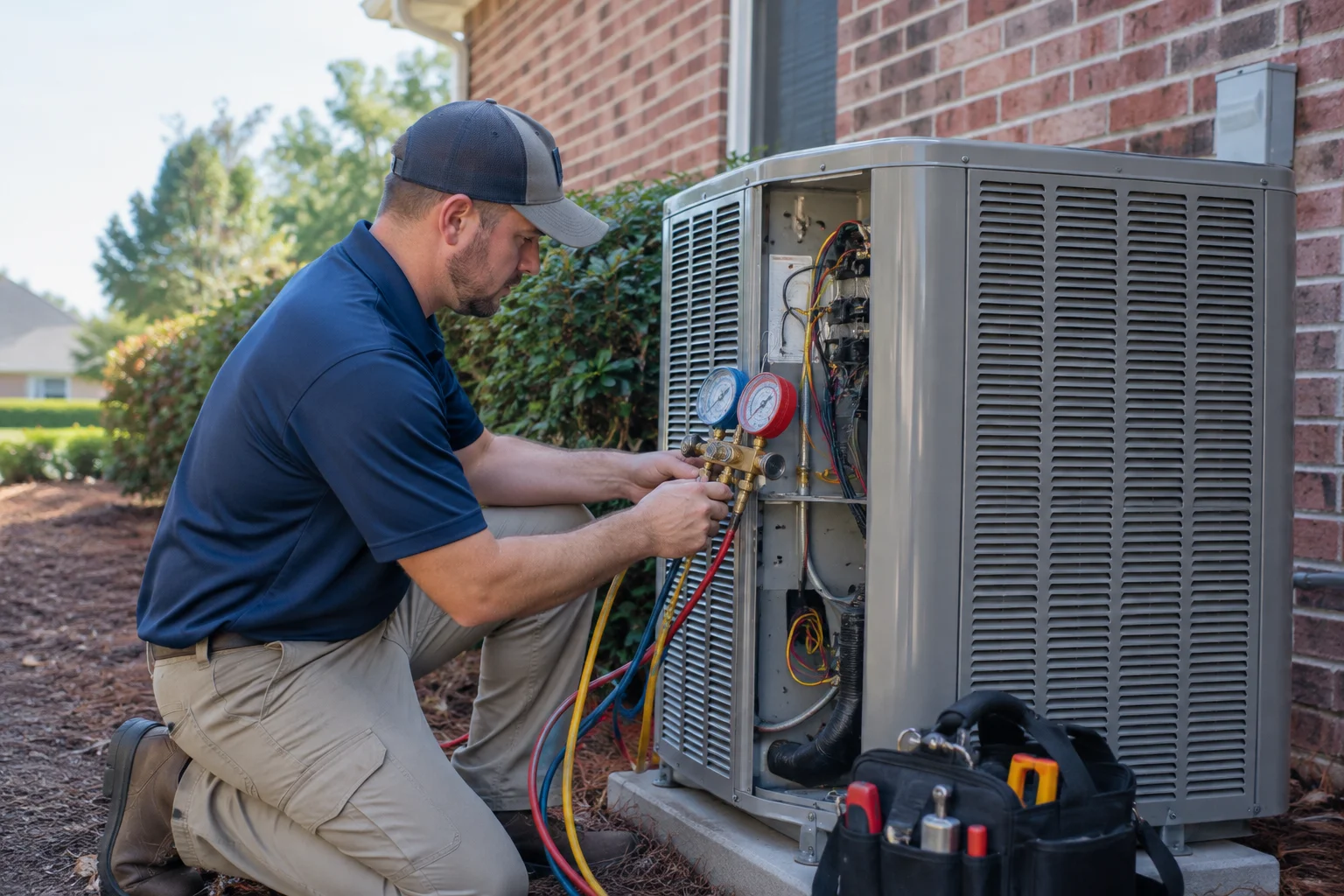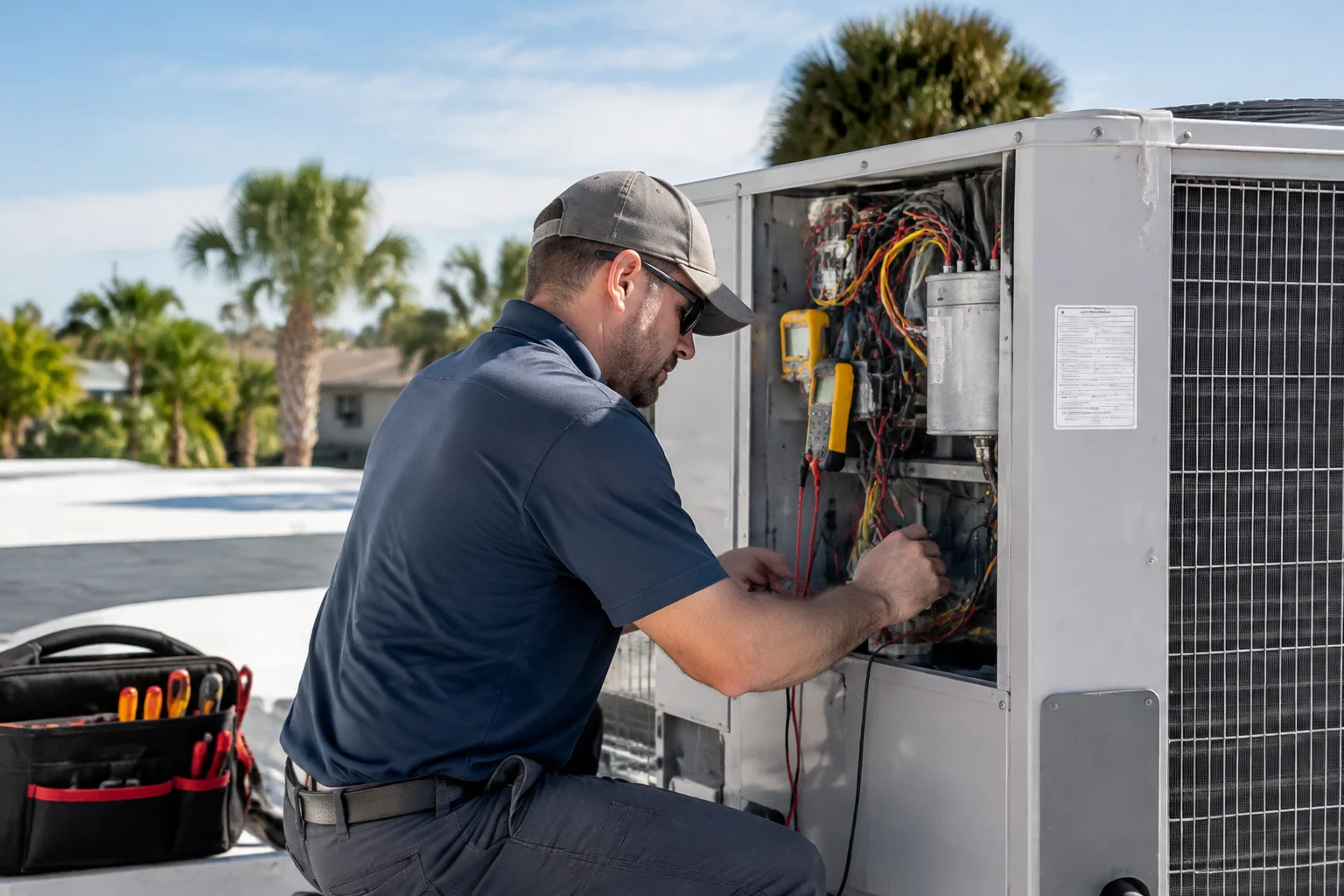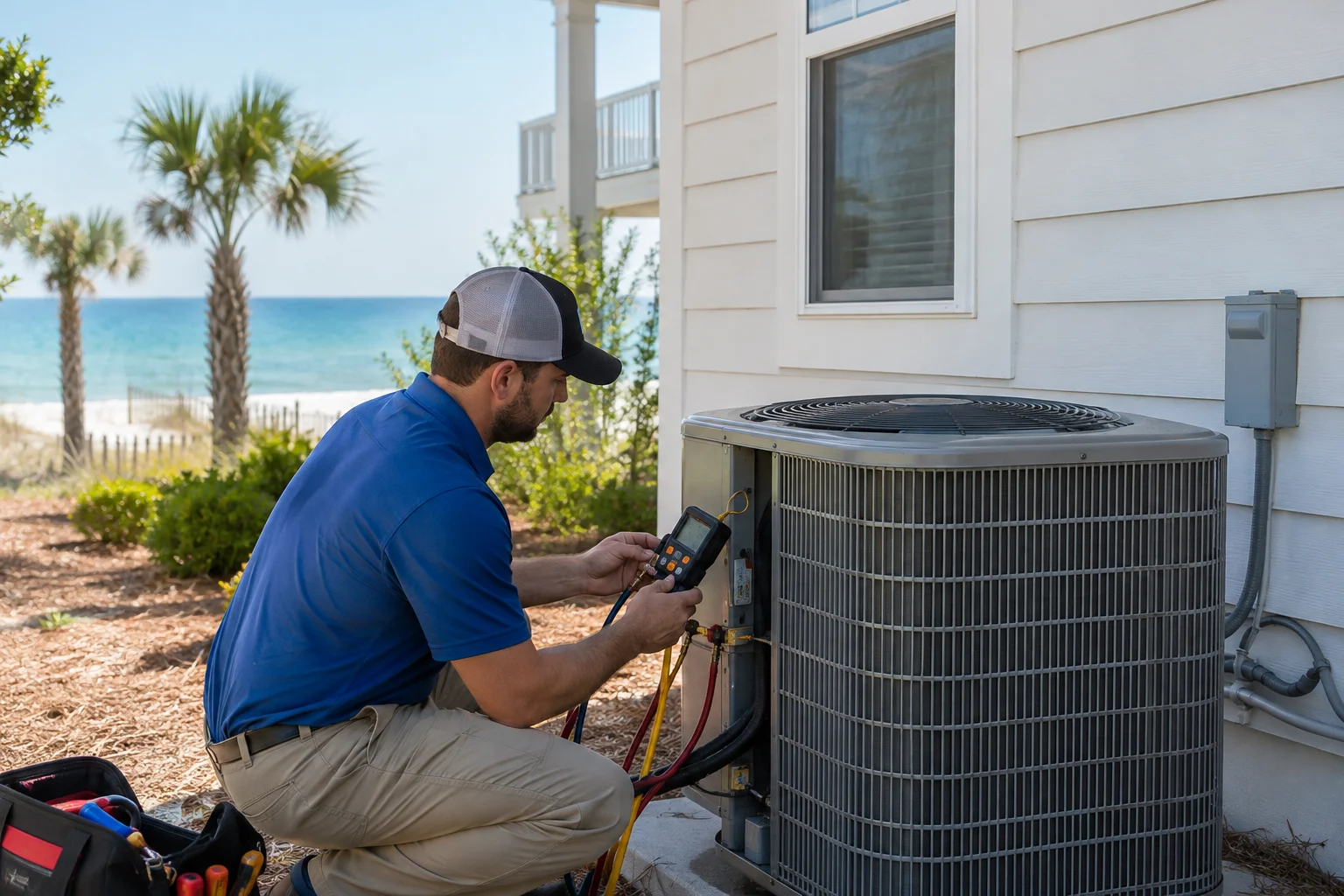
Bluewater Bay, FL is beautiful, but summer weather can be brutal. When your air conditioner or heat pump stops cooling, the problem is rarely just “uncomfortable.” Florida humidity, frequent coastal salt air, and tight indoor spaces can turn a small HVAC problem into a fast-moving comfort emergency. This guide helps homeowners understand common comfort failures, what emergency HVAC service typically involves, and how to plan repair priorities without guessing.
If you need emergency HVAC services in Bluewater Bay, FL, it helps to know what information to gather and what decisions to avoid until a technician can evaluate your system in person. You can also review the broader coverage area on our Bluewater Bay page and Okaloosa County HVAC service.
Why HVAC emergencies hit harder in Bluewater Bay
In Okaloosa County, cooling systems work year-round during warm months. But the conditions are not the same as in drier climates. Humidity affects how well your system removes moisture, airflow affects how evenly air reaches each room, and salt air can add corrosion stress to outdoor equipment and metal components.
When an air conditioner or heat pump fails, homeowners often notice one or more of these problems quickly:
- Air feels warm or only cools part of the home
- Airflow is weak from registers, or some rooms never feel comfortable
- Indoor humidity rises, making the home feel sticky and muggy
- The system cycles on and off repeatedly
- Unusual noises or strong odors appear during operation
- The thermostat shows errors or the fan runs without cooling
These symptoms connect to real HVAC causes like airflow restrictions, condensate drainage issues, refrigerant system problems, thermostat settings, or electrical control faults. A professional local HVAC technician needs to inspect the system to determine what is happening.
Comfort problems that should trigger emergency cooling attention
Not every HVAC issue requires emergency action, but some comfort failures can become urgent fast. Use the following checklist to decide when to call for emergency HVAC service rather than waiting for a scheduled appointment.
1) The system runs, but the home never cools down
If your outdoor unit starts and the indoor air handler or fan runs, yet the temperature does not drop, you could be dealing with an airflow problem, a refrigerant system performance issue, or a control issue tied to the thermostat. In Florida heat and humidity, even a partial loss of performance can feel immediate.
Before troubleshooting further, check whether air is moving strongly from registers. If airflow is weak, it may point to ductwork restrictions or a dirty system. For homeowners searching for air conditioning repair near me, this symptom is a strong reason to request an on-site evaluation.
2) Warm air is blowing from the vents
Warm air suggests the system is not switching into cooling properly, not delivering cooling capacity, or not managing refrigerant flow correctly. Heat pump systems can also behave differently if the thermostat mode is incorrect or if the unit is locked out. Only an in-person inspection can confirm the cause.
3) Humidity spikes and the home feels sticky
Air conditioning is not just about temperature. It also removes moisture as condensate drains away through the condensate drainage system. If drainage is blocked or the cooling process is not working efficiently, indoor humidity rises quickly, especially in coastal Florida.
High humidity can worsen indoor air quality by encouraging mold growth and increasing dust and allergen discomfort. If you notice persistent dampness, water at the indoor unit, or a musty smell, treat it as an emergency cooling and indoor air quality concern.
4) The system short cycles or trips off repeatedly
Short cycling can happen when the system cannot maintain stable operation. Causes can include airflow restrictions, condensate drainage problems, sensor or control issues, or other components that affect safe operation. Repeated cycling also increases energy use and can accelerate wear on the system.
5) Strange smells, ice buildup, or visible condensation where it should not be
Ice on the indoor coil or refrigerant lines, dripping where it should not be, or unusual odors can indicate an HVAC problem that needs immediate attention. Salt air and humidity can also make corrosion or moisture-related issues appear sooner than expected.
What emergency HVAC service usually includes
When you call for emergency HVAC services in Bluewater Bay, a qualified technician will focus on restoring safe cooling and identifying the root cause. While every situation differs, most professional visits include these steps:
System check for airflow and comfort delivery
Technicians evaluate airflow because comfort depends on consistent air delivery across the home. They may inspect supply and return airflow, check for obstructions, and assess whether ductwork is contributing to uneven cooling.
If you suspect a room-by-room comfort problem, it can be helpful to read Why Ductwork Problems Hit Bluewater Bay Homes Harder Than You Think and consider Duct Sealing as a longer-term solution.
Thermostat and operation review
Many emergency calls start with a thermostat issue, mode setting, or incorrect scheduling. A technician will confirm the thermostat settings, verify proper operation in cooling mode, and check whether the system is responding as expected.
If you are planning upgrades, Smart Thermostats can help with monitoring and alerts, but it still requires correct system performance to keep the home comfortable.
Refrigerant system performance evaluation
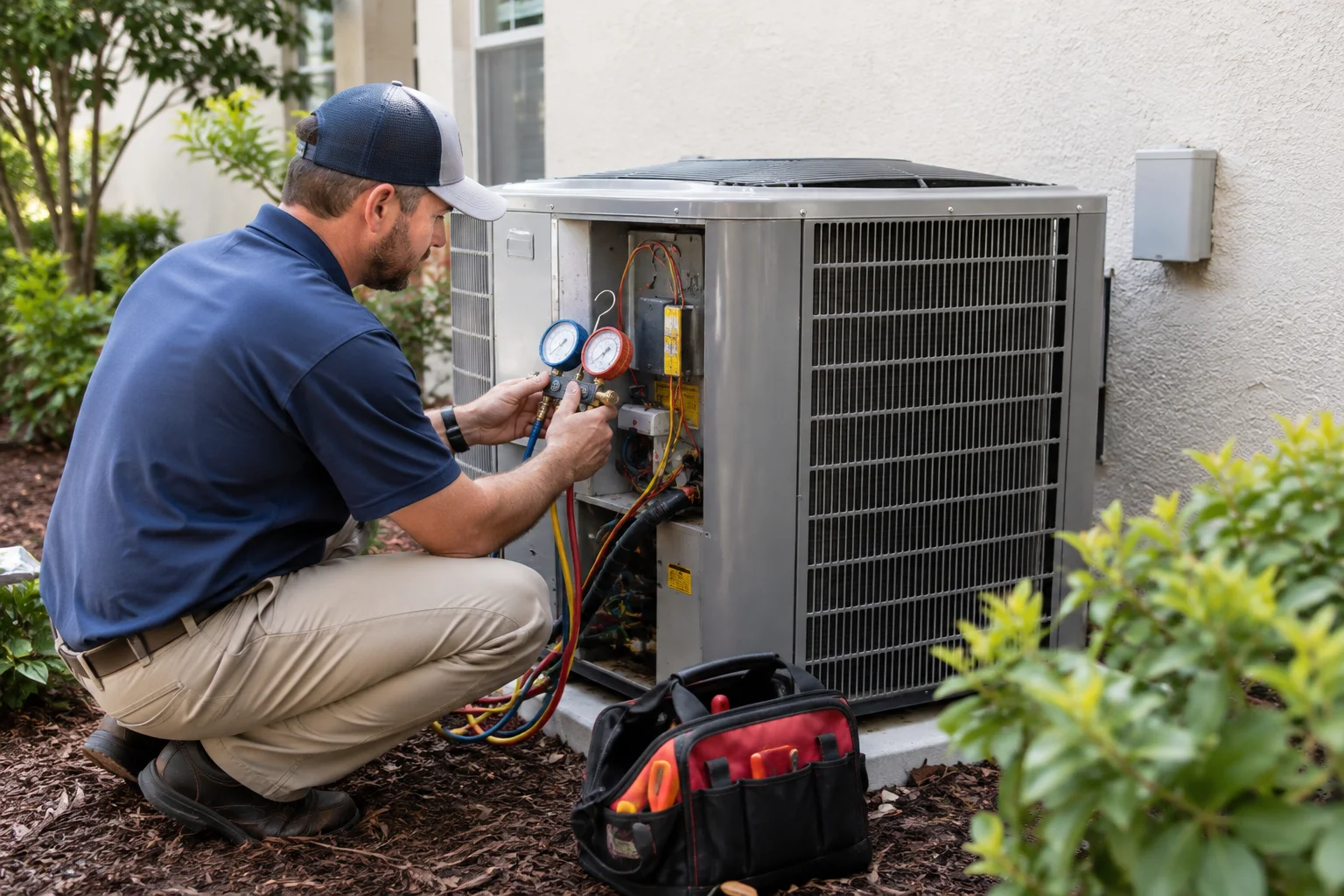
Cooling capacity depends on how the refrigerant system performs. If there are signs that cooling performance is not meeting expectations, technicians may evaluate refrigerant system operation as part of diagnosing the issue. Homeowners should avoid attempts to diagnose refrigerant problems on their own. Refrigerant systems require trained handling and proper testing, and a diagnosis should be confirmed in person.
Condensate drainage inspection
Because humidity is a major factor in Bluewater Bay, condensate drainage matters during an emergency. If drainage is restricted, condensate can back up and affect cooling performance and indoor air quality. Technicians may inspect the drain line and related components during service.
Indoor air quality and moisture control considerations
Emergency repairs often focus on restoring cooling, but technicians also consider what happens after comfort returns. If your system has been struggling, indoor air quality can be affected by moisture and airflow patterns. A technician may recommend steps to help protect air quality while repairs proceed.
Repair planning: what you can do before the technician arrives
When you need emergency cooling, you want help quickly. Still, a few minutes of preparation can make the repair process smoother and reduce confusion about next steps.
Write down what changed
Note when the problem started, whether it followed a power flicker, and what the thermostat displayed. If the system ran earlier in the day and then failed, that timeline helps a technician compare system behavior.
Check basic airflow and filter condition
Look at the return air filter. A severely clogged filter can restrict airflow and contribute to comfort issues. If the filter is visibly dirty, replacing it is reasonable. However, a filter alone does not rule out deeper issues like ductwork airflow restrictions or refrigerant system performance.
If you are searching for HVAC maintenance near me to prevent issues like this, routine filter checks and system inspections can help keep airflow stable before emergencies occur.
Confirm thermostat mode and fan setting
Make sure the thermostat is set to cooling mode and the fan setting is appropriate. Some systems will not cool properly if the thermostat is set incorrectly. If you have a smart thermostat, review any alerts or codes it has recorded.
Look for water where it should not be
If condensate drainage is failing, you may see water around the indoor unit. Take photos if possible. Do not attempt to disassemble components, but documenting what you see gives the technician useful context.
Gather photos of vents and ice or frost
If you notice ice buildup on the indoor coil or frost on lines, photograph it. Ice can indicate airflow restrictions or other cooling performance issues. A technician can use those visuals during diagnosis.
Comfort priorities during an emergency: temperature, humidity, and airflow
In Bluewater Bay, emergency HVAC decisions should balance three comfort priorities. Temperature matters, but humidity and airflow determine how the home feels and how safe indoor conditions remain.
1) Temperature targets that do not create more problems
Lowering the thermostat aggressively can increase system demand while the unit is already struggling. The goal is to restore cooling safely. A technician can advise on appropriate thermostat behavior while repairs are underway.
2) Humidity control through condensate drainage and cooling performance
When humidity rises, the home feels warmer even if the thermostat reads a lower temperature. If condensate drainage is restricted or cooling performance is reduced, moisture can linger. Emergency service should address the underlying issue, not just the temperature reading.
3) Airflow distribution and ductwork impact
Even when the system is working, airflow can be uneven. Ductwork that is poorly sealed or restricted can cause rooms to stay warm and can increase energy use because the system runs longer to compensate. For homeowners dealing with persistent comfort problems, consider ductwork-focused guidance and ask about Duct Sealing once the emergency is resolved.
Common Bluewater Bay causes behind emergency AC service calls
Some issues show up more often in coastal Florida due to humidity, salt air exposure, and the long cooling season. Here are frequent contributors to emergency cooling failures that technicians investigate.
Airflow restrictions
Clogged filters, blocked returns, closed registers, or ductwork issues can reduce airflow. Reduced airflow can cause coil performance problems and can lead to freezing or short cycling. This is one reason an air conditioning inspection near me can be valuable even when the system “turns on.”
Condensate drainage blockages
When condensate drainage is restricted, moisture can build up. In a humid climate, drainage problems can become uncomfortable quickly and can contribute to indoor air quality concerns.
Thermostat and control issues
Thermostats manage comfort and system behavior. A thermostat that is misconfigured or not reading correctly can lead to poor cooling performance. Technicians verify thermostat operation during emergency HVAC service visits.
Refrigerant system performance concerns
Refrigerant systems are designed to move heat efficiently. If cooling performance is off, a technician may suspect refrigerant system performance issues. Homeowners should not attempt to diagnose or repair refrigerant problems themselves.
Coastal corrosion and outdoor unit stress
Salt air can accelerate corrosion on outdoor equipment and nearby components. That can affect airflow, coil surfaces, and long-term reliability. Regular preventive HVAC maintenance helps catch early wear before an emergency.
How to choose the right emergency HVAC service provider in Okaloosa County
During a cooling emergency, you want a local HVAC technician who understands the climate and can troubleshoot efficiently. When searching for HVAC service near me or residential HVAC service near me, prioritize these practical factors:
- Local experience in coastal Florida. Comfort failures in humidity often involve condensate and airflow as much as temperature.
- Clear communication. A technician should explain what they are checking and why, without pressuring you into decisions you cannot verify.
- Professional diagnosis before major decisions. Avoid assuming refrigerant repairs or system replacement is necessary until the technician evaluates the system in person.
- Focus on both comfort and indoor air quality. Emergency service should consider moisture control, not just short-term cooling.
- Planning for follow-up maintenance. An emergency repair is not a substitute for preventive care.
If you are already thinking ahead, it can help to schedule Air Conditioning Maintenance when the weather stabilizes.
Preventive steps that reduce the odds of another emergency
Emergency HVAC service is there for the moments you cannot wait. But regular planning helps prevent repeat breakdowns and can improve comfort and energy use.
Schedule preventive HVAC maintenance before peak heat
In Bluewater Bay, preseason maintenance is one of the best ways to reduce emergency cooling problems. A good maintenance visit typically includes inspection of key components, checking airflow, and ensuring the system is operating as intended.
If you are searching for AC tune up near me or HVAC maintenance near me, look for service that addresses airflow, condensate drainage, and thermostat operation, not just a quick check.
Address ductwork and airflow distribution
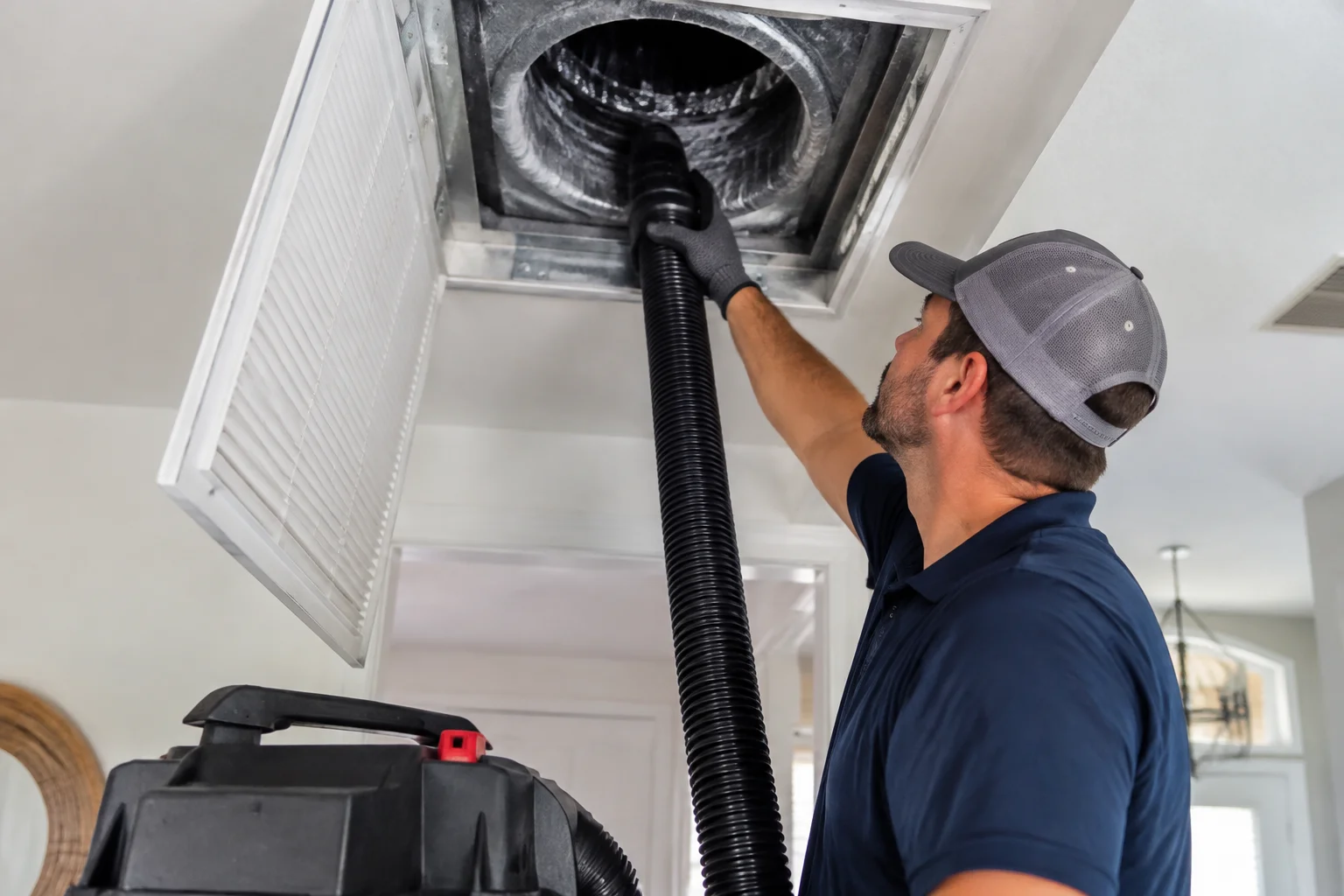
Ductwork can amplify problems. Leaks and restrictions can cause uneven cooling, which leads to higher energy use and more frequent cycling. For homeowners noticing hot rooms or weak airflow, ductwork-focused education and a professional duct inspection can help.
When searching for duct inspection near me, include duct sealing and airflow assessment in your questions. If your home has persistent comfort issues, ductwork repairs may be part of the long-term solution.
Protect indoor air quality during humidity season
Humidity control supports better indoor air quality. Keeping the system running correctly helps manage moisture and supports healthy airflow patterns. Homeowners can also consider indoor air quality upgrades, but those decisions should follow a diagnosis of the HVAC system performance first.
Consider thermostat upgrades for better monitoring
Smart thermostats can provide more visibility into system behavior. If you are planning thermostat installation, review options on Smart Thermostats. Even with upgrades, the HVAC system must be performing correctly to deliver comfort.
Plan for heat pump service and airflow needs
Some Bluewater Bay homes use heat pumps. Heat pump performance depends on airflow, proper control behavior, and refrigerant system operation. If you are researching heat pump installation near me or future service, ask how the system will handle humidity and airflow in a coastal climate.
When system replacement comes up during an emergency
Sometimes, emergency HVAC service reveals that repairs may not restore reliable comfort. Other times, the system can be repaired and stabilized. Homeowners should avoid assuming replacement is the next step based on a single symptom.
A technician should evaluate the full system, including airflow, condensate drainage performance, thermostat operation, and refrigerant system behavior when appropriate. Only after an in-person assessment can you discuss repair options versus system replacement. If replacement is considered, ask what factors are driving the recommendation and how it relates to your home’s comfort needs, ductwork, and indoor air quality goals.
How A Superior Mechanical helps Bluewater Bay homeowners during cooling failures
When your air conditioner or heat pump fails in Bluewater Bay, the priority is getting you back to safe, comfortable cooling. A Superior Mechanical provides emergency HVAC services in Bluewater Bay, FL with a focus on the issues that matter most in coastal Florida: restoring airflow, addressing condensate drainage concerns, verifying thermostat operation, and evaluating refrigerant system performance when needed.
If you want to be more prepared for the next hot day, you can also explore related guidance like A Practical Guide to Air Conditioning Installation for Bluewater Bay Homes and Smart HVAC Planning for Rosemary Beach Homes to understand how design choices affect comfort and resilience.
Quick checklist: what to do right now
- Set the thermostat to cooling mode and confirm fan settings.
- Check for obvious airflow issues like closed vents and a severely dirty filter.
- Look for water around the indoor unit and note any musty odors.
- Document symptoms with photos if you see ice, frost, or unexpected condensation.
- Contact emergency HVAC services in Bluewater Bay so a local HVAC technician can evaluate your system in person.
In Florida heat and humidity, waiting too long can turn a manageable problem into a larger repair. A professional evaluation helps protect comfort, indoor air quality, and long-term system reliability.
Find Emergency HVAC Services in Bluewater Bay, FL
If you need Emergency HVAC Services in Bluewater Bay, FL, visit our local service page or contact A Superior Mechanical today.
Map of Bluewater Bay, FL
Frequently Asked Questions
How can I tell if my AC emergency is an airflow problem or a refrigerant problem?
You usually cannot confirm the cause without testing. Weak airflow, dirty filters, or duct issues can reduce cooling performance, while refrigerant system performance problems can also cause temperature and comfort failures. A technician can inspect airflow, condensate drainage, thermostat operation, and cooling behavior to determine the root cause.
Should I change my thermostat settings while waiting for emergency HVAC service?
Yes, you can confirm the thermostat is set to cooling mode and adjust within normal comfort ranges. Avoid extreme settings that keep the system working harder if it is already failing. If you have a smart thermostat, note any alerts or error codes to share with your technician.
Can high humidity mean my HVAC problem is related to condensate drainage?
Often, yes. When condensate drainage is blocked or cooling performance is reduced, moisture removal can suffer and the home can feel sticky. If you notice water near the indoor unit or a musty smell, treat it as an urgent cooling and indoor air quality concern.
Is it safe for me to try to fix refrigerant issues myself?
No. Refrigerant systems require trained handling and proper testing. An in-person professional evaluation is needed before any refrigerant diagnosis or repair is considered.
What can preventive maintenance do to reduce emergency AC repair calls in Bluewater Bay?
Preventive HVAC maintenance helps support airflow, moisture control, and reliable operation during Florida’s humid season. It also helps identify early warning signs like airflow restrictions, condensate drainage concerns, and system performance changes before they turn into an emergency.
Related Articles
Photo Gallery