Bluewater Bay homes deal with a mix of coastal weather, humidity, storms, and changing electrical demand. That matters when you are planning for smoke detectors and carbon monoxide detectors, because these devices are only as dependable as the wiring, circuits, and power behind them. A well planned setup helps protect families, vacation rentals, and remodels alike.
For homeowners looking for a smoke detector and carbon monoxide detector service in Bluewater Bay, the goal is not just to install a few alarms. It is to make sure the devices are placed correctly, interconnected when needed, and supported by a safe electrical system that can handle the load.
If you live in Bluewater Bay or elsewhere in Okaloosa County, planning ahead can prevent a lot of hassle later. It also helps you avoid the kind of urgent call that starts with a dead alarm, a tripped breaker, or a burning smell that points to a deeper wiring issue.
Why detector planning matters in coastal homes
Bluewater Bay homes see more wear from moisture and salt air than many inland properties. That can affect electrical connections, ceiling-mounted devices, and older wiring hidden in attics, garages, and additions. In some homes, a detector problem is really a power problem. Loose connections, aging breakers, or failing circuits can interrupt hardwired alarms just when you need them most.
Many older homes in the area were built before today’s electrical expectations. Others have been remodeled over time, adding new lighting, ceiling fans, outlets, and appliances without a full review of the panel or branch circuits. If the home has had additions, a garage conversion, or a kitchen update, it is smart to include detector placement in the electrical plan instead of treating it as an afterthought.
Smoke detectors and carbon monoxide detectors work best as part of the electrical system
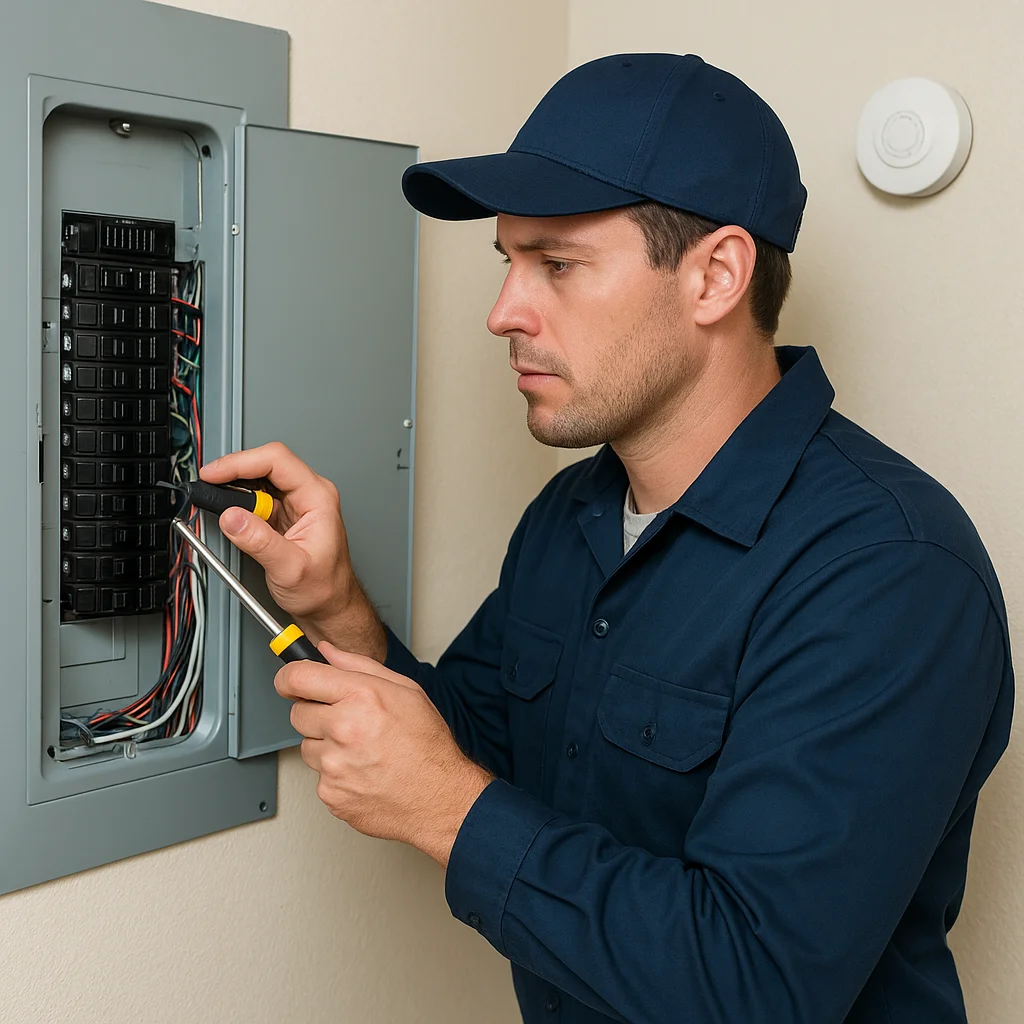
Hardwired smoke detectors and carbon monoxide detectors often share circuits and interconnection wiring. When one alarm sounds, the others should follow. That is one reason an electrician needs to look at more than the device itself. The panel, breaker sizing, grounding, and wiring condition all affect whether the system performs correctly.
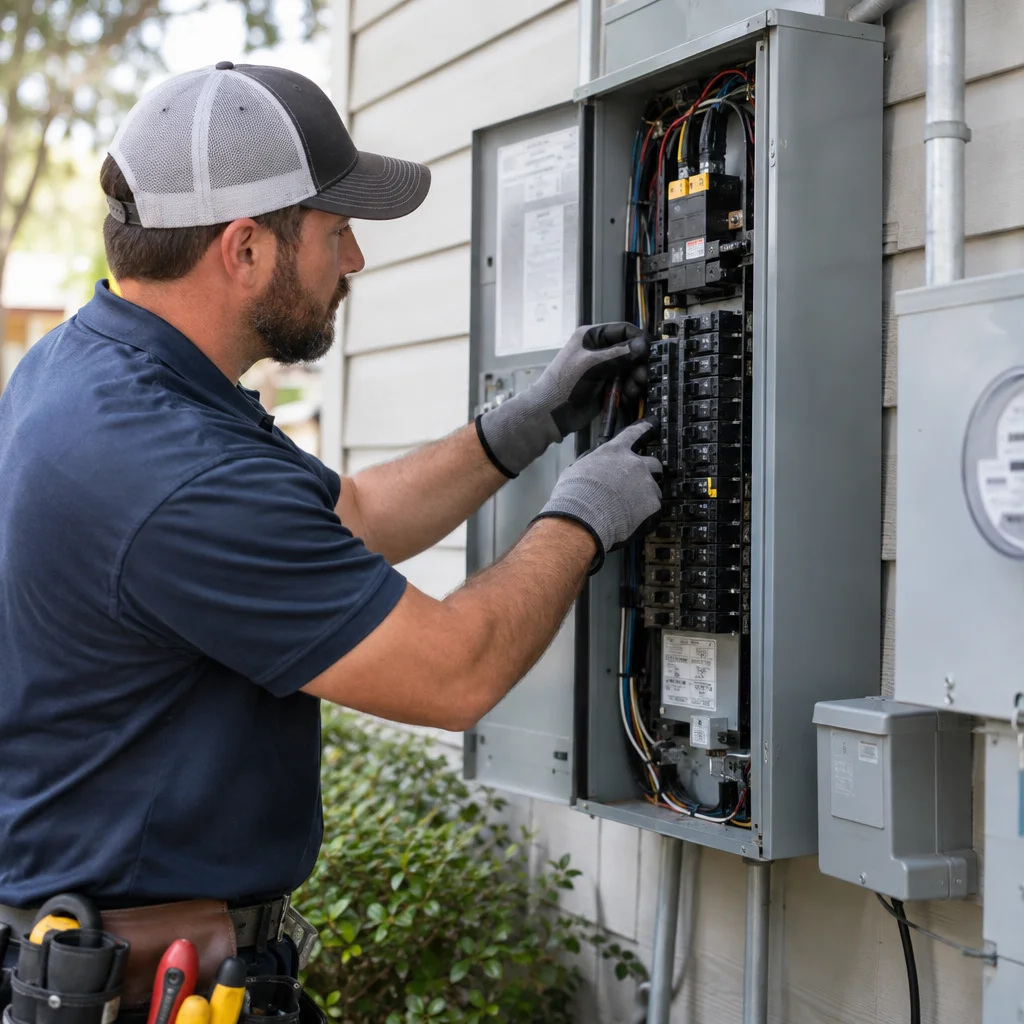
When homeowners search for electrical panel upgrades, they are often trying to solve broader capacity issues. That can matter if the home now has more detectors, more lighting, a new HVAC system, an EV charger, or a generator interlock. A panel that is already crowded or outdated may not be the best foundation for dependable life safety devices.
Common electrical issues that affect alarm reliability
Some of the most common problems we see include loose wiring at the alarm, a weak breaker, a tripped AFCI or GFCI circuit, or an older panel that needs correction. In some homes, a detector will chirp because of a low backup battery, but repeated issues can also point to a wiring fault or poor connection at the junction box.
Other warning signs include alarms that do not interconnect, devices that lose power after a storm, or detectors that are installed in the wrong location near supply vents, bathrooms, or kitchens. If that happens, a licensed electrician can inspect the circuit and recommend a safer layout.
Where to place detectors in Bluewater Bay homes
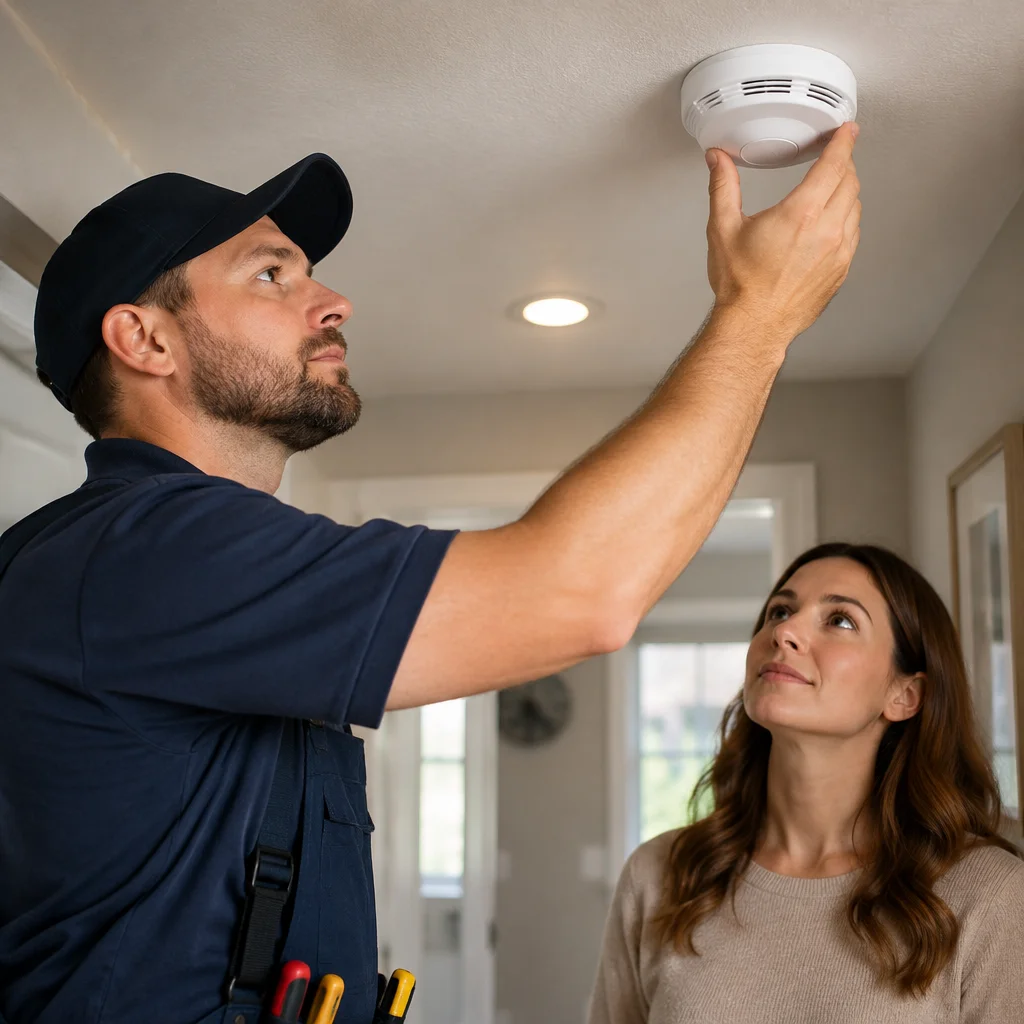
Most homes need smoke detectors in sleeping areas, hallways outside bedrooms, and on every level of the home. Carbon monoxide detectors should be placed near sleeping areas and in locations recommended by code and the manufacturer. In homes with attached garages, fuel burning appliances, or generators, placement becomes even more important.
Bluewater Bay’s mix of single family homes, condos, and vacation properties means there is no one size fits all layout. A coastal home with a garage, screened porch, and open living plan may need different coverage than a smaller townhouse or a newer build with modern interconnected alarms. A professional electrical inspection can help confirm that the setup matches the home’s layout and the current code requirements.
Storms, outages, and backup power deserve a place in the plan
Storm season in Northwest Florida can create sudden outages and voltage swings. That is where surge protection, battery backup, and generator planning come in. If a home loses power often, hardwired detectors with battery backup are essential. If you are already thinking about battery backup systems or electrical replacement, it is a good time to review your life safety devices too.
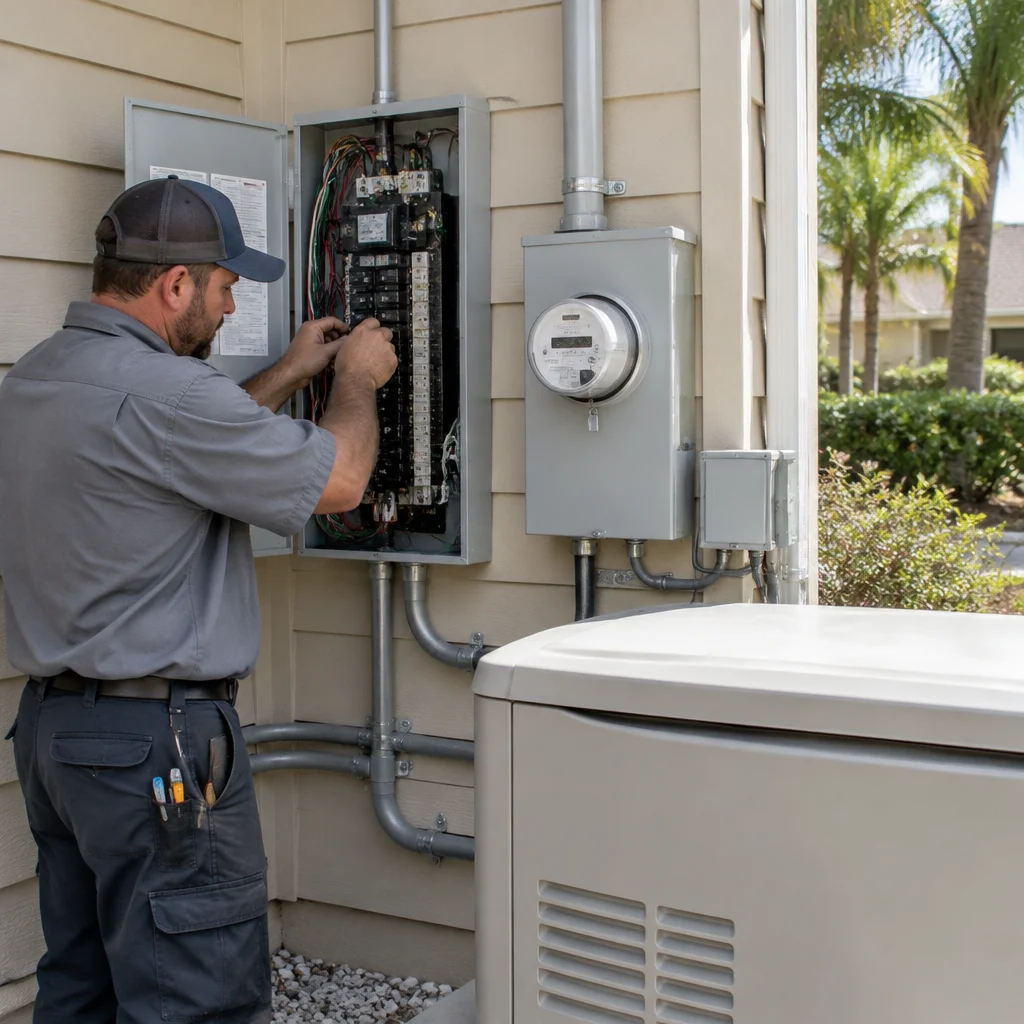
Some homeowners also add a generator transfer switch so critical circuits stay live during outages. That can help preserve detector power, lighting, refrigeration, and communication devices. If you are considering backup power options, ask a licensed electrician how the transfer equipment will affect alarm circuits and whether any dedicated circuits should be added.
Storm damage can create hidden electrical risks
After lightning, flooding, or a major outage, alarms may seem fine even when the electrical system is not. A damaged breaker, loose neutral, or compromised meter base can create intermittent power loss that is easy to miss. That is why a post storm inspection is worth considering if your home had flickering lights, tripping breakers, or any burning odor. Homeowners searching for electrical panel replacement near me or meter base repair near me may actually need a broader safety review.
Remodels, additions, and new equipment can change detector needs
Bluewater Bay remodels often bring new kitchens, laundry areas, enclosed patios, and expanded living spaces. Those upgrades can change where smoke and carbon monoxide detectors should go. They can also affect load on the panel, especially if the project includes new lighting, ceiling fans, outlets, or a dedicated appliance circuit.
If the renovation includes a garage EV charger, hot tub, or workshop equipment, the electrical system may need dedicated circuit installation or panel capacity review. Search terms like 200 amp panel upgrade near me, garage ev charger wiring near me, and dedicated circuit installation near me often point to the same underlying issue: the home needs more safe, modern electrical support than it had before.
How a licensed electrician helps with detector service
A licensed electrician can inspect the existing wiring, test interconnection, replace outdated alarms, and verify that the devices are tied into the right circuits. That becomes especially important in homes with aluminum wiring, knob and tube remnants, older breaker panels, or previous DIY work. If you have been searching for licensed electrician near me or electrical code inspection near me, a detector inspection is a smart place to start.
During service, an electrician may also check GFCI protection in nearby areas, confirm grounding, look for loose splices, and make sure the panel labels are accurate. If the home has a garage, workshop, or outdoor living area, the electrician may also review outdoor landscape lighting and exterior circuits that could be affected by moisture or storm exposure.
Small electrical problems can point to bigger ones
A detector that keeps chirping is annoying, but it can also be a clue. A breaker that trips when the alarms test, a switch that feels warm, or an outlet that shows scorch marks can point to a circuit issue that needs attention. If you are already dealing with outlet repair near me, circuit breaker repair near me, or burning smell electrical repair near me, do not ignore the alarm system during the same visit.
Maintenance that keeps detectors ready year round
Homeowners should test smoke and carbon monoxide detectors regularly, replace batteries as recommended, and replace the devices themselves on the manufacturer’s schedule. But electrical maintenance matters too. A seasonal inspection can catch loose connections, aging devices, and storm related wear before they turn into a failure.
Bluewater Bay’s humidity can also affect fixtures, switches, and ceiling mounted devices over time. That is why a local electrician matters. Someone who works in the area understands how coastal weather, salt air, and frequent summer storms affect wiring, service equipment, and alarm reliability. If a house also needs surge protector installation near me or storm electrical repair near me, it is often best to bundle that work with detector service.
Other electrical upgrades that fit well with detector planning
Many homeowners schedule detector work alongside other improvements. That can include dimmer switch installation near me, gfci outlet installation near me, ceiling fan replacement, wiring repair, or a full panel review. If the home has a detached garage, workshop, or vacation rental setup, it may also need a generator transfer switch installation near me search to turn into a real plan.
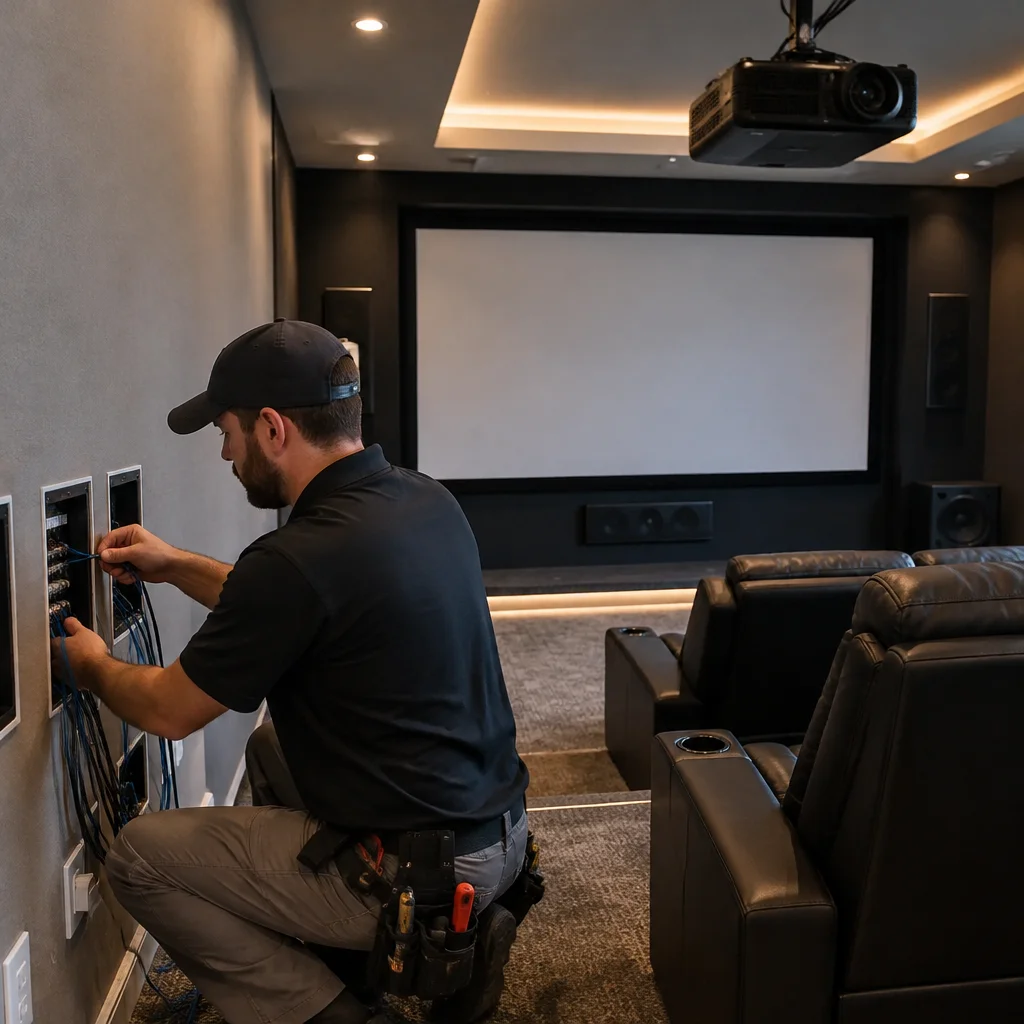
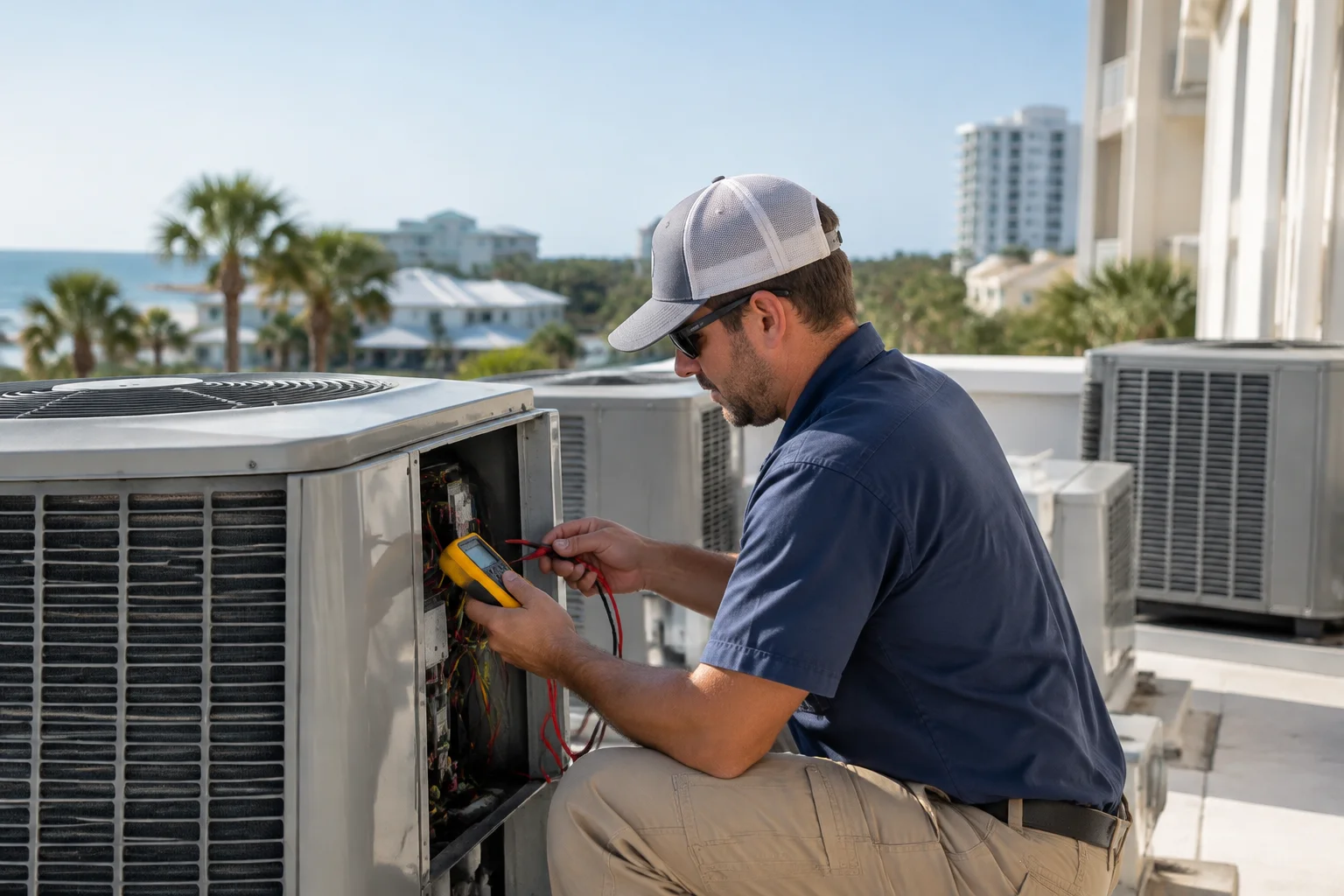
For homes adding smart security, data cabling, or EV charging, it helps to look at the whole electrical picture. Our related posts on security system wiring and data network cabling show how planning ahead can reduce surprises during a remodel or upgrade. If you are also comparing electrical and mechanical priorities, articles like ductwork issues in Bluewater Bay homes and emergency HVAC service can help you see how home systems often intersect during storm season.
When a professional visit makes sense
Call a professional if alarms are hardwired but not working properly, if they chirp after power loss, if they fail to interconnect, or if you are unsure whether your home meets current code. It is also wise to schedule service if you are remodeling, adding a generator, replacing a panel, or upgrading major appliances. Homeowners searching for same day electrician near me usually need fast help with a problem that should not wait.
A Superior Mechanical helps Bluewater Bay property owners protect what matters with smoke detector and carbon monoxide detector installation, replacement, inspections, and related electrical service. Whether the issue is a single alarm, a tired panel, or a broader wiring concern, the right plan keeps the home safer and the electrical system more dependable.
Find Smoke Detectors and Carbon Monoxide Detectors in Bluewater Bay, FL
If you need Smoke Detectors and Carbon Monoxide Detectors in Bluewater Bay, FL, visit our local service page or contact A Superior Mechanical today.
Map of Bluewater Bay, FL
Frequently Asked Questions
How often should smoke detectors and carbon monoxide detectors be replaced?
Most smoke detectors should be replaced every 10 years, and many carbon monoxide detectors also have a 5 to 10 year service life depending on the model. Check the manufacturer label and test them monthly.
Can hardwired detectors stop working after a power outage?
Yes. Hardwired alarms usually have battery backup, but a power outage, tripped breaker, or damaged circuit can still affect them. If alarms do not reset after an outage, an electrician should inspect the wiring and panel.
Do Bluewater Bay remodels or additions require new detector placement?
Often they do. Adding bedrooms, finishing a garage, or expanding living space can change where smoke and carbon monoxide detectors should be installed. A code aware electrical inspection helps confirm the layout is still safe.
Should I call an electrician if my detector keeps chirping?
Sometimes a chirp is just a low battery, but repeated chirping can also point to wiring issues, loose connections, or power problems at the breaker panel. If battery changes do not solve it, schedule service.
Related Articles
Photo Gallery