Seaside homeowners know how quickly coastal weather can change a normal afternoon into a power problem. Thunderstorms, tropical systems, salt air, and utility interruptions all put pressure on electrical systems that already work harder in vacation homes, remodels, and older properties. Whole home backup solutions give those homes a better chance of staying safe, powered, and ready when the grid is not.
For families, rental owners, and year round residents, backup planning is not just about keeping the lights on. It is also about protecting panels, breakers, outlets, wiring, lighting, and the circuits that support refrigerators, sump pumps, internet equipment, security systems, and medical devices. If you are comparing options or searching for whole home backup solutions in Seaside, it helps to understand how coastal conditions affect electrical systems and what a strong plan should include.
Why Seaside homes need a different kind of backup plan
Seaside sits in a coastal environment where humidity, salt exposure, and storm season all affect electrical equipment. Even when a home looks well maintained, the panel may have corrosion, loose connections, or aging breakers that struggle during a heavy load. A backup system has to work with the home’s actual electrical layout, not just its square footage.
Older homes in Walton County may still have outdated panels, undersized service, or mixed wiring from past renovations. Newer homes can have a different challenge: more demand. EV charging, larger kitchen appliances, recessed lighting, ceiling fans, outdoor lighting, and smart home devices can make a panel feel full fast. That is why local electrical service matters. A licensed electrician understands how coastal homes are built, how power demand changes over time, and how to size backup equipment correctly for the property.
For homeowners looking beyond a quick fix, the right plan often starts with a panel and rewiring evaluation or a full electrical inspection. That lets an electrician see whether the home can support a transfer switch, battery backup, standby generator, or a combination of systems.
What whole home backup actually does
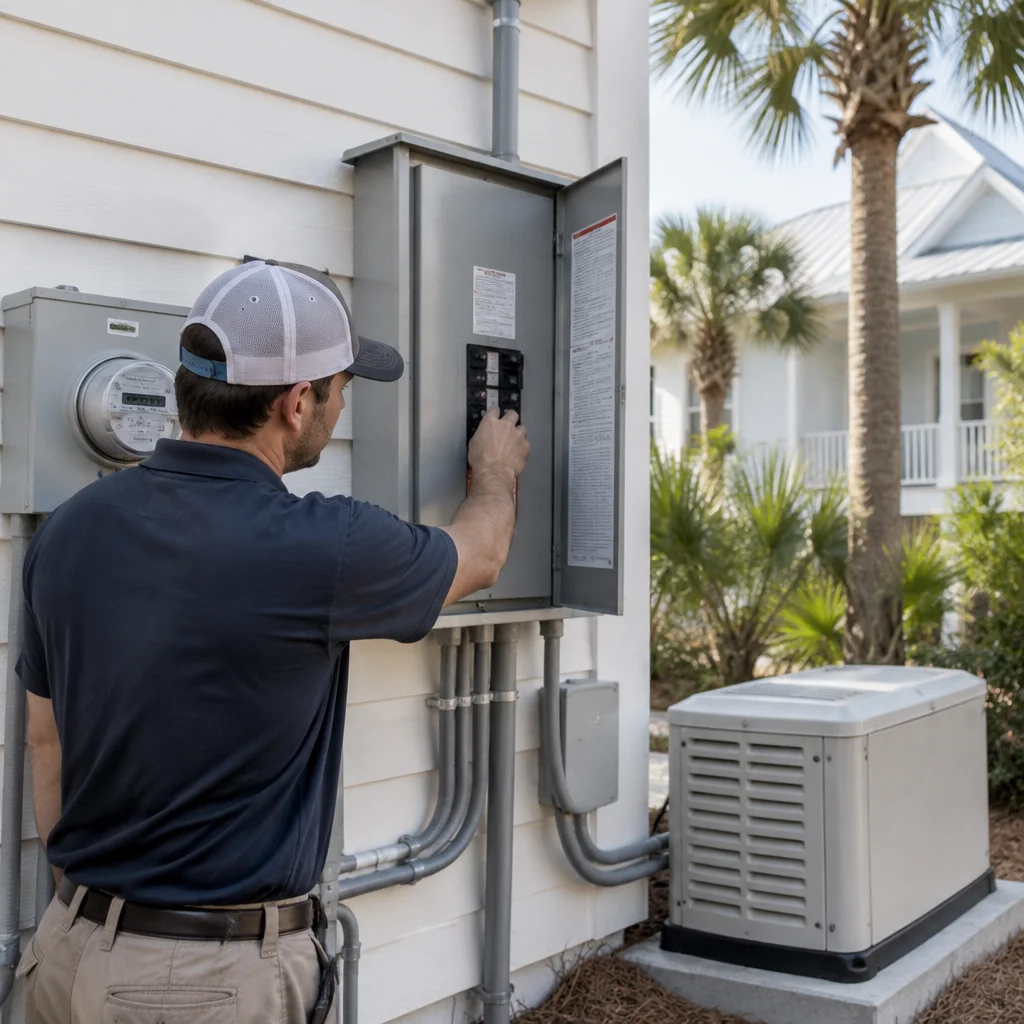
Whole home backup solutions are designed to keep key parts of a house powered during an outage. Depending on the system, that may mean the entire home or essential loads such as refrigeration, lighting, internet, outlets, fans, and security equipment. The main goal is to keep the electrical system stable and reduce the risk of damage when the grid goes down and comes back up.
In Seaside, that stability matters because outages are not just inconvenient. A sudden outage can create food loss, security concerns, and electrical stress when power returns. Sensitive electronics, chargers, and appliances can also be damaged by surges or poor grounding. A properly designed backup setup helps reduce those risks while keeping the home usable.
Many homeowners start by asking about power backup generators or a standby system that works with a transfer switch. Others prefer battery backup for quieter operation and clean power for sensitive electronics. In some homes, the best answer is a hybrid setup that combines generator support with surge protection and load management.
The electrical pieces that make backup systems work
Panel capacity and breaker condition
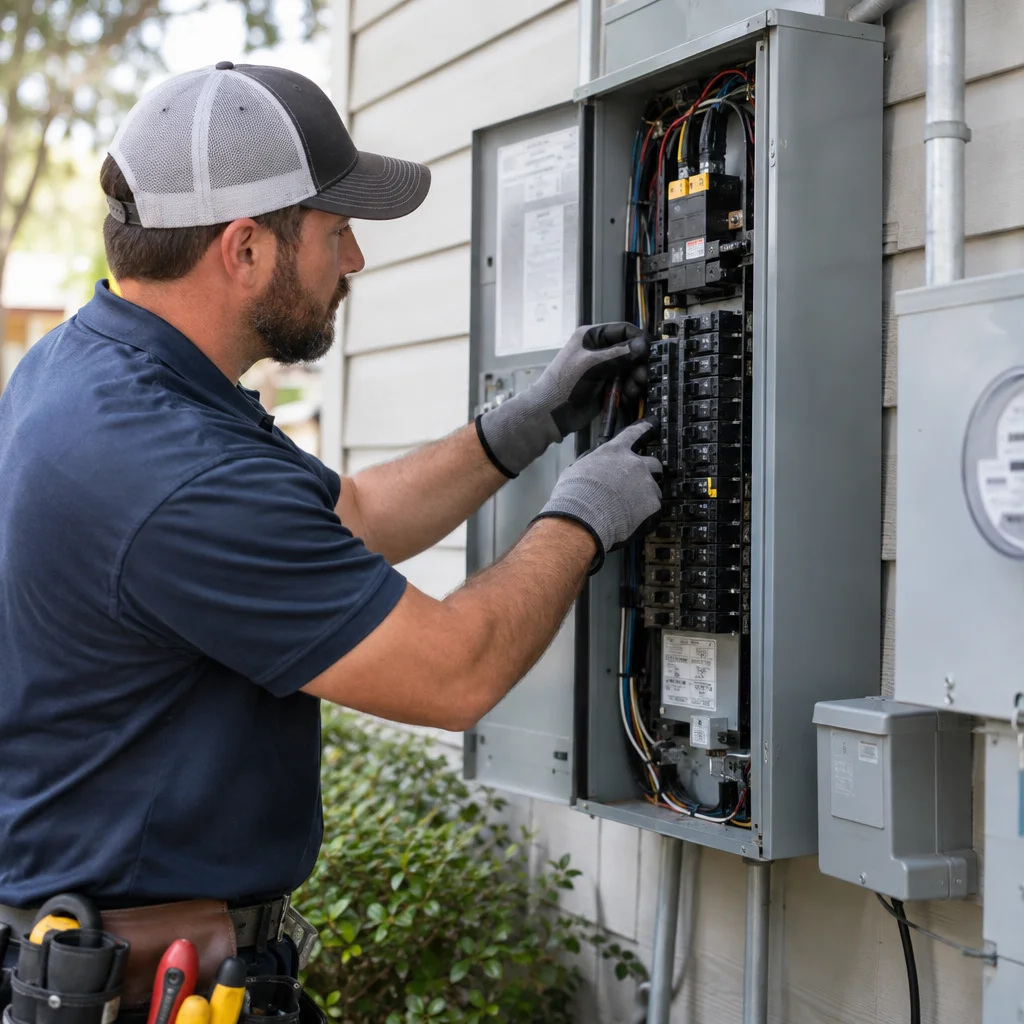
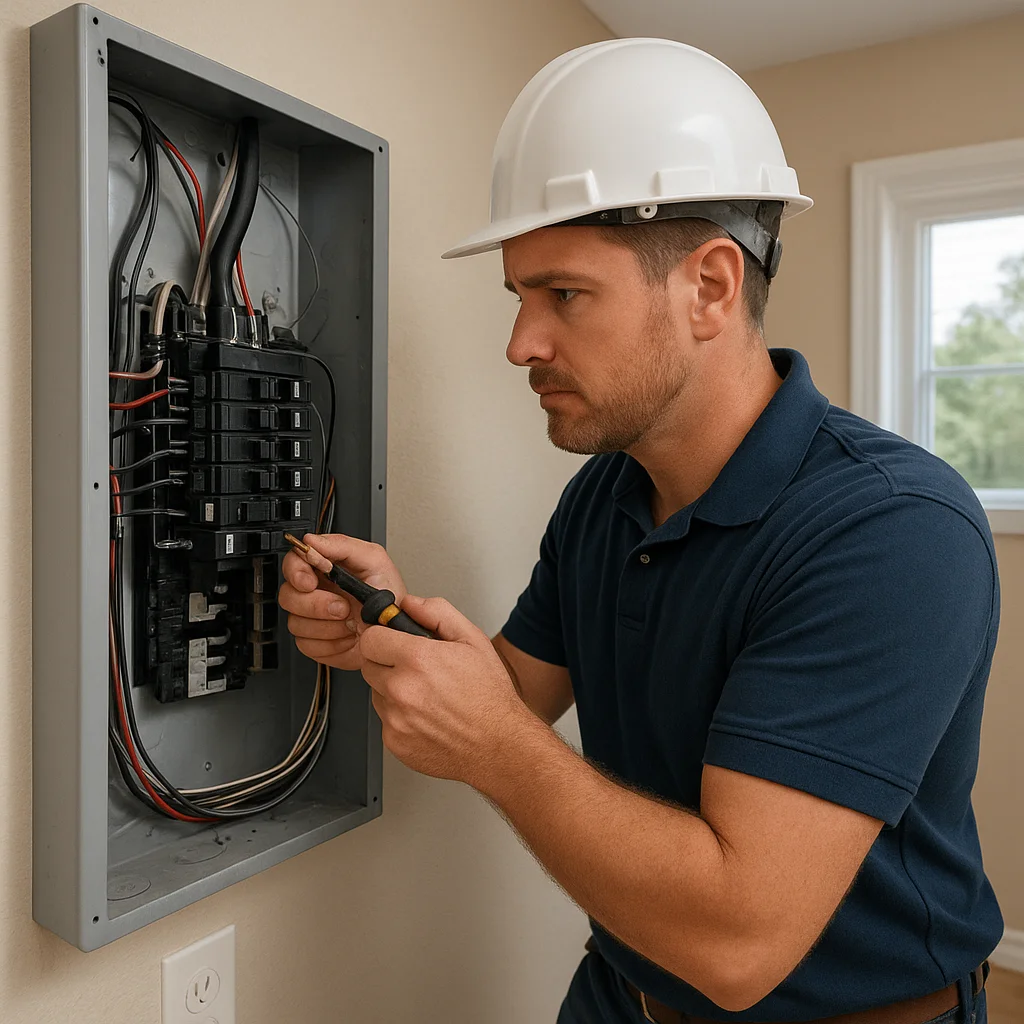
Backup equipment depends on the condition of the electrical panel. If the panel has worn breakers, corrosion, or signs of overheating, it may need repair or replacement before backup equipment is installed. Homeowners searching for electrical repair near me often discover the real issue is a panel that can no longer handle the home’s demand safely.
Breaker trips during normal use can point to overloaded circuits, aging breakers, or wiring problems. In a storm, those issues become more serious because the home may be running on backup power with a smaller margin for error. A qualified electrician can test the panel, verify breaker sizing, and recommend corrections before the system is put under stress.
Transfer switches and dedicated circuits
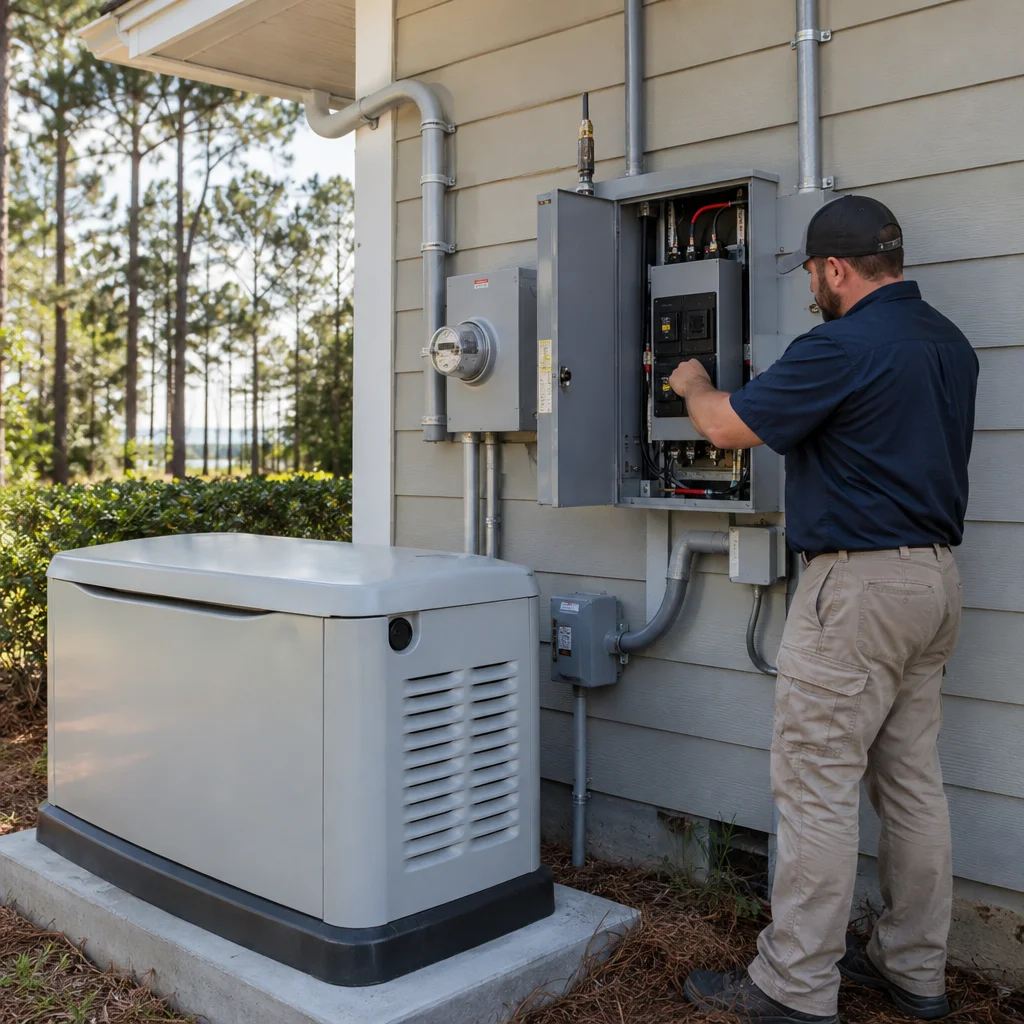
A transfer switch is what allows a backup source to power selected circuits or the whole home safely. It prevents dangerous backfeed and helps the system switch from utility power to backup power in a controlled way. For many homes, dedicated circuits are also part of the design. Refrigerators, freezers, internet equipment, lighting, and medical devices may each need their own protected path.
When homeowners search for a local electrician near me after an outage, they often want a system that is simple to use and dependable during the next storm. That is where proper transfer equipment, load calculations, and code compliant installation make a real difference.
Grounding, surge protection, and sensitive electronics
Coastal weather can bring lightning, utility surges, and voltage swings. Whole home backup should always be paired with surge protection and proper grounding. That protects appliances, HVAC controls, televisions, chargers, and home office gear when power returns.
Homes with EV chargers, smart thermostats, or upgraded kitchen equipment may also need dedicated surge devices or panel mounted protection. If you have been searching for electrical services near me because electronics keep failing after storms, the issue may be the home’s grounding or surge setup, not just the utility outage itself.
Fire risk prevention starts with the wiring you cannot see
Backup planning is also fire prevention. Loose wire connections, damaged insulation, overloaded circuits, and old fuse boxes can all create heat inside walls and panels. In coastal homes, corrosion can make those problems harder to spot. A backup system will not solve hidden wiring issues if the home is already struggling with unsafe conditions.
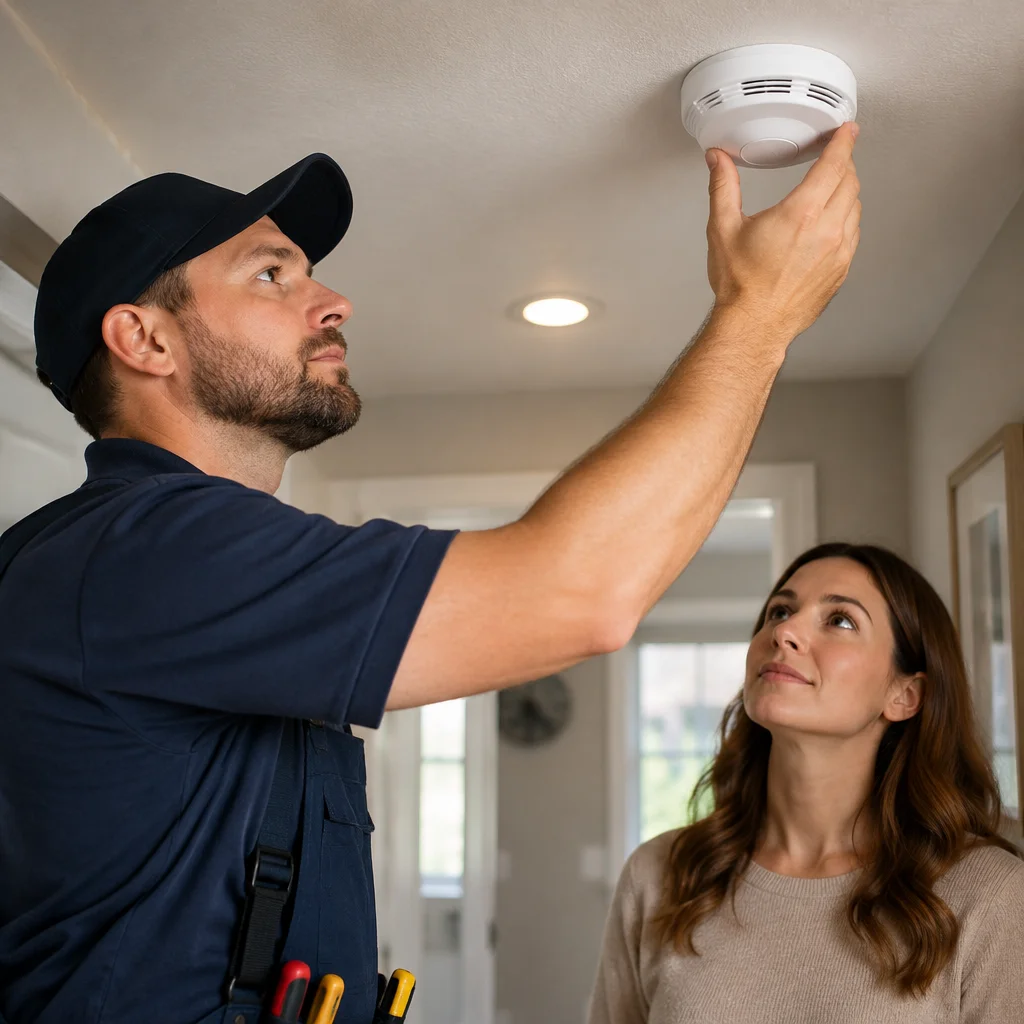
That is why many homeowners benefit from a home safety inspection electrician near me search before installing a generator or battery system. An inspection can uncover overloaded branch circuits, worn outlets, loose switches, and signs that the panel needs correction. It can also identify whether smoke detector installation or carbon monoxide detector installation near me should be part of the safety plan, especially if a fuel powered generator is being added.
Fire risk prevention also includes practical maintenance. Outlets near kitchens, laundry rooms, and exterior areas should have proper GFCI protection. Outdoor receptacles and equipment need weather rated covers. Ceiling fans and lighting should be wired correctly, not patched together with old splices. If a home has frequent trips or warm outlets, an electrical wiring repair near me search may point to a larger issue that needs professional attention.
How storm readiness changes for older homes, remodels, and additions
Older Seaside homes may have been built before today’s appliance loads, generator transfer equipment, or EV charging needs. Additions and remodels can make that mismatch worse when new rooms are added to an old panel without enough capacity. A home office, a kitchen upgrade, or a new rental suite can push the system close to its limit.
That is why backup planning often goes hand in hand with code corrections and rewiring. A home that is ready for a whole home backup system usually needs a clean, organized electrical foundation first. In some cases, that means house rewiring near me or home rewiring near me searches are really about long term reliability, not just a single repair.
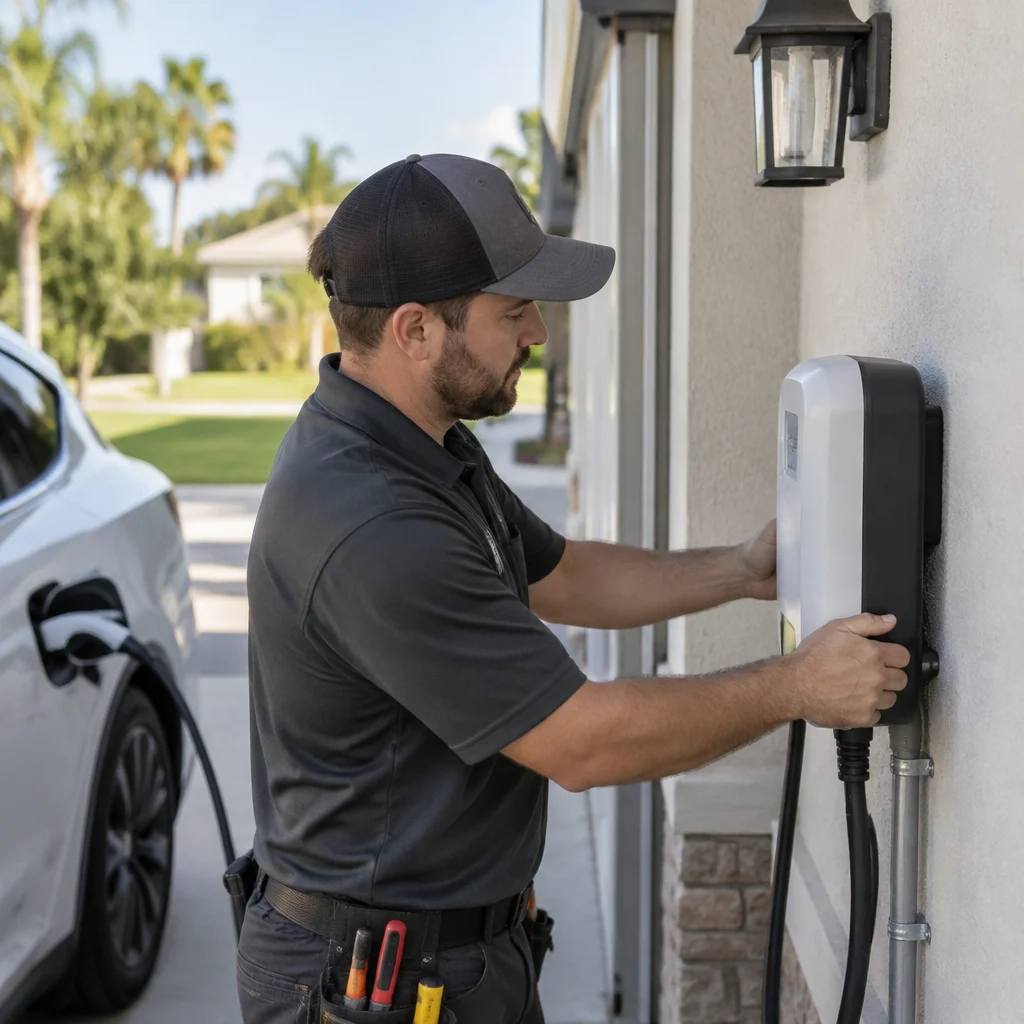
For homeowners planning EV charging, a level 2 ev charger installation near me search can also reveal the need for a panel upgrade or dedicated circuit. The same is true for range outlet installation near me, outdoor lighting installation near me, or recessed lighting installation near me requests. Each added load changes how much backup power the home needs during an outage.
Repair planning before the next outage
Good backup planning includes repair planning. If a breaker is already weak, an outlet is loose, or a switch is failing, those issues should be fixed before storm season. Repairs are easier to schedule before the first weather event than after the neighborhood loses power.
Homeowners often call after noticing flickering lights, buzzing panels, tripping breakers, or outlets that stop working after a surge. Those are not small annoyances in a coastal home. They can be signs that the electrical system needs service, and they can affect how well backup equipment performs. If you have been searching for an emergency electrician near me, the outage may have exposed a problem that should be corrected before the next storm.
Backup planning also gives homeowners a chance to think through lighting. Exterior security lighting, entry lights, and landscape lighting installation near me requests are common in coastal neighborhoods because dark walkways and driveways become a safety issue during outages. A well lit property is easier to navigate and safer for guests, tenants, and family members.
Generator, battery, or both
There is no one size fits all answer for Seaside homes. Standby generators are often a strong choice for longer outages and homes with higher demand. Battery systems can be excellent for quiet operation, fast switching, and protecting electronics. Some properties benefit from both, especially when the home has critical loads, a vacation rental schedule, or a higher risk of extended outage.
A licensed electrician can compare the home’s load profile, panel condition, and available space for equipment. They can also help with permits, code compliance, transfer switch placement, and safe integration with grounding and surge protection. If a homeowner is comparing options for a fuse box replacement near me style issue or an outdated service panel, the conversation may need to start with upgrades before backup equipment is selected.
For properties that rely on exterior lighting, pool equipment, internet service, or rental turnover, the right backup plan can prevent costly downtime. It also helps keep emergency electrical concerns from turning into bigger repair bills later.
Local maintenance that keeps backup systems dependable
Backup systems need routine attention just like any other part of the electrical system. Coastal air can affect connections, enclosure seals, and exterior equipment. Annual inspections help catch corrosion, loose fittings, battery wear, transfer switch issues, and breaker problems before they cause a failure.
Local maintenance may include testing the generator, checking oil or fuel systems when applicable, verifying battery performance, inspecting the panel, and confirming that surge protection is still active. It is also a good time to review whether new appliances, a garage addition, or a fresh EV charger have changed the home’s electrical load.
If your home has had recent upgrades, it may be worth pairing backup service with smart electrical planning for lighting fixtures in Seaside, FL or reviewing electrical safety clues Seaside homeowners notice during device upgrades. Those articles can help homeowners spot issues that often show up when a system is already under pressure.
How A Superior Mechanical helps Seaside homeowners prepare
A Superior Mechanical provides electrical service tailored to Seaside homes, vacation rentals, and businesses that need dependable backup power and safer electrical performance. That includes whole home backup solutions, generator installation, transfer switches, panel upgrades, breaker repair, outlet repair, lighting installation, wiring repair, surge protection, EV charger installation, smoke detector installation, code corrections, and electrical inspections.
When backup planning is done well, it supports the whole property. It keeps circuits organized, reduces fire risk, protects appliances, and makes storm recovery easier. It also gives homeowners a clear path for repairs if something fails during an outage. For properties near the coast, that kind of planning is not extra. It is part of owning a safe, resilient home.
If your Seaside property needs a backup review, a panel inspection, or help deciding whether generator or battery support makes more sense, the safest next step is a licensed electrical evaluation from a local team that understands the area and the code requirements that come with it.
Find Whole Home Backup Solutions in Seaside, FL
If you need Whole Home Backup Solutions in Seaside, FL, visit our local service page or contact A Superior Mechanical today.
Map of Seaside, FL
Frequently Asked Questions
Do whole home backup solutions in Seaside need a permit?
Yes, most whole home backup installations involve electrical permits and inspections. That is especially important when a transfer switch, panel upgrade, or new generator connection is part of the project.
Can an older Seaside home support a standby generator or battery backup?
Often yes, but the panel, wiring, grounding, and available capacity need to be checked first. Older homes may need code corrections or panel work before backup equipment can be installed safely.
How does surge protection fit into a backup system?
Surge protection helps shield appliances, electronics, and controls when utility power returns after an outage. In coastal areas with storms and lightning, it is a smart part of the overall backup plan.
What electrical issues should be fixed before storm season?
Loose outlets, frequent breaker trips, flickering lights, warm switches, outdated panels, and damaged exterior wiring should all be addressed early. Those issues can become more serious during an outage or when backup power is running.
Related Articles
Photo Gallery