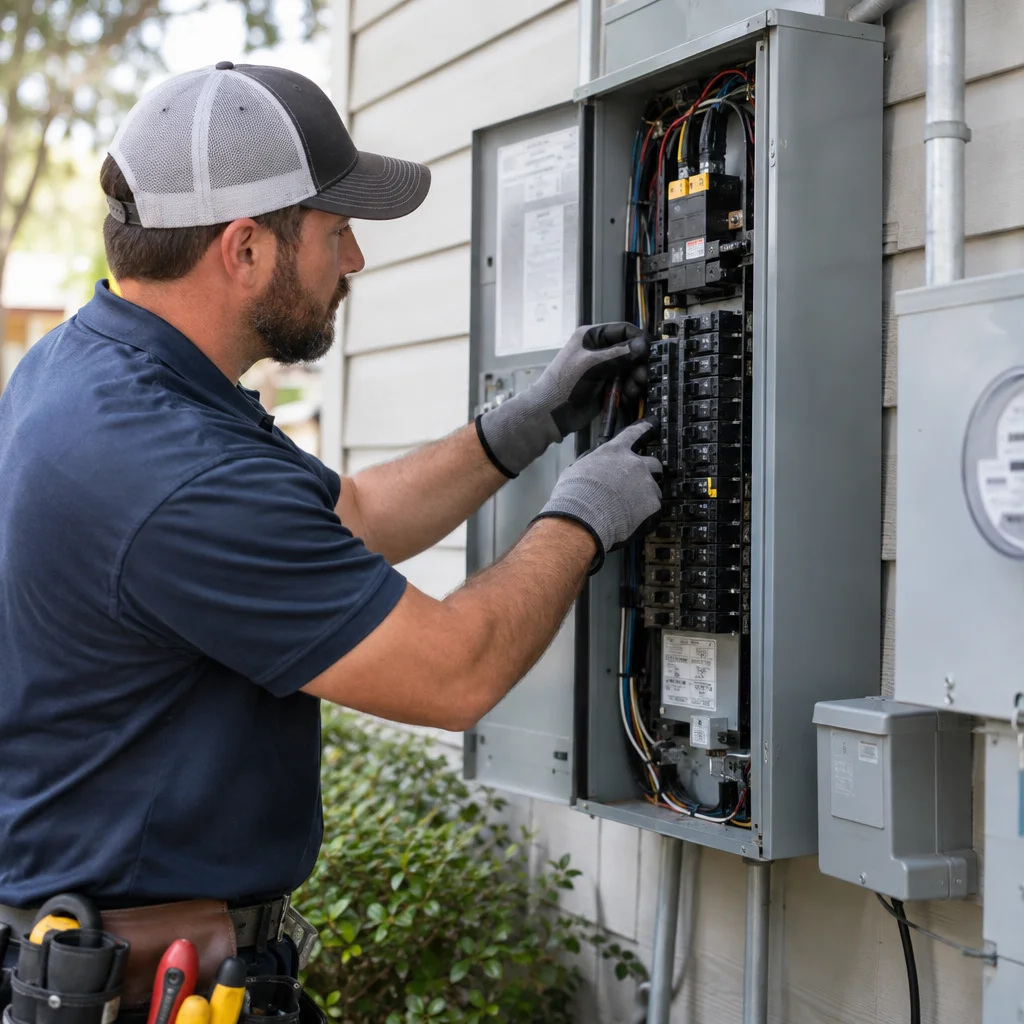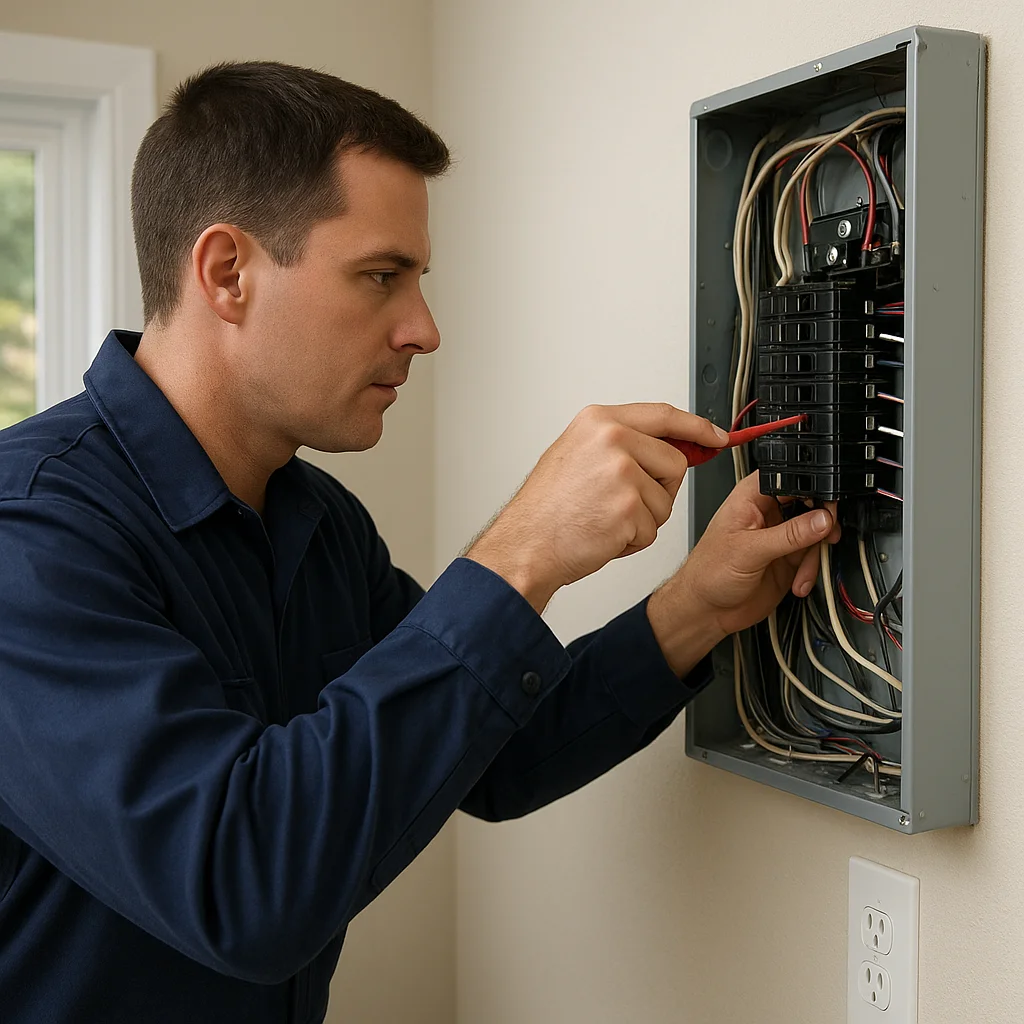
In Bid-A-Wee, backup power is not just a comfort feature. Coastal weather, summer storms, salt air, and older electrical systems can all push a home’s wiring and panels harder than expected. For homeowners, generator planning is really part of a bigger electrical safety plan that includes panel capacity, breaker condition, grounding, surge protection, and regular maintenance.
A properly installed generator can keep essential circuits running during an outage, but it only works safely when the rest of the electrical system is ready for it. That is why homeowners searching for an electrician in Bid-A-Wee for power generator installation and maintenance should think beyond the equipment itself and look at the panel, transfer switch, wiring, and load requirements too.
Why generator planning matters in a coastal community
Homes in Bid-A-Wee and across Bay County deal with weather that can interrupt power without much warning. Thunderstorms, wind, lightning, and tropical systems can all affect utility service. Salt in the air also wears on outdoor electrical components over time, especially service equipment, disconnects, and any exposed wiring.
In newer homes, the challenge is often power demand. Modern kitchens, EV chargers, pool equipment, smart home devices, and high efficiency lighting can all add load. In older homes, the issue may be dated wiring, undersized panels, or a fuse box that was never designed for today’s appliances. Either way, a generator should be matched to the home’s actual electrical needs, not just the square footage.
That is why local service matters. A technician who understands Bid-A-Wee homes can spot issues that affect generator performance, such as weak breakers, loose neutral connections, outdated grounding, and circuits that should be separated before backup power is added.
What a safe generator installation should include
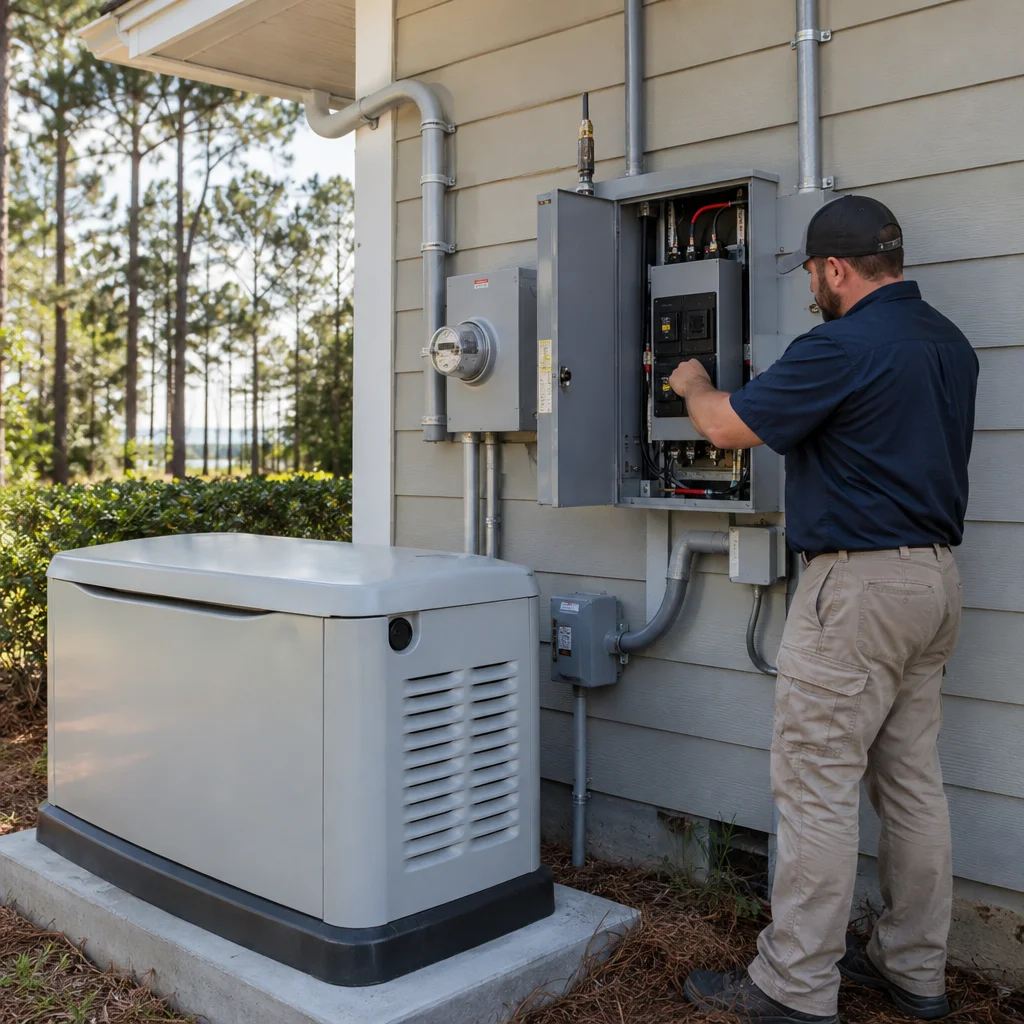
Generator installation is more than setting equipment outside and plugging it in. A safe setup usually starts with an electrical inspection, followed by load calculations and a look at the main panel. If the panel is already crowded or aging, homeowners may need whole home backup solutions or a panel upgrade before installation begins.
For many homes, the generator connects through a transfer switch. That switch isolates the home from the utility line and prevents dangerous backfeed. It also helps protect the generator and the home’s appliances. In some cases, a dedicated standby system is the right fit. In others, a smaller unit that supports critical circuits is enough.
Good generator planning often includes:
- Panel and load evaluation
- Transfer switch sizing and placement
- Grounding and bonding checks
- Dedicated circuits for critical loads
- Surge protection for sensitive electronics
- Clear access for service and maintenance
If you have been searching for generator installation near me, it helps to ask how the installer will tie the system into your existing electrical layout, not just how quickly the unit can be mounted.
Fire risk starts with the wiring, not just the generator
Generator safety is closely tied to fire prevention. Loose connections, overloaded circuits, damaged insulation, and poor transfer switch installation can all create heat. Over time, that heat can damage breakers, outlets, and wiring. In a coastal home, corrosion can make those problems worse by creating resistance at connection points.
Homeowners should pay attention to warning signs such as burning smells near the panel, warm outlets, tripping breakers, and flickering lights when large appliances start up. If a home already needs breaker panel repair or electrical panel replacement, generator installation should not move forward until those issues are addressed.
Fire risk prevention also means checking the service entrance and outdoor equipment. If you have ever searched for service mast repair near me, that is often a sign the home needs a broader electrical review. Storm stress, age, and corrosion can weaken the path that brings power into the home, and that path matters when backup power is added.
Maintenance keeps a generator ready when the power fails
Even a well installed generator needs routine care. Batteries age, fuel systems can develop issues, transfer switches need testing, and outdoor equipment can collect moisture and debris. In Bid-A-Wee, humidity and salt exposure make regular maintenance especially important.
A maintenance visit may include oil and filter changes, battery testing, startup checks, inspection of electrical connections, and verification that the generator transfers power correctly. The technician should also look at corrosion, enclosure condition, and any signs of overheating around the panel or switchgear.
For homeowners with vacation rentals or seasonal occupancy, maintenance is even more important because the system may sit unused until a storm arrives. A generator that has not been tested can fail at the worst time. That is why local electrical maintenance should be scheduled before hurricane season, not after the first outage.
How generator work connects to the rest of the home’s electrical system
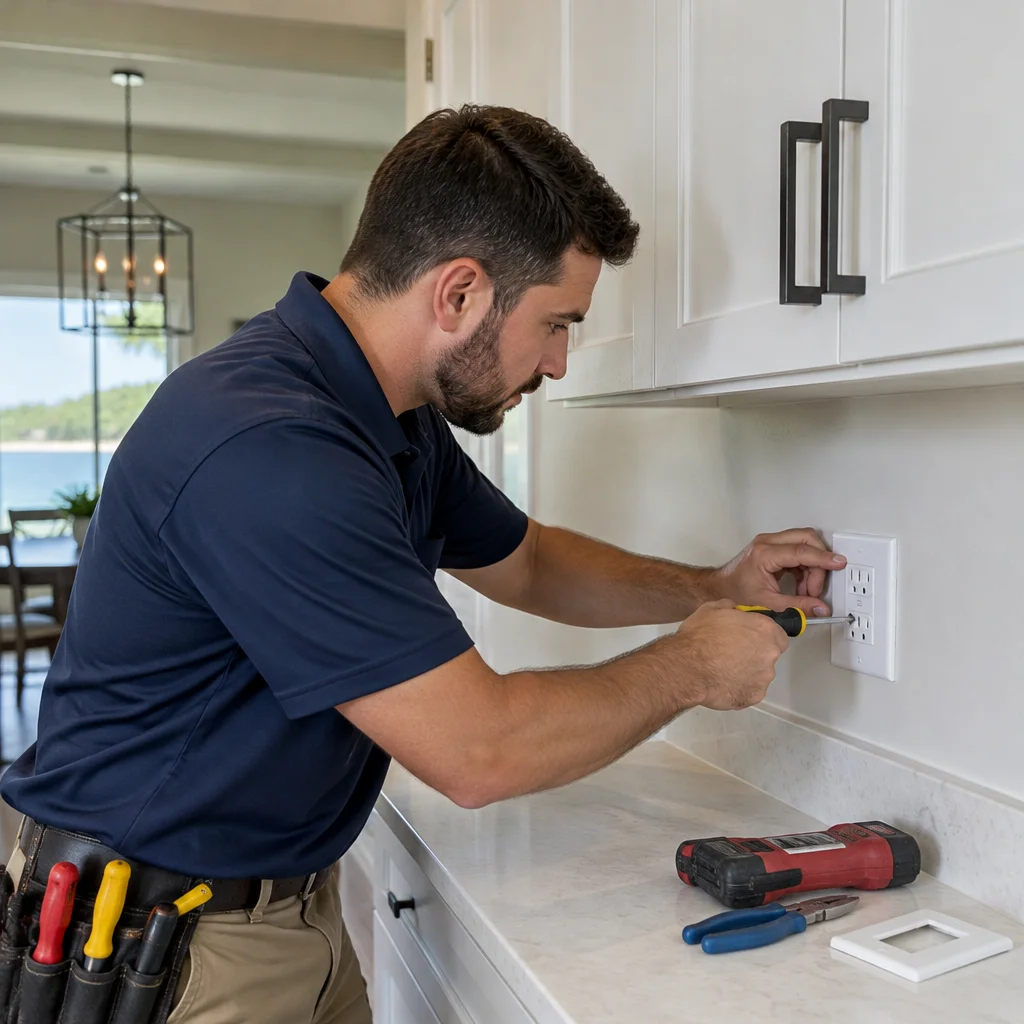
Generator service rarely happens in isolation. A home that needs backup power may also need other electrical improvements to stay safe and reliable. Older receptacles may need GFCI outlet installation in kitchens, baths, garages, and outdoor areas. Exterior lighting may need updates for security and storm visibility, including security lighting installation and LED lighting installation.
Some homes also need dedicated circuits for appliances that draw a lot of power, like refrigerators, freezers, sump pumps, or laundry equipment. If you are considering an EV charger, it may be smart to look at dedicated circuits for appliances and whole home surge protection at the same time. A generator can keep the lights on, but surge protection helps guard the electronics that stay online when utility power returns.
Homes with pools, spas, or hot tubs should also have their wiring checked carefully. If backup power is being added to a property with outdoor equipment, a review of pool, spa, and hot tub wiring can uncover load issues or safety concerns before they become a problem.
Common electrical issues that show up during generator planning
Many generator projects uncover other electrical repairs. A homeowner may call about backup power and discover that the panel has open spaces but weak breakers, or that an outlet repair near me search points to a bigger wiring issue. Sometimes the real problem is aging branch circuits, a loose switch, or a panel that needs labeling and code corrections.
Other homes need house rewiring near me because old cloth wiring, aluminum wiring, or damaged insulation cannot safely support a modern load. Some properties need fuse box replacement or a full update before any standby system can be added. A proper electrical code inspection can catch these concerns early and help the generator project move forward without surprises.
Homeowners who have noticed flickering lights, tripping breakers, or outlets that stop working after a storm may also need flickering lights repair or circuit breaker repair. Those are not minor annoyances when backup power is involved. They can signal loose connections or overloaded circuits that should be fixed before the generator is placed into service.
Electrical upgrades that make generator ownership easier
Generator installation is a good time to improve the rest of the home’s electrical system. If the panel is full, an electrical panel upgrade near me search often leads homeowners to the right next step. A larger or better organized panel can make room for the transfer switch, dedicated circuits, and future upgrades like an EV charger or additional outdoor lighting.
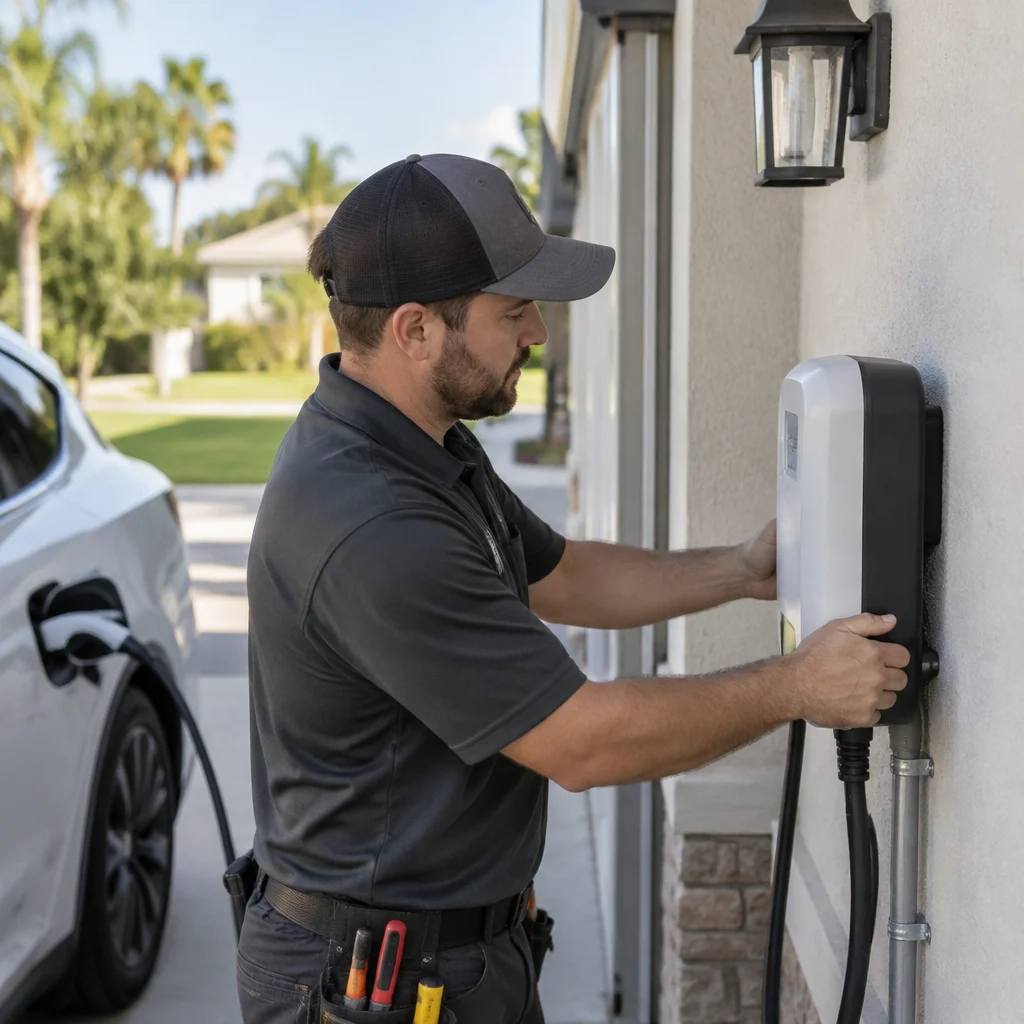
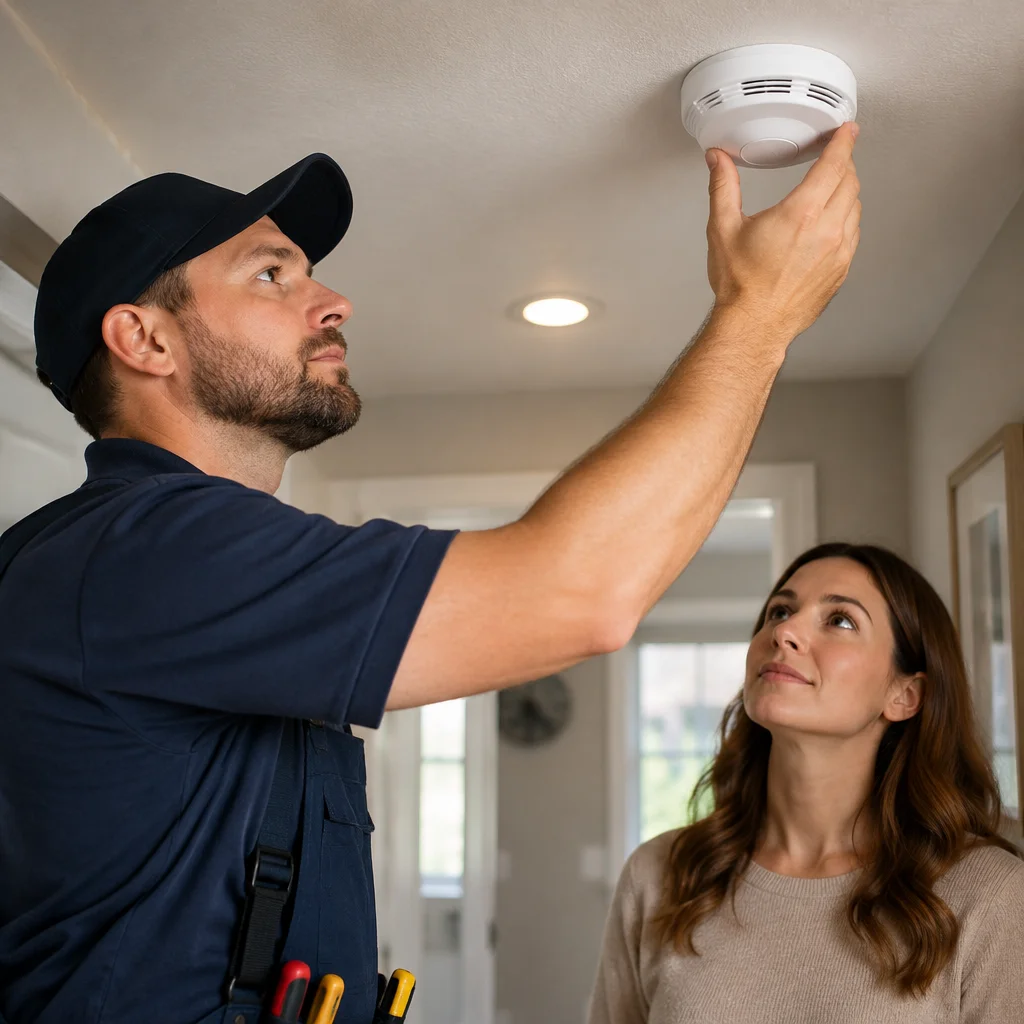
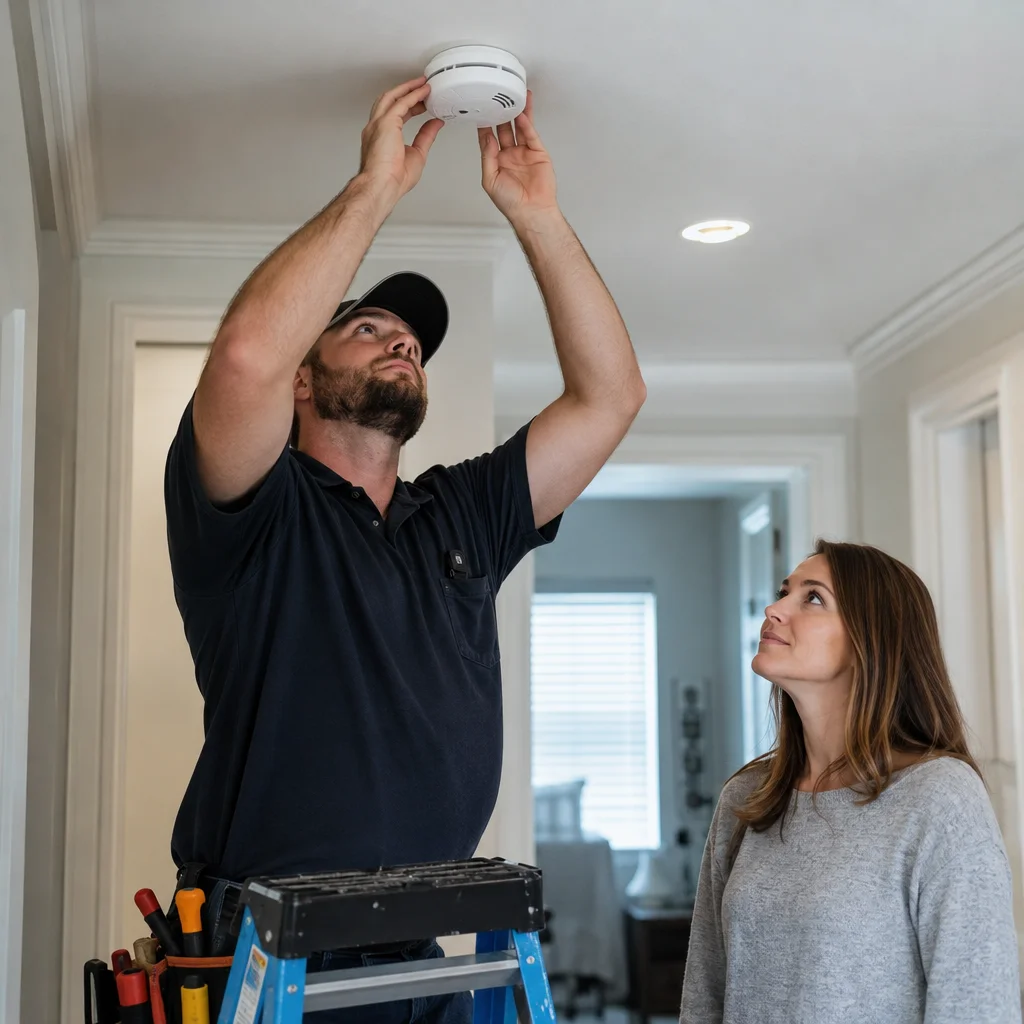
Many Bid-A-Wee homes also benefit from smoke detector installation during electrical work. Backup power should support safety systems too, especially in homes that may be occupied by children, guests, or renters. If the home uses a newer charger or plans to add one, EV charger installation should be evaluated with the rest of the load so the generator and main service are not overextended.
For homeowners searching for an electrical company near me that can handle both backup power and general service work, it helps to choose a contractor who can inspect, repair, and upgrade the system as a whole.
How local weather affects service schedules
In Bid-A-Wee, generator maintenance should be scheduled with storm season in mind. Salt air, humidity, and frequent thunderstorms can accelerate wear on outdoor equipment. After a major storm, it is smart to check the generator, panel, and transfer equipment even if the lights came back on quickly. Moisture intrusion, debris, and voltage spikes can create delayed problems.
That is also why surge protection deserves attention. Lightning and utility switching can damage appliances, electronics, and connected systems long after the outage ends. If the home has a generator, a whole home surge device helps protect the equipment that keeps the house running. It is a practical layer of defense for homes with computers, smart thermostats, security devices, and entertainment systems.
Choosing the right electrical partner in Bid-A-Wee
Generator work should be handled by a licensed electrical contractor near me who understands local code requirements, storm exposure, and residential load planning. A good installer will explain whether the home needs standby generator installation, generator transfer switch installation, or a broader panel and wiring upgrade first. They should also be able to handle related repairs such as switch repair, outlet repair, and code corrections when they come up during the project.
For homeowners who want reliable backup power and a safer electrical system, the smartest path is usually a thorough inspection first, then a repair plan, then installation. That approach lowers fire risk, reduces emergency calls, and helps the generator do its job when the next outage hits.
Homeowners can learn more about local service options on the Bid-A-Wee service area page and use that as a starting point for planning electrical repairs, upgrades, and maintenance that support long term generator reliability. For homes that also rely on data systems, smart devices, or home office equipment, preventive electrical service can even help protect network cabling and connected gear, as discussed in this article on data network cabling. Homeowners looking to modernize small but important parts of the house may also find value in simple electrical device upgrades that improve safety and daily convenience.
Find Power Generator Installation and Maintenance in Bid-A-Wee, FL
If you need Power Generator Installation and Maintenance in Bid-A-Wee, FL, visit our local service page or contact A Superior Mechanical today.
Map of Bid-A-Wee, FL
Frequently Asked Questions
Do I need a panel upgrade before installing a generator?
Not always, but many Bid-A-Wee homes do. If the panel is full, outdated, corroded, or already having breaker problems, an upgrade may be needed before generator installation can be done safely.
How often should a standby generator be serviced in coastal Florida?
Most systems should be checked at least once a year, and many homeowners benefit from service before hurricane season. Coastal humidity and salt air can make inspections and cleaning more important.
Can a generator protect my home from power surges?
A generator keeps power on during an outage, but it does not replace surge protection. Whole home surge protection helps guard appliances and electronics from lightning and utility spikes.
What electrical issues should be fixed before generator installation?
Loose breakers, damaged wiring, outdated panels, missing GFCI protection, poor grounding, and service entrance problems should all be addressed first. Those issues can affect both safety and performance.
Related Articles
- Why preventive electrical service matters for data network cabling in Bid-A-Wee homes
- How Modern Homes in Bid-A-Wee Gain More from Simple Electrical Device Upgrades
- What Homeowners Miss Most in Clogged Pipe and Drain Service Calls in Bid-A-Wee
- How Plumbing Conditions Change Water Purification in Bid-A-Wee Homes
Photo Gallery