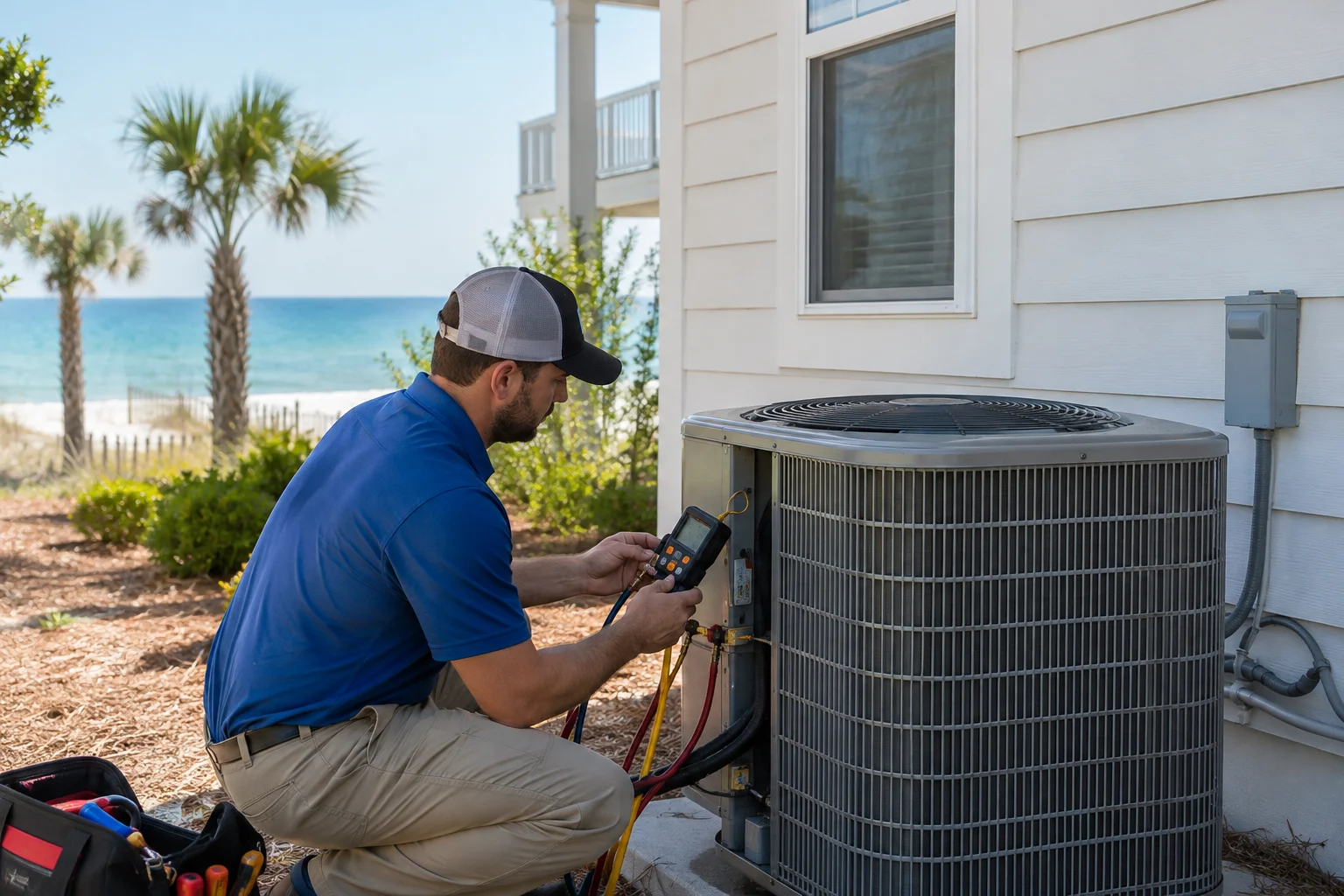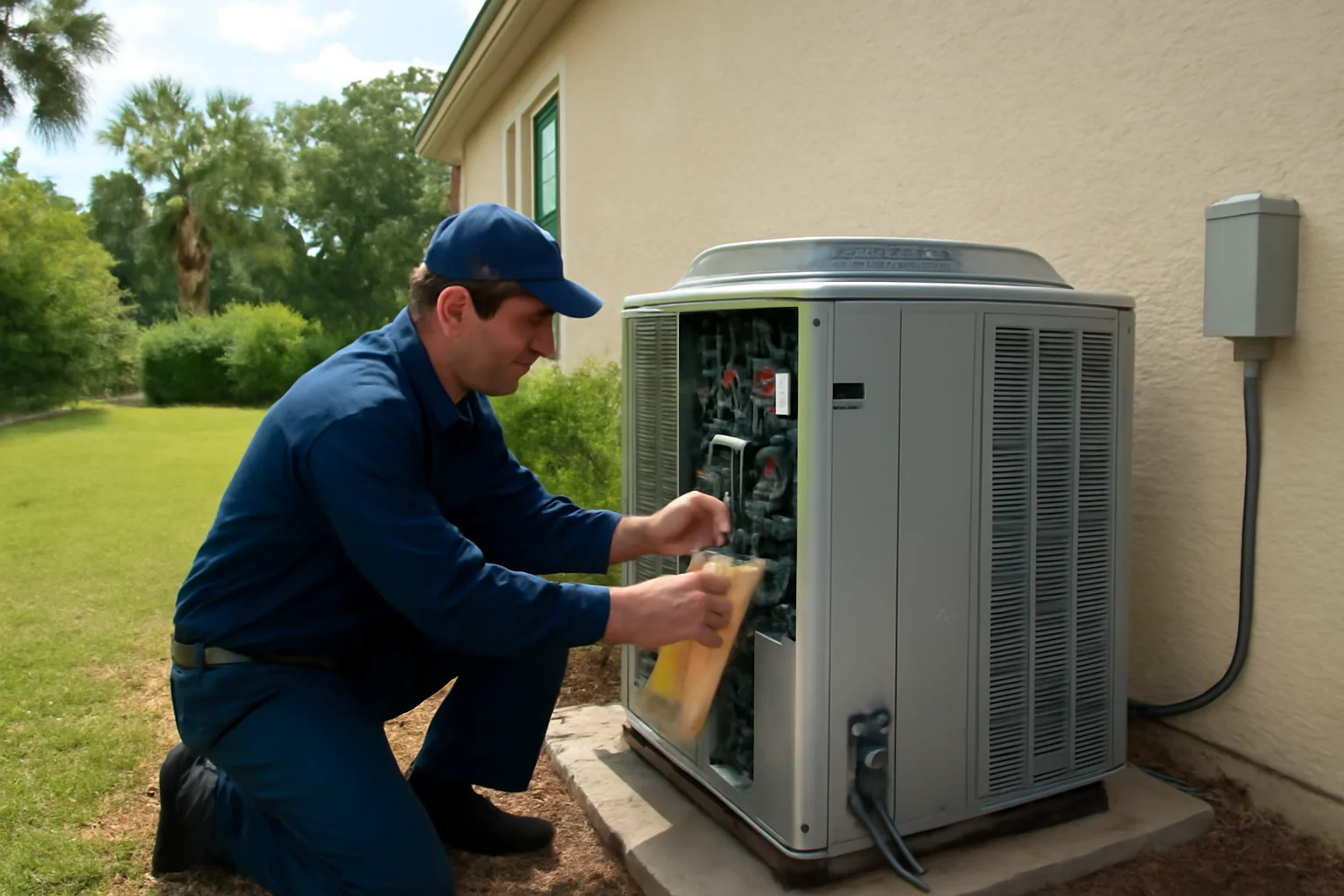
Geothermal energy systems can be a smart fit for Fort Walton Beach homes. Instead of relying on outdoor air conditions, ground source heat pumps use the ground as a steadier heat source and heat sink. That can mean strong comfort performance through Florida heat and humidity, along with efficient energy use when the system is set up and maintained correctly.
Still, “geothermal” does not mean “set it and forget it.” When airflow, condensate drainage, thermostats, ductwork, and refrigerant system health are neglected, the system can struggle. The result is often the kind of mid-summer emergency cooling concern that sends homeowners searching for emergency AC repair near me or air conditioning repair near me late in the day.
Why geothermal systems can still fail during Florida’s hottest stretches
Fort Walton Beach is defined by hot, humid summers and coastal salt air. Even if the heat pump is drawing help from the ground, the indoor components still have to move air, manage moisture, and respond accurately to thermostat signals. When conditions get demanding, small issues can become big ones quickly.
Heat and humidity increase the load on indoor dehumidification
During peak summer, indoor humidity can rise faster than many homeowners expect. Geothermal heat pumps cool and dehumidify, but only when airflow is correct and condensate drainage is working. If the blower is weak, filters are clogged, or ductwork is restricted, the system may not remove moisture effectively. That can lead to comfort complaints, musty odors, and equipment strain.
Condensate drainage problems can trigger shutdowns
When a geothermal system cools, it produces condensate. That water needs to drain through the system’s condensate drainage pathway. In humid coastal climates, drainage issues can show up as slow draining, water near indoor equipment, or recurring “system off” behavior. A safety control may stop operation if drainage is not functioning properly.
Salt air and dust can affect airflow and controls
Salt air is a reality along the Emerald Coast. While geothermal loops are underground, indoor air handlers, blower assemblies, and electrical controls still face dust and moisture. Over time, buildup can reduce airflow, affect sensor readings, and contribute to inconsistent operation.
The most common geothermal warning signs homeowners overlook
Emergency HVAC calls often happen when warning signs are treated like “annoyances” instead of signals. If you recognize patterns early, you can schedule HVAC maintenance near me before comfort turns into an all-day problem.
Cooling runs longer but the home never feels fully comfortable
If the thermostat shows cooling demand but rooms stay warm, the issue may involve restricted airflow, duct leakage, or a blower that cannot deliver the right volume of air. In some cases, airflow problems also reduce dehumidification, making the home feel clammy even when temperatures seem close.
Short cycling or frequent start and stop
Short cycling is a major red flag. It can be caused by airflow restrictions, thermostat or control issues, or other system-related problems that require on-site evaluation. Short cycling increases wear and can push the system toward protective shutdowns.
Water stains, dampness, or unusual moisture smells
Any evidence of condensate drainage trouble should be addressed promptly. Look for water around the air handler, damp drywall, or recurring odors. Because drainage and moisture directly impact indoor air quality, this is not something to “monitor for a few weeks.”
Thermostat behavior that feels inconsistent
Examples include temperature swings, delayed response, or schedules that do not match what you set. Thermostats influence how the system modulates heating and cooling. If your thermostat is acting up, it can lead to comfort problems that look like mechanical failure.
Higher energy use during the same weather patterns
If your energy bills rise noticeably without a lifestyle change, it can be a clue that the geothermal system is working harder than it should. Increased runtime, airflow resistance, or control issues can all contribute. Energy use is not the only indicator, but it is a helpful clue when paired with comfort symptoms.
Protect airflow and comfort: the geothermal “make it work” checklist
Many geothermal emergency cooling concerns start with airflow. The good news is that homeowners can take meaningful steps between professional visits.
Replace filters on schedule and use the right type
Clogged filters restrict airflow, raise blower workload, and can reduce moisture removal. Follow your system or filter guidance for replacement intervals. If you are unsure what filter size and type your system needs, ask during your next geothermal energy systems service visit. In a humid environment, airflow problems can also impact indoor air quality.
Keep supply and return vents clear
Furniture, curtains, and rugs can block registers. In Fort Walton Beach homes, it is common to rearrange rooms around seasonal changes. Make sure vents are not obstructed, and avoid closing too many dampers at once. Balanced airflow helps the system cool and dehumidify without overworking.
Pay attention to ductwork performance
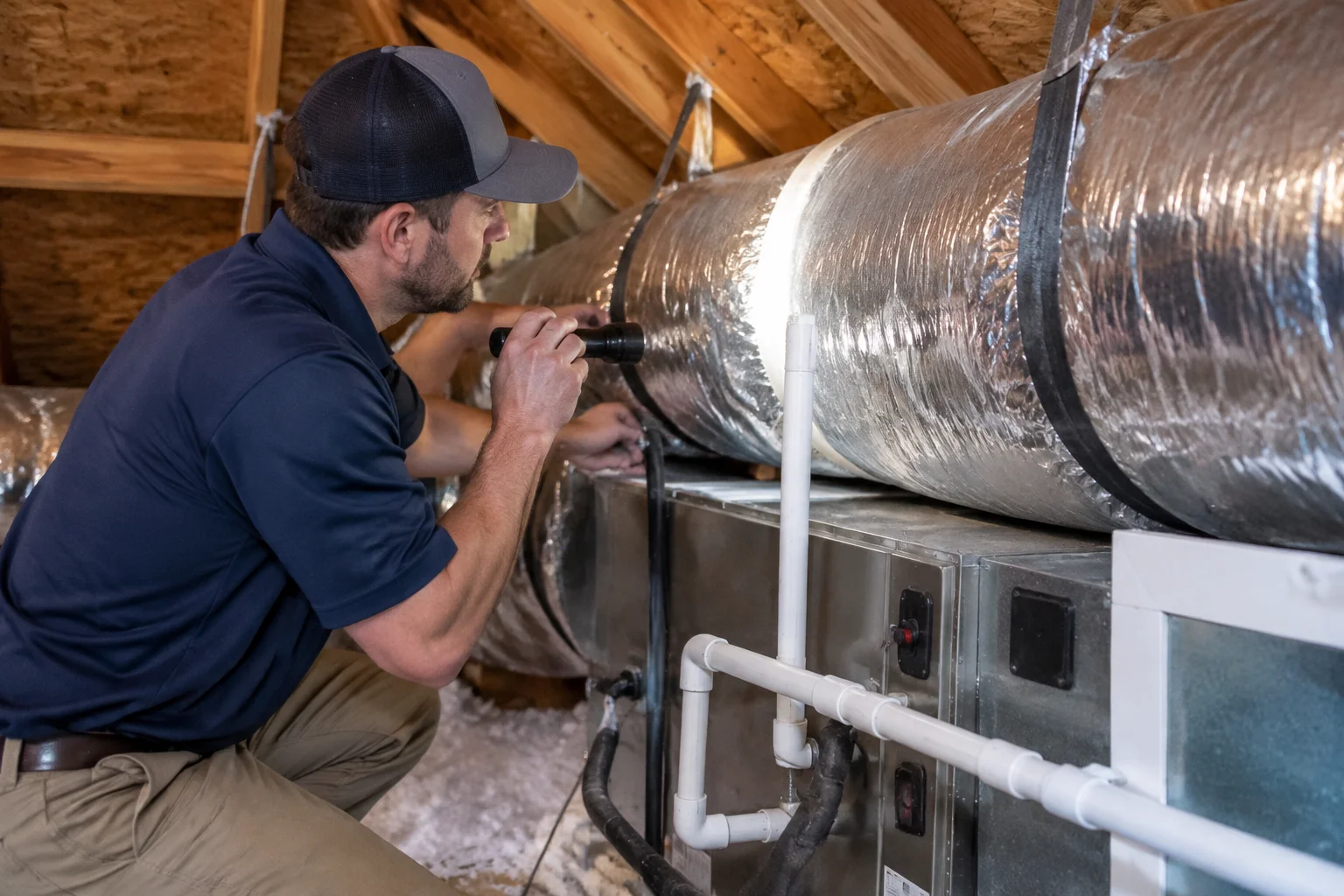
Even a well-designed geothermal system cannot deliver comfort if ductwork is leaking, disconnected, or undersized. Signs include rooms that never reach temperature, whistling sounds near vents, or dust buildup around certain registers. If you suspect ductwork issues, consider a duct cleaning or duct repair evaluation rather than waiting for a breakdown.
If you are dealing with airflow complaints, you may want to review duct options with a technician. Helpful services include duct cleaning, duct replacement, and targeted HVAC repairs that cannot wait.
Use air filtration and humidity-aware strategies
High humidity can worsen indoor air quality and comfort. Air filtration and humidity control work together with geothermal cooling. If you are searching for air filtration and purifiers options, explore what fits your system and indoor conditions. A technician can also help confirm whether your current setup supports better comfort and cleaner air.
You can also check Air Filtration and Purifiers for guidance on choices that align with your home’s needs.
Condensate drainage: the hidden cause of “mysterious” cooling failures
Condensate drainage is often overlooked because it is out of sight. In a coastal Florida climate, moisture management is essential for both comfort and equipment longevity.
Know where condensate should go
Most geothermal systems have an internal condensate drain pathway connected to a drain line. If you notice water pooling, dripping, or dampness near the equipment, the drainage pathway may be partially blocked or misaligned.
Watch for slow drainage during humid spells
During peak humidity, condensate production increases. A drain line that can handle light loads may struggle when humidity rises. If you have to restart the system repeatedly after it stops cooling, drainage may be part of the cause. A professional can inspect the drainage pathway and confirm proper operation.
Don’t ignore moisture related to indoor air quality
Standing moisture can contribute to odors and mold risk. That is why homeowners concerned with indoor air quality often benefit from testing. If you suspect elevated humidity or air quality issues, look into indoor air quality testing along with geothermal service.
Thermostats and controls: preventing the “it should be cooling” problem
Geothermal systems depend on accurate thermostat settings and control signals. A thermostat that is misconfigured, failing, or out of calibration can cause comfort problems that feel like equipment failure.
Confirm your thermostat settings match your goals
During summer in Fort Walton Beach, homeowners often set aggressive temperature targets. If the thermostat is set too low, the system may run longer while still struggling to manage humidity if airflow and drainage are not ideal. Comfort is not only about temperature, but also about moisture removal.
Consider thermostat installation if your system is not responding as expected
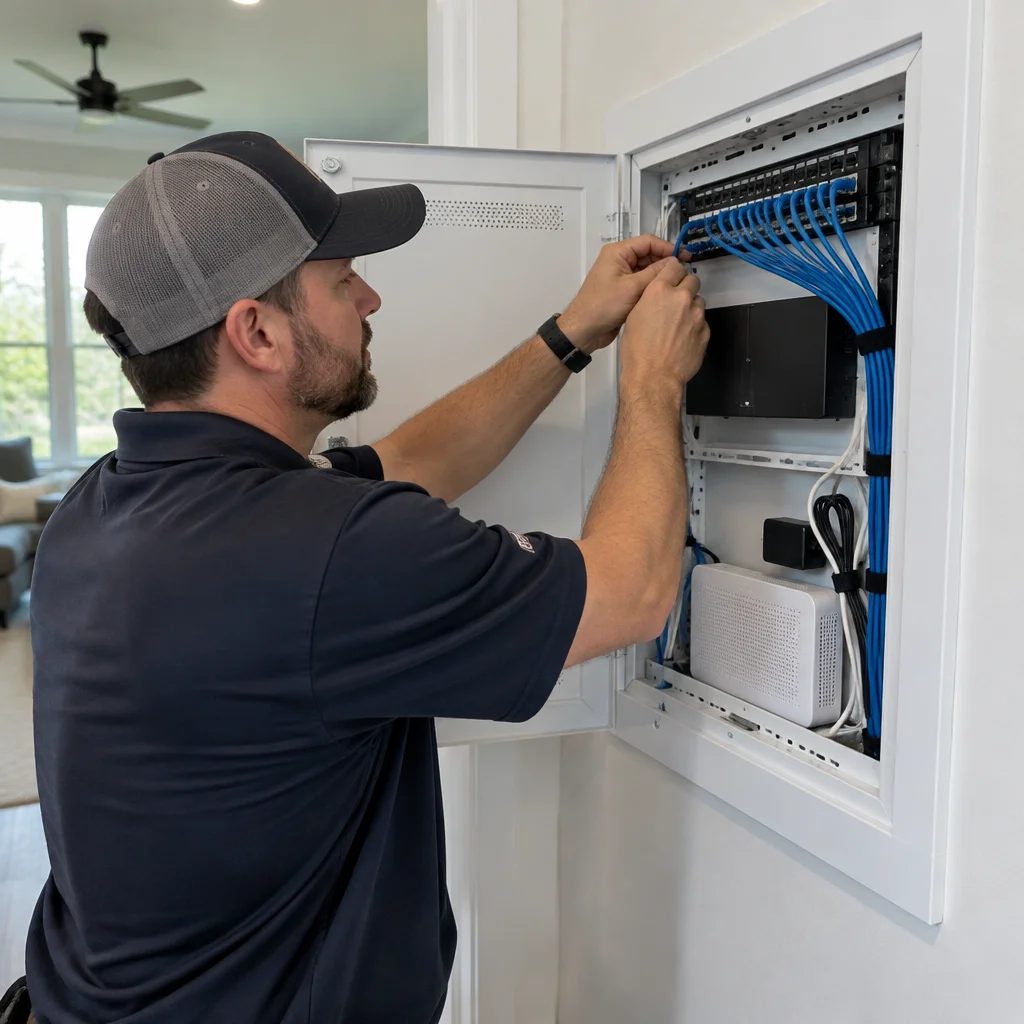
If you are dealing with inconsistent behavior, outdated controls, or schedules that do not match your needs, a thermostat installation near me approach can be part of restoring comfort. Have a licensed HVAC contractor evaluate the thermostat compatibility and confirm proper operation with your geothermal setup.
Preventive maintenance that reduces emergency cooling risk
Preventive HVAC maintenance is where homeowners can reduce the odds of a late-day emergency. The goal is to catch issues while they are still manageable.
Schedule seasonal inspections before peak weather
Fort Walton Beach summers can move fast from warm to extremely humid. A seasonal inspection before the hottest weeks helps ensure airflow components are clean, controls are operating correctly, and condensate drainage is functioning as designed.
If you are searching for air conditioner service near me or heat pump repair near me, ask about geothermal-specific checks during your maintenance visit. A geothermal system has indoor components similar to traditional systems, but the overall design and service approach can differ.
Have the refrigerant system evaluated as part of a full service approach
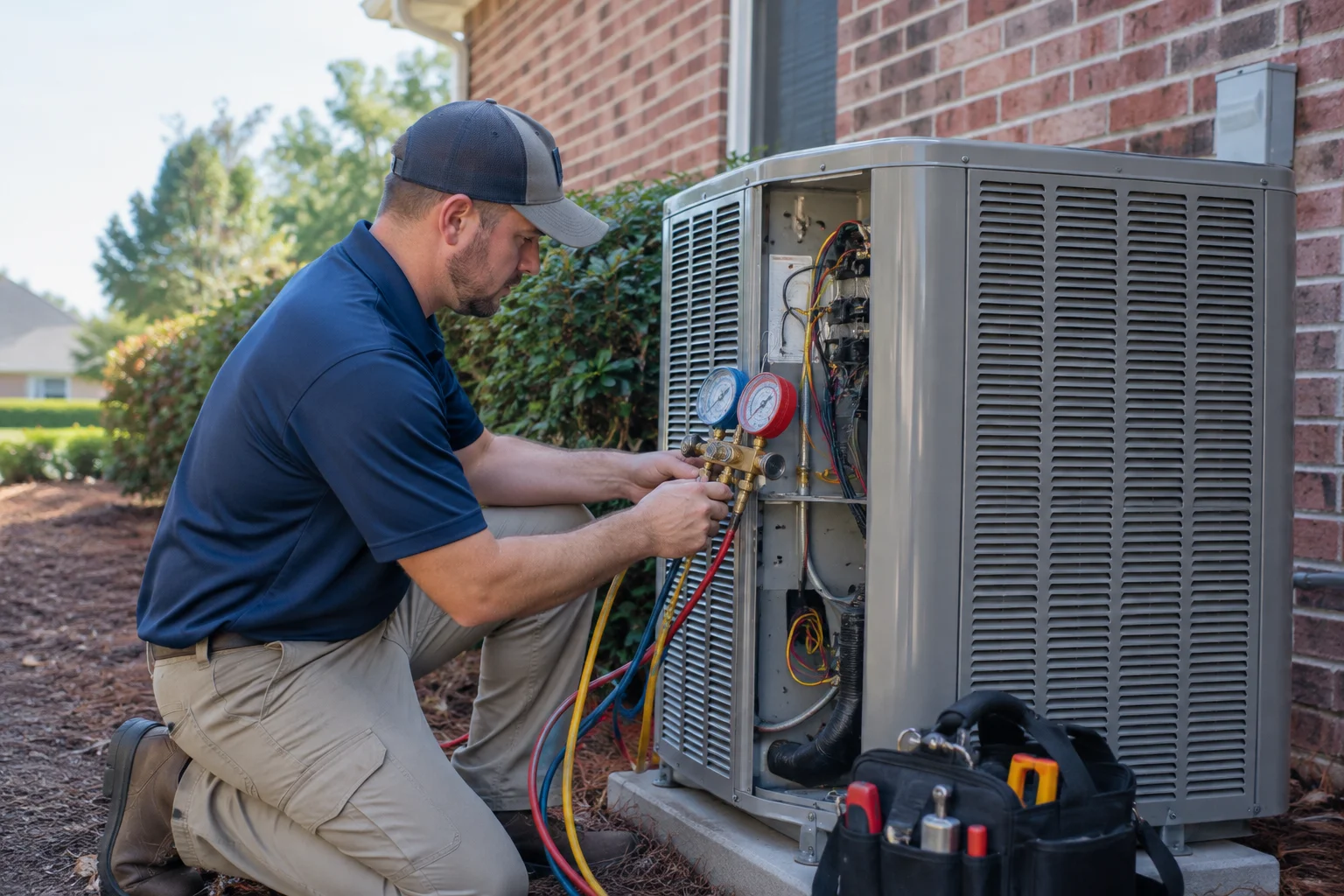
Geothermal heat pumps use refrigerant systems to move heat between indoor and ground loop components. Issues in the refrigerant system can affect cooling performance and efficiency. Because refrigerant-related problems require proper tools and safety procedures, homeowners should not attempt DIY refrigerant checks. An in-person professional evaluation is the right path when performance is off.
Inspect airflow components and verify comfort delivery
A technician can assess blower performance, verify airflow balance, and check whether air is reaching rooms as expected. If ducts are contributing to comfort complaints, addressing ductwork can reduce system strain and help avoid emergency cooling concerns.
Review indoor air quality factors during maintenance
When humidity management is weak, indoor air quality can suffer. Preventive maintenance should account for filtration, airflow, and moisture control. If you have persistent odors, dust, or allergy symptoms, ask about indoor air quality testing and air filtration options as part of your overall plan.
What to do when you notice a problem starting during the cooling season
Some issues are safe to investigate lightly, but major system symptoms should be handled by a professional.
Document what is happening
Write down when the issue starts, what the thermostat is set to, and whether the system cycles on and off. Note any moisture signs near the air handler, and whether certain rooms are warmer or more humid.
Check basic items first
Replace a clogged filter if you have one. Confirm vents are open and unobstructed. If the thermostat has batteries, check them if applicable. These steps do not replace professional service, but they can help clarify whether the problem is airflow related.
Call a licensed HVAC contractor for persistent cooling failures
If your geothermal system cannot maintain cooling, keeps shutting down, or shows signs of condensate drainage trouble, reach out to a licensed HVAC contractor. Homeowners searching for HVAC repair near me should prioritize contractors experienced with geothermal energy systems and familiar with coastal Florida conditions.
A Superior Mechanical serves Fort Walton Beach and Okaloosa County. You can review geothermal service details at /service-areas/okaloosa-county/fort-walton-beach/geothermal-energy-systems-fwb and learn more about the local service area at /service-areas/okaloosa-county/fort-walton-beach.
How to reduce risk in Fort Walton Beach specific home setups
Local housing patterns can influence geothermal comfort and maintenance needs.
Older ductwork and leaky returns can magnify humidity issues
Many Fort Walton Beach homes have older ductwork layouts or returns that were not sealed to modern standards. When airflow is compromised, geothermal systems may run longer to reach temperature and still fail to control humidity. Addressing duct sealing, duct repair, or duct replacement can reduce system strain.
Coastal dust and moisture call for disciplined filter and inspection routines
Salt air can bring more airborne particulates indoors. That can mean filters load faster, and indoor components need more careful cleaning. If you are consistently replacing filters but still notice airflow decline, schedule an inspection to identify underlying duct or blower restrictions.
Commercial property owners should plan for steady comfort demands
For property managers, geothermal systems must support consistent indoor comfort for tenants and guests. If small issues go unaddressed, they can escalate into bigger failures. You can learn from local commercial HVAC practices in posts like What Fort Walton Beach Homes Can Learn From Commercial HVAC Maintenance and Commercial HVAC Repair in Fort Walton Beach: What Property Owners Should Pay Attention To Before Small Problems Grow.
When emergency cooling is unavoidable, what a technician will look for first
If your system is not cooling during a heat wave, a professional will typically focus on the most likely causes that can stop cooling or reduce performance quickly. Because geothermal systems involve multiple subsystems, the process is usually systematic.
Airflow and moisture management checks
Technicians commonly verify airflow delivery, filter status, blower operation, and condensate drainage pathways. These checks matter because airflow and drainage can directly affect comfort and operational safety controls.
Thermostat and control verification
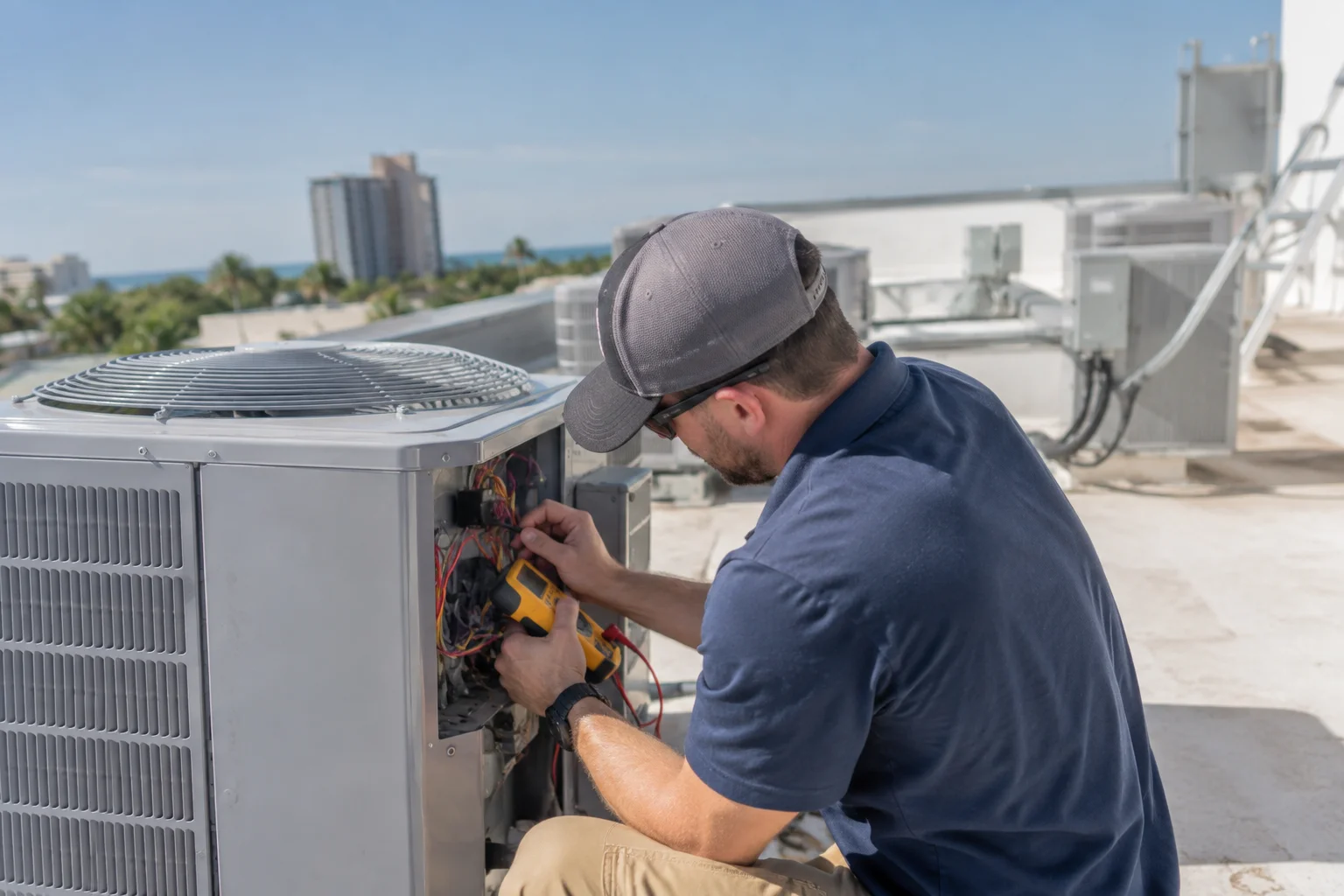
They will also confirm that thermostat settings and control signals match the system’s operating mode. If controls are inconsistent, cooling performance can appear unreliable even if the mechanical components are functioning.
Refrigerant system performance evaluation when symptoms point that way
When performance issues suggest refrigerant system problems, an in-person assessment is necessary. Refrigerant-related troubleshooting requires proper equipment and safe handling procedures. Homeowners should avoid DIY refrigerant work.
Build a long-term plan instead of reacting to breakdowns
Emergency cooling calls can be expensive and stressful. For Fort Walton Beach geothermal energy systems, the most effective approach is a steady maintenance rhythm that protects the indoor comfort side of the equation: airflow, ductwork, condensate drainage, thermostat operation, and indoor air quality.
If you want a practical roadmap, start with a seasonal geothermal inspection plan and pair it with focused attention to ducts and indoor air quality. Helpful resources include Fort Walton Beach Homeowners and the HVAC Problems That Can’t Wait and How Fort Walton Beach Weather and Daily Wear Shape Commercial HVAC Repairs Over Time.
For service and support in Okaloosa County, you can also explore broader options at /service-areas/okaloosa-county.
Find Geothermal Energy Systems in Fort Walton Beach, FL
If you need Geothermal Energy Systems in Fort Walton Beach, FL, visit our local service page or contact A Superior Mechanical today.
Map of Fort Walton Beach, FL
Frequently Asked Questions
How can I tell if my geothermal system problem is airflow related or something else?
If the system runs longer, certain rooms stay warm, or humidity feels higher, airflow and ductwork are often involved. A professional can inspect the blower performance, filter status, and ducting to confirm what is limiting airflow.
What should I watch for with condensate drainage in a Fort Walton Beach geothermal setup?
Watch for water near the indoor air handler, damp spots, slow draining during humid weather, or recurring musty odors. If you notice moisture, schedule service promptly so the drainage pathway and moisture control can be evaluated.
Can poor indoor air quality happen even when my geothermal system is cooling?
Yes. Cooling does not automatically guarantee good indoor air quality. If filters are clogged, airflow is restricted, or humidity is not being removed effectively, air can feel stale. Consider indoor air quality testing and review filtration options.
Should I try to troubleshoot refrigerant issues myself?
No. Refrigerant system problems require proper tools and safe procedures. If cooling performance drops or the system behaves unusually, schedule an in-person evaluation with a licensed HVAC contractor.
How often should I schedule preventive HVAC maintenance for geothermal systems in this area?
Seasonal maintenance is a practical starting point for Fort Walton Beach’s hot, humid summers. A technician can tailor the schedule based on your system, ductwork condition, and indoor comfort goals.
Related Articles
- What Fort Walton Beach Homes Can Learn From Commercial HVAC Maintenance
- Commercial HVAC Repair in Fort Walton Beach: What Property Owners Should Pay Attention To Before Small Problems Grow
- Fort Walton Beach Homeowners and the HVAC Problems That Can’t Wait
- How Fort Walton Beach Weather and Daily Wear Shape Commercial HVAC Repairs Over Time
Photo Gallery