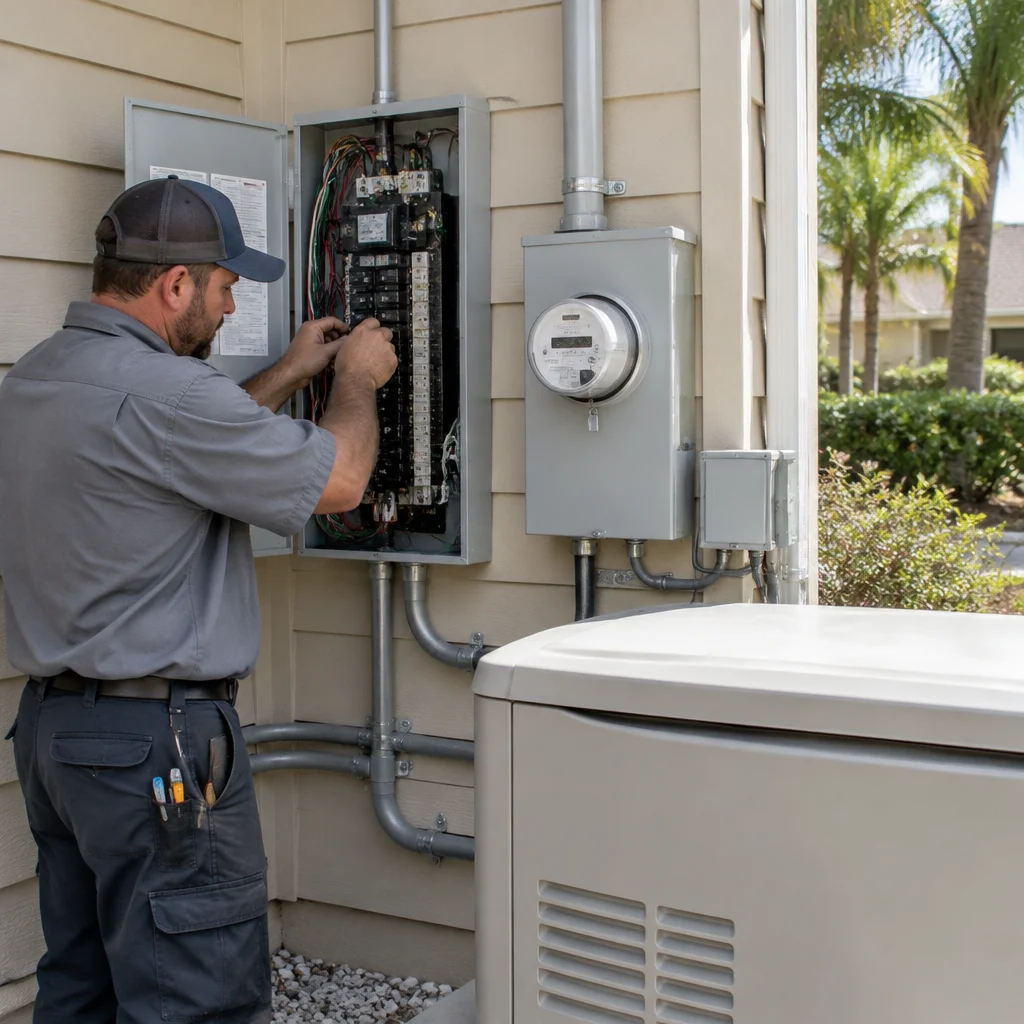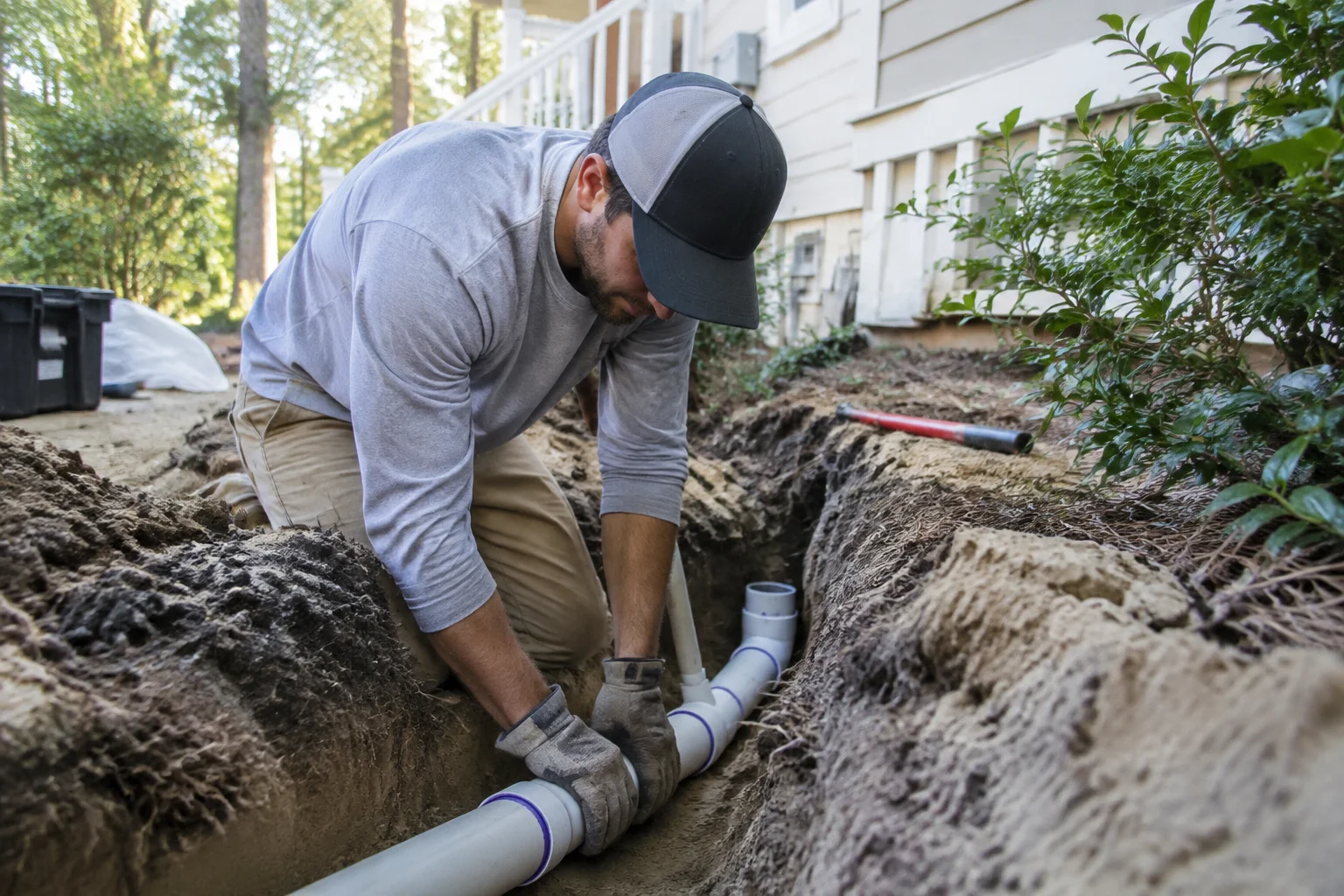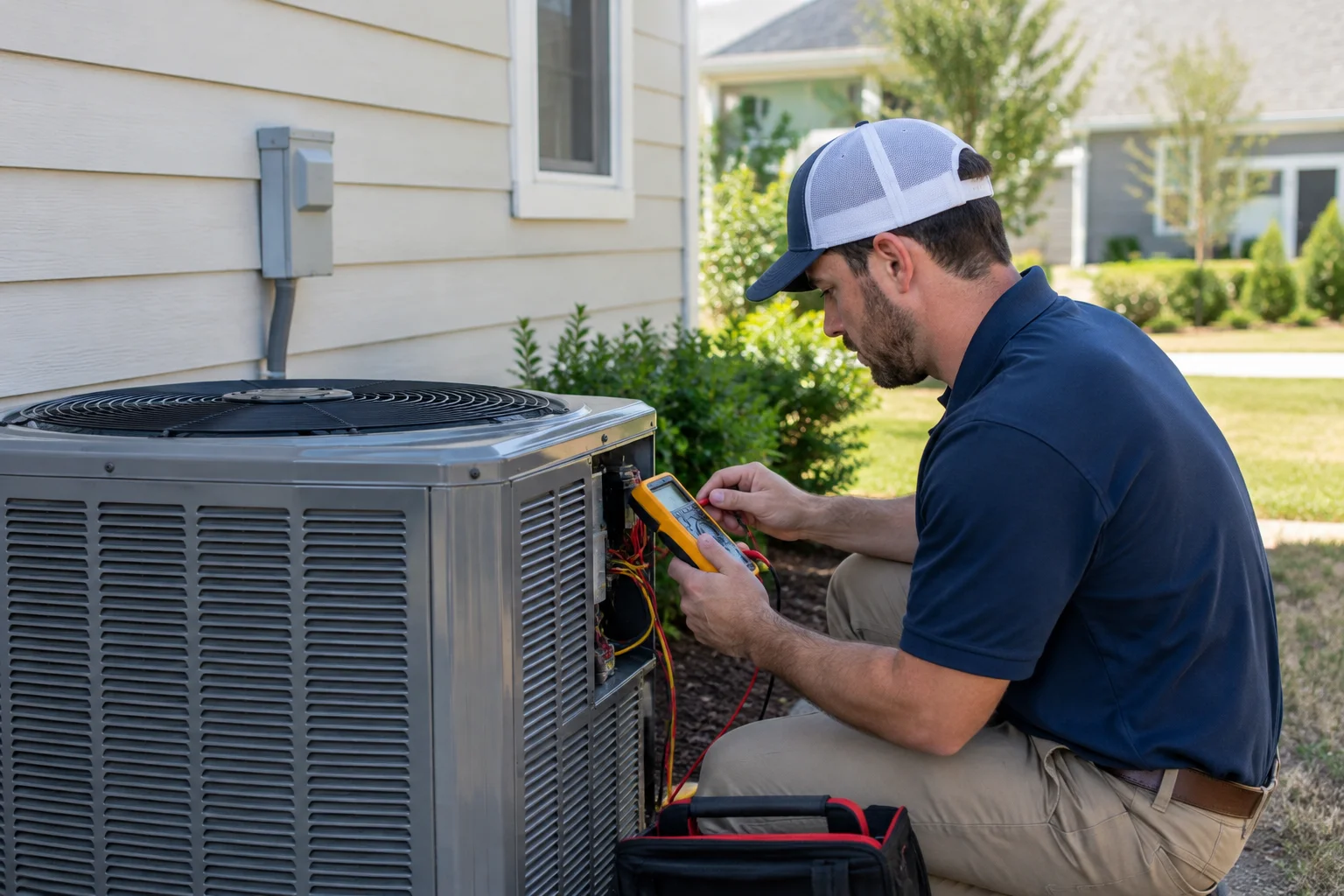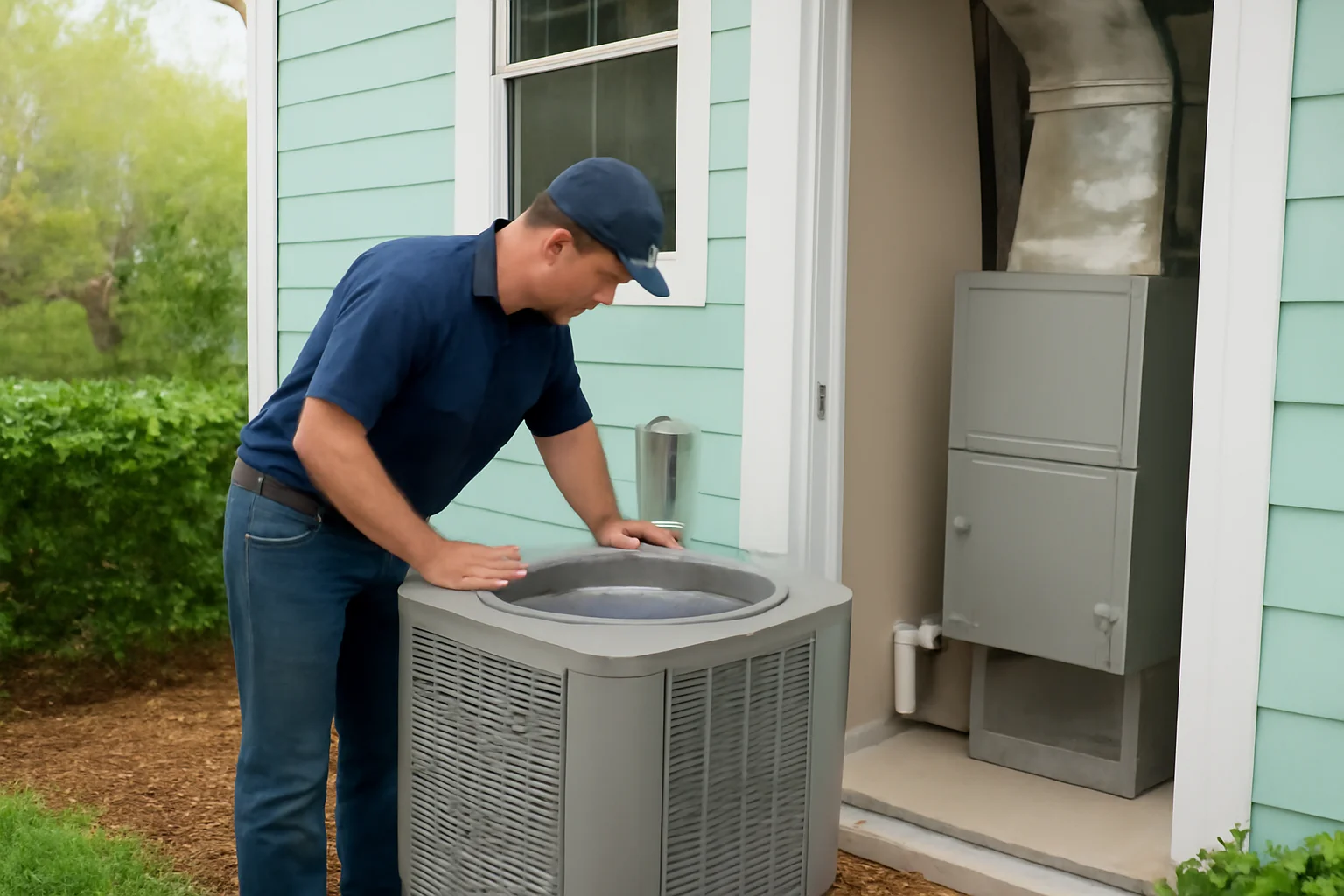
WaterColor is a beautiful place to own or manage a commercial property, but Florida weather is not gentle on HVAC systems. Heat, humidity, and salt air can stress refrigerant systems, challenge condensate drainage, and make airflow problems show up fast. When installation details get overlooked, the result is often the same story: short cycling, weak cooling, poor indoor air quality, and sometimes an emergency cooling call during peak summer conditions.
This article focuses on commercial HVAC installation in WaterColor, FL and everyday reliability. If you are planning a new build, upgrading an existing system, or managing a property with multiple tenants, the best way to avoid emergency HVAC calls is to get the installation right the first time and build in preventive HVAC maintenance from day one. For the specific service area coverage, you can review commercial HVAC installation in WaterColor, FL and the broader WaterColor HVAC service area options.
Why WaterColor’s climate turns “small” HVAC installation issues into emergencies
WaterColor sits in Walton County along the Gulf Coast, where summer brings intense heat and high humidity. That combination increases the load on air conditioning and heat pump systems, and it can expose installation problems that might not be obvious in milder climates.
Several local factors can contribute to emergency cooling concerns when commercial HVAC installation is not tuned for the property:
- Humidity and latent load: When moisture is not managed through proper airflow, coil performance, and condensate drainage, indoor comfort can degrade quickly. The space may feel clammy even if temperatures are dropping.
- Salt air exposure: Coastal air can accelerate corrosion on outdoor components and affect how systems perform over time. Installation choices like placement, protection, and maintenance access matter.
- Airflow restrictions: Ductwork that is undersized, poorly sealed, or incorrectly routed can cause uneven temperatures and strain the refrigerant system.
- Thermostat and zoning mismatches: Controls that do not align with the actual system design can lead to short cycling or comfort complaints that escalate into emergency calls.
- Refrigerant system stress: Even when equipment is properly selected, improper installation practices can create performance problems. Refrigerant issues require an in-person professional evaluation before any conclusions can be made.
Start with the right system design, not just the right equipment
Many emergency HVAC calls trace back to the design phase. Property owners often focus on equipment size or brand, but commercial HVAC reliability depends on how the system is engineered for your building’s airflow, ductwork, and humidity needs.
During commercial HVAC installation in WaterColor, a proper design process typically considers:
- Building layout and airflow paths: Open office areas, hospitality spaces, and retail layouts all behave differently. Air needs to reach the places people actually occupy.
- Load conditions in Florida heat: Outdoor conditions in summer can push systems hard. Oversimplifying the load can lead to inadequate cooling capacity and repeated failures.
- Indoor air quality goals: Comfort is not only temperature. Air filtration, ventilation strategy, and humidity control affect how the space feels and how it functions for occupants.
- System type selection: Heat pumps, air conditioning systems, and ducted solutions can all work, but the choice must match the building’s needs and the operating environment.
If you are comparing options, it can help to read Why Commercial HVAC Systems Struggle in WaterColor Homes and How to Stay Ahead of It. Even though it discusses residential situations, the underlying causes like airflow, humidity management, and maintenance habits overlap with commercial performance.
Ductwork details that prevent emergency cooling problems
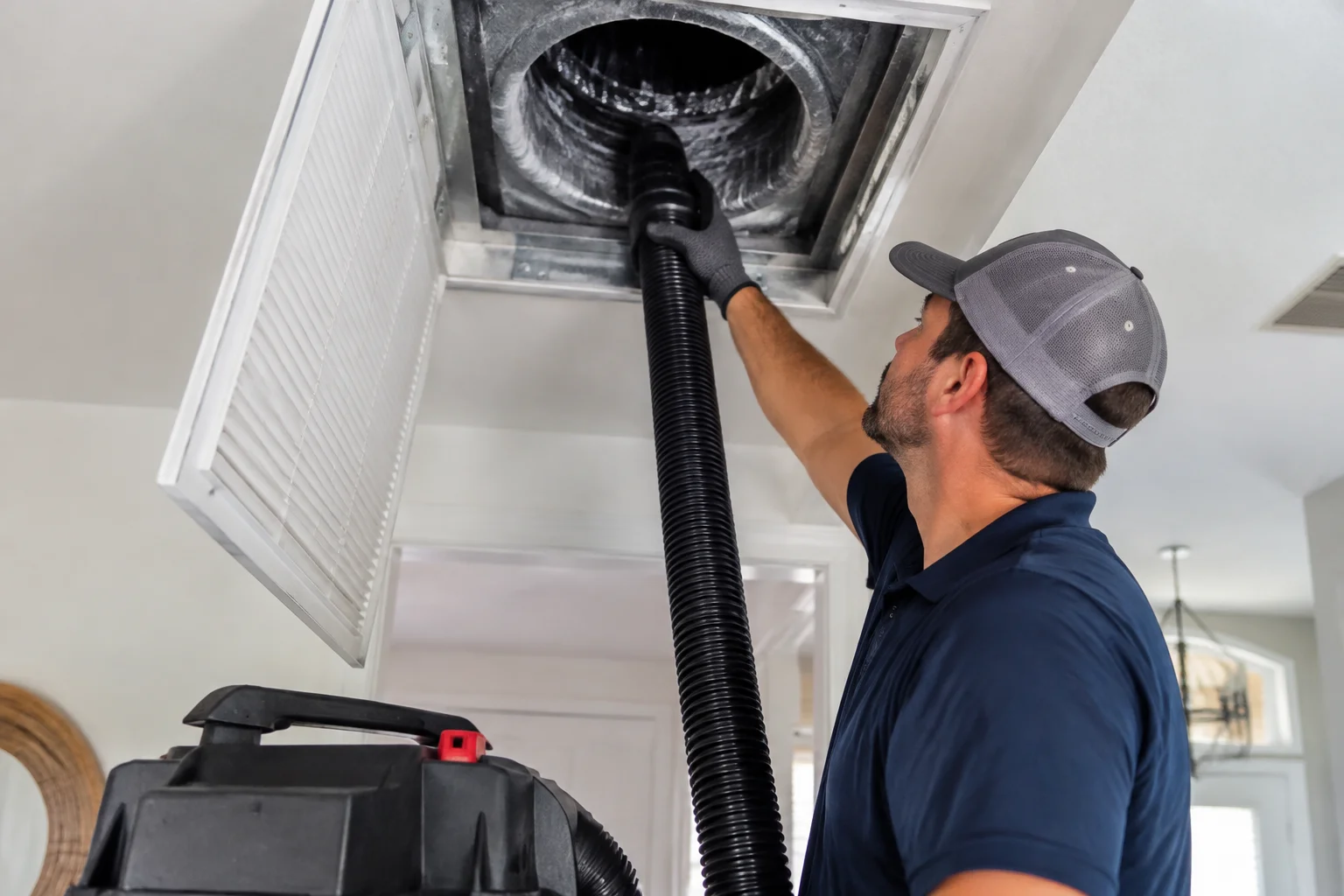
Airflow is the “delivery system” for comfort. In commercial properties, ductwork problems often show up as uneven temperatures, weak cooling in certain zones, and higher energy use. Over time, those symptoms can lead to system wear and more frequent service calls.
Common ductwork installation issues that can trigger reliability problems include:
- Leaky duct seams: Small leaks can steal conditioned air before it reaches the space, forcing the system to work harder.
- Improper duct sizing: Ducts that are too small increase pressure drop and reduce airflow. Ducts that are too large can cause air to move differently than intended.
- Wrong routing or restrictions: Tight turns, crushed sections, or obstructions reduce airflow. In humid climates, reduced airflow can also affect moisture removal.
- Balancing that is not completed: Even well-designed ductwork can underperform if airflow is not balanced across the system.
For homeowners and property managers, it is also worth remembering that ductwork maintenance affects indoor air quality. If you are considering indoor air quality testing or evaluating filtration needs, ductwork performance is part of the bigger picture. When airflow is inconsistent, the building can feel “cool” but still have comfort and air quality complaints.
Humidity control and condensate drainage: the Florida reliability line
In WaterColor, humidity is not a minor inconvenience. It is a major factor in how air conditioning performs and how often components cycle. A system that cools but does not manage moisture can lead to discomfort, odors, and potential water-related issues that escalate into emergency calls.
Commercial HVAC installation should include careful attention to condensate drainage and humidity control. Key areas to evaluate include:
- Condensate drainage routing: Drain lines must be installed with correct slope and proper routing. Poor drainage can cause backups or overflow concerns.
- Drain pan and termination details: Drain pan placement and proper termination matter. If drainage is not set up correctly, problems can appear during the hottest, wettest stretches.
- Coil and airflow coordination: Cooling coils must receive the right airflow to remove moisture effectively. Reduced airflow can carry moisture through the system.
- System operation during peak humidity: Florida summer conditions can increase condensate production. Installation and commissioning should account for that reality.
Because condensate drainage and refrigerant system performance are interconnected, it is important not to rely on guesses. If you notice water, damp ceilings, musty odors, or persistent humidity despite “cold air,” an HVAC contractor should inspect the system in person. Refrigerant diagnoses should be handled by professionals who can verify readings and conditions safely.
Thermostats, controls, and comfort zones that actually match the building
Thermostats and controls are often the difference between a system that runs smoothly and one that constantly trips into service needs. In commercial spaces, zoning and scheduling matter. A thermostat that does not align with the actual air distribution can create short cycling or uneven comfort that feels like the system is failing.
During commercial HVAC installation, controls should be configured for:
- Occupancy schedules: A lobby, restaurant, and office wing may have different usage patterns. Controls should match how the building is actually lived in.
- Zoning and airflow: Each zone needs airflow that is consistent with the design. If dampers, registers, and ductwork do not work together, comfort problems can escalate.
- Setpoint strategies: Extreme setpoint changes can increase energy use and stress components. Thoughtful scheduling supports reliability.
If you want to explore modern control options, consider smart thermostats as part of a broader comfort and energy plan. The goal is not just convenience. The goal is stable operation that avoids rapid on-off cycling and reduces the likelihood of emergency cooling calls.
Commissioning and air balance: the step that prevents “mystery” failures
Even when equipment is installed correctly, the system still needs to be verified. Commissioning and air balancing confirm that airflow, temperature delivery, and system operation match the design intent. This is where many reliability issues get caught before they become emergencies.
A strong commissioning process can help prevent problems like:
- Spaces that do not reach target temperatures on the hottest days
- Zones that run too hot or too cold
- Condensate drainage that behaves differently than expected under humidity
- Systems that appear to work but still create high energy use due to inefficient airflow
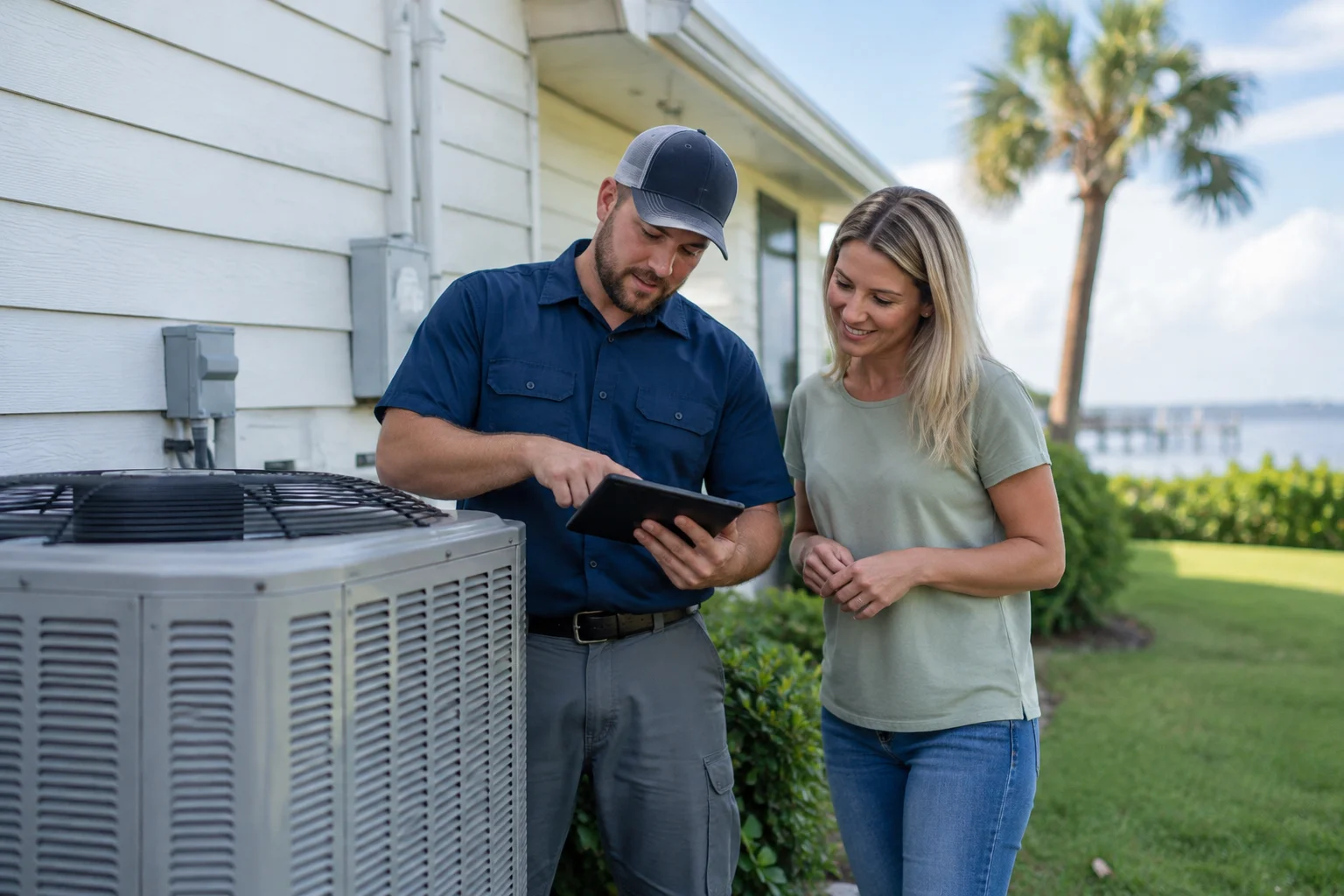
If you are comparing local contractor approaches, ask how they verify airflow and system performance after installation. You do not need to understand every measurement. You do need confidence that the job is tested and adjusted.
Refrigerant systems and what to watch for without guessing
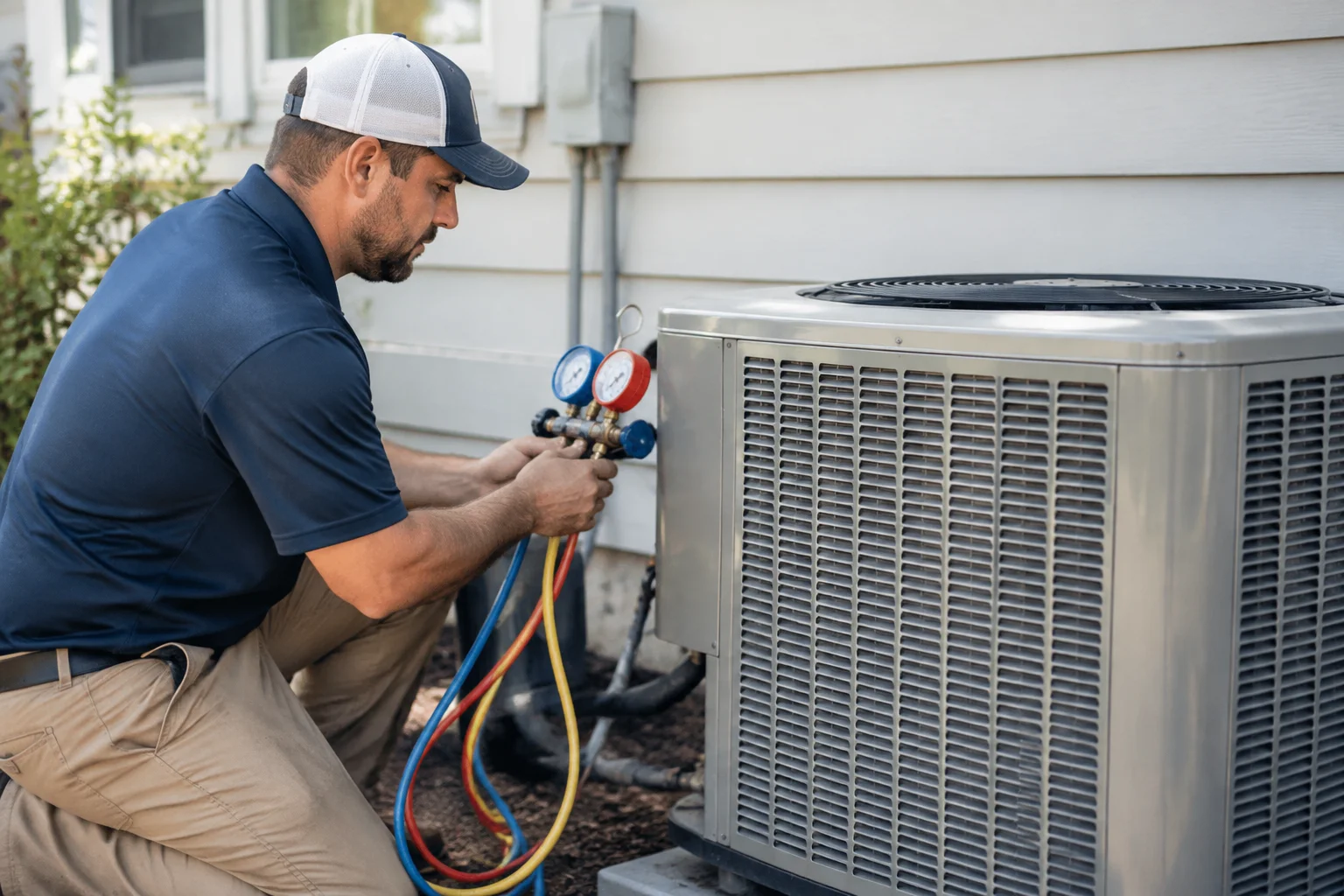
Refrigerant systems are essential to air conditioning and heat pump performance, but they are also not a DIY troubleshooting area. In WaterColor’s heat and humidity, refrigerant system performance can be stressed, and installation details can influence how the system behaves.
Property owners can still watch for early warning signs that suggest a professional inspection is needed:
- Cooling that is weak or inconsistent, especially during peak afternoon heat
- Frequent cycling that seems faster than normal
- Unusual noises around the outdoor unit during operation
- Persistent comfort complaints across multiple areas
What you should not do is assume the cause. Do not attempt to diagnose refrigerant issues based on symptoms alone. A professional should inspect the system, check conditions, and determine whether the issue is related to airflow, refrigerant performance, condensate drainage, or controls.
Preventive HVAC maintenance that fits commercial life
Preventive HVAC maintenance is the most reliable way to avoid emergency HVAC calls. Commercial systems run longer hours and operate under heavier loads. That means small issues can escalate faster than they do in a typical residence.
A practical maintenance approach for commercial HVAC installation reliability often includes:
- Air filter checks and replacements: Dirty filters reduce airflow and can affect both comfort and indoor air quality.
- Indoor coil and airflow inspection: Moisture removal depends on airflow across coils.
- Outdoor unit care: Coastal conditions can increase buildup and corrosion risk.
- Condensate drainage inspection: Ensuring drains are clear helps prevent overflow concerns during humid periods.
- Thermostat and control verification: Confirm schedules and operation match current tenant use.
- System performance checks: Technicians can look for patterns that indicate airflow imbalance or other issues.
When homeowners search for HVAC service near me or air conditioning inspection near me, they are often trying to avoid a future breakdown. For commercial properties, the same logic applies, just on a tighter schedule. Regular service reduces the odds of a mid-summer failure when an emergency cooling concern becomes urgent.
Common commercial HVAC installation oversights in nearby areas
Every building has its own quirks, but the same types of installation oversights can show up across Walton County. Learning from other local examples can help you ask better questions before the work starts.
For more context on what gets missed during installation, you may find these reads useful:
- The Details That Get Missed in Commercial HVAC Installation in Freeport, FL
- Commercial HVAC Installation in Laguna Beach, FL: The Issues Local Property Owners Should Not Overlook
- Keeping Sandestin Buildings Comfortable Starts With Smarter Commercial HVAC Installation
Even if your property type differs, these stories tend to highlight the same reliability themes: ductwork and airflow, moisture handling, correct setup of controls, and commissioning that verifies performance.
How to plan for system replacement without creating reliability gaps
Sometimes emergency calls are preventable simply by replacing an aging system before it fails. If you are evaluating HVAC replacement near me or planning a new AC installation, timing matters. A replacement done at the right time, with proper design and commissioning, can reduce the risk of a sudden loss of cooling.
During planning, keep these reliability points in mind:
- Match the system to the building: Proper sizing and design reduce strain on refrigerant systems and help maintain stable comfort.
- Coordinate ductwork and airflow improvements: If airflow is weak today, a new unit alone may not solve the comfort problem.
- Consider indoor air quality impacts: New systems can change filtration and ventilation behavior. Plan for how the building should feel and function.
- Plan for transitions: If you have a business that cannot go without cooling, coordinate installation schedules and temporary comfort plans with your contractor.
If you are considering a heat pump, you may also be looking for heat pump installation near me. The same installation principles apply: airflow, humidity management, and correct control setup are key to avoiding emergency cooling scenarios.
When to call a professional HVAC contractor before it becomes an emergency
Not every problem requires an emergency response, but some issues should be handled quickly to protect comfort and avoid cascading failures. Call a local HVAC contractor near me for an inspection if you notice:
- Cooling performance drops during the hottest hours
- Uneven temperatures across rooms or tenant spaces
- Rising humidity or persistent musty odors
- Visible signs of condensate drainage problems
- Frequent cycling, unusual noises, or repeated service alerts
If you are dealing with symptoms that could involve the refrigerant system, condensate drainage, or airflow balance, a professional inspection is the safest next step. A qualified technician can verify system operation in person and determine whether the issue is related to ducts, indoor air quality, controls, or refrigerant performance.
Reliable commercial installation starts with the right local partner
Commercial HVAC installation in WaterColor is not a one-size-fits-all job. It requires attention to humidity control, airflow delivery, condensate drainage, and controls that match how your building is used. It also requires commissioning and preventive maintenance planning so the system performs reliably through Florida heat.
A Superior Mechanical provides commercial HVAC installation in WaterColor for businesses, resorts, restaurants, offices, and new construction projects across Walton County. To explore the service scope, visit /service-areas/walton-county/watercolor/commercial-hvac-installation-wcfl. If you are comparing options across the region, you can also browse /service-areas/walton-county for additional coverage.
If your priority is everyday reliability, the best strategy is straightforward: design for the climate, install with airflow and moisture management in mind, verify performance after installation, and schedule preventive HVAC maintenance before the peak season stress hits.
Quick checklist you can use before installation begins
- Will the design address Florida humidity and airflow delivery, not just temperature?
- How will ductwork be sealed, sized, and balanced?
- How will condensate drainage be installed and verified?
- Are thermostat settings and zoning controls aligned with the actual building layout?
- What commissioning steps will confirm system performance after installation?
One more tip for homeowners managing commercial spaces
If you manage a property with shared hallways, multi-tenant offices, or hospitality areas, comfort complaints can spread quickly. Keeping documentation of installation details, maintenance visits, and any indoor air quality concerns can help your HVAC team respond with clarity if an issue starts developing. That can reduce the odds that a minor problem becomes an emergency cooling concern.
For related comfort planning, you can also explore Heating Services when your commercial facility needs year-round climate control, and Geothermal Energy Systems if you are evaluating long-term alternatives that still require proper installation and maintenance.
Find Commercial HVAC Installation in WaterColor, FL
If you need Commercial HVAC Installation in WaterColor, FL, visit our local service page or contact A Superior Mechanical today.
Map of WaterColor, FL
Frequently Asked Questions
What are the most common causes of emergency AC problems after commercial HVAC installation?
The most frequent causes include airflow issues from ductwork problems, inadequate humidity control, condensate drainage setup that does not match real operating conditions, and controls that are not configured to the building’s layout. Refrigerant system problems can also contribute, but they require an in-person professional evaluation rather than assumptions.
How does WaterColor humidity affect commercial HVAC reliability?
High humidity increases the latent load on air conditioning and heat pump systems. If airflow is restricted or condensate drainage is not installed correctly, moisture removal can fall short. That can lead to persistent comfort complaints, odors, and faster system strain during peak Florida heat.
What should be verified during commissioning for better everyday HVAC reliability?
Commissioning should verify that the system delivers the intended airflow and comfort performance across spaces, that condensate drainage operates properly under cooling conditions, and that thermostat settings and zoning controls match how the building is used. Air balancing and performance checks are key.
Can I prevent emergency HVAC calls with preventive maintenance alone?
Preventive HVAC maintenance is a major part of prevention, especially for filter care, coil and airflow inspection, condensate drainage checks, and control verification. Maintenance helps catch early issues before they escalate, but the installation itself still needs to be done correctly for the local climate.
When should we call for HVAC repair instead of waiting?
Call for service when cooling performance drops during hot hours, humidity rises unexpectedly, there are musty odors, you notice signs of condensate drainage problems, or the system cycles unusually. If refrigerant system performance may be involved, a technician should inspect the unit onsite.
Related Articles
- Why Commercial HVAC Systems Struggle in WaterColor Homes and How to Stay Ahead of It
- The Details That Get Missed in Commercial HVAC Installation in Freeport, FL
- Commercial HVAC Installation in Laguna Beach, FL: The Issues Local Property Owners Should Not Overlook
- Keeping Sandestin Buildings Comfortable Starts With Smarter Commercial HVAC Installation
Photo Gallery