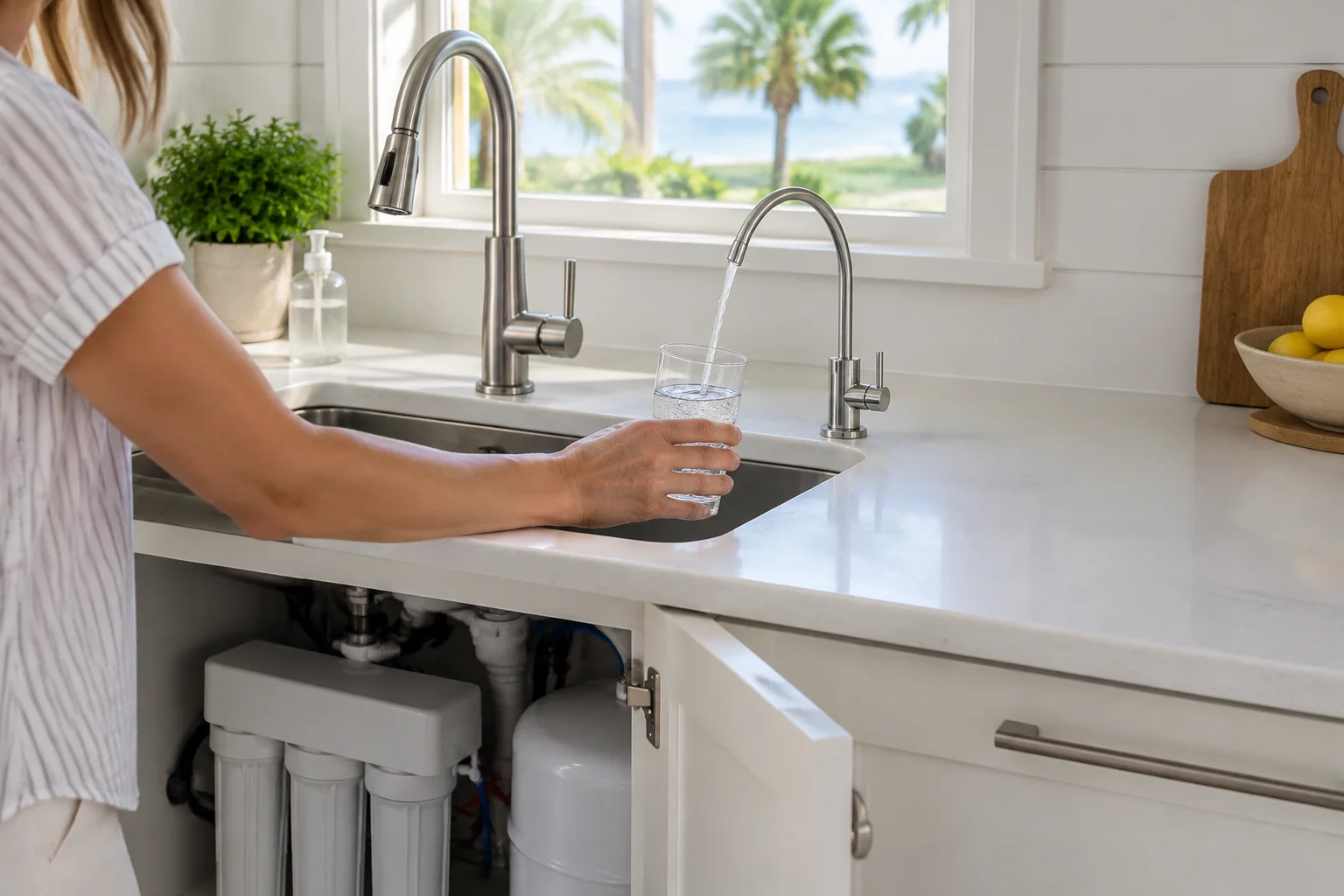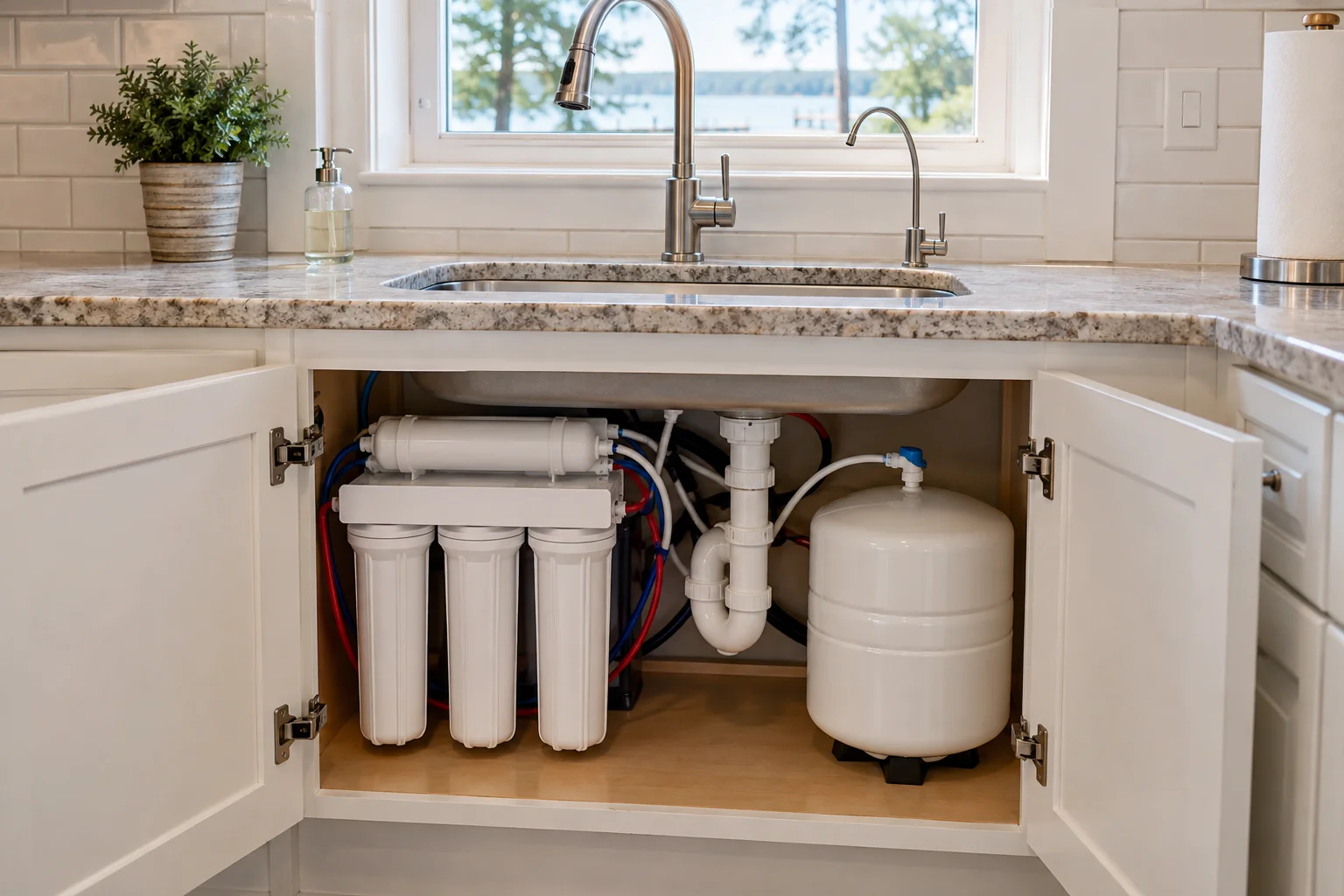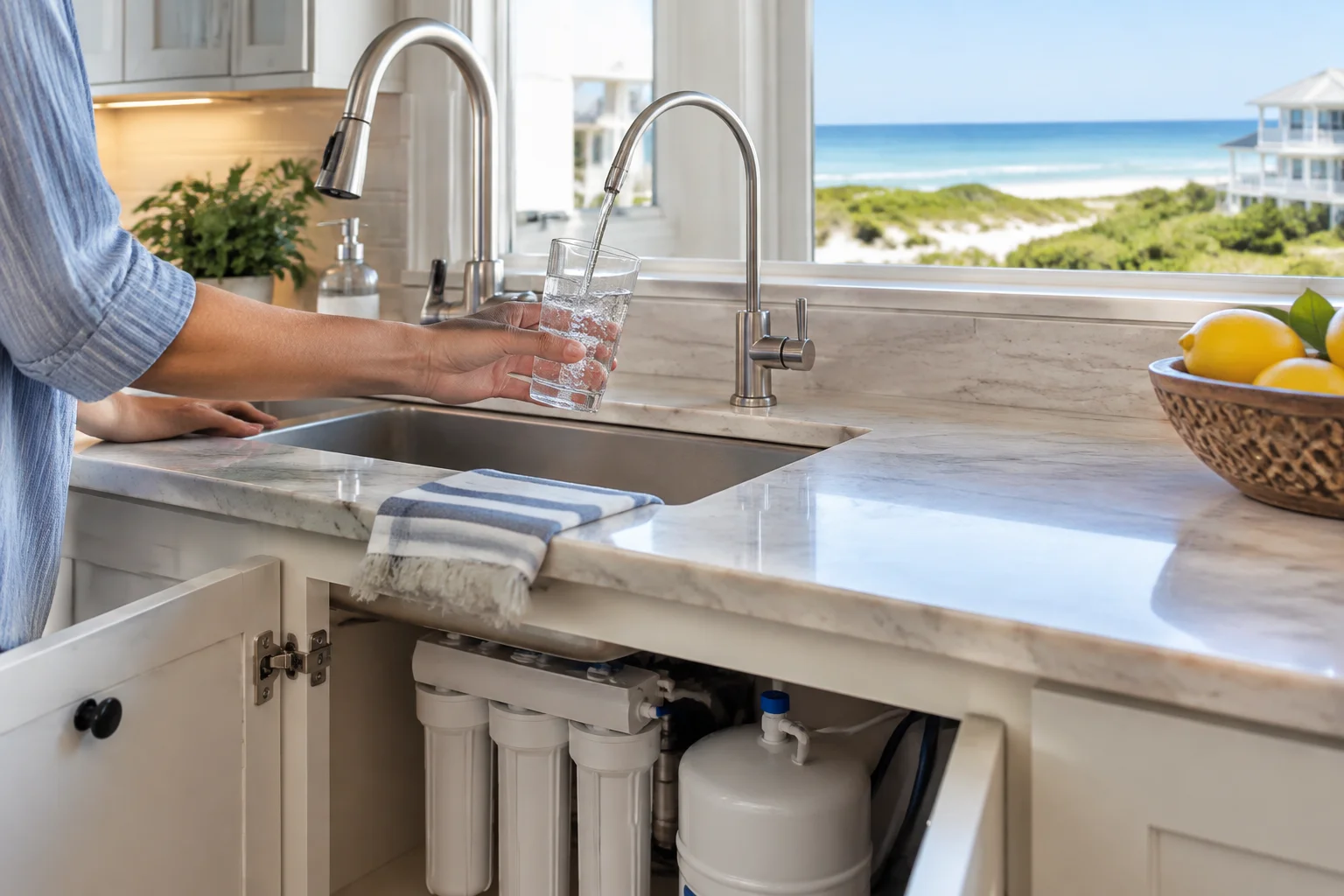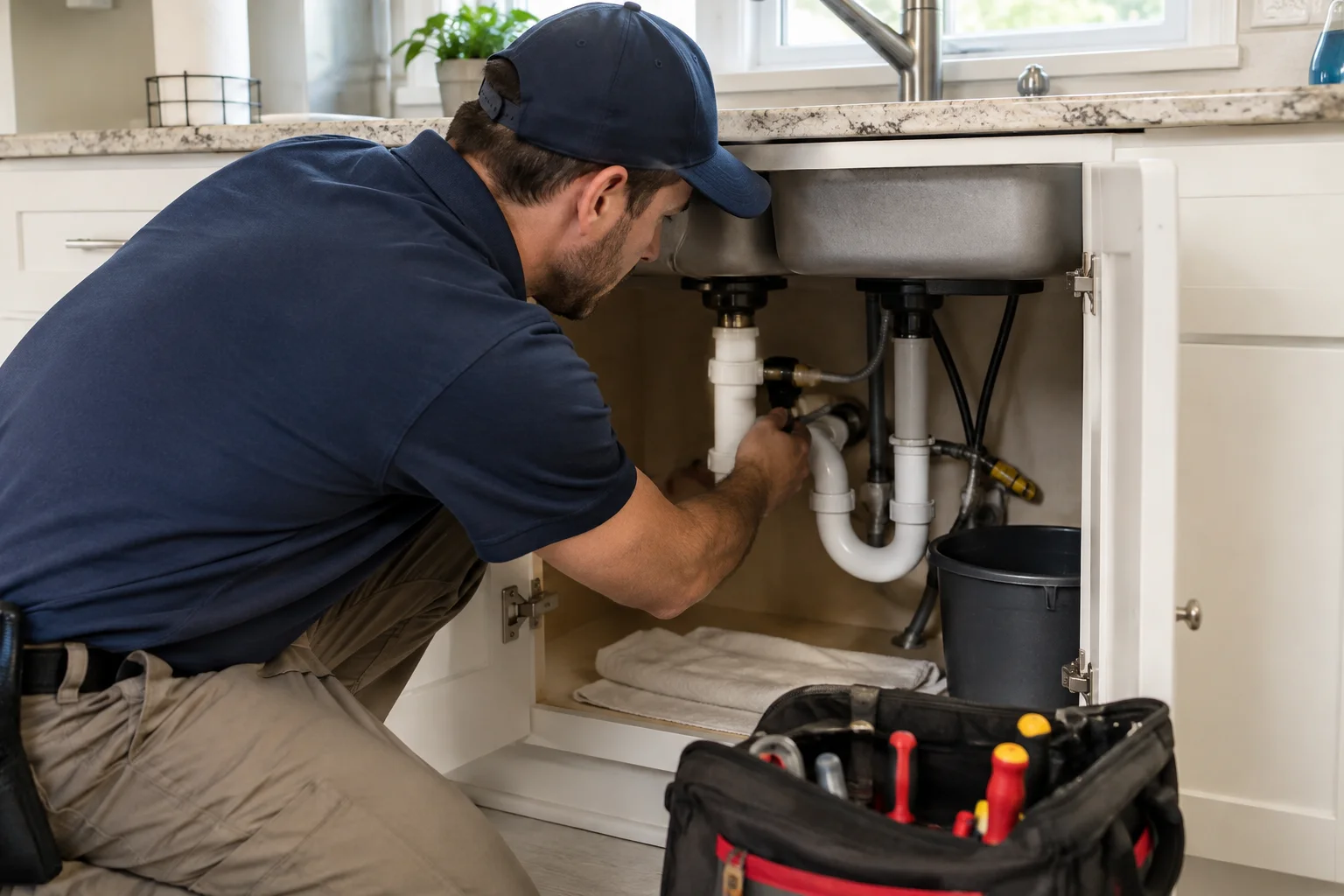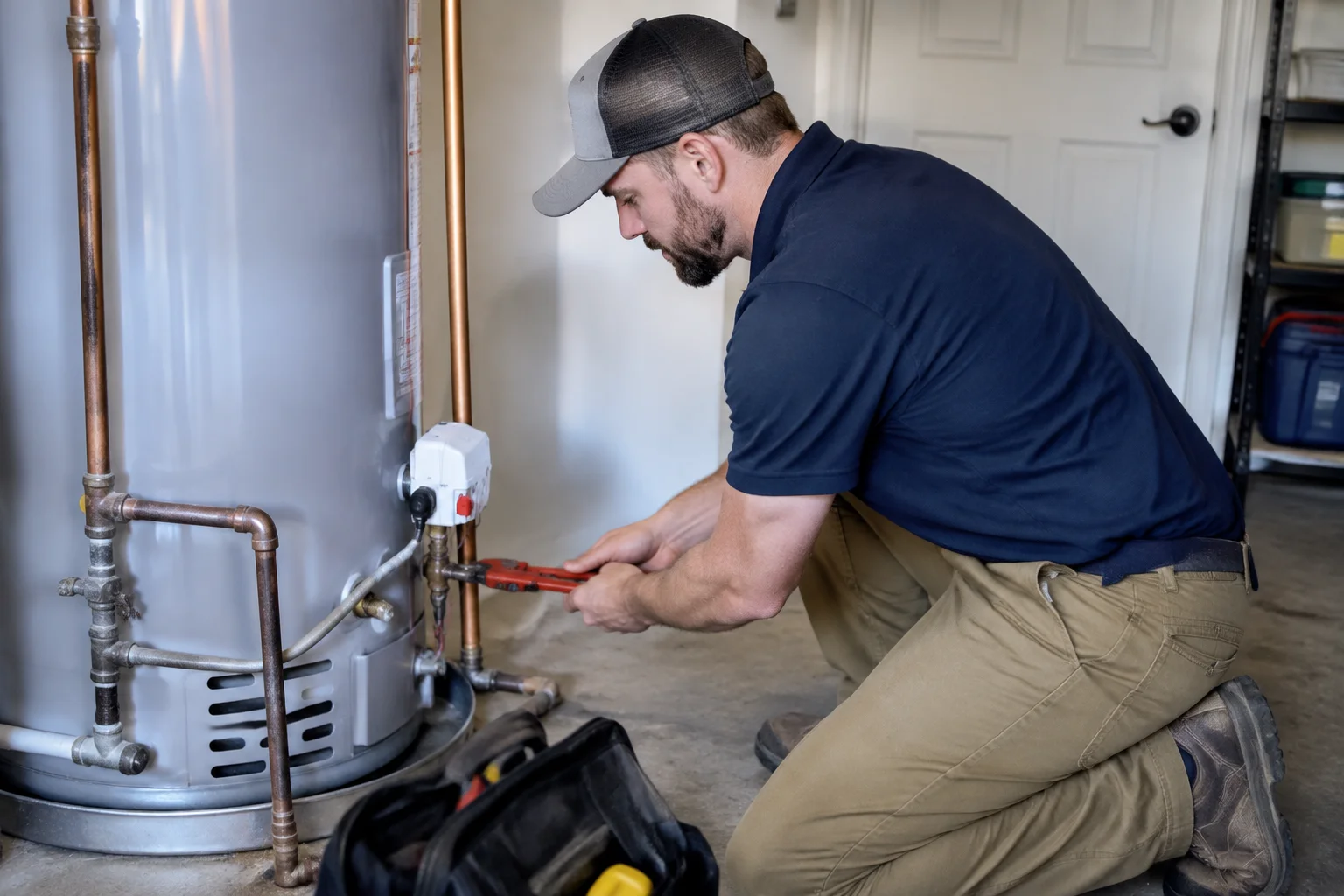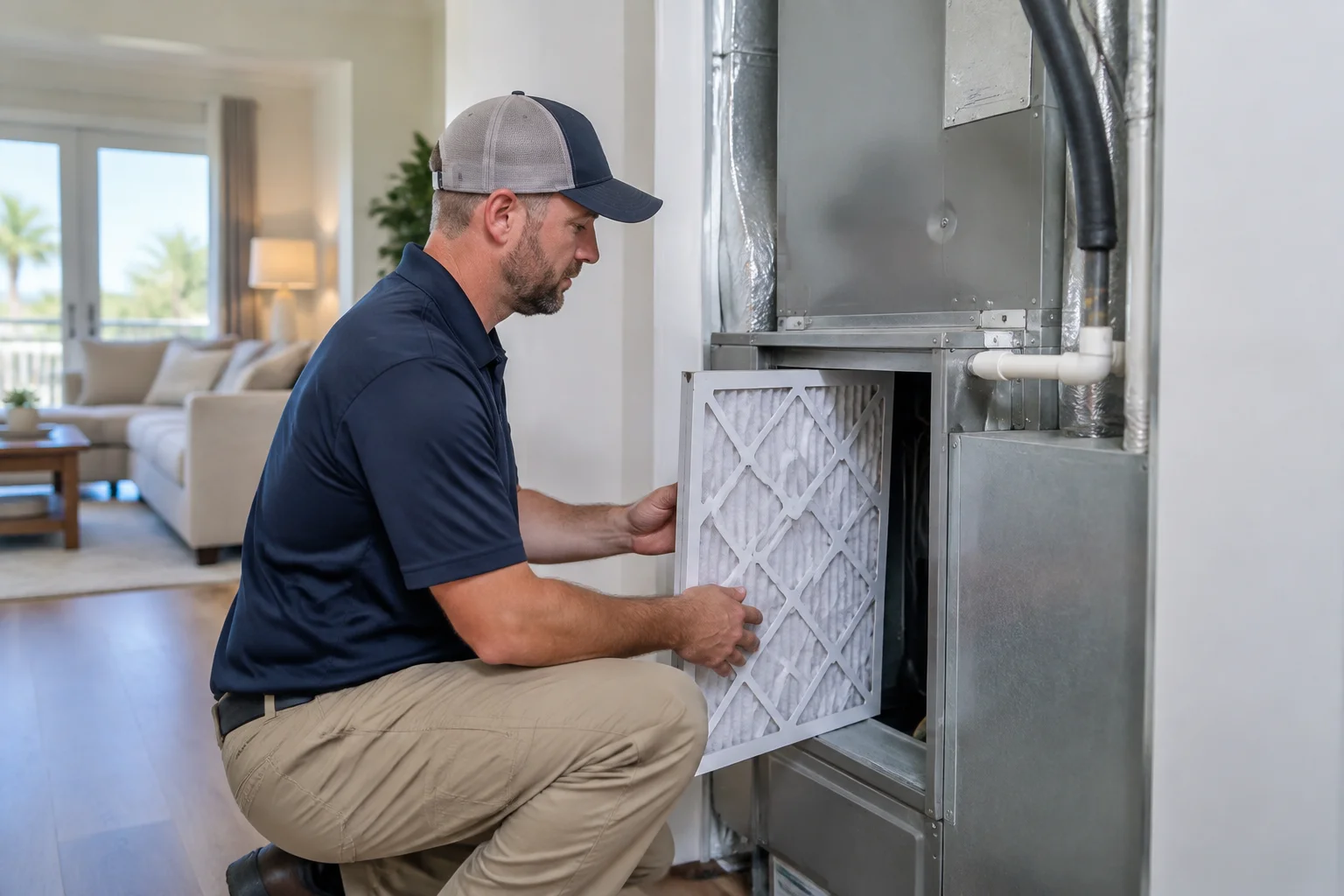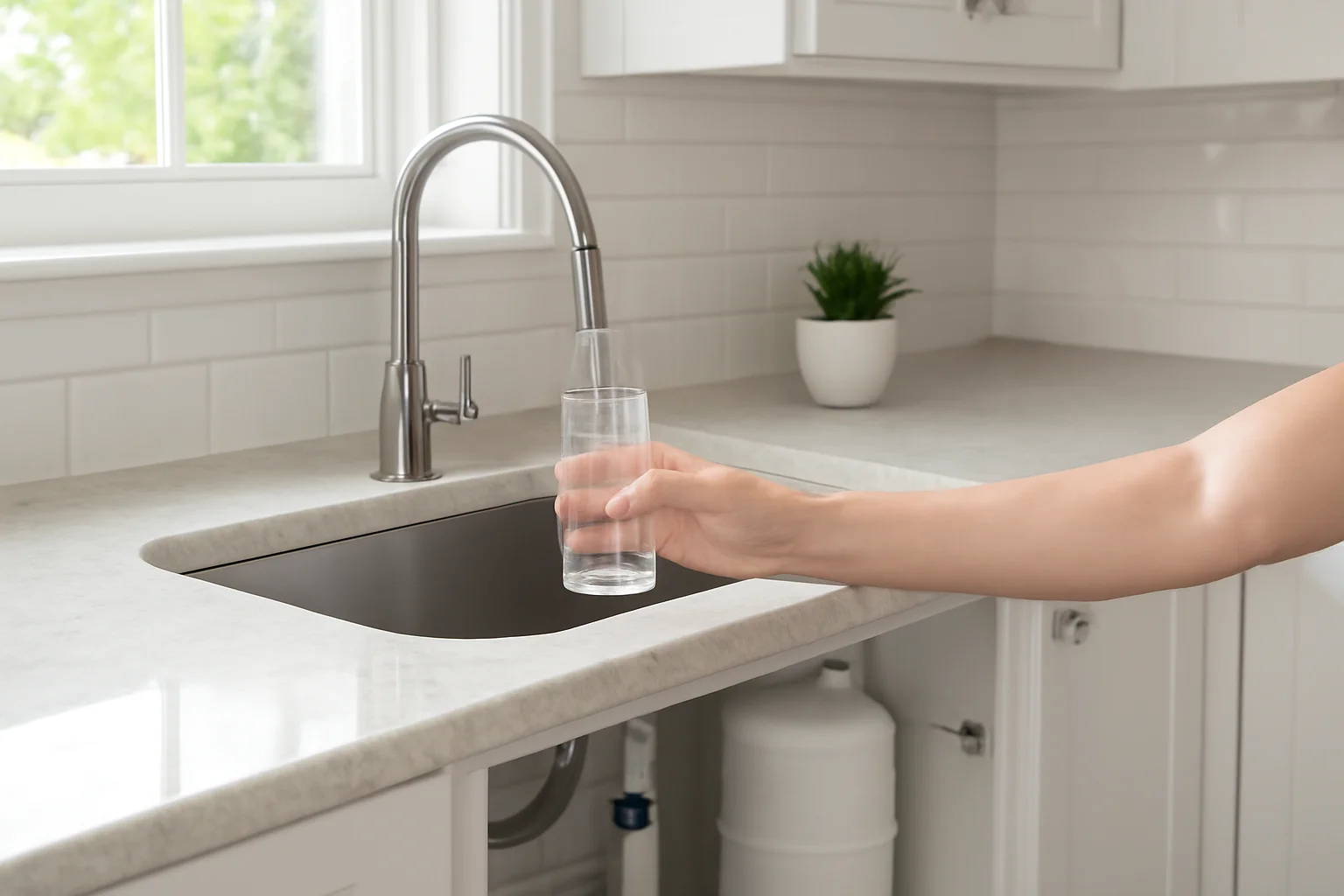
Living in WaterColor means enjoying coastal weather, beach days, and a lot of time at home. It also means your plumbing and water quality face a steady mix of conditions that can make hard water show up fast. If you have noticed white spots on glass, chalky buildup around faucets, or soap that just does not rinse, you are not imagining it. Preventive water treatment service can help you get ahead of those issues by using water softening and, when needed, whole home water filtration strategies that keep kitchen and bath water working the way it should.
Why WaterColor water softening matters for everyday water use
Hard water is common across many parts of the Gulf Coast region, and WaterColor homes are no exception. When water has high mineral content, it leaves deposits as water evaporates or heats. You see it as scale buildup on fixtures, showerheads, and plumbing lines. Over time, that buildup can reduce water flow, make appliances work harder, and shorten the life of components.
In a typical WaterColor household, the impact shows up in the places you use water the most. Kitchen scenes often include coffee brewed every morning, a dishwasher running after dinner, and kids washing hands at the sink. Bath routines include showers, hair washing, and frequent laundry. Preventive water treatment helps keep those daily moments cleaner and more comfortable by reducing the mineral problems that come with hard water.
What hard water looks like in a WaterColor kitchen and bath
Homeowners usually notice hard water through a handful of familiar signs. If several of these are happening at your WaterColor address, it is a strong signal that water softening and related water filtration may be needed.
Visible scale buildup on glass, dishes, and fixtures
Glassware that looks streaky after the dishwasher, dull film on dishes, or hard water spots on glass that never seem to fully come off are classic symptoms. You may also see scale buildup around faucets and on showerheads, along with a rough, chalky ring where water dries.
Dry skin or dull hair after bathing
Hard water can make it harder for soap and shampoo to rinse away. That can leave a residue that makes skin feel tight or dry and can leave hair looking dull instead of clean and soft.
Soap that does not lather or rinse well
If you have to use more soap than you used to or you feel slippery residue after washing, the minerals in hard water are likely interfering with how detergents work. Many homeowners describe laundry that feels less fresh, too, especially with towels.
Metallic, chlorinated, or unpleasant taste
Some water quality concerns are not only about hardness. If you notice a metallic taste, a strong chlorine taste in water, or an odor concern that affects drinking water and cooking water, a preventive water treatment plan can address multiple issues. That is where whole home water filtration and drinking water filtration options, including reverse osmosis, can come into play.
Cloudy ice cubes and off-flavored coffee
Cloudy ice cubes can happen when dissolved minerals and impurities are present. The same water can affect beverages, too. Poor tasting coffee and cooking water are common complaints when water quality is not being filtered properly.
Appliances wearing out faster
Scale buildup is not just cosmetic. It can accumulate in water heaters, hot water lines, and appliances that use water. Over time, that buildup can increase energy use and contribute to premature failure. If your appliances seem to need repairs sooner than expected, hard water treatment becomes part of protecting fixtures and appliances.
Visible sediment, discoloration, and odor concerns
While discoloration is not always tied to hardness, it can signal that your home would benefit from a more complete clean water systems approach. Preventive water treatment service often includes checking the water quality so you are not guessing.
How preventive water treatment reduces scale before it becomes damage
Preventive water treatment is about managing water quality on a schedule, not reacting after problems get severe. A water softener is designed to address hardness by reducing the mineral content that causes scale. But the most effective plans also consider the full water profile, including sediment, taste, odor, and chlorine-related concerns.
In practice, a preventive service visit may include water testing, reviewing your household water use, checking for signs of scale, and verifying that your system is operating as intended. That matters in WaterColor, where homes can vary from newer construction to older plumbing runs, and where water usage patterns differ between primary homes and vacation rentals.
Water softening for better kitchen and bath water
Water softening helps by changing how minerals behave so they are less likely to form scale. When water softening is working well, you typically see improvements across the home.
Cleaner dishes and easier glassware
With reduced hardness, detergents and rinse agents can work more efficiently. Homeowners often notice fewer streaks, less residue, and easier cleanup after meals. That is especially helpful for families who entertain and for households that run dishwashers frequently.
Showerheads and faucets stay smoother longer
Scale buildup on faucets and showerheads can make flow feel weaker and can lead to more frequent cleaning. Preventive water softening reduces the mineral deposits that build up as water dries.
Better lather, better rinsing, and more comfortable bathing
When soap does not get “blocked” by hardness minerals, it lathers better and rinses more cleanly. That can help reduce dry skin from hard water and leave hair feeling softer after showers.
Laundry that feels fresher
Hard water can leave fabric with a residue that dulls colors and makes towels feel less absorbent. Softer water can improve how detergents dissolve and how rinse water carries away residue.
Whole home water filtration and drinking water options for taste and clarity
Water softening is often the core of the solution for scale and soap performance. Still, many WaterColor homeowners also want better drinking water. That is where whole home water filtration and targeted drinking water filtration can complement a softener.
Whole home water filtration for cleaner water throughout the plumbing
Whole home water filtration systems can help address sediment and other contaminants before water reaches faucets, showers, and appliances. If you are searching for water filtration near me, it is worth considering whether you need filtration only at drinking water points or filtration that supports the entire home.
Reverse osmosis for drinking water and cooking water
A reverse osmosis system can be an excellent choice for homeowners who want noticeable improvements in drinking water. Many families use reverse osmosis for water they drink, make coffee with, and use for cooking. If you have ever dealt with cloudy ice cubes or poor tasting coffee, reverse osmosis installation near me can be part of a practical, preventive water treatment plan.
AO Smith water filtration and system compatibility
Some homeowners ask about AO Smith water filtration options when upgrading their clean water systems. The right approach depends on your water test results and the layout of your plumbing. A professional water treatment service can help you choose equipment that fits your home, whether you are focused on water softening, whole home water filtration, or a reverse osmosis system for drinking water.
Preventive service is especially important for WaterColor rentals and busy households
WaterColor is known for attracting visitors, and many homes are used as vacation rentals. That creates a unique water quality challenge. Systems can sit unused for stretches and then be heavily used during peak seasons. Preventive maintenance helps ensure the water softener and filtration components perform consistently for every guest.
It also helps protect appliances that are used frequently, such as dishwashers, ice makers, and laundry units. When hard water scale is reduced early, appliances tend to run more efficiently and experience less buildup.
What causes hard water scale in the first place
Hard water forms when minerals are dissolved in water. These minerals can precipitate as water heats or evaporates, which is why you see scale buildup around faucets and showerheads. In a home with a water heater, minerals can accumulate inside the tank and on heating surfaces, contributing to reduced performance over time.
Because water quality can vary by location and season, homeowners benefit from local testing rather than guessing. WaterColor and surrounding Walton County conditions can impact how mineral content and taste concerns show up in your home.
How to maintain water softening and filtration between service visits
Preventive water treatment is not only about annual or scheduled service. There are a few homeowner checks that help keep the system running well.
Know your system type and salt or media needs
If your home uses a salt-based water softener, monitor the salt level and keep the supply stocked. A low or inconsistent supply can reduce softening performance.
Watch for early warning signs
If you suddenly see more hard water spots on glass, notice soap that does not lather, or feel residue after bathing, it can indicate that your system needs adjustment or service.
Keep an eye on drinking water quality
If you notice metallic tasting water, chlorine taste in water increases, or ice cubes become cloudy again, it may be time to inspect filters or review your drinking water filtration performance.
Use cleaning the right way
Even with softening, some residue can build up. Use manufacturer-approved cleaning methods and avoid harsh treatments that can damage components. A professional water treatment service can guide you on safe maintenance.
When to call a professional for water softener service in WaterColor
It is worth calling a professional water treatment specialist when you see recurring symptoms or when a system is not performing like it used to. Here are practical triggers that homeowners in WaterColor often experience:
- Scale buildup on faucets and showerheads is increasing, even after routine cleaning
- Soap does not lather or rinse well, and dry skin from hard water returns
- Dishwasher results decline, with more hard water spots on glass and residue on dishes
- Cloudy ice cubes, poor tasting coffee, or cooking water concerns start showing up
- Appliances that use hot water or water heating seem to be wearing out faster
- You notice visible sediment, discoloration, or odor concerns that affect drinking water
If you are searching for water softener installation near me or water filtration near me, it helps to choose a service provider that can evaluate your full water situation. You can review A Superior Mechanical's water softening service here: /service-areas/walton-county/watercolor/water-softening-wcfl. If you want to explore the full range of clean water options, including filtration and softening combinations, start with /water-filtration-ro-water-softeners.
For homeowners who want to understand the local service context, the WaterColor area page is also helpful: /service-areas/walton-county/watercolor. For broader Walton County coverage, visit /service-areas/walton-county.
How better water supports the whole home, not just one faucet
When preventive water treatment is done right, it changes how your home feels. A kitchen sink becomes easier to clean after cooking. Coffee tastes more consistent. Bath water feels better on skin and hair. Laundry comes out fresher. Fixtures stay smoother longer. And appliances that depend on clean, conditioned water tend to run more efficiently.
WaterColor homes often have high expectations for comfort and appearance. Softer water and well-matched filtration help you protect the surfaces you see every day, while also reducing the hidden buildup inside the plumbing system.
Related home maintenance that pairs well with water softening
Water quality and plumbing health are connected. If you are addressing water treatment, it can also be smart to check other plumbing factors that affect performance. These reads can help you stay proactive:
- How WaterColor Homeowners Can Stay Ahead of Hidden Plumbing Problems With Camera Inspections
- How Water Softening Protects Rosemary Beach Plumbing from Costly Water Damage
- Water Heater Replacement in WaterColor: What Homeowners Should Watch For
A preventive plan you can tailor to your WaterColor home
Every home has different plumbing layouts, different water usage, and different priorities. Some homeowners want water softening to stop scale buildup on faucets and showerheads. Others care most about drinking water taste, wanting a reverse osmosis system near me for clearer ice and better coffee. Many families want both, using whole home water filtration to support everyday use and a drinking water filter for the glass.
When you combine preventive maintenance with the right equipment, you get cleaner kitchen and bath water, fewer visible signs of hardness, and better protection for fixtures and appliances throughout Walton County.
If you are ready to move from guesswork to a plan, A Superior Mechanical can help you evaluate your water quality and recommend a preventive solution that fits your home. Start with water softening service in WaterColor and explore water filtration and water softeners to see how different approaches work together.
Find Water Softening in WaterColor, FL
If you need Water Softening in WaterColor, FL, visit our local service page or contact A Superior Mechanical today.
For a broader look at whole-home water filtration, reverse osmosis, and water softener options, visit our water filtration, RO, and water softener page.
Map of WaterColor, FL
Frequently Asked Questions
Will preventive water treatment stop hard water spots on glass and dishes?
It can significantly reduce them. Water softening lowers hardness minerals that leave residue as water dries. Many WaterColor homeowners see fewer hard water spots on glass, less film on dishes, and better dishwasher and rinse performance after their system is tuned and maintained.
Do I need both water softening and reverse osmosis?
Not always, but many homes benefit from a combination. Water softening targets scale and soap performance throughout the home. Reverse osmosis focuses on drinking water and cooking water quality, helping with concerns like cloudy ice cubes and poor tasting coffee.
How often should a water softener be serviced in WaterColor?
Most homeowners benefit from scheduled checkups based on the system type and water conditions. Preventive service helps confirm settings, inspect components, and keep softening performance consistent for daily use and for rentals.
What signs mean my whole home water filtration or drinking water filter needs attention?
Look for changes in taste or odor, chlorine taste in water, metallic tasting water, cloudy ice cubes, or sediment concerns. If those issues return, filters may need replacement or adjustment, even if the water softener is working.
Can hard water affect appliances and water heaters?
Yes. Scale buildup can accumulate inside water heaters, hot water lines, and appliances that use water. Over time, it can reduce efficiency and contribute to faster wear. Preventive water softening helps protect the equipment you rely on every day.
Related Articles
- How WaterColor Homeowners Can Stay Ahead of Hidden Plumbing Problems With Camera Inspections
- Practical Sewer Care for WaterColor Homes That Helps Avoid Bigger Plumbing Repairs
- How Water Softening Protects Rosemary Beach Plumbing from Costly Water Damage
- Water Heater Replacement in WaterColor: What Homeowners Should Watch For
Photo Gallery