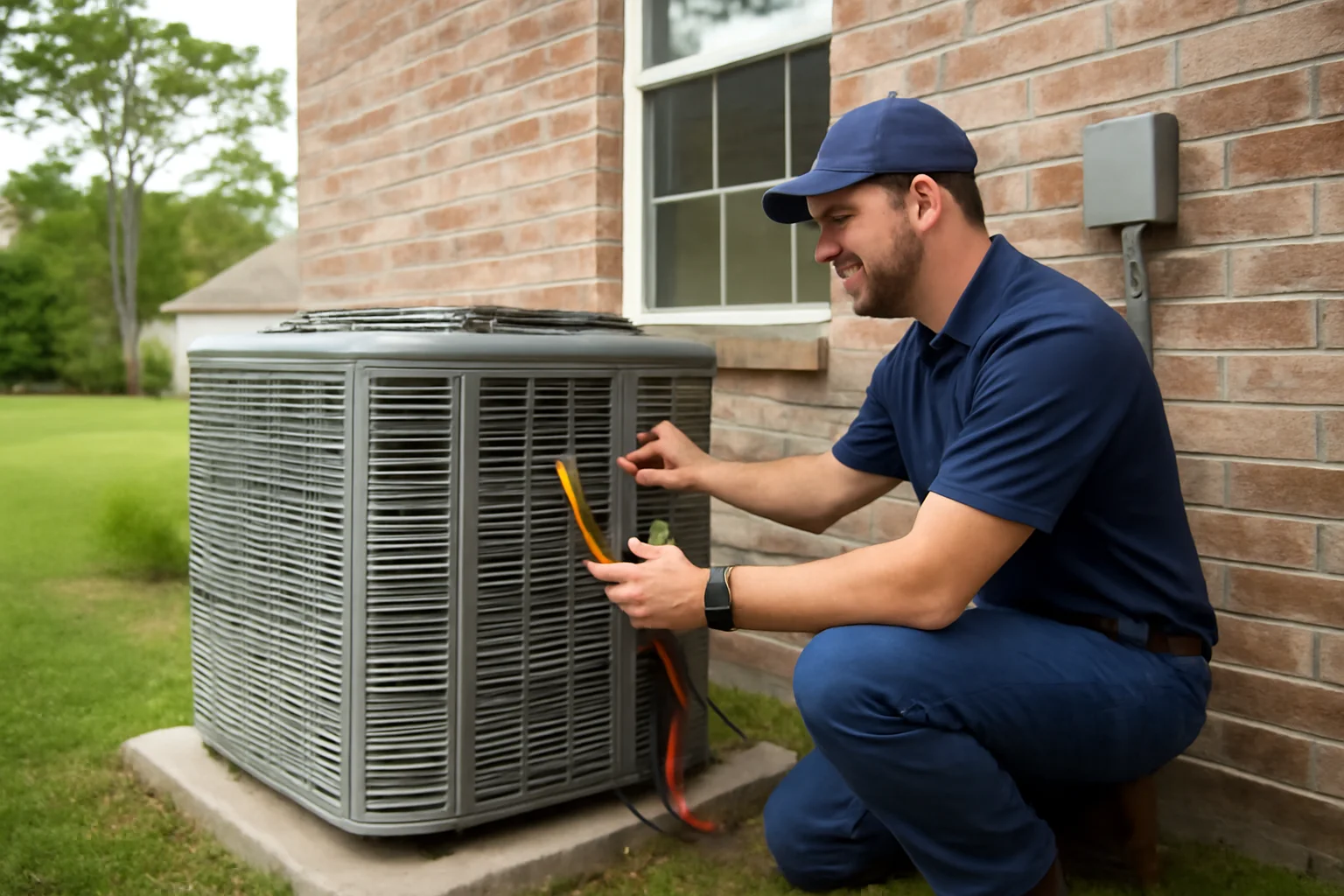
Freeport, FL is beautiful, but the weather is hard on HVAC systems. Heat, humidity, and coastal salt air can stress air conditioners over time, especially when airflow is restricted or maintenance has been skipped. If you are planning air conditioning replacement in Freeport, FL, smart habits before and after installation can help your new system run smoother and more reliably through everyday life, not just the first few weeks.
This guide focuses on practical, homeowner-friendly steps that support air conditioning service and preventive HVAC maintenance. It also covers the local issues that matter most in Walton County, including refrigerant system health, condensate drainage, ductwork performance, thermostat settings, energy use, and emergency cooling concerns.
Start with the right mindset: replacement is more than swapping equipment
When homeowners hear “HVAC replacement,” they often focus on the outdoor unit. In reality, reliable cooling depends on the full system working together: the outdoor and indoor components, refrigerant lines, airflow path, condensate drainage, thermostat control, and ductwork design. In Freeport, where summer humidity can feel relentless, even a properly sized air conditioner can struggle if airflow is blocked, the system is short-cycling, or moisture removal is not working as intended.
A Superior Mechanical provides professional air conditioning replacement that considers the whole setup, including how your home’s ducts, vents, and indoor air quality needs interact with the new equipment. If you are searching for an HVAC company near me, the best match is the one that treats replacement as a system upgrade, not a quick install.
Protect airflow the day you move into a new cooling season
Airflow is one of the most common “silent” causes of comfort problems after air conditioning repair or replacement. Reduced airflow can lead to higher indoor humidity, uneven temperatures, and extra strain on the cooling system. With coastal dust and salt exposure, filters and grilles can also collect debris faster than you might expect.
Use the filter you can actually maintain
After replacement, follow the filter guidance provided by your HVAC contractor. A filter that is too restrictive for your system can reduce airflow. A filter that is not changed often enough can also restrict airflow and contribute to poor indoor air quality.
Simple habit: check the filter monthly during peak summer weeks. If you have pets, frequent beach exposure, or a lot of outdoor pollen, you may need to replace more often. The goal is stable airflow that keeps the indoor coil working efficiently.
Keep supply and return vents clear
It sounds basic, but furniture placement, rugs, curtains, and storage can block vents. Blocked supply vents can cause warm rooms and higher energy use. Blocked return paths can make the system work harder and can worsen humidity because the air is not moving through the system properly.
If you have rooms that never feel comfortable, do not assume the thermostat is “wrong.” It is often an airflow issue related to ductwork, register balancing, or obstructions.
Humidity control is a reliability issue in Freeport
In Freeport, the air can stay humid even when temperatures are not extreme. A well-functioning air conditioner removes moisture by cooling the indoor coil and directing condensate drainage away from the home. When humidity removal is weak, you can see symptoms like clammy indoor air, musty odors, and condensation around vents.
Watch for condensate drainage problems
Most central air systems rely on condensate drainage to move collected moisture out safely. If drainage is restricted, improperly routed, or not draining as expected, it can contribute to water issues and reduced dehumidification performance.
Homeowner habit: after replacement, keep an eye on the area around indoor units and drain lines. If you notice standing water, unusual smells, or signs of moisture where it should not be, schedule an air conditioning inspection near me with a qualified technician.
Don’t “chase” humidity with extreme thermostat changes
It is tempting to set the thermostat very low when the house feels sticky. Rapid changes can lead to short cycling or comfort swings. Short cycling can reduce the time the system spends in the cooling mode that helps with moisture removal.
Instead, choose thermostat settings that match your routine. Many homeowners do better with a steady setpoint and reasonable temperature swings, especially during the most humid parts of the day. If your thermostat is outdated or configured incorrectly, professional setup matters for reliable comfort.
Refrigerant systems need stability, not guessing
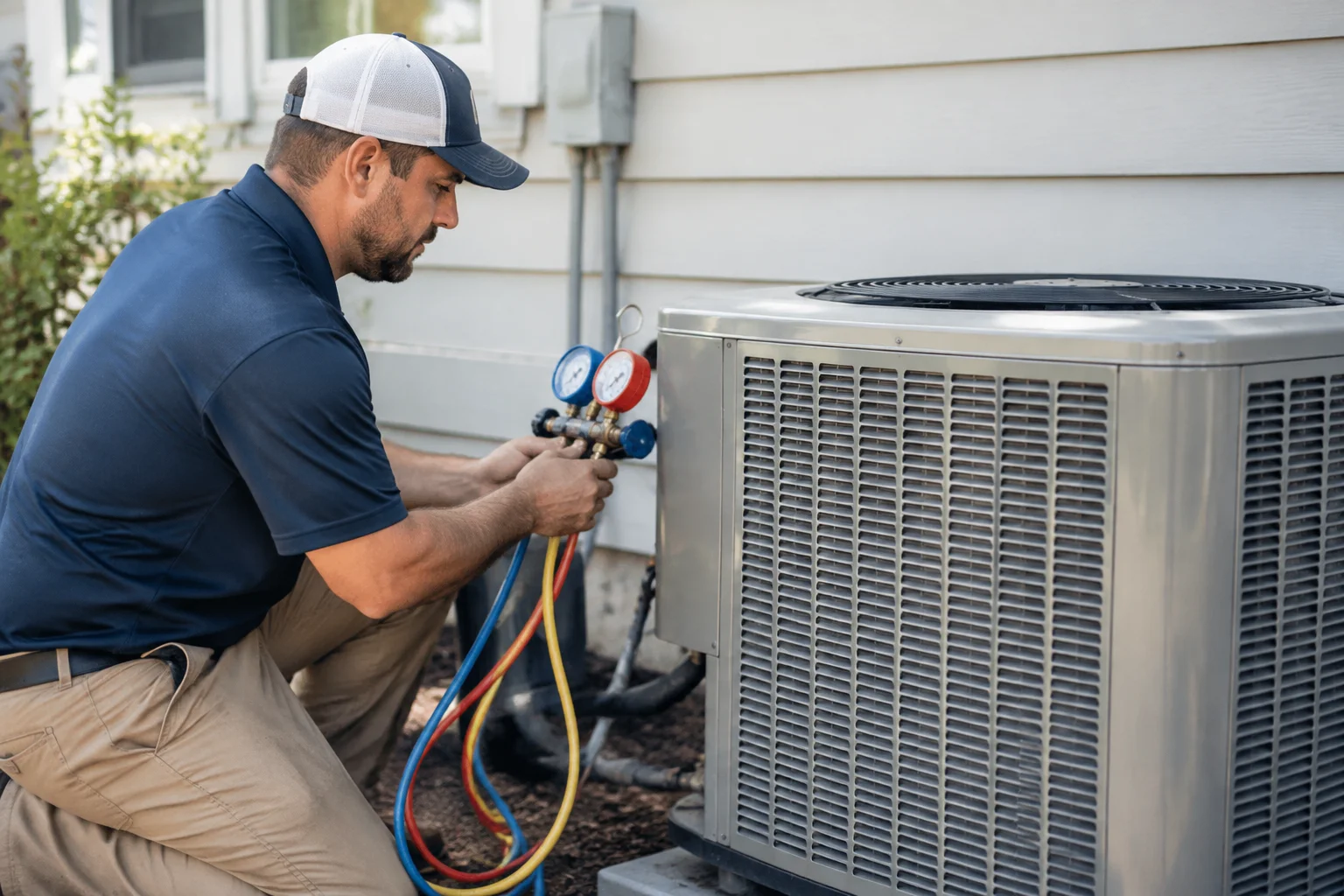
Refrigerant systems are designed to work within specific operating conditions. Homeowners should not attempt refrigerant adjustments or “DIY checks.” Refrigerant issues can be related to airflow, coil performance, airflow restrictions, or other factors that require in-person evaluation.
Smart habit: treat refrigerant-related symptoms as a sign to schedule professional service. If your system is running constantly, not cooling evenly, or producing unusual performance changes after replacement, do not try to troubleshoot refrigerant yourself.
A Superior Mechanical can evaluate system performance and verify that the refrigerant system is operating properly as part of responsible air conditioning service and preventive HVAC maintenance.
Thermostats and control settings can make or break comfort
Thermostats influence how long the system runs, when it cycles, and how it responds to indoor conditions. After an air conditioner replacement, thermostat behavior can affect both comfort and energy use.
Confirm your thermostat is staged for the system
Some thermostats and setups behave differently with newer equipment. The wrong configuration can lead to comfort issues like uneven temperatures or the system cycling in ways that do not support humidity control.
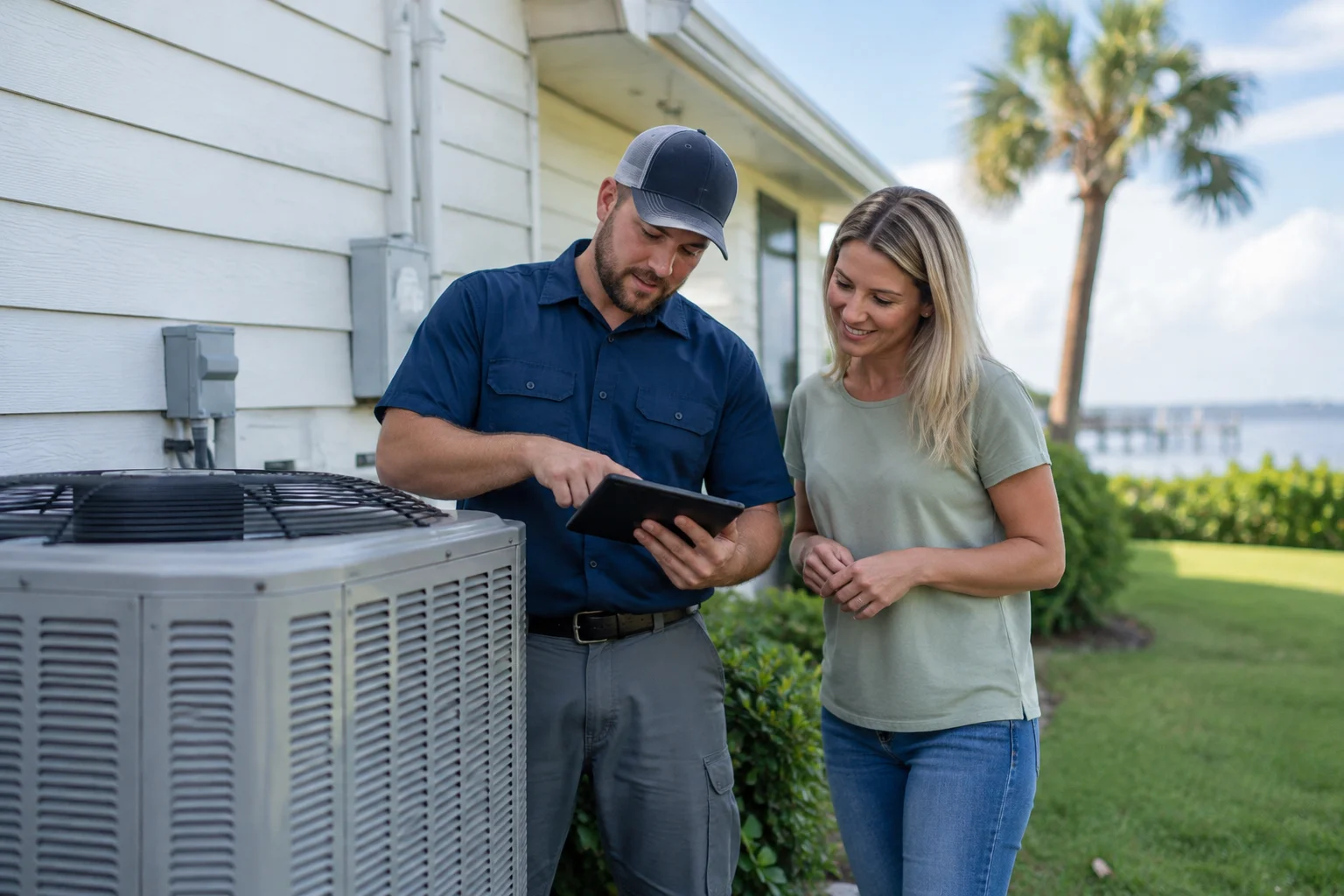
Homeowner habit: after installation, ask your technician to explain the thermostat schedule, hold behavior, fan settings, and how to interpret system status indicators. If you are considering upgrades like smart thermostats, request guidance on compatibility and configuration.
Use fan settings intentionally
Continuous fan can improve air circulation, but it can also shift how the system removes moisture. If your home feels more humid than expected, fan settings may be part of the pattern. Your technician can help you select a setting that supports both comfort and indoor air quality.
Ductwork performance often determines how “good” replacement feels
Two homes can receive the same type of air conditioner and still feel very different. Ductwork is frequently the reason. Leaks, poor insulation, imbalanced airflow, and undersized or restricted duct runs can all affect how well the new system cools and dehumidifies.
In Freeport, where homes can have older ductwork layouts and coastal humidity can increase condensation risk, ductwork condition matters. If you are troubleshooting uneven cooling, hot rooms, or persistent humidity, ductwork evaluation is often a key part of the solution.
Look for airflow clues during peak cooling
Homeowners can notice patterns like:
- Some rooms are always warmer or colder than the rest
- Registers feel weak even when the system is running
- Airflow changes when you switch thermostat modes
- Cold air arrives quickly but comfort does not last
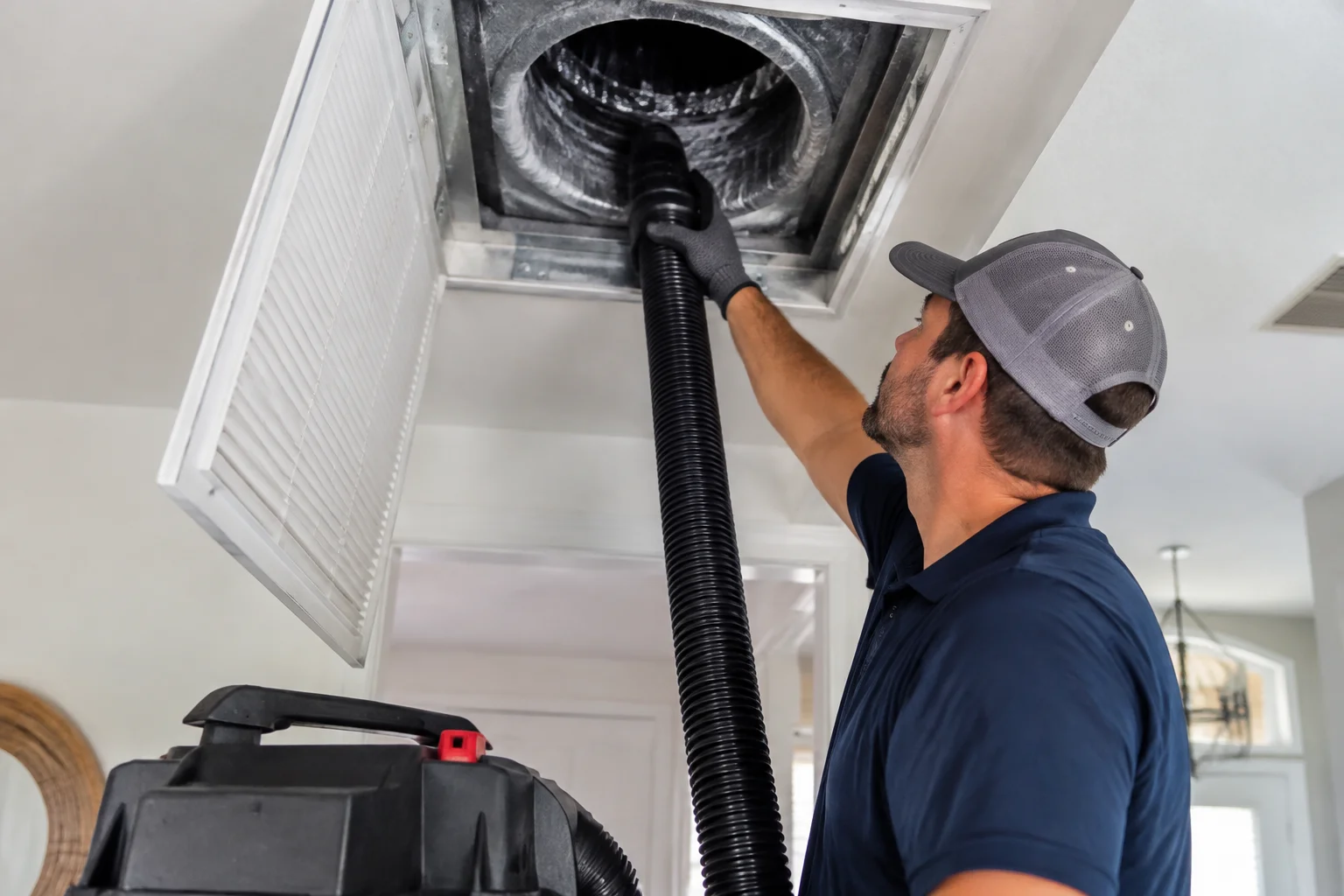
If these issues show up after replacement, it is worth discussing ductwork checks as part of your HVAC service plan. If you also deal with dust or airflow restrictions, consider duct cleaning when appropriate, especially if your home has visible dust buildup or ongoing indoor air quality concerns.
Indoor air quality habits that support air conditioning reliability
Air conditioning is not only about temperature. It also impacts indoor air quality by controlling humidity and filtering particles. In coastal Florida, where moisture can contribute to odor and comfort problems, indoor air quality services can complement system replacement.
Keep humidity in the comfort zone
If humidity is too high, you may feel clammy even if the thermostat reads a comfortable temperature. That can lead to more system runtime and higher energy use. A system that manages moisture well usually feels more stable.
Plan for air filtration and airflow balance
Filters, ductwork, and system airflow all work together. If you are also dealing with allergies, dust, or recurring musty smells, ask about indoor air quality services. Homeowners searching for indoor air quality services near me often benefit from a combined approach that includes filtration, airflow verification, and moisture control.
Energy use is a symptom, not just a bill
When air conditioners struggle, energy use often rises because the system runs longer or cycles inefficiently. In Freeport, where summer cooling demands are constant, higher energy use can be an early indicator of a problem.
Instead of focusing only on the monthly cost, treat energy changes like a clue. Ask whether airflow is restricted, whether humidity removal is working, whether condensate drainage is functioning, and whether thermostat settings encourage stable operation.
For homeowners planning HVAC replacement near me or air conditioner replacement near me, this is where a professional HVAC contractor earns trust. The goal is dependable performance that matches your home’s needs, not just an install date on the calendar.
Coastal salt air and Florida heat: plan for wear and comfort stability
Freeport’s coastal environment can increase corrosion risk and contribute to dirt buildup on outdoor components. Florida heat also pushes systems to work at high demand for long stretches.
Smart replacement habits include:
- Keep outdoor unit areas free of debris and vegetation so airflow is not blocked
- Schedule preventive HVAC maintenance before the hottest weeks
- Request an air conditioning inspection near me if you notice performance changes after storms or heavy pollen periods
If you are comparing options for replacement, ask your technician how they will protect system performance in coastal conditions. A system that is installed with attention to airflow and drainage tends to hold up better under stress.
Preventive maintenance habits that keep replacement from becoming “repair mode”
Replacement does not eliminate maintenance needs. Preventive HVAC maintenance supports reliability, comfort, and indoor air quality over the life of the system.
Schedule routine tune ups, not just emergency calls
After installation, plan a maintenance schedule that fits your usage. Many homeowners wait until the system acts up. In Florida humidity, that can lead to discomfort and emergency cooling concerns during the hottest days.
If you are also trying to manage the process across a busy household schedule, ask about maintenance options. For other property types in the area, you may also consider Commercial HVAC Maintenance if you manage a business space with different cooling patterns.
Track comfort patterns, not just temperatures
Write down what you notice:
- How quickly the home cools after the system starts
- Whether humidity feels better or worse
- Whether airflow is steady across rooms
- Whether the system cycles normally or seems to run nonstop
These notes help technicians focus their air conditioning inspection and reduce the chance that issues are missed.
When to call a professional right away after replacement
Some problems are normal during break-in periods, but others should be addressed quickly. If you notice any of the following, contact a licensed HVAC contractor near me or your local HVAC company near me for an evaluation:
- The system runs continuously without reaching comfortable temperatures
- You see water pooling near indoor equipment or notice persistent musty odors
- Uneven cooling that is new or worsening after installation
- Strange noises, repeated short cycling, or sudden performance drops
- Thermostat behavior that seems inconsistent with the comfort settings you chose
Do not attempt refrigerant diagnosis, electrical diagnosis, or DIY equipment replacement. Refrigerant systems and controls require proper testing and safe handling. An in-person professional evaluation protects your home and helps your new system perform as intended.
Planning helps homeowners avoid stress during air conditioning replacement
Replacement projects can be smoother when you prepare. Practical steps include clearing access to indoor and outdoor equipment, planning for temporary comfort changes, and confirming how your thermostat will be configured.
If you want a more detailed checklist for local conditions, read How Freeport Homeowners Can Avoid Bigger Problems During Air Conditioning Replacement and Smart Planning for Air Conditioning Replacement in Freeport, FL. Those guides focus on the homeowner decisions that often prevent delays and comfort surprises.
Financing and long-term options for Freeport properties
Some homeowners need help managing replacement timing and budget. If financing is part of the plan, explore HVAC Financing so you can make decisions based on comfort and system needs rather than urgency alone.
Depending on your property and long-term goals, you may also want to discuss alternative system types with a qualified contractor. For example, Geothermal HVAC Systems can be a long-term option for some homeowners, while ductless systems may be considered for certain layouts. A professional evaluation is the only way to determine what fits your home’s airflow and indoor air quality needs.
Everyday habits that support reliability after installation
If you want a short list you can actually follow, focus on these everyday habits that directly support reliable cooling in Freeport:
- Change or check your air filter regularly to protect airflow and indoor air quality.
- Keep vents and returns clear so the system can move air properly through ductwork.
- Use thermostat settings that promote stable cooling and humidity control.
- Watch condensate drainage and indoor comfort patterns, especially during humid stretches.
- Schedule preventive HVAC maintenance before peak heat, not after a breakdown.
- Address performance changes promptly with an air conditioning inspection near me.
These habits help your refrigerant system, coils, condensate drainage, and airflow work as a coordinated system. That coordination is what keeps everyday life comfortable, reduces emergency cooling concerns, and supports energy use you can feel good about.
If you are comparing options for air conditioning replacement in Freeport, FL, consider how your home’s airflow, ductwork, humidity needs, and indoor air quality goals fit together. For more local context about the area you are in, visit Freeport, FL and explore how service planning works across Walton County.
For homeowners who want a broader view of how maintenance supports comfort and performance, the same principles apply across seasons. If you want to connect the dots, read Why Efficient Heating and Cooling Starts With Commercial HVAC Maintenance in Freeport, FL and The Details That Get Missed in Commercial HVAC Installation in Freeport, FL. Even though those posts focus on commercial systems, the emphasis on airflow, ductwork, and careful installation translates to reliable home comfort too.
Find Air Conditioning Replacement in Freeport, FL
If you need Air Conditioning Replacement in Freeport, FL, visit our local service page or contact A Superior Mechanical today.
Map of Freeport, FL
Frequently Asked Questions
How can I tell if my air conditioner replacement is installed correctly in Freeport, FL?
Look for stable cooling, even temperatures across rooms, and humidity that feels controlled. If you notice weak airflow, musty odors, or the system runs nonstop without comfort improvement, schedule an air conditioning inspection with a licensed HVAC contractor for an in-person evaluation.
What homeowner habits help prevent HVAC issues after a new AC installation?
Keep filters clean, keep supply and return vents unobstructed, use reasonable thermostat settings, and watch for condensate drainage problems. Preventive HVAC maintenance is also key for reliability in Florida heat and humidity.
Why does my home feel humid even when the AC is running?
Humidity issues can be related to airflow limits, ductwork performance, thermostat settings, or condensate drainage not working as intended. A professional evaluation is needed to identify the cause without guessing.
Should I try to adjust refrigerant or troubleshoot cooling myself?
No. Refrigerant diagnosis and adjustments require proper testing and safe handling. If cooling performance seems off after replacement, contact a qualified HVAC company for an in-person assessment.
How does coastal salt air affect air conditioning reliability in Freeport?
Salt air can increase corrosion risk and contribute to dirt buildup on outdoor components. That makes airflow and preventive maintenance especially important so the system can perform reliably through the hottest, most humid months.
Related Articles
- How Freeport Homeowners Can Avoid Bigger Problems During Air Conditioning Replacement
- Smart Planning for Air Conditioning Replacement in Freeport, FL
- Why Efficient Heating and Cooling Starts With Commercial HVAC Maintenance in Freeport, FL
- The Details That Get Missed in Commercial HVAC Installation in Freeport, FL
Photo Gallery