Electric vehicle ownership is growing fast in Callaway, and so is the need for electrical planning that can handle Florida weather, modern power demand, and the realities of older and newer homes across Bay County. A charger is not just another appliance on the wall. It draws steady power for hours, which means the panel, breaker, wiring, grounding, and outlet layout all need to work together safely.
For homeowners looking into EV charger installation in Callaway, FL, the smartest move is to think beyond the charger itself. A proper setup can reduce nuisance breaker trips, protect electronics during storms, and help avoid expensive electrical repairs later. It also gives you a chance to check whether your home is ready for additional loads from lighting, ceiling fans, appliances, or future additions.
Why EV charging changes the electrical picture at home
Level 1 charging may work for some drivers, but many homeowners eventually want the convenience and speed of a Level 2 charger. That upgrade usually requires a dedicated circuit and a stronger understanding of how the home’s system is already being used. In Callaway, where homes can range from older coastal properties to newer builds and remodeled spaces, the existing electrical setup is not always ready for that kind of load.
When an EV charger is added without a full review, the most common problems show up later. Breakers may trip during high use, outlets can overheat, and undersized wiring can create unsafe conditions behind walls or in garages. A homeowner searching for an electrical panel upgrade near me is often already dealing with signs that the system is stretched too thin.
Start with the panel, not the charger
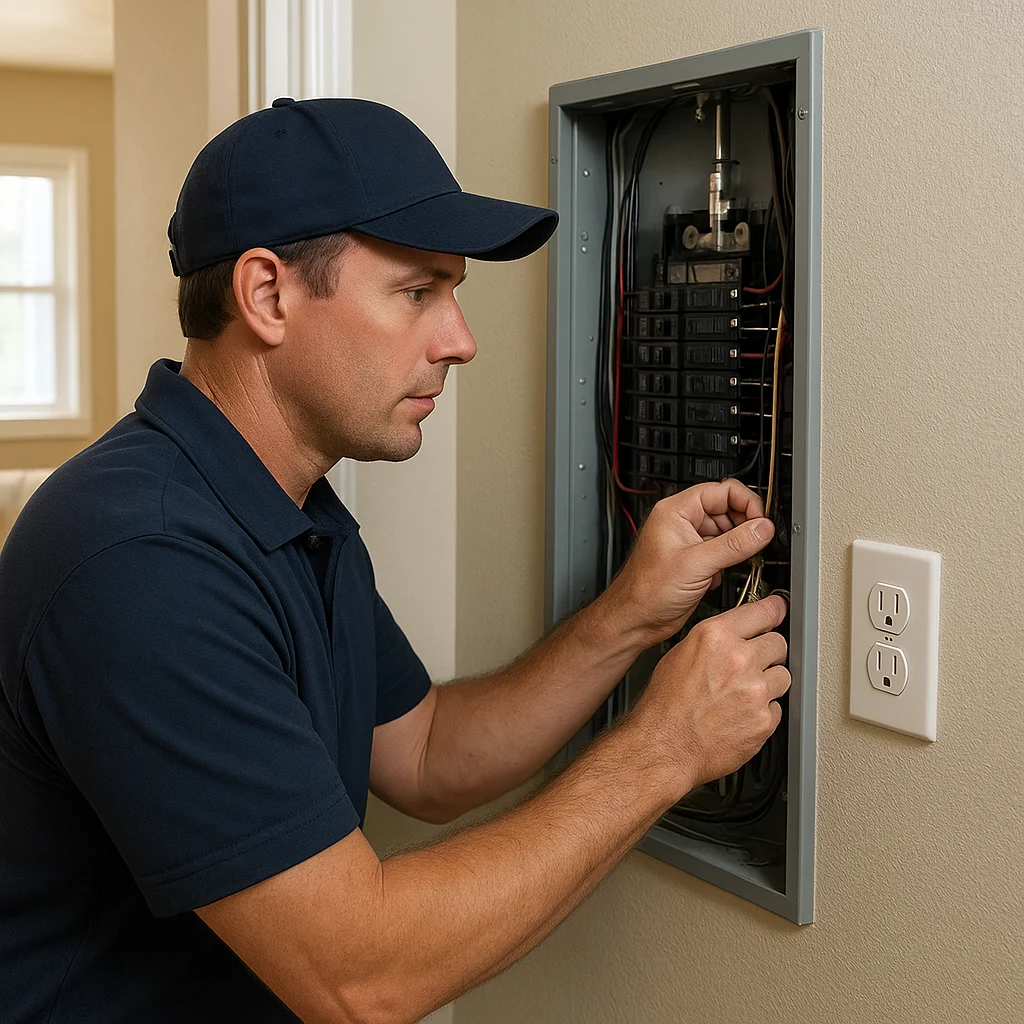
The electrical panel is the heart of the decision. Before any charger is installed, a licensed electrician should check the panel capacity, breaker condition, grounding, and available spaces for new circuits. If the panel is already crowded or outdated, the charger may require a panel upgrade or a load calculation before installation can move forward safely.
This matters even more in Bay County, where storms, humidity, salt air, and power interruptions can all take a toll on electrical equipment. Corrosion inside the panel, loose breaker connections, and weather related wear can make a system less reliable over time. If the panel is already showing age, a charger installation is a good time to address it instead of waiting for a failure.
For homeowners comparing local electrical options, a full Callaway electrical service visit can help identify whether the issue is limited to the charger project or tied to a broader repair need.
Dedicated circuits protect the rest of the house
An EV charger should not share a circuit with garage outlets, lighting, ceiling fan controls, or other high demand equipment. Dedicated circuit installation helps keep the charger stable and reduces the chance of overloads. It also makes troubleshooting easier if something does go wrong later.
That separation is especially helpful in homes where the garage also supports a refrigerator, freezer, workshop tools, or a second refrigerator for storm prep. A dedicated circuit can prevent one device from affecting another and helps keep the breaker panel organized for future service. Homeowners searching for dedicated circuit installation near me are often trying to solve exactly this kind of load balancing issue.
Garage wiring deserves a closer look
Many garages in Callaway were wired long before EV charging became common. Some have outlet circuits that were never intended for continuous heavy use. Others may have older receptacles, loose connections, or GFCI protection that is not suited to the charger location. If a charger is going into a garage, the wiring path, receptacle type, and mounting location all need to be checked carefully.
This is also a good time to look at lighting installation near me needs in the garage or driveway area. Better lighting makes charging safer at night and can improve visibility around the vehicle, panel, and walkway.
Storm season makes surge protection worth the conversation
Callaway homeowners know how quickly summer weather can turn severe. Lightning, utility fluctuations, and storm related outages can damage sensitive electronics, including vehicle chargers and smart home equipment. Whole home surge protection is one of the most practical upgrades to consider during EV charger installation because it helps shield the charger, panel, appliances, and connected devices from voltage spikes.
That protection matters whether the home is occupied year round or used as a vacation property. A charger that is installed correctly but left unprotected can still be vulnerable to storm damage. If the home already has frequent flickering lights, tripped breakers, or electronics that fail after storms, the electrical system may need a broader inspection before the charger is added. In some cases, an electrical inspection near me search points to a maintenance issue that should be solved first.
Grounding, GFCI protection, and code compliance are not optional
EV charging equipment needs safe grounding and proper code compliant installation. In many garages, carports, and exterior locations, GFCI protection may also be required depending on the outlet, circuit type, and placement. These details matter because they help reduce shock risk and improve long term reliability.
Older homes in Callaway and nearby parts of Bay County may have wiring that predates current code expectations. Remodels and additions can also create mixed conditions where newer circuits are tied to older wiring. That is one reason a professional electrician should verify the full path from the panel to the charger, not just the final mounting location. If the project involves other issues like outlet repair, switch replacement, or wiring corrections, it may be smarter to address them together rather than one at a time.
Homeowners who have already dealt with panel, wiring, and outlet concerns will recognize how quickly a small issue can become a larger repair if it is left alone.
Watch for electrical clues before the charger goes in
Some homes give clear warning signs that the system needs attention before EV charging starts. Breakers that trip often, outlets that feel warm, dimming lights when appliances start, or buzzing sounds from the panel all suggest the electrical system is under stress. A homeowner searching for breaker repair near me or electrical wiring repair near me may already be seeing symptoms that should be evaluated first.
These warning signs matter because EV charging can expose weak points that were easy to ignore before. A circuit that seemed fine for a few lamps and a garage door opener may not hold up under sustained charging loads. If the home also has aging outlets, loose switches, or outdated fixtures, those issues can add to the strain.
Common issues that should be checked first
Before installing a charger, it helps to inspect the panel, branch circuits, grounding, and nearby outlets. If there are concerns about moisture, corrosion, or storm damage, those should be corrected right away. In coastal Florida homes, even small amounts of corrosion can affect breaker performance and connection quality over time.
That same inspection can also uncover unrelated but important safety issues, such as missing smoke alarms or outdated detector placement. If needed, a visit for smoke detector installation can be part of a broader home safety check.
Newer homes, remodels, and additions still need planning
It is easy to assume a newer home can handle an EV charger without issue, but that is not always true. Some newer homes have more efficient layouts but still limited spare capacity in the panel. Remodels and additions can also create mixed wiring conditions if previous work was done in stages. A garage conversion, bonus room, or outdoor living upgrade may have already used up the available electrical capacity.
That is why local electrical service matters. A contractor who works in Callaway understands common home layouts, storm related wear, and the way power demand changes from one property to the next. The same electrician who handles light switch installation near me or ceiling fan installation can often spot whether the home is ready for a charger or needs support first.
Outdoor and garage chargers need the right environment
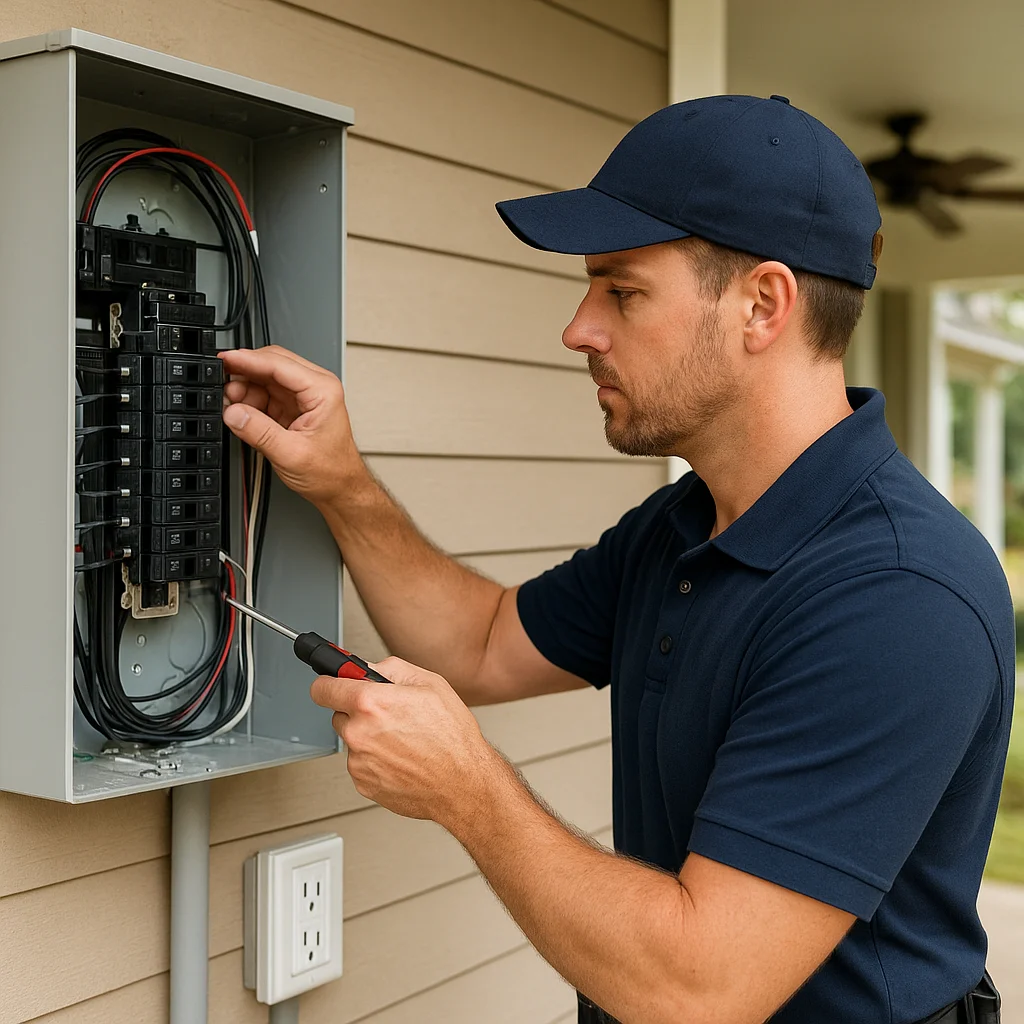
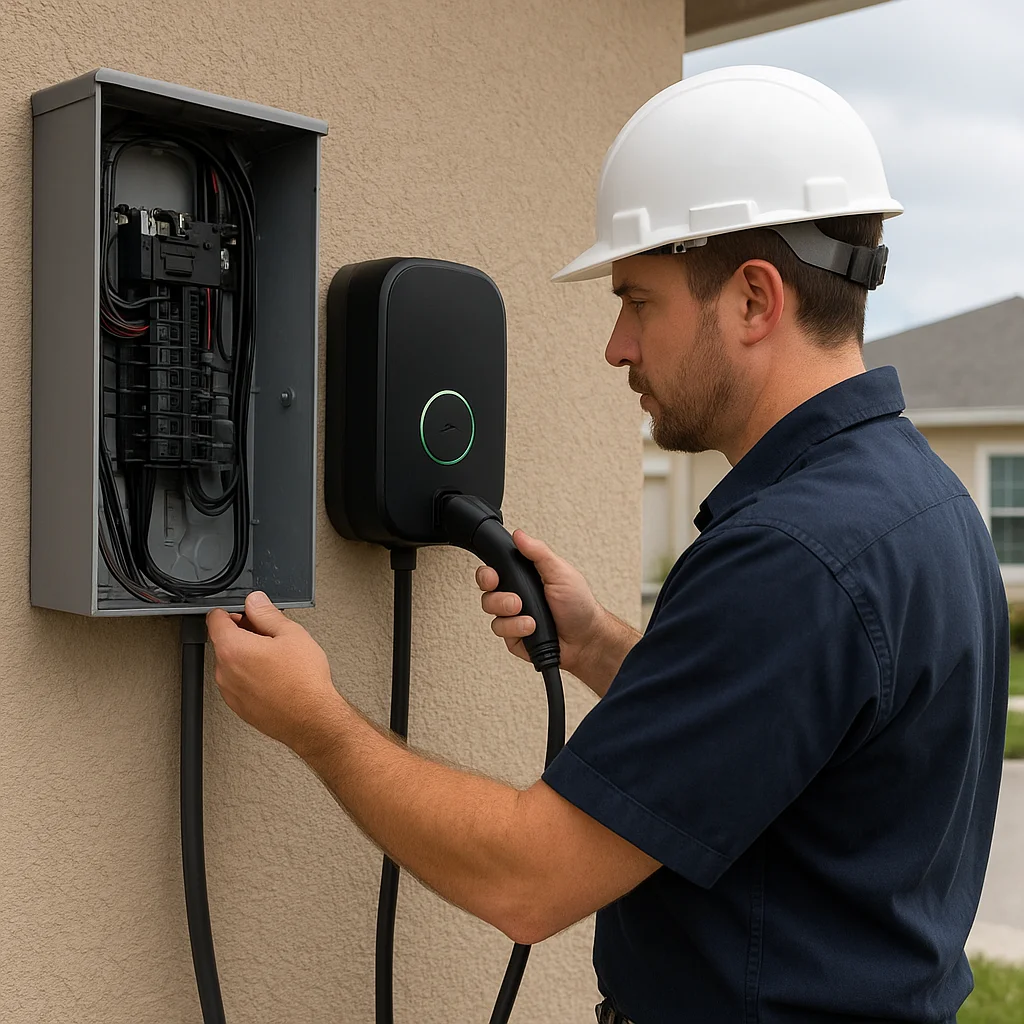
Many EV chargers in Callaway are installed in garages, but some homes need exterior mounting because of parking layout or space limits. Outdoor equipment must be chosen and installed with weather exposure in mind. That means checking enclosure ratings, mounting height, conduit protection, and the condition of nearby outlets and switches.
Florida heat, humidity, and storm driven moisture can shorten the life of poorly protected electrical equipment. If the charger is being placed near a driveway, patio, or side wall, the installer should also consider water intrusion, sun exposure, and physical damage from lawn equipment or vehicles. In areas with frequent rain and wind, proper routing and fastening of wiring can make a major difference in how long the system lasts.
How EV charger planning can lower repair costs later
Good planning does more than power the vehicle. It can reduce the chance of emergency calls, breaker failures, and hidden wiring damage. A properly sized circuit is less likely to overheat. A correct grounding system is less likely to create nuisance problems. Surge protection can reduce the odds of replacing expensive electronics after a storm.
It also helps to group related electrical work together. For example, if the panel is being upgraded for a charger, it may be the right time to address a dimmer switch installation near me, a garage lighting update, or a receptacle issue that has been on the list for months. Combining repairs can save time and make the home safer overall.
When a professional electrician should take over
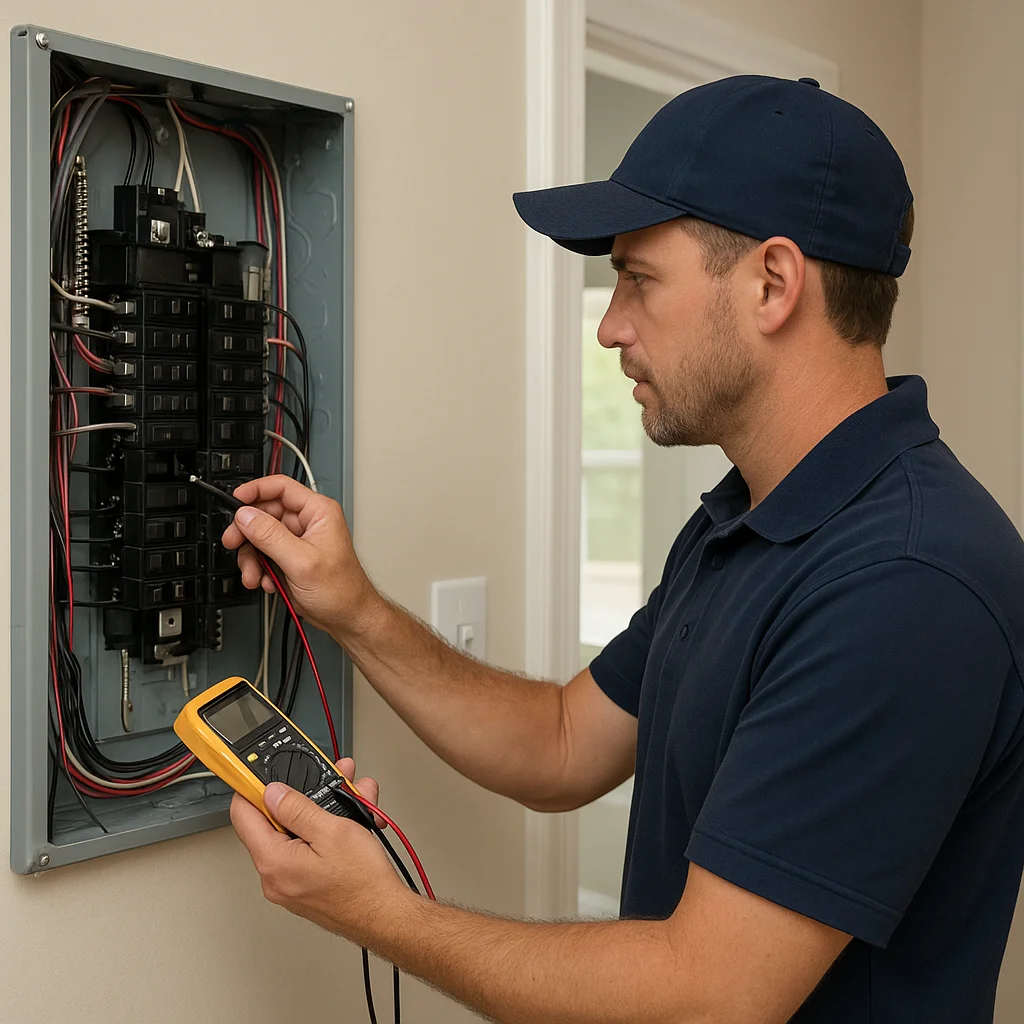
Any time there are panel concerns, repeated breaker trips, warm outlets, damaged wiring, or uncertainty about code compliance, it is time to bring in a licensed electrician. This is especially true if the home has older wiring, signs of corrosion, or storm damage. A professional can test the system, size the charger circuit correctly, and make sure the installation supports both safety and daily use.
Homeowners looking for a residential electrician near me, or even a garage ev charger wiring near me search, usually need more than a quick hardware store fix. EV charging is a long duration load, and that makes the quality of the installation more important than the equipment brand alone. If the home also needs help with a portable generator hookup near me or generator transfer switch installation near me, it may be smart to review both systems during the same visit so the house is ready for outages too.
Local electrical service that fits Callaway homes
A Superior Mechanical provides EV charger installation in Callaway, FL with attention to dedicated circuits, panel capacity, grounding, surge protection, and code compliance. That local approach matters in Bay County because the electrical needs of a coastal home are not the same as a home farther inland. Storm exposure, humidity, older panels, vacation rental use, and the growing demand for EV charging all shape the right solution.
If your home needs a charger, a panel upgrade, or a broader safety check, local service can help you avoid costly surprises. For homeowners who want a trusted electrician near me option in Callaway, starting with a careful electrical review is usually the best protection for the home and the vehicle.
For related electrical planning, it can also help to read Why Preventive Electrical Service Makes Smart Homes Work Better in Callaway, FL and Pool, spa, and hot tub wiring in Callaway: a homeowner's guide to safer power, panels, and protection when you are comparing other high demand projects at the same property.
Find EV Charger Installation in Callaway, FL
If you need EV Charger Installation in Callaway, FL, visit our local service page or contact A Superior Mechanical today.
Map of Callaway, FL
Frequently Asked Questions
Do I need a panel upgrade for EV charger installation in Callaway, FL?
Not always, but many homes do need a load calculation first. If the panel is full, outdated, or already carrying heavy demand, a panel upgrade may be the safest way to support a Level 2 charger.
Can an EV charger share a circuit with garage outlets or lighting?
No, it should be on a dedicated circuit. Sharing with outlets, lights, or other equipment can lead to overloads, nuisance trips, and overheating.
Why is surge protection important for EV chargers in Bay County?
Storms, lightning, and utility fluctuations can damage chargers and other electronics. Whole home surge protection helps reduce the risk of costly repairs after weather events.
What problems should I fix before installing a charger?
Breaker trips, warm outlets, flickering lights, damaged wiring, corrosion, and grounding issues should all be checked first. Those problems can affect charger safety and performance.
Related Articles
- Smart Electrical Planning for Callaway Homes: Panels, Wiring, Outlets, and Prevention
- Why Preventive Electrical Service Makes Smart Homes Work Better in Callaway, FL
- A Callaway Homeowner’s Guide to Smarter Water Filtration and Fewer Plumbing Repairs
- Pool, spa, and hot tub wiring in Callaway: a homeowner's guide to safer power, panels, and protection
Photo Gallery