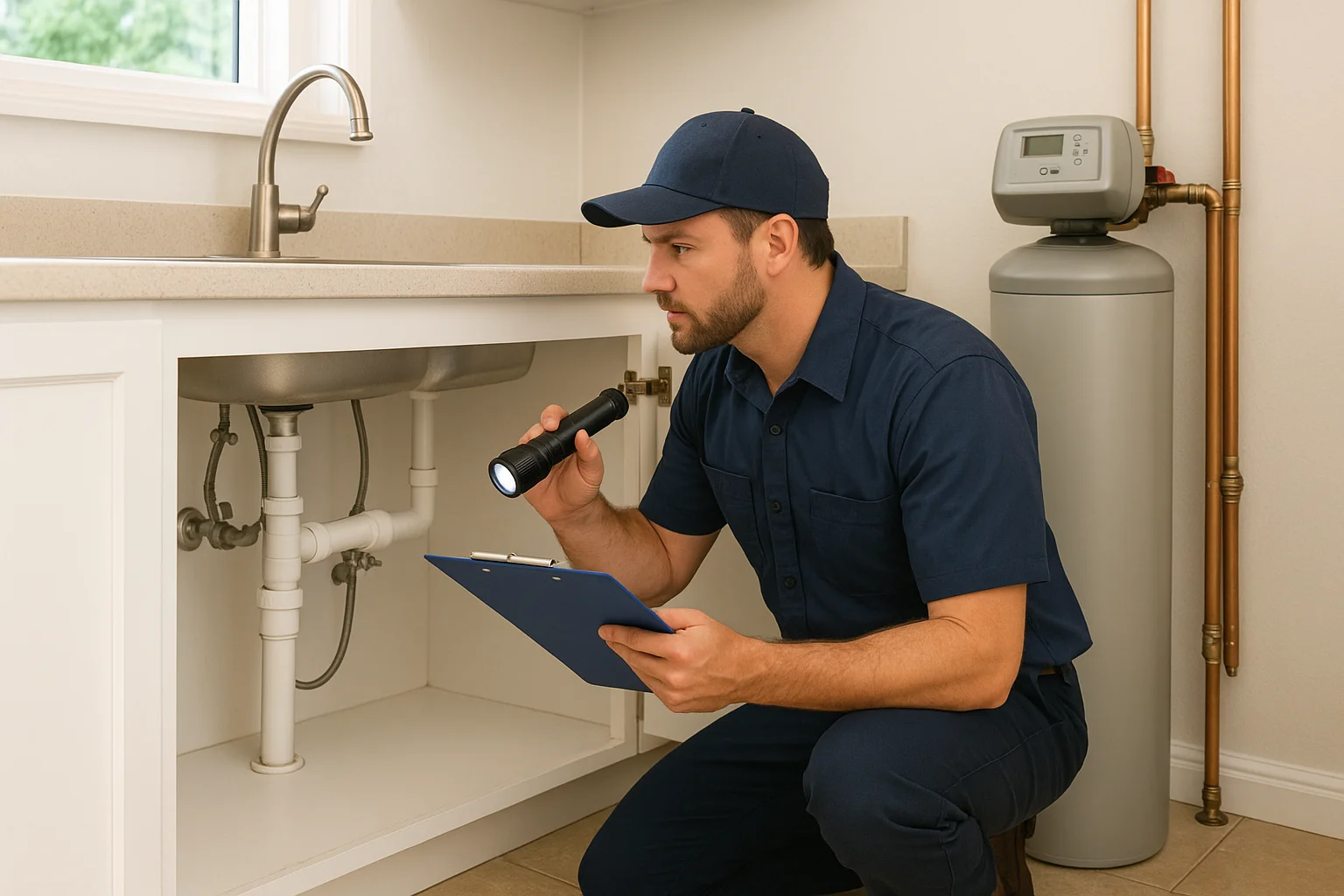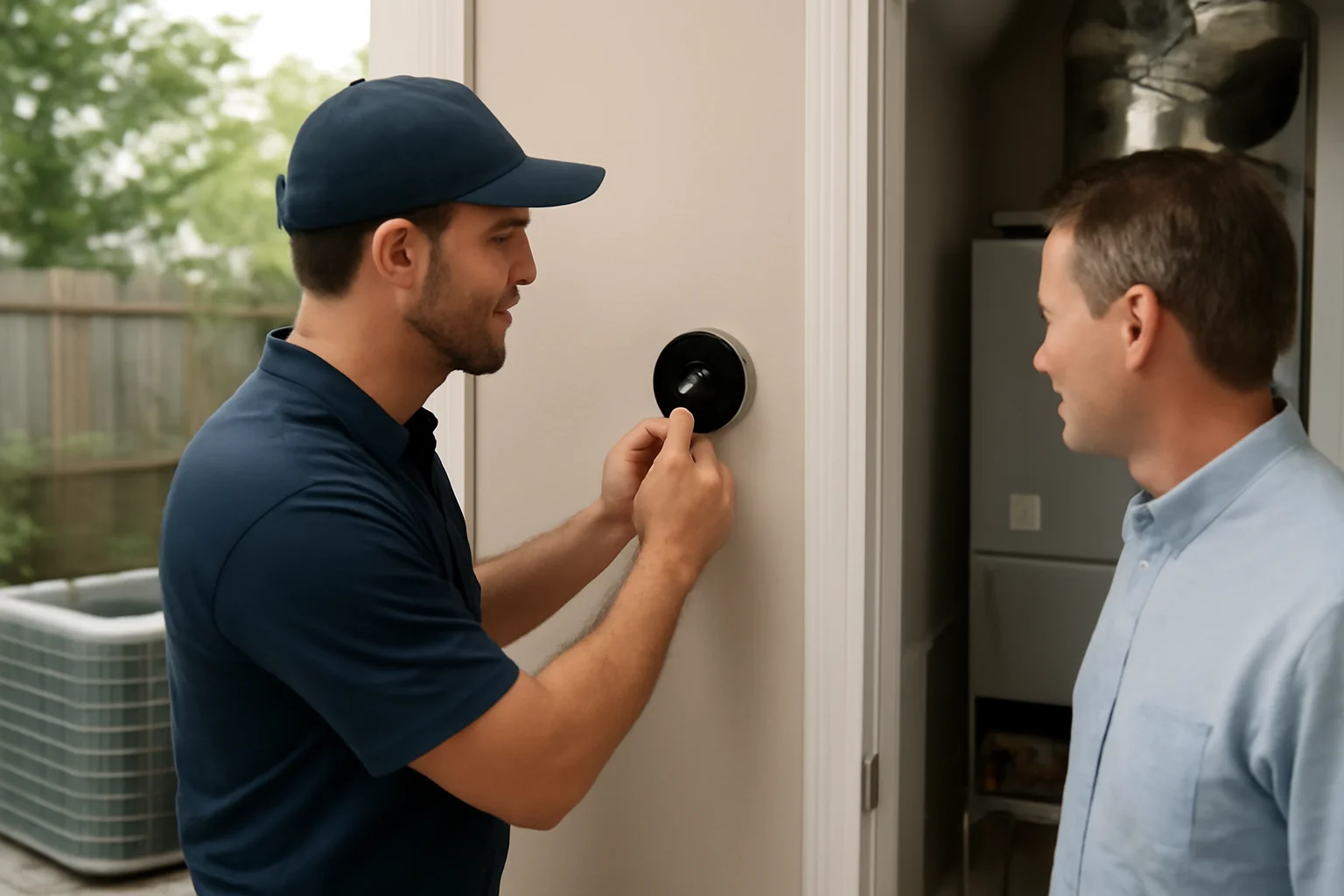
Santa Rosa Beach feels like paradise when the Gulf air is comfortable, but your HVAC has to work hard when Florida heat, humidity, and salt air push your system daily. A smart thermostat can improve comfort and help you manage energy use, but it is only as reliable as the heating and cooling equipment it controls. Better HVAC maintenance before and after installation helps the thermostat read conditions correctly, keeps airflow steady, and reduces the chances of expensive repairs.
If you are considering smart thermostat installation in Santa Rosa Beach, FL, this guide explains how preventive HVAC maintenance supports everyday reliability and helps you avoid common mid-season failures.
Why smart thermostat reliability depends on HVAC maintenance
Smart thermostats do more than show temperatures. They coordinate schedules, learn patterns, and may use multiple inputs like indoor temperature, humidity, and sometimes occupancy or outdoor weather data. That can improve comfort, but it also means the thermostat is not “fixing” underlying HVAC problems. If your system has drifting temperatures, weak airflow, clogged condensate drainage, or refrigerant system issues, the thermostat can only respond to what it is seeing and what your equipment can deliver.
In Santa Rosa Beach, the HVAC load is not just about temperature. Humidity control matters. Gulf proximity can also add corrosion stress over time. When maintenance is skipped, small issues can grow into operational problems that cause the system to run longer, cycle more often, or fail to cool evenly. The result is more frequent air conditioning repair needs and more emergency cooling concerns during hot stretches.
Common Santa Rosa Beach HVAC issues that maintenance helps prevent
Homeowners often schedule thermostat upgrades when their current control feels outdated. But the best results come when the HVAC system is ready to respond. Preventive maintenance helps address the problems that commonly show up in Walton County homes.
Airflow problems that cause uneven cooling and comfort complaints
Even if the thermostat is correctly installed, airflow issues can make the house feel inconsistent room to room. Dirty air filters, blocked return paths, or ductwork restrictions can reduce performance. When airflow drops, the indoor coil can struggle, and the system may not remove moisture effectively. That can lead to higher indoor humidity, stale air, and a thermostat that seems “wrong” because the temperature reading does not match what the rooms feel like.
Maintenance-related checks often include verifying supply and return airflow and inspecting ductwork for obvious issues. If you are hearing unusual noises, noticing weak vents, or seeing dust buildup, it may be time for ductwork services or a duct inspection.
Humidity and condensate drainage issues
Florida humidity is relentless, especially during peak summer. Your AC’s cooling process produces condensate, and proper condensate drainage is critical. If the condensate drainage path is restricted or if the drain pan area is not kept clean, water can build up. That can affect cooling performance and contribute to indoor air quality concerns. In some cases, it can also lead to water-related damage around the equipment.
When maintenance includes attention to condensate drainage and coil cleanliness, your system is better prepared for the thermostat’s control cycles. That matters because smart thermostat schedules can call for tighter temperature targets, and the equipment still needs to handle those calls reliably.
Refrigerant system problems that show up as temperature swings
Refrigerant system performance affects how the system cools. If the system is underperforming, you might see longer run times, inconsistent temperatures, or the system struggling to reach setpoints. A smart thermostat may respond by increasing cooling demand, but that cannot correct a refrigerant-related problem.
It is important to avoid guessing. Refrigerant diagnosis needs an in-person evaluation by a qualified technician. If your home has persistent temperature swings after thermostat installation, the right next step is to contact a licensed HVAC professional for an assessment of the cooling system.
How maintenance supports smarter thermostat control
A well-maintained HVAC system gives a smart thermostat a stable baseline. That improves the odds that the thermostat can manage comfort without triggering unnecessary cycling or repeated calls for cooling.
Cleaner equipment helps the thermostat “see” real comfort
When indoor coils, blower components, and filters are maintained, the system tends to hold temperatures more consistently. That reduces situations where the thermostat calls for cooling but the home does not respond quickly because airflow or coil performance is compromised.
For homeowners searching for HVAC maintenance near me, this is one of the biggest reasons to schedule tune ups around the same time as thermostat installation. The goal is not just to install a device. The goal is to make sure the HVAC system can do its job when the thermostat requests it.
Stable airflow improves comfort and helps with indoor air quality
Smart thermostats can support humidity-aware comfort strategies depending on the system and thermostat features. But airflow and filtration still matter. If airflow is weak, the system may not circulate conditioned air effectively, and moisture removal can suffer.
For many Santa Rosa Beach homes, indoor air quality is a daily concern during humid months. If you have odors, dust, or allergy symptoms, consider pairing thermostat upgrades with indoor air quality testing so you can address the root comfort issues rather than chasing them with control settings alone.
Correct system setup prevents control conflicts
Smart thermostat installation is not just mounting a device to the wall. The thermostat must be configured for your HVAC equipment type and control wiring. If the system configuration is off, you can get issues such as short cycling, delayed responses, or incorrect heating and cooling behavior.
That is why working with an experienced, local team matters. A properly installed thermostat paired with a tuned system can support smoother operation and reduce the likelihood of calling for AC repair near me during peak heat.
What to ask for before smart thermostat installation in Santa Rosa Beach
When you contact a local HVAC company, you can request a maintenance-focused approach that supports reliable thermostat control. Here are practical items you can discuss during scheduling.
1) A comfort and equipment readiness check
Ask whether the technician will review your current HVAC operation, including airflow performance, system response, and any known comfort issues. If your home has uneven cooling, frequent cycling, or ongoing humidity concerns, mention them before the install.
2) Filter and airflow verification
Ask about filter condition and how airflow will be verified during service. If you need duct inspection, request it. For homeowners searching for duct inspection near me, it is often better to identify ductwork restrictions before the thermostat locks in new schedules and setpoints.
3) Condensate drainage inspection
Confirm whether condensate drainage will be checked during pre-install maintenance. This is especially relevant in coastal Florida humidity where condensate load can be significant.
4) Thermostat compatibility and configuration review
Smart thermostats must match the control setup of your heating and cooling system. Ask the installer to explain how the thermostat will be configured for your equipment. If you have a heat pump, you will want to discuss heating services considerations as part of overall comfort control, since heat pumps use different operating modes than conventional heating systems.
If you are searching for a licensed HVAC contractor near me, make sure they can walk you through the configuration process and confirm that the thermostat settings align with how your system actually operates.
After installation: maintenance habits that protect your system
Once your thermostat is installed, it is tempting to leave everything alone. But in Santa Rosa Beach, the HVAC system still needs preventive care to keep humidity and airflow under control and to reduce the chance of emergency cooling concerns.
Keep up with filter changes and airflow basics
Dirty filters can restrict airflow and reduce comfort. Replace filters on schedule and avoid using filters that are not compatible with your system. If you have pets, construction dust, or high pollen seasons, you may need more frequent changes.
Watch for thermostat behavior that hints at equipment strain
Smart thermostats can display alerts or show patterns like frequent “calls” for cooling or inability to reach setpoints. If the thermostat keeps running longer than usual, or if indoor humidity seems higher than expected, treat it as a signal to schedule HVAC service. That is often more cost-effective than waiting until an HVAC repair near me appointment is urgent.
Schedule seasonal tune ups that match Walton County conditions
In Florida, demand is not evenly distributed across the year. You may need cooling-focused service before the hottest weeks, and heating or heat pump checks before cooler periods. The exact timing depends on your system and your household schedule, but the principle is the same: maintenance helps your equipment handle the conditions it will see most.
For many homeowners, pairing thermostat upgrades with an air conditioning maintenance visit helps ensure the system is clean, draining properly, and able to deliver airflow consistently.
How better maintenance helps avoid costly repairs
Costly repairs often begin as small performance problems. Better maintenance reduces the likelihood that those problems will escalate. Smart thermostats can also encourage better behavior, but only if the HVAC system is healthy.
Reduced strain from improved comfort control
When a system is maintained, it can respond more accurately to thermostat calls. That helps reduce excessive runtime and helps keep indoor humidity more stable. Lower strain can mean fewer component failures over time, including failures related to airflow, condensate drainage, and control cycling.
Fewer “mystery” comfort issues after thermostat installation
Some homeowners install a smart thermostat and then notice issues like hot rooms, cold drafts, or persistent humidity. When the thermostat is functioning correctly but the equipment is not, the problem is not the thermostat. Maintenance helps identify the real causes so you can get reliable comfort without repeated trial and error.
Better coordination for systems that run year-round
Many homes in the Gulf region rely on the same system across seasons. Heat pumps, for example, may operate in multiple modes depending on outdoor conditions. When maintenance is performed consistently, the system can handle mode changes more reliably. That reduces the chance that smart controls will trigger unexpected behavior during transitions.
If you are also considering heat pump installation or upgrades, a maintenance-first approach is especially useful. You can explore heat pump installation near me options with a local HVAC team that understands local climate demands.
When you should call a professional instead of adjusting settings
A smart thermostat gives you control, but it cannot replace diagnostics. Call a professional if you notice symptoms that suggest equipment problems, such as:
- The system runs continuously but indoor temperatures do not improve.
- Cooling feels weak or uneven, even after filters are changed.
- Indoor humidity remains high despite normal thermostat settings.
- Unusual sounds or odors appear during cooling cycles.
- You see repeated thermostat alerts related to system performance.
- The system fails to respond correctly to thermostat mode changes.
These issues can involve airflow, condensate drainage, or refrigerant system performance. Refrigerant diagnosis and equipment troubleshooting need an in-person evaluation. If you are dealing with symptoms that persist after installation, contact an HVAC company for HVAC service near me and a focused assessment of your cooling equipment.
Why choosing a local Santa Rosa Beach HVAC team matters
Santa Rosa Beach homes experience a mix of coastal humidity, summer heat, and salt air effects that can influence long-term comfort and equipment wear. A local HVAC service team understands how these conditions show up in real homes, including common ductwork challenges, humidity comfort issues, and the operational patterns that lead to mid-season breakdowns.
For homeowners who want dependable smart thermostat installation and strong everyday HVAC reliability, A Superior Mechanical can help coordinate thermostat setup with preventive maintenance. You can also read more about how installation and maintenance work together in local homes through How Smart Thermostat Installation Helps Santa Rosa Beach Homes Catch HVAC Problems Early and Getting Smart Thermostat Installation Right in Santa Rosa Beach, FL.
If you are planning a larger upgrade, maintenance planning can also make a difference. Explore Why Better HVAC Maintenance Makes New AC Installations Work Better in Santa Rosa Beach and Better HVAC Decisions for Property Managers and Homeowners in Santa Rosa Beach for guidance that fits both primary residences and rentals.
To learn more about service coverage across the area, visit this Santa Rosa Beach service area page and browse Walton County HVAC services.
Find Smart Thermostat Installation in Santa Rosa Beach, FL
If you need Smart Thermostat Installation in Santa Rosa Beach, FL, visit our local service page or contact A Superior Mechanical today.
Map of Santa Rosa Beach, FL
Frequently Asked Questions
Will a smart thermostat fix uneven cooling or humidity issues in my Santa Rosa Beach home?
A smart thermostat can improve control and comfort settings, but it cannot correct equipment problems like restricted airflow, condensate drainage issues, or refrigerant system performance. If rooms feel uneven or humidity stays high, maintenance and an in-person HVAC evaluation are the right next steps.
What maintenance should be done before smart thermostat installation?
Ask your technician to review HVAC readiness, verify airflow, inspect condensate drainage, and confirm the system is operating normally. A tune up paired with thermostat setup helps the thermostat respond accurately to real indoor conditions.
Why does my AC run longer after the thermostat is installed?
Longer run times can be caused by airflow restrictions, dirty components, humidity load, or other system performance issues. If the change is noticeable right after installation, contact a local HVAC professional to inspect system operation rather than adjusting settings repeatedly.
Can I install a smart thermostat myself to save money?
DIY installs can lead to wiring and configuration problems that affect heating and cooling behavior. For reliable performance in Florida heat and humidity, use a qualified HVAC technician for proper setup and system compatibility.
Related Articles
- How Smart Thermostat Installation Helps Santa Rosa Beach Homes Catch HVAC Problems Early
- Getting Smart Thermostat Installation Right in Santa Rosa Beach, FL
- Why Better HVAC Maintenance Makes New AC Installations Work Better in Santa Rosa Beach
- Better HVAC Decisions for Property Managers and Homeowners in Santa Rosa Beach
Photo Gallery