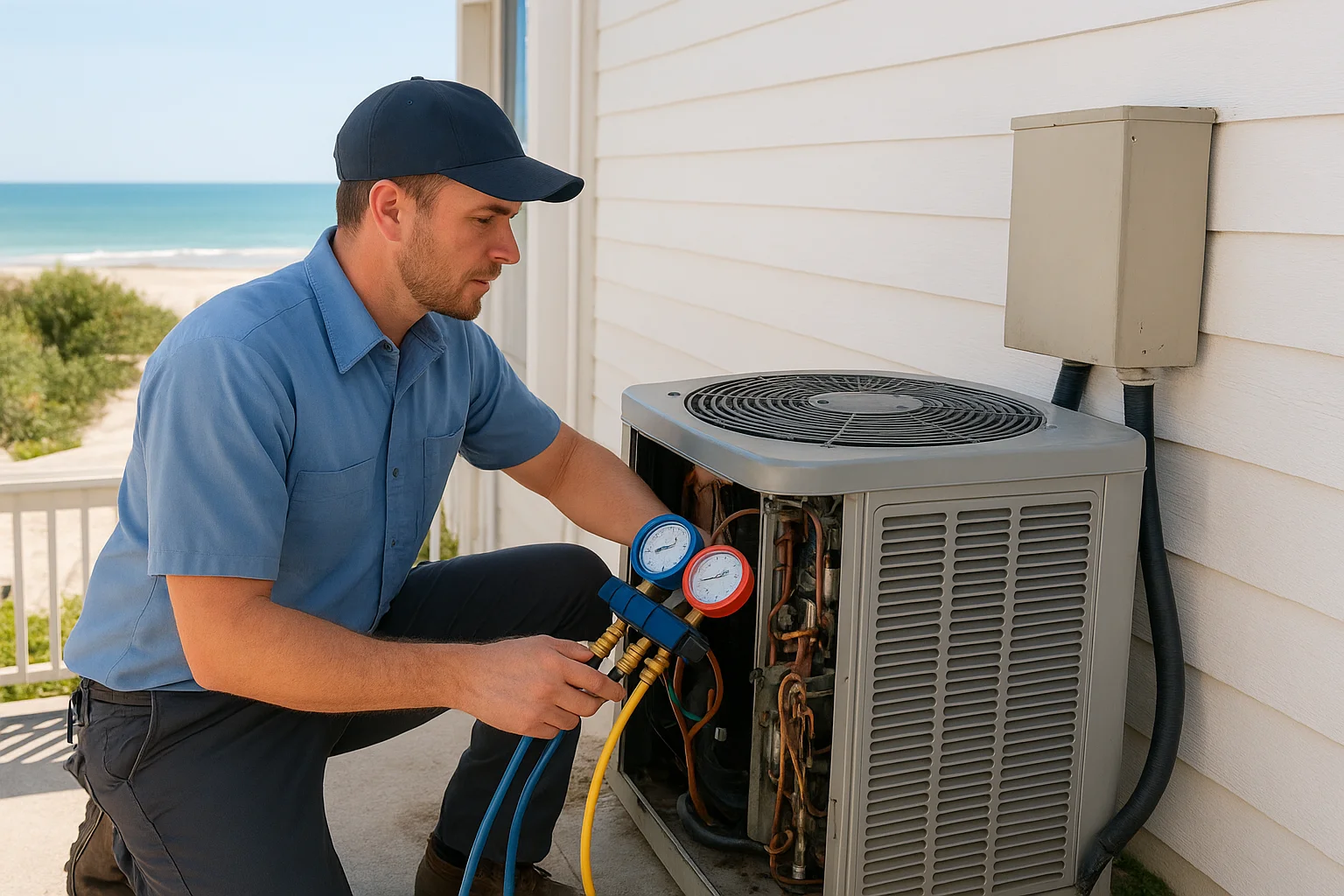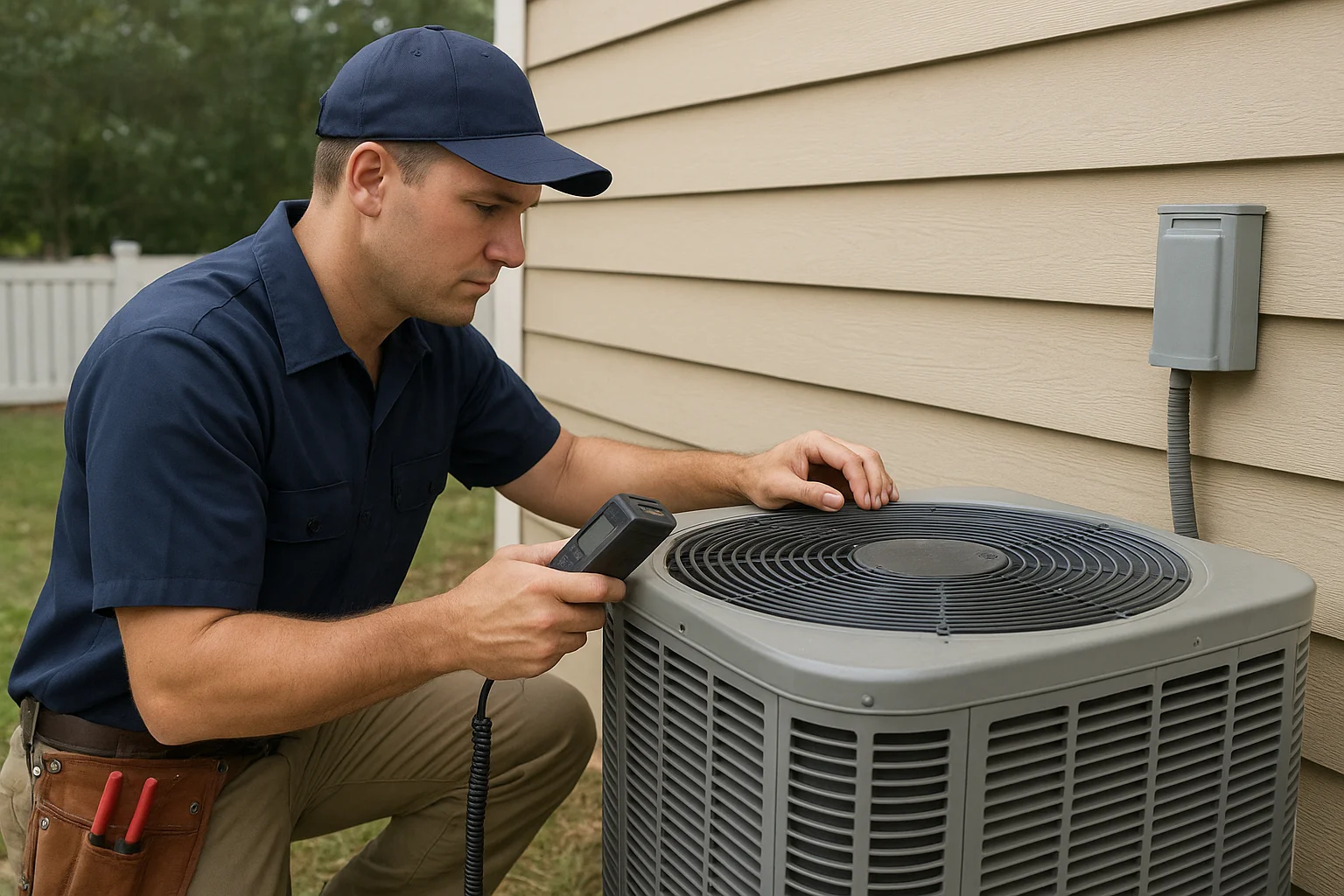
Panama City Beach is beautiful, but the weather is hard on HVAC systems. Warm Gulf air, sticky humidity, and salt in the atmosphere can strain cooling performance and add wear to components over time. A smart thermostat can help you manage comfort more precisely, but only if it is installed and configured with your home’s real HVAC setup in mind.
This guide walks you through practical ways smart thermostats support everyday HVAC reliability, what can go wrong, and how homeowners can reduce the chances of expensive AC repair or premature system replacement. If you are searching for an HVAC controls service in Panama City Beach, the steps below will help you ask better questions and spot problems early.
Why Panama City Beach homes need smart thermostat reliability, not just “smart” features
Most homeowners buy a smart thermostat for convenience: remote scheduling, temperature hold modes, and usage insights. Those features can be helpful, but HVAC reliability depends on fundamentals like airflow, condensate drainage, correct system settings, and indoor air quality control.
In Panama City Beach, these fundamentals matter because:
- Humidity changes how comfort feels. Even when the temperature looks right, high indoor humidity can make rooms feel warmer and can increase moisture load on the cooling coil.
- Salt air can accelerate corrosion. Outdoor units and coil surfaces can experience faster deterioration, especially in coastal areas.
- Airflow issues can trigger cascading problems. When air does not move well through ductwork, the system can short cycle, freeze up, or struggle to reach setpoints.
- Refrigerant systems are sensitive to airflow and load. If the system cannot remove heat effectively, performance can drop and components can work harder.
A smart thermostat is only as reliable as the system it controls. That is why professional installation and configuration are a big deal in Florida heat and humidity.
Smart thermostat basics that protect AC performance
Smart thermostats control heating and cooling by sending signals to the system, so correct setup helps prevent unnecessary cycling and comfort swings. The goal is steady operation that matches how your home actually cools.
1) Match thermostat settings to your HVAC system type
Homes in Panama City Beach may have central AC, heat pumps, ducted systems, or ductless mini split installations. Smart thermostats often support multiple system types, but the configuration must match the equipment you have.
If the thermostat is set up incorrectly, it can cause symptoms like:
- Cooling running when it should be off, or failing to call for cooling when it should
- Short cycling that increases wear on the outdoor unit and indoor blower motor
- Comfort problems that seem “temperature only,” but are actually airflow or humidity related
When a homeowner is choosing a smart thermostat, this is the moment to think beyond the device and focus on the HVAC controls service and the system wiring and configuration your home requires. A local HVAC contractor near me can verify compatibility during an air conditioning inspection near me.
2) Use fan and airflow settings intentionally
Smart thermostats often include “fan schedules,” “auto fan,” and options that run the blower periodically. Those features can improve comfort and indoor air quality, but they can also worsen moisture issues if your system and ductwork are not handling humidity well.
For example, running the fan too aggressively can pull more air through ducts without enough cooling coil run time to manage condensate drainage. In Florida humidity, condensate management is part of reliability. If condensate drains poorly or the coil does not remove moisture as expected, indoor humidity can climb even if temperature is controlled.
A professional technician can help you choose thermostat fan behavior that supports proper cooling cycles and helps keep indoor air comfortable.
3) Set temperature schedules that reduce stress, not just maximize savings
Many homeowners set aggressive setbacks during the day, then “blast” cooling when they return. In coastal Florida heat, that can lead to longer run times and higher system demand.
Instead of large swings, use schedules that keep the system in a stable comfort range. Smart scheduling works best when it matches typical occupancy and when your ductwork can move conditioned air consistently.
If you are also thinking about ductwork performance, pairing thermostat upgrades with an airflow check can be valuable. Homeowners often search for duct cleaning near me or duct repair near me when comfort problems show up after a thermostat change. The thermostat may be revealing an existing airflow weakness.
Common smart thermostat problems that lead to costly repairs
Smart thermostats are usually reliable, but problems often come from installation details, HVAC settings, or existing system issues that the thermostat cannot fix. Here are the most common issues homeowners in Panama City Beach run into.
1) Short cycling from incorrect equipment control
Short cycling happens when the system turns on and off too frequently. It can increase wear on components and reduce humidity removal because the cooling cycle never runs long enough to properly dehumidify.
Smart thermostats can contribute to short cycling if configuration does not match your system or if temperature thresholds are too tight. A technician can review your thermostat configuration alongside system operation to confirm that the calls for cooling and heating make sense.
2) Comfort complaints that are actually indoor air quality issues
Some homeowners install a smart thermostat expecting better comfort, but the real problem is indoor air quality. If filters are not suited to your household, if ducts leak, or if airflow is restricted, the system may cool the temperature while air quality remains poor.
Smart thermostats can help with scheduling and monitoring, but they do not replace filtration and ventilation needs. If you are evaluating comfort and air quality together, consider Air Filtration & Purifiers as part of your indoor air quality services near me plan.
3) Humidity control that does not match Florida conditions
Florida humidity is not a minor detail. If your thermostat settings focus only on temperature, your home may stay too humid. That can contribute to musty odors, higher perceived warmth, and increased moisture stress on the HVAC system.
Humidity management depends on cooling coil performance, condensate drainage, blower operation, and correct airflow. A smart thermostat can support that process, but it needs to be configured with your equipment and ductwork in mind.
4) Condensate drainage problems that a thermostat cannot “sense”
Condensate drainage relies on the cooling cycle and proper drain routing. If drainage is partially blocked or the drain line is not clearing water, you can see symptoms like water issues around the indoor unit, reduced dehumidification, or system shutdowns.
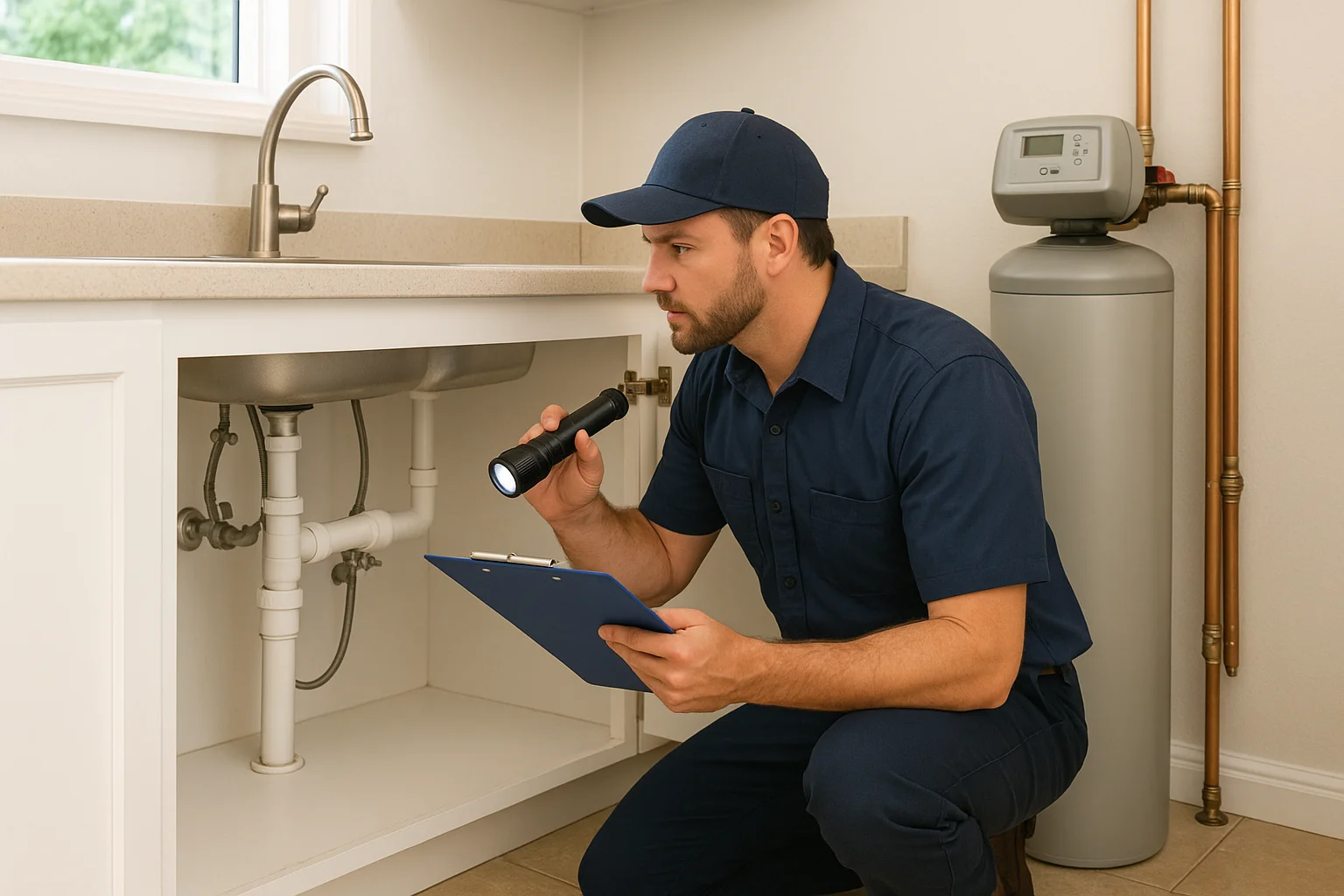
Thermostats may show errors or behavior changes, but they are not a substitute for a proper condensate drainage inspection. If you notice unusual moisture, interruptions, or musty odors, contact an AC repair professional rather than trying to adjust thermostat settings alone.
5) Sensor placement and “wrong room” temperature readings
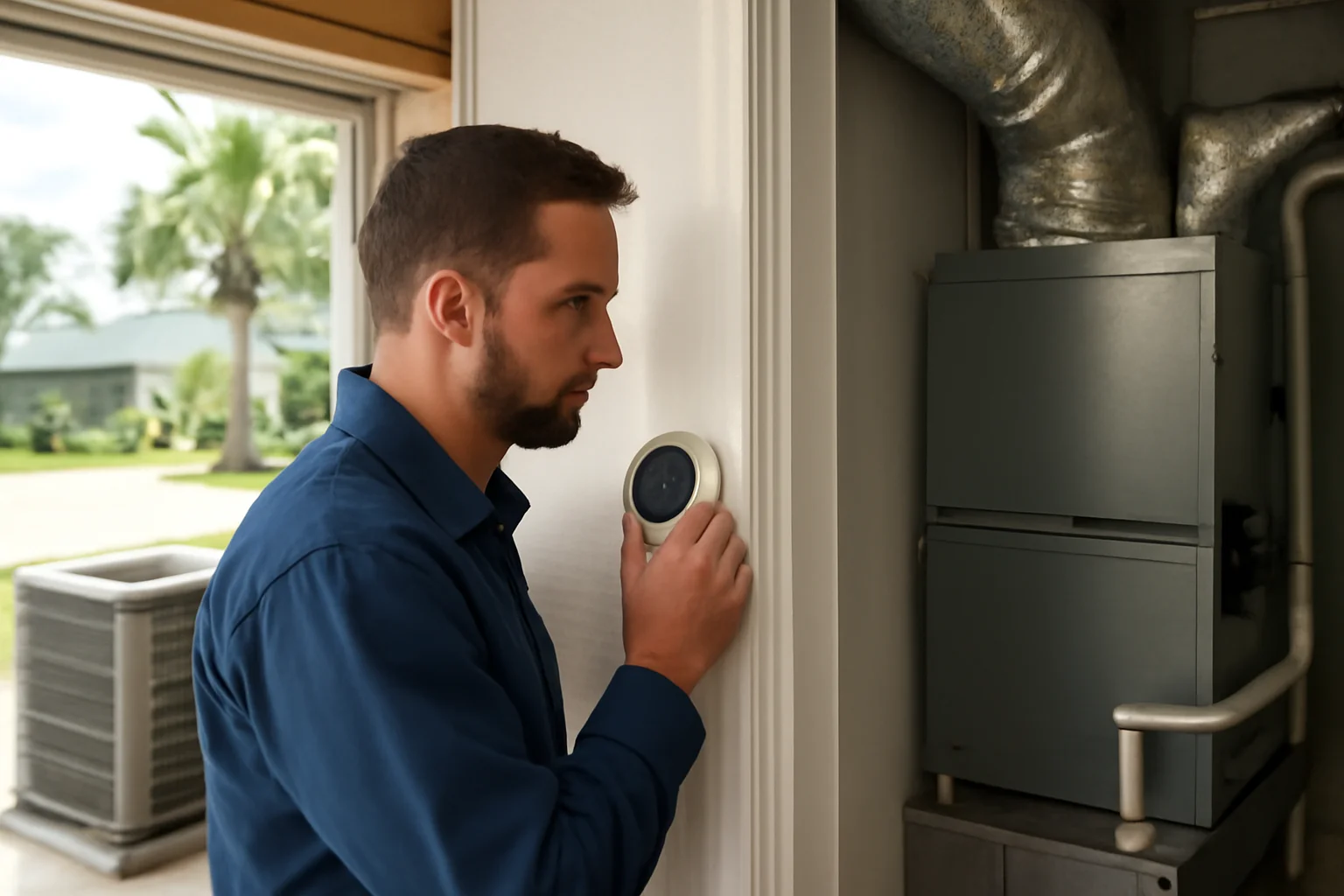
Many smart thermostats include internal sensors, and some support remote sensors. If the thermostat is installed near a heat source, in direct sun, or in a drafty hallway, it may read temperatures inaccurately. The system then cycles to satisfy the sensor location instead of the living areas you care about.
In coastal homes, heat gain from windows and reflective surfaces can be significant. A technician can help you evaluate placement and sensor strategy so the thermostat responds to real comfort needs.
How to set up a smart thermostat for Florida reliability
Before you finalize settings, use this checklist to reduce the chance of HVAC control problems.
Step 1: Confirm system compatibility and correct equipment mode
Ask your installer to confirm the thermostat is configured for your exact HVAC setup, whether you have a heat pump or a conventional AC system. If you are considering heat pump repair near me or have a mixed system, configuration details matter even more.
Do not rely on online “it should work” guidance. HVAC controls service should be based on an in-person review of your system operation and wiring.
Step 2: Choose fan settings that support dehumidification
During humid months, your cooling system needs time to remove moisture. If the blower runs in a way that changes cycle timing, humidity can rise. Ask for guidance on fan operation tied to your equipment and ductwork layout.
If your home has uneven temperatures, it may point to ductwork restrictions or blower performance issues. That is where ductwork inspections and related services can prevent the system from working harder than it should.
Step 3: Use moderate setpoint changes and avoid extreme setbacks
Florida heat can make extreme setbacks expensive. Instead of turning the system way down and waiting until you come home, use schedules that keep indoor conditions within a manageable range.
Smart thermostats can still offer flexibility without forcing the HVAC system to recover from large temperature swings.
Step 4: Review alerts and runtime behavior after installation
Smart thermostats can show runtime patterns, temperature trends, and sometimes system status. If you see repeated short cycles, frequent “calls for cooling” that do not stabilize indoor temperature, or unusual error messages, treat it as a signal to investigate airflow, humidity management, and control settings.
Homeowners often notice these patterns before they result in emergency cooling concerns. In a hot coastal climate, being proactive matters.
When smart thermostats reveal bigger HVAC issues
Sometimes the thermostat is not the cause. It is the first tool that makes a problem obvious. In Panama City Beach, the most common “revealed issues” include airflow limitations, duct leakage, filter restrictions, and refrigerant system performance concerns.
Airflow and ductwork issues
If rooms are consistently warmer or cooler than others, the thermostat may be fighting the wrong battle. Ductwork can develop leaks, obstructions, or poor sealing over time, especially in homes that have had renovations or shifting due to coastal humidity exposure.
If you are searching for duct cleaning near me, also consider whether duct cleaning alone is solving the comfort problem. Wear and tear can change how air moves through ducts and can impact how the system performs. For related reading, see How HVAC Wear and Tear Changes the Way Duct Cleaning Works in Panama City Beach Homes.
Indoor air quality gaps
Smart thermostats can help you keep schedules consistent, but they cannot compensate for poor filtration or inadequate air filtration strategy. If you notice more dust, allergies, or odors after a thermostat upgrade, it may be time to evaluate indoor air quality services near me like filtration and purification.
Explore Air Filtration & Purifiers for options that match your home’s needs.
Refrigerant system performance concerns
Smart thermostats can sometimes show that the system runs longer than expected or struggles to reach setpoints. That can be related to many factors, including airflow and coil performance. Refrigerant system issues are not something homeowners should diagnose on their own.
If you suspect refrigerant performance problems, schedule an in-person evaluation. A professional can inspect system operation and determine the correct next steps without guessing.
Preventive maintenance that pairs well with smart thermostat control
A smart thermostat can improve how you manage comfort, but preventive HVAC maintenance is what keeps the equipment ready for everyday reliability. In Panama City Beach, humidity and salt air increase the importance of routine care.
When you schedule an AC tune up near me or an annual air conditioning inspection near me, ask about the areas that affect thermostat controlled performance:
- Cooling performance and coil condition. Maintenance supports moisture removal and steady cooling.
- Airflow across the system. Filters, blower operation, and ductwork influence how well the system responds to thermostat calls.
- Condensate drainage. Clear drainage supports dehumidification and helps prevent shutdowns or indoor moisture.
- Control checks. Verify thermostat wiring, system mode behavior, and how the system responds to setpoints.
- Outdoor unit protection and corrosion considerations. Coastal exposure makes it smarter to keep up with inspections.
For homeowners who want to reduce breakdown risk during peak heat, pairing smart thermostat upgrades with a maintenance plan is a practical approach. If you manage more than one property, you may also want to compare how controls and scheduling work across units by exploring Property Management HVAC Services.
Smart thermostats and emergency cooling concerns: how to stay prepared
Even with smart controls, HVAC emergencies can happen, especially during heat spikes. A smart thermostat can make it easier to monitor system behavior, but it cannot guarantee that the system will operate perfectly at all times.
To reduce the odds of being stuck waiting for AC repair during a critical moment:
- Keep track of thermostat alerts and unusual runtime patterns.
- Replace filters on schedule and keep airflow pathways clear.
- Plan maintenance before the hottest weeks.
- Know the difference between “the thermostat is set right” and “the system is actually cooling.”
If you are dealing with symptoms like poor cooling, repeated shutdowns, or comfort failures that feel urgent, reach out for emergency AC repair near me. A technician can evaluate the system in person and address the real cause.
Why local installation and configuration matters in Bay County
Smart thermostat features are universal, but HVAC conditions are not. Panama City Beach homes vary in ductwork design, insulation levels, window exposure, and equipment age. Salt air and humidity can also affect how components behave over time.
That is why local expertise matters. An HVAC contractor serving Panama City Beach can review your system, confirm thermostat compatibility, and help ensure that thermostat control supports reliable airflow, proper condensate drainage, and stable cooling performance.
If you want to upgrade your HVAC controls, you can explore smart thermostat installation and upgrades in Panama City Beach and learn how the process supports everyday reliability. You can also browse the broader service area at Panama City Beach HVAC services and Bay County HVAC services.
Helpful next steps if you are planning a smart thermostat upgrade
If you are considering a smart thermostat, start with a realistic plan that pairs control with system health. Here are practical steps you can take:
- Schedule an air conditioning inspection near me if your system is older or if you have uneven cooling.
- Review comfort complaints and whether they match humidity issues or airflow problems.
- Ask how your thermostat settings should support dehumidification during Florida humidity.
- Consider indoor air quality improvements like filtration and purification.
- Plan preventive HVAC maintenance so your system is ready for the next heat wave.
These topics often connect to other homeowner questions about thermostat behavior. You may also find useful guidance in Smart Thermostats in Panama City Beach: Small Problems That Can Turn Into Bigger HVAC Headaches and Keeping Your Cool in Panama City Beach Without Letting Smart Thermostats Create Bigger HVAC Problems.
And if you want to understand how professional service supports reliability, read Why Professional HVAC Service Matters for Panama City Beach Air Conditioning.
Questions homeowners should ask before installation
When you contact an HVAC controls service or an HVAC service near me provider, use these questions to guide the conversation:
- What thermostat configuration matches my HVAC system type and how will it affect cooling cycles?
- How should the fan settings be adjusted for Florida humidity and indoor comfort?
- Can you review airflow and ductwork concerns that might affect how the thermostat performs?
- Will you check condensate drainage and cooling performance as part of the setup?
- If my home has uneven temperatures, what do you recommend first: ductwork, filtration, or control settings?
This approach helps prevent situations where a smart thermostat is installed, but the underlying comfort and reliability issues remain. It also supports safer operation of the refrigerant system because the HVAC technician can evaluate system behavior in person rather than guessing.
For homeowners who need repairs alongside control improvements, you can also explore Heating System Repair if you use a heat pump or want help maintaining year-round comfort.
For larger properties or different equipment styles, ask about options like Commercial HVAC Installation or ductless upgrades such as ductless mini split installation near me if your layout supports it.
Find Smart Thermostats in Panama City Beach, FL
If you need Smart Thermostats in Panama City Beach, FL, visit our local service page or contact A Superior Mechanical today.
Map of Panama City Beach, FL
Frequently Asked Questions
Will a smart thermostat automatically improve indoor humidity in my Panama City Beach home?
Not automatically. Humidity control depends on cooling coil performance, condensate drainage, airflow through ductwork, and how your thermostat manages cooling cycles and fan operation. A proper setup can help, but an HVAC technician should confirm settings match your system.
Why does my AC run longer after installing a smart thermostat?
Longer runtime can happen if the thermostat configuration does not match your HVAC system type, if sensor placement reads the wrong temperature, or if airflow and ductwork issues limit cooling performance. If you notice frequent cycling or comfort problems, schedule an in-person air conditioning inspection near me.
Can I set up the thermostat myself to avoid AC repair costs?
Some homeowners can handle basic installation, but Florida heat, humidity, and coastal conditions make configuration details important. Professional smart thermostat installation and upgrades help ensure the thermostat controls your system correctly, supports dehumidification, and avoids issues that can lead to AC repair.
What should I check if my home has uneven cooling after a thermostat upgrade?
Uneven cooling often points to airflow and ductwork problems, filter restrictions, or blower performance. Check whether vents are blocked, filters are clean, and temperatures vary by room. Then consider an HVAC evaluation for ductwork concerns, since a thermostat cannot fix airflow limitations.
Do smart thermostats help prevent emergency cooling problems?
They can help you notice unusual behavior, like repeated runtime changes or alerts, but they do not guarantee system reliability. Preventive HVAC maintenance, proper condensate drainage, and correct thermostat setup are what reduce the odds of emergency cooling concerns.
Related Articles
- Smart Thermostats in Panama City Beach: Small Problems That Can Turn Into Bigger HVAC Headaches
- Keeping Your Cool in Panama City Beach Without Letting Smart Thermostats Create Bigger HVAC Problems
- Why Professional HVAC Service Matters for Panama City Beach Air Conditioning
- How HVAC Wear and Tear Changes the Way Duct Cleaning Works in Panama City Beach Homes
Photo Gallery